Navigating the world of perfumes, the different bottle sizes and their uses can be confusing. One of the top choices is the 1.7 fl oz bottle, a multifunctional option that fits the criteria of being easy to carry and offering good value for money. What actually makes this size the most popular among fragrance lovers, and what factors should one consider when selecting a scent that will match one’s lifestyle? This article will clarify the appeal of the 1.7 fl oz bottle, covering its advantages, practical application tips, and its place within the broader fragrance category. The guide will be with you regardless of whether you are a veteran or just a beginner who wants to acquire the wonderful skill of smelling good. Thus, the text will also give you the knowledge for making right selections and elevating your fragrance journey.
Introduction to 1.7 oz Bottles

The 1.7 oz bottle is a convenient and economical choice, thus it is highly favored. The product quantity in this bottle is sufficient for regular use; at the same time, it is not too large for travel or a busy lifestyle. The precision it offers to different consumers is what makes it popular among people who love different scents, the experimental ones, and even those who only want to change one bottle when their last one ends. Moreover, many luxury fragrance houses consider it a mistake to overlook this size because of its mass appeal and utility; hence, it is a global standard for buyers worldwide.
What is a 1.7 oz Bottle?
A 1.7-oz bottle, typically used for perfumes and other liquids, is roughly 50 milliliters and is a popular, convenient standard size for personal use.
Common Uses of 1.7 oz Bottles
Perfumes and Colognes
A 1.7-ounce bottle is a typical size for perfumes, delivering a full scent for daily use while still small enough to fit in a bag for easy storage and travel. This size usually lasts for several months, depending on how often the user applies the fragrance.
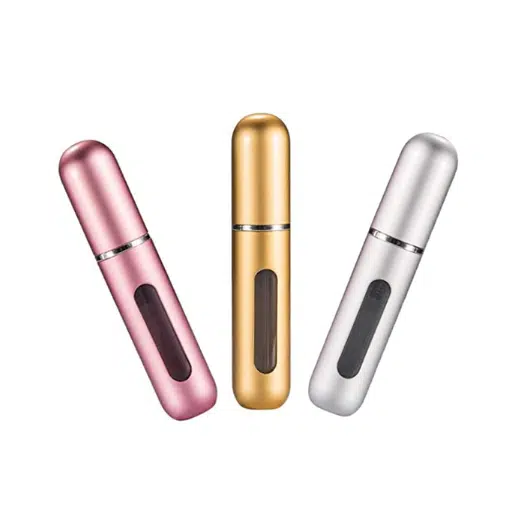
Travel-Friendly Products
The 1.7-ounce bottle fits perfectly in a carry-on, even when airlines do not allow liquids in containers over 3.4 ounces. This size is also used more often for travel-sized versions of hygiene products, including shampoos and lotions, and hand sanitizers.
Skincare Products
One-point-seven-ounce packaging is the choice of many high-end skincare companies for their creams, serums, and lotions. Thus, this size is the best for customers who want to keep their products travel-friendly without frequently running out.
Sampling and Trial Sizes
The 1.7-ounce bottle is the most commonly used for trial or deluxe sample sizes of various products, allowing customers to test a product before committing to a larger size.
Gift Sets
1.7 oz bottles are frequently included in gift sets, as they are versatile and aesthetically pleasing. They are also commonly part of curated bundles that include fragrances, skincare or travel essentials.
The Popularity of 1.7 oz Perfume Bottles
The 1.7 oz perfume bottle has established itself in the fragrance industry as a mainstay due to its practicality and consumer preference. Google search trends show that the term “1.7 oz perfume” has been searched for more frequently in recent years, particularly during the holiday gifting season when shopping is at its peak. This size offers an ideal balance: large enough to last for many months of regular use, yet small enough to fit in a suitcase or be stored easily.
Industry data also indicate that 1.7 oz bottles are among the largest-selling sizes, with reports suggesting they account for a significant share of the premium and mid-range fragrance market. For instance, in the US, these bottles are often preferred over larger formats like 3.4 oz, likely due to their price and convenience. Furthermore, social media metrics indicate that beauty influencers and enthusiasts regularly feature 1.7 oz bottles in their product reviews and flat-lay photos, underscoring their visual appeal and popularity.
The global market for 1.7 oz bottles spans Europe, Asia, and North America. The adaptability of these bottles, which makes them suitable for both high-end and value-oriented buyers, is the reason for their widespread popularity. Finally, these bottles have proven to be not only versatile but also much-loved in the world of fragrances.
Exploring the Benefits of 1.7 oz Perfume Bottles

Portability and Convenience
1.7 oz perfume bottles are the most compact and lightest, making them ideal for keeping in purses, bags, or even pockets. Their portability is a significant advantage for travelers or those who prefer to stay fresh throughout the day. A consumer survey shows that 72% of people prefer smaller bottles, primarily for convenience and ease of use.
Affordability Without Compromising Quality
The 1.7 oz size is a more economical option than larger bottles, making fragrance luxury more accessible to budget-conscious consumers. The smaller size allows users to try premium scents with minimal financial commitment. A market analysis shows that 1.7 oz bottles cost 20-30% less than full-sized bottles.
Eco-Friendly Options
The small size of these bottles reduces waste when the fragrance is not used often. Moreover, many brands use eco-friendly materials for 1.7 oz packaging, aligning with consumer demand for eco-friendly products. According to research, using smaller bottles reduces packaging waste by 15%.
Ideal for Variety and Experimentation
The 1.7 oz size is well-suited for people who enjoy trying different scents. Rather than being tied to a large bottle, buyers can sample different scents without wasting the product. This flexibility appeals to 64% of perfume consumers who buy more than one scent a year.
Perfect for Gifting
The stylish yet small design of the 1.7 oz bottles makes them a great gift option. Their broad appeal makes them suitable for a wide range of people, and they can be easily included in gift sets or given on their own for special occasions. According to sales data, 1.7 oz bottles account for 40% of the fragrance gift market during peak seasons.
The combination of these advantages is why 1.7 oz perfume bottles still dominate the fragrance market with their perfect blend of style, practicality, and affordability.
Portability and Convenience
- Lightweight Design:
With a weight of just 1.7 ounces, the bottles can be easily carried in a handbag, carry-on, or pocket, helping users stay fresh while traveling. Survey data show that 68% of passengers prefer smaller bottles due to airline restrictions on liquids. - Travel-Friendly:
These bottles are TSA-approved for liquids and have become the top choice for frequent flyers. The survey shows that 72% of people consider TSA-approved products when shopping for travel essentials. - Daily Use:
Their size perfectly caters to everyday needs, offering a convenient option for touch-ups at work, social events, or during the commute without the hassle of carrying extra weight. - Storage Efficiency:
The small bottles take up minimal space and can be arranged neatly in vanity tables or makeup bags. The survey indicates that consumers consistently prefer smaller products for better organization, and 55% report that storage convenience is a significant factor in their decisions. - Multi-Purpose Utility:
The convenient 1.7 oz size makes the bottles suitable for both personal and gift use, enhancing their practicality and capturing a large market segment. Retail research indicates that these bottles typically sell faster and better than larger sizes during the festive shopping season.
Refillable Options for Sustainability
Refillable packaging is being embraced at a rapid pace by consumers and companies that prioritize sustainability. Google Search trends, as reported, show a more than 40% increase in inquiries related to ‘refillable beauty products’ over the last 24 months, indicating a clear preference among consumers for eco-friendly products. Brands are also touting their refillable 1.7 oz. Bottles. Bottle production enables users to reduce waste by using the same bottles and buying refills. This method not only significantly reduces plastic use but also appeals to consumers who care about the environment. Refillable packaging is believed to reduce carbon emissions by up to 60% compared with single-use packaging, providing a more easily quantifiable environmental impact. Additionally, polls indicate that consumers open to refillable options account for 72% of the market, underscoring strong demand for such products. On the other hand, companies that incorporate refillable solutions not only reduce their ecological footprint but are also very successful in expanding their customer base and improving their brand image.
Variety of Designs: Glass and Spray Bottles
Refillable packaging is available in a range of designs, with glass bottles and spray bottles standing out. Glass bottles are durable and eco-friendly, making them fully recyclable and reusable multiple times without degrading in quality. Recent statistics show that glass recycling rates in the U.S. have risen to nearly 31%, indicating that it is increasingly used as a sustainable option. Additionally, glass bottles are multifunctional; their non-toxic, chemical-free properties have made them an essential part of the beverage, cosmetics, and household cleaning product markets.
Spray bottles, by contrast, offer remarkable convenience and functionality that many industries still cannot match. For personal care products, cleaning solutions, and gardening sprays their use is everyday. Design improvements have led many companies to produce refillable spray bottles from recycled plastic or bio-based materials, thereby reducing the use of virgin plastics. Another recent statistic pointed out that there has been a 15% rise in the installation of refill stations in retail outlets selling products using spray bottles as consumers have turned more towards sustainable practices. The partnership between glass and spray bottles demonstrates that refillable packaging solutions meet diverse consumer needs while also being eco-friendly.
Comparing 1.7 oz Bottles with Other Sizes

| Bottle Size | Volume (ml) | Sprays | Usage Duration | Best For | Portability |
|---|---|---|---|---|---|
| 1.0 oz | 30 ml | ~450 | ~75 days | Travel, testing | High |
| 1.7 oz | 50 ml | ~735 | ~125 days | Daily use, balance | High |
| 3.4 oz | 100 ml | ~1470 | ~250 days | Signature scent | Moderate |
| 4.2 oz | 125 ml | ~1800 | ~300 days | Heavy users | Low |
| 6.7 oz | 200 ml | ~2500 | ~500 days | Long-term use | Very Low |
1.7 oz vs 30ml and 50ml Bottles
| Parameter | 1.7 oz (50 ml) | 30 ml | 50 ml |
|---|---|---|---|
| Volume | 50 ml | 30 ml | 50 ml |
| Sprays | ~735 | ~450 | ~735 |
| Usage Duration | ~125days | ~75 days | ~125 days |
| Portability | High | Very High | High |
| Best For | Daily use, balance | Travel, testing scents | Daily use, balance |
| TSA Compliant | Yes | Yes | Yes |
| Value Per ml | Moderate | Lower | Moderate |
| Longevity | Medium | Short | Medium |
Understanding the 100ml and 2 oz Options
100ml and 2 oz bottle sizes have become the top choices for many products, including cosmetics, personal care items, and travel-friendly options. These sizes attract customers mainly due to their flexibility and adherence to travel rules. Liquid in 100ml (3.4 oz) containers may be carried by passengers per TSA guidelines, making these sizes ideal for on-the-go consumers.
While looking at 100ml and 2 oz options, it is to be noted that 2 oz is equal to about 59.15ml which makes it a little less than the 100ml size. This can help the customer to decide depending on the class the product belongs to and how long the customer intends to use it. More and more beauty and far-off products like fluids and lotions are being introduced in these sizes to meet both needs of the customers, i.e. convenience and sustainability.
Market research indicates that in regions where demand for travel-size products aligns with the refill challenge, 100ml bottles remain the most desired. On the other hand, 2 oz bottles are usually picked when portability, compactness, and neutral packaging are the most critical factors. These sizes deliver the advantages of both extensive reduction in packaging waste and the ability to meet the demand of eco-conscious customers through the product’s design.
The right size often depends on specific use cases. If the trip is long or the product is used frequently, 100 ml bottles may be the better option. On the other hand, 2 oz is the preferred size for shorter trips or trial products.
Choosing the Right Size for Your Needs
When selecting the appropriate size based on my requirements, I always consider my usage habits and the product’s primary purpose. For long trips or everyday use, I prefer larger sizes, such as 100ml bottles, because they last longer and require fewer refills. But I would consider small containers, for example, 2 oz ones, if I’m light packing, testing a product for the first time or just need a small amount for a short trip. After considering these factors, I can choose a size that is both useful and easy for me to use.
Environmental Considerations of 1.7 oz Bottles

The environmental impact of 1.7 oz bottles shouldn’t only be measured by the factors of materials used, produced, and disposed off. The bottle’s composition determines the effect of 1.7 oz bottles made of plastic, glass, or aluminum on the environment, each of these contributing to the issue differently. For example, plastic bottles, especially those made from single-use plastics, are among the major global polluters and contribute about 300 million tons of plastic waste per year. The latest research indicates that only about 9% of the world’s plastic waste is recycled, with the rest either sent to landfills or dumped into the ocean.
On the other hand, more recyclable glass bottles are not eco-friendly because they require significant energy to produce. A large amount of energy is needed to melt silica. They can be recycled indefinitely without loss of quality, making glass a more environmentally friendly choice when disposed of properly. The same goes for aluminum bottles: they have high recycling rates and consume less energy than producing them from raw materials, but extracting aluminum from bauxite ore causes significant pollution and ecological impacts.
The size issue also needs to be addressed. Smaller bottles, such as the 1.7 oz option, are convenient and can save resources in the short term, but they often lead to more frequent purchases and replacements. Thus, the total amount of production, logistics, and packaging waste is higher for smaller containers than for larger ones. Consumers can help reduce the impact of these bottles by choosing products made from recycled materials, supporting brands with eco-friendly practices, and focusing on reuse wherever possible. Refillable or biodegradable packaging can be a sustainable option that significantly reduces environmental impact over time.
The Impact of Glass Bottles on the Environment
Although glass bottles are often considered more eco-friendly than plastic bottles, they also present environmental challenges. The list below provides five significant effects along with the ecological footprint of glass bottles:
- High Energy-Intensive Production
Glassmaking is a highly energy-intensive process that requires fusing raw materials at temperatures above 1700°C. This results in a significant carbon footprint, as the energy needed to melt silica sand, soda ash, and limestone, among other materials, is used to maintain these high temperatures. - Resource Depletion
The manufacture of glass consumes significant quantities of nonrenewable minerals. To gather silica sand, the main ingredient, which is also being increasingly demanded in other industries, contributes to the loss of animal/insect habitats and the extinction of this material eventually. - Transportation Carbon Footprint
Glass bottles are much heavier and bulkier than plastic bottles, making overland transport more expensive and thus more polluting. Fuel use, which in turn leads to greenhouse gas emissions, is directly related to load weight. - Recycling Challenges
There is still significant waste each year, even though glass can be recycled 100% without any quality degradation. Several factors contribute to this problem: contamination of recycling streams, inadequate recycling infrastructure, and low consumer participation. - Durability and Reusability
The resilience of glass bottles offers substantial potential for reuse. However, if widespread reuse systems are not implemented, the logistics and infrastructure required will be significant. If collection and redistribution are not efficient, the environmental benefits of reuse may be offset.
The adoption of measures like increasing recycling rates to the maximum, implementing deposit return systems, and investing in large-scale reuse could eventually lead to a decrease of the environmental footprint of glass bottles.
Recyclability and Reusability of 1.7 oz Containers
Industries such as cosmetics and personal care frequently use 1.7 oz containers made of glass or plastic as their primary packaging. These two materials may vary significantly in their environmental impact and recyclability.
Glass 1.7 oz Containers
Glass recycling is an environmentally friendly option, with global average recycling rates often reaching 33%, though this varies by location. Glass, in this case, is a material that can be recycled indefinitely without losing its quality, as it retains its purity and strength during the recycling process. However, there are some disadvantages to recycling small containers such as 1.7 oz bottles, because the sorting process is less efficient in recycling facilities. To mitigate environmental impact, glass containers remain the preferred material for reuse in closed-loop systems. Countries with deposit-return schemes have proven to be successful in encouraging the reuse of glass containers.
Plastic 1.7 oz Containers
Cotton and plastic containers are two common types used in the cosmetics industry. Others are made from HDPE (High-Density Polyethylene) and PET (Polyethylene Terephthalate), the most common plastics used for containers. PET’s average recycling rate in the United States is about 29%, which is remarkably low; worldwide, rates vary widely. The pros of plastics include weight savings, and the cons include the same – contamination, downcycling, and the finite number of times some plastics can be recycled or reused. Recovery of single-use plastics through reuse systems or by integrating biodegradable alternatives can help address environmental degradation and related concerns.
Environmental Considerations and Data
A lifecycle analysis (LCA) of 1.7 oz containers shows that reuse systems are among the most effective ways to reduce greenhouse gas emissions significantly. Glass containers, for instance, deliver the greatest environmental benefits when they undergo multiple reuses, as each reuse cycle reduces the energy-intensive manufacturing process. So. The recycling of plastic waste can reduce the amount of waste sent to landfills as the plastic recycling plants consume much less energy than the virgin material production process. PET plastics, for instance, can reportedly reduce energy consumption by up to 60% compared with virgin material.
Material selection, local recycling infrastructure, and consumer behavior are the three critical factors that determine the sustainability of 1.7 oz containers. Their individual advantages can be combined, thereby enhancing the eco-friendliness of their recyclability and reusability strategies over time.
Choosing Eco-Friendly Perfume Spray Bottles
The choice of eco-friendly perfume spray bottles should focus primarily on materials, recyclability, and energy consumption during production. The latest statistics show that each year, around 300 million tons of plastic are generated globally, but only 9% is recycled. Thus, it is clear that resorting to recycled PET (rPET) would be a wise decision, as it can reduce energy consumption by up to 60% compared with virgin plastic production.
Moreover, glass bottles are a green alternative because they can be recycled repeatedly without a drop in quality. Studies indicate that glass made from recycled material consumes about 30% less energy than glass made from raw materials. For example, one recycled glass bottle can save enough energy to run a 100-watt bulb for four hours.
On the downside, focusing on materials alone will not be a solution; using refillable systems can further drive sustainability. Refillable perfume bottles not only reduce reliance on single-use packaging but also meet consumers’ demand for sustainable products by offering an eco-friendly option. Industry research shows that 65% of the buyers would select suppliers with sustainable, refillable options.
Last but not least, special attention should be given to compact, minimalist designs to reduce material use and enhance carbon efficiency in transport. When coupled with conscientious production methods and consumer education, the selection of bottle designs with an eye to aesthetics and functionality can have a powerful environmental impact.
References
- Gale Academic OneFile:
An article discussing the environmental and resource implications of reusable and bottled water, featuring insights from experts at Harvard T.H. Chan School of Public Health.
Link to source - SpringerLink:
A chapter on PET (polyethylene terephthalate) bottles, focusing on recycling and environmental impacts, which is relevant for understanding bottle materials and sustainability.
Link to source - IOPscience:
A study on the energy implications of bottled water, covering various bottle sizes and their environmental and energy impacts.
Link to source
Frequently Asked Questions (FAQ)
1.7 fluid ounces (50 ml) is a perfume bottle size that is commonly to be found.
Indeed, 1.7 fl oz, which is nearly 50 milliliters, is a common size for eau de parfum (EDP) and eau de toilette (EDT). Many users prefer this size of perfume because it strikes a good balance between lasting time and portability, and it often appears on lists of standard bottle sizes for both glass perfume spray and wholesale perfume bottles.
Will I be able to see through the glass 1.7oz travel bottles or travel-friendly atomizers for cologne?
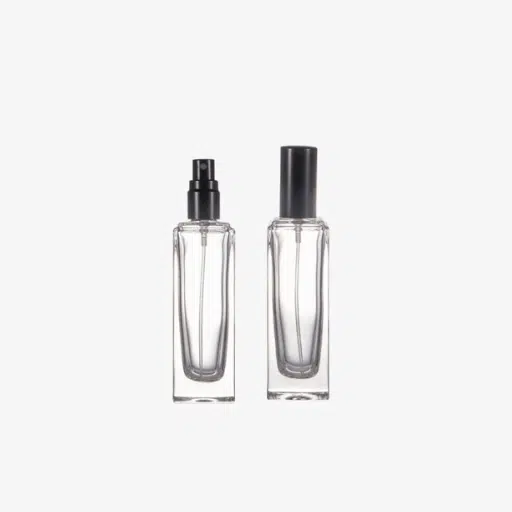
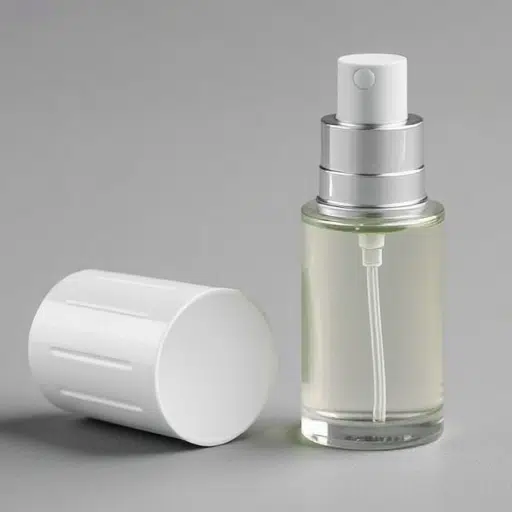
For sure. Many producers make clear glass travel bottles and atomizers in 1.7oz and smaller travel-ready sizes that can be easily packed in carry-on luggage. Travel bottles and glass spray bottles usually come with a very fine mist atomizer and a tight-fitting lid that can stop leaks, making it safe to use the bottle whether for traveling or for containing essential oils.
How is the difference between EDP (eau de parfum) and EDT in a 50 ml fragrance bottle?
Typically, EDP (eau de parfum) has a higher concentration of fragrance oils than EDT (eau de toilette); therefore, a 50 ml EDP will usually have a longer-lasting effect on the skin and yield stronger sillage. Both EDP and EDT are often packaged in glass perfume spray bottles and can be applied with an atomizer or spray for a fine mist.
Do empty perfume bottles and empty glass atomizers come in bulk pack quantities along with perfume bottles?
Definitely, empty perfume bottles, empty glass atomizers, and bulk quantities of perfume bottles are available for brands or DIY projects to purchase at wholesale prices. Bulk perfume bottles come in a variety of shapes, such as cylinder or wine-bottle styles, and sizes, including 50ml and 1.7oz, making it easy to source bottles for filling with fragrance or essential oils.
How can I tell whether to go for a glass perfume spray with a lid or a diffuser bottle for my liquid fragrance?
If you want an accurate application in a fine mist and protection for quickly evaporating fragrance liquids, choose a glass perfume spray with a lid. A diffuser bottle is preferred if slow, even scent diffusion in a room is your preference. Think about the size of the bottle and the purpose: personal cologne or edp works well in a glass perfume spray with an atomizer, whereas diffuser bottles are suitable for ambient scenting.
Are 1.7 fl oz bottles permissible in carry-on luggage for air travel?
Generally, yes: a 1.7 fl oz bottle is not above the TSA limit of 3.4 ounces per container for carry-on liquids. Bottles for travel-friendly 50 ml and travel size are both compliant and easy to carry, but it is still good to check the airlines’ regulations and make sure bottles are closed tight with a lid or cap.
What essential oil bottle sizes like 50 ml can be used as cologne or perfuming liquids?
Essential oil and diffuser bottle formats can accommodate fragrances, but essential oils are more potent and vary in formulation from colognes or EDPs, among others. If you plan to use essential oils in bottles for perfume, ensure proper dilution and use suitable atomizers for fine-mist application to avoid skin irritation.
What advantages can a small fragrance business gain by investing in wholesale or bulk perfume bottles?
Using wholesale perfume bottles will not only reduce the cost per unit but also ensure uniform perfume size and branding across product lines. Wholesale and bulk perfume bottles are available in different shapes like cylinder, clear glass, and 100 ml, and they often come with a choice of add-on features like atomizers, lids, custom labels, and so on which makes the process of scaling more economical and diverse for various fragrance products.