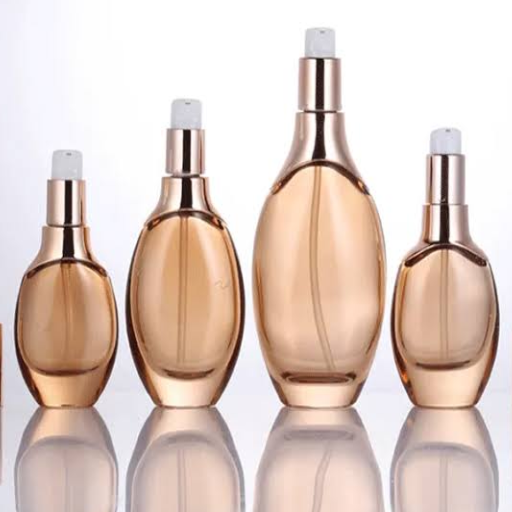
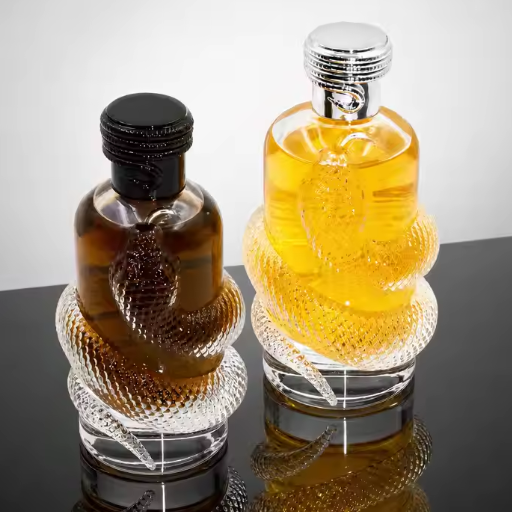
Using your most cherished fragrance can have different effects on its strength and influence, depending on the application method you use. The most common products are spray and roll-on perfumes, and each of them has pros and cons that make them suitable for different occasions and activities. If you choose the right way to apply the perfume, you will not only be doing yourself a favor but also the scent itself, since it will match your lifestyle and fragrance preferences. This article highlights the key distinctions between spray and roll-on perfumes, helps you recognize their unique traits and advantages, and enables you to decide which is best for you. The end beneficiaries could be those who are tired of conventional applications and those who seek sophisticated perfume distribution.
Understanding Perfume Types
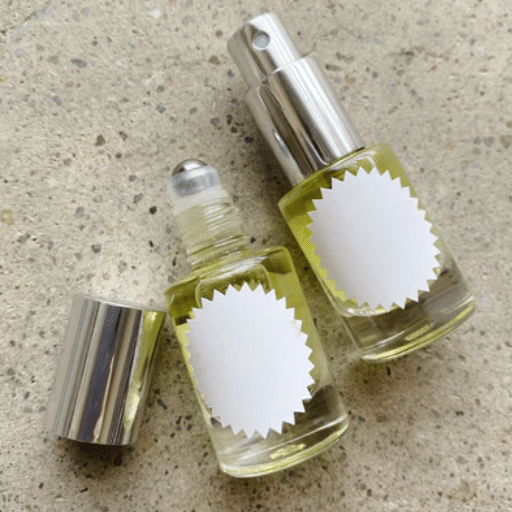
Spray perfumes are designed to spread a thin mist of aroma over a large area of the body. This application method is the most suitable for achieving the best balance between diffusion and projection. It is undoubtedly the choice for people who really want to “be there” with their scent, as the fragrance clings longer and has a more substantial presence. Moreover, the spray bottles are straightforward to use, which is a great convenience during the day. The only disadvantage is that spray perfumes might lead to excessive product consumption over time.
Roll-on perfumes, on the other hand, are usually applied in a small amount directly to a specific area of the skin. The exact and most common points on the body where they are used are the wrists and the neck, which makes the scent experience feel more intimate and subtle. Roll-ons are small, do not spill, and are suitable for trips, i.e., they can be utilized on the run. They are also made with a powerful formula that helps prevent overuse.
What is Roll-On Perfume?
Roll-on perfume, designed for direct, accurate skin application via a rolling ball mechanism, falls under the fragrance product category. These perfumes are usually full-bodied, with essential oils, alcohol, and other fragrance carriers, and at the same time, their scent spreads throughout the day due to almost no evaporation. It is very common for them to have small packaging, and they are not heavy, so they are the ideal choice for travel or for everyday makeup touch-ups. The roll-ons are habitually worn on the pulse points of the body, like the wrists, neck, or behind the ears, where the warmth of the body naturally intensifies the fragrance, making it more noticeable and long-lasting. Also, the control in the application of the rollerball prevents product waste and ensures a suitable amount of fragrance per use, without excess product going to waste. This does not happen with the spray method. This shows the flexibility and performance of roll-on perfumes in up-to-date personal care.
What is Spray Perfume?
Liquid fragrance formulations packaged in atomizers that disperse them into a much finer cloud are the commonly sold spray perfumes. It not only quickly but also equitably delivers the fragrance to the user, thanks to its fine-mist dispersal of fragrance particles over a large area of the body or clothes. The secret of this delivery method is its use of volatile solvents—mostly alcohols—which while dissipating so fast also bring the fragrance molecules out and make the scent immediately diffuse into the surrounding air. For the most part, spray perfumes are chosen because they are handy and offer a wider scent projection (or sillage) than roll-on perfumes. On the other hand, the higher dispersion might make the product use up more quickly. Furthermore, modern spray perfumes feature sophisticated mechanisms, such as adjustable nozzles, that allow users to achieve a personalized experience during application, making the products both smart and practical for personal grooming.
Comparison of Solid and Liquid Fragrance
Application Methods
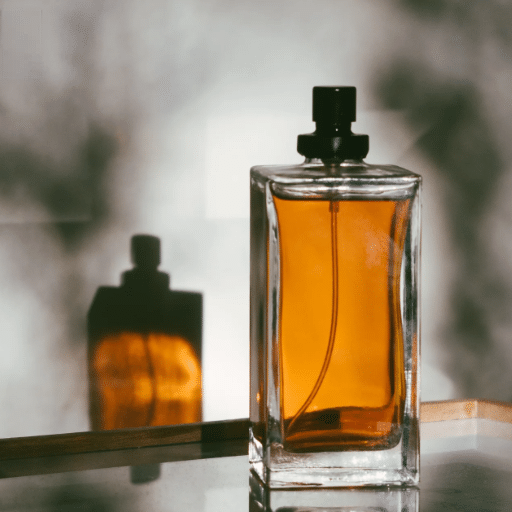
The way scent is used depends on the type of product being handled. For fragrances with an oil base, the recommendation is to apply a tiny amount right onto the points where intense life-blood pumps, like wrists, neck, or behind the ears. These spots radiate heat, helping carry the scent farther. However, it is advisable to apply alcohol-based fragrances by light spraying from a distance of 6–8 inches on cloth or skin for an even spread. Refrain from rubbing the fragrance, as this may alter the scent and shorten the perfume’s lifespan. The fragrance will perform better if you stick to applying it to clean, moisturized skin; this helps maintain the skin’s pH level.
How to Use Roll-On Perfume
Roll-on perfumes are an effective, compact travel fragrance solution that allows precise application with minimal product waste. This item is explicitly designed to deliver the scent directly to the designated areas, with no atomization required; thus, there is less risk of fragrance spreading in the air. Such a trait is precisely what makes roll-on perfumes perfectly suited for public places or already crowded areas. The roll-on ball mechanism is just what ensures the solution spreads evenly, and the scent comes closer to the skin, thus increasing the potential for the smell to be perceived as longer-lasting and richer. Ideally, the convenience of their small size and the spill-proof way they are packed also make roll-on perfumes a perfect choice for those who are always on the run, as they fit pretty easily in purses, bags, or even pockets.
To keep roll-on perfumes in good condition and effective, they need to be stored in a cool, dry place, away from direct sunlight or high heat. The fragrance composition can degrade due to light and temperature fluctuations over time, resulting in changes in scent quality. Make sure the rollerball mechanism is clean to avoid debris or residue that may get onto the skin during application or even cause the product to perform poorly. Checking the seal from time to time and closing the bottle correctly after every use will also help prevent evaporation and keep the perfume at its best strength.
How to Use Spray Perfume
For a spray perfume to be most efficient and last longer, it is necessary above all to apply it correctly. The first thing to do is hold the bottle at least 6 to 8 inches from the skin so the perfume spreads evenly. Concentrate on areas with the most blood circulation, such as the wrists, neck, and behind the ears, since the heat in these areas helps diffuse the scent most effectively. Avoid rubbing these areas after applying perfume, as this can cause the breakdown of fragrance molecules and alter the scent’s character. For the perfume’s aroma to become even stronger, it should be sprayed on the skin that is not only perfumed but also well-moisturized, as hydration helps prolong the fragrance on the skin.
Moreover, you might benefit from slightly wetting your hair or clothing, as some fabrics and hair fibres can hold the scent. But always test a small area in advance to ensure the product will not mark it or cause any skin reactions. You can start mixing the smell with other products from the same line, like perfumed lotions or body washes, to increase the smell and help it last longer. That way, the perfume’s fragrance will not diminish over time if the bottle is kept in a cool, dark, and dry place.
Precise Application: Roll-On vs Spray
Roll-on and spray perfumes both offer their own advantages based on the area the scent will cover, how accurate the application is, and how long the scent will last. The application of roll-on is more targeted and precise, making it the best choice for pulse points like the wrist, behind the ears, and the collarbone. This way, one gets the product and the scent concentrated in a tiny area instead of letting the smell spread throughout the air. In addition, roll-ons are mostly oil-based, which is why they tend to last longer than alcohol-based sprays, as they adhere more strongly to the skin.
Contrary to roll-ons, sprays are really good at delivering a scent that is very uniform and easy to perceive, which makes them perfect for people looking for a less fragrant experience over a large area. Sprays, in particular, work best as an additional layer of scent on clothing or hair; however, be cautious with materials that may be stained. What’s more, the perfume’s spray formulation delivers a very noticeable projection at first, making it the perfect choice for creating a sudden impression. In the situation where the choice is between roll-on and spray, some factors to consider are the circumstances, the user’s taste, and the intensity of the smell. Both techniques, when properly executed, can enhance your scent’s performance and pleasure.
Scent Longevity
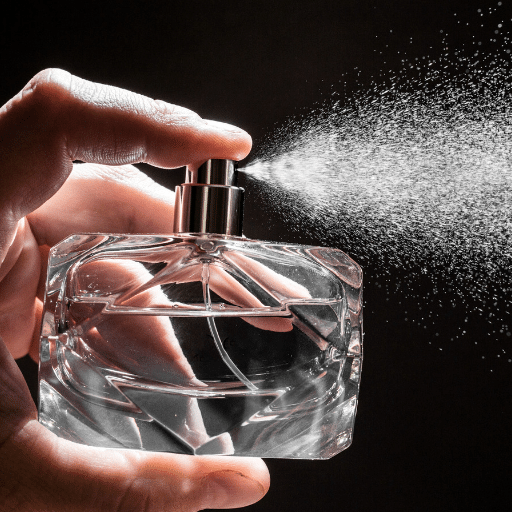
The duration of a fragrance is the time during which one can still smell it on the skin or fabric after application. The longevity is determined by several factors, among them the consistency of the product (e.g., a perfume oil will last longer than a toilet water), the individual’s skin type (the more oily the skin, the longer the smell will linger), and climate factors such as humidity and temperature. Applying perfume to the pulse points with accompanying body lotions or other scented products is usually a good way to go. It might be a good idea to keep the perfume in a cool, dark place, away from sunlight, to preserve its effectiveness.
Do Roll-Ons Last Longer Than Sprays?
The comparison of roll-ons and sprays in terms of longevity is based on a variety of factors, including formulation, concentration, and the application method used by the user. In general, the spray of the fragrance oil is applied to a larger area, which helps to cover the scent well but is not as intense. The method of application also mainly influences the perfume’s scent: the constricted areas receive more, and the rest receive less. Another fact is the oil base of many roll-on fragrances, which is why they naturally last longer and better on the skin than alcohol-based alcohol. They may also be used in different environments, such as going for a workout after work, going to dinner on nights when you are busy studying shortly after work, and having lunch. While the staying power of any fragrance depends on a person’s skin and environmental conditions, roll-ons have the greatest impact due to their application and formulation.
Factors Influencing Fragrance Longevity
The type and condition of your skin significantly impact how a fragrance behaves on you by the end of the day. Aromatic molecules are usually absorbed more quickly by dry skin, resulting in lower sillage and shorter longevity. On the other hand, the moisturized skin or oily skin is good at keeping these molecules and thus, the fragrance can last longer. That is why using a fragrance-free moisturizer, along with applying a scent, is often recommended for creating an aura.
Amongst the weather parameters, namely temperature, humidity, and wind, the ones that significantly affect the behavior of perfumes are the first three. The higher the temperature gets, the faster the evaporation rate is, which in turn means the top notes vanish sooner. On the other hand, the cooler the climate is, the slower the evaporation process will be and thus, the fragrance structure is preserved for a longer duration. High humidity can make the scent molecules travel through the air and hence, more scent is created, while dry conditions will have the opposite effect, scent getting lost much faster.
Fragrance’s lifespan from the perspective of the places where one applies perfume is also a factor. Pulse points located at the wrists, neck, and behind the ears generate warmth because they are close to blood vessels. This heat can ignite the perfume and push it out through the skin if a less exposed area, or a cooler one, like the collarbone or the back of the knees, is coated with it. The perfume’s life can be longer since such areas suffer slower evaporation.
The correct amount of essential oils determines how long the fragrance will last and its intensity. High-concentration scents, e.g., extrait de parfum, contain a high proportion of scent compounds and a minimal amount of alcohol, so their wear is much longer than that of thinner formulations such as eau de toilette or body mist. Also, some of the notes—accords like woody, amber, or musky—have their own powerful character apart from the main scent’s characteristic, especially in terms of longevity, which dries very slowly and lets the scent gradually develop over a long time.
Portability and Convenience
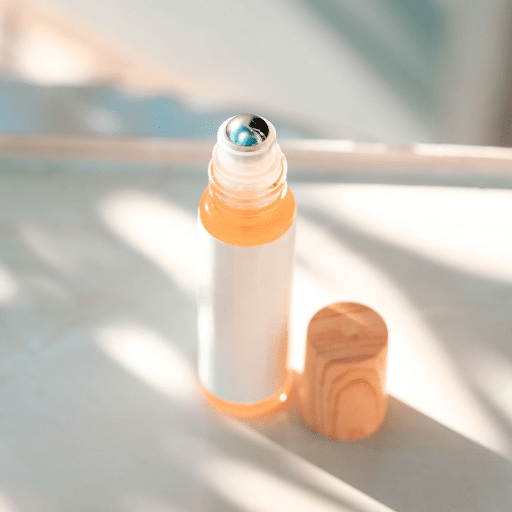
Fragrance items are made to be taken anywhere with the hamburger and fry box tools, i.e., in your handbag. Rollerballs, travel sprays, and solid perfumes offer small, spill-free options, making them ideal for on-the-go use. These product formulations are also easy to apply and, in many cases, meet airlines’ requirements for liquid carry-ons, making them convenient for travelers who are always on the go. Moreover, the option to refill is one that more and more companies are adopting; thus, it is not only a convenience but also aligns with a trend toward ecologically savvy consumers.
Benefits of Roll-On Portability
Precision Application
Roll-on perfumes give the user a specific spot where they can apply the perfume and this can help prevent the overuse of the fragrance. Users can apply the perfume in places where they have pulse points, such as the wrists, the neck, and behind the ears. The perfume will have the maximum effect and the least waste. According to research in the industrial sector, up to 85% of consumers who use fragrances appreciate the roll-on feature for controlled application.
Compact and Travel-Friendly
The majority of roll-on container types are made to be very convenient to carry around; they can fit easily in bags or pockets, and their volumes usually are between 5ml and 15 ml. The small size, in addition to the fact that roll-ons are very often portable, thus completely erasing the need to give up on traveling or travel with a lack of ease during flights, and coming ahead of the issue of gas bewystrance, just to name a few of the benefits.
Leak-Proof Design
Rollerball devices are designed with an extreme focus on preventing liquid from passing through the mechanism and out of the container, which is one of the disadvantages of atomizers. The airtight construction of the rollerball implies that the scent is not at risk even with the pressure changes that can occur when it is used in a stressful environment like air travel.
Longevity and Efficiency
Since you are getting rid of the bottle, roll-on perfumes tend to provide a smaller amount than the equivalent spray bottle, making them an economical option that often lasts twice as long as a spray bottle of the same size.
Eco-Friendly Options
Nowadays, many manufacturers offer reusable or refillable roll-on bottles to demonstrate their commitment to the environment. Choosing the refill system takes users a step forward in minimizing the single-use packaging- the beauty industry produces an estimated amount of 120 billion units of packaging waste each year.
When to Choose Spray for Travel
Most people would prefer to have spray bottles with them while traveling, as they are more convenient and easier to use. They release a smooth, uniform mist that can cover a larger area faster, making them the perfect option for cases where instant application is critical, such as misting skin on a long flight or applying sunscreen at the beach. Besides, most spray products are available in convenient travel sizes, and in most cases they comply with the Transportation Security Administration (TSA) rules, which restrict carry-on bags to 3.4 ounces (100 milliliters) or less per container.
When it comes to the practical side, sprays are generally designed to be lightweight and handy, making them perfect for packing in small handbags and backpacks. Moreover, many jet-setters choose sprays for their dual-use features; for instance, those that can be used for facial hydration and also serve as a foundation-setting spray, or those that can be used as both body and clothing fragrance mists. Nevertheless, sprays can be harmful to the environment if used more than intended, especially if the packaging is meant for single-use. For those concerned about their environmental impact, refillable atomizers or sprays packaged in an environmentally friendly way should be top choices. All in all, picking a spray for travel helps with the trade-off – convenience, effectiveness, and variety.
Storage and Handling Considerations
Maintenance of sprays and their storage is such that their performance and security remain at the highest level. One essential primary measure is to keep sprays in a cool, dry, sunlight-free place with no extreme temperatures, as heat may compromise the product’s chemical stability or even make the pressurized containers dangerous. Also, people should make sure that caps or lids are tightened so that there would be no leaks or contamination, especially for sprays that contain alcohol or essential oils, because these two are very volatile and can easily be lost by evaporation. Moreover, it’s better to keep the sprays vertical to prevent air pressure variances and unintentional releases. For tourists, familiarity with airline rules is a must, especially when it comes to carry-on bags, where only limited liquid quantities and flammable materials are permitted. The lack of proper precautions in storage and handling not only reduces product lifespan but also endangers users and pollutes the environment.
Personal Preferences and Choosing the Right Option
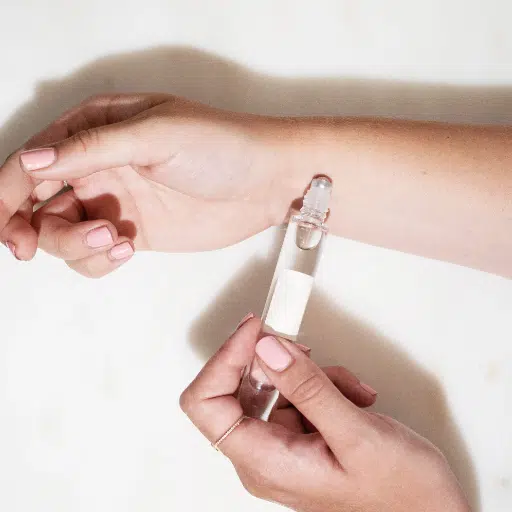
In many cases, the right product is chosen to suit what a person wants an item for and how they want to use it. This is a good reason to look at what it is made of, what it is for, and how easy it is to apply. A thing that is used a lot should be safe and should work well, too. The “one-size-fits-all” approach is likely to be effective and safe for the everyday user, but not so for the specialist. One way to ensure your choice is correct is to find out what people who used it before you think, as well as to look for certifications. Do not forget that in some cases, the environment and standards might be the driving factors—it is in these instances that thinking about eco-friendliness is a must. When these points are addressed, then, and only then, should one venture to the next level, which is the one where the choice is to be made.
Factors to Consider When Choosing
Functionality and Performance Requirements
Focus on the essential elements that the intended application must have and the performance requirements before evaluating the product’s individual features. We could, for example, assess the possible user speed, capacity, and exactness for various tasks. The setting of operational metrics makes it easier to identify hardware components that meet the established performance expectations.
Durability and Longevity
Material properties and build are the two main factors that directly affect the longevity of the product. You must consider parameters such as the product’s resistance to corrosion, the level of impact it can withstand, and its performance under lifecycle testing. These aspects stand out for commodities that are often used or used intensively.
Compliance with Standards
The use of products that comply with relevant standards or hold certifications, such as ISO or local regulatory standards, enhances the customer’s peace of mind. This is particularly true in sectors such as healthcare, manufacturing, and technology.
Energy Efficiency and Sustainability
Sustainability and the environment are currently the focal points of many, as they bring different industries together while achieving the desired double impact on the economy and the environment. Thus, a modern, truly eco-friendly solution is energy-efficient from production to end use. Look for energy ratings, recycled elements, and production processes that are sustainable throughout the product’s lifespan.
Ease of Use and Maintenance
Choose alternatives with easy-to-navigate interfaces so users are not confused, and maintenance needs are minimal. In the long run, reducing operational expenses is achieved through user-friendly devices, easy-to-follow directions, and help that is readily available.
Cost-to-Benefit Analysis
The expenses should be fully investigated through an extensive cost analysis, considering operational costs, product durability, and long-term utility. Occasionally, a higher cost at the beginning stage is conducive to lower overall expenditure if the economy or lifetime extension effect is taken into account.
Perfect Scent: Individual Preferences
Picking out just the right perfume or cologne involves many factors, such as differences in each individual’s body chemistry, the cultural environment, and the occasion for wearing the scent. The findings of scientific investigation indicate that, e.g., the pH level and moisture of a person’s skin not only condition the fragrance reaction but also alter it at each step. This variation often means the same smell comes out a little differently for each person. Moreover, the scent’s cultural associations and the initial scent one was introduced to greatly affect which scents one comes to like, thereby making their choice of fragrance very personal. Moreover, for practical reasons, a significant number of people also go for perfumes according to the `event´ they will attend, that is, for, example, the situations, most sought out are the professional or daytime places where a light and citrussy fragrance is not only most appropriate but also most liked by both people and the places the deeper, muskier scents might be chosen for a fancy event where the lighting is dim and the mood is romantic. Understanding these intricacies is foundational to achieving a fully satisfying scent experience and a fragrance’s perfect fit with the wearer and the environment.
Layering Fragrances: Combining Roll-Ons and Sprays
One way to increase the intensity and long-lasting effect of the fragrance is to overlap the use of roll-ons and sprays, thereby making the scent profile your own. Roll-on devices, usually saturated with more potent oils, are applied directly to pulse points, such as the neck or wrists; thus, the fragrance stays close to your body, and your body chemistry intensifies the aroma. In comparison, sprays, which are usually made with a lower percentage of oil and intended to be dispensed over a larger area, will leave a faint smell that will ultimately surround the user in a large cloud. By using a combination of the two, thresholding and delocalization, to be at a peak at a time, a new and enhanced actual experience in human olfaction will result.
To achieve top-quality outcomes, selecting fragrance layers that complement each other is crucial. For example, combining a roll-on with woody or musky base notes alongside a spray with vibrant citrus or floral top notes can end up in a complete aroma that changes during the day. In addition, the roll-on’s application first lets the oils be set as a base, whereas the spray keeps the whole composition locked in. As a result, in this way, not only is the fragrance’s life prolonged, but also the fragrance is sustained in its complexity without being excessive. Good layering techniques not only can be a great advantage to the users but also they can create unique experience and offer the user s versatility as well as the possibility of having a very personal and unique scent signature.
Reference Sources
- Roll-On vs. Spray vs. Solid Perfume – Byrdie:
This article compares roll-on, spray, and solid perfumes, focusing on their texture, fragrance intensity, and application methods.
- Perfume Spray Pumps vs. Rollerballs: Which is Better? – Wuba Pack:
This article discusses the subtle scent experience provided by rollerballs due to their precise application.
Frequently Asked Questions (FAQs)
Is solid perfume a better option than spray for a subtle scent?
Solid perfumes, whether wax- or balm-based, are designed explicitly for travel because their scent is very delicate. Moreover, these odors are called ‘needing-to-be-very-close,’ and so they make one remember his/her scent instantly. Solid perfumes are fantastic for quick reapplication as well as being zero in terms of taking up space; they are also preferred since their storage condition, which is to keep them away from the direct sun or heating sources, is not likely to be problematic. In contrast to a spray fragrance, solid perfumes tend to have a shorter projection range, but by pairing with a persistent base note, one can prolong the scent’s persistence on the skin even further.
Does an oil-based roll-on make the scent last longer on your skin?
Roll-ons with an oil base are very concentrated and can often last a long time because the skin better absorbs the oils than alcohol. In fact, the oil in many roll-on perfumes helps the eau de parfum or any other concentration stay on the skin and be released more slowly, making them among the most long-lasting perfumes. Using a roll-on with a ball applicator allows users to apply the oil directly to their skin, and thus the experience of the intimate fragrance and the long-lasting base effect might be more authentic. Using oil-based roll-ons while traveling or as a purse accessory for quick touch-ups is very convenient, as they are easy to reapply without the risk of spray leaking from the bottle.
What are the pros and cons of roll-on compared to spray perfumes?
Both roll-on and spray perfumes have benefits; for roll-ons, the easy application reapplication with roller balls as well as a concentrated formula that may lengthen the fragrance’s stay are the main, albeit for very personal use, scent probably will be weaker in comparison to a spray perfume. Roll-on and spray perfumes have their own merits: sprays offer a wide area of application with just one spritz, which can already make an impression, while roll-ons provide a direct way to apply perfume to pulse points and thus emit a personal scent. Roll-ons are very handy for taking along in a small container and are environmentally friendly because they don’t cause overspray, whereas spray perfumes are mainly used when you want a particular smell everywhere on clothes and hair in a short time.
How do you choose the right one when deciding between a roll-on and a spray bottle?
One should consider how fragrance should be used, one’s lifestyle, and whether one prefers a long-lasting scent or a subtle fragrance for close encounters. Suppose you are looking for the triple advantage of taking the fragrance with you, getting it reapplied easily, and still having a very personal scent experience. In that case, roll-on or oil-based perfumes with a ball applicator are what you really need. The traditional spray or eau de parfum sprays are the way to go if you want a scent that projects more at once; you can do it, and the projection is quite broad.