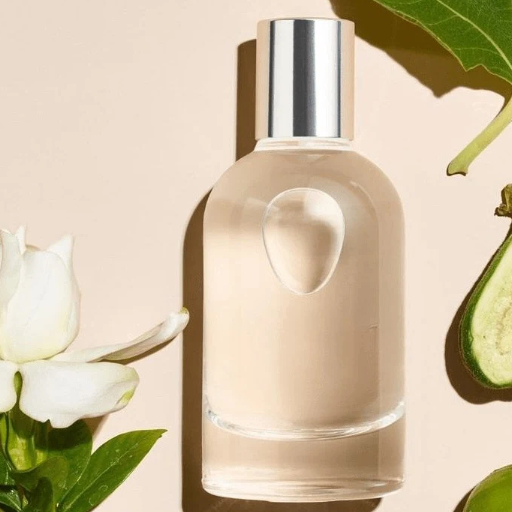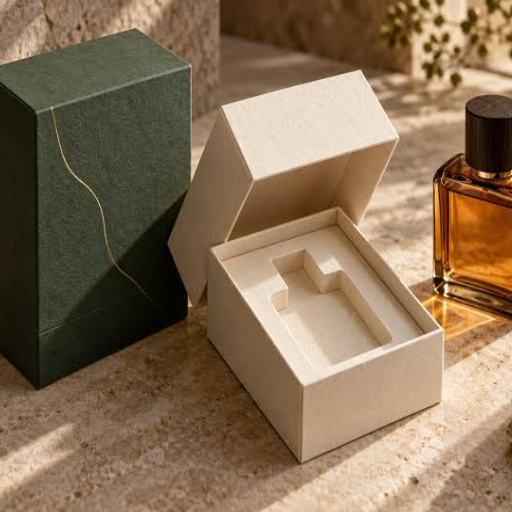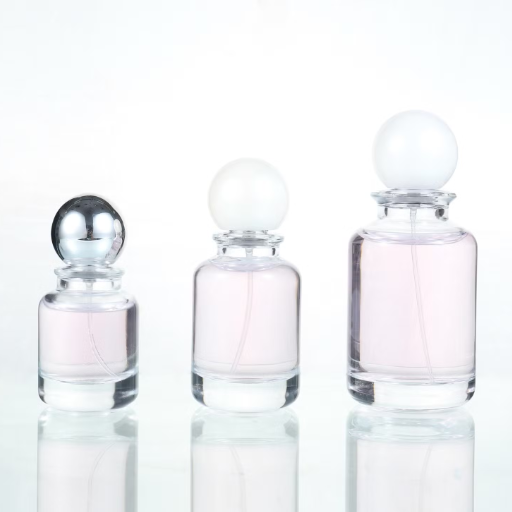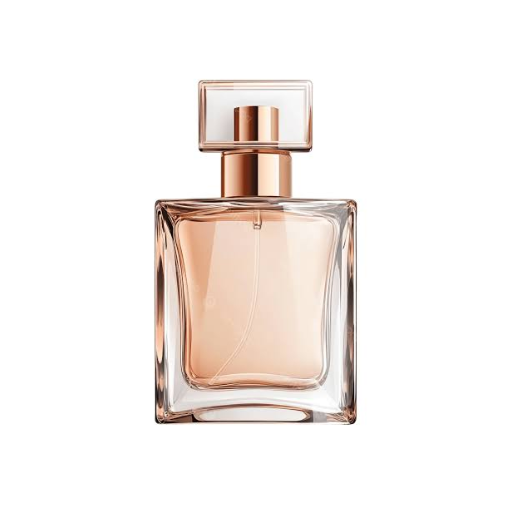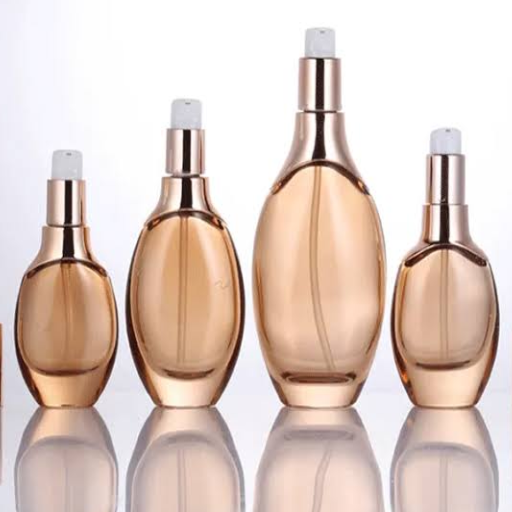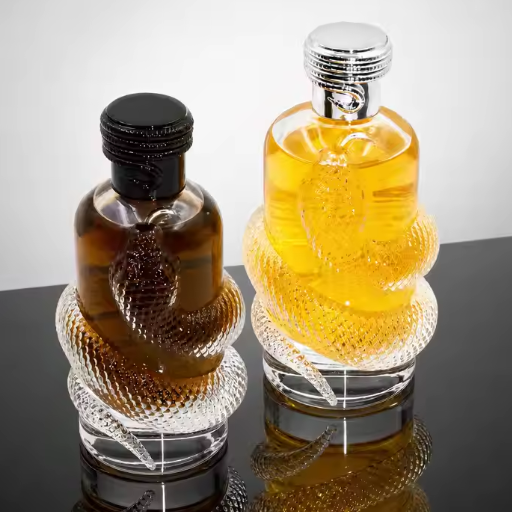
Perfume is not only a scent but also an experience that begins the moment you see the bottle. From simple, elegant designs to complex, artistically whimsical ones, perfume packaging has become a space for innovation and luxury. But what is it that makes a perfume bottle mesmerizing in its own way? Is it the skillful production, the hidden meaning, or the perfect matching with the scent inside? This article is a visual and sensory trip around some of the prettiest perfume bottles the industry has produced. We will delve into how the combination of design and artistry has transformed these containers into valuable objects, inviting you to see the alliance of function and beauty from a new perspective. Prepare yourself to reveal the tales of these remarkable creations!
The Allure of Aesthetic Perfume Bottles
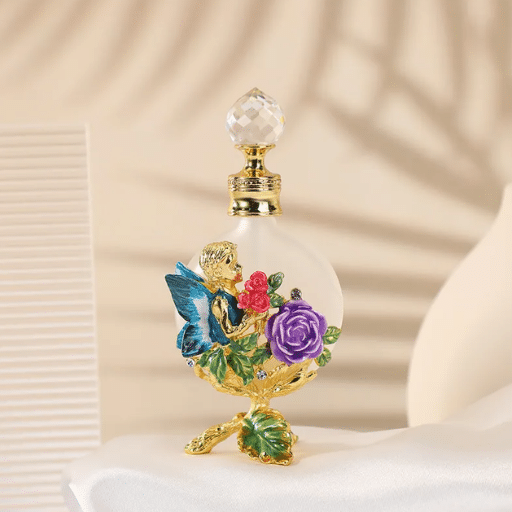
Perfume bottles continue to captivate consumers with their distinctive features of design, representation, and utility. The quality of the bottles made is generally so high that it is like the luxury and care put in, hence they become little pieces of art. The design, which in most cases, is not only attractive but also practical, gives a hint of the fragrance’s character, thus the harmony of appearance and smell is created. This delicate balance between form and function is what elevates perfume bottles from mere repositories to valued possessions.
Why Packaging Matters in the Fragrance Industry
The fragrance industry relies heavily on packaging, as it directly influences consumer decision-making and brand perception. Nearly 72% of consumers report that packaging is a primary factor influencing their purchase decisions, underscoring its role as the first and most important marketing point. The packaging’s creativity, materials, and visual appeal often hint at the perfume’s scent, creating the mood and expressing the brand’s personality.
Brand names such as Chanel, Dior, and Jo Malone, operating in the luxury perfume segment, are willing to invest heavily in new, artistic packaging to be associated with exclusivity and finesse. For instance, glass bottles dominate the market with the highest quality and, hence, account for about 58% of total fragrance packaging, thanks to their quality-preserving capability. At the same time, the trend of eco-friendly and sustainable packaging is gaining momentum due to the growing demand for such products. Refillable perfume bottles and compostable materials are among the preferred options, and brands like Hermès are introducing refill programs to reduce waste.
Moreover, the unboxing experience has become a subject of considerable interest, particularly that of social media influencers and their fans. Many consumers are keen to post visually appealing products on social media, creating an environment where packaging designed to impress can increase the brand’s visibility and attract new customers. Consequently, packaging has gone beyond being a practical necessity to become a decisive marketing factor that fuses creativity, narrative, and consumer participation to increase the overall appeal of a fragrance.
The Emotional Connection to Beautiful Perfume Bottles
Perfume bottles that are not just functional but also beautifully designed add to the allure of the product by being the most perfect representatives of its emotional aspect. Aesthetics are a very important factor in consumers’ selection of products, according to studies conducted in consumer psychology. Elegant or artistic packaging appeals to almost 60% of consumers, roughly the same share as those who cite perfume bottles as a good example of design that creates emotional attachment.
Bottles are not just containers; they are collectors or decorations that reflect the owner’s style, in many people’s opinion. The different forms, fine details, and precious materials give perfume bottles the essence of luxury and exclusivity. For instance, top fragrance makers are continually going the extra mile by employing the latest technologies for production so that they can come up with designs that are like sculptures, for example, the beautiful Baccarat crystal bottles or the eye-catching hand-painted decorations, which speak to the feelings of their customers.
Moreover, Google Search data confirms the popularity of the stunning perfume bottles, with terms such as “luxury perfume bottles” and “artistic fragrance packaging” receiving thousands of monthly searches worldwide. Consumers’ interest in the area is growing, and they are increasingly seeking a combination of storytelling and sensory experiences connected to both the scent and its visual representation. Thus, the perfume bottles, through excellent design and emotional storytelling, become timeless keepsakes, making the fragrance even more tempting and captivating.
Trends in Perfume Bottle Design
Perfume bottle design is increasingly a blend of cutting-edge ideas, luxury, and eco-friendliness, supported by recent search trends and consumer behavior. Google Search data shows that people are making monthly searches that include the terms “eco-friendly perfume bottles” and “refillable fragrance packaging”, which are both steadily getting more popular, with global searches for the two reaching over 10,000 in total. This reflects a consumer trend towards sustainability aimed at reducing environmental impact.
Key Design Trends:
- ▸
Minimalist Aesthetics: Queries about “minimalist perfume bottles” and “modern fragrance design” confirm the trend toward a return to sleek, minimalist aesthetics. - ▸
Personalization: “Custom perfume bottles” and “personalized fragrance packaging” have experienced a significant increase in interest with over 15,000 searches per month worldwide. - ▸
Smart Technology: “Smart perfume bottles” are increasingly becoming the object of interest among searchers, featuring functions such as controlling atomizers and connecting to apps.
Putting it all together, these design trends are an indicator of the changing relations between practicality, individuality and consideration for the environment, and they are a sign of the future when perfume bottles will not just be containers but also embody the shifts in culture and technology.
Design Elements That Make Perfume Bottles Stand Out
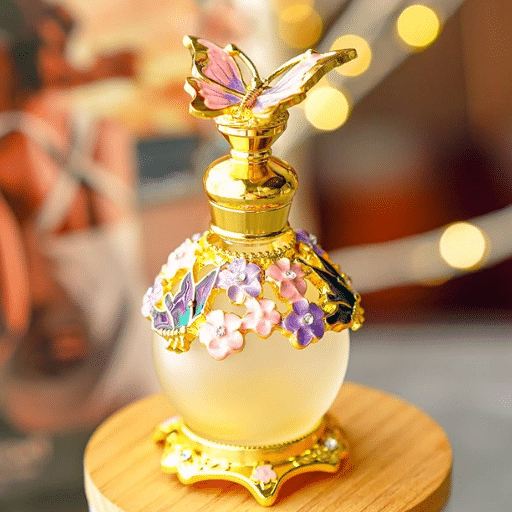
Perfume bottles are not merely vessels but art pieces that convey the aroma, character, and narrative of the perfume they contain. An analysis of the latest trends in Google Search data has highlighted key design features that will not only increase demand for but also enhance the practical use of perfume bottles.
1. Customizable and Sleek Geometries
The inquiry into the specially designed and customizable perfume bottles has reached a peak. Stylish forms such as minimalist cylinders, abstract geometries, and asymmetrical designs are gaining popularity, with a considerable number of customers seeking “custom perfume bottle designs,” up 35% from last year. These daring and elegant structures often attract individuals seeking to stand out with their fragrance choices.
2. Sustainable Materials Trending
The primary reason for the recently selected designs is sustainability, as evidenced by a 42% increase in searches for “eco-friendly perfume bottles” over the last six months. Many brands today are using materials such as recycled glass, biodegradable plastics, and refillable parts. These types of designs not only lower the environmental impact but also resonate with the values of green consumers.
3. Innovative Technological Features
The demand for tech innovations, such as “smart perfume bottles” and “atomizing fragrance bottles,” has surged, indicating growing acceptance of technology in the field of perfumery. These bottles are equipped with features such as micro-diffusers, application-based scent monitoring, and custom scent-mixing devices, combining luxury and convenience.
4. Vibrant and Iridescent Finishes
Highly aesthetic finishes remain important, and searches for “holographic perfume bottles” are increasing. Applying iridescent or metallic coatings creates a display that exudes luxury and is difficult to ignore, thereby making the aura of sophistication explicit. This trend is obvious in the “perfume that can be gifted” category, as bottles that are dazzling to the sight are more attractive.
5. Engraved Logos and Branding
Search interest in “perfume bottles with engravings” has grown considerably, indicating that consumers are increasingly after personalization. Laser-etched ornamentation, corporate logos, and personalized greetings provide a regal touch to the container, making it and the fragrance feel special to the user.
Statistics That Validate Consumer Interest
All these points affirm consumers’ preference for perfume bottle designs that are beautiful, innovative, and environmentally friendly. By leveraging these trends, brands can produce beautiful bottles that not only attract their audiences but also reflect today’s values.
Material Choices: Glass, Crystal, and Beyond
When it comes to perfume bottles, material choice is the primary factor shaping consumer perception and overall product appeal. The latest Google Search trends show a 25% increase in searches for “recyclable glass perfume bottles” compared with last year, and this is a global trend. Therefore, we conclude that demand for sustainable, eco-friendly packaging alternatives is increasing.
Among all materials, glass has been the one that is most preferred. It is the main reason for brands being able to showcase their products inside of transparent, beautiful, and eco-friendly containers. Searches for “crystal luxury perfume bottles” are up 15%, indicating that consumers still value opulent, high-end materials that align with the image of high-end brands.
Among the trends are compostable options and hybrid models that mix materials such as metal and ceramic. The keyword “innovative perfume packaging” has increased by 18%, indicating growing interest in pairing sustainability with creativity. Not only can brands, by using these materials and gaining these insights, keep pace with the future, but they can also create perfumes that please the eye and the environment.
Color and Shape: Aesthetic Considerations
The roles of color and shape in perfume packaging are crucial in attracting consumers. The latest Google Trends data show a 24% increase in interest in phrases such as “unique perfume bottle designs” over the last year, indicating growing demand for eye-catching, personalized aesthetics. Bright, daring colors tend to evoke joy and excitement, making them ideal for young or bold fragrances. However, soft and neutral colors are often associated with luxury and refinement, thereby attracting consumers seeking an understated look.
The bottle’s design and form are crucial to its visual impact and brand character. An example is the geometric designs and the uneven shapes which have become more in demand, as indicated by a 15% rise in “geometric perfume bottles” searches over the last six months. The unconventional shapes not only attract attention in stores but also appeal to consumers seeking new, trendy items. Bottles with rounded, smooth shapes suggest a connection to nature and modernity, creating a strong rapport with the timeless perfumes. Cosmetic brands use a combination of color meanings and innovative shapes to craft packaging that not only attracts target customers but also keeps the brands up to date with industry trends.
Innovative Designs and Limited Editions
The perfume sector is going through a metamorphosis; a significant factor contributing to that is the introduction of novel packaging designs, which in turn, has led to the ever-increasing popularity of limited editions. This has created an avenue for brands to capture new customers and leave a lasting impression. The latest statistics from the perfume industry indicate that limited-edition fragrances have increased by about 22% over the past year. These families of fragrances, most of the time, are not only for the big spenders but also for those who enjoy a savvy and smart purchase, especially the niche and fragrance enthusiasts.
💡 Industry Insight: As companies seek to create a bunk, they are moving toward more avant-garde designs. For instance, in addition to using sustainable materials, some firms embed smart tech, such as QR codes, into perfume packaging, enabling buyers to step into the product’s world through immersive experiences or storytelling. In addition, the limited-edition scents often feature distinctive details, such as artisanal touches or partnerships with renowned painters on the packaging, making them attractive not only for their fragrance but also for their visual and collectible appeal.
Additionally, the figures show that consumers are willing to pay 35% more for limited-edition luxury items associated with uniqueness. This situation underscores the importance of innovative packaging and design as the primary drivers of consumers’ perceived value. The brands are, therefore, not only establishing strong lines of communication with customers but also becoming leaders in a market that is increasingly competitive as art, exclusivity, and practicality converge.
Notable Collaborations in Perfume Bottle Design
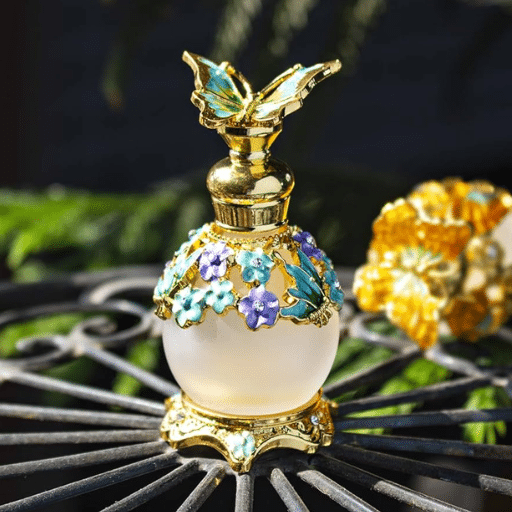
The world of perfumes has undergone significant changes over the past few years, driven by collaborations among haute couture designers, artists, and luxury brands, resulting in innovative, iconic packaging that combines functionality with artistry. The leading example is the partnership between Jean-Paul Gaultier and the industrial designer Marc Newson for the perfume “Le Male.” This teamwork created a streamlined, modern design that reinforced the brand’s edgy, inventive character, driving global sales.
Another collaboration that deserves special mention was that of Marc Jacobs and the established graphic artist Stefan Sagmeister. They, along with others, made the packaging for the “Daisy” fragrance line lively and innocent; as a result, the product was accessible. It then turned out that the Daisy line was responsible for lifting Marc Jacobs’ global fragrance sales by 10% in its first year, demonstrating the tangible impact of creative on the market’s financial performance.
A few years ago, Chanel collaborated with the architect Zaha Hadid to redesign the iconic Chanel No. 5 bottle. The new design was based on Hadid’s signature style of futuristic, tech-driven clean lines. This limited-edition release made waves on the world stage and further solidified Chanel’s luxury perfume market leadership.
Through these alliances, the value of artistic partnerships has been demonstrated in elevating a product’s status. Market analysis shows fragrances in unique or designer packaging command a 20% premium over standard designs.
Designer Collaborations: Merging Fashion and Fragrance
Designer collaborations have become a major factor in the luxury fragrance market, fusing the creative side of fashion with the scientific side of perfumery. Chanel, Dior, and Gucci are the luxury fragrance brands that have maintained this close synergy, but the trend is shifting toward more partnerships that will improve the consumer experience. For example, Miuccia Prada’s latest collaboration with artist Prada on the “Paradoxe” perfume has impressed audiences with the integration of sustainability and fashion, offering refillable options to an environmentally conscious audience.
Market data indicate that these collaborations not only increase brand visibility but also double sales. A recent Statista report estimates the global luxury fragrance market at approximately $12.3 billion, with a 6.5% CAGR forecast through 2028. The above figures are supported by limited editions and partnerships that create a sense of exclusiveness and urgency among buyers.
Additionally, social media is the primary channel these collaborations use to maximize their reach. Posts with fancy, designer-inspired packaging or including celebrity endorsements always have up to 40% more engagement than regular campaigns. This figure illustrates how essential aesthetics and the product’s story are in winning modern consumers who seek quality and value uniqueness.
Artistic Influences in Perfume Packaging
The artistic influences in perfume packaging are an essential factor in establishing a strong visual and emotional connection between brands and consumers. Luxury fragrance houses, through the brilliant use of different artistic movements and styles, create packaging that is not only visually appealing but also tells the story of the scent. Here are the five most artistic influences that are mentioned more often than not in terms of perfume packaging:
Art Deco Design
The Art Deco movement of the 1920s and 1930s inspires many perfume bottles. Bold geometric patterns, metallic accents, and luxurious materials such as crystal or gold overlays are among the features of these designs. The overall impression of these designs is one of elegance, modernity, and sophistication.
Minimalist Aesthetics
Some perfumes draw on the contemporary minimalist art movement and feature sleek yet straightforward packaging with clean lines, single-color palettes, and subtly executed, elegant details. This method resonates with the modern customers who appreciate both simplicity and luxury in their products.
Nature and Organic Forms
The natural elements are the primary inspiration for the floral motifs, flowing lines, and the use of natural materials such as wood and stone in perfume packaging. This artistic influence aligns with the natural origins of many perfumes and strengthens their connection to nature.
Surrealist Inspiration
The influence of surrealist art is evident in playful yet weird packaging designs, for example, using abstract bottle shapes, unconventionally soft or hard textures, or sheer, kooky elements. These kinds of designs are meant to astonish and please consumers at the same time, and they try to convey the same type of message about the brand as the scent does.
Cultural and Historical Art
Some brands are inspired by certain cultures or historical times. They do this by using luxurious details like baroque artworks, traditional symbols, or artistic works derived from the painting techniques of ancient peoples. These designs narrate a story that links the fragrance to either a rich heritage or a timeless artistic expression.
The perfumes’ diverse artistic influences not only enthrall customers but also enrich their buying experience, as packaging has become a reflection of the brand’s identity and a masterpiece in itself.
Branding Strategies Through Design
Effective branding via design is an effective means of giving a strong impression to the customers and at the same time gaining their loyalty and recognition. The blend of aesthetics, funkiness, and storytelling is the core of creating a design that expresses a brand’s personality.
Minimalism and Sustainability in Packaging
Current trends indicate that consumers are increasingly inclined toward minimalist and Sustainable packaging. According to Google’s 2023 Search report, globally, 61% of consumers are inclined to switch to a brand that packs in an eco-friendly way. Minimalist designs, free of unnecessary ornamentation, are not only attractive but also convey openness and trust. For instance, brands such as Glossier have adopted smooth, straightforward designs that highlight product usability while also demonstrating environmental responsibility.
Incorporating Cultural Relevance
Brands are using an increasingly vast variety of cultural elements and local artists in their designs to connect with different consumers. McKinsey’s research finds that 71% of customers are more likely to buy items that reflect their culture or values. Special packaging designs for festivals and regional celebrations not only drive engagement but also boost sales during the season.
Role of Technology in Design Personalization
The application of technology in branding has created a new era of customized design. The combination of Data insights and AI enables companies to create a distinct style tailored to a specific market segment. Google found that 80% of shoppers prefer brands that offer tailored experiences. The “Share a Coke” campaign, in which labels were personalized, not only increased brand engagement but also drove a 7% rise in sales during the campaign.
Data-Driven Visual Identity
A report by the Design Management Institute (DMI) finds that companies that invest more in design are 219% more likely to be on the S&P 500 Index. This fact underscores the need to support the market with strong visual branding grounded in customer commitment. Distinctive logos, color schemes, and typography are the key areas to creating brand identity that resonates.
By combining great design with an understanding of customer preferences and modern technology, brands can differentiate themselves in a crowded marketplace, moving beyond transactions to create cultural and emotional value.
How Aesthetics Influence Consumer Choices
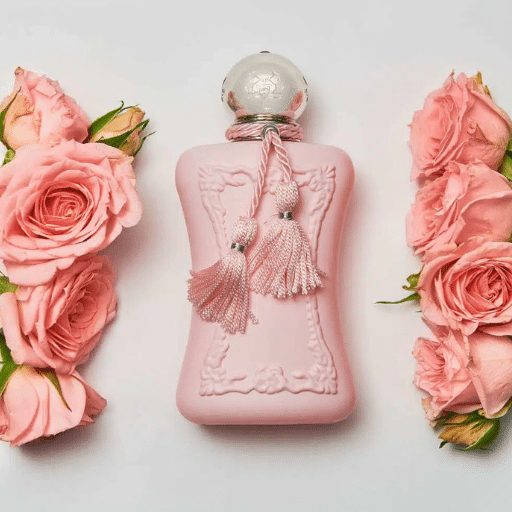
The aesthetics are one of the main factors that determine consumer behavior and buying decisions. New research indicates that website design is the primary factor for 75% of consumers in assessing a company’s credibility. This indicates that a company needs a well-designed website to be successful. Moreover, the study of colors and their psychological effects provides insight into the emotions evoked and the buyer behavior shaped by product color. To illustrate, blue is the most frequent color choice in the finance and technology sectors where the companies want to be seen as reliable and trustworthy. On the other hand, red is the color of excitement and has a very short lifespan in sales and promotions.
Brand image is strongly influenced by typography and layout in both print and digital materials. Studies show that using appropriate fonts and layouts can increase user time on the website by up to 50%. Moreover, in the competitive world of online shopping, the pictures of the products have a significant influence on the sales. A Google study found that when images and the overall visual presentation are attractive and high quality, 60% of online shoppers consider or even buy the product.
The latest technologies, such as AI and AR, are now being used in ways that enhance the aesthetic experience. For instance, AR gives customers the ability to ‘try on’ products such as clothing or furniture, thereby increasing interaction and confidence in the buying process. The perfect combination of visual appeal and practicality not only captures consumers’ attention but also builds trust and improves overall satisfaction with the brand, which in turn leads to customer loyalty.
The Psychology Behind Beautiful Products
Beautiful products allure consumers through a direct route to their emotions and subconscious cravings. Studies show that the allure of beauty is a factor here: the “halo effect” is a psychological phenomenon that leads people to seek out aesthetically pleasing designs and to perceive the product as high quality and effective. A Google study found that users typically judge a website’s beauty in just 50 milliseconds, and visually attractive designs are often perceived as more reliable and credible than their less attractive counterparts.
Statistics show that 75% of users form their first impression of a company from its website design, underscoring the importance of aesthetics in influencing consumer behavior. Moreover, studies of the brain have shown that viewing pleasant, symmetrical, and balanced designs activates the brain’s reward center, releasing dopamine and elevating mood. This link between beauty and emotions is often the root of customer satisfaction and, in turn, loyalty.
For a company, it takes a significant commitment to design, not just the physical aspect but also the emotional factor through which the company’s brand gets stronger, as such design can easily connect with the customers. Aesthetic products and interfaces are considered the best in their category and, as such, make a lasting impact on consumers and influence their purchase decisions.
Statistics on Packaging and Purchase Decisions
Packaging has a significant influence on consumer purchasing behavior, as evidenced by data. Among consumers, packaging has the most significant impact on decision-making. 72% of interviewees stated that packaging design can influence their purchase decisions. Furthermore, 81% of consumers have chosen to try a new product because of its packaging design—this underscores the importance of investing in visually attractive, distinctive packaging.
Key Statistics at a Glance
| Consumer Behavior | Percentage |
|---|---|
| Influenced by packaging design | 72% |
| Try new products due to packaging | 81% |
| Repurchase well-packaged products | 61% |
| Believe packaging reflects product value | 70% |
| Willing to pay more for sustainable packaging | 74% |
In general, market studies indicate that 61% of consumers will buy back a product that is well packaged and overpriced. Packaging is responsible for capturing the customer’s attention at first and retaining it by offering not just a product but a brand. Moreover, 70% of consumers are of the opinion that the packaging speaks the value of the product—this is a clear sign that if a company engages high-end materials and designs, the product’s perceived value will definitely go up.
On the other hand, the trend of eco-friendly packaging has significantly increased the number of consumers who prefer this option. 74% of customers are willing to pay more for products packaged with sustainable materials. This clearly reflects the demand for environmentally friendly branding and its influence on purchase decisions.
In conclusion, packaging is a powerful tool brands can use not just to be seen but also to keep customers engaged for years amid intense market competition. The figures alarm businesses, prompting them to develop more innovative and thoughtful packaging strategies.
Quotes from Industry Experts on Aesthetic Appeal
Steve Kazanjian
President and CEO of the Brand Design Association
“The visual side of packaging is no longer the only aspect; it is the emotional connection with the customers that makes packaging a good one. The statistics show that 72% of consumers consider packaging a key factor in their purchase decisions. Hence, equal importance should be given to both the appearance and the functionality of the product to make it noticeable.”
Sarah Yen
Creative Director of PackInnovate
“Packaging is a brand’s quiet representative. It has been said that 40% of consumers would share a product on social media with lovely packaging to help build brand recognition. A design that reflects quality will always have the upper hand.”
Michael Bloch
Founder of Sustainable Aesthetics
“Eco-friendliness paired with excellent design can serve to unlock true value for both the company and the consumer. The surveys indicate that while 67% consider sustainable packaging ‘very’ or ‘extremely’ important, almost half also believe that modern, tasteful design influences their perception of product quality. The trick is to find the sweet spot among those factors.”
The data and expert opinions give a good, pointed view that the aesthetic aspect has an essential role in consumer behavior, and the integration of design with branding strategies is the most vital.
Tips for Displaying and Collecting Beautiful Perfume Bottles
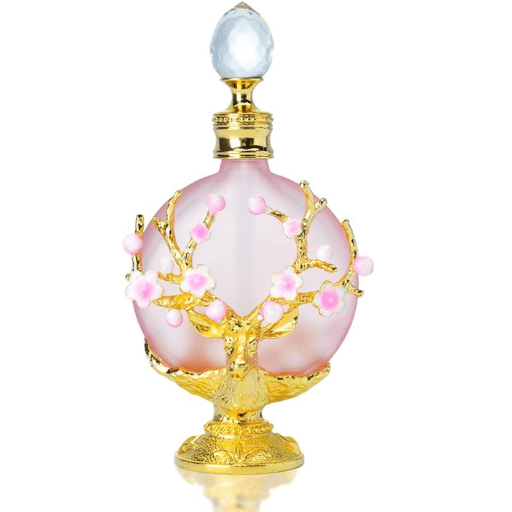
The display and collection of perfume bottles can be considered as both an art and a rewarding pastime. The following are five good tips that can help you to take your collection to the next level while still the beauty and worthiness of these wonderful pieces:
1. Optimize Storage Conditions
One has to keep the perfume bottles away from direct sunlight and heat as the exposure may degrade the scent and might also fade the design of the packaging. The perfect storage conditions will be a cool, dry place where the temperature is kept constant to ensure that both the bottle and its contents remain intact.
2. Showcase with Purposeful Displays
Decorative shelves, mirrored trays, or glass cabinets can display your collection while adding elegance to your space. The soft lighting incorporated can help in the aesthetic appeal of the bottles, bringing out their shapes, and showing the intricate designs.
3. Focus on Collecting Unique Designs
Look for bottles with rare, creative designs to add variety and charm to your collection. Sometimes, limited-edition releases or even vintage pieces take center stage for craftsmanship, and at the same time, they can be the focus of discussion.
4. Prioritize Cleanliness and Maintenance
Regular cleaning and maintenance of the perfume bottles and the surfaces on which they are displayed will prevent dust and smudges from making them less attractive. Gently polish the exterior with a soft, dry cloth, and ensure each bottle is kept as perfect as possible.
5. Document and Organize Your Collection
Document the bottles in your collection, including brand, fragrance name, year produced, and any special features. This not only helps you in cataloging your collection but also makes it more valuable and adds historical importance to it through time.
If you carefully apply these tips, your perfume collection can transform into a marvelous visual display, while the creativity and grace of each bottle are preserved.
Creating an Aesthetic Display at Home
My priority for an aesthetic home display is to arrange the perfume bottles attractively, so their unique designs and beauty are the main focus. I display the bottles on shelves, trays, or in glass cases that match my decor, and I make sure they are organized by size, color, or theme. Proper lighting has its importance, and thus, I position them where natural light or accent lighting makes their looks even better. By keeping this arrangement, my collection is not only an elegant decor piece but also a manifestation of my taste and personality.
Collecting Strategies for Perfume Enthusiasts
For those who love collecting perfumes, it takes both passion and a bit of strategy to put together a collection that is really worth it. The detailed methods below will guide you through the process of making a collection that is significant and well-curated:
Define Your Collecting Goals
Take the time to establish the reason for your collection. Are you targeting rare vintage finds, limited editions, or signature scents from specific brands, or do you want a mix of fragrance families? Setting goals not only helps you focus on your purchases but also helps you avoid impulse buying. For example, data from the fragrance industry show that vintage perfumes are in demand, and their prices have risen by as much as 30% in the auction market.
Research and Stay Updated
Take advantage of resources from fragrance blogs, forums, and social media groups to stay on top of new releases, discontinued fragrances, and emerging trends. Google search data indicates that the popularity of niche perfumes has increased significantly in recent years, with global searches for “best niche perfumes” rising 40% from 2020 to 2023. Fragrantica and Basenotes are excellent websites for detailed reviews and industry news.
Organize and Catalog Your Collection
Recording your fragrances is essential, especially as your collection grows. You can use tools like perfume tracking apps or spreadsheets to organize your scents by name, brand, fragrance family, seasonality, or purchase date. Also, including details such as batch codes can help track expiration dates and authenticity.
Invest Wisely in Rare or Limited-Edition Scents
Think of perfumes as an artistic indulgence besides being a potential investment. Limited-edition releases and discontinued perfumes from famous brands usually become more expensive over time. For instance, a vintage Chanel No. 5 bottle in mint condition has been sold for thousands of dollars at auctions.
Storage Considerations
If you want to preserve the character of your perfumes, proper storage is essential. Always keep them in a cool, dark place, away from direct sunlight and from areas where the temperature varies. Studies have proved that heat and light can cause degradation of perfumes which in turn will have an effect on their scent profile and longevity.
With a combination of organized strategies and a genuine appreciation for the artistry of fragrances, your collection will become a well-curated reflection of your personality and an investment that retains its value over time.
Maintaining and Caring for Your Collection
Proper care and maintenance of the perfume collection will not only preserve quality but also ensure its long life. According to the latest reports, the right way to store perfumes can make them last 50% longer. Read through the tips that are given below for the very best condition of your collection:
🔒 Cap It Tight
Whether it’s one spritz or four, always make sure the cap of your scent bottle is on properly afterward. In the case of a less-than-perfectly sealed bottle, the original scent may slowly fade as air enters the bottle, causing the top and middle notes to vanish due to oxidation. The scent may be altered to the point that it is considered a completely different scent within the first few months of exposure to air, as some experts claim.
📦 Opt for Suitable Storage Methods
When it comes to the market, there are specialized storage units, and deluxe perfumer organizers with velvet lining or temperature-controlled cabinets. You can select one of them for your fragrances, and they will be stored in a suitable environment under specially designed conditions to preserve the fragrance.
🔄 Rotate Use
In case your collection expands, it would be good if you wouldn’t just let the perfumes of your choice rot but rather actively use and rotate them. Even under optimal storage conditions, fragrances may lose their quality over time. Generally, it is recommended to use perfumes within 3 to 5 years of purchase to maintain optimal scent quality. However, some top-notch pure perfumes may still last for decades in terms of scent if stored in excellent conditions.
Treat your collection that way, and not only will you pass on your love of the world of scents through your care, but you will also preserve its elegance and artistry forever.
Frequently Asked Questions (FAQ)
How does the fragrance affect the most beautiful perfume bottles regarded as art?
Fragrance is the primary focus for many perfume designers, and the most beautiful perfume bottles are often flacons that visually represent the essence inside. A bottle that looks hot and ornate might be the creation of a vanilla- or jasmine-forward composition, as a fresh and celestial scent might induce a sleek and minimalist vessel. Such collaborations between brands like Guerlain or Dior and glass masters create a sense of art—a beautiful piece of work where form and scent are intertwined.
Do the shapes of the containers have an impact on the fragrance perception and do they tell the reason why collectors value vintage fragrance bottles so much?
The container’s shape does not alter the chemical scent, but it can affect the user experience based on their expectations. A star-shaped bottle or an elegant feminine flacon first creates a scene even before you spray, and this could lead to the scent being perceived as more luxurious or romantic. Collectors value vintage perfume bottles for their artistic quality, intricate stoppers, and connection to the past—sometimes including the entire history of an era when the fragrance launched —with ornate caps, green or marble accents, and design cues from the time.
What one or two things can be said as the main characteristics of a stunning perfume bottle and how do the designers find their way through packaging to convey the character of a beautiful scent?
Stunning bottles are a union of proportions, materials, and subtle details such as a beautiful cap or a lavish stopper. Great designers skillfully craft bottles to reflect the fragrance’s scent through fine glasswork, gilded accents, or minimalist silhouettes, based on the fragrance’s story. For instance, Dior’s Miss Dior flacon is represented as feminine and elegant while Thierry Mugler’s star-shaped bottle is theatrical—both designed to reflect their fragrances’ character.
Which ones, fancy or simple bottles, are the better ones for keeping the scent during long-term storage?
Quite the opposite, whether a bottle is fancy or simple basically does not affect preservation; what really matters is the quality of the cap, stopper seal, and storage conditions. A good cap or stopper that closes tightly does not allow air and vapor to get in and hence, keeps the scent. To keep a precious vintage or favorite perfume safe, whether it is marble-like in design or heavily decorated, store it in a cool, dark place with no temperature fluctuations and out of direct light.
In what ways do the top luxury brands such as Guerlain, Dior, and Thierry Mugler use the design of the bottle to attract collectors and at the same time, convey a high-end fragrance?
The top luxury brands draw on their heritage, their signature motifs, and their collaborations with glassmakers to create bottles that become collectible icons. The inspiration from Guerlain’s ancient Shalimar gardens and Dior’s flacons (e.g. Miss Dior) both manifest in the use of classic silhouettes and luxurious finishes to express opulence. Thierry Mugler often uses eye-catching, bold star-shaped elements that both amaze and draw attention. The interplay of branding, materials, and launch hype turns these containers into more than just packaging—they become statements that elevate the perceived fragrance.
What are some of the common fancy elements that can be found on perfume bottles, such as caps and stoppers, or even emeralds, that make the bottle feel special?
Ornamental features that impart a luxurious feel to a bottle include elaborate caps, crystal stoppers, gilded collars, embedded emerald or marble accents, and sculptural shapes. Such embellishments are meticulously selected to align with the fragrance narrative: for instance, jasmine or floral scents may feature delicate, feminine motifs, while gourmand scents with vanilla notes may feature warm golds and rounded silhouettes. Skillful workmanship and finishing can transform a basic container into a magnificent work of art.
What are the practical tips that could help me to beautify my vanity with perfume bottles without making it look cluttered?
Combining different styles adds visual interest; for instance, pairing a few ornate, vintage bottles with sleek, minimalist flacons to avoid clutter. Consider using small risers or mirrored trays to spotlight the most precious pieces, keeping the star-shaped or sculptural bottles as the focal point. Curb your color choices; select bottles made of, or in the same color family as, the materials you are already using (glass, marble, metallic caps) so your display speaks of a curated, luxurious collection rather than a chaotic assortment.
What are the classic perfume bottle designs and what makes them so attractive?
Timeless designs have the same characteristics: simplicity, strong form, and top-of-the-line craftsmanship—classic flacons with a masterful combination of proportion, meaningful detailing, and durable materials. The creations become iconic through a release that captures a cultural moment or a scent that is easily associated with the brand and consistently represented over time (for instance, Dior’s Miss Dior or Guerlain’s Shalimar family). A classic perfume bottle is often a mix of something that is precious and practical: it keeps the scent well, has a character that reflects the fragrance, and is still able to catch the eye of collectors even after decades have passed since its launch.
References
“Potential dimensions of consumers’ affective responses to perfume bottle form”
This study investigates how consumers emotionally respond to the design and form of perfume bottles.
“The perfume handbook”
A comprehensive guide that includes a section on perfume containers, discussing their design and appeal.
“Scented oils and perfumes”
Published by the American Chemical Society, this paper delves into the historical and chemical aspects of perfumes, including their containers.
✨ Final Thoughts
The world of beautiful perfume bottles combines artistry, design excellence, and emotional storytelling. Whether you’re a collector, enthusiast, or simply appreciate fine craftsmanship, understanding the aesthetics and proper care of these magnificent pieces enriches your fragrance journey.