
The beauty industry has achieved environmental sustainability progress due to packaging development which serves as the main force behind this transformation. The field has achieved its greatest advancement through the creation of refillable perfume bottles which work with recyclable spray systems. The eco-friendly products enable users to reduce waste while they enjoy their favorite scents, which provide them actual methods to help the environment. The article investigates sustainable perfume packaging which includes fresh developments that will transform the industry’s future. The study examines the environmental effects of single-use packaging while demonstrating the advantages of refillable packaging and recyclable products which contribute to sustainable practices. The upcoming section will show you how to achieve both luxury and sustainable living.
The Environmental Impact of Traditional Fragrance Packaging

Traditional fragrance packaging needs to use non-recyclable materials which include mixed plastics and metal parts and treated glass. The production of these materials requires substantial resources while their ability to be recycled remains restricted, which results in major environmental problems because they end up in landfills. The complex design and multiple packaging elements create a larger environmental impact because they require more energy and pollution during both production and disposal processes. The industry needs to establish environmentally sustainable solutions because this approach creates excessive waste which leads to growing worldwide waste problems.
Overview of Standard Packaging Practices
Packaging practices developed through different time periods to fulfill the requirements of manufacturers and customers. Packaging serves multiple functions because it protects products during shipping, extends their marketability through time, and creates brand recognition for businesses. The environmental impact of traditional packaging materials such as single-use plastics creates major ecological problems according to experts.
📊 Key Statistics
- 400+ million tons of plastic are produced globally each year
- 40% of plastic production is for packaging
- Less than 10% of plastic waste is recycled
- $1 trillion – Global packaging industry value in 2023
According to recent data, over 400 million tons of plastic are produced globally each year, with packaging accounting for nearly 40% of this figure. The recycling process manages to recycle under 10 percent of all plastic waste, which results in most plastic waste material reaching landfills and natural habitats. Standard practices rely on materials which include polyethylene and polypropylene, which originate from fossil fuels and possess low natural decomposition rates. The recycling procedure becomes extremely complex because multi-material packaging requires multiple plastic and aluminum and paper layers to be separated.
The global packaging industry, which reached a value of about $1 trillion in 2023, keeps growing because more people shop online and e-commerce companies expand their operations. The rapid growth of the industry has resulted in severe environmental damage. The production and disposal of packing materials create around three percent of worldwide carbon emissions according to research. The industry needs to transition from its current dangerous methods toward solutions that utilize biodegradable materials and reusable packaging systems and better recycling methods.
The combination of eco-friendly materials with circular economy practices enables companies to lower their environmental impact while meeting customer needs for sustainable packaging.
Consequences on the Environment
The standard methods of packaging goods create multiple environmental impacts which affect the entire planet and result in severe environmental damage. The following list presents three major results which scientific evidence confirms which follows.
The Need for Sustainable Alternatives
The environmental problems which traditional packaging methods create require implementation of environmentally friendly packaging methods. The implementation of sustainable packaging practices becomes vital because unsustainable packaging methods lead to climate change and pollution and resource depletion.
The adoption of biodegradable and compostable and recyclable materials will create significant environmental benefits. The Environmental Protection Agency reports that American municipal solid waste recycling rates stood at 32.1% in 2018 which indicates a need for better packaging waste management practices. Bioplastics which derive from renewable materials such as corn starch or sugarcane provide a more sustainable option because they produce lower carbon emissions and their decomposition process outperforms that of regular plastics.
Reusable packaging models represent a promising development which shows potential for future growth. Loop has established a partnership with major brands to provide reusable container products through its circular shopping platform which enables customers to decrease their consumption of single-use materials. Research from the Ellen MacArthur Foundation estimates that adopting reusable packaging could eliminate 20% of plastic waste across global markets.
Businesses today develop new packaging solutions which use mushroom-based materials that completely leave no waste and need less energy during production. The economic advantages and environmental benefits of sustainable solutions become evident through these technological developments.
Sustainable packaging solutions require governments and businesses and the public to work together through cooperation. The public now perceives eco-friendly practices as essential because environmental issues are becoming more serious and awareness among people is rising.
Understanding Refillable Perfume Bottles

The cosmetics industry has created refillable perfume bottles which serve as a sustainable solution to two problems that require both waste reduction and sustainable consumer practices. Customers treat standard perfume packaging as throwaway merchandise which they discard after trying it out. Environmental sustainability receives a permanent advantage from refillable products which provide users with permanent environmental benefits.
The first advantage of the product results in substantial reductions of its packaging waste. Research indicates that the global cosmetics industry produces approximately 120 billion packaging materials every year while most of these materials remain non-recyclable. Refillable perfume bottles enable customers to reuse their main bottle multiple times which decreases the overall product waste. The Chanel and Dior companies established refill stations throughout their stores which enable customers to refill their bottles from their product lines.
Manufacturers and customers experience financial benefits from refillable bottles which provide both parties with long-term economic advantages. Customers pay higher prices for reusable bottles because they prefer to save money on refills which cost less than purchasing new products. Companies use refill options to strengthen their customer relationships while demonstrating their commitment to protecting the environment.
💚 Environmental Impact
Research data shows that a refillable bottle reduces greenhouse gas emissions by 60 percent throughout its entire usage period.
Using refillable bottles reduces carbon emissions which occur during the production and transportation of single-use plastic containers. Organizations that need to meet global sustainability targets should implement refillable systems because those systems provide the most effective solution to their requirements.
Refillable perfume bottles function as an essential component for establishing circular systems in the cosmetics industry. The products combine eco-friendly materials with cutting-edge design to create a solution which reduces waste while conserving resources and delivering the luxurious experience of premium fragrance.
Systems of Refillable Bottles
Refillable perfume bottles operate through advanced systems which provide users with durable and sustainable drinking solutions. Users can easily refill their bottles through the secure modular design which preserves both the quality and scent of their contents. Many brands incorporate leak-proof valves and precise refilling systems to ensure a seamless and mess-free experience.
The no-spill connectors act as a common mechanism because they stop any leakage that happens during the refill procedure. Some refillable bottles use a system with self-closing valves to control their contents. The valve closes to contain the liquid when the bottle detaches from the refill station. The mechanisms use recyclable materials to build their components which increases their durability and decreases their environmental footprint.
Chanel Dior and Louis Vuitton have adopted refillable systems which let them decrease their packaging waste according to recent research findings. The Ellen MacArthur Foundation published a 2022 report which showed that refillable packaging systems can decrease carbon emissions by 70 percent when compared to single-use packaging throughout their entire lifecycle. Mintel conducted an international survey which found that 63 percent of customers wanted to buy environmentally-friendly packaging products which indicates a rise in consumer interest for such solutions.
Retail stores now consider refill stations to be an essential part of their business model. L’Occitane and Guerlain created in-store perfume fountains which enable customers to refill their bottles without any difficulties. The stations use advanced design features which stop spillage while providing users with clean and accurate refill options. The technologies create customer loyalty while they help to solve significant environmental problems.
Benefits of Using Refillable Glass Perfume Bottles
🌱 Environmental Conservation
The use of refillable glass perfume bottles leads to major waste reduction because their design eliminates the requirement for disposable packaging materials. The study results demonstrate that glass bottle reuse decreases waste by 40% which supports environmental protection efforts.
💰 Cost-Effectiveness
People who opt to refill their current perfume bottles instead of purchasing fresh ones will achieve monetary savings which continue throughout their life. Brands provide refills at reduced prices when compared to new packaged products which creates a budget-friendly option for customers.
⚡ Energy Efficiency in Production
The process of bottle production needs extensive energy consumption along with substantial material requirements to produce new containers. Refill systems decrease the need for production which results in lower carbon emissions from glass manufacturing operations.
❤️ Enhanced Brand Loyalty
Refillable products create stronger connections between brands and customers who show dedication to environmental protection. The product attracts customers who place sustainability as their top priority because it encourages them to buy again from the brand.
✨ Premium Aesthetics and Durability
The luxurious and timeless aesthetic of glass bottles which consumers perceive as valuable drives their preference for this packaging option. The availability of refill options allows people to maintain their stylish bottles, which enables them to keep using the product for an extended period without losing its aesthetic value.
Consumer Preferences for Refillable Options
People now demand sustainable refillable packaging because they want to decrease their waste while becoming increasingly aware of environmental issues. Public interest in refillable products rose dramatically during 2023 according to Google Trends because people showed interest in various product categories particularly personal care and home cleaning products. Studies show that 74% of consumers are willing to pay more for sustainable packaging, with refillable options being a top choice as they combine environmental benefits with practicality.
Refillable packaging attracts younger consumers who belong to the Millennial and Gen Z age groups, who actively search for sustainable brands. The Deloitte survey discovered that 64% of Gen Z respondents prefer products made with environmentally friendly materials which shows that refillable options lead to higher consumer satisfaction in this market segment.
Retail outlets now feature product refill stations which include shampoos, detergents, and beverages as a common service option. The implementation of these solutions leads to higher levels of customer loyalty for companies because they provide customers with the chance to decrease their single-use plastic waste while saving money in the long run. The Euromonitor International reports indicate that 60% of consumers consider refillable packaging as an essential factor when selecting a brand, which makes it essential for companies to create advancements in this area. People today consider refillable options to be an integral component of their environmentally friendly practices.
Recyclable Spray Components in Sustainable Packaging
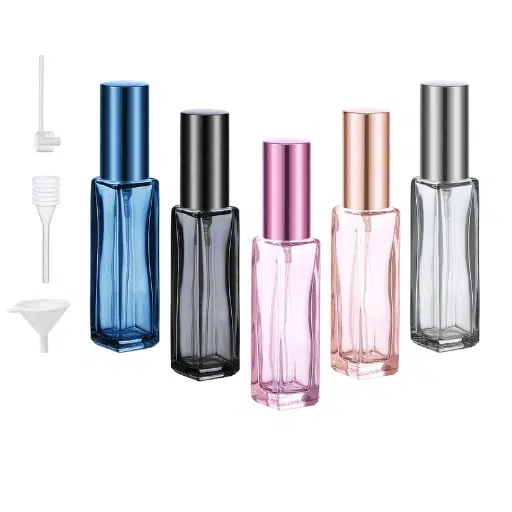
The recyclable spray components which provide sustainable packaging design innovation work to minimize environmental damage while maintaining their operational purposes. The production of these components now employs recyclable materials which include polypropylene (PP) and polyethylene (PE) to create nozzles and pumps and spray mechanisms. The sustainable packaging market will achieve a value of $255 billion by 2030 according to Allied Market Research which identifies recyclable materials as a key factor driving market expansion.
The packaging industry currently sees a growing trend of using mono-material packaging which uses identical recyclable materials for both the spray component and bottle. The mono-material structure enables recycling through a process that eliminates the requirement for part disassembly which creates difficulties during recycling. Brands like L’Oréal and Unilever have already implemented these advancements in their product lines.
The survey results show that consumers increasingly prefer recyclable spray packaging because 74% of consumers reported through a Trivium Packaging survey that they would pay extra for sustainable packaging. The EU’s Single-Use Plastics Directive requires businesses to implement complete recycling systems which must include reusable or recyclable elements in their entire packaging inventory.
The market for airless pump systems which use eco-friendly materials has experienced growth because these systems achieve recyclability through their ability to maintain product integrity. Companies that choose to implement these environmentally friendly solutions will achieve two objectives they will decrease their ecological impact and satisfy their customers’ desire for environmentally friendly products. The ongoing research in this area will establish recyclable spray components as essential elements in the packaging circular economy.
Technical Components of Recyclable Fragrance Bottles
Designers create recyclable fragrance bottles with materials and mechanisms that work harmoniously with contemporary waste disposal systems. The most popular materials for construction include glass and aluminum as well as selected recyclable plastics which contain PET (Polyethylene Terephthalate). Glass constitutes the most optimal material choice because it offers both enduring strength and multiple reuse opportunities and unlimited recycling capabilities without any loss of quality. The 2022 sustainable packaging report indicated that 80% of global glass container recycling rates make glass containers an environmentally sustainable option.
Mono-material pumps and closures represent another key innovation which designers have created to use a single recyclable material instead of blended materials that recycling facilities find difficult to process. The mono-material components of the system enable efficient recycling operations because they enhance the process of separating and recycling materials within the circular economy structure.
The development of metal-free dispensing pumps represents a major technological progress. The pumps use recyclable plastic components to replace metallic springs which cannot be recycled. The advanced airless systems provide total recyclability while they preserve product safety through their ability to prevent contamination.
Researchers and developers have dedicated their efforts toward creating methods that enable more efficient operations and reusable systems. The lightweight design requires 40% less material than standard bottles which leads to lower energy use during both manufacturing and shipping. Modular fragrance bottles allow consumers to reuse their base container which results in reduced waste because the containers can be used multiple times.
The lifecycle assessments (LCAs) show that recyclable fragrance bottles made with sustainable materials and efficient recycling systems can achieve carbon emission reductions of up to 60%. The advancements show that material science and product lifecycle analysis should guide the creation of environmentally sound fragrance packaging solutions which support international sustainability objectives.
Availability and Market Trends
The demand for eco-friendly fragrance packaging has been steadily rising since consumers developed greater environmental awareness. The sustainable packaging market reached a market value of approximately 237.8 billion dollars in 2022 which subsequent market research predicts will grow beyond 412.7 billion dollars by the year 2030 at a compound annual growth rate of 7.6 percent. Fragrance packaging now uses more renewable materials and recyclable materials which drives this market expansion.
Leading brands design products that include post-consumer recycled plastics and biodegradable materials and refillable systems because consumers increasingly demand these features. E-commerce platforms operate as essential channels which improve worldwide product distribution by providing sustainable fragrance packaging solutions that customers can purchase. The United States and European markets have gained popularity for refillable fragrance bottles because these products deliver financial advantages while generating reduced harm to the environment.
The Asia-Pacific market shows different regional preferences because it drives innovation through its high consumer demand and fast industrial progress. North America and Europe remain the primary markets where businesses implement regulatory compliance and establish zero-waste development programs. Current market trends demonstrate that sustainability now functions as a key element which influences both customer product selection and product distribution methods.
Challenges with Recycling Perfume Packaging
Perfume packaging presents significant recycling difficulties because its materials and design structures create complex recycling challenges. Manufacturers create unified perfume bottle structures which include glass and metal and plastic materials that prevent recycling efforts from succeeding. The cosmetics industry generates approximately 120 billion packaging units every year according to Zero Waste Week but limited recycling capacity leads to most of this waste ending up in landfills.
The glass components of perfume bottles use non-standard high-grade materials which create visual attractiveness but recycling systems cannot process this glass type. The recycling process experiences additional difficulties because pumps and sprayers contain decorative elements that include metallic coatings and labels and pumps. The recycling process becomes extremely difficult because pumps and sprayers contain embedded metal springs which manufacturers produce through plastic construction.
The recycling symbols and instructions on labels create problems for consumers who experience difficulties understanding them which results in waste disposal errors. The Environmental Protection Agency (EPA) reports that glass packaging recycling rates in the United States reach 30 percent while this number decreases for specialty items such as perfumery products.
The industry develops innovative solutions through refillable perfume bottles and recycling partnerships between manufacturers and third-party organizations to solve these challenges. The programs show potential advantages however their current implementation reaches an early stage which requires further development to achieve successful recycling of perfume packaging for sustainable beauty practices.
Adoption of Sustainable Practices by Brands and Consumers

The beauty industry requires its brands and customers to take multiple environmental protection measures which help establish sustainable practices. The beauty industry demonstrates its sustainability development progress through five key initiatives which successful brands have implemented.
The two groups work together through their sustainable initiatives but consumers and brands need to work harder to create environmental progress through active involvement.
Cases of Established Brands
🌱 Aveda
Aveda achieves carbon-free operations in its production facilities through its complete shift to renewable energy sources which supports its environmental mission. Their packaging includes post-consumer recycled content which makes up more than 85% of their total materials. Aveda has partnered with non-profit organizations to plant more than 1.4 million trees in various locations worldwide.
♻️ REN Clean Skincare
REN has established a goal to achieve zero waste through its packaging which will become fully recyclable reusable or upcyclable by the year 2025. The carbon emissions generated throughout product development and distribution processes are completely offset by REN. Their partnership with Loop to develop refillable packaging shows their commitment to eliminating single-use plastic waste.
🏔️ Patagonia
Patagonia supports environmental causes through its environmental activism work by donating 1% of its sales to such activities while it keeps funding Fair Trade Certified™ production sites. The Worn Wear program from Patagonia enables customers to repair and sell their used items. The company uses recycled fabrics for 87% of its materials which leads to substantial waste reduction.
🛁 Lush Cosmetics
Lush introduced its “naked” products system which enables customers to purchase more than 35% of their products without packaging. All Lush products maintain ethical sourcing standards because the company tracks all their ingredients and ensures no animal testing occurs. The Lush Green Hub project handles factory waste by recycling and running waste-free processing operations.
🕊️ Unilever
Unilever plans to reduce its environmental impact by 50% through its business operations which include brands such as Dove and Love Beauty and Planet by the year 2030. The company has committed to eliminating fossil fuel-based ingredients in cleaning products by 2030 and reducing virgin plastic usage by over 100,000 tons annually. Dove has introduced a refillable deodorant service which helps customers decrease their plastic waste.
Companies from different sectors demonstrate how they develop sustainable practices through their operational activities which create environmental benefits and motivate others to achieve similar results.
Consumer Awareness and Demand for Sustainable Products
Shoppers prefer sustainable products because consumer awareness about sustainability has increased throughout recent years. The Ipsos survey discovered that 75% of global consumers believe that businesses and manufacturers must take responsibility for decreasing plastic waste. The NielsenIQ study found that sustainable products experience 2.5 times higher market expansion compared to regular products which indicates a change in customer purchasing behavior. The demand for sustainable products has grown because Millennials and Gen Z belong to the youngest demographic group that drives this sustainable purchasing pattern. Research shows that 62% of Gen Z consumers choose to shop at sustainable companies because they will pay more for products which match their beliefs. Google search data shows that people increasingly search for “sustainable products” and “eco-friendly alternatives” which peaked during important environmental events such as Earth Day.
📈 Consumer Behavior Statistics
Public disclosure of sustainability progress enables companies to establish customer trust while building brand loyalty. Companies that provide specific details about their emissions reductions and their ingredient sources and their product life cycle evaluation will experience better customer retention. Sustainable packaging has become the primary criterion which customers use to select their products. The United States and British and Canadian markets have seen an increase in Google Trends searches for both “biodegradable packaging” and “zero waste packaging.”
The increase in demand for sustainable products from customers has compelled companies to adopt new techniques which change their manufacturing processes. Businesses which meet customer needs will succeed in achieving their environmental sustainability targets while maintaining their market position during evolving business conditions.
How to Identify Eco-Conscious Brands
The process of discovering eco-friendly brands starts with investigating their environmental conservation policies and operational methods. Companies present their environmental initiatives on their company websites to their customers. Look for clear commitments, such as achieving carbon neutrality, using renewable energy, or implementing sustainable supply chain practices.
The Google Trends research discovered that people worldwide show rising interest in “sustainable fashion brands” and “eco-friendly products.” The United States, United Kingdom and Australia have shown a threefold increase in searches for sustainable fashion brands during the last five years. The current trend indicates that customers prefer to purchase products which create less harm to the environment.
🏆 Key Certifications to Look For
- ✓ Fair Trade Certification
- ✓ USDA Organic
- ✓ Forest Stewardship Council (FSC)
- ✓ B Corp Certification
- ✓ Ethical Consumer Ratings
Your assessment process requires you to include certification marks and product labels which contain Fair Trade and USDA Organic and Forest Stewardship Council (FSC) logo. Brands that emphasize transparency will often display these prominently. The reviews and assessments from third-party sources, such as B Corp or Ethical Consumer ranking systems, provide better evaluations of a company’s dedication to green business conduct. Brands that follow these practices will enable consumers to make environmentally friendly choices.
Frequently Asked Questions (FAQ)
📚 References
Sustainability of reusable packaging–Current situation and trends
This article reviews trends in reusable packaging and explores the design and impacts of sustainable packaging systems.
PERFUME STICK
A study discussing perfumes and sustainable packaging to meet the demand for recyclable solutions.
Navigating Sustainable Supply Chain Management in the Perfume Industry: Challenges and Solutions
This paper analyzes industry practices and academic knowledge to promote recycling and sustainable packaging in the perfume industry.


