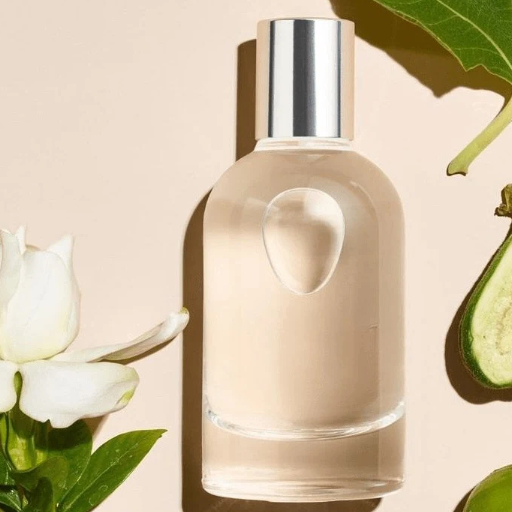
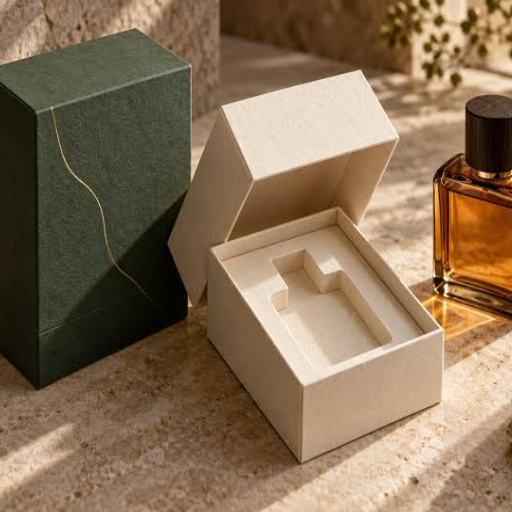
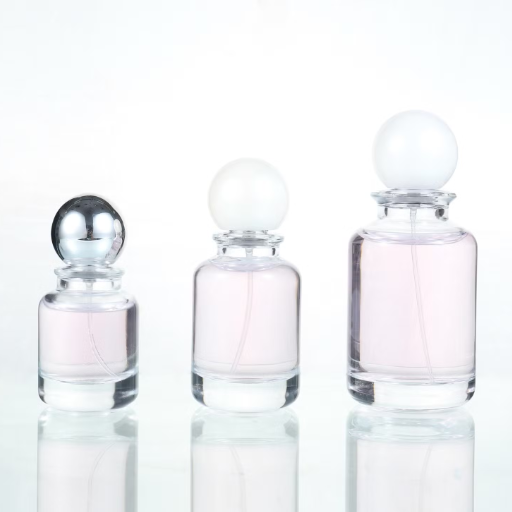
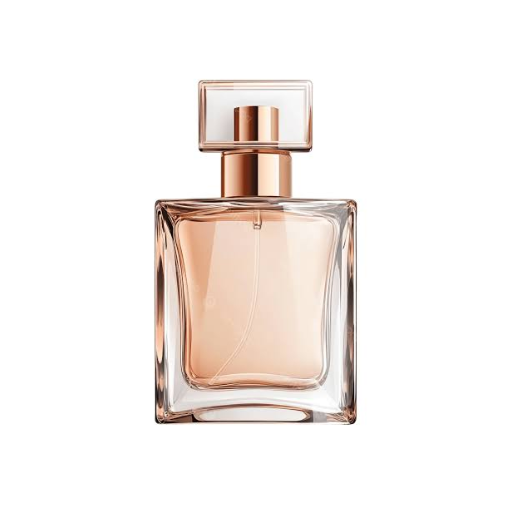
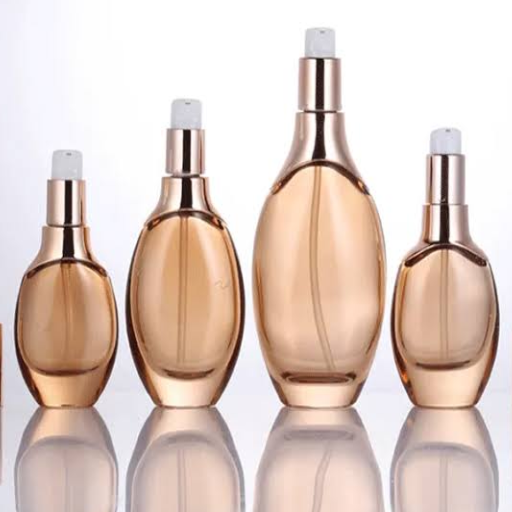
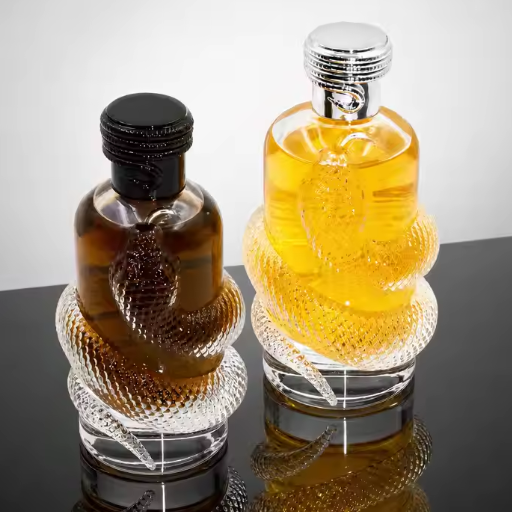
The first impression from a bottle creates an instant need, which leads to emotional responses and the formation of a lasting bond. Packaging for luxury fragrances serves as an artistic work that conveys its narrative through design elements, representing the brand identity while providing a sensory experience for customers. The luxury packaging industry is expected to experience its fastest growth in 2026, driven by sophisticated sustainable design, innovative solutions, and cultural awareness.
The guide provides a comprehensive path to understanding the three main areas shaping the future of luxury fragrance packaging. The article helps designers, marketers, and brand owners understand how to create packaging that attracts modern consumers, who are selective. The study will investigate pioneering materials and architectural design principles that have stood the test of time and the rising significance of environmentally-friendly choices. The study will show you how to establish yourself as an important figure within the competitive market of luxury fragrance packaging in 2026.
Table of Contents
- Introduction to Luxury Fragrance Packaging
- The Evolution of Perfume Packaging
- Market Trends Leading to 2026
- The Role of Packaging in Fragrance Products
- Current Trends in Perfume Packaging Design
- Special Packaging Developments in 2026
- Innovative Materials and Techniques
- The Influence of Sustainability
- Types of Perfume Packaging
- Exploring Glass Bottle Designs
- Secondary Packaging: Boxes and Beyond
- Refillable Perfume Options
- Aesthetic Trends in Fragrance Packaging
- The Intersection of Elegance and Functionality
- Color and Design Trends for 2026
- Creating a Sensory Experience Through Design
- Innovative Technology in Perfume Packaging
- Smart Packaging Solutions
- Integration of Digital Elements
- Enhancing User Experience with Technology
- Frequently Asked Questions (FAQ)
Introduction to Luxury Fragrance Packaging
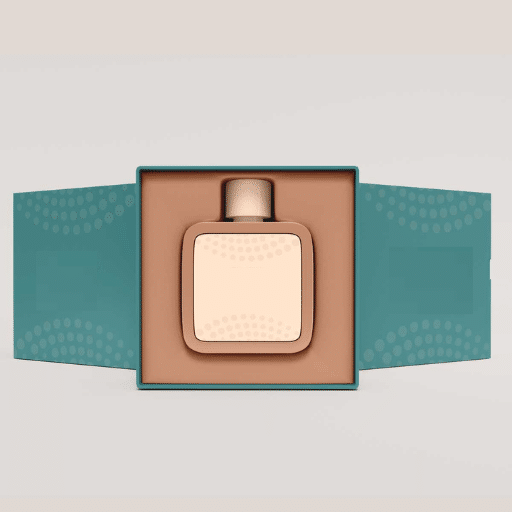
Luxury fragrance packaging exists as essential component of a product which combines its practical elements with its visual appeal to create emotional responses while demonstrating the brand’s identity. The packaging demonstrates the fragrance’s core character through the use of premium materials, complex design elements, and superior craftsmanship. The packaging functions as an interactive experience that attracts customers who want to experience exceptional and refined products. The development of luxury fragrance packaging depends on its ability to maintain traditional design elements while introducing new concepts which help brands achieve success in a competitive business environment.
The Evolution of Perfume Packaging
Perfume packaging has undergone a remarkable transformation over the centuries, reflecting changes in technology, consumer preferences, and cultural trends. The history of perfumes begins with their storage in elaborate glass containers which studios created by artisans who decorated them with detailed designs to indicate social status. Ancient Egyptians preserved their most important perfumes in alabaster jars whereas crystal bottles from renowned companies like Lalique and Baccarat represented the height of sophistication during the 18th and 19th centuries.
The Industrial Revolution introduced mass production methods which changed how perfume packaging developed because people could now access products through wider distribution channels. The 20th century saw a shift toward branding and marketing, with designers like Coco Chanel influencing not only the fashion world but also the sleek, minimalist aesthetics of perfume bottles, such as the iconic Chanel No. 5.
Today, technology advancements and sustainable development initiatives are transforming how perfume packaging works. The global luxury packaging market, including fragrances, will grow at a 4.8% compound annual growth rate, according to Smithers, reaching a total value of $18.8 billion by 2026. Brands have started using eco-friendly materials, which include recycled glass and biodegradable components, because consumers are demanding sustainable products. Hermès introduced refillable fragrance bottles which help to minimize waste while creating a sustainable product system.
Digital technology enables designers to create innovative designs which combine NFC (Near Field Communication) tags into their luxurious perfume packaging to allow users to authenticate products and access connected features. Perfume packaging has evolved beyond visual design to create modern consumer experiences through the integration of traditional and contemporary design elements.
$18.8B
Market Value by 2026
4.8%
CAGR (Smithers)
60%+
Prefer Sustainable Packaging
Market Trends Leading to 2026
The global fragrance market will achieve substantial expansion by 2026 according to projections that estimate a compound annual growth rate (CAGR) of 5% to 6% from 2021 to 2026. The market expansion occurs because customers increasingly seek luxury and organic scent products which match their higher income levels and their growing understanding of self-care and grooming needs.
- Sustainability
Sustainability functions as the main driving force behind businesses who develop sustainable packaging solutions that use biodegradable materials and refillable containers to attract eco-conscious customers. A market study on beauty and fragrance products found that more than 60% of participants preferred sustainable packaging.
- Smart Technology
Companies now prioritize technology to drive operational improvements. Brands use smart packaging technology that employs QR codes and NFC tags to deliver product authentication, custom recommendations, and exclusive content to customers. The fragrance industry will experience smart packaging adoption until 2026 as the industry moves toward new packaging technologies which will create double-digit growth for the sector.
- E-Commerce Growth
E-commerce has transformed how people discover and purchase fragrances. Online platforms now account for a significant share of sales with digital channels projected to grow further due to innovative sampling options and personalized marketing strategies. The Asia-Pacific region will become an essential market during this period, as China and India show increasing demand for luxury fragrance products.
- Natural & Organic Fragrances
Natural and organic fragrances have grown their market share because they appeal to customers who prioritize health and well-being. The segment projects an 8% growth rate through 2026, as consumers increasingly choose products that are free of synthetic chemicals and do not undergo animal testing.
The fragrance industry is changing as broad market trends combine sustainable practices, advanced technologies, and customer-focused business strategies to meet emerging global market needs.
The Role of Packaging in Fragrance Products
The fragrance industry depends on packaging to deliver essential functions which go beyond its basic needs. The system operates as a brand communication tool that supports consumer engagement with the product while reinforcing brand identity. The five essential aspects of packaging in the fragrance industry underscore its vital role.
Aesthetic Appeal
The packaging gives customers their first opportunity to experience the product. Attractive designs that utilize graceful elements and striking visual elements generate emotional responses which drive their attention to the product. Studies show that nearly 40% of fragrance buyers are influenced by the packaging’s appearance.
Brand Identity
Custom packaging designs aligned with brand values help reinforce identity and loyalty. The packaging material choice between minimalistic, luxurious, and eco-friendly options creates a physical sign of the brand’s core values. The adoption of distinctive packaging has led to a 25% increase in customer loyalty for brands that implemented it.
Functionality & Durability
The usability and strong performance of packaging systems directly impact the capacity to keep products in their original state. The reusable, travel-compatible designs meet modern customer requirements and increase customer satisfaction by 30%.
Sustainability Initiatives
Demand for eco-friendly packaging solutions is increasing as more consumers prefer products that protect the environment. 70% of buyers who want sustainable brands find the materials, including recycled glass and biodegradable components, appealing.
Sensory Experience
Product packaging that combines tactile, visual, and olfactory elements creates a better sensory experience, which makes the product more recognizable to customers in stores. Multisensory packaging has been shown to increase perceived product value by up to 50%, according to industry surveys.
Fragrance packaging uses these elements to protect products while creating a powerful consumer experience that customers remember.
Current Trends in Perfume Packaging Design
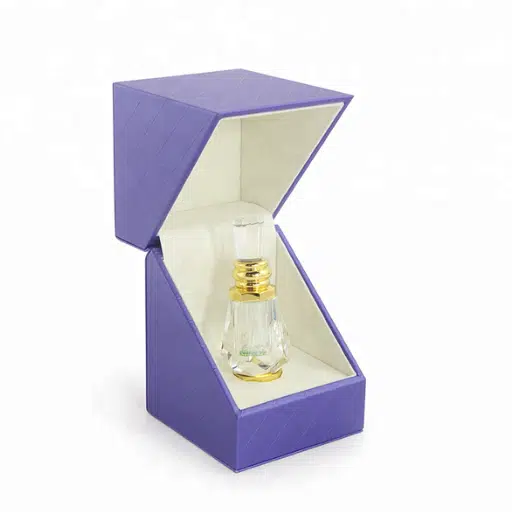
The field of perfume packaging design is undergoing continuous transformation due to evolving consumer preferences, technological advances, and the need for sustainable practices. The current dominant trend in the industry aims to develop packaging solutions that achieve environmentally friendly protection for products. To fulfill customer requirements for sustainable products, brands currently use recycled glass, biodegradable plastics, and refillable containers. The recent study shows that 74% of consumers choose to buy products which use sustainable packaging because they consider this factor important for their purchasing decisions.
The latest market development introduces advanced packaging solutions that use intelligent technology for product tracking purposes. Customers can now use their smartphones to interact with perfume bottles which come equipped with QR codes and NFC tags. The technology enables users to verify product authenticity and get fragrance details and personalized recommendations for their needs. The PwC report projects that the smart packaging market will reach a value of $43 billion by 2025 which shows increasing market demand for this product category.
Minimalism has established itself as the primary design style for perfume packaging. The design demonstrates elegant simplicity through clean lines and simple typography, and neutral colors that resonate with contemporary consumer tastes. The luxury market functions with leading brands such as Chanel and Byredo, who produce timeless products that appeal to young shoppers who want fashionable yet casual clothing options.
The demand for personalized, customizable bottles has grown among customers. Customers prefer products that let them create unique designs through custom design options or engraving services. The trend meets the increasing market demand for distinctive and valuable experiences which McKinsey research shows that 71% of modern consumers now expect from brands.
Current trends indicate that the perfume packaging design field is a fluid industry that integrates new ideas with sustainable design and customer-focused approaches to create meaningful interactions with its target audience.
The Special Packaging Developments That Will Take Place In 2026
The year 2026 will bring about major changes to packaging design through technological advancements and shifting consumer patterns and growing environmental consciousness. The industry will experience significant growth through the following three key trends that will become prominent in the industry:
- 1.
Smart Packaging Solutions
Smart packaging will become the main focus of the industry while it will use QR codes and NFC technology and AI tools to create better user experiences while improving supply chain operations. The global smart packaging market is expected to reach a value of $43.6 billion by 2026 with a growth rate of 5.3% according to a recent report by Research and Markets. The interactive labels enable businesses to track their products in real time while customers can verify product authenticity and receive personalized marketing content.
- 2.
Sustainable and Eco-Friendly Designs
Shoppers who prioritize sustainability during their buying process make up more than 85% of the total public which drives the growth of sustainable packaging solutions. The packaging process now includes biodegradable materials and refillable containers and the use of fewer plastic materials. The Deloitte survey shows that 64% of Gen Z consumers actively search for brands which demonstrate dedication to environmental protection. Companies will start using circular economy packaging solutions which create less waste and improve recycling rates.
- 3.
Minimalism Meets Aesthetic Appeal
People will increasingly prefer minimalistic packaging which uses basic elements to create a refined and sophisticated look. The current trend emphasizes the need for design solutions which provide visitors with both visual appeal and practical features through their design elements. The Adobe research found that 73% of consumers prefer to purchase products which feature modern packaging designs that show advanced packaging solutions.
- 4.
Personalization at Scale
The existing personalization trend will continue to grow through the development of new digital printing methods. The packaging industry is experiencing growth because consumers increasingly prefer personalized packaging which reflects their individual tastes and unique needs. According to Forbes brands should allocate their resources to personalized packaging because it increases product value perception by 40%.
- 5.
Transparency and Ethical Branding
The fashion industry is seeing a rise in demand for brands to establish clear product origins and sustainable development processes which they must display through their packaging. Accenture research shows that 62% of consumers trust brands which provide detailed information about where their products come from and how their materials impact the environment. Businesses will need to deliver clear and straightforward information on their packages to build customer trust and maintain long-term customer relationships.
The new trends show how technology and sustainable practices and consumer demands intersect to create packaging designs which protect products while establishing customer connections through their interactive packaging systems.
Innovative Materials and Techniques
New materials and advanced technologies which bring environmental benefits and functional capabilities have brought about rapid transformation in the packaging industry. The packaging industry experiences its most significant transformation through the use of materials which can decompose and become compostable. The global biodegradable plastic market will reach an estimated value of $6.12 billion by 2027 according to recent market data which shows a compound annual growth rate of 12.8 percent.
The packaging system uses smart packaging as its latest innovation which contains both sensor technology and QR code systems. The market for smart packaging will grow to $43.6 billion by 2025 because of the increasing adoption of smart packaging technology in food and pharmaceutical businesses.
Food packaging solutions made from seaweed and rice paper materials have become more popular because they help reduce the use of disposable plastic items. The combination of lightweight materials such as molded fiber and paper-based solutions enables companies to achieve their sustainability goals by reducing resource usage while maintaining product strength and visual appeal. The methods show how sustainable development works with technological progress to create products that meet the needs of users who care about sustainability.
Key Materials at a Glance
| Material | Key Benefit | Market Stat | Sustainability |
|---|---|---|---|
| Recycled Glass | Chemical stability, longevity | 85% of perfume containers | High |
| Bioplastics | Renewable resource-based | 14% annual market growth | High |
| Aluminum | Infinitely recyclable | 95% recovery rate | Very High |
| Molded Fiber | Lightweight, cost-efficient | 7.4% annual demand increase | High |
| Seaweed / Rice Paper | Plastic reduction | Rapidly growing adoption | Very High |
The Influence of Sustainability on Packaging Choices
Sustainability has become a core factor which determines modern packaging design and production processes. Companies today work to become environmentally friendly because customers demand it and new environmental laws require it. Below is a list of key sustainable advancements and data-driven insights showcasing the adoption of eco-conscious packaging:
-
♻
Reduced Carbon Footprints
Many companies are transitioning to materials that require less energy to produce which results in significant carbon emission reductions. The Ellen MacArthur Foundation found that companies which switch to recycled plastics achieve a 30% reduction in carbon emissions when compared to companies which use virgin materials.
-
🌿
Biodegradable and Compostable Packaging
The materials used for packaging now include polylactic acid (PLA) and cornstarch and kraft paper. The European Bioplastics Association predicts that global bioplastics markets will grow from 2.87 million tons in 2023 to 7.59 million tons by 2028.
-
⬡
Recyclable Materials
The recycling rates of packaging materials rise when they consist of single-component plastics or aluminum or glass. The Recycling Partnership study found that curbside recycling programs achieve a 95% recovery rate for aluminum and glass materials which can be reused.
-
⚖
Lightweight Packaging Solutions
The introduction of thinner glass bottles and molded fiber containers makes it possible to achieve lower transportation expenses and decreased fuel requirements. The International Transport Forum reports that companies can reduce their logistic emissions by 10% when they decrease their packaging weight.
-
↺
Reusable Packaging Models
The number of companies using refillable bottle systems and returnable container systems is on the rise. Terracycle created a Loop system which enables corporations to design packaging systems that undergo cleaning and reuse throughout their operational cycle.
The introduction of sustainable packaging solutions enables industries to tackle environmental issues while providing customers with sustainable product options. The new developments demonstrate how the industry is moving to a circular economy system which enables materials to be reused and recycled and brought back for production process.
Types of Perfume Packaging
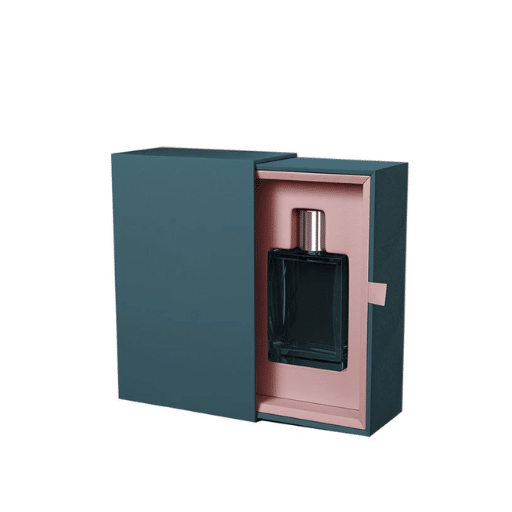
The evolution of perfume packaging design started from its first creation and it moved through different stages because designers needed to create attractive packages which could meet both environmental needs and packaging requirements. The following section presents the main categories of perfume packaging materials.
Industry Insight
Recent surveys reveal that nearly 72% of consumers prefer sustainably packaged perfumes, reflecting the industry’s shift toward environmentally responsible practices. The brand’s design consists of recyclable materials and refillable bottle systems and minimalist design elements which fulfill customer needs while minimizing waste and maintaining brand recognition.
The different types of perfume packaging show how the perfume industry combines artistic expression with practical needs and commitment to environmental protection. Brands use packaging design choose packaging design because it shows their brand character and helps them satisfy current environmental requirements and customer demands.
Exploring Glass Bottle Designs
The perfume industry established glass bottle designs as the highest standard for durability and sophisticated design. The packaging not only safeguards the fragrance but also functions as a core component of the brand identity through its combination of graceful design elements and environmentally sustainable features. According to the latest data, the demand for glass packaging within the perfume sector is projected to grow at a compound annual growth rate (CAGR) of 4.5% from 2023 to 2030. The rising consumer demand for recyclable packaging materials drives this industry growth.
The latest designs use advanced technology to include lightweight glass materials which minimize environmental damage while maintaining product strength. Dior and Chanel have created exclusive glass bottles which feature detailed design work and use recycled glass materials to achieve their environmental sustainability goals. High-end perfumes now use up to 40% cullet which leads to major reductions in carbon emissions during their manufacturing process.
Consumers can personalize their bottles through the emerging trend of customizable bottles which let them add their personal designs to the glass surface. The combination of personalized elements and artistic components creates a better connection with customers. The glass bottle serves as a creative platform which enables artists to express their creativity through multiple design methods that range from frosted textures to artistic geometric patterns. The industry demonstrates its commitment to environmentally friendly practices through packaging innovations which use advanced design methods.
Secondary Packaging: Boxes and Beyond
The main function of secondary packaging exists to protect products while it creates better visibility for products and strengthens brand recognition. The system functions at its essential capacity because it protects the natural world and helps drive research and development in the packaging sector. The current market analysis shows that the worldwide secondary packaging industry reached a value of around $145 billion in 2023 which will continue to expand at a 4.2% compound annual growth rate from 2023 until 2030. The market expansion results from two factors which include rising online shopping trends and customers who prefer visually pleasing packaging designs and environmentally friendly packaging options.
The packaging industry has recently started to embrace recyclable and biodegradable materials as the primary method for their secondary packaging needs. Many brands are turning to corrugated cardboard boxes made from recycled paper because these materials help reduce waste while producing lower emission levels during production. More than 80% of worldwide corrugated packaging production now reaches recycling status which makes it the preferred material for environmentally conscious companies.
Secondary packaging now uses digital printing technology which enables designers to create customized and bright packaging designs. The trend of unboxing experience creation has become a popular element in e-commerce operations. Studies show that 72% of consumers say packaging design influences their purchase decision, showcasing the importance of marrying functionality with appeal.
Secondary packaging now uses advanced technologies which include smart packaging systems. Companies use embedded QR codes, RFID tags, and NFC technology to establish direct contact with their customers while making their products more authentic. The cosmetics, electronics, and beverage industries now use interactive boxes which let users experience augmented reality through smartphone scanning.
The function of secondary packaging has evolved because it now works as a crucial asset that supports branding efforts while promoting environmental responsibility and delivering improved customer service. The industry uses these new technologies to create solutions which address the changing requirements of international markets.
Secondary Packaging Market Overview
| Metric | Value / Stat | Source Context |
|---|---|---|
| Global Market Value (2023) | ~$145 billion | Industry analysis |
| Projected CAGR (2023–2030) | 4.2% | Market research |
| Corrugated Packaging Recycling Rate | >80% worldwide | Industry reports |
| Consumers Influenced by Design | 72% | Consumer survey |
Refillable Perfume Options
Refillable perfume options have become increasingly popular as both consumers and brands shift towards more sustainable practices. Many leading perfume companies are now offering refillable designs to reduce waste and appeal to eco-conscious buyers. The luxury market includes Chanel Dior and Guerlain which offer refill stations and refillable bottle options for their famous fragrances.
The global refillable packaging market will achieve a compound annual growth rate of 4.9% from 2023 to 2030 according to recent data which shows that it will primarily expand due to environmentally aware consumer trends. The construction of refillable perfume bottles uses strong materials such as glass and metal which allows these products to survive multiple uses. The fragrance industry can reduce packaging waste by 60% through the implementation of refillable systems according to industry estimates.
The implementation of refillable options supports sustainability objectives while it strengthens customer commitment because customers who use refillable systems tend to come back for additional purchases. Most brands provide financial discounts to consumers who select refills instead of purchasing new bottles which creates an affordable option for customers. Brands that provide refillable perfumes show their dedication to environmental sustainability which has become essential for modern consumers.
60%
Reduction in Packaging Waste with Refillable Systems
Aesthetic Trends in Fragrance Packaging
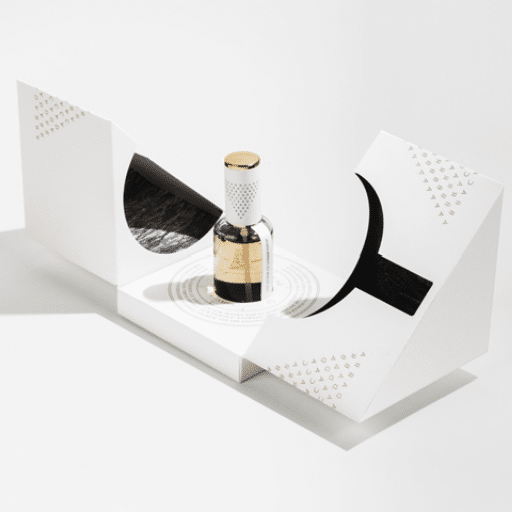
The current function of fragrance packaging functions as an artistic medium which enables consumers to express their feelings and their product preferences. Customers today prefer to use basic designs which combine understated elegance to create a high-end look according to current design trends. The 2023 survey demonstrated that 68 percent of consumers considered the visual design of a perfume bottle to be an important factor when making their purchasing decisions. The transparent and frosted glass bottles which use metallic accents display their elegant design elements because they show the perfume’s actual color and transparency.
Sustainability has become a major aesthetic trend which exists in contemporary design. Brands have started to choose recyclable materials such as glass and metal for their products because environmentally conscious consumers prefer those materials over plastics. The innovative companies which developed these packaging solutions use biodegradable materials that include sugarcane-based plastics as their main component. The global fragrance glass packaging market which reached a valuation of USD 1.47 billion in 2022 will grow at a compound annual growth rate (CAGR) of 4.5% from 2023 to 2030 because consumers increasingly demand sustainable products which also have visual appeal.
The customization of fragrance packaging has developed into an important market development. Many brands now offer engraving services or customizable bottles to provide unique, tailored experiences for their customers. Brands can develop products which appeal to customers who want exclusive market offerings through their use of vibrant colors and artistic designs together with their limited-edition product releases.
Packaging serves as a crucial component which protects products while creating brand identity through its design elements that both protect products and enhance customer experience.
The Intersection of Elegance and Functionality
The modern packaging solutions create an ideal combination of elegant design and practical functionality which satisfies customer needs while delivering practical solutions. The five important aspects of this study exist in the following list:
-
Premium Materials
Many brands are incorporating high-quality sustainable materials which include recycled glass and bamboo and biodegradable polymers. According to a recent study more than 60 percent of consumers choose eco-friendly packaging when they decide to buy products.
-
Innovative Design Elements
Packaging design now uses sleek minimalistic design elements which combine with bold typography and unique shape to create an elevated aesthetic. A study showed that packaging design which people found visually appealing created a 30 percent increase in product engagement.
-
Smart Packaging Technologies
Customers can access digital experiences through QR codes and NFC tags and augmented reality (AR) features. Brands can now share detailed product information together with interactive content which enhances user experience through new technological advancements.
-
Customizable Options
The trend of offering personalization which allows customers to create their own unique products has gained significant popularity. The study found that customized packaging solutions lead to an increase in customer loyalty by 40 percent.
-
Multifunctionality
The popularity of packaging that functions as both reusable and decorative items is rising among consumers. People value jars which serve as storage containers and stylish boxes which present products because of their practical uses and attractive designs.
The packaging design features offer two functions because they create protective solutions which let brands tell their stories while handling environmental and technological requirements.
Color and Design Trends for 2026
The design environment that will exist in 2026 will result from three factors which encompass technological advancements and environmentally friendly methods and human relationship development. The current color palettes demonstrate a strong tendency toward natural earthy tones, which create tranquil environments and various futuristic design components, while companies pursue two primary design objectives, which involve environmental conservation and technological innovation.
The current cultural movement which unites sustainable practices with advanced technological solutions finds its expression through 2026 design and color trends. The implementation of these trends will help brands connect with their audience, which values design and shows innovative thinking about future trends.
Creating a Sensory Experience Through Design
Through their product design, which engages multiple senses, businesses can create enduring customer experiences. Recent research shows that 89% of consumers consider sensory elements to be essential when they interact with brands. Multisensory design has become a popular trend, which combines visual elements with auditory elements and tactile elements and olfactory elements to create a total immersive experience.
Color psychology serves as an effective strategy because research indicates that color affects 85% of buying choices. The 2026 design trends feature bright colors, which draw inspiration from nature and reflect the growing demand for sustainable design. Packaging products with embossed designs and imitation natural elements enhance their perceived value, which leads to better customer satisfaction according to research findings.
Auditory elements, which include customized soundscapes and audio branding, create sensory experiences throughout the design process. Mastercard has developed its unique sound identity, which helps the brand achieve a 20% increase in customer recall. The use of brand-specific scents, which are typical in luxury stores, helps customers build emotional connections with the brand, because scent creates associations between memory and emotional experiences.
The design process enables companies to differentiate their brand through sensory element integration with storytelling effects. Companies, which invest in sensory design through product displays and packaging design and retail spaces, will achieve significant effects on their business operations throughout 2026.
Sensory Design Impact Metrics
| Sensory Element | Impact Statistic | Benefit |
|---|---|---|
| Color Psychology | 85% of buying choices affected | Purchase decision influence |
| Multisensory Design | Up to 50% increase in perceived value | Customer satisfaction |
| Audio Branding | 20% increase in customer recall | Brand memorability |
| Sensory Brand Elements | 89% consumers consider essential | Emotional brand connection |
Innovative Technology in Perfume Packaging
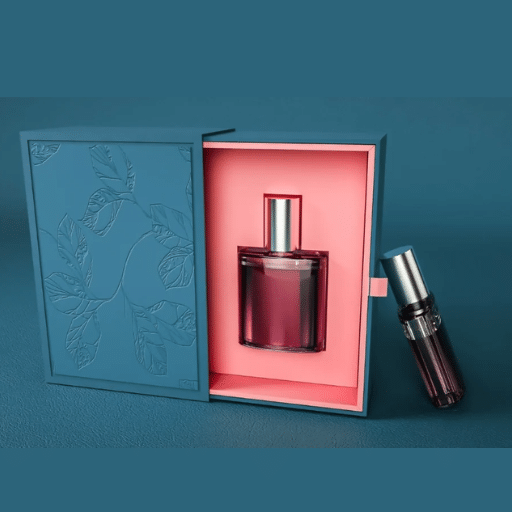
The perfume industry experiences fundamental changes because modern technological advancements now function as essential elements in its packaging systems. The main packaging trend uses smart packaging which integrates technologies such as QR codes and NFC (Near Field Communication) chips and augmented reality (AR) components. The technologies enable users to experience better usability which brings three additional advantages that include product authenticity confirmation and ingredient information disclosure and interactive storytelling demonstration.
Customers can use NFC technology in perfume bottles to transfer product information and special offers and personalized recommendations through their smartphones by touching the bottle. MarketWatch reported in 2023 that the global smart packaging market will experience 10.9% compound annual growth rate between 2023 and 2028 because of rising demand from various sectors which include luxury perfume market. AR-powered packaging enables users to activate advanced technology by scanning products with their mobile devices. The method enables users to experience interactive storytelling which presents three dual elements that include details about the perfume creation process and the ingredients and the historical background of the brand.
Eco-conscious brands use sustainable materials because they want to create biodegradable containers and refill systems which showcase their commitment to a circular economy model while meeting customer demands for eco-friendly products. The advancements demonstrate that businesses now possess improved methods to attract customers while they develop their perfume packaging through sustainable practices and technological developments.
Smart Packaging Solutions
Smart packaging solutions have transformed the traditional approach to perfume packaging which now delivers innovative features that improve product performance. The advanced solutions use technological systems to enhance product appearance and customer experience of their products. The perfume industry currently uses five essential smart packaging solutions which will be shown in the next section.
| Technology | Function | Key Benefit |
|---|---|---|
| QR Codes | Instant access to ingredients, manufacturing process, sustainability initiatives | Interactive + Transparent |
| NFC Technology | Tap smartphone to unlock exclusive content, scent tips, promotional offers, fragrance histories | Personalized Experience |
| Temperature-Sensitive | Thermochromic materials change color based on temperature variations | Product Quality |
| Refillable Systems | Customers reuse bottles via refill stations or cartridges to reduce waste | Sustainability + Loyalty |
| Smart Sensors | Monitor expiration dates, track remaining fragrance amounts, recommend scents | Intelligent UX |
The packaging solutions demonstrate how innovation develops new practical methods that transform customer experiences and product comprehension in the fragrance industry.
Integration of Digital Elements
The introduction of digital components into fragrance packaging systems is changing how customers experience these products. The most important advancement of this technology operates through Near Field Communication (NFC) systems. Customers who use NFC-enabled packaging can access full fragrance information by simply bringing their smartphones into contact with the product which shows brand details and ingredient information and usage instructions. The global NFC market will expand from its current value of $20.6 billion in 2023 to reach $34.9 billion by 2028 according to recent market projections which show that industries are adopting smart technologies at increasing rates.
The rising demand for Augmented Reality (AR) experiences is becoming a significant trend. Consumers can access virtual fragrance elements through QR code scanning or dedicated application usage which enables them to see digital scent animations and test products online before making purchases. The 2023 survey found that 71% of consumers will buy products when AR experiences are available which proves that this technology helps increase sales and customer interaction.
The introduction of AI-powered product recommendations through connected packaging systems enables companies to provide tailored shopping experiences to their customers. AI algorithms create personalized shopping experiences by analyzing user behavior to suggest products based on their previous purchases. According to Gartner reports approximately 75% of retail applications will use AI technology in 2025 which shows that businesses consider personalized experiences to be important for their customers.
Digital innovations in fragrance products create sensory and functional product improvements which establish a complete experience that combines modern technology with traditional methods to meet the demands of contemporary customers who prefer both innovative products and straightforward solutions.
$34.9B
NFC Market by 2028
71%
Buy When AR Available
75%
Retail Apps Using AI by 2025
10.9%
Smart Packaging CAGR
Enhancing User Experience with Technology
The development of personalized technology solutions which users can choose according to their needs is my goal for improving user interaction with technology. I create digital experiences through AI tools and interactive systems and advanced data analysis which bring together modern technology and traditional elements to create unique customer interactions.
References
- ▸
Tonka Perfumes Moscow (Russia): Growth Strategy Dilemma and Choice of Digital Marketing Tools
Discusses luxury perfume packaging and its impact on brand perception. Source: SSRN
- ▸
Sustainability in the Beauty and Personal Care Industry: Trends, Best Practices, and Opportunities
Explores sustainable packaging trends in the beauty and fragrance industry. Source: SSRN
- ▸
Examines the role of packaging in consumer trust and loyalty for luxury perfumes. Source: Bangkok University Repository
Frequently Asked Questions (FAQ)
Here we address the most common questions from designers, marketers, and brand owners navigating luxury fragrance packaging.