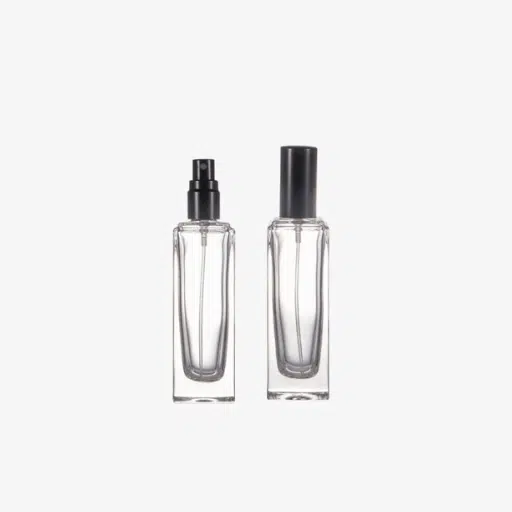
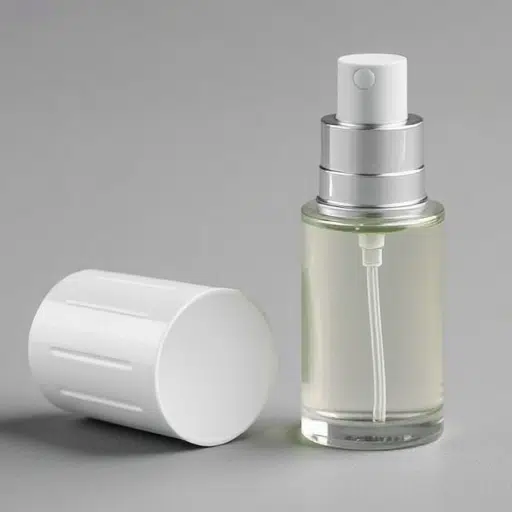
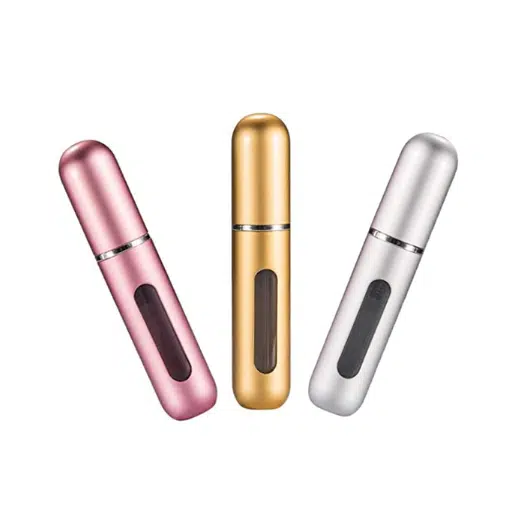
Perfume bottles have a dual role; they are not just the sites of our most cherished fragrances, but also wonderfully artistic creations that embody creativity, luxury and character. Depending on the occasion, the bottle may either be one that tells its tale through its intricate glasswork or one that reveals its story by its modern silhouette thereby making it the centrepiece in any place of dressing or beautifying. The article offers a trip to the world of the most extravagant perfume bottle designs together with their distinctive qualities. Whether you are a collector, a fragrance aficionado or just an admirer of great craftsmanship, you will, in any case, find a place where art and utility have the most perfect coexistence. Get ready to witness enchanting designs and minute details that elevate these perfume bottles to the level of true works of art.
Introduction to Perfume and Bottle Design

Perfume has evolved from a simple scent into a natural and human-created experience that seeks to evoke emotions, recall the past, and convey one’s identity. The design of the bottle that not only holds the liquid but also exclaims very loudly is of equal importance as the fragrance itself. The craft of the perfume bottle has been through a very long history of transitions where it has been in line with the changes in societies, various forms of arts, and with the advent of new technologies. Today’s bottles are generally characterized by a nice blend of beauty and practicality, featuring unusual shapes, rich in detail, and crafted from luxury materials to pamper consumers’ olfactory and visual senses. All these aspects are designed not only to lure buyers but also to create an impression of the scent that is within and thus they become an inseparable part of the perfume’s character.
What Makes a Perfume Bottle Exceptional?
The beautiful and functional part of a perfume bottle was combined with an artistic one, thereby maintaining the fragrance while capturing consumers’ curiosity. According to the latest trends, the following are some of the main reasons why a perfume bottle is so attractive:
Design Aesthetics
Most of the time, the first thing consumers notice about a perfume bottle is its visual appeal. Makers of perfumes such as Chanel and Dior invest substantial sums to develop and sustain timeless, iconic designs, with some even created by renowned artists or influenced by specific historical art movements. A good example is the simple, geometric design of Chanel No. 5, which has been associated with class since its launch in 1921.
Material Quality
The best perfume bottles use high-end materials such as crystal, glass, metal accents, or even rare gemstones. A 2023 perfume industry report finds that more than 40% of premium perfume buyers consider material quality a significant factor in their purchase decisions.
Innovation and Sustainability
Most consumers today prefer brands that practice sustainability. Refillable bottles, recyclable packaging, and eco-friendly materials have gained considerable attention. Brands like Paco Rabanne and Guerlain are leading the way in sustainability through their design, thereby attracting environmentally conscious customers.
Ergonomics and Functionality
Beyond appearance, the bottle’s ease of use is a major factor in its quality. A bottle with good weight balance, a well-designed spray system, or a reliable stopper generally improves the user experience.
Brand Storytelling
Since they are usually very costly and rare, bottles can narrate a story by the fragrance’s muse or theme. The limited-edition bottles and designs that represent cultural or emotional bonds not only stand out but also create a stronger connection with consumers. For example, the Daisy perfumes by Marc Jacobs draw inspiration from nature and femininity, making them highly recognizable.
The luxurious scent-branding companies are constantly searching for these ingredients; by doing this they not only come up with better designs but also turn the bottle into a work of art, making sure that the bottle not only serves its purpose but also has a great influence on the consumer.
The Role of Aesthetics in Fragrance Marketing
The elegance and science of beauty, known collectively as aesthetics, play a crucial role in the marketing of fragrances, as the buyer’s choice is primarily driven by the product’s visual and tactile appeal. Because the perfume is a personal and emotional good, the display must meet the target audience’s expectations on multiple levels. The following five points highlight how aesthetics become the major factor in the marketing of fragrances:
Bottle Design
The profile, arrangement, and even the tiniest details of a perfume bottle are absolutely essential. For example, artistic bottles from Carolina Herrera or Versace not only make a strong visual statement but also embody a fusion of sophistication and inventiveness.
Packaging and Materials
Luxurious aspects such as cases with embossing, metallic finishes, and sustainable designs, contribute to the consumption of luxury. Chanel’s minimalist black-and-white packaging exemplifies a classic approach gaining modern relevance.
Color Theory
Colors can evoke emotions and provide an initial cue to the fragrance. For instance, light pinks and other soft pastel shades are often linked to the scents of flowers and delicacy, while dark colors like red or black are associated with either passion or strong earthy notes of the fragrance.
Typography and Branding
Appropriate typefaces and icons reinforce the company’s brand identity. Tom Ford’s simple yet eye-catching font for their fragrance line conveys a present and luxurious character.
Visual Storytelling
Aesthetics provide the ground for marketing and advertising to catch hold of a story. Typically, Dior’s J’adore advertising features not only golden light but also rich, seductive visuals to convey luxury and temptation.
The fragrance companies, by integrating these components, not only focus on being visible but also on establishing strong emotional connections with consumers through the application of aesthetics, thereby creating an interesting and attractive experience.
Overview of the Article
The paper highlights the evolution of the strategies fragrance companies used to appeal to their customers. The discussion revolves around the brand Dior, which has succeeded in making a very strong bond between the consumer and the brand via the complex design, the color theory, and emotional appeal. The cutting-edge market research reveals that the worldwide perfume market was worth $33.5 billion in 2022, with an estimated industry growth by 5.5% CAGR (compound annual growth rate) up to 2030, which is a clear indication that the competition in this sector is prompting the brands to invest more in branding and experiential marketing.
On the other hand, consumer tastes are slowly shifting toward eco-friendly, custom-made fragrances, which directly impacts marketing strategies. Some surveys report that as much as 45% of buyers only go for items with environmentally safe packaging and that visually narrated products very much sway their purchasing. The fragrance industry is cleverly attracting both traditional and new customers by the clever combination of data analytics, innovative campaigns, and modern branding techniques. The objective of the paper is to present a thorough discussion regarding the current trends and their consequences in the sector.
Historical Context of Perfume Bottle Design

The crafting of perfume bottles is a very old practice that goes far back to the era of mankind along with the similar species. They were not only excellent containers but also fine reflections of the various cultures and the artistic and technological progress of humanity. For example, among ancient civilizations, the Egyptians made simple, elegant, and practical perfume vessels. Alabaster and clay were the materials used, and the design ensured the scent of the oils would not be lost, as very small openings were used. The Roman Empire was already well ahead in the art of bottled perfumery when glass-making techniques were developed, which eventually led to the production of ornate glass perfume bottles, some of which were artistically decorated.
The Renaissance saw a much more extreme stage in the evolution of the perfume bottle design where they were already being seen as symbols of luxury and power and so on. The situation-as-being was challenging, and the designer did not resort to the usual methods, such as applying precious metals or crafting highly detailed, ornate bottles. By the 18th and 19th centuries, the dominance of crystal-producing companies was already established, and companies like Lalique, Baccarat, and others had created beautiful, expertly crafted, innovatively formed bottles, embellished with engraving.
At the end of the 20th century and at the beginning of the 21st century, perfume bottles were regarded as an aesthetic extension of the brand, its identity, and marketing success. The global luxury perfume bottle market was valued at USD 2.6 billion in 2022 and is projected to grow steadily, driven by demand for sustainable and visually appealing designs. The makers of modern fragrances are turning to biodegradable materials, refillable containers, and novel designs to serve both the market for decadent fragrances and planet-friendly consumers.
In the meantime, atypical and new promotion techniques involve the audience via the narrative of the design of the perfume bottle. For instance, the high-end brands that are accustomed to making bottles for perfumes narrate a specific story from the past, like a certain period, an art movement, or a cultural one, and this story is also the brand’s imagery for that time. The design’s blending of the past and present defines the cultural core of the perfumery industry’s art at the same time making it more relatable to the modern consumer.
Ancient Origins: The First Glass Bottles
The timeline of glass bottle manufacture can be positioned around the year 1500 BCE in the Middle East and Egypt, where the glassmakers produced their first glass items. Glass was a precious material, and its artifacts were the slow and delicate processes of the time. The object of luxury among the nobility were very small vials or bottles for oils, perfumes, and medicines such as core-forming. This technique involved encasing a sand-and-clay core with a molten glass to produce a large object, which was then cut to the desired size.
Tombs have yielded evidence that the ancient Egyptians were very skilled at glass technology, and they even turned it into an art form. The decoration of their bottles was very fine, and sometimes they used green, blue, and yellow – colors that were very expensive, symbolizing power and wealth, and were the colors of the pharaohs. The Hellenistic period (around the 4th century BCE) was when glass-making rapidly spread throughout the eastern Mediterranean and up to the central Mediterranean, enabled the opening of new methods such as mould-blowing, which was the fastest way for producing a larger variety of glass.
The technology used in ancient glass production is believed to have enabled the upcoming large-scale production of glass bottles. Archaeological evidence from Roman sites indicates that they were the first to further develop glassblowing in the 1st century BCE, thereby significantly reducing production costs, making glass bottles suitable for everyday storage. The adoption of glass in every respect signifies a monumental change in the way liquids were stored and preserved and the packaging industry of today is still feeling the ripple effects of these innovations.
An investigation in the field of historical materials science conducted in 2023 revealed that excavation sites in ancient Egypt and Syria have yielded high-quality glass vessels, along with evidence of the experimental techniques used, suggesting the creativity of early glassworkers.
Evolution Through the Ages: Vintage Perfume Bottles
The narrative surrounding vintage perfume bottles is captivating, not only reflecting art and scent across time but also enabling functional uses across millennia. The very first perfume containers appeared in the Four Great Rivers, where potent oil was kept in alabaster jars, or clay pots. Later, during the Roman and Byzantine eras, glassblowing gained popularity, and beautiful glass bottles were made for storing perfume. The bottles were multifunctional: one, they could be used for storage only; or two, since they had been so exquisitely crafted, they were displayed just as luxury items which accounted for them being so flamboyant.
Perfume containers were highly stylized in the 17th and 18th centuries; their embellishments were almost exclusively dictated by the artistic movements of the time. The principal materials chosen were porcelain, enamel, and crystal and the European craftsmen from such regions as France and Bohemia produced exquisite and unique works characterized by gilded edges, eponymous pictures, and light engravings. Based on current assessments of valuable items by antique appraisers and museums, some very popular pieces from this era, such as those by the French glass manufacturer Baccarat, may fetch as much as $10,000 or more at auction.
The late 19th and early 20th centuries were marked by the rise and fall of artistic movements such as Art Nouveau and Art Deco, which not only altered the aesthetic of perfume bottles but also brought about an entire aesthetic transformation. For instance, René Lalique, among others, was a capable designer who worked with high-end perfume houses that wanted nothing but the best and produced bottles that were sculptures at the same time and artful means of scent transmission. The crystal acting as canvas for Lalique’s famed designs—frosted and with relief of the transparent—are still considered the most sought after collectibles today. Collectors’ search for Lalique’s early-1900s hybrids is corroborated by Google Trends, and some pieces fetch more than $50,000.
The art of perfume-making during World War II led to innovations that merged brand art with affordability through mass production, resulting in designs that were more focused on branding and identity, often through vivid colors and sleek, modernist forms. Nowadays, vintage perfume bottles—even those from the mid-20th century—still command high prices and are a much-desired collectables due to their artistic merits and interesting past. It is the brands’ rare pieces that are priced high that the online shopping platforms reveal the increased demand for, such as Guerlain, Chanel, and Schiaparelli.
Over time, vintage perfume bottles have reflected changes in taste, social values, and technological advancements, yet they remain strong evidence of human inventiveness and the art of their time. They have preserved their role as valuable collectibles while seamlessly linking the past with the present in an ever-lasting festival of scents and designs.
Modern Trends in Perfume Bottle Design
The contemporary perfume bottle design is not just a matter of aesthetics; it is a complete transformation, driven by the collaboration between past and present. The primary sources of inspiration have been the latest art movement, minimalist aesthetics, and modern technology. Trends in the perfume industry include adopting eco-friendly practices and using recycled glass and biodegradable materials in products. One of the most significant examples is Chanel, which has opened the way for refillable packaging for its luxurious fragrances, making luxury consumption more environmentally friendly.
The personalization trend, driven primarily by brands, is significant: in addition to selecting the bottle’s color and design, brands offer customers the option of personal engraving. According to a report by Grand View Research, the global fragrance market was valued at $43.5 billion in 2021 and the unique and innovative packaging demand is the factor that will have the most impact on the growth rate, which is set at 4.3% annually from 2022 to 2030.
Technology is also not leaving the perfume bottle design alone. The NFC-enabled smart packaging not only confirms the product’s authenticity but also provides customers with exclusive content, such as scent composition and usage tips. On the other hand, the designers are adopting geometric shapes, bold colors, and unconventional materials that reflect a modern and youth-centric trend. These trends indicate how the perfume industry is continually evolving, striking a balance between its historical roots and the preferences of today’s consumers.
Criteria for the Best Perfume Bottles
Aesthetic Appeal and Design
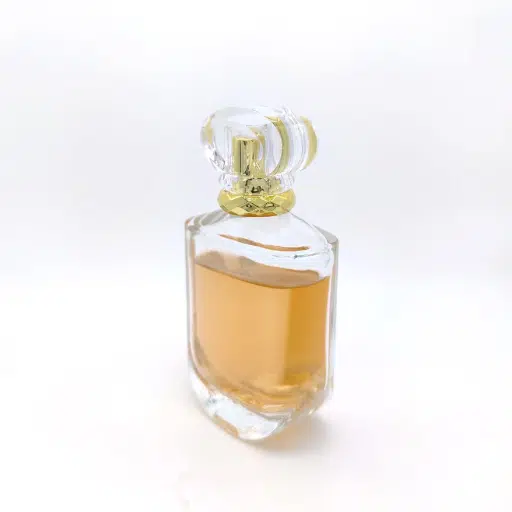
One of the most significant determinations of a perfume’s popularity is its bottle’s design. First, consumers are attracted to bottles, mainly because of their distinctive design and visual appeal, making them more noticeable among other products on the shelves. Packaging is said to play a role in 70% of perfume purchase decisions, with eye-catching bottles often regarded as indicators of fragrance quality. To win over customers with diverse tastes, designers are either opting for minimalist creations with smooth lines or full-scale artistic constructions.
Usability and Functionality
Beyond appearance, functionality is also a key factor to consider. Every aspect of handling, spraying, and storing bottles should be simplified. User-friendly designs provide not only comfort but also convenience to the users, while refillable option is being welcomed as a result of growing eco-awareness. A 2023 survey found that 42% of consumers preferred refillable perfume bottles to traditional ones, indicating a shift toward more environmentally friendly products.
Sustainability and Material Choices
Sustainability is the top reason that eco-friendly materials such as recycled glass and bio-based plastics are being used. For instance, in 2023, Gucci and Paco Rabanne already included up to 40% of recycled glass in their bottles, and eco-friendly packaging particularly attracts young consumers like Millennials and Gen Z. The tendency is going to get even stronger because the market is predicting a 15% annual increase in the demand for sustainable packaging solutions in the fragrance industry.
Brand Identity and Storytelling
The role of perfume bottles has shifted from mere containers to narrators that convey both the brand and the fragrance. Bottles that take the shape of a diamond, a flower, or an abstract sculpture tell stories that resonate with customers. The consumer behavior studies indicate that customers are more likely to stick with the brand if the packaging is effective in communicating its story.
Luxury Perception
Luxury remains a key factor influencing consumers’ choice of perfume brands. The thick glass, intricate work, or metal finishing of the bottle will always be luxurious and add up to the overall feel of the fragrance bottle. Research shows that 60% of luxury fragrance customers associate intricate, heavy designs with high quality. This is why premium brands allocate a significant portion of their budget to producing elegant, ornate bottles that align with their reputation and product distinctiveness.
It is these considerations that not only ensure the protection of the perfumes inside the bottles but also enhance their saleability and general consumer attraction.
Functionality: Sprayers, Atomizers, and More
The bottle’s functionality influences the overall consumer experience, as it combines aesthetic and practical elements. For example, using a sprayer or atomizer allows perfume to be applied in an ultra-fine mist, giving the user excellent control over how much fragrance to use. According to a market survey conducted in 2023, 75% of customers would pick perfumes with an atomizer over perfumes without any due to the efficiency and ease of use associated with atomizers versus open-bottle designs.
Functionality has been one of the main features that got improved throughout time by means of the introduction of innovative technologies. A case in point is the adjustable sprayer, which has now become a standard offering, allowing users the option of varying the intensity of the spray to their liking. Additionally, there has been a noticeable shift in the popularity of eco-friendly refillable designs, which corresponds to the rise of the sustainability trend. A 2022 report by the industry bears witness to this change as it indicates a 40% growth in the demand for refillable perfume bottles mainly caused by the eco-conscious buyers.
Furthermore, the sealing mechanisms have undergone a significant development such that they can now captivate the fragrance for longer, therefore ensuring the perfume quality through time. The combination of modern engineering and consumer understanding has paved the way for functional improvements that are not only satisfying to users but also aligned with the international market’s evolving expectations.
Aesthetic Appeal: Beautiful Bottles and Unique Shapes
Perfume bottle design has, over the years, become a primary area where the bottle’s primary functionality coexists with visual extravagance. Perfume manufacturers are now spending millions to produce bottles that not only reveal the scent but also remain on display longer. The global luxury packaging market, including perfume bottles, is projected to grow at a CAGR of 4.2% from 2023-2030, according to a recent study, reflecting increasing demand for beauty packaging.
One of the most sought-after features is elaborate glasswork, metallic accents, and personalized engraving. One should take the example of the Guerlain, the iconic “Bee Bottle” which still enchants its clients through the timelessness of its 19th-century gold honeycomb design, embossed on the bottle. Additionally, conventions such as luxurious yet eco-friendly refillable jars with smooth, minimalist designs are directly targeting green customers.
Strange forms are another very noticeable feature. Bottles shaped like flowers and rocks, or simply wacky designs inspired by abstract art, let the artistic imagination run wild. One of the very few references is thefragrances by Jean Paul Gaultier ‘Le Male’ and ‘Classique’, whose bottles in the shape of a torso are one of the features through which they get instant customer recognition and at the same time, they show how a form can be a powerful tool for creating a brand identity.
All such artistic packaging endeavors not only attract customers but also give companies a strong competitive edge in an increasingly crowded market. The allure and wild designs elevate the fragrance bottles from mere objects to collectibles and even personal symbols.
Materials and Sustainability: Glass Vs. Refillable Options
The materials used for perfume packaging significantly affect the challenge of finding an appropriate balance among beauty, sustainability, and utility. The market is dominated by two approaches: traditional glass bottles and newer refillable options. Below are five points in detail that compare these materials:
Glass Bottles
The main characteristics of glass bottles are their durability and luxurious appearance.
They can be remelted into new glass, making them an eco-friendly option when properly recycled.
Glass though is a high-energy and resource-consuming production and emits a lot of carbon dioxide.
Refillable Perfume Bottles
Refillable bottles minimize the waste because the main recipient can be used indefinitely.
Not only is the new packaging less but also the sustainability is furthered.
The eco-conscious customers are being served by luxury houses like Louis Vuitton and Guerlain who have come up with designs for refilling.
Energy Consumption in Production
Glass bottle manufacturing is highly energy-intensive; in particular, the melting stage consumes a large amount of heat.
Each use is accompanied by energy consumption in production for refillable systems thus energy is long-term less consumed than the production for new bottles.
Waste Reduction
The disposal of millions of glass perfume bottles each year only exacerbates the already overwhelming waste problem in landfills.
The refilling system that lets you reuse the same bottle can make a huge difference in this waste area by recycling its life cycle.
Environmental Impact of Transportation
The heavier the glass bottles, the higher the carbon footprint of transportation.
Refillable perfume systems made from lighter materials can reduce transportation-related emissions.
It is imperative to take a sustainable approach by adopting refillable systems or properly recycling glass, resulting in beautiful, functional perfume packaging that does not harm the environment.
Iconic and Contemporary Perfume Bottles

Perfume bottles have always enchanted humans, and among the factors that contribute to this are their endless artistic variations, the key role they play in image creation of the brand, to mention few. The Chanel No. 5 bottle is one of the most elegant, and its defining feature is a straightforward rectangular silhouette that instantly evokes the 1921 design by Gabrielle Chanel. The bottle is simple yet has a gentle touch, and its elegant proportions underscore the quality that has made it one of the most recognizable bottles in the world. The harmonious shapes and gentle tones of the J’adore perfume bottle by Dior convey the perfume’s quality and scent, both luxurious and feminine. No doubt these masterpieces have helped and even partnered with the very roots of the fragrance creation to come for they did it so easily by combining art with osmosis of the perfumes.
Conversely, contemporary perfume bottles are making radical design moves while integrating sustainability into their business strategy. A perfect example is Mugler and Le Labo, which have developed a novel refillable system that eliminates waste. For instance, the Mugler Alien and Angel collections are equipped with refill stations in selected retail outlets, where customers find it easy, and so do sustainability and the environment. More so, Diptyque is one of the brands that is also ascending and is now switching to using lightweight, recyclable glass for their eco-friendly packaging.
According to market analysts, the luxury perfume market was valued at $24 billion in 2022 and is projected to reach $33 billion by 2028. Such rapid growth has raised the requirement of packaging that is not only brilliant but also eco-friendly and alluring to the green-conscious buyers. Nowadays, fragrances are no longer just about odors; they have become products of a fusion of artistic skills and environmental stewardship claims. Thus, the traditional perfume case not only remains but also expands in areas where creativity and innovation have easy access.
Luxury Brands: Bottles with Fine Mist Technology
The most opulent fragrance makers have incorporated fine mist technology into their packaging to enhance both the aesthetic appeal and practical use of their products. The modern dispersing system ensures the fragrance is spread in a very thin layer, giving users a truly extravagant experience. Recent studies indicate that fine mist technology is becoming the preferred standard among luxury consumers; it not only improves application accuracy but also reduces product waste, resulting in longer-lasting perfume due to increased scent strength.
Market statistics indicate that the global fine mist sprayer market was valued at approximately 1.2 billion dollars in 2022 and it is anticipated that it will grow at a compound annual growth rate (CAGR) of 6.8% during the period from 2023 to 2030. One key factor driving this increase is the growing popularity of high-end beauty and personal care products. Furthermore, major cosmetic companies like Dior and Chanel have introduced highly appealing designs featuring fine-mist atomizers, meticulously crafted to complement the elegance of their perfumes. Additionally, such containers are usually manufactured from recycled glass and recyclable metal, such as aluminum, making them eco-friendly and socially responsible for consumers who care about the environment.
To say the least, the blending of fine mist technology with smart packaging trends —such as refillable options and digital enhancements, like QR codes that link to brand stories or fragrance notes—is revitalizing the perfume packaging industry. The mix of traditional craftsmanship and modern technology reveals luxury brands’ commitment not only to surviving but to thriving in what is otherwise a highly competitive market.
Creative Designs: Bottles That Double as Art
The fragrance industry has begun to acknowledge not only the bottles as mere containers but also as separate works of art. The companies are contacting highly acclaimed artists and designers for their packaging that is not only visually appealing but also functional. The creative designs of Baccarat crystal bottles and the modern sculptures that resemble art have captivated not only consumers but also collectors. According to a 2023 market analysis, over 40% of luxury fragrance users consider the bottle design the primary factor influencing their purchase decision.
In addition, rare perfumes are packed in very expensive bottles with intricate embellishments, such as, hand-applied decorations, carved motifs, and special texture finish. Recently, brands like Louis Vuitton and Carolina Herrera have been launching collections that offer customized design, allowing customers to make their perfume bottles more personal. This blend of personalization and the highest level of artistry not only increases price but also lures customers back for more. Such imaginative tactics are not only about providing the best perfume but also about enabling the possessor to own a piece of art that can be considered a decorative heirloom to be passed on to the next generation , beyond its original purpose of scenting.
Travel Size and Convenience: The Rise of Roll-On Bottles
The strong demand for comfort and portability was the main reason customers chose roll-on perfume bottles. These small containers, ideal for a busy lifestyle, can be easily stored in bags, pockets, or toiletries. The amount of perfume in roll-on bottles usually ranges from 5ml to 10ml, which meets airline liquid restrictions and is a feature that appeals to frequent travelers.
According to market research, the global personal care market for travel sizes was approximately USD 2.3 billion in 2020, and the growth of this pocket-size segment will continue to be one of the most significant, with an annual growth rate of 9.8% through 2021-2028. The main drivers of this growth are the rise in consciousness regarding the environment and, on the other hand, the consumer’s preference for less trash, which roll-on bottles fulfill by providing accurately dispensed applications, thus eliminating overuse.
Not only that, but also getting rid of the waste that would otherwise take place through using the product in other ways, roll-on packaging, on the other hand, is the user’s delight because of the application method which is economical and at the same time ensures that the fragrance will be stronger at the pulse points. The houses of fragrance have taken on the challenge of adopting new glass and recyclable-plastic roll-on designs, catering to customers who insist on eco-friendly products to be the winners. The convenience, usability, and eco-friendliness combination is what mainly keeps the roll-on bottles in the top most position of the travel-size perfume market share.
Insights from Latest Trends in the Fragrance Industry

The perfume market is undergoing a whirlwind of transformation, driven primarily by evolving consumer needs and emerging global trends. According to Statista’s 2023 report, the global perfume market is expected to grow at a compound annual growth rate (CAGR) of 4.8%, and by 2027, its value is projected to reach around $52 billion. The growing consumer interest in personal care and rising disposable income in emerging markets are among the drivers of growth.
The eco-friendliness and sustainability of perfumes have become a key consumer trend. People are becoming more aware and thus, are searching for fragrances that come with such features as organically grown ingredients, biodegradable packaging, and also processes that do not involve animals. According to a report from Allied Market Research, the natural and organic fragrance segment is projected to grow faster than the non-natural or organic segment. Some prestigious brands, such as Guerlain and Hermès, are already in this eco-friendly race and have introduced carbon-neutral product lines.
Customized scents are another trend gaining traction and the most prominent among them. The use of AI technology has made it possible for personalized perfumes to leap from the realm of wild imagination to the world of reality and even to the point of being a common practice, with the brands providing custom scents made according to people’s characters. The Fragrance Shop and Scentbird are two firms that, through technology, can attract more customers while providing personalized services, thereby building strong relationships with their clientele.
Along with these, unisex perfumes are gaining market share, thereby eliminating the distinction between traditional “for him” and “for her” marketing strategies. Non-binary fragrances, characterized less by gender and more by odor qualities, are slowly but surely gaining market share, driven by ongoing global acceptance. Research by Euromonitor International shows that over 60% of Gen Z consumers prefer unisex products, prompting brands to adapt.
In short, social media channels such as TikTok and Instagram have recently become highly influential in consumers’ fragrance purchase decisions. Market trends are often driven by viral marketing and consumer opinions, with so-called fragrance influencers playing a significant role. For instance, #PerfumeTok has garnered millions of views, underscoring the influence of online communities in shaping tastes and preferences.
These findings indicate that the perfume industry remains vibrant, adaptable, and well positioned to meet the needs of contemporary consumers.
Innovations in Perfume Packaging
The modern perfume industry is highly tech-savvy and highly conscious of the environment. It has undergone a radical transformation through technology in packaging and sustainability. Today’s perfume packaging not only preserves the scent but also makes it look appealing and is environmentally friendly, thereby attracting upscale consumers who consider themselves eco-friendly and are willing to pay a higher price.
One of the biggest advancements that has occurred is the column of non-refillable perfume bottles being replaced by refillable ones in the major companies such as Dior and Guerlain. These brands have come up with intricate refill systems that allow patrons to load their favorite fragrances without discarding the previous bottle, which minimizes the total waste produced and backs the eco-friendly movement. Refillable systems have gained traction quickly, and the global refillable packaging market is projected to reach $53 billion by 2030, driven by ethical and practical considerations.
The use of biodegradable and recycled materials in packaging is another trend being followed. Several firms are using paperboard, plant-based plastics, and recycled glass to make their cartons and bottle parts. L’Oréal, for instance, is backing up its already daring commitment to sustainability with its exclusive plan to use recycled materials for 50% of its packaging by 2030.
Luxury companies have also adopted packaging with the latest technology. Through QR codes and NFC-enabled packaging, customers can access information about the scent, proof of authenticity, and interactive brand experiences on their smartphones. The technology not only facilitates the consumer access to relish the product but also intensifies the connection of the brand with the audience through the experience.
Finally, the market is gradually being occupied by the multi-use packaging that comes in such designs that beautify the bottles of perfumes, where such containers are regarded as home decorations, art pieces, or even collectibles. Firms that project a “creative” and “functional” image are winning this competition in an already tough marketplace and are also getting both collectors and average consumers to pay attention to them.
The transformations highlighted show how companies are adopting innovative methods to stay competitive, addressing sustainability challenges, and enhancing the customer experience by exploring new packaging frontiers in the future of perfumes.
Consumer Preferences: What Makes a Bottle Stand Out?
Personally, I think the visual aspect of selecting a perfume bottle must be strong alongside the practical side. Among my favorites are the unusual shapes and artistic embellishments for the visual side, while usability and portability are equally important. Additionally, I value sustainable materials and packaging that demonstrate a brand’s commitment to the environment. In conclusion, a bottle that is simultaneously opulent and functional transforms the entire experience into something much more pleasant.
The Impact of Social Media on Perfume Bottle Design
Social media has been a significant factor shaping perceptions of perfume bottle design. If in the past, functionality of the packaging was the only requirement, now the aesthetic aspect must also be the statement. Instagram and Pinterest, for example, have played a role in visual appeal and are the main reason customers prefer them, as they often share pictures of their favorite items. The whole scenario has led to the creation of perfume vessels designed for social media exposure, where key features are imagination, distinctiveness, and friendliness. The following five aspects are the most significant effects that social media has had over the design of perfume bottles.
Focus on Aesthetic Shareability
The making of perfume bottles is with the main intention to be very beautiful. The designers are looking for “Instagram-worthy” bottles that encourage people to take photos and post them online. To capture the photographers’ interest bright colors, very fine details, and weird shapes are commonly used.
Curating a Brand Identity
Social media supports the brands in their difficult task to reveal to the world their identity, by the designs that are mutually exclusive and in sync with each other’ through social media. It is the perfume bottles that increasingly reflect the brand’s narrative, each time aligned with the themes, target audiences, and overall image the brand has on social networks.
Customization and Personalization
Social media has initiated a trend of ready-to-order or limited-edition perfumes and their bottles, which is one of the main reasons for this. Typically, the packaging of such products features special elements, such as name engravings, logos, or collaborations with jazz musicians and artists, making the product exclusive and attracting more customers.
Data-Driven Design Trends
To determine which aesthetics and packaging styles are gaining popularity, brands first monitor trends across social media platforms. One consuming, however, is that minimalistic methods or environment-friendly materials often come to the limelight because they meet the needs of the consumer, who is the sustainability-conscious one, and hence that is why these categories become popular.
Interactive Marketing Campaigns
Social media usually involves marketing campaigns with an interactive dimension, such as games or contests, where the design of a perfume bottle is the main aspect of it. The alluring bottles become the ‘stars’ of these promotions, which, at the same time, encourage participation and elevate the brand’s visibility.
The bottles of perfumes are no longer just the containers of fragrance due to the influence of social media; rather, they have become the ever-changing dynamic that communicates marketing, self-expression, and identity in the digital era of technology.
References
- “Message in a Bottle: An Analysis of Modern Perfume Usage as a Nonverbal Communicator”
This academic paper explores the cultural and social significance of perfume usage, including the role of perfume bottles in nonverbal communication. Read the paper here - “Book of Perfume vol. 1”
A comprehensive historical and cultural analysis of perfumes and their packaging, providing insights into the evolution of perfume bottles. Access the document here - “Perfumix Machine”
This repository document discusses innovations in the perfume industry, including production processes and bottle design standards. View the content here
Frequently Asked Questions (FAQ)
What is it that makes the design of a fragrance bottle or cologne bottle special?
The design of the cologne bottles and fragrance bottle has always been a major factor due to their contribution to the overall sensory experience and their aesthetic value. The bottle’s look – whether it is faceted glass, a crystal bottle, Thierry Mugler’s iconic grenade and star-shaped designs or a sophisticated modern bottle with clean lines – can sometimes give an indication of the scent inside. Craftsmanship, heavy glass, decorative glass features, and metal accents on the bottle are often associated with the highest quality and most luxurious packaging. For collectors and perfume lovers, an instantly recognizable or unique bottle is a major factor that enhances the pleasure of owning the best perfume.
How do I safely use a perfume spray, spray bottle, or perfume atomizer?
The application goes as follows: hold the perfume spray, spray bottle, or perfume atomizer 6-8 inches from the skin or clothing and spray lightly. Don’t spray near the eyes or on open flames. When using a refillable glass bottle or perfume atomizer to transfer from large units, always use a funnel, vial, or dropper to minimize the risk of accidents. If you have empty perfume bottles you would like to reuse, ensure they are thoroughly cleaned and dried. For clear glass and crystal bottles, washing with warm soapy water and air-drying is the best way to preserve the scent quality.
Could empty perfume bottles be refilled, and what is the best way to refill them?
Indeed, many empty perfume bottles can be refilled. Refillable glass bottles and atomizer-style fragrance bottle are not only travel-friendly but also eco-friendly. The refill process uses a funnel, vial, or dropper bottle to transfer the fragrance from the larger bottle into the refillable glass bottles. Using a spray-top transfer funnel or decanting through a small glass funnel can prevent waste when using spray bottles and perfume atomizers. Always make sure that the receiving bottle is clean so that no contamination occurs leading to a change in the olfactory experience.
Which empty perfume bottles and decorative glass bottles are the best for collectors?
Apart from empty perfume bottles of collectors, there exist instances of decorative glass perfumes that can be used as collectibles such as crystal flacon designs, thick glass perfume bottles, and houses like Dior, Jean Paul Gaultier, and Tom Ford. Especially renowned are Thierry Mugler’s star- and grenade-shaped flacons and Viktor & Rolf’s faceted, modern, and timeless designs, which are in great demand. Bottles of the most beautiful perfumes, such as vintage crystal or ornate glass, often have high aesthetic value and can be the focal point of gift boxes or collectors’ cabinets.
Are there any sustainable, refillable perfume bottles available?
Certainly. Many brands today aim to reduce waste by offering refillable glass bottles alongside refillable perfume atomizers. You can choose a refillable glass bottle, visit a refill station, or take what you need from an empty bottle using the dropper or vial method. It will be a great mix of selecting light glass or heavy thick glass flacons that are designed for reuse, it will last longer, and so on.
What are the similarities and differences among atomizers, droppers, and dropper bottles, with regard to application and portability?
Atomizer and perfume atomizer create a uniform perfume spray that is appropriate for both body and clothing application and for keeping the nose’s nuances. Dropper and dropper bottles allow for precise control and they are perfect for oils or concentrated blends, plus they are usually used for scent layering or applying to pulse points. Roller bottles and vial-sized formats are the most portable for travel and touch-ups, while refillable glass bottles and empty fragrance containers can be emptied into the format you prefer.
What are the most important factors when choosing a crystal perfume bottle or decorative glass as a gift?
When buying a crystal or decorative glass perfume bottle as a gift, first consider design elements such as a crystal flacon, faceted glass, thick glass, or a star-shaped flacon for visual impact. Consider the recipient’s preferences—understated elegance vs. bold, modern—and whether the bottle’s look is reminiscent of a favorite brand such as Dior, Tom Ford, or Jean Paul Gaultier. In addition, the gift box, presentation, and the bottle’s practicality (refillable vs. single-use) will all contribute to whether the gift is cherished.
What gives perfume bottles with sculptural shapes and complete recognizability their personality?
The entire visual identity of the scent story is in sync with perfumes that are showcased as sculptures. Iconic designs—Thierry Mugler’s star-shaped or grenade-shaped bottles, Viktor & Rolf’s striking concepts—make the bottle recognized immediately. A bottle with an unusual design transforms into an object that communicates through design and heightens the sensory experience, making the fragrance a statement piece, not just a scent.
What techniques are there for cleaning and preserving empty bottles, clear glass, and crystal perfume bottle for reuse or display?
To clean empty bottles, clear glass, and crystal perfume bottles, rinse them with warm, soapy water; use a small funnel or dropper to apply cleaner to hard-to-reach spots; and rinse with warm water. For tough residue, fill with a mixture of warm water and a little vinegar or rubbing alcohol, let it soak, then rinse thoroughly and air-dry. Don’t use harsh chemicals on decorative glass or metal accents. Empty bottles should be stored in a cool, dark place or in their original gift boxes to preserve color and prevent deterioration of the bottle’s finish.