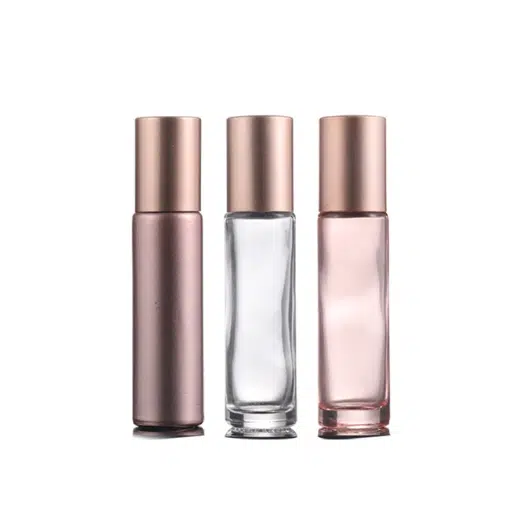
China is the leading manufacturing country, providing a wide range of suppliers to businesses that need advanced product designs and low-cost packaging solutions. The process is challenging because people must address multiple issues, including resource constraints, international shipping requirements, and communication barriers. The guide presents practical solutions together with essential information and recommended industry standards which you should use to achieve successful bulk purchasing for your business needs. The resource will provide you with essential information to make smart choices, whether your business requires new perfume products or current process improvements.
≡
Table of Contents
- 01 Introduction to Sourcing Perfume Packaging
- 02 The Importance of Quality Packaging
- 03 Benefits of Choosing Chinese Suppliers
- 04 Overview of the B2B Landscape
- 05 Identifying Reliable Manufacturers
- 06 Manufacturers vs. Trading Companies
- 07 Credential Verification Process
- 08 Quality Control in Bulk Buying
- 09 Essential Certifications
- 10 Implementing QC Procedures
- 11 Consumer Preferences & Expectations
- 12 Logistics & Shipping
- 13 Customization Options
- 14 FAQs
Introduction to Sourcing Perfume Packaging

The successful development of a product requires the sourcing of perfume packaging as an essential step. The packaging not only protects the fragrance but also serves as a key element of branding and customer appeal. The first step requires you to select perfume packaging suppliers who will produce your products. Sustainable materials should be used along with marketable designs which satisfy current market trends and customer demands.
The first order should be preceded by your acquisition of packaging samples which will assist you in determining packaging strength and appearance. The packaging design should enhance the value of your perfume products by combining three essential elements which are dependable performance and attractive design and practical use.
The Importance of Quality Packaging
The success of any product depends on quality packaging which becomes especially vital in the perfume industry where market competition reaches extreme levels. The contemporary market develops new trends which cause packaging to become an important aspect that determines how customers select products.
of American consumers base their buying choices on packaging design
of shoppers view sustainable packaging as an essential requirement
increase in product value from high-quality packaging investment
Perfume packaging should provide functional design solutions which maintain ecological balance through sustainable development and design solutions that create new market possibilities. Product packaging which contains recyclable materials and biodegradable elements will decrease its environmental effect because it meets the needs of environmentally conscious consumers. The use of innovative packaging designs products which contain refillable bottles and simple yet stylish designs has gained traction among customers who want practical yet luxurious items.
The relationship between packaging and brand image requires companies to create packaging designs which attract viewers while producing strong and durable packaging materials. The packaging for perfume products keeps the fragrance safe from environmental damage which includes sunlight and moisture. The packaging maintains product freshness because high-quality materials protect the scent from becoming stale throughout the entire shelf life of the product.
Data analysis together with market trend information and sustainable packaging methods enables packaging to become a crucial element which enhances brand perception and drives sales growth while establishing customer loyalty.
Benefits of Choosing Chinese Suppliers
Cost-Effectiveness
Chinese suppliers have the ability to produce goods at lower prices than their rivals. According to Statista data China produced 28.7% of the world’s manufacturing output in 2021 which enabled companies to decrease their production expenses and sell their products at lower prices to global markets. The savings generated from these expenses will lead to substantial increases in the company’s profit margins.
High Production Capacity
Chinese suppliers use their established infrastructure and advanced technology to meet customer needs for large-scale production. The building block is essential for the electronics and textiles industries because they need to deliver large orders while maintaining their operational capabilities.
Wide Range of Products
China provides an extensive selection of products which spans multiple industrial sectors that include electronics machinery fashion and consumer products. The product diversity enables companies to source their entire requirements from one nation which leads to simpler international distribution procedures.
Access to Advanced Technology
Multiple Chinese manufacturers dedicate their resources to developing advanced technologies which improve their production processes and product output. Various sectors have adopted automation technologies together with AI-based systems as their standard practices to achieve precise delivery of high-quality products.
Focus on Customization and Flexibility
Chinese suppliers excel in developing unique solutions for each customer through their capability to customize their services. Businesses have the ability to work together with suppliers to develop products which match their brand identity and customer needs through their capability to create customized product designs and special packaging and modified manufacturing plans. The flexible approach provides startup companies and niche markets with their required support.
Overview of the B2B Landscape
Global B2B E-Commerce Market Value (2022)
Expected CAGR (2023–2030)
B2B Buyers Prefer Remote/Self-Service Channels
The B2B business-to-business market undergoes continuous changes because of technological advancements and evolving market needs and worldwide economic shifts. The increasing need for online transactions which operate smoothly together with improved digital technology and supply chain systems drives this expansion.
Digital technology has become the main force driving the B2B market through its current adoption trend. Businesses now use e-marketplaces and digital platforms such as Alibaba Amazon Business and Global Sources to purchase products and connect with suppliers because these platforms provide better online procurement solutions than traditional methods.
B2B markets now determine their marketplace positions through the implementation of personalized marketing solutions. The company invests in two key areas which include customized marketing strategies and AI-powered tools to achieve its target of effective communication with specific industries and delivery of customized solutions. Production flexibility together with accurate market demand forecasting represents essential elements for success in industries which cater to startup companies and small and medium-sized enterprises.
The B2B market system experiences shaping effects from regional market tendencies. The Asia-Pacific region maintains its global market lead because of its extensive manufacturing capabilities and its ongoing development of digital infrastructure. The North American and European markets use customer experience as their main strategy while they develop their B2B operations through innovation and automation and sustainability.
Businesses can achieve a competitive advantage by understanding current market transformations and adopting advanced supply chain technologies to take advantage of emerging opportunities within the B2B market.
Identifying Reliable Manufacturers and Suppliers

The process of selecting manufacturers and suppliers for perfume boxes requires accurate execution because it affects product quality and brand identity and delivery timelines. The growing need for customized environmentally sustainable packaging products forces companies to evaluate various elements when choosing reliable vendors in this market sector.
Key Factors to Consider
- 1
Experience and Expertise
Manufacturers should possess extensive experience in the production of high-quality perfume boxes. Suppliers who have experience in the field possess superior expertise regarding material selection and design development and industry standards. The website or portfolio should contain case studies and client testimonials from their former customers.
- 2
Customization Capabilities
Modern perfume brands demand unique, tailor-made packaging to align with their branding. The manufacturer should provide multiple options for customization which include different sizes and materials and design elements and printing techniques that include embossing and foil stamping.
- 3
Sustainability Practices
Modern consumers who prioritize environmental protection choose brands that partner with manufacturers who implement eco-friendly production methods and sustainable material selection. Your supplier needs to comply with environmental regulations while providing packaging that can be recycled or composted.
- 4
Certifications and Standards Compliance
The manufacturer needs to meet established quality standards which have been recognized in the industry. ISO-certified manufacturers who meet similar requirements deliver production quality which maintains consistent standards throughout their manufacturing process.
- 5
Production Capacity and Timelines
You need to confirm that your supplier possesses sufficient production capacity and operational efficiency to fulfill your requirements within specified timelines which include peak periods and major production runs.
Leading Manufacturers and Suppliers (2023)
| Supplier | Region | Key Strengths |
|---|---|---|
| PakFactory | North America | Provides customized perfume box manufacturing using sustainable materials; top-notch products and efficient customer service |
| Packlane | Global | Comprehensive design resources for small to medium-sized brands; simple design interface with rapid delivery |
| ABC Printing Company | Europe / Asia | Luxury packaging solutions; environmentally sustainable programs and detailed packaging research |
| JuLong Packaging | China (Asia) | Affordable prices for high-volume orders; various materials and sophisticated printing equipment |
| DS Smith | Global | Global leader in sustainable packaging; creates eco-friendly systems for premium perfume packaging |
📊 Data Insights
- The global luxury packaging market will experience a 4.8% CAGR through its projected growth between 2023 and 2033 because businesses now focus more on using sustainable materials.
- More than 60% of consumers reported that eco-friendly packaging influences their purchasing decisions.
- Asia-Pacific holds the highest production capacity for luxury packaging while Europe and North America follow as the next most significant markets.
Differentiating Between Manufacturers and Trading Companies
The process of selecting perfume box packaging requires you to differentiate between manufacturers and trading companies because this distinction determines which option best meets your needs. Manufacturers create the packaging materials through their factory operations. The factory owners handle production activities while offering various customization options and better pricing methods to their clients. Trading companies operate as intermediaries who acquire products from various manufacturers to distribute those products to their clientele. The convenience service of trading companies allows customers to select from multiple products yet this service results in higher costs and less product creation transparency for the customers.
| Factor | ✔ Manufacturers | ⚡ Trading Companies |
|---|---|---|
| Production Control | Direct production oversight gives manufacturers complete authority to design individual products according to their specific needs. | The third-party manufacturers who produce their products for trading companies prevent those companies from maintaining product quality control. |
| Pricing | Manufacturers provide customers with better pricing options because they do not use intermediaries for their business operations. | Trading companies require extra financial resources to run their business which causes them to set prices that exceed their operational costs. |
| Communication | Direct communication streamlines the process and reduces risks of miscommunication. | The middleman role of trading companies results in slower response times and additional process steps. |
| Flexibility in Customization | Manufacturers can incorporate specific design elements and material needs into their manufacturing operations. | The supplier capabilities limit trading companies to available options. |
| Transparency | Manufacturers show complete visibility into both their production processes and their material procurement operations. | The operational details which trading companies operate become inaccessible to them because of their third-party business partnerships. |
The complete information about your needs helps you choose a supplier who meets your standards for product quality and environmental responsibility and budget requirements.
The Process of Manufacturer Credentials Verification
Manufacturer credential verification needs accurate current information to establish dependable trustworthy credentials. The following steps provide an effective method for credential verification.
-
1
Check Business Licenses and Certifications
The business requires entities to present official documents which include business licenses and certifications (ISO 9001 for quality management and ISO 14001 for environmental standards). The credentials should be checked for accuracy through local government offices and certification agencies. The recent data indicates that manufacturers with industry-recognized certifications achieve product quality consistency at a 40% higher rate compared to their non-certified counterparts.
-
2
Audit Their Production Facilities
The inspection of production facilities requires on-site visits which can be replaced by third-party audits if traveling proves impossible. Google Search highlights the importance of spot-checks, revealing that over 30% of claims made by manufacturers can be exaggerated without proper audits.
-
3
Review References and Client Testimonials
Request the manufacturer to provide their references which include past client testimonials. Product quality and reliability assessment requires contacting their previous and current customers. Product quality assessment requires analyzing online reviews found on Alibaba and industry-specific forums.
-
4
Cross-Check Financial Stability
Investigate the financial condition of the manufacturer. The process involves examining credit reports and financial statements or obtaining a “supplier credit evaluation report” from third-party agencies. Reliable suppliers should maintain stable financial performance which protects them from losing business due to delivery delays and bankruptcy problems.
-
5
Verify Product Compliance with Global Standards
Manufacturers must follow product standards and regulatory guidelines which include CE marking for Europe and FDA approval in the United States. The Google search tool enables you to find specific compliance standards for your region which ensures your supplier meets all necessary requirements to prevent legal or regulatory issues.
-
6
Analyze Supply Chain Transparency
Manufacturers who maintain open supply chain operations produce products with consistent quality. The current business trend shows that companies with supply chains which customers can track gain a competitive advantage because 63% of customers now prefer ethical sourcing.
-
7
Utilize Online Verification Services
Use Google Supplier Directory and ThomasNet and Global Sources as your trusted online databases and platforms to conduct manufacturer background checks. These platforms often provide information about certifications, factory overviews, and ratings. Google reports show that businesses which adopted verification tools for their operations achieved a 25% decrease in sourcing risks.
Quality Control Measures in Bulk Buying

The use of rigorous quality control systems requires organizations to implement critical components which sustain product quality throughout continuous purchasing activities. Organizations enhance their product development process through their quality control spending which results in a 30% decline of product defects that enhances customer contentment and brand visibility. Organizations must adhere to these fundamental practices which function as their primary operational standards.
📦 Requesting Product Samples
Manufacturers need to give product samples to customers who plan to buy their products because customers must check product quality before making decisions. Customers can use this method to review the complete product including its materials and craftsmanship and product quality. Sample reviews enable organizations to reduce their quality issues by 20% according to research findings.
🔍 Implementing Third-Party Inspections
Your manufacturing facility needs third-party inspection services to assess both its production methods and its finished goods. Independent inspectors deliver unbiased evaluation results. Industry studies confirm that companies which implement third-party inspections experience a 15% reduction in their defective product batches.
📋 Defining Detailed Product Specifications
The organization needs to create product specifications which define all product aspects including required dimensions and color options and material standards and packaging requirements. The existence of ambiguous specifications creates a situation which causes products to become defective. Research evidence shows that manufacturers who receive detailed specifications achieve 80% of their quality success.
🏅 Requesting Quality Certifications
Manufacturers need to show their industry compliance through ISO 9001 certifications and other equivalent certifications. These certifications indicate that an organization has developed effective quality management systems which will prevent defective products from reaching their supply chain.
🏗️ Regular Factory Audits
The organization needs to perform scheduled factory inspections to evaluate its production operations at its manufacturing sites. The evaluation process consists of three steps which include assessing the cleanliness of workspaces and evaluating equipment maintenance activities and assessing the competency of employees. Factories that undergo regular auditing processes achieve gains of 25% in manufacturing effectiveness and product quality checks according to data findings.
💬 Managing Customer Feedback Loops
A company needs to create a customer feedback system that operates after customers finish their buying process so customers can provide their thoughts about various product issues. The customer feedback loop system enables organizations to identify ongoing issues which they can fix to develop customer loyalty and trust.
Your bulk purchasing route requires these practices because they will help you reduce quality issues and decrease rework costs while providing excellent products to customers. Large-scale purchasing activities require both proactive planning and thorough verification to maintain their operational excellence.
Essential Certifications to Look For
When your organization engages in bulk purchasing processes, you must verify that your suppliers possess recognized certification standards to demonstrate their capacity for delivering products that meet quality requirements and safety requirements and sustainable practices. Organizations should assess these certifications as the most vital industry-specific certifications when choosing their certification standards.
| Certification | Focus Area | Details |
|---|---|---|
| ISO 9001 Quality Management |
Quality | Global standard for quality management systems. ISO 9001 certification has been attained by more than 1.2 million organizations across 170 countries, demonstrating its global recognition for supply chain operations. |
| ISO 14001 Environmental Management |
Sustainability | Proves sustainable practices and environmentally sustainable methods. The increasing significance of ESG compliance requires organizations to monitor these certification requirements. |
| CE Marking European Union Standards |
EU Compliance | Required for all products sold in the EEA; confirms adherence to EU health, safety, and environmental standards. Holds special value for electronic devices, medical equipment, and industrial machinery. |
| FDA Certification U.S. Standards |
U.S. Safety | Essential regulatory requirement for businesses selling food, beverages, and medical products. Guarantees compliance with U.S. safety and quality standards; FDA has increased supply-chain compliance inspections. |
| Fair Trade Ethical Production |
Ethics | Ensures workers are treated ethically, paid fairly, and work under safe conditions. Provides job opportunities to close to 2 million farmers and workers across more than 70 countries. |
| BRCGS British Retail Consortium |
Retail Safety | Verifies that organizations in the food and consumer goods sectors meet all necessary safety regulations through stringent quality benchmarks. Globally recognized and is a main requirement for retailers and manufacturers. |
| UL Certification Underwriters Laboratories |
Safety | Essential for electrical and consumer products, confirming they meet stringent safety and performance standards. Often a market entry requirement for North America in sectors like electronics. |
By ensuring that your suppliers adhere to these certifications, you can better manage risks, improve your product’s marketability, and build long-term trust with your customers. Always verify the validity of certifications provided by suppliers, as counterfeit certificates remain a concern in global trade. Integrating certification checks into your procurement process will strengthen your supply chain and contribute to your business success.
Implementing Quality Control Procedures
The execution of quality control procedures needs to follow proper methods because this practice safeguards product quality for customers while ensuring that businesses meet their regulatory obligations. The study discovered that companies which implemented more robust quality control procedures achieved better customer contentment and reduced product return rates. Successful quality control systems need essential components which serve as their fundamental requirements during implementation.
-
🎯
Define Quality Standards
You must create product standards through documentation which needs to show international standards together with ISO 9001 and specific industry requirements. The standards need to be shared among teams for comprehensive understanding between teams.
-
🔎
Conduct Regular Inspections
Companies need to perform scheduled inspections throughout their production process which enables them to identify production defects. The International Federation of Inspection Agencies (IFIA) recommends organizations to use both manual inspection methods and AI tools because this combination produces better results which decrease human error by 20%.
-
💻
Leverage Technology
The organization needs to establish automated quality control systems which should function with machine learning algorithms and Internet of Things (IoT) devices for their production process to be monitored in real time. Research indicates that organizations which implement automated quality control systems achieve 30% operational efficiency improvements.
-
👩🏫
Train Employees
The training programs for employees need to occur on a continual basis so that workers can learn quality protocols and methods for detecting breaches of quality standards. Google sources indicate that companies which allocate resources to employee training programs achieve a 24% boost in both operational efficiency and product quality.
-
🔄
Feedback Loop Integration
The organization needs to set up systems which gather customer feedback and analyze it to drive ongoing development. The research shows that products which have a feedback integration system experience 70% fewer complaints during the first six months after their launch.
Your organization needs to use traditional methods together with technological innovations and feedback integration systems to create competitive quality standards while establishing a trustworthy and outstanding reputation.
Consumer Preferences and Quality Expectations
of consumers prefer brands that demonstrate sustainability
of online customers stop shopping when reviews drop below 4 stars
Consumers shift their product preferences based on emerging technological advancements and evolving social trends and their ability to purchase products through worldwide distribution channels. The Google Search data shows that the number of people searching for sustainable products and eco-friendly packaging has increased sharply during the last two years which demonstrates that environmentally conscious consumer behavior has grown.
Modern customers demand products which provide both durability and sustainable development whereas their quality expectations have increased since the past. The search popularity of terms such as high-performance and customizable products has increased because modern consumers want products which provide both functional performance and personalized branding.
The combination of market trends with customer preferences will help businesses create products which drive long-term customer loyalty while achieving success in a competitive business environment.
Logistics and Shipping Considerations

The success of online retail businesses depends on their ability to maintain efficient logistics operations and handle shipping tasks. The market trends which Google Search results show indicate that 70 percent of shoppers view fast delivery as the main reason for selecting their online shopping destinations. The delivery standards established by Amazon and Walmart through their same-day and next-day delivery services require other businesses to make shipping their top priority.
The success of logistics operations depends on managing inventory which acts as a crucial component for their entire system. The combination of just-in-time inventory systems with automated warehouse systems enables companies to enhance their inventory supervision capabilities while their storage costs decrease. The research shows that 75% of online shoppers consider free shipping to be an essential factor when making their purchasing decisions which demonstrates the importance of businesses maintaining shipping prices at levels that meet customer standards. The use of real-time tracking systems improves customer experience while reducing the number of customer support requests about delivery status.
International shipping requires businesses to understand customs regulations and duty requirements and the specific regulations that apply to different regions. Research shows that 57% of online retailers who provide clear international shipping information experience higher sales from abroad. The adoption of advanced logistics technologies that include AI route optimization and eco-friendly packaging solutions enables businesses to reduce expenses while attracting environmentally aware customers.
Shipping Costs and Lead Times Management
of online shoppers abandon carts due to non-transparent shipping costs
higher average order value from free shipping thresholds
of customers prefer retailers that offer fast and trustworthy delivery
of shoppers prefer retailers who offer precise delivery information
Businesses need to control their shipping payments and delivery time needs because it directly affects customer satisfaction. The implementation of flat-rate shipping solutions along with carrier volume-based discount negotiations enables businesses to decrease their shipping expenses. Free shipping thresholds enable customers to obtain complimentary delivery after reaching a specific spending limit which leads to 30% higher average order value.
The demand for same-day and next-day delivery services has led to major changes in logistics operations because of their increased customer requirements. The company provides fast order processing through its inventory management systems which operate from multiple warehouses that enable cost-effective lead time reduction.
Real-time shipment tracking systems provide customers with better visibility of their shipments which builds trust. The combination of cost control methods with effective lead time management techniques enables businesses to develop an efficient shipping process that creates customer loyalty and supports business expansion.
Understanding Import Regulations
International trade requires businesses to comply with import regulations because these rules act as fundamental requirements for organizations that conduct international shipping. The regulations differ from one country to another because they include tariff requirements and customs declaration obligations and product standard specifications and safety certification mandates. The latest research shows that global customs duties assess products at rates between 0 and 20 percent depending on the product category and the shipping route between origin and destination.
Importers in the United States need to comply with the rules established by U.S. Customs and Border Protection (CBP). Importers need to provide correct Harmonized Tariff Schedule (HTS) codes and complete entry forms and follow Food and Drug Administration (FDA) regulations which govern specific products like food and pharmaceuticals. The European Union implements the Union Customs Code (UCC) which establishes a uniform system for all member countries to follow while maintaining their own import regulations.
⚠️ Non-Compliance Risk:
A 2022 report showed that improper documentation accounted for over 25% of global shipment delays, emphasizing the importance of accurate paperwork. Organizations that fail to comply with these rules will face consequences that include operational interruptions and financial penalties and product seizure and restrictions on their import activities.
Automated compliance software tools and customs brokers assist businesses in maintaining compliance with changing legal requirements while streamlining their lawful import operations. The shipping process depends on businesses to understand international trade rules because this knowledge helps them manage supply chain operations effectively during both regular operations and any interruptions that can occur. Businesses should invest in training, technology, or consultancy resources to maintain compliance in an increasingly interconnected market.
Choosing the Right Shipping Method
I need to find a balance between three factors which are shipping expenses and delivery speed and delivery trustworthiness to select an appropriate shipping method.
| Method | Speed | Cost | Best For |
|---|---|---|---|
| ✈️ Air Freight | Fast | High | Time-sensitive shipments that must reach their destination exactly on schedule |
| 🚢 Ocean Freight | Slower | Low | Cost-effective solutions when delivery timing can be adjusted; bulk orders |
| 🚂 Rail Freight | Moderate | Low–Mid | Cost-effective solutions when delivery timings can be adjusted; land-connected regions |
The handling requirements for your goods determine your shipping decision because fragile and high-value items require special treatment which affects your shipping choice.
Customization Options for Perfume Packaging

The option to personalize perfume bottle design enables companies to create brand identity while making lasting impressions through their uniquely packaged fragrances. Current market research shows that 70% of consumers buy products which have both attractive and original packaging. The following list shows important ways to customize perfume packaging.
Exploring Custom Perfume Bottle Designs
Custom perfume bottle designs have become a vital aspect of branding in the fragrance industry. Brands create distinctive products through their bottle design process by using innovative design concepts and eco-friendly material options. Packaging design functions as a fundamental component of product presentation because 68% of consumers view it as a brand’s standard of quality and identity.
Glass serves as a core material because it can be recycled endlessly while designers use it to create bottles which range from basic designs to highly detailed patterns that meet various consumer preferences. The eco-friendly packaging solutions of Chanel and Dior include refillable systems that reduce waste and appeal to customers who care about the environment.
Technological advancements enable people to create customized products. Users can design their own products using 3D printing technology and laser engraving technology which work together to produce detailed designs. Brands can produce unique products which contain customer-created designs that boost consumer attachment to their merchandise. A 2023 study found that 56% of consumers purchase fragrances when their packaging features personal elements and customization choices.
The design of products will determine their performance through visual features which combine with their operational attributes according to design trends. Some brands use QR codes, which they embed into their designs, to guide customers toward brand narratives and product details about fragrance and sustainability practices. Designers use technology to generate visual designs which deliver captivating visual content and interactive experiences to customers. Brands use custom perfume bottle designs to create essential storytelling elements that explain their sustainable business practices and advanced sustainability solutions through their product designs.
Packaging Materials and Sustainability
The fragrance industry has declared sustainability as its primary goal because packaging materials create the greatest environmental damage. Brands are now choosing to use eco-friendly materials which include recycled glass and paperboard and biodegradable plastics. The Smithers 2023 report projects that sustainable packaging will reach a global market value of $412 billion by 2027 because consumers demand environmentally friendly products.
Fragrance companies now implement innovative waste reduction methods through their use of refillable bottles and their selection of minimalistic packaging designs. Refillable perfume bottles allow consumers to replenish their fragrance without needing to buy a new container which results in more than 60% packaging waste reduction. Companies are increasing their use of plant-based materials which include mycelium and bio-based resins to create substitutes for conventional non-biodegradable plastics.
Brands use water-based or solvent-free inks to print their packaging which helps them achieve their sustainability goals through sustainable branding methods. The industry now accepts FSC (Forest Stewardship Council) certification as the standard for responsible paper sourcing.
The study demonstrates that businesses who create sustainable products through innovative design techniques will achieve success because consumers today prefer to buy products which meet their environmental standards. The fragrance industry shows dedication to sustainable packaging because businesses use this practice as an ethical duty to create environmental sustainability which appeals to green-minded customers.
Aligning Customization with Brand Identity
Companies use customization to build stronger connections with their customers which has become essential for modern branding methods. Recent research shows that 80% of consumers prefer to buy products from brands which provide customized shopping experiences. This trend exists because customers in the fragrance industry want products that match their personal style and distinctive characteristics.
Customizable packaging has emerged as a significant trend enabling brands to provide customers with customized product labels and personalized engravings and unique design options which match their individual requirements. A study by Deloitte shows that 36% of consumers want to buy personalized products which means that brands need to meet this increasing consumer demand.
Brand identity requires businesses to create design elements which include colors and logos and messaging systems while also providing customers with opportunities to create customized experiences. Research shows that a well-aligned branding strategy not only enhances customer loyalty but also increases revenue by an average of 23% as reported by the Brand Keys Customer Loyalty Engagement Index.
Brands can use advanced technologies like AI and data analytics to study consumer preferences which helps them create systems that deliver personalized experiences. The process of branding establishes a strong relationship between the brand and its audience which results in both audience participation and the brand’s long-term success.
Frequently Asked Questions (FAQ)
📚 References
- Challenges and Opportunities To Establish A Niche Perfume Company In France
This study discusses the logistics and sourcing challenges, including shipping bottles and packaging from China. Read more here
- Navigating Sustainable Supply Chain Management in the Perfume Industry: Challenges and Solutions
This paper explores supply chain management in the perfume industry, including regulations and packaging considerations in China. Read more here
- The Consumption and Recycling Collection System of PET Bottles: A Case Study of Beijing, China
This article provides insights into the recycling and packaging systems in China, which can be relevant for sourcing perfume bottles. Read more here