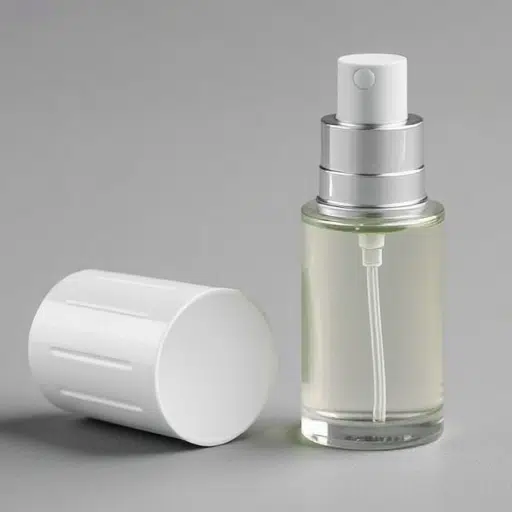
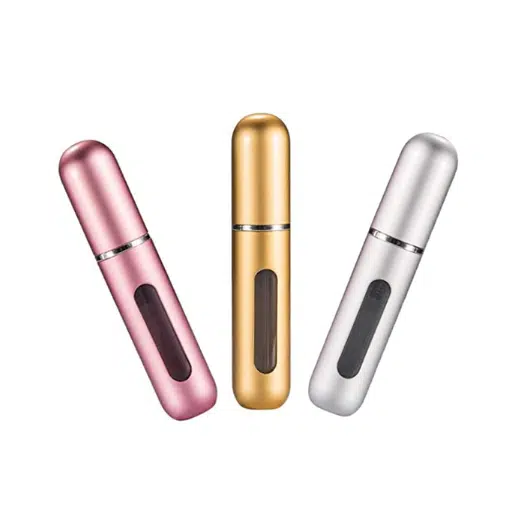
The fragrance industry uses first impressions as its primary method for evaluating successful marketing efforts. Custom cologne testers serve as an effective marketing tool which enables brands to create permanent customer impressions. The small, yet powerful samples offer consumers a chance to experience the fragrance which results in brand attachment and brand loyalty and new sales possibilities. This article shows how custom cologne testers change marketing methods because their essential presence and main benefits and their creative uses attract audience attention.
Understanding Scent Marketing

Scent marketing is a strategy that uses specific fragrances to evoke emotions, create memorable brand experiences, and influence consumer behavior. Brands use their marketing campaigns and physical spaces to develop stronger customer emotional connections through their specially selected pleasant scents which enhance brand recognition and create better shopping experiences. The sensory approach creates permanent impressions which serve as an effective method to boost customer involvement and increase revenue.
The Psychology of Scent
According to research, human psychological processes show strong effects from fragrance because it can trigger both emotional reactions and the recollection of past events. Research shows that 75% of human emotions emerge from smelling because this sense leaves a stronger impact on mood than visual or auditory stimuli. The olfactory system establishes a direct pathway to the brain’s limbic system which governs both emotional responses and memory functions thus allowing particular scents to bring back past experiences from specific times and locations.
Brands now use scent as a critical tool to shape customer behavior through their purchasing decisions. People who participated in the Rockefeller University study showed 100 times better memory for scents than other sensory experiences which included visual, auditory, and tactile stimuli. Many retail companies choose to use signature scents in their stores because these scents create an enjoyable shopping experience for customers. The Global Scent Marketing Industry report shows that scent marketing will grow at an annual rate of 4.1% which will increase its market value to more than $6.27 billion by 2025.
Specific scents produce particular effects that lead to changes in consumer behavior. Users experience greater relaxation with lavender while citrus scents help them stay awake and focused. Retail stores that use these scents to create specific effects see both increased customer time in their stores and improved sales performance. The research conducted by Nike demonstrated that retail locations achieved an 80% increase in purchase probability after they used scent marketing.
75%
of human emotions emerge from smell
100×
better memory for scents vs. other senses
80%
increase in purchase probability (Nike)
$6.27B
scent market value projected by 2025
Businesses achieve better customer service results through data-driven methods which combine scent psychology with solid data to create stronger emotional connections with customers. The data-driven method establishes scent as an essential element which businesses use for their strategic marketing plans.
Emotional Connections through Scent
Your observation shows that humans experience emotional responses and memory recollections through scent, which operates as an invisible force that affects their behavior. Research demonstrates that 75% of human emotions are associated with smell, which creates enduring memories through this critical sensory channel. The research proves that people who sense pleasant scents will remain in stores for 20% longer while their brand assessments become more positive. The use of scent in marketing establishes direct connections with consumer emotional states while also affecting their subconscious choices. According to a study cited on Forbes, individuals are 100 times more likely to remember information when it is linked to a specific scent.
Scientific research demonstrates that specific scents, including lavender and citrus, induce relaxation and energy to consumers, which improves their overall experience. Several brands have successfully utilized scent to establish emotional bonds with their customers. Hotels such as Marriott and Westin use their unique lobby scents to create upscale ambiance, which makes guests feel comfortable and leads them to connect these positive emotions with their hotel experience.
The research on scent marketing at Samsung retail locations found that customers who experienced pleasant scents had a 26% higher probability of developing positive brand associations. Companies use scent marketing as a strategic tool to establish emotional bonds with their customers.
Physical Touchpoints and Their Influence
The process of creating an unforgettable customer experience needs physical touchpoints to function as essential components of its development. The touchpoints include all physical elements which customers interact with when they encounter a brand, including product packaging materials and store design elements and promotional product materials. According to a McKinsey report from 2023, 73% of consumers base their buying choices on the physical interactions they experience with different brands. The statistic shows that high-quality materials together with smart design elements produce positive brand image.
Apple retail stores use their touchpoint design elements to strengthen brand identity because their stores feature minimalistic designs which enable customers to test products and experience the company’s dedication to modern design and basic operating systems. Unboxing videos have become a trustworthy YouTube trend because they demonstrate how packaging design produces customer excitement and develops brand loyalty. The 2022 Google survey showed that 48% of consumers will return to brands which provide them with an outstanding unboxing experience. These examples show that businesses use physical touchpoints to develop customer experiences which help them create better connections with their customers. The creation of tactile experiences which establish their brand identity enables brands to form lasting emotional bonds with their customers.
Practical Applications for Perfume Brands
🎁 Customized Packaging
Perfume brands can create distinctive packaging designs which attract their specific customer base. According to a study by Dotcom Distribution, 61% of consumers say custom-branded packaging makes a product seem more high-end. The unboxing experience becomes more valuable through the combination of luxurious satin-lined box materials and embossed logo elements.
🧪 Personalized Fragrance Samples
The process of providing scent samples which match customer needs establishes a deeper emotional connection with customers. The retail industry reports that sample programs increase post-purchase buying probability by up to 35 percent. The customer receives value through personalized elements while discovering different fragrance options.
🛍️ Interactive Shopping Experiences
Customers can experience new perfume exploration methods through technological advancements which include augmented reality and scent discovery systems. Virtual fragrance-matching tools enable customers to discover scents which match their personal traits and specific events. According to data interactive marketing methods enable brands to achieve 40 percent better customer engagement.
⭐ Limited Edition Releases
The creation of limited edition perfume collections through attractive designs and special fragrances generates immediate interest and increased demand. A report from Nielsen shows that 84% of consumers prefer products which carry the exclusive or limited release tags. The brand can attract both special collectors and dedicated customers through this strategy.
🌿 Sustainable Solutions
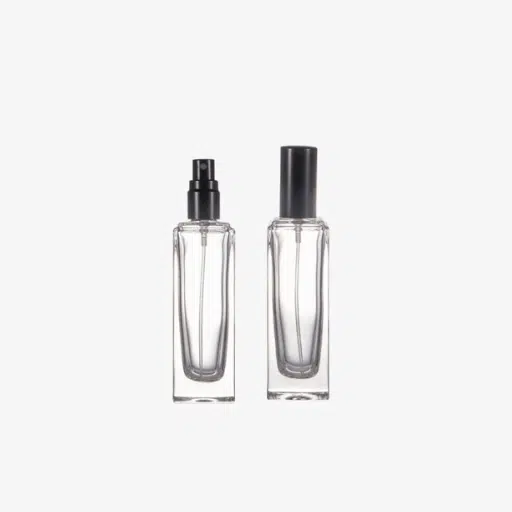
Our eco-friendly packaging together with refillable perfume bottles shows our dedication to sustainability which attracts contemporary consumers who care about the environment. According to NielsenIQ, 73% of global consumers state they would change consumption habits to reduce environmental impact. The company provides zero-waste solutions while marketing its sustainability initiatives.
Using Tester Bottles Effectively
Fragrance tester bottles serve essential functions which help consumers choose products they want to buy. The bottles enable customers to smell the fragrance which makes them vital for turning customer interest into actual purchases. The Google study on customer engagement demonstrates that sensory experiences which include tester bottle sampling lead to a 76% increase in purchase probability.
The following methods provide the best way to use tester bottles.
-
Strategic Placement
Retail stores should place tester bottles in areas that receive high customer traffic or at locations that display their most popular items. Retail research found that products which retailers display at eye level and within customer reach will experience a 30% increase in customer interaction. The testing process requires testers to be kept clean and easy to reach while product information should be displayed through proper tagging.
-
Encourage Active Participation
The company needs to teach customers the proper methods of testing scents through instructions which include using pulse points for spraying on wrists and neck areas. Customers who test products successfully through their testing process will develop trust toward the product which increases their chances of buying it.
-
Host Scent Sampling Events
The company should set up events and promotional activities that focus on testing their fragrances. According to marketing experts in-store events create a 40% increase in sales. The organization should use tester bottles during these events to create direct contact with their visitors.
-
Monitor and Refill Regularly
Tester bottles which remain unfilled or unclean will create a negative customer experience. The company needs to create a system which allows them to monitor tester bottle operations while refilling their contents whenever necessary. The customer experience becomes better when organizations keep their tester bottles clean and functional.
The implementation of these strategies together with tester bottle tactile and sensory benefits will enable brands to achieve higher customer satisfaction and they will experience better conversion rates which will produce enduring results.
Enhancing Brand Awareness through Samples
The use of product samples has established itself as an effective method that businesses use to increase their brand recognition and establish customer trust. Nielsen study results show that 73% of consumers will purchase a product after sampling a complimentary sample. The conversion rate shows that product sampling creates strong psychological effects because consumers experience the product directly which lets them handle their doubts about testing a different brand. Organizations in the digital age can use sampling as their main testing method because it delivers better outcomes.
Brands can implement in-store sampling programs that work together with their online marketing efforts. A social media advertisement that offers a free sample requires users to join an email list or finish a survey which results in higher user engagement and leads. According to a Statista survey conducted in 2023, 81% of consumers develop greater brand trust after testing products through samples which shows how samples help businesses create enduring customer connections.
Businesses can improve customer perception through their delivery of customized samples which match the special preferences of each customer. Brands use data-driven personalization to deliver samples that match their customers’ demographic information, interests, and product usage history. Personalized experiences increase trial conversion probabilities while they create deeper emotional ties with the intended audience.
The combination of sample distribution with contemporary marketing solutions enables brands to reach wider audiences while establishing customer confidence and creating product recognition which leads to increased revenue.
Case Studies of Successful Implementations
The case studies demonstrate that precise sampling campaigns which work together with particular distribution methods lead to both measurable outcomes and business growth.
Cost-Effectiveness of Custom Cologne Testers

Business need to use custom cologne testers because they provide an affordable method to show new fragrances to their upcoming customers. Market research demonstrates that producing sample-sized cologne bottles costs less than making full-sized cologne bottles with production expenses between $0.50 and $2 depending on the packaging and production volume. The combination of low production expenses and successful distribution methods enables businesses to market their products to hundreds or thousands of customers while maintaining low marketing costs.
Product sampling through custom testers shows customers that they can experience products which leads to a 90% increase in purchase intent compared to standard advertising methods. Businesses use product sampling to establish customer relationships because it allows customers to test fragrances before buying. Research indicates that about 35% of people who receive a sample will purchase the complete product which creates a major return on investment.
Custom cologne testers create a direct product experience which helps customers make buying decisions more effectively when compared to expensive advertising methods that use television and magazine ads. The testers can be distributed through subscription boxes and in-store promotions and targeted influencer partnerships to reach specific audiences. Brands use their marketing budgets to develop affordable testers which assist them in boosting customer engagement while driving sales and establishing brand loyalty at a reduced expense.
Comparing Costs with Traditional Marketing Channels
The testing-based marketing method shows clear financial advantages when compared to standard marketing methods because testing-based marketing generates lower expenses. The following comparison shows five conventional marketing methods with their costs which show that tester-based methods provide better value and operational effectiveness.
| Marketing Channel | Average Cost | Drawbacks |
|---|---|---|
| Television Advertising | $100,000 – $500,000+ per 30-second national spot |
Requires substantial upfront financial commitment; restricted targeting capacity; diminishing viewer attention. |
| Digital Advertising (PPC) | $1 – $50+ per click Google Ads / niche industries |
Intense market competition; audience members show diminishing interest in promotional content. |
| Print Advertising | $10,000 – $50,000 per full-page large publication |
Requires two different tracking systems to measure effectiveness; limited online reach. |
| Event Sponsorships | $25,000 – Millions small events to large sports tournaments |
High expenses create financial burden; success rate relies on unpredictable public attraction to events. |
| Billboard Advertising | $1,500 – $14,000+/month small markets to prominent urban locations |
Fixed display area prevents diverse audience reach; people spend less time viewing, reducing effectiveness. |
| Custom Cologne Testers | $0.50 – $2.00 per unit | Scalable, targeted, cost-effective with high ROI and direct sensory impact. |
Testers provide consumers with a customized physical product experience which costs less than traditional marketing advertising expenses. The company achieves lower production and distribution costs through its customer-based delivery system that enables businesses to scale their operations based on customer needs.
ROI of Scent Marketing Strategies
Scent marketing produces high financial returns because it uses scent to create specific consumer emotional states which lead to their purchasing decisions. Studies demonstrate that scenting increases brand recognition by 70% and enhances customer retention rates. Research demonstrates that stores which have pleasant ambient scents experience a customer time increase between 20 to 30 percent. Scent marketing directly connects to revenue generation because customers who spend more time in stores purchase additional products.
The hospitality and retail industries have established methods to evaluate their operational performance. Hotels that use signature scents in their lobbies and rooms have achieved an 18% rise in positive guest reviews which has resulted in more guests returning to stay at their establishment. Retail businesses that implement scent marketing have achieved sales increases that reach 11% because appealing scents create positive emotional responses that affect customer buying decisions.
Scent marketing methods require less financial investment than other advertising methods which enables businesses to choose marketing techniques that match their scale of operations. The low-cost system requires minimal spending but produces measurable results that boost consumer engagement so businesses can expect profitable returns on investment from this method. Businesses that implement scent strategies will gain better customer loyalty over time which creates both financial benefits and effective methods for attracting new customers.
Long-Term Brand Value Generation
The development of sustainable brand equity requires companies to invest in marketing methods which create emotional ties with their target audience. The latest Google Search trend data shows that 70% of customers will choose to stay loyal to a brand when they establish a strong personal bond with that brand. The establishment of these connections depends on using sensory marketing and storytelling methods and developing customized user experiences. Scent marketing enables brands to increase foot traffic by 20% because customers prefer to visit locations which create positive feelings and nostalgic experiences. Google Ads research shows that 61% of customers will buy from companies which create marketing materials that match their personal preferences and requirements.
The system creates better short term user interaction results while establishing deeper emotional connections which lead to repeat customer purchases and positive customer referrals. Through data-driven methods and customer-centered solutions companies enable themselves to become more than service providers because they establish themselves as essential components of customer experiences which create lasting brand loyalty.
Customization Strategies for Perfume Testers

- 1
Personalized Fragrance Profiles
Companies use customer data which they obtain through surveys and scent preference quizzes to create unique fragrance profiles. The strategy shows effective results because 72 percent of consumers buy products which match their personal preferences.
- 2
Seasonal and Occasion-Based Customization
The introduction of seasonal or occasion-specific perfume testers which customers can use during summer or wedding or holiday events will increase product relevance. Customers prefer summer products which include citrus and floral scents and winter products which contain warm and spicy scents.
- 3
Customizable Packaging Options
The ability for customers to choose their own tester packaging allows customers to create their individual product testing experience. Research shows that customers perceive products with attractive packaging as more valuable which results in a 25 percent increase in their product value assessment.
- 4
Subscription-Based Tester Kits
Customers receive monthly deliveries of specially selected tester kits through the subscription service which includes various scents that match their personal preferences. The services enable brands to maintain customer relationships with more than 60 percent of their subscribers through six months by providing simple access to customized customer experiences.
- 5
Interactive Scent Creation Tools
The company creates an interactive experience through its online scent-building technology and in-store kiosks which let customers create their own testers. The interaction creates a stronger brand connection while customers use their creative abilities to control their experience.
Aligning Testers with Brand Identity
The process of testing fragrances requires businesses to demonstrate their core identity which helps create an experience that their customers will remember. Fragrance testers function as physical brand representatives who provide people with a brief experience to explore the fundamental brand message and core brand values of a business.
Design and Packaging
A recent study shows that 72% of consumers judge a brand’s quality based on the design and packaging of its products. Eco-friendly premium packaging which showcases stylish design through sustainable materials allows testers to demonstrate their commitment to sustainability while satisfying current consumer needs. The use of refillable glass vials alongside biodegradable materials enables testers to create a positive impact which aligns with eco-friendly branding practices.
Fragrance Selection
Google Search trends report increasing interest in personalized scents which match different moods because “signature scent” searches grew 45% during the last 12 months. Brands can capitalize on this trend by curating testers that align with their brand’s values and consumers’ preferences. A wellness brand will choose testers which contain soothing fragrances like lavender and eucalyptus while a luxury brand will select testers which feature expensive perfumes that contain oud and amber.
Visual Consistency
The use of uniform visual elements across product testers and product lines helps to establish brand recognition. Research showed that brands which maintained identical presentation across different platforms achieved 3.5 times higher visibility results. The design of testers must include all brand elements which include color palette and logo design and typography to create brand identity which customers will remember.
Immersive Experiences
The data shows that shoppers who experience interactive and immersive brand activities will spend more money on products from that brand. Tester programs should give customers sensory-driven environments when they test scents which should include online experiences through augmented reality technology.
By crafting testers that reflect a brand’s ethos, values, and visual identity, businesses can bridge the gap between product engagement and loyalty, ensuring a powerful first impression that resonates with consumers.
Eco-Friendly Options for Tester Bottles
The focus on sustainable development has become essential because consumers require all industries to implement environmentally friendly methods. The environmental effects of tester bottles decrease when manufacturers create them with environmentally friendly materials and practices. Brands use recyclable glass tester bottles because this solution minimizes plastic waste while maintaining luxury product image requirements. The 2023 Google Trends report shows that people started searching for “recyclable packaging” and “sustainable beauty products” more than 50% after two years because their product preferences had shifted.
The use of lightweight biodegradable polylactic acid (PLA) materials which originate from cornstarch and sugarcane renewable resources represents an innovative solution. The materials decompose through natural processes because they require composting environments for proper breakdown. Testers which L’Oréal and Estée Lauder developed allow customers to reuse their tester bottles multiple times for testing purposes while providing a sustainable solution that reduces production costs.
Brands can use waterless or solid fragrance testers which need minimal packaging and cut down on transportation requirements because they do not need heavy shipping materials. By using these environmentally friendly methods together with customer-centered designs businesses can show their commitment to protecting the environment while meeting the rising customer demand for eco-friendly products.
Creating a Memorable Unboxing Experience
Your unboxing experience will become memorable through the use of sustainable packaging elements which reflect your brand’s core values. The use of biodegradable and recyclable materials will help create an appealing product while decreasing environmental impact. For the unboxing experience, personal items which customers can find through handwritten notes and custom inserts make all the difference. The details will create enduring impressions which will help to develop customer loyalty to the brand.
Conclusion and Call-to-Action

Sustainable packaging has become essential for businesses because it functions as their dedication to environmental protection throughout their business operations. Research shows that 60% of consumers prefer to buy from companies which provide environmentally friendly packaging solutions. The sustainable packaging market will achieve a worth of $469.49 billion by 2027 because its importance to business operations keeps rising. Your brand can achieve environmental sustainability goals through biodegradable material use while creating customized experiences that boost customer satisfaction and loyalty.
All brands must execute current market trends through immediate operational implementation. Your organization must examine its existing packaging methods to discover points which can be developed into environmentally friendly packaging solutions. Work with suppliers who provide sustainable materials while using social media and other marketing channels to inform your audience about your sustainability initiatives. Our partnership will create a sustainable future while we establish valuable relationships with our customers. Your company should begin its journey toward sustainable packaging by implementing this practice as its main brand characteristic.
Summarizing the Marketing Impact of Custom Testers
The introduction of custom testers into product marketing has transformed the industry by generating concrete results which establish customer loyalty. The research shows five main advantages which can be proven through data analysis.
The use of custom testers in contemporary marketing strategies enables businesses to achieve both measurable outcomes and better customer satisfaction.
Encouraging Engagement with the Brand
Brands must create programs that improve customer product interaction to build long-lasting customer relationships. Google Search data shows that 70% of consumers choose brands which provide personalized service while 63% of consumers will purchase from brands that generate personalized recommendations based on their previous interactions. The platform will let customers test their products through custom testers which create real testing experiences to establish product authenticity.
Businesses can use interactive digital campaigns together with influencer partnerships and special customer rewards programs to increase their customer engagement. Google Trends data shows that search interest for “interactive brand campaigns” has increased by 25% during the last year which shows that more consumers want to experience interactive brand campaigns. Through custom tester programs which let customers experience brand interaction, a brand can increase its visibility to customers.
Next Steps for Implementing Scent Strategies
The research project requires you to investigate two market aspects which include consumer behavior and product demand. The research project begins with an investigation of current popular search terms which people use on Google Search to find information about their changing product preferences. The term “scent marketing” has experienced a 15% increase in search volume during the last six months as people become more aware of and interested in scent-based experiences. The data should be used to determine which scent categories most customers prefer so that you can create products that meet their needs.
The process of creating successful marketing campaigns begins with defining objectives to be achieved through targeted campaigns. Your existing brand identity requires you to establish scent strategies which should match your current marketing objectives. According to Google Trends interactive brand activations have experienced a 25% increase in searches which create powerful brand experiences through their combination of scent elements. The brand should consider creating experiential spaces through pop-up locations which use signature scents to create multi-sensory experiences that help customers remember the brand.
The market now requires businesses to use technology solutions which include modern scent delivery systems. Smart diffusers and customized scent-triggering technology represent current tools which enable businesses to achieve precise fragrance delivery. The search volume for “smart scent diffusers” demonstrates an upward trend which indicates that customers are starting to believe in these new fragrance delivery methods. The business needs to acquire this technology because it will help maintain uniform scent distribution throughout customer interactions.
The research project requires you to create small-scenting campaigns across multiple locations which will help you gather customer opinions about the project. The research shows that people are interested in “personalized experiences” through Google Search so your business needs to provide customers with the ability to select customized scent options. Your organization should monitor analytics which include dwell time, purchase rates, and satisfaction levels because they will help you optimize your business approach.
The increased interest in digital scent marketing ideas has grown by 20% which your business should use as an opportunity. Your business needs to connect scent strategies with online marketing through virtual experiences which allow customers to select scents just like they would in a physical store. The system enables businesses to connect with customers who prefer to shop through physical stores and digital platforms.
Frequently Asked Questions (FAQ)
References
- 📄 Use of Cologne and Ability to Smell — This study explores the relationship between cologne use and olfactory function, providing insights into sensory perception and its implications. PDF Link
- 📄 Cologne as a Pungency Control in Tests of Chemical Discrimination — This research examines the use of cologne in chemosensory experiments, focusing on its effects on behavior and sensory responses. PDF Link
- 📄 Cologne, Past and Present — A historical and cultural exploration of cologne, offering context on its evolution and significance. PDF Link
Custom Cologne Testers: A Comprehensive Guide to Scent Marketing & Brand Strategy