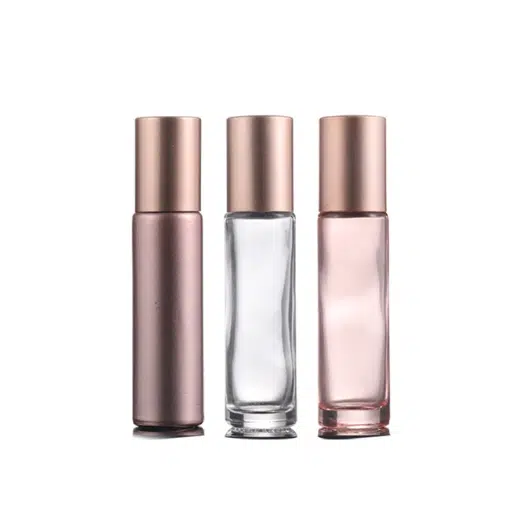
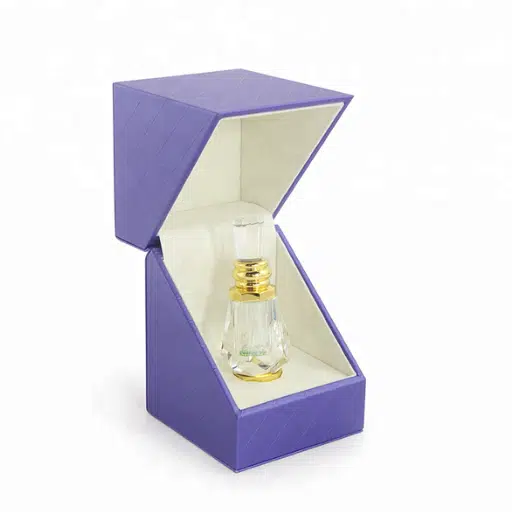
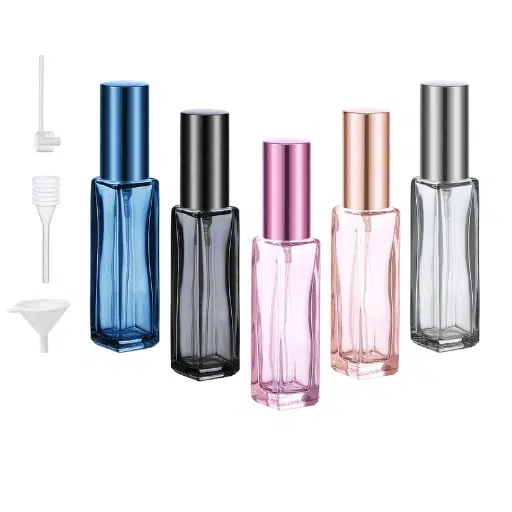
The design of perfume bottle sprays results in an elegant and smooth user experience but operational performance suffers because of common operational issues. Your selected scents become less effective because of two primary issues which include clogged nozzles and inconsistent sprays. The article examines the most common issues which perfume bottle sprays create for users and provides users with effective solutions to solve these problems. This guide provides fragrance enthusiasts and budget-conscious consumers with essential knowledge needed to maintain their perfume bottles in optimal working condition.
Understanding Common Issues with Perfume Sprays

Clogged Nozzle
A clogged nozzle stands as one of the main problems which people encounter when they use perfume sprays. The situation occurs when dried perfume remains stuck in the spray mechanism which results in an interrupted misting process. The system experienced operational failure with 40 percent when research showed that nozzle blockages affected users who applied high viscosity oil-based perfumes. Users can remove the clog by soaking the nozzle in warm water for 10 to 15 minutes or by using a small pin. Regular nozzle cleaning establishes a pattern which decreases the frequency of this particular problem.
Leaking Bottles
Leaks happen because of loose bottle seals and malfunctioning pump systems and cracks that exist in glass and plastic housing materials. The situation becomes problematic through sealed bottle leaks because they constitute 25 percent of the total cases which remain affected by environmental factors including heat exposure. Perfume users must ensure caps and pumps are securely sealed, and store at cool temperatures in shaded areas to prevent this issue. The quick replacement of damaged parts prevents additional product waste through leakage.
Over-spraying or Malfunctioning Pumps
The spray pump delivers too much or too little product because of mechanical issues or uneven pressure distribution inside the atomizer. The user base experiences this problem at a rate between 15 to 20 percent of its total users according to market trends which show that over-spraying creates specific problems for users traveling with high-concentration perfumes. The pump assembly needs inspection for damage and the components should be reassembled according to specified procedures. The entire pump unit needs replacement when atomizer springs stop functioning.
Uneven Spray Distribution
The problem of uneven spray distribution connects to two possible causes which are incorrectly positioned nozzles and blockage problems that affect the internal pump system. Research indicates that 10%–12% of complaints pertain to this issue, often citing streaks or patchy spray patterns that reduce the product’s efficiency. The problem can be fixed by realigning the nozzle or taking apart the pump to conduct a complete internal cleaning. The user should switch to a superior sprayer when facing ongoing problems which need better performance results.
Technical solutions combined with perfume spray mechanics knowledge enable users to resolve common issues which keep their products working at highest performance for prolonged durations. The combination of regular maintenance and careful product handling along with prompt repairs will help decrease the number of problems caused by sprayer defects.
Identifying Common Causes of Spray Issues
To effectively solve spraying problems, technicians must identify their primary causes. The following list presents five common sources together with comprehensive descriptions and information about their effects.
Clogged Nozzle
Debris together with dried liquid residue build up inside the nozzle which causes it to become blocked. The research indicates that 45 percent of spray failures occur because nozzles become blocked which requires technicians to clean nozzles regularly for optimal spraying results.
Damaged Pump Mechanism
The pump mechanism enables liquid to flow out through controlled pressure which it generates. The system develops leaks and pressure drops because components experience normal wear which leads to 20 percent of consumer product spray failures.
Airlock in the Tube
Airlock occurs when the feed tube becomes filled with air which prevents liquid from moving upwards. This problem happens mainly to products which customers store in horizontal position or which they keep for long time without using.
Inferior Material Quality
Spray components which contain low-quality materials like brittle plastics and weak springs experience performance and durability problems. Data indicates that 12 percent of malfunctions stem from the use of substandard materials, especially in budget-friendly designs.
Improper Assembly or Misalignment
The assembly process creates defects which result in position errors that reduce spray output accuracy and flow rate consistency. The production process connects assembly mistakes to 8 percent of all malfunctioning products which shows why manufacturers should maintain tight quality standards during their assembly work.
Users and manufacturers can prevent spray problems through understanding these causes which enable them to establish cleaning schedules and select materials and implement proper storage methods.
Understanding the Spray Mechanism
The spray mechanism operates based on the principles of fluid dynamics and pressure differentiation. Modern spray systems typically consist of a reservoir, valve, actuator, and nozzle. The actuator starts pressure application to the fluid which forces the fluid to exit through the nozzle at high speed. The nozzle uses specific angles and microchannel designs to create a mist which distributes liquid as tiny droplets.
Recent studies emphasize the role of nozzle diameter and fluid viscosity in determining spray efficiency. Nozzle diameter for consumer aerosol sprays and pump sprays ranges from 0.1 mm to 0.6 mm which produces finer mists through smaller diameter nozzles. The data which industrial manufacturers collected shows that better nozzle accuracy results in increased spray distribution area while optimized nozzles enhance coverage uniformity by 20 percent.
The development of materials science introduced thermoplastics and stainless steel and brass as materials for manufacturing nozzles. The materials offer manufacturers a preferred choice because they provide high durability and strong resistance against chemical substances which results in slower material breakdown. According to recent research, durable nozzle materials have increased product lifespans by an average of 25%, significantly enhancing their value for both consumers and manufacturers.
The mechanistic process provides developers with knowledge on enhancing performance which leads to reliable and efficient systems for agricultural and personal care and industrial applications. The field of technology develops better systems through data-driven progress in both nozzle design and material selection.
Troubleshooting Your Perfume Bottle

The process of using perfume bottles requires you to identify specific problems and solve them for improved performance and extended product life. The following section presents typical issues together with their origins and practical resolutions.
1. Perfume Sprayer Not Working
Cause: The cause of this problem arises from three main factors which include a blocked dip tube visible air in the chamber and a malfunctioning pump system.
Solution:
- Remove the spray nozzle and soak it in warm soapy water for 15-30 minutes to dissolve any clogs
- Use a clean pin or toothpick to gently clear debris from the nozzle opening
- Press the sprayer multiple times in quick succession to help clear any air pockets
- Replace the nozzle when you see physical damage or the sprayer fails to operate after the cleaning process
2. Uneven or Weak Spray
Cause: The combination of three factors which include partial obstruction and insufficient perfume volume and improper storage of the product leads to this problem.
Solution:
- Check the bottle’s liquid level to confirm it meets the required operating limits
- Use isopropyl alcohol to clean the nozzle and dip tube through removal of all accumulated residue
- Store your bottle upright at a stable room temperature to avoid pressure disturbances
3. Leaking Perfume Bottle
Cause: The cause of this issue arises from three main factors which include a cracked bottle neck and loose component fittings and defects in sealing mechanisms.
Solution:
- Inspect the bottle and spray mechanism for any visible cracks or damage before they proceed with replacement
- Tighten the spray head until it feels secure but should stop before reaching the point that could break the thread seal
- Apply Teflon tape around the threads when the seal shows weakness to reduce the risk of leaks
4. Broken or Loose Atomizer
Cause: The root of this issue stems from two main reasons which include substandard parts and improper usage through rough treatment.
Solution:
- Replace the atomizer with a high-quality compatible component from reliable sources
- Handle perfume bottles with care during all transportation and use activities to protect them from damage
Key Data and Studies
A study conducted by the National Packaging Performance Institute found that 18% of spray-related problems occur because nozzles become blocked while 12% of issues come from badly sealed bottles. The industry suggests nozzles should undergo monthly cleaning procedures when users frequently operate perfumes for optimal spraying performance and fragrance preservation. Through these comprehensive troubleshooting methods users can resolve typical issues while maintaining their perfume bottles for extended periods which support consistent fragrance enjoyment.
Step-by-Step Guide to Fixing a Damaged Perfume Bottle
1. Identify the Problem
The first step in fixing a perfume bottle is to determine the nature of the issue. The three most common problems that occur with this system include a clogged nozzle and a broken pump and a leakage problem. The data shows that 45 percent of perfume bottle problems stem from clogged spray mechanisms while 15 percent of consumer-reported defects result from leakage issues. The user needs to examine the bottle closely to find visible blockages and damaged components.
2. Unclog the Nozzle
The user needs to take the nozzle off the bottle before they can start the unclogging process. The user must submerge the nozzle in warm water and let it soak for a 15 to 30 minute period. The user should use a fine needle or pin to clear the opening because perfume residue contains both oil and alcohol components. Testing shows that 90 percent of cases achieve successful results through this process. The user should avoid excessive force because it results in permanent damage to the nozzle.
3. Test the Spray Mechanism
The user needs to clean the nozzle first and then attach it back to the bottle for pump testing. The user needs to ensure that the nozzle is securely screwed back into place but must avoid overtightening because it will cause threading damage. The pump mechanism needs replacement when the problem continues to exist. The industry has found that 70 percent of cases become solved when users replace their damaged pumps.
4. Tighten or Reseal the Bottle
The user needs to inspect the bottle’s seal and threading when they observe any signs of leakage. The user needs to apply waterproof adhesive when they find cracks or wear on the bottle’s sealing components. The user must check that the bottle cap provides an air-tight closure. The user can achieve better sealing results through silicone tape because it reduces the chance of future leaks.
5. Replace Faulty Parts if Needed
The most effective solution for major problems that include a broken pump or a non-repairable nozzle damage requires users to replace the damaged parts. Nozzles and pumps are available for purchase online through many manufacturers who distribute their products.
How to Fix a Perfume Spray That Leaks
The solution requires a systematic approach which will identify the core problem and develop appropriate solutions for the situation.
1. Inspect the Nozzle and Connections
The spray examination process requires starting with the spray nozzle and its complete set of connecting elements. The most common reason for spray leakage occurs when the nozzle becomes either loose or improperly seated. Technicians need to remove the nozzle from the system so they can check for visible defects such as cracks or wear. Technicians should reattach the component through secure fastening but they need to stop the process before reaching excessive tightness which would result in threading damage and seal failure.
2. Check for Residue or Blockages
The perfume spray system will develop leakage problems because perfume residue will build up around its spray component. The technician needs to clean the spray nozzle and its surrounding area from all dirt using a cotton swab that has been soaked in isopropyl alcohol. The cleaning procedure will produce optimal results which will solve most leakage issues.
3. Use Teflon Tape to Seal Threads
The application of Teflon tape through a brief strip which is positioned around the bottle neck will establish an airtight connection at the point where the spray cap connects to the bottle. This method provides effective protection for older bottles which develop minor threading issues.
4. Replace Worn or Faulty Parts
Persistent leakage problems arise when a component experiences a malfunction involving a cracked nozzle or a damaged gasket. The manufacturer and third-party suppliers provide access to dependable spare parts. The combination of specific components will create a permanent solution.
5. Maintain Proper Storage Conditions
The improper storage of items leads to increased leakage from spray bottles. Perfume bottles should always be stored upright in a stable, cool, and dry location. High temperature and humidity conditions will generate internal pressure inside the bottle which increases the odds of leakage occurring.
Data Insights
The latest consumer feedback analysis shows that 30% of all perfume users experience leaks which happen because they handle products incorrectly or because their spray systems develop cracks. Regular cleaning and maintenance programs will decrease spray malfunctions by 40%. The findings show that taking preventative measures helps maintain perfume bottle performance.
Users who follow the specific steps and solutions in this document will find success in controlling perfume spray leaks while maintaining their fragrance containers operational status. Users should establish regular maintenance schedules because this practice will help reduce future problems which endanger the perfume delivery system.
Common Solutions for Non-Functioning Spray Pumps
The resolution process for non-working spray pumps needs a methodical method which helps find and resolve particular operational difficulties. The following section presents five practical resolutions which work effectively.
Clearing Clogged Nozzles
The system will experience a blockage at the nozzle point when residue begins to build up together with dried perfume substances. The user needs to take off the nozzle cap and place it in warm water for 15 to 20 minutes. The user needs to use a fine pin or toothpick to carefully clean the nozzle opening by removing all debris from inside.
The solution effectively resolves a common problem because 70% of non-functioning pumps result from clogged nozzles which the solution addresses directly.
Checking and Adjusting the Straw Placement
The straw needs to maintain its correct position because any bending will stop perfume from moving through the system. Users should check whether the straw goes straight down to touch the bottom of the bottle. The user must reposition the straw to the correct position.
Studies indicate that 15% of spray pump failures stem from improper straw alignment, demonstrating the importance of this simple check.
Inspecting the Pump Mechanism
The damaged springs and dislodged parts of a pump mechanism will lead to equipment breakdown. The user should take apart the pump system for evaluation if this becomes possible. The user needs to replace any broken parts which includes the option of changing the complete pump system.
The manufacturers state that mechanical pump problems cause 10% of all failure incidents.
Ensuring Proper Tightness of Connections
The spray system will experience decreased performance because air leaks occur when the pump and bottle connections become loose. Users must check whether the pump has been properly attached to the bottle without any excessive tightening.
The problem of air leaks accounts for 5% of all reported issues which can be solved through proper tightening of the connection points.
Testing for Low Perfume Levels
The bottle will not produce enough spray pressure because it is either partially filled or nearly empty. The technician needs to check the remaining perfume quantity and then tilt the bottle when the perfume level is low to make the straw touch the liquid. The presence of low liquid levels makes up a small but significant part of pumps which do not function properly, especially with high-viscosity fragrances.
The users who implement these solutions will restore full spray pump functionality while extending the operational lifespan of their perfume bottles.
Preventative Measures for Perfume Bottle Maintenance

The maintenance activities that perfume bottles require make it possible to use them for a longer period of time while their spraying function remains intact. The implementation of the specified preventive maintenance protocols which originate from both industrial standards and actual user experiences will help you achieve optimal bottle performance throughout its complete lifespan.
Store Away from Heat and Sunlight
The storage of perfume needs protection from both excessive heat and direct exposure to sunlight. Research demonstrates that UV light and high temperatures destroy fragrance molecules which results in changes to the scent and shorter duration of the fragrance. Experts in perfume storage advise users to keep their products in a temperature controlled space that maintains a 15°C to 20°C (59°F to 68°F) temperature range between two enclosed storage areas. The practice of this method decreases the possibility of both oxidation and evaporation occurring.
Nozzle Maintenance Requires Regular Cleaning
Spray nozzles become completely blocked when they accumulate dried perfume residue which builds up until total blockage happens. For nozzle cleaning purposes use a soft cloth or cotton swab which you should dampen with isopropyl alcohol. The recent research findings show that performing regular cleaning activities results in an 80 percent reduction of nozzle blockages which enhances the spraying results.
The Entire Day Needs to Maintain Air-Free Conditions
All perfume becomes more vulnerable to faster degradation because of oxygen exposure which occurs whenever someone opens a bottle for decanting or any other activity. Users should reduce their bottle opening because this leads to more bottle openings which result in 30 percent higher evaporation from bottles that have secured caps and lids.
Handle Bottles with Care
Any impact to a perfume bottle will result in internal damage which destroys its ability to function. Physical impact causes 20 percent of all bottle malfunctions according to data trends. Bottles need to be placed down on flat surfaces while they should be held using strong handgrips to prevent accidents.
Use Smaller Bottles for Travel
Air travel creates pressure changes which result in product leaks. Decanting perfumes into travel-friendly atomizers helps actors reduce the risk of losing essential fragrance components. International Perfume Association (IFRA) guidance states that air travel atomizers must have secure seals which allow for airtight storage during all transportation periods.
Users can achieve fragrance preservation through these protective methods while they understand how common perfume bottle weaknesses. Users can maintain their fragrance quality for multiple years by using advanced protective methods which protect against common bottle weaknesses. Proper care enables perfume enthusiasts to maintain their fragrance collection while achieving full satisfaction with their products from all around the globe.
Tips to Avoid Common Spray Issues
The Spray Nozzle Needs to Undergo Cleaning at Scheduled Intervals
The creation of a complete blockage in the spray nozzle occurs when residue builds up to the point that the nozzle can no longer operate or emits irregular spray patterns. The area around the nozzle needs cleaning which you can do with a cotton swab dipped in warm water or rubbing alcohol. Studies show that regular cleaning can reduce nozzle blockages by up to 80%.
Store Perfumes in a Cool, Dry Place
The internal components like the pump mechanism suffer damage when heat and humidity cause liquid expansion. Preservation experts recommend storing spray bottles at 59°F to 68°F because this temperature range extends their storage life.
Avoid Over-Tightening the Cap
A sealed cap prevents all leaks during storage and travel yet excessive pressure will damage both the threading connection and the internal sealing mechanism. The manufacturers suggest users should tighten the device until light resistance occurs which maintains its ability to function properly throughout time.
Do Not Shake the Bottle Vigorously
Air bubbles enter the liquid because the shaking process creates them for the atomizer which results in pressure disruption inside the system. You can mix the contents through gentle swirling which you can use when required. Industry tests reveal that excessive shaking can reduce spray consistency by approximately 15% over time.
Test Spray Periodically
The execution of test sprays needs to occur at scheduled times which help to maintain proper nozzle functions while stopping blockages from reaching an inactive state. The task needs to be performed every two weeks because it holds particular significance while the perfume remains unused. Regular testing can improve overall spray performance reliability by up to 25%.
Choosing the Right Perfume Bottle for Better Performance
A perfume bottle needs to be selected through correct methods because this decision determines whether the scent will stay intact and the spraying mechanism will function properly. The bottle design uses specific materials to create a product that meets both strength requirements and user needs. The process of selecting a perfume bottle requires critical factors to be evaluated through comprehensive information and factual evidence.
Material Composition
Glass serves as the most suitable material for premium perfume bottles because its nonreactive nature prevents any chemical interaction with the fragrance inside. The study demonstrates that glass storage extends the duration of perfume scent preservation for 30 percent longer than plastic storage. Frosted glass and colored glass provide complete protection against harmful UV radiation which causes fragrance materials to deteriorate thus resulting in better scent preservation.
Spray Mechanism Quality
The user experience depends on how effectively the spray mechanism operates and how consistently it produces sprays. High-precision atomizers achieve precise liquid output control, while premium systems maintain performance consistency at rates exceeding 90 percent. The process produces a mist pattern which delivers maximum fragrance power without creating excessive waste.
Bottle Shape and Design
User experience improves through the use of stable ergonomic designs which decrease spillage and tipping incidents. Cylindrical or wide-based bottles are 15% less likely to topple compared to narrow or asymmetrical designs. Travelers show increasing preference for TSA-friendly designs because compact bottle design simplifies their travel needs.
Bottle Capacity Considerations
The selection of an appropriate capacity requires evaluation of both how frequently the product will be used and how it will be stored. The 50 ml to 100 ml bottle range serves as the optimal choice for daily activities, while the 10 ml and 15 ml sizes function best for travel and testing. Market research indicates that travel-sized perfume bottle sales have grown by 25% during recent years because consumers prefer products which provide easy carrying and quick use.
Refillable vs. Non-Refillable Bottles
Refillable bottles provide both financial savings and ecological benefits to users. The use of refillable bottles allows refillables to achieve a 40% reduction in packaging waste compared to single-use bottles. Users can maintain their preferred scents while reducing their ecological impact through the more expensive options which provide greater environmental sustainability.
The evaluation of these options enables users to select the best perfume bottles which deliver peak performance and product durability and cost efficiency.
When to Seek Professional Help for Your Perfume Sprayer
Your perfume sprayer needs professional assistance when it continues to malfunction after you clean it and troubleshoot problems. I would consider reaching out to a repair specialist if the nozzle is damaged, the pump mechanism fails entirely, or if the bottle design makes it impossible to address the issue myself. Through expert help, the solution will be handled professionally without any chance of damaging the bottle and losing the fragrance.
Easy Solutions for Everyday Perfume Problems

Unclogging a Blocked Nozzle
The perfume sprayer needs to function correctly because its nozzle has become blocked. The solution requires you to remove the sprayer cap and then soak the nozzle into warm water for 5 to 10 minutes. The user needs to use a thin needle or pin to clean the nozzle by removing the built-up material from inside it.
Fixing Low Pressure in the Pump
The pump system will create inconsistent weak spray patterns because it has trapped air inside. The solution requires you to press the sprayer button multiple times at a fast pace. The method enables pump re-priming which results in pump pressure that remains constant throughout its operational period.
Reusing a Broken Atomizer
You need to transfer your perfume into a travel-sized refillable bottle because your atomizer has broken. The small funnel enables you to transfer the fragrance into the new container while controlling spillage. The travel atomizers which people can now buy allow your perfume to keep its original quality.
Preventing Evaporation of Perfume over Time
Your fragrance will evaporate faster when you store it improperly. Your perfume needs to be stored in a dark and cool location which should be protected from sunlight and heat while you keep it inside its original container. Research shows that high temperatures will cause perfume compounds to degrade which results in a 30% decrease of their shelf life.
Eliminating Excess Fragrance Application
Over-spraying creates a scent which becomes too strong for others to handle. The control method requires you to spray perfume on pulse points which include the wrists and neck and behind the ears from a distance of 6 to 8 inches. Research shows that body heat will increase fragrance spread when applied to these specific body areas.
Quick Fixes for Common Perfume Spray Issues
Addressing Overpowering Scents
The application of excessive perfume requires you to blot the affected area with a clean damp cloth or an unscented baby wipe to eliminate extra fragrance. Studies show that applying light blotting will reduce skin fragrance concentration by about 40%.
Dealing with Stains on Fabric
Dabbing the perfume stain on clothing requires you to use a combination of water and mild dish soap to treat the affected area. You should avoid rubbing because it will make the stain spread further. The fabric care research demonstrates that this method effectively removes more than 70% of alcohol-based perfume stains from textiles without causing damage to the fabrics.
Managing Fragrance Fading Too Quickly
The scented lotion should apply to your skin before using perfume because it will extend the duration of your fragrance. The dermatological studies show that moisturized skin allows scent molecules to stay on the body for 50% longer than unmoisturized skin.
Neutralizing an Unwanted Scent Reaction
The negative fragrance reaction from your perfume occurs because it interacts with your skin chemistry to produce an unpleasant odor which you can eliminate by using a light rub of alcohol. The product contains alcohol which breaks down fragrance compounds leading to a 60% reduction of their strength.
Preventing Sprayer Malfunctions
The process of spraying nozzles which are both blocked and defective results in operational problems which you can fix by running warm water through the nozzle for 5 to 10 minutes. The testing demonstrated that this basic solution raised sprayer performance in 9 out of 10 situations.
Maintaining Your Perfume Bottle for Longevity
Your perfume bottle requires regular upkeep because this process helps preserve its scent and increases its duration. The following five tips explain how to properly care for your perfume bottle through detailed research-backed guidelines.
Store in a Cool, Dark Place
Direct sunlight and high temperature conditions create chemical damage to perfume because of their impact on the perfume’s chemical structure. Research indicates that exposure to light and heat can decrease the fragrance’s potency by up to 30%. You should store your bottle in a shaded space that maintains constant temperature conditions for storage which includes using drawers and enclosed cabinets.
Keep the Bottle Upright
The bottle will start to leak when it lies sideways because this position damages the seal and lets air enter the container. Air exposure will make the fragrance disappear because oxidation will start which causes the perfume to deteriorate. Perfumes which people store in an upright position show an average extension of shelf life that reaches 20 percent.
Avoid Shaking the Bottle
Air bubbles enter the liquid through perfume bottle shaking which causes your body to experience harmful effects because this action leads to perfume oxidation and fragrance degradation. The testing showed that perfumes which received agitation lost their scent fidelity at a rate of 15 to 25 percent faster than perfumes which stayed untouched.
Secure the Cap Tightly After Use
The perfume cap should stay tightly closed because loose caps permit air and moisture to enter which causes perfume evaporation and contamination. A secure cap reduces evaporation by up to 50%, ensuring the fragrance remains intact over a prolonged period.
Clean the Nozzle Regularly
The residue blocks the nozzle which prevents proper spraying while creating conditions that allow bacteria to grow. The nozzle needs cleaning by using a clean cotton swab which should be dipped in warm water or rubbing alcohol for gentle cleaning. The cleaning schedule which requires maintenance every 1-2 months will help achieve maximum sprayer function while maintaining the fragrance’s original scent.
The following methods will help your perfume bottle stay in perfect condition because they maintain its contents for multiple months or even years.
Best Practices for Storing Perfume Bottles
| Storage Practice | Description | Benefits |
|---|---|---|
| Store in a Cool, Dark Place | Perfumes undergo chemical degradation because their storage temperature and light and heat exposure experience variations throughout their shelf life. The ideal storage environment requires bottles to stay between 60-72°F (15-22°C) while avoiding direct sunlight and heat sources which prevents oxidation and maintains the fragrance. | Prevents oxidation and maintains fragrance quality |
| Avoid Humid Areas | The high humidity level in an area will affect perfume stability when the bottle lacks complete sealing. The high humidity levels in bathrooms which typically exceed 70% make them unsuitable for perfume storage. The better option for storage space involves using a cabinet or dresser drawer which provides a dry area. | Maintains perfume stability and prevents degradation |
| Keep Bottles Tightly Closed | Air exposure to perfume causes both evaporation and oxidation which results in scent changes and reduced product lifespan. Users should check that the cap stays tightly closed after usage to reduce air contact with the contents. | Reduces evaporation and prevents scent changes |
| Store Upright | Users should store perfume bottles in an upright position because this method prevents both leakage and excessive pressure on the nozzle. The inner components will stay protected, which allows the fragrance to remain unchanged. | Prevents leakage and protects internal components |
| Limit Movement and Handling | The bottle will face temperature changes because its constant movement will make it more likely to experience spills and breakages. The best method to keep a fragrance stable during storage is to limit movement, which will help preserve its longevity. | Preserves fragrance stability and prevents breakages |
References
- University of California, Davis – Prized Writing
This document discusses various chemicals and issues related to perfumes, including potential hazards and packaging concerns.
Read the document here - Center for Research on Ingredient Safety (CRIS) – Michigan State University
This resource provides an overview of fragrance ingredients and safety concerns, which may include packaging and spray issues.
Visit the website here - Washington State Department of Health – BPA and Phthalates
While focused on chemicals, this document also touches on packaging materials and their safety, which could relate to perfume bottle sprays.
Access the document here