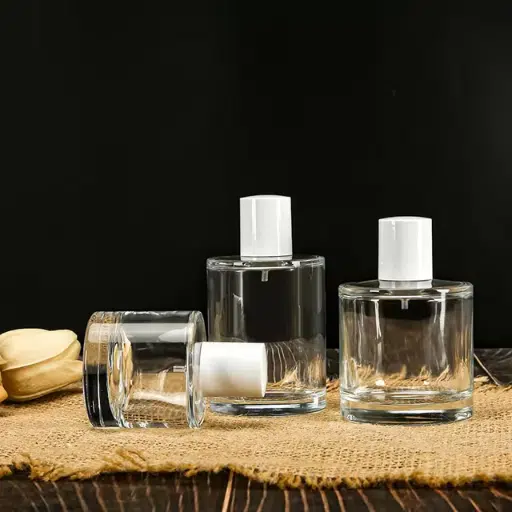
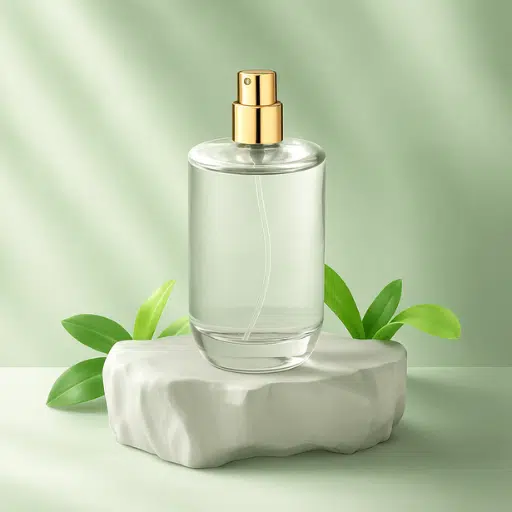
Marcus stood in the fragrance aisle at Selfridges, surrounded by hundreds of competing bottles. He observed shoppers who picked particular fragrances without checking labels because they were attracted to the crystal-clear glass weight and the light reflection from the faceted surfaces and the substantial weight which indicated high quality before they tried their first fragrance note. Most people reached their decision within thirty seconds. The fragrance inside mattered, certainly. But the bottle —that first tangible encounter with the brand—had already done the heavy lifting.
You understand this instinctively. Your glass perfume bottles act as silent brand ambassadors in a market which offers consumers thousands of fragrance options. Your glass perfume bottles establish product positioning and brand value and product quality before customers experience your scent. Your company must evaluate its packaging value because it needs to determine whether its bottles effectively communicate its brand message.
The guide reveals how custom glass perfume bottles function as strategic brand assets because they serve as more than basic storage solutions. The study will examine which glass materials create luxurious visual effects and which design elements transform bottles into recognizable product identity and which manufacturing relationships help create large-scale production from initial concepts. You will gain a glass decision framework which helps your brand identity and recognition through all your fragrance launches and established collection redesigns.
Why Glass Remains the Gold Standard for Luxury Fragrances

All perfume stores between Paris and Dubai sell their most expensive products through one material: glass. The store uses glass as its only material because it needs to meet its high-quality product requirements. The system chooses this specific tradition because it applies scientific knowledge from three fields: chemistry and psychology and sustainability research.
Chemical Inertness: Protecting What Matters
Fragrance formulations depend on their fragile balance between different elements. Citrus notes undergo oxidation. The top notes of a scent disappear through evaporation. The base notes of a scent become unstable when they come into contact with active substances. Glass provides a unique benefit to users because it maintains complete chemical resistance against all other substances.
The premium flint glass used in luxury perfumery shows no active elements which could potentially react with your fragrance. Glass maintains scent protection for many years because it prevents chemical leaching and scent absorption which occurs with plastic materials. Customers who buy fragrances in glass bottles receive a guarantee that their purchased scent will match what they experienced in the store until its last application.
The Tactile Language of Luxury
The process requires you to shut your eyes while you keep a luxury fragrance bottle in your hands. The glass material provides a chilling sensation which you can perceive through your hand. The object displays a weighty presence which you can handle without difficulty. The surface material demands that you check its texture through touch. Glass enables users to experience its quality through tactile contact because it offers two touchable surfaces which exist between completely smooth and slightly textured states.
Shoppers make their buying choices based on the tactile experiences that they receive according to research evidence which has been confirmed repeatedly. The California Institute of Technology research study showed that people assign greater worth to items which they perceive as being heavier. The design of glass provides a natural weight that creates a physical experience which enhances all aspects of brand interaction.
Visual Brilliance and Light Play
Glass material functions as a medium which transmits light. A bottle which designers create through proper design catches ambient light which then passes through its fragrance liquid to produce daytime visual effects that change over time. Frosted glass creates a refined appearance through its ability to scatter light. The transparent flint glass material exhibits the juice contents which show best through fragrances that have unique color characteristics.
Designers achieve “shelf presence” through the way materials interact with light which creates an attractive effect that pulls customers towards products in busy retail spaces. Glass bottles attract customers through quiet visual communication rather than through noisy displays.
The Sustainability Imperative
Modern luxury consumers expect environmental responsibility. The sustainability solution exists in glass materials. Glass materials permit recycling without any loss of quality which makes them suitable for circular economy systems that appeal to millennial and Gen Z consumers. The 2024 Nielsen research study discovered that 73% of millennials choose to pay extra money for environmentally friendly packaging.
Want to explore sustainable glass options for your fragrance line? [Discover our eco-conscious packaging solutions →]
Post-consumer recycled glass which manufacturers now produce maintains luxury segment clarity and brilliance. Zignago Vetro achieved 60 percentage PCR content through their process which eliminated green tinting found in recycled glass. Stölzle provides amber glass products that contain up to 73 percentage recycled materials. The new developments demonstrate that sustainable practices now permit organizations to maintain their visual appeal without making any sacrifices.
Glass Versus Plastic: The Perception Gap
The difference between glass and plastic extends beyond material properties into brand psychology. Consumers develop unconscious links between glass items and permanent high-quality products which people use during special events. Plastic materials demonstrate their temporary nature through both their extensive production methods and their short-lasting use patterns which apply even to high-quality products.
The price determination process operates because of this perception gap. Fragrances housed in glass command premium positioning that plastic simply cannot support. Glass serves as the essential material for luxury and prestige brands. The material serves as their basic requirement.
Types of Glass for Perfume Packaging: A Technical Guide

Different types of glass exhibit unique properties. Your chosen glass type determines both visual appearance and operational performance. The process of identifying various brand elements enables you to make product selections which reflect your brand identity.
Flint Glass: Crystal Clarity
Flint glass — also called crystal clear or extra-white glass — represents the purest form of packaging glass. The optical quality of flint glass shows 90% light transmission which allows viewers to see your fragrance exactly as it appears.
Best for: Modern, minimalist brands; scents that display special juice colors; products which show their inner workings through design
Technical considerations: Flint glass needs special protection during its decoration process. The material shows complete transparency which makes it necessary to achieve exacting standards for all manufacturing processes.
Frosted Glass: Understated Sophistication
Frosted glass creates soft, diffused surfaces through acid etching or sandblasting which alter the way light passes through transparent materials. The effect suggests exclusivity and restraint — qualities highly valued in contemporary luxury.
Best for: Niche and artisanal fragrances; brands emphasizing craftsmanship; designs requiring subtle texture
Decoration compatibility: Frosted surfaces accept screen printing, hot stamping, and labeling with excellent adhesion. The matte surface creates strong visual differences when paired with metallic or shiny parts.
Amber Glass: Heritage and Protection
The distinctive brown-amber hue of this glass type serves functional and aesthetic purposes simultaneously. Amber glass protects light-sensitive formulations by blocking UV light which deteriorates fragrance compounds.
Best for: Traditional and heritage brands; natural and botanical-positioned fragrances; formulations requiring UV protection
Market perception: Amber glass carries associations with apothecary traditions, authenticity, and timelessness. Visual identity systems from brands such as Aesop and Kiehl’s have derived their design foundation from amber glass.
High-Flint and Crystal Glass: Ultimate Luxury
The composition of high-flint glass includes advanced lead-free crystal materials that produce maximum brightness while maintaining heavier weight. The material reaches crystal-grade optical performance while sustaining packaging-grade strength. The materials create a heavy weight which gives products an ultra-premium appearance.
Best for: Prestige and luxury collections; limited editions; gift-oriented fragrances
Cost considerations: The premium positioning of high-flint glass comes with corresponding material costs. The investment proves beneficial for fragrances which retail above £150 because it creates a proper pricing system.
Post-Consumer Recycled (PCR) Glass: Sustainable Luxury
PCR glass uses recycled materials to achieve both luxury-grade clarity and performance standards. The green-tint problem with recycled glass has been resolved through recent advancements in technology.
Best for: Sustainability-focused brands; Gen Z and millennial-target fragrances; brands with environmental commitments
Current capabilities: Leading suppliers now offer PCR content from 30% to 73% depending on color and clarity requirements. Environmental sustainability establishes itself as a marketing advantage because European consumers prioritize eco-friendly products during their shopping experience.
Glass Type Comparison
|
Glass Type |
Clarity |
UV Protection |
Weight |
Sustainability |
Best Positioning |
|---|---|---|---|---|---|
|
Flint (Clear) |
Excellent |
None |
Standard |
Recyclable |
Modern, minimalist |
|
Frosted |
Diffused |
Minimal |
Standard |
Recyclable |
Understated luxury |
|
Amber |
Tinted |
Excellent |
Standard |
Recyclable |
Heritage, natural |
|
High-Flint |
Superior |
None |
Heavy |
Recyclable |
Ultra-premium |
|
PCR Clear |
Very Good |
None |
Standard |
30-60% recycled |
Eco-conscious |
Curious about which glass type suits your brand vision? [Schedule a consultation with our design team →]
Shape Psychology: Designing for Brand Recognition

The launch of her independent fragrance house in 2022 required Sofia to create a bottle design that would achieve unique market presence. She partnered with our design team to create a unique rectangular bottle design which uses 90-degree angles and bevelled edges to achieve its distinctive appearance. Two years later, customers recognize her fragrances from across crowded rooms — not by labels, but by that distinctive architectural profile.
Shape functions as visual vocabulary. Shape delivers visual information prior to any text being understood. Memory creation develops through recognizable objects which have distinctive qualities. You can create bottle designs which become brand signatures when you understand how shape psychology operates.
Geometric Precision: Architectural Elements Construct Glass Structures
People associate modernity with squares, rectangles, and prisms which create architectural designs through their angular shapes. The architectural design elements represent traditional building styles which showcase advanced academic knowledge. Tom Ford’s fragrance portfolio demonstrates this approach masterfully: heavy rectangular bases, clean lines, and geometric caps create an instantly recognizable visual system.
Social media platforms and online retail stores benefit from the aesthetic appeal of geometric bottles which enable customers to discover products in a digital environment that increasingly replaces physical store exploration. The product’s precise shadows together with its sharp edges create an optimal screen display.
Organic Curves: Nature and Emotion
Round, flowing shapes create natural forms which resemble water droplets and flower petals and river stones. The designs express feelings of sensuality and approachability through their aesthetic composition. These shapes create comforting sensations which establish a direct emotional bond with people.
Byredo and Le Labo have built successful brands around organic minimalism. Their gently designed bottles maintain an emotional connection through their basic design which eliminates all decorative elements. The shape itself becomes the brand signature.
Sculptural Statements: Bottles as Art Objects
Certain brands use packaging, which they produce, as art items that people can collect. The star-shaped faceted design of Mugler’s Angel has become a trademarked design. The Marc Jacobs Decadence product functions as a handbag which features both a chain and a tassel. The bottles serve as display items which function as decorative elements and initiate dialogue with others.
Social media platforms use sculptural bottles as their exchangeable value. Instagram-worthy packaging generates organic exposure as customers share “shelfie” photographs. The bottle markets itself through its design.
Heritage Silhouettes: Tradition Reimagined
Certain shapes carry historical resonance. The apothecary-style shoulders, which feature their specific design. The apothecary-style shoulders find their base in vintage atomizer designs. The Art Deco style uses geometric shapes. These silhouettes enable two types of interpretation through their combination of historical elements and modern elements.
Guerlain’s Bee Bottle represents heritage perfection — the same basic form since 1853, continuously refreshed. The shape itself communicates history, craft, and continuity.
The Shape as Trademark
The most successful fragrance bottles achieve what trademark lawyers call “acquired distinctiveness” — the shape alone identifies the source. Chanel No. 5 possesses its distinctive rectangular design, which defines its overall appearance. The design of Diptyque produces an oval shape. Jean Paul Gaultier created a torso design for his product. The brands used their unique designs to create products which now serve as independent brand recognition tools.
Your bottle shape decision deserves serious strategic consideration. Will it become something people remember because of its unique design? Will it remain appropriate as your brand evolves? Will it maintain its visual integrity when shared through different platforms?
Color as Brand Language

The process of color transformation changes glass from being a neutral container to serving as a brand identification tool. Your choice of hue together with your decision to remain colorless creates instant indications about your brand’s market placement and brand identity and product pricing.
Clear Glass: Transparency as Philosophy
Un-tinted flint glass represents contemporary design which displays genuine appearance and unblemished form. The space contains no concealed elements. The complete scent of the product becomes the main visual element. This method proves effective for brands that prioritize natural materials and show their product development process and practice minimalistic design.
Jo Malone established her business empire through the use of transparent glass products. The brand’s visual restraint allows fragrance names and minimalist labels to command attention. The message: the juice speaks for itself.
Amber and Earth Tones: Heritage Positioning
The glass tones of brown and amber and olive green glass reference apothecary traditions and natural materials. The colors express organic authenticity through artisanal craftsmanship which creates products that maintain their value across time. The colors of these shades work best with botanical and woody and oriental fragrance families.
The amber bottles of Aesop become an immediate identification mark for the brand. The color choice reinforces the brand’s positioning around botanical ingredients and traditional apothecary wisdom.
Black and Deep Tones: Mystery and Luxury
The use of opaque black glass together with deeply tinted glass creates an atmosphere of enigmatic elegance which remains inaccessible to others. The scent remains concealed until the user opens the container. The method operates effectively for brands that develop bold or provocative or highly luxurious products.
Tom Ford’s Black Orchid and various Byredo fragrances use deep glass tones to dramatic effect. The dark color creates an atmosphere of power and elegance which matches evening events.
Gradient and Ombré Effects: Visual Storytelling
Modern decoration techniques allow color transitions within single bottles — dark bases fading to clear shoulders, or colored gradients that suggest fragrance evolution. These effects create visual interest and differentiation.
Gradient treatments work particularly well for fragrances with narrative positioning — scents that evolve from top to base notes, or collections representing journeys and transformations.
Color Psychology by Market
Regional preferences influence color effectiveness. European markets historically favor restraint — clear, frosted, or subtly tinted glass. Middle Eastern markets embrace richer decoration, with deep jewel tones and gold accents performing well. Asian markets, particularly China, value red and gold for their auspicious associations.
Understanding your primary market’s color psychology helps you make decisions that resonate culturally.
Surface Treatments and Decoration Techniques

The glass itself provides foundation. Surface treatments create distinction. The decoration skills of Longlu transform raw glass materials into branded products through their expert use of advanced techniques.
Frosting and Etching: Matte Elegance
Acid frosting produces surface textures which feel soft to the touch while they scatter light. The effect can cover entire bottles or create selective matte areas against polished glass — a technique that adds visual complexity without clutter.
Frosting works beautifully for brands emphasizing understated luxury. The technique has experienced resurgence as minimalism dominates contemporary design.
Hot Stamping and Metallization: Precious Accents
Gold. Silver. Rose gold. Gunmetal. The application of metallic accents through hot stamping and vacuum metallization methods brings an element of luxury which supports the high-end product price. The treatments display light in a striking manner which creates an impression of valuable materials.
The key lies in restraint. One well-placed metallic element often outperforms excessive decoration. Metallic accents should be placed at the areas where the eye naturally rests which include the shoulder and the cap junction and the base.
Screen Printing: Crisp Graphics on Glass
Direct screen printing applies inks and coatings directly to glass surfaces with precision impossible through labels alone. The technique enables complete integration of complex graphics and fine typography and photographic imagery into the bottle design.
Screen printing durability exceeds paper labels which enables it to withstand both moisture and handling damage. The result feels permanent and premium.
UV Coating and Lacquering: Depth and Protection
UV-cured coatings create protective layers which add dimensional depth to the decorative elements underneath. High-gloss lacquers create reflective surfaces. Soft-touch coatings add tactile sophistication. These layers create different visual and haptic experiences for users.
Engraving and Embossing: Dimensional Brand Marks
The highest level of luxury is achieved through glass engraving which produces permanent marks that remain intact. Embossing raises designs from the surface. The two methods need exact manufacturing processes yet they produce permanent results which bring high social status.
Specialty Effects: Unique Visual Textures
Ice-crackle effects. Iridescent finishes. Holographic treatments. The special techniques produce unique visual patterns which other brands find difficult to duplicate. They suit limited editions, special collections, or brands seeking maximum differentiation.
Ready to explore decoration options for your fragrance bottles? [View our complete surface treatment capabilities →]
The Sustainability Imperative: Designing for Tomorrow

Sustainability has evolved into a standard requirement that companies must fulfill instead of serving as a marketing tool which helps them stand apart from competitors. The current luxury market demands environmentally responsible practices from all its customers especially those who belong to younger age groups. The glass packaging solution provides designers with a method to fulfill their design requirements while maintaining visual appeal.
Recycled Glass Content: Closing the Loop
Post-consumer recycled (PCR) glass minimizes both carbon emissions and the need for raw materials. Recent developments have finally overcome previous problems with product quality. The new premium PCR glass products achieve crystal clear transparency that matches the appearance of untreated glass.
The top providers now offer the following capabilities:
- Zignago Vetro: 60% PCR with extra-white clarity
- Stölzle: Up to 73% PCR in amber, 38% in flint
- Verescence: Electric furnace technology reducing CO2 emissions 80%
The process of displaying recycled materials demands organizations to share complete information about their recycling practices. Environmentally conscious customers develop trust through straightforward product information which connects to sustainability concepts presented through QR codes.
Lightweighting: Engineering Efficiency
“Lightweighting” reduces glass weight while maintaining perceived quality through design optimization. Advanced engineering creates bottles that feel substantial without excessive material usage.
Pochet’s SEVA 3 technology demonstrates this approach — 20% weight reduction while preserving luxury hand-feel. The technique uses strategic wall thickness variation and base design to maintain perceived value.
The shift from “heavy equals luxury” to “engineered elegance” represents a fundamental industry evolution.
Refillable Systems: Circular by Design
Over 70% of new luxury fragrance launches now feature refillable designs. These systems separate decorative outer bottles from replaceable inner vials, extending packaging lifespan dramatically.
Refillable design requires planning from the earliest stages. Bottle neck standards (particularly FEA 15) must accommodate refill mechanisms. Outer bottles require sufficient durability for repeated handling. The investment pays dividends in customer retention and sustainability credentials.
Mono-Material Construction: Simplifying Recycling
Multi-material packaging complicates recycling because it prevents proper recycling. Glass bottles need disassembly because they contain plastic caps and metal collars and paper labels which require separate processing. Mono-material or easily separable designs improve circularity.
The bottle design must match with both its cap and decorative components. Can components be separated for recycling? Are materials compatible with existing recycling streams? These questions increasingly influence packaging decisions.
From Concept to Production: The Custom Bottle Journey
Branding process needs structured procedure to transform company vision into actual glass products. Understanding this journey helps you plan timelines, allocate resources, and set realistic expectations.
Step 1: Defining Your Brand Identity Brief
Successful bottles require brand positioning to be established before design work begins. What personality should the bottle communicate? What price point must it support? Who is the target customer and what do they value?
The brief serves as the compass for creative work. It guides shape decisions material selection and decoration choices. Without this foundation design lacks any directional path.
Step 2: Conceptual Sketching and 3D Modeling
Designers create visual concepts through brand brief translation. Designers use initial sketches to investigate different shape possibilities. The selected concepts undergo 3D modeling which provides multiple perspective visualizations and virtual size testing.
Modern 3D rendering enables photorealistic visualization before any physical prototype exists. This process speeds up decision-making while minimizing expensive changes which will occur later.
Step 3: Mold Development and Prototyping
Mold creation becomes necessary for approved designs because it functions as the tool which shapes molten glass into final products. Mold development requires 25 to 30 days for exact work to be completed. This phase requires engineering professionals who can verify that the designs will function effectively in mass production.
First prototypes reveal how designs translate from digital models to physical reality. Actual glass demonstrates its weight and balance properties which become clear through direct handling.
Step 4: Sample Evaluation
Prototype evaluation tests multiple dimensions:
- Visual: Does the bottle match design intent?
- Tactile: How does it feel in hand? Is weight appropriate?
- Functional: Does it stand stable? Is neck finish compatible with caps?
- Decoration: Do surface treatments apply correctly?
This evaluation often reveals opportunities for refinement. Slight proportion adjustments. Decoration modifications. Cap compatibility fine-tuning.
Step 5: Production at Scale
The production process starts after approved prototypes reach their next stage. The quality systems maintain identical standards throughout production which handles thousands and millions of units. The inspection protocols identify product defects before the products leave for shipping. The logistics team works to organize operations which will deliver products at their scheduled times.
Looking for a manufacturing partner who guides you through each step? [Explore Longlu’s end-to-end custom bottle services →]
Common Design Mistakes to Avoid

Experience teaches what intuition cannot. Our team has guided hundreds of fragrance brands through their bottle development process, which enabled us to identify common mistakes that result in product failure from their successful product development process.
Ergonomic Reality Needs To Be Acknowledge
A bottle that appears beautiful in renderings becomes difficult to handle by users. The sharp edges of the object create discomfort because they penetrate into the user’s hand. The object becomes hard to hold because of its unusual shape. Standard shelves do not accommodate the excessively wide bases of the product.
All prototypes require testing by actual users. Observe their methods of picking up the object, holding it, and spraying it. The production scale reveals ergonomic problems which turn into costly issues.
The Silhouette Design Becomes Too Complex
Dramatic shapes attract attention. The manufacturing process becomes difficult because the design contains too many components, which raises production expenses while creating products that look cheap instead of stylish.
Designers who create bottle designs which endure through time establish designs which seem essential to their time. Designers who create their work with restraint achieve better results than those who create with excessive enthusiasm.
Mismatching Bottle and Cap Proportions
Bottles and caps must relate harmoniously. A delicate bottle with an oversized cap looks unbalanced. A substantial bottle with a small cap appears underdressed.
Design the bottle-cap system as a complete system. The relationship between different proportions holds equal importance to the significance of single elements.
Overlooking Decoration Durability
The surface treatments must resist damage from handling and shipping and display on shelves. The delicate decorations which become easily scratched result in customer dissatisfaction. The UV coatings which yellow with time reduce the brand image.
We need to assess decoration durability through tests that replicate actual conditions. We need to simulate the vibration patterns that occur during shipping. We need to expose samples to UV light. The beautiful bottle must maintain its appearance throughout the customer experience.
Forgetting Retail Context
Bottles exist as part of a larger system. Bottles must compete with other products on busy shelves. Bottles must fit into standard retail displays. Products need to show themselves attractive through their visual presentation for online purchasing.
Design products according to their surrounding environment. You need to examine how your bottle will look when people see it next to similar products. You need to evaluate how your photography looks under different lighting conditions.
Conclusion: The Bottle as Brand Investment
Your glass perfume bottle represents more than packaging — it functions as an actual physical embodiment of your brand commitment. The initial impressions which it creates maintain their existence. The system conveys its core principles before any verbal communication occurs. The system converts ordinary customers into dedicated collectors who support the brand through their purchases.
Your choices regarding glass materials and dimensions and hue and design elements create cumulative effects which continue to increase with time. A brand can gain value when it uses an original bottle design as its product container. Think of Chanel No. 5’s rectangular simplicity, now iconic after a century. Or Diptyque’s oval, unmistakable across any room.
The brands recognized that packaging should be treated as an investment which needs to be maximized rather than a cost that should be reduced. They established collaborations with manufacturers who understood how to transform their concepts into manufacturing execution across wider markets. Their operational choices stemmed from their long-term brand objectives rather than their immediate cost needs.
The bottle design which you create for your perfume packaging will determine your customers’ first impression of your product. The system creates a feeling of excitement. The system establishes what users should expect from the product. The product experience receives complete improvement through this element or it receives total reduction.
Ready to translate your brand into glass?
At Longlu, we partner with fragrance brands worldwide to create custom glass perfume bottles that capture identity and command attention. Our team leads you through the complete decision-making process which includes selecting glass materials and developing shapes and applying surface treatments and performing quality checks from the first idea until we reach full production.
Our 6,000-square-meter facility integrates advanced CNC mold capabilities with comprehensive decoration services. Our company provides all available glass types which include crystal-clear flint and sustainable PCR options. Our company operates as a genuine partner to our clients because we maintain open communication while delivering products of consistent quality that arrive at scheduled times.
[Start your custom bottle consultation →]
Share your vision with us. We’ll handle the translation from concept to glass reality.
Have questions about glass perfume bottles for your fragrance brand? Our design team is ready to discuss your project. [Contact Longlu Packaging today →]