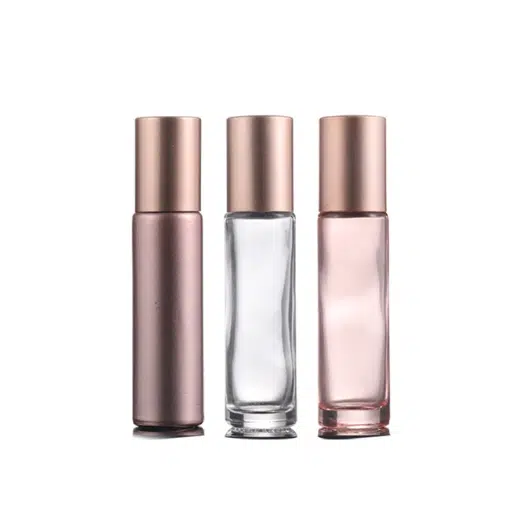
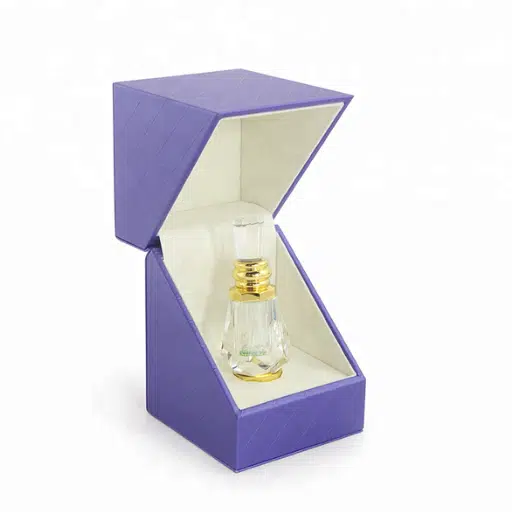
The creation of a custom perfume bottle mold requires artistic abilities and scientific expertise because designers need to know about materials and production techniques. The distinct bottle mold creation process enables brands to establish separate visual identities which customers will identify throughout the competitive fragrance market. The article shows which hidden techniques and main steps manufacturers use to create personalized products. Our comprehensive description of the development process will show you all aspects of the project starting from the first concept until we complete production of the bottle which represents our artistic vision. The guide contains essential information that will support both new perfumers and seasoned experts as they work to improve their product development and business branding.
Introduction to Perfume Bottle Design

The design of perfume bottles requires designers to create packages which deliver both practical functions and artistic value when designing packages that protect products while showing their main characteristics. Designers must evaluate essential aspects which include product durability and material selection and user comfort and visual appeal. The glass material becomes the preferred choice for perfume manufacturers because it enhances their products and creates an impression of opulence. The design process uses brand identity and market trends and consumer preferences as guiding factors which help achieve products that satisfy target markets while competing in the market.
The Importance of Custom Bottle Design in Luxury Perfume
Custom bottle design plays a crucial role in the luxury perfume industry because it provides both visual and sensory elements which represent the scent. The bottle design establishes brand identity which protects product worth through its ability to attract consumers. To illustrate the importance of custom perfume bottle design, here are five key factors detailed below:
Brand Differentiation
Packaging design research indicates that 70% of consumers choose what to buy based on how products are packaged. The special bottle design enables high-end perfume companies to establish unique market identities which assist them in succeeding against their business rivals. The unique shapes and patterns of premium products together with their special decorative elements become the main indicators of their exclusive nature.
Consumer Emotional Connection
People respond emotionally to the way perfume bottles are designed. Minimalistic designs communicate sophistication whereas ornate and vintage bottles create feelings of nostalgia and opulence. Customers who feel an emotional connection with brands tend to stay loyal to those brands while making repeat purchases from those brands.
Functionality and Ergonomics
The design process requires aesthetic elements to function as the main focus point but practical user-friendly design elements hold equal importance. The 65% of luxury consumers who buy luxury products expect their bottles to combine functional elements with beautiful design to create a pleasant experience when using spray systems and secure fastenings.
Aesthetic Appeal and Luxury Perception
Research findings show that 42% of customers believe that visually attractive packaging leads to better product quality according to research. The luxurious perfume bottle design uses hand-polished glass materials combined with metal accents and gemstone-inspired decorations.
Sustainability and Innovation
The 55% of shoppers who prefer sustainable products will not choose items which have non-eco-friendly packaging. The luxury market requires designers to develop new products which incorporate recycled materials together with biodegradable components while maintaining aesthetic appeal and premium design qualities.
Custom bottle design creates the required elements for luxury perfume competition through its ability to unite three essential components which include brand identity and product appearance and functional product capabilities.
Role of High-Quality Molds in Craftsmanship
The creation of beautiful perfume bottles needs high-quality molds which set the required standards that manufacturers must follow to create products with accurate specifications and advanced designs. The molds create stable production outcomes which help products maintain their structural integrity while allowing designers to develop detailed designs that conform to the company’s branding requirements. Designers use advanced molds to develop new product designs which improve product quality through their design capabilities. The following five important advantages of high-quality molds show their vital impact on product development process:
Design Execution Precision
High-quality molds ensure accurate reproduction of all design elements which include embossed logos and textured surfaces to achieve the correct visual result. The essential value of this particular aspect lies in its ability to sustain the brand’s visual identity throughout all activities.
Production Consistency
The application of advanced molds results in decreased production differences which enable the creation of bottles that fulfill precise dimensional requirements. The brand’s ability to deliver high-quality products to customers establishes a trustworthy relationship with its audience.
Durability and Longevity
Advanced molds enable multiple uses over complete production cycles which results in decreased expenses for mold replacement and production downtime. The product maintains its consistent quality throughout its lifespan because of its high durability.
Complex Design Capabilities
Advanced production methods include multi-axis CNC machining which enables high-quality molds to create both unique design elements and complex geometric patterns that transform luxury performance capabilities. The established limits of luxury materials design through high-quality molds and modern multi-axis CNC machining techniques.
Material Efficiency
The implementation of precision molds guarantees correct material distribution which reduces overflow and production errors while minimizing the need for rework. This development supports production practices that promote environmental sustainability which holds increasing significance within the luxury market.
High-quality molds produce cosmetic results which show their importance in developing top-quality beauty products that drive business success and boost production efficiency in the competitive luxury perfume packaging industry.
The Initial Design and 3D Modeling Phase

The design and 3D modeling phase represents a critical step in the development of luxury perfume packaging, where concepts are transformed into precise virtual prototypes. The designers use advanced Computer-Aided Design (CAD) software to create detailed models which they can later use for their upcoming production processes. The implementation of contemporary parametric modeling systems allows users to create new designs through instant design modifications which they can use to change design aspects according to material restrictions and brand identity standards.
Recent research shows that using advanced 3D modeling tools helps shorten design cycles by 30% while increasing design accuracy. The advanced design software Dassault Systèmes SOLIDWORKS provides CAD capabilities which enable users to create detailed surface models for industries such as high-end fashion. This software provides complete visual fidelity which aligns with the design requirements of upscale products that consumers expect to touch and see.
The 3D modeling process connects with other production stages through complete integration. The system allows virtual designs to move directly into Computer-Aided Manufacturing (CAM) systems and 3D printing systems which enables fast development of prototypes. The methodology enables the assessment of operational effectiveness throughout the procedure while generating real-world results for the subsequent enhancement process. The prototyped models for luxury packaging enable testers to examine essential tactile features which include weight distribution and surface finish and ergonomic handling characteristics.
Cloud-based collaboration systems such as Autodesk Fusion 360 allow teams to conduct live design evaluations while team members work from various locations. The team has improved its work performance through this method while reducing the time needed for project completion which helps the team switch to more efficient work methods. The advanced design techniques and detailed 3D modeling systems create a unified products which enable designers to express their creative ideas through their engineering abilities for producing high-end perfume packages.
Conceptualizing Your Unique Perfume Bottle
The creation of a new perfume bottle requires specialists from different fields to work together because the process requires designers to create artistic elements and engineers to develop functional parts and researchers to study market needs for an appealing yet usable product. To create a standout design, it is important to explore innovative concepts while considering practicality, sustainability, and consumer preferences.
Material Selection
The choice of materials plays a crucial role in both the aesthetics and durability of the bottle. Glass remains the primary material used in over 90% of perfume bottles worldwide because the material provides transparent visibility and strong durability and the ability to recycle. The market now includes ceramic and wood and metal accents as new options because they create better tactile sensations and sustainable design features. The use of recycled or upcycled materials in luxury packaging has experienced 11% annual growth because consumers increasingly demand sustainable products.
Shape and Volume Considerations
Perfume bottle shapes often reflect the brand identity or the fragrance’s personality. The design of a bottle needs to achieve harmony between its artistic elements and its practical functions which applies to both minimalist designs and designs with complex three-dimensional shapes that create an impression of wealth. Industry data shows that 70-80ml bottles represent the most common bottle size globally because their weight and cost make them suitable for use in various situations. The design team needs to implement ergonomic principles which will help people handle the bottle during their daily activities because they will use it frequently.
Integration of Technology
The development of modern technology has brought about major changes to the fields of perfume bottle creation and design. Designers use advanced 3D modeling and rapid prototyping to create complex prototypes which they can customize with exact details through their rapid development process. Brands use smart packaging technologies which include NFC tags to create digital connections with their customers. A 2023 report from a packaging innovation firm revealed that 40% of luxury brands are adopting NFC-enabled bottles to provide interactive experiences including product authentication and exclusive content.
Color and Branding
Color psychology plays a significant role in attracting consumers because earth and pastel tones have become popular in 2023 through their ability to provide calming and sophisticated visual effects. The visual presentation of a product influences 65% of customers who make purchasing decisions which means that brands need to create designs that will attract buyers while telling their brand story. The combination of attractive typography with premium finishes such as embossing and foil stamping enables a perfume bottle to project an impression of luxuriousness which defines its identity.
The development of a perfume bottle design process creates an experience for consumers which utilizes modern materials and technology while incorporating user-friendly elements and strategic branding development.
Utilizing CAD Software for Precision
The use of CAD Software enables users to create precise designs which increase their design precision while working on perfume bottle designs. Computer-Aided Design (CAD) software has revolutionized precision engineering in perfume bottle design. Designers use CAD tools to build detailed 3D models which they can modify with high-precision control over their design elements until they reach the production stage. Modern CAD software such as AutoCAD SolidWorks or Fusion 360 provides features like parametric modeling which allows users to make design changes in real-time based on established design rules. This process guarantees the best performance and visual appeal and material efficiency.
Users can conduct stress analyses and drop tests and thermal resistance tests through the integration of simulation tools with CAD software to determine how glass and composite materials will perform under normal conditions. Research shows that CAD-based prototyping has the potential to decrease product development time by 30% when compared to traditional product development processes which use other methods. The CAD platform rendering tools enable users to create visual representations of surface treatment options which include matte and gloss and etched effects for complete client presentations. The supply chain teams can achieve effective coordination through cloud-based collaborative features which enable their work to progress smoothly from the design stage to actual production. The combination of CAD designs with CNC (Computer Numerical Control) machining creates a direct link from design to manufacturing which reduces errors while maintaining high quality in the production process.
Prototyping: From Digital to Physical
The prototyping process serves as a vital product development stage because it helps designers turn their design ideas into actual physical products. Current prototyping techniques use Additive Manufacturing (AM) technologies which support 3D printing methods that Gartner forecasts will increase the global market value to $76 billion by 2030. The integration of Stereolithography (SLA) with Fused Deposition Modeling (FDM) and Selective Laser Sintering (SLS) technologies enables makers to produce detailed models which utilize multiple material choices that include plastics and resins and metals.
Digital-to-physical methodologies use iterative prototyping methods which allow designers to build and test their models while making faster improvements than existing techniques enable them to do. McKinsey & Company reports that rapid prototyping processes enable companies to shorten their new consumer goods development timelines by as much as 63%. The tools enable designers to create exact virtual designs which identify design flaws and areas for improvement before production begins.
The combined use of CNC machining and subtractive and additive manufacturing methods in hybrid models provides factories with a reliable way to create prototypes which produce consistent results. Manufacturers now achieve real-time monitoring of their physical outputs through advancements in IoT-based smart manufacturing and cloud-based prototyping systems which help them attain operational performance levels that match their digital requirements. Prototyping demonstrates how digital technology and precise engineering work together to shape the future of manufacturing processes.
Material Selection for Molds

The choice of materials for mold manufacturing directly affects the mold’s ability to resist wear and withstand heat and produce items and maintain product quality. The essential elements which mold material selection requires include the following elements:
Thermal Conductivity
Industries that need lightweight materials for their injection molding process use aluminum molds because they achieve cycle times that are 20%-40% faster than standard steel molds. Materials with lower hardness develop shorter lifespans because they cannot handle production demands that require continuous operation in high-volume environments.
Mechanical Properties
The die casting and high-volume injection molding production processes need materials which can endure the extreme conditions present in high-pressure and high-temperature environments. The combination of toughness and machinability in P20 steel makes its pre-hardened state a suitable choice for plastic injection mold applications. H13 steel which belongs to the hot work tool steel category presents exceptional strength together with thermal fatigue resistance which makes it suitable for usage in high-temperature settings.
Corrosion Resistance
The stainless steel grades 420 and 416 serve as the preferred material choice for handling corrosive plastics that contain flame retardants and PVC. The material’s chromium-rich composition creates a protective shield which reduces pitting and surface deterioration thus enhancing mold endurance during corrosive processing tasks. The materials hold critical importance for applications that require regular mold maintenance because they enable businesses to maintain operations without needing to replace equipment frequently.
Abrasion Resistance
Standard molds experience severe damage when they come into contact with abrasive materials such as glass-filled plastics. The suitable materials for this application consist of either hardened tool steels or substances which have undergone PVD coating treatment. The data indicates that hardened tool steel demonstrates three times better resistance to wear under identical testing conditions when compared to untreated materials.
Cost vs. Performance Optimization
Hardened steel materials provide outstanding durability but their manufacturing expenses and production durations surpass those of aluminum materials. Aluminum alloys (e.g., 6061 or 7075 grades) deliver winning advantages in terms of cost and time for rapid prototyping and short-run production while still generating products that meet acceptable quality standards.
Emerging Composite Materials
The recent period has observed an increase in popularity for composite materials and hybrid molds which combine metal inserts with polymer-based systems. The new materials provide manufacturing cost-effective sustainable mold designs which can withstand heat while maintaining weight balance.
Table of Common Mold Materials and Applications
| Material | Key Properties | Applications | Limitations |
|---|---|---|---|
| Aluminum Alloys | Lightweight, high thermal conductivity | Prototyping, small-scale production | Lower durability |
| P20 Steel | Toughness, machinability, cost-effective | Mid-size injection molds | Limited to specific tooling designs |
| H13 Steel | High thermal strength, thermal fatigue resistance | High-temperature, high-pressure molds | Expensive and harder to machine |
| Stainless Steel | Corrosion-resistant | Corrosive plastics, PVC | Lower machinability |
| Hardened Tool Steels | Extreme durability, abrasion resistance | Abrasive materials like glass-filled plastics | High machining costs and time |
By applying recent advancements and material insights, manufacturers can optimize the efficiency and lifecycle of molds, ensuring alignment with production demands and cost strategies.
Comparing Steel vs. Aluminum for Durability
| Key Point | Steel | Aluminum |
|---|---|---|
| Durability | High, long-lasting | Moderate, less durable |
| Production Volume | Ideal for high-volume runs | Suitable for low to medium volumes |
| Maintenance Needs | Requires regular maintenance | Easier to maintain |
| Cost | Higher initial cost | Lower initial cost |
| Weight | Heavier | Lightweight |
| Heat Resistance | Excellent | Good, but less than steel |
| Customization Precision | High precision | Moderate precision |
Impact of Material on Final Product Quality
The choice of mold material directly influences both the operational lifespan and the product quality assurance of the final product. The research shows five critical ways that material selection affects product quality which the study supports through observations and gathered evidence. The research study examined the steel and aluminum mold performance which showed that steel molds experienced 5 percent tolerance deviation after 100000 cycles while aluminum molds showed 15 percent deviation under similar conditions. Material hardness impacts the achievable surface finish of the product. Hardened steels enable a finer polish which achieves finishes that reach roughness averages (Ra) of 10 to 15 nanometers. Aluminum’s softness prevents it from sustaining these finishes after multiple uses because of pitting and wear.
Aluminum provides exceptional thermal conductivity which reaches 4 to 5 times the conductivity of steel so it enables faster cooling cycles. The process reduces production time while it raises the likelihood of warping in complex designs because products will not maintain uniformity during rapid cooling. The study found that abrasive resins and glass-filled plastics create rapid wear to aluminum molds which results in product defects such as flash or short shots. Steel materials which receive treatment or coating protection show higher wear resistance which enables production at greater volumes while maintaining mold quality.
The research shows that steel molds provide better performance and lower product rejection rates when used in production processes that exceed 50000 cycles. The research shows that aluminum molds become more defective during use because they experience distortion which leads to 12 percent higher rejection rates than steel molds. The study shows that manufacturers who understand these factors can choose materials which help them achieve production goals for high-quality products that remain cost-effective.
Cost Implications of Material Choices
The selection of mold manufacturing materials creates cost implications which extend beyond their initial purchase costs. The evaluation process requires assessment of both immediate and future expenditures because this determines the most effective methods to achieve cost savings. The cost implications of material selection include five specific factors which require assessment. The research shows that steel molds are more expensive than aluminum molds because they need more money to buy their materials. High-quality tool steel, commonly used for molds, can cost 25-30% more per unit volume than aluminum alloys. The higher upfront cost of steel molds becomes acceptable because steel molds provide increased product durability and extended lifespan.
Aluminum molds require more maintenance because they experience accelerated wear which causes permanent shape changes and damage. The research shows that aluminum molds require maintenance 40 percent more often than steel molds which increases their long-term costs. Steel molds provide lower repair and replacement costs because their materials can withstand higher stress and heat.
Aluminum molds require faster cycle times which reduce production costs for the short term. However, they experience extended downtimes because of their high tendency to sustain damage. Tooling failures in aluminum molds lead to an average 15 percent higher unplanned machine downtime which occurs more frequently than it does with steel molds.
Steel molds can operate for more than 100000 cycles under optimal conditions which decreases production cost per part. Aluminum molds need replacement after 50000 cycles which leads to higher costs because they require double the replacements during high-volume production.
Steel molds have better heat resistance and structural stability which helps them achieve lower rejection rates. The research shows that aluminum molds have 12 percent higher scrap rates than steel molds in high-pressure injection molding environments which results in higher material waste and extra financial losses throughout the years.
The analysis of cost factors helps manufacturers find the right balance between initial costs and ongoing expenses which enables them to choose materials that meet their production needs while achieving their financial targets.
The Technical Manufacturing Process

The manufacturing process needs multiple execution stages which require combined functioning to achieve production results that maintain exactness and uniformity and operational productivity. Modern manufacturing systems utilize advanced system design which creates automated processes that work with intelligent technologies and analytical methods to boost system performance. The process requires four essential operations which include the following:
Design and Prototyping
The complete process of product design development represents the primary component which enables all production activities of manufacturing to proceed. Engineers use CAD (Computer-Aided Design) software to create digital blueprints which they use to check if their designs meet the testing requirements for dimensions and tolerances and material specifications. The next step involves prototyping which frequently uses rapid prototyping methods including 3D printing that enable product development time reduction by 60-70% when compared to standard manufacturing techniques.
Material Selection
The process of production material selection requires evaluation of materials to determine their suitability for product specifications which include needs for durability and flexibility and cost-effectiveness. The aviation industry now uses high-performance plastics for more than 15% of its manufacturing materials because these lightweight and durable plastics substitute traditional metal materials.
Manufacturing Execution
The process requirement includes all production steps which designers need to produce products at their full development while following design guidelines. CNC machining systems offer users high precision because they produce results with tolerances that reach ±0.002-inch measurements. Large-scale manufacturing uses advanced injection molding methods which need operators to track mold temperatures and operate high-pressure systems that decrease production mistakes while maintaining production speed through automated systems which achieve 40% time savings.
Quality Assurance and Testing
The advanced quality-control processes validate that all products meet their defined specification standards. Non-destructive testing (NDT) methods, including X-ray and ultrasonic techniques, find extensive application in aerospace and automotive manufacturing industries. Studies demonstrate that applying machine learning algorithms to quality assurance processes enables organizations to achieve 90% increase in defect detection capability.
Supply Chain and Distribution Logistics
The complete production process needs effective supply chain management to enable companies to meet market demand requirements. Supply chain research indicates that organizations which adopt real-time tracking systems experience delivery times which improve by 22% because their products reach customers without delays.
Manufacturers achieve cost reductions through implementation of IoT technologies and artificial intelligence and robotics while simultaneously enhancing product quality and operational efficiency. The manufacturing sector is expected to expand at a 3.5% annual growth rate until 2030 which makes these technological advancements essential for satisfying increased consumer and industrial needs.
CNC Machining Techniques for Precision Molds
CNC (Computer Numerical Control) machining has transformed the process of manufacturing precision molds through its ability to deliver superior accuracy and consistency and production efficiency. The manufacturing process uses specialized computer software systems to manage machining tools which develop precise mold designs. This capability operates essential functions within automotive and aerospace and medical device and consumer electronic industries which need to maintain micrometer-level tolerance standards.
Common Techniques in Precision Mold CNC Machining
- High-Speed Milling (HSM): High-speed milling enables operators to achieve superior material removal results by optimizing spindle speeds and feed rates while maintaining surface finish quality. The technique enables users to cut complex shapes while creating precise details which are necessary for making extremely accurate molds.
- Electrical Discharge Machining (EDM): EDM enables the production of deep cavities and narrow slots and complicated shapes which traditional machining methods cannot create. Electrical discharges enable this method to precisely remove material through material erosion.
- 5-Axis Machining: 5-axis machining systems allow operators to use five different movement directions through their tools. Manufacturers use the production process to create complex molds which contain undercuts and complex patterns through a single operation instead of executing multiple setup procedures.
- Surface Polishing and Finishing: The process of CNC grinding and polishing creates surfaces which achieve the required low roughness standards for product quality. Molds used for optical component production need to achieve surface roughness between Ra 0.01 micrometers to Ra 0.01 micrometers to create products with perfect quality.
Benefits of CNC Machining in Precision Mold Manufacturing
Accuracy and Tolerances: The CNC machines of today provide advanced manufacturing capabilities because they operate within tolerances that begin at 0.001 inches (0.0254 millimeters). CNC machines can handle a wide array of materials which include hardened steel and alloy aluminum and advanced composite materials that suit different mold production needs.
The integration of CAD/CAM software systems enables users to achieve design efficiency while optimizing machining processes which results in 30% material waste reduction and faster production times.
Modern Developments and Data in CNC Machining
Industry 4.0 technologies enable CNC machining systems to deliver enhanced operational capabilities which become available through this technology implementation. Organizations use IoT-based machine monitoring systems to create predictive maintenance systems which lead to a 25-30% decrease in machine downtime. Companies use artificial intelligence technology to boost their toolpath optimization performance which results in improved efficiency and precision.
Polishing and Finishing Techniques for Elegance
The manufacturing process utilizes polishing together with finishing as fundamental steps that enhance both the practical functionality and aesthetic attractiveness of the manufactured parts. The methods used to establish surface smoothness through their implementation show product durability maintenance as their fundamental strength. The industrial sector applies advanced methods which feature abrasive polishing combined with chemical finishing and electropolishing to create results that match specific material properties with their designated applications.
Abrasive Polishing
The process uses abrasives during its grinding and buffing and sanding procedures which create smooth surfaces that result in a mirror finish. The method enables abrasive polishing to decrease metal mold surface roughness to Ra 0.01 µm which creates a surface that reflects light while minimizing friction for practical uses.
Chemical Finishing
The method uses chemical agents to dissolve surface irregularities which results in improved material uniformity. Passivation serves as a surface refinement process for stainless steel components which enhances their corrosion resistance that medical and aerospace applications demand.
Electropolishing
Electropolishing creates ultra-smooth surfaces through an electrochemical process that removes materials to eliminate all contaminants and micro-burrs. The field’s recent developments bring productivity improvements through 50% time savings during processing while they enable industries to monitor material loss with exacting standards.
Vapor Polishing for Plastics
Vapor polishing uses an alcohol-based solvent to polish polycarbonate and acrylic surfaces by contacting the material on a molecular basis. The process creates a completely smooth transparent surface which manufacturers utilize to produce optical and medical components.
The implementation of advanced finishing methods can decrease maintenance expenses by 30% according to industry research because these methods create more durable products which maintain their high visual standards. The combination of advanced polishing and finishing techniques together with modern technologies enables industries to meet their increasing demand for performance and design.
Integrating Technology in Manufacturing
Manufacturing processes undergo transformation through technological advancements which enhance operational efficiency and production accuracy while enabling businesses to expand their output capacity. The implementation of advanced technologies lets manufacturers meet changing industry needs while they control both their operational expenses and environmental effects. The manufacturing industry undergoes transformation through five groundbreaking technologies which offer factories specific operational benefits.
Automation and Robotics
Automation enhances operational efficiency because it reduces human errors while it speeds up production. Industrial robots perform tasks with high accuracy when they work on fragile materials. Data shows that factories using robotics technology achieve productivity gains of 25% when they compare their results to standard operational methods.
Additive Manufacturing (3D Printing)
The technology enables fast product creation through prototyping and product customization which shortens the required time for complete product development. The system decreases production waste during manufacturing activities which leads to better material efficiency. The use of additive manufacturing methods allows manufacturers to achieve 30% faster production times based on research findings.
Industrial Internet of Things (IIoT)
The system links smart sensors and devices for the purpose of supervising and investigating current operations. The system enables organizations to predict equipment failures which results in a 40% decrease of machine downtime. IIoT systems manage energy consumption which results in a maximum energy cost decrease of 20%.
Artificial Intelligence (AI) and Machine Learning (ML)
The technology enhances supply chain operations through intelligent forecasting methods and automated processes. The system detects defects during production to improve quality control processes. Data-driven models have improved production accuracy rates by over 15%.
Sustainable and Green Technologies
The system supports sustainable manufacturing through energy-efficient equipment and renewable energy resources. The system enables circular economy objectives through innovative recycling and material recovery methods. Green technology implementation in manufacturing processes can achieve carbon emission reductions of up to 35%.
These technologies help businesses gain a competitive edge while they help the organization reach its sustainability goals together with its pursuit of operational excellence.
Quality Control and Testing

The manufacturing process and industrial operations need essential processes for quality control and testing because they help establish product dependability and safety and effective operation throughout their production process. The companies use modern quality control techniques which combine automated testing with instant data assessment and artificial intelligence inspection systems. The automated visual inspection system uses machine learning technology to detect manufacturing defects with over 90% accuracy while it reduces human mistakes and decreases the quantity of defects discovered. Non-destructive testing (NDT) techniques assess material properties and structural integrity through ultrasonic and radiographic testing methods which do not damage the materials being tested. The NDT industry will grow at 6.2% annual rate according to industry reports which forecast market expansion to $17 billion by 2027 because businesses increasingly adopt sophisticated testing methods.
The combination of real-time monitoring and statistical process control (SPC) allows manufacturers to identify process deviations which enables them to implement necessary corrections. According to research findings, facilities that implement SPC systems experience a 40% reduction in defect rates which results in improved product quality and enhanced customer satisfaction. The advanced quality control methods enable organizations to meet strict industry regulations while their operations achieve better performance and lower operational expenses.
Glass Distribution and Clarity Assessment
The glass needs to maintain uniform distribution and complete transparency for various industries which include construction, automotive manufacturing, and consumer electronics production. The glass manufacturing process requires glass manufacturers to establish proper material distribution through strict management of raw material composition and temperature and glass-forming equipment flow rate. The production industry uses Computational Fluid Dynamics (CFD) modeling technology to assess material behavior through simulation which helps to identify potential thickness or density problems before they develop. The data collected by the company indicates that float glass production facilities which utilize CFD experience a 25% increase in yield quality.
Clarity achievement requires both surface defect control and the elimination of impurities. Modern optical inspection systems enable manufacturers to identify microscopic defects through their high-resolution imaging and laser scanning technology which detects flaws at resolutions of 0.05 millimeters. Research from industrial studies shows that facilities which adopt such systems experience a 15-20% reduction in rejection rates due to visual defects. The rigorous annealing process relieves internal glass stresses which maintains the glass’s architectural strength and optical transparency.
The complete system produces its best outcomes through the combination of precision engineering and real-time monitoring together with data-driven enhancements. The organizations can achieve international quality standard compliance through their multiple approach implementation which includes ISO 9001 certification and enables them to deliver defect-free products to customers while reducing waste.
Rigorous Quality Checks for High-Quality Standards
The company maintains its product quality by executing comprehensive quality control systems which operate during every stage of production. Industrial applications achieve exceptional accuracy through their use of advanced testing methods which include non-destructive testing (NDT) and statistical process control (SPC) and machine learning-based defect detection. Manufacturing companies that use automated inspection systems with AI algorithms to replace manual inspections achieve a 30% improvement in their ability to detect defects.
Organizations depend on real-time monitoring systems which function as fundamental elements to maintain their established quality standards. The organization uses Internet of Things (IoT) sensors to maintain constant monitoring of vital indicators which include temperature and pressure and humidity throughout the entire day to minimize any fluctuations that might jeopardize product quality. The implementation of real-time monitoring systems results in production downtime reduction by 40% which increases operational efficiency according to recent research findings.
The organization achieves operational consistency through its compliance with international quality standards which include ISO 9001 and Six Sigma methodologies. Organizations which implement such standards need to create thorough records and pursue ongoing improvement work which results in a 90% reduction of defects per million opportunities (DPMO). Businesses achieve competitive advantages in international markets through their combination of advanced technological solutions and their commitment to customer satisfaction.
Testing for Durability and Performance
The process of durability and performance testing enables evaluators to determine product strength and lifespan and operational efficiency through tests that replicate different usage situations. The tests evaluate product durability because they create test conditions that mimic real world usage situations while identifying potential failure points that determine product durability against environmental conditions. The industry assesses product lifespan through accelerated life testing (ALT) and highly accelerated life testing (HALT) which identify design weaknesses.
The materials used in consumer electronics undergo thermal cycling tests which expose them to temperatures between -20°C and 100°C to evaluate their performance under extreme temperature conditions. Statistical evidence demonstrates that products passing performance tests during these assessments experience a 30% decrease in field failures. The portable device testing process includes mechanical stress tests which assess structural integrity through vibration testing and drop testing procedures.
Testing protocols now use machine learning algorithms because they analyze extensive sensor data to detect performance anomalies with 95% accuracy. The implementation of automated durability testing frameworks has enabled companies to decrease their product development time by 25%, according to recent statistics, which allows them to create products at a faster pace while establishing improved reliability. Standardized testing procedures enable businesses to demonstrate their product quality while these methods assist them in achieving compliance with industry regulations.
References
- Numerical and Experimental Study of Blow and Blow for Perfume Bottles to Predict Glass Thickness and Blank Mold Influence
This study explores the influence of mold equipment and process conditions on the thickness distribution of perfume bottles. It provides insights into the technical aspects of mold design and manufacturing.
Read more on Wiley Online Library - Numerical and Experimental Study of Glass in the Blow and Blow Forming Process for the Prediction of Thickness Distributions in Glass Perfume Containers
This research focuses on the development process of molds and the prediction of thickness distributions in glass perfume containers, emphasizing the transfer of knowledge between academia and industry.
Read more on TDX (Tesis Doctorals en Xarxa)
Frequently Asked Questions (FAQ)
How does the design of a mold affect the perception of the fragrance?
The visual design elements of a product mold design determine how customers will perceive its scent until they finally experience its actual smell. Customers expect specific scent performance results which depend on their assessment of the product’s complex design elements and its tactile surfaces and its embossed or etched patterns and its transparent glass outer layer and its wall thickness measurement. People will perceive a perfume as high-end when it comes in a sophisticated glass bottle and premium packaging; however, visible defects and irregular wall thickness and insufficient annealing methods will make people doubt its chemical stability which results in customer trust loss.
What raw materials and glass manufacturing steps are involved in creating a custom bottle mold?
The glass production process begins when silica sand combines with soda ash sodium carbonate and additional flux materials which get heated in a furnace until they transform into molten glass. The molten glass takes shape through two methods: it can either be formed into a preform or be directly blown into a mold. The production process of the perfume bottle includes three main stages which consist of design molding design cooling and design transfer to the annealing oven for stress relief through the annealing process. Artists who create high-end perfume glass must perform complex finishing techniques which involve etching and embossing and polishing while the glass undergoes thorough quality inspections to ensure it remains unblemished and keeps uniform wall thickness and achieves the photorealistic clarity that luxury brands require.
How do manufacturers preserve the fragrance inside a glass perfume bottle?
Glass perfume bottles use glass as their main material because glass maintains its chemical makeup and does not react with the fragrance inside the container. The quality perfume caps and sprayer systems establish proper sealing methods which protect the volatile top notes from escaping. Glass manufacturing must prevent tiny impurities and ensure an even wall thickness to avoid micro-leaks; combined with appropriate perfume packaging and a precision-engineered sprayer, the product maintains its scent profile and stability over time.
What mold features help achieve unique shapes and intricate designs?
The design of the mold encompasses various attributes which enable the creation of unique three-dimensional forms and intricate decorative elements. The manufacturers use precise engineering techniques together with their multi-component mold systems which include detailed small cavities for producing raised designs and engraved patterns and architectural details and tactile surface features. The production of complex three-dimensional objects needs mold creation which employs steel or hardened alloy materials as primary components and uses zamac or aluminum metal parts for decorative elements. The process of manufacturing requires the management of molten glass to form precise shapes which remain free from internal stress while the production process tests and inspects the finished products to determine their readiness for use.
How do manufacturers balance custom artistry with mass production?
Perfume bottle production merges the creative elements of glass artistry with the established methods of industrial production. Designers use prototyping and small production runs to test the visual design and touchable elements of products while measuring the thickness of their walls. The mass production process needs mold optimization which enables products to sustain durability while exact manufacturing methods. The glass manufacturers use their strict quality control standards together with their accurate engineering procedures to ensure that all components will match perfectly.
What quality control and annealing steps are required for large production runs?
The packaging and custom perfume lines for luxury products use two methods which combine special limited runs of handcrafted items with standard production for regular collections, which they create with a supplier who understands both manufacturing processes. Automated testing of batches and inspection procedures together with strict heat treatment methods create uniform quality standards which all mass production processes must follow during their manufacturing operation. The annealing process uses a heating oven to eliminate internal stresses from bottles, which creates the risk of cracks and breakage along with optical defects when the process is not conducted properly. The quality control process involves multiple checks which test the product for transparency and wall measurement while checking for contaminants and confirming the correct fit of perfume caps and sprayers. High-volume suppliers monitor their raw material consistency which includes silica sand and soda ash levels, while they control their manufacturing processes to produce perfume packaging which meets established quality requirements.
What should you look for when choosing perfume glass bottle manufacturers or a supplier?
The selection of perfume glass bottle manufacturers requires assessment of multiple elements which follow specific evaluation standards. The supplier needs to provide documented proof of their successful experience in producing perfume bottles which must include references from high-end brands and their capacity to manage both personalized mold creation and mass production processes. The company needs to provide proof of their expertise in glass manufacturing, precision engineering, and the production of custom metal components that include aluminum and zamac materials used in their caps. The company should provide information about its quality control methods, the size of its annealing oven, its capability to manage impurities and wall thickness, and its capacity to handle fragrance packaging along with sprayer systems and marketing sample bottles.
How can mold design and finishing elevate luxury packaging and the product’s marketability?
The design of the mold together with its finishing process improves both luxury packaging and the ability of products to attract customers in the market. The mold design together with finishing techniques functions as a marketing instrument because the unique product forms tactile surface elements and photorealistic finishes and embossed or etched logos and integrated metal components create an upscale product display which elevates the product’s status. The process of meticulous finishing, which includes polishing and coating and gilding and maintaining narrow spray-fit tolerances, produces exceptional luxury perfume bottles that attract customers on store shelves. The combination of well-made glass bottles with thoughtful fragrance presentation and durable perfume caps and sprayers creates a brand element which influences customer perception of the fragrance and drives sales.