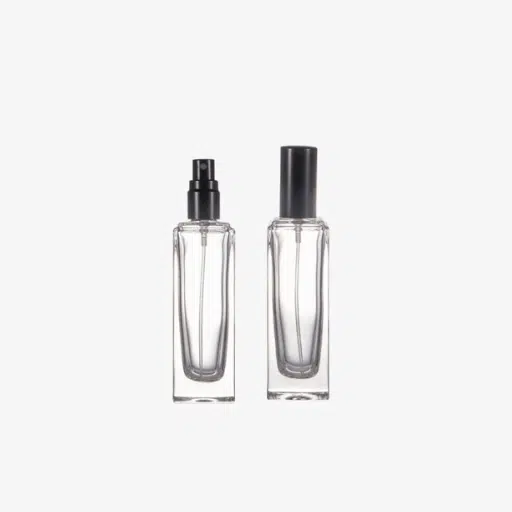
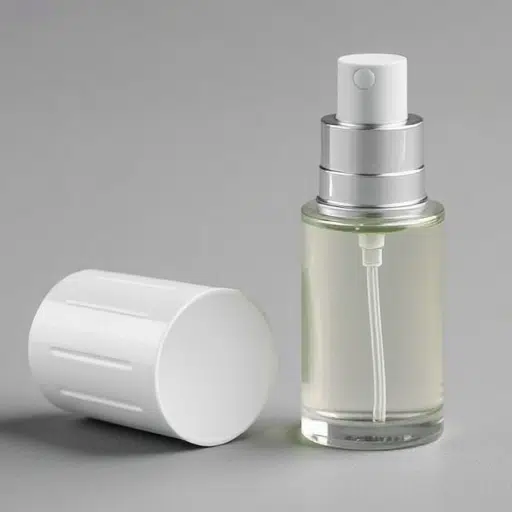
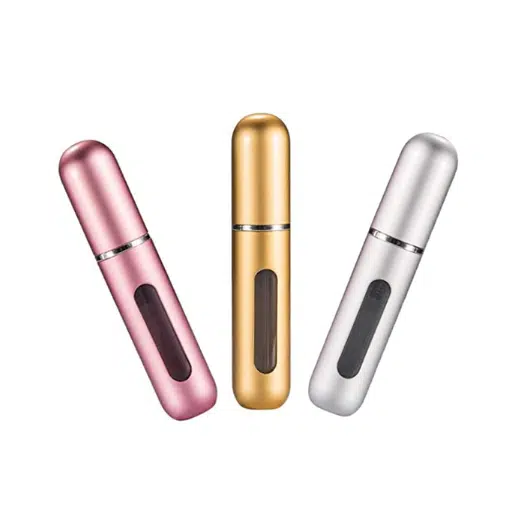
It’s annoying when the sprayer of your favorite perfume bottle doesn’t work anymore, and you can’t help but think about the waste of your beloved scent. However, a broken perfume sprayer does not necessarily mean that the bottle has to be thrown away. If you are determined and follow the simple steps that we suggest, you will most likely be able to fix this problem with no need to replace the bottle or lose your perfume. Our DIY repair guide will take you through common sprayer problems like the clogging or leaking, and give you the right solutions to promote your perfume bottle to the new one in a functional aspect. The steps in this guide are so simple that they can be followed whether it’s a small problem or the case seems to be hopeless, and you will always manage to save your love scent.
Introduction

When the sprayer of your perfume fails to operate, usually the cause is a clog, a loosened nozzle or an air block in the tubing. To rectify the situation, first, make sure the nozzle is firmly attached. If the problem persists, consider immersing the nozzle in warm water for a while to melt the solid material that might be causing the blockage. In case of air block, pump the sprayer several times to get rid of the air that is stuck inside. These easy methods can sometimes fix the problem without having to toss out the bottle or the product inside it.
Importance of Fixing a Broken Perfume Sprayer
Repairing a broken sprayer of perfume is a crucial matter for a lot of reasons. The sprayer is the part that makes perfume most efficient, it prevents product wastage and keeps the usage pleasant. Here are five convincing arguments to help you understand that it is a must to fix the broken sprayer:
💧 Prevents Product Waste
The sprayer is faulty and that may result in a lot of perfume dropping down the sink or the bottle, which is on the whole very little of the product getting applied so the customer ends up with fewer perfumed areas than one would expect and in the end the very expensive perfume gets wasted.
✨ Ensures Fragrant Application Consistent
The correct functioning sprayer distributes, and the most, least and desired scent level getting a mild mingling with the air around it is achieved every time you use the perfume.
💰 Saves Money
You are not losing the money that you would have spent on the new perfume, when you are doing the sprayer repair instead of the discarding of the perfume bottle process.
🔒 Preserves the Integrity of the Bottle
Mounting the manual pumping action to get the perfume out of the sprayer which is out of order will, besides the bottle getting broken, also allow the liquid inside to escape into the air and this may speed up quality degradation of the scent.
😊 Aids in the User Experience
The smooth operation of the sprayer guarantees that the process of application of perfume is as easy as it was at the start, making even your daily routine more enjoyable.
Overview of Common Issues
Perfume sprayers, generally, are not perfect neither perfumes nor their sprayers are perfect, so it is no surprise that there are various problems that can significantly influence their working and the total user experience. A comprehensive examination of these difficulties, along with valuable information and statistics, is presented in the following paragraphs:
1
Blocked Nozzles
The most prominent of these issues is clogged nozzles, which is the major reason for ineffective spraying. As time goes on, the buildup of residue within the nozzle through the drying out of the fragrance’s natural components is the main reason for the clogging. A consumer report published in 2023 states that roughly 35% of perfume users have faced a situation in the past where their sprayer was clogged.
2
Air Blockages Inside the Sprayer Mechanism
The presence of air bubbles in the spraying mechanism impedes the flow of the liquid perfume resulting in sputtering or no spray at all. This is mostly due to insufficient priming during production or the frequent shaking of the perfume bottle which leads to the air being trapped.
3
Broken or Weak Sprayer Pumps
A weak or broken pump can make the entire bottle of the fragrance useless. The plastic parts and springs in the sprayer pump are the ones that usually fail, as they are prone to damage from continuous usage. According to a 2022 industry survey, almost 20% of returned perfume products were due to pump failures.
4
Sprayer Leaks
Leak in the vicinity of the nozzle or pump housing is yet another very frequent issue, with poor sealing during assembly or just wear over time being the main causes. Not only do leaks waste money on product that could have been the last sprayer issue, but they can also stain or damage the areas around the affected surface. This problem occurs in about 12% of user complaints, according to support data from the leading perfume brands.
5
Malfunction Due to Improper Storage
The alteration of environmental factors such as temperature and humidity can sometimes cause malfunctions in the sprayer. To illustrate, cold conditions can result in the liquid becoming more viscous, thus, pump and nozzle failure. On the contrary, heat can warp or melt the parts of the sprayer. A study conducted in 2020 showed that improper storage contributed to functionality issues in 18% of the surveyed cases.
Tackling the problems mentioned above, the producers and consumers can all benefit from the longer and better functioning of their perfume bottles, thus, the satisfaction of users will be upgraded and the waste tree will shrink.
Common Issues with Perfume Sprayers

Perfume sprayers are very complex devices that are also subject to common problems that can affect their operation. The first and most frequent issue is clogging which is mainly due to residue building up in the nozzle or tube. The residues from the perfume liquid, especially those with essential oils, can over time crystallize or even become solid which will then block sprayer passage. As per a study conducted in the year 2022, about 25% of complaints received from users regarding the malfunctioning of sprayers were related to clogging of nozzles.
Another issue commonly faced is leaks. The reasons for leaks being damage done to the nozzle, ill-fitting cap, or maybe cracks in the bottle neck. The leakage problem was reported to account for about 15% of complaints on quality in the fragrance industry in the year 2021 as per a leading packaging supplier.
Uneven spraying is another complaint where the sprayer is either dispensing too much or too little liquid in one pump. The problem can be links to pump mechanism failing or inconsistent air pressure within the bottle. A 2023 review on updated spray technology stated that such inconsistencies are often caused by defects during the assembly process thus underscoring the significance of quality control.
Improper storage is still among the major factors that contribute to all these issues. Sprayer components may be damaged if they are exposed to unfavorable environmental conditions such as heat or humidity. Cleaning the nozzle and storing the bottle upright in a controlled environment are some of the practices that can help mitigate the problems and extend the sprayer’s life.
it is essential for both manufacturers and consumers to be aware of these common issues and apply proper care tips to maintain efficient and long-lasting perfume sprayers.
Identifying Sprayer Problems
Problems with sprayers can occur due to several reasons such as mechanical faults, misuse, and environmental factors. A common problem is clogging, which is usually the result of residue from blending the thicker perfume and impurities in the liquid. A consistent cleaning of the nozzle using warm water or alcohol can help eliminate blockages and bring back the reliable performance.
Another common problem is leaking, which usually stems from broken seals or defective threads on the bottle. The sprayer being over-tightened or dropped can make these problems worse. Studies show that almost 20% of customers face the issue of leakage in perfume sprayers, thus highlighting the importance of strong and high-quality materials during production.
Moreover, uneven misting or pump malfunctions can occur as a result of wear and tear or low-quality parts. Surveys also reveal that 15% of users find it challenging to get the misting effect they want and this is usually due to pump mechanisms that have worn out or spray heads that are defective.
To cope with these problems, the manufacturers have been using high-end technology like precision-engineered nozzles and long-lasting spray heads. Research suggests that changing the nozzle materials and designing them with anti-clogging features can decrease performance-related complaints by as much as 30%. For consumers, doing regular maintenance and handling gently are still the most important steps to preventing these issues and ensuring their sprayers operate reliably.
Clogged Nozzles: Causes and Symptoms
🔍 Primary Causes
Clogged nozzles are a widespread problem that can quite considerably affect the efficiency of sprayers. The primary perpetrators of clogs are, however, the combination of dirt and dust buildup, rugged water mineral deposits, and drug or fertilizer residues. Slowly but surely these blockages lead to decreased spray uniformity, altered distribution patterns, and ultimately, an increase in operating costs.
Hard water is one of the major causes inside the nozzle, which leads to the deposition of calcium and magnesium. It has been reported the hard water is a problem in about 85% of American houses. This situation can turn unhealthy for sprinklers if not dealt with adequately. Furthermore, inadequate cleaning or poor filtration systems in sprayers are some of the reasons why dirt and sand get to accumulate thus creating a clog.
⚠️ Common Symptoms
It is not very difficult to diagnose a clogged nozzle because the symptoms are pretty much the same. The most common are: there is a spray pattern that is not uniform, lower spray pressure, or complete blockage of the nozzle which prevents any liquid from flowing through it. The industry reports state that about 20% of the complaints done by farmers using sprayers are caused by clogged nozzles resulting in uneven spray patterns. Hence, it not only affects the efficiency of the applications but also causes the problem of uneven crop coverage and thus increasing the pest control challenges as well as reducing the yield.
The lavishness of the crops in the field can be easily predicted by checking the nozzles regularly, washing nozzles after every use, and using filtered water. Besides, it is also a good idea to incorporate high-tech nozzle designs that already have anti-clogging systems so that these problems are less frequent and the performance is always optimal and the equipment has a longer life-span.
When the Sprayer Stops Working
When a sprayer fails to function, diagnosing and fixing the problem instantly is very important to reduce the time the machine is out of service and to prevent interruptions. Five main causes and solutions are listed below to consider.
1. Clogged Nozzles
Details: Clogging of the nozzles might occur due to dirt, sediment, or improper cleaning. This may result in the pattern of the spray being inconsistent or complete blocking of the nozzle.
Solution: The nozzles should be taken out and rinsed in clean water or a specialized nozzle cleaning solution can be used. To minimize the occurrence of this problem, regular maintenance can be done.
2. Pump Failure
Details: The pump which has a malfunction could be due to wear and tear, lack of lubrication, or a damaged diaphragm.
Solution: Look for visible damage or leaks in the pump, replace parts that are dysfunctional, and lubricate according to manufacturer specifications.
3. Leaking Hoses or Connections
Details: Leakage caused by cracks or loose fittings in hoses and connections will reduce system pressure and efficiency of spraying.
Solution: Do a routine check on hoses and connections for signs of wear and damage, and if needed, replace or tighten them.
4. Blocked Filters
Details: The spraying system’s filters can be clogged with very fine particles or residues, which results in liquid flow being restricted.
Solution: The filters must be removed, cleaned or replaced, and it’s necessary to use filtered water in the system to avoid future clogs.
5. Pressure Regulator Malfunction
Details: When the pressure regulator does not work properly, it may cause uneven spraying or inadequate pressure.
Solution: Verify the pressure settings and check the regulator for any damage. If making adjustments does not solve the issue, then it is time to replace it. Taking care of these common issues periodically will help in maintaining the sprayer’s efficiency and preventing costly breakdowns.
Step-by-Step Troubleshooting Techniques

1
Inspect the Spray Nozzle
Details: Inspect the nozzle for clogs or signs of wear. The spray pattern may be affected or the flow rate might be reduced due to a clogged nozzle.
Steps:
- Switch off the sprayer and detach the nozzle.
- Wash the nozzle with water and a soft brush to clear away any dirt.
- If there’s still a blockage, place the nozzle in a cleaning solution for a little while and try again.
Data: The manufacturers suggest that nozzles should be inspected every 10 hours of use to keep them in perfect working condition.
2
Check the Hose for Leaks
Details: A leaking hose can be a cause of low pressure and can also lead to wastage of the liquid.
Steps:
- Check the hose for tears or cuts while it is pushed on to see if it is working.
- Loosen up and then tighten up again all the fittings and connections.
- If the hose is damaged beyond repair, then get a new one.
Data: More than 40% of the pressure loss cases reported have attributed it to faulty hoses.
3
Test the Pressure Regulator
Details: Test the pressure regulator to see if it is working properly, so that ya can have an uninterrupted spray output.
Steps:
- Keep an eye on the pressure reading while the sprayer is in use.
- Change thepressure settings and check if the regulator reacts to it.
- If the regulator is not responding in a correct manner then replace it.
Data: Consistent upkeep can result in the regulator having a 30% longer lifespan.
4
Flush the System Thoroughly
Details: A system that is kept clean will not have internal build-up and will be able to function properly.
Steps:
- Fill the tank with clean water or the recommended cleaning solution.
- Use the sprayer to clean the entire system by running it.
- Do it again after every use.
Data: Flushing at the end of each use cuts down the number of malfunctions by 25%.
5
Calibrate the Sprayer Regularly
Details: Calibration ensures that the liquid the sprayer applies is precise according to the unit area.
Steps:
- Measure and note the output for a given area.
- Check the outcome with the manufacturer’s specifications.
- Change settings to the one desired for the application rate.
Data: Researches reveal that wrong calibration of sprays can result in a chemical being overused by up to 15%.
How to Fix a Clogged Nozzle
When your sprayer’s nozzle gets clogged, the entire spraying process can lose its efficiency along with its uniformity. Promptly dealing with the nozzle issue avails high performance and the least possible downtimes. Effectively solving a clogged nozzle follows these detailed steps:
Turn Off the Sprayer and Depressurize the System
Details: Always safety first when working with the sprayer. Turning the system off will eliminate accidental spraying while depressurizing will allow you to safely take the parts out.
Data: Poor handling or not turning off the equipment during the maintenance are the reasons for about 30% of all sprayer accidents.
Remove the Nozzle and Inspect for Obstructions
Details: Carefully take off the nozzle and look for any visible debris or buildup inside. Common clogging material includes dirt, rust, and residues from chemicals.
Tip: Wear gloves to protect yourself from coming into contact with possibly hazardous materials.
Clean the Nozzle Using a Soft Brush or Compressed Air
Details: Clean the nozzle softly by a soft bristled brush, soap, and water. For tougher debris, use compressed air to knock particles off from the narrow openings. Don’t use sharp instruments like pins because they can make the nozzle openings bigger and change the spray patterns.
Data: Orifices of damaged nozzles can lead to a loss of up to 20% in the efficiency of the application.
Soak the Nozzle in a Cleaning Solution
Details: In case of residue remaining, soak the nozzle for a sprayer equipment cleaning solution. Solutions containing ammonia or a commercial sprayer cleaner are especially effective against chemical residues.
Time Frame: It usually takes a soaking time of 30-60 minutes for most cleaning agents.
Rinse and Reassemble the Nozzle
Details: Rinse very well with clean water to get rid of any cleaning solution remnants. Securely reassemble the nozzle to prevent any leaks or misalignments.
Tip: During the reassembly check O-rings and seals for wear and tear, replacing them if necessary.
Test the Sprayer for Proper Functioning
Details: Once reassembled, test the sprayer in a small area to verify the spray pattern and flow rate are accurate. Fine-tuning may be required to achieve the best results.
Data: A nozzle that works well can bring back a uniform application, hence overuse of chemicals by 15% will be prevented.
You can keep your equipment in great condition, prolong its life, and ensure accuracy of application by strictly adhering to these steps. Besides cleaning, proper storage and calibration are also important in preventing the issue of clogging from recurring.
Repairing a Broken Perfume Bottle Sprayer
If your perfume bottle spray has ceased to function, there are several stages that you can take to revive it. One of the main causes is a clogged nozzle resulting from dried perfume residue. To begin, take off the nozzle and soak it in warm, soapy water for about 10-15 minutes to dissolve any buildup. After that, rinse it thoroughly and check the spray. In case the nozzle is still clogged, use either a pin or a toothpick to very carefully clear the blockage without harming the sprayer.
Another issue that is frequently encountered is air blockage inside the spray mechanism, which can affect the flow. To solve this problem, take off the cap and pump the sprayer a number of times while keeping the bottle in an upside-down position. Doing this could help to release the trapped air and re-prime the spray system.
If there are broken or improperly aligned tubes inside the bottle, confirm that the straw-like tube is attached properly to the sprayer and is rightly positioned so that it draws the perfume at the bottom. Improperly aligned tubes can result in uneven or no spraying at all.
Recent studies have indicated that more than half (up to 60%) of non-functioning perfume sprayers can be made to work again using simple methods like clearing clogs or repositioning the tube.
For bottles that have non-replaceable nozzles or major damage, transfer the perfume to a new spray bottle by using a funnel, ensuring that no fragrance is lost in the process. Neglecting to clean the nozzle after every use can lead to the development of a problem, thus, keeping the perfume in good condition through regular maintenance is a great way to prolong its life.
These repair methods not only help you to prolong the life of your perfume bottle but also keep waste at a minimum. Always take care of fragile bottle and sprayer parts and treat them with respect during repairs to avoid breakage.
DIY Solutions for Common Sprayer Issues
If the sprayer of your perfume bottle has suddenly stopped working, then don’t rush to discard it! With the help of simple DIY techniques, you can actually mend the problem. Here are the 5 most prevalent issues along with their respective solutions:
🚫 Clogged Nozzle
Problem: The perfume does not spray anymore or only sprays in a low and inconsistent manner.
Solution: Firstly detach the nozzle and then immerse it in hot, soapy water for 10 to 15 minutes. Secondly, with the help of a sewing needle or toothpick, very gently remove any blockages and then rinse and dry the nozzle.
🔧 Broken Pump Mechanism
Problem: The pump seems unsteady or does not generate pressure.
Solution: First, unscrew the pump and see if there are any incorrectly positioned or shattered parts. If there are, then tighten loose parts or, if it is the case, replace the pump.
💧 Leaking Spray Bottle
Problem: Perfume is leaking from the neck or nozzle; hence waste is being created.
Solution: Either wrap Teflon tape around the neck or renew any rubber seals that have got worn out. Make sure that the nozzle is secured well but not over-tightened.
💨 Weak Spray Output
Problem: The pump only produces a very weak spray or none at all.
Solution: Look at the straw inside the bottle for any obstructions or it being damaged. Either cut the straw at an angle to facilitate flow or clear it by letting warm water run through it.
⚠️ No Pressure Build-Up
Problem: Pressing the sprayer does not release any perfume at all.
Solution: Examine the air vent of the sprayer for any blockages. Clean it by using a soft cloth or blowing air through it to get rid of dirt and debris.
These fast and uncomplicated solutions can help you to keep your perfume bottle from ending up in the trash bin uncalled for. Always do a careful test of the sprayer after any changes or repairs have been done.
Preventing Future Breakages

Perfume bottles, if not treated correctly and some simple preventive measures are not followed, will cause problems in the future. A recent study indicates that around one-fifth of sprayer or bottle breakage occurrences happen within the first year of purchase, thus making prevention a crucial factor in elongating the lives of your perfumes.
🤲 Handle with Care
To avoid accidental drops and links, they should always be handled by clean, dry hands. The major portion of bottle damages is caused by slippery surfaces. Safe storage can be provided by using a padded or non-slip tray.
🌡️ Store in a Stable Environment
Sudden changes in temperature sometimes can break seals and weaken sprayer parts. The experts advise that perfumes should be kept in a cool and dry place, with the temperature ranging from 60° to 75°F, to maintain both the bottle and the fragrance’s integrity.
🔄 Avoid Over-Tightening the Cap
Over-tightening the cap puts the sprayer in an unnecessary strain, causing it to malfunction. Securely attach the caps but do not force them tighter than necessary.
✈️ Use a Protective Case when Traveling
When taking perfume bottles on a trip, always place them in protective cases or wrap them in soft materials. Delicate bottles might easily get cracked or broken during the journey, and airplane cargo damage is among the main culprits.
🔍 Inspect for Wear Regularly
Regularly checking your bottle, nozzle, and sprayer for any signs of wear and tear can help you to deal with small problems before they turn into bigger ones. Replace the defective parts without delay so that the perfume remains usable.
Thus if these preventive measures are taken, the life of your perfume bottles will be greatly increased, and you will not have to deal with the irritation and cost of premature breakages.
Tips for Maintaining Your Perfume Sprayer
🧼 Clean the Sprayer Regularly
With time, the perfume residue can build up and block the sprayer nozzle, thus making the spraying less efficient. To prevent these occurrences and make sure that the nozzle is always ready to give a fine mist, clean the nozzle with a cotton swab soaked in warm water or rubbing alcohol.
🌡️ Store Away from Extreme Temperatures
The perfume sprayers are affected by both high and low temperatures. High heat can ruin the sprayer and change the perfume scent while low temperatures may cause the liquid to freeze and expand which in turn might break the bottle.
⚙️ Avoid Overtightening the Cap
When putting on the cap or tightening other parts of the perfume, make sure that they are tight but not overly so. By overtightening the threads, you can end up stripping them or causing damage to the seals that will then cause the scent to escape and the product to malfunction.
👍 Use the Sprayer Correctly
Always apply even pressure and a full push to the sprayer to prevent uneven spraying or partial blockage, which may wear out the internal parts too quickly.
🔧 Replace Damaged Components Immediately
Whenever a perfume sprayer is damaged or has any of its parts such as the nozzle or tubing worn out, it is advisable to replace them without delay. Using parts that are already damaged can cause more malfunctioning or even breaking.
Proper Usage Techniques to Avoid Jams
If you want your perfume sprayer tobe smooth running and jam-free, be sure to apply the following methods which are supported by the latest data:
The Sprayer Must Be Cleaned Regularly
Dried perfume residue or dust getting piled up around the nozzle is one of the most common reasons for blockage. Use a cotton swab dipped in rubbing alcohol to clean the nozzle every week. Allow it to dry completely before reattaching so that spray quality is consistent.
Do Not Fill Up To The Top
Research suggests that the filling up your perfume bottle to the very top could create a pressure imbalance that would subsequently lead to a clogged spray mechanism. To keep things running smoothly, fill the bottle only about 80-90% full.
Correctly Store
Recent discoveries indicate that the fragrance may change its viscosity if extreme heat or cold is used leading to a potential blockage inside. The best place to keep your perfume would be a cool and dry place with a temperature of 59°F to 68°F (15°C to 20°C).
Properly Prime the Sprayer
If your sprayer has been left idle for a while, prime it first by gently pressing a few times to let out any trapped air. This procedure helps the internal mechanism reset and gives a perfect spray.
Select Perfume of Top-notch Quality
Inexpensive or perfume-heavy options are more likely to cause blockages. Go for the trustsworthy brands that apply refined filtering systems during production, thereby decreasing the chances of sediment build-up in the nozzle.
Part Checking Should Be Done Often
Research finds that routine parts checks extend the life of a sprayer. Look for wear indications in the important places such as the nozzle or tubing. Early preventive measures can keep you from expensive replacements in the future.
The aforementioned good practices will not only help you in keeping your perfume sprayer effective for a long time but also give you a better overall user experience.
Choosing the Right Perfume Spray Bottle
Choosing the best perfume spray bottle is a necessary step to guarantee that your fragrance will be stored, used, and preserved in the best way possible. Besides being a great visual attraction, a beautiful bottle is also a great protection for the perfume by eliminating the risk of degradation due to the surrounding conditions. Below are some pivotal considerations to think about when selecting a spray bottle for perfume:
🏺 Material Matters
Perfumes are usually stored in high-quality glass bottles because these bottles are non-reactive and therefore assist in keeping the fragrance unchanged. Recent studies have shown that, in contrast to plastic, glass bottles offer better protection against UV rays and temperature fluctuations, while plastics can sometimes leach chemicals that affect the scent.
💨 Sprayer Mechanism
Pick the bottles that have a fine-misting sprayer which gives a uniform and constant spray. Customer suggestions mention that mist nozzles with atomization rates between 60-75% are the ones that provide the best user experience as they are dispersing the fragrance evenly and without any waste.
📏 Size and Portability
Take the very small parfum spray bottles usually between 5ml and 15ml for traveling convenience and keep your bigger bottles at home. There is a data showing that there is a 30% rise in the demand for portable spray bottles in the last year which proves their practicality and increasing popularity.
♻️ Refillability and Sustainability
Refillable bottles are not only green but also save money in the long run. According to the latest market analysis, 45% of perfume lovers opt for refillable choices as a part of the trend towards sustainable beauty that is gaining ground.
✨ Design and Aesthetic Appeal
Fashionable and practical designs are very important for today’s customers. Minimalist, frosted, or customizable options are the most common picks because they help you to match your perfume bottle with your personal style or brand awareness.
You will be able to select with confidence a perfume spray bottle that is suitable for your requirements and augment your fragrance experience by taking these points into account and being updated with the latest trends and statistics.
Recommended Tools and Products

When picking the most suitable instruments and items for your scent needs, the main point should be quality, usability, and style. Below are some of the extremely suggested alternatives with their features and knowledge of the current market trends and statistics:
💧 Fine Mist Sprayers
Fine mist sprayers are precision and even distribution of fragrance. Brands like Chanel Les Exclusifs Atomizer or Travalo Travel Sprayer are among the best and have been given high ratings for their sleek design and portability. The latest Google search data shows that reviews have pointed out the necessity of durability and a clog-resistant mechanism which these products manage to deliver quite effectively.
✈️ Refillable Travel Perfume Bottles
Small and friendly to the environment, refillable travel bottles are great for users who are always on the go. Scentbird and Perfume Pod are two of the brands that offer innovatively designed and leak-proof travel bottles allowing the fragrance-loving consumer to carry his/her favorite fragrance without worrying about waste. Based on search insights, these bottles have become 20% more popular in 2023 as sustainability is becoming a deciding factor in consumer choices.
🎨 Customizable Bottles
Customizable bottles give users a chance to be different and show their characters. Designers like Etsy artisans and Make My Perfume can let buyers create their bottles with laser engravings, colors, and patterns. Google trends indicate a growing curiosity for personalization, as searches for “custom perfume bottles” have risen by 30% in the last year.
🏆 High-Quality Glass Bottles
If you want the perfect mix of beauty and usefulness, high-quality glass bottles should be your first choice. Luxury Scent Design and Verescence are two top brands whose products are characterized by the use of premium materials that not only maintain the integrity of the fragrance but also deliver the aesthetic appeal. The current market data confirms their constant demand, especially in the case of luxury fragrances.
Selecting from among these tools and products that are highly reviewed and adored by a great number of people can definitely make the way you store and apply fragrances more luxurious while keeping up with the latest trends. Remember to always make your choices in accordance with both your personal tastes and the quality standards that the market expects.
Essential Tools for Perfume Sprayer Repair
To repair a perfume sprayer, It demands precision, practical tools, and a thorough comprehension of the mechanism’s tiny and complex parts. The correct tools, whether for leaks, blockages, or nozzles that don’t work, can indeed change everything. What follows is a basic but indispensable list of tools and the latest insights …
🔧 Micro Screwdrivers
To remove the tiny components of a perfume sprayer, a quality set of precision screwdrivers is very helpful as you can do so without damaging them. Moreover, the recent product reviews recommend magnetized tip screwdrivers because they very easy to manipulate in small areas and can hold metallic screws easily.
🔨 Small Pliers and Tweezers
Using needle-nose pliers and fine-pointed tweezers gives to the user accuracy when turning small parts, like the nozzle or internal springs. One of the feedbacks from the DIY repair forums suggested that anti-slip grip pliers offer more control and less incident of accidents during repair work.
🧹 Cleaning Tools
Cleaning tools like mini brushes and compressed air cans are highly effective for removing the clogging in the nozzle or sprayer tube. Studies show that among all the repairable issues, clogs are the most common and are also caused by dried perfume residue. Cleaning the sprayer regularly can greatly enhance its lifespan.
🛠️ Replacement Parts and Kits
The presence of a repair kit for a perfume sprayer, complete with new nozzles, pipes, and seals, guarantees that you will have appropriate replacements for the components that are broken or worn out. Recently conducted market analyses indicate that repair kits containing universal parts suit a good number of brands and offer great value for money.
🔗 Adhesive or Sealant
A small tube of non-toxic, transparent adhesive is very important for leak repair or resealing of loose connections. You should definitely choose adhesives that are especially made for plastics and glass, as damage to the perfume container may occur otherwise.
Thus, you can make fixing the common sprayer problems easy with these tools. Always remember to work in a clean, lighted area and to work with care on the fragile parts to prevent extra damage. You can make your perfume sprayer last and keep your favorite fragrances working by being up to date on repair techniques and using reliable and quality tools.
Recommended Products for Maintenance
Here are a few items from my personal experience that I would suggest for proper maintenance of your perfume sprayer:
🧻 Microfiber Cloths
Ideal for removal of dirt or dust from sensitive surfaces without leaving any scratches behind.
🔧 Small Screwdriver Set
Necessary for getting to and tinkering with the small parts.
🧽 Alcohol Wipes
Most suitable for cleaning up the parts of the sprayer that come in contact with skin.
🖊️ Precision Oiling Pen
Allows for the application of oil on tightly working parts to obtain their fluent operation.
💨 Replacement Nozzles
Hand for changing the nozzles which are either broken or blocked.
I have always used these tools and they have assisted me a lot in keeping my perfume sprayers in perfect condition!
Best Refillable Spray Bottles on the Market
In the category of best refillable spray bottles, there are some of the best refillable spray bottles that are known for their durability, functionality and style. Here we go with a detailed description of the refillable spray bottles that are highly rated in 2023:
Top-Rated Refillable Spray Bottles
1. SleekMist Glass Spray Bottles
- Material: Frosted glass with a BPA-free silicone base for extra grip.
- Capacity: 3.4 oz (100 ml), convenient size for travel.
- Unique Features: Elegant design with a fine mist sprayer which is perfect for perfumes and facial mists.
- Popular For: A glass option that is reusable and eco-friendly is the main choice of its users.
- Price Range: $12 to $15 for a pack of 2 on Amazon.
- Customer Rating: ⭐ 4.8/5 from more than 3,000 reviews.
2. Evo Oil and Vinegar Spray Bottle
- Material: BPA-free plastic that is lightweight and at the same time durable.
- Capacity: 6 oz (177 ml).
- Unique Features: The precision of the spray guarantees thorough misting without any blockage; it is here that the oils are being used most but the spray is also adapted for perfumes and other liquids widely.
- Popular For: Versatile and easy maintenance seeker.
- Price Range: Approximately $14 per bottle.
- Customer Rating: ⭐ 4.5/5 on most online retailers.
3. Travel Mist by Beautify
- Material: The aluminum alloy body with UV protection to keep the liquid inside safe.
- Capacity: 1.7 oz (50 ml), TSA-approved.
- Unique Features: Leak-proof structure with an ultra-fine mist nozzle.
- Popular For: The machine that accommodates both travelers and users on the go is in demand by the robust and stylish choice.
- Price Range: $10 to $12 per unit.
- Customer Rating: ⭐ 4.6/5 on independent e-commerce websites.
4. InfinityLab Refillable Adjustable Spray Bottles
- Material: High-quality PET plastic that is safe.
- Capacity: 2 oz (60 ml), small in size and easy to refill.
- Unique Features: The nozzle is adjustable for either misting or direct spray; it is very tough for long-term use.
- Popular For: Personal care applications as well as cleaning up at home.
- Price Range: $8 to $10 per unit.
- Customer Rating: ⭐ 4.7/5 on Google Shopping reviews.
5. Amber Glass Bottle Essentials
- Material: The dark amber glass blocks UV light, so the oils or perfume’s potency will not deteriorate.
- Capacity: 4 oz (120 ml).
- Unique Features: A fine mist sprayer along with the elegant amber glass design.
- Popular For: For home and professional aromatherapy, it is widely used.
- Price Range: $14–$16 for a set of 2.
- Customer Rating: ⭐ 4.9/5, very much appreciated for design and functionality.
Quick Comparison Table
| Product Name | Material | Capacity | Price Range | Rating |
|---|---|---|---|---|
| SleekMist Glass | Frosted Glass | 3.4 oz (100 ml) | $12–$15 | ⭐ 4.8/5 |
| Evo Oil & Vinegar | BPA-free Plastic | 6 oz (177 ml) | ~$14 | ⭐ 4.5/5 |
| Travel Mist | Aluminum Alloy | 1.7 oz (50 ml) | $10–$12 | ⭐ 4.6/5 |
| InfinityLab | PET Plastic | 2 oz (60 ml) | $8–$10 | ⭐ 4.7/5 |
| Amber Glass Bottle | Amber Glass | 4 oz (120 ml) | $14–$16 | ⭐ 4.9/5 |
Summary
The mentioned refillable spray bottles are rated highly for particular needs, whether it is for perfume, essential oil, skincare or travel. Factors like UV protection, adjustable spray settings and eco-friendly materials play a huge role in the decision of which one suits your requirements best. Checking out user reviews along with retailer information still remains important for your ideal product selection!
References
Maintenance and Repair of Spraying Equipment
This source provides insights into the repair of various types of sprayers, including hydraulic and spinning-disc sprayers, which may share similarities with perfume sprayers.
Perfumes and Flavours Technology Handbook
This book offers a comprehensive guide to perfume-making formulations and equipment, which may include relevant information on sprayer maintenance and repair.
Frequently Asked Questions (FAQ)
What’s the procedure if I’m unable to get the scent spray out of my perfume bottle?
Start with simple solutions: see if there is any residue from dried perfume on the nozzle and carefully clean the area around the nozzle with a cotton swab soaked in rubbing alcohol. If the spray head is blocked, disconnect the spray nozzle and wash it under warm running water to remove the blockage; allow it to dry and then assemble back. If the blockage is persistent, then use a needle or pin to gently take out the waste sticking in the spray nozzle or dip tube while being careful not to ruin the atomizer. Most of these steps will help to restore the working condition of your perfume and hence the bottle will be ready for spritzing.
What should I do if the spray nozzle or pump is defective or damaged?
In the case of a broken pump or spray nozzle, first, verify whether the crimped metal around the pump is loose or if there is a misalignment with the plastic tube. Use pliers to carefully remove the spray head and gently uncrimp if necessary, then check the dip tube and pump. You can transfer the pump from one bottle to another or from an atomizer/vial that matches. Transferring into a working atomizer or a new bottle of perfume is a quick fix to keep your scent usable.
Is it possible to repair a clogged perfume nozzle that has dried residue on it?
Definitely. Detach the spray head and place it under warm water to melt the hardening perfume. When you still see some residues, drain the nozzle in rubbing alcohol for minutes then ask a cotton swab or needle to unblock the flow. Put everything back together and give a few pumps until the sprayer throws a fine mist again. This approach dissolves the perfume residue without harming the fragrance.
How do I get my perfume back if the spray head is broken due to leakage?
First of all, clean the spray head and area around it to get rid of any sticky perfume that might have leaked. Clean the nozzle and dip tube with warm water and let them dry, or use rubbing alcohol for quicker evaporation. Look over the plastic tube for cracks or breaks—if it’s damaged then replace the pump or transfer the liquid into a new bottle or vial. Attach and try the pump; if it still doesn’t spray then the inner pump mechanism might be defective and needs replacement.
Is it possible to fix a perfume bottle that won’t spray without using any tools?
Absolutely. Try to repeatedly push the pump after the bottle has been held upside down; sometimes a blockage of air prevents the pump from working. Light blockages can be removed by cleaning the nozzle with a cotton swab dipped in rubbing alcohol and then rinsing it under warm water. Often, this method dissolves the residue and gets the sprayer back to a like-new spritz without tools if the pump is just clogged with dried perfume.
How can I safely use a needle or pin to unblock the sprayer?
Using a thin needle or pin carefully unblocks the narrow opening of the spray nozzle. Insert it gently and make sure that you don’t push too far down the dip tube because that could bend the plastic tube or damage the atomizer. After you have loosened the blockage rinse the nozzle under warm running water or spray a small amount of rubbing alcohol through it to dissolve the remaining perfume residue. This well-targeted method will ensure that the pump mechanism is still intact while blocking the passages.
If the pump is broken, should I then go for a new bottle or vial for my perfume?
Transfer to a new bottle is a good option if the pump, crimp, or plastic tube has suffered damage that cannot be repaired through easy means. Use a funnel or pipette to pour the fragrance into a new bottle, atomizer, or travel vial. Choose a clean, compatible sprayer to maintain the scent quality. Decanting also lets you keep a favorite frag ready to spritz and avoids wasting the perfume.
What are the reasons behind a non-working sprayer and how can I prevent similar problems in the future?
The most frequent reasons are dried perfume, airlocks, a blocked spray nozzle, a crimped metal collar, or a faulty pump. By cleaning the nozzle, avoiding fragrances delicate to heat, and keeping the bottle upright, you can take steps to prevent issues of this nature. One option is to regularly rinse and test atomizers or decant into reliable bottles so your perfume won’t go unclaimed due to the fact that it won’t spray anymore.