The aroma of perfume is more than a scent; it creates a sensory experience that people use to express their identity through high-end products. The scents produce strong sensory effects but their packaging design matches the same level of sensory impact. People increasingly select minimalist perfume bottle design because it includes three vital components, which are essential design elements, together with fashionable parts and functional performance. The blog presents research on how minimalist designs enhance perfume packaging by creating aesthetically pleasing bottles that retain their original design elements and scent over time. The article reveals hidden aspects of minimalist perfume packaging that appeal to both perfume specialists and those seeking to understand how design tells stories about products.
The Importance of Minimalism in Perfume Packaging

Through minimalist design elements, perfume packaging achieves its primary function, which is to present the product’s fundamental attribute, the fragrance. Modern consumers demonstrate a preference for high-quality products by choosing clean, simple designs that deliver elegant, sophisticated results. Minimalist packaging design supports environmental sustainability by reducing material use, lowering overall environmental impact. The brand uses this strategy to create a refined image that meets the rising demand from consumers who prefer environmentally friendly business methods. The package design uses minimalism to enhance the perfume experience through subtle elements that match the perfume’s scent.
Defining Minimalist Aesthetics
Minimalist aesthetics require designers to create artworks that display basic forms and clear visual elements through their most essential components. The design approach uses straight lines and basic color schemes to create an environment which enables both operational needs and aesthetic appeal to work together. People have shown a growing interest in minimalist design, with global searches for the term increasing by more than 30% over the last five years, according to Google Trends data, which also shows declining interest across fashion, interior design, and branding. Research shows that younger people connect more strongly with minimalist design elements. The 2022 Statista survey found that 41% of Gen-Z consumers preferred minimalist branding and packaging because they believed it represented both elegance and environmentally friendly design. People who want to develop their visual skills need to learn to reduce visual clutter, as studies show this approach improves their visual understanding and satisfaction with their work. People now use minimalist design elements in their websites and products because they create an effective visual experience that users find appealing.
People choose to create products that visually attract consumers through their design value while demonstrating their commitment to sustainable practices and design principles. The 2023 McKinsey report shows that brands using minimalist design elements achieve better market results in areas where environmental sustainability matters to consumers. The design aesthetic of minimalism transforms product design and space usage through its fundamental principle of separating unneeded items from design elements which have actual use.
Modern Trends in Minimalism
The practice of minimalism has evolved from a visual design approach into a specialized way of living that drives various sectors of the business world. Advanced technological elements from contemporary design movements combine with basic minimalist design principles to create new design solutions. Smart home devices are now products that fulfill their primary purpose by integrating seamlessly into spaces that follow minimalist design principles. The product ecosystems of Apple and Google demonstrate their commitment to minimalist design, as their products deliver greater functionality through straightforward, uncluttered interfaces.
People today show an increasing interest in minimalist fashion which has become a popular trend. Google search trends show that people search for “capsule wardrobe” and “minimalist outfits” to find products that require less inventory yet maintain high quality. The Business of Fashion market data shows that brands that promote their minimalist clothing collections have achieved a 15% sales growth during the last two years.
The core principle of minimalism now includes sustainable practices as its essential element. The number of environmentally aware shoppers seeking zero-waste-aligned products and designs continues to grow. Statista data shows that customer demand for sustainable minimalist furniture which includes recycled and ethically sourced materials has driven a 35% yearly growth in product popularity.
Digital product design has adopted minimalism as its primary design principle. Tech companies create user-friendly interfaces by using both “flat” and “neomorphic” design styles, along with minimalist interface systems. Spotify and Notion achieved success with their minimalist user interface designs by eliminating all unnecessary elements which enhanced both user experience and user satisfaction.
People today practice modern minimalism because it maintains its relevant status through its connection to both new technological developments and sustainable environmental practices which influence how current consumers choose to live and interact with the world.
Impact on Brand Identity
Minimalist design establishes a vital connection between brand identity and the ability to deliver clear messages through visually impactful design. Present-day customers find organizations more appealing when they use minimalism to develop their brand identity. The five impacts which minimalism has on brand identity will be discussed in the following sections.
1. Enhanced Recognition
The process of branding becomes easier for consumers to remember when brands use basic logo designs which include fewer visual elements. Research indicates that companies which adopt minimalist logos experience a 13% boost in customer brand recognition.
2. Improved Perception of Quality
People view minimalist designs as indicators of premium products which demonstrate high quality. The brands Apple and Tesla use their simple visual designs to create a market position that presents them as innovators who achieve excellence.
3. Stronger Emotional Connection
Brands develop stronger ties with their target market by minimizing brand clutter which makes it easier to communicate essential brand messages. Companies that create advertising campaigns with minimalist designs see their advertisement engagement results increase by 20%, according to research findings.
4. Focus on Sustainability
Simplified designs reflect environmentally conscious values which attract eco-conscious consumers. 62% of customers prefer to interact with brands that practice sustainable business principles according to reports.
5. Versatility Across Platforms
Businesses can use minimalist branding to create identical brand representations which work across all digital and physical business channels. The brands which use minimalist design aesthetics show a 15% better customer success rate when their users switch between mobile devices and web platforms.
Through these impacts, minimalism continues to shape brand identities, helping businesses achieve clarity, longevity, and meaningful connections with their audiences.
Material Choices in Minimalist Perfume Packaging

The sustainable design of minimalist perfume packaging achieves elegant functional performance through its architectural structure that uses environmentally friendly materials. The essential materials needed for this packaging solution comprise:
Recycled Glass
Recycled materials provide the fundamental element which designers use to create minimalist perfume bottles because recycled glass helps the environment and delivers durable performance. The latest report indicates that 40% less energy is needed to produce recycled glass compared to creating new glass because this process results in lower carbon emissions. The process of recycling glass materials maintains their original quality which makes recycled glass an environmentally friendly and high-quality substance.
Biodegradable Paperboard
Biodegradable paperboard serves as the top choice for outer packaging because it achieves minimalist design requirements. The packaging industry now prefers certified paper materials which include FSC-certified cardboard because these materials ensure sustainable forestry operations. The 2023 study found that 67% of consumers prefer biodegradable packaging for luxury goods, which demonstrates the growing demand for sustainable paperboard materials.
Aluminum Caps
Aluminum serves as an ideal choice for perfume caps because it has low weight, high recyclability, and resistance to corrosion. Approximately 75% of all aluminum production worldwide remains in use because of its ability to be recycled. The design of minimalist packaging uses uncoated and anodized aluminum caps which create a stylish look while reducing environmental waste.
Plant-Based Plastics
The design of minimalist products features plant-based plastics which use renewable materials like sugarcane and cornstarch as their main components. The production of these plastics decreases fossil fuel usage and their manufacturing process creates 80% lower carbon emissions than standard petroleum-based plastic production. The using of these materials is increasing because bioplastic technology continues to improve, however they still remain less used than other materials.
Non-Toxic Ink and Adhesives
Many brands select non-toxic soy-based inks for product labels and water-soluble adhesives for packaging assembly because these materials match their commitment to minimalist sustainable design. The selected materials will help make the product recyclable while they also minimize the release of dangerous chemicals into the environment.
The choice of sustainable materials for minimalist perfume packaging demonstrates environmental responsibility and meets consumer demands for environmentally friendly products. The process of material integration helps brands create a design that unifies product appearance with usability while upholding their dedication to environmental sustainability.
Sustainable Materials for Eco-Friendly Design
Sustainable materials have become more popular in eco-friendly design from their original implementation in design projects. These materials provide sustainable environmental solutions while enabling brands to fulfill present consumer requirements for sustainable products. Some notable sustainable materials include:
Recycled Paper and Cardboard
Recycled paper and cardboard materials have widespread applications because they can be both biodegraded and recycled. The worldwide recycling rate of paper stands at approximately 68%, which establishes it as one of the most commonly recycled materials on earth. The use of post-consumer recycled paper decreases both deforestation and manufacturing energy costs because it requires 70% less energy than making new paper.
Plant-Based Plastics (Bioplastics)
Plant-based plastics which come from renewable resources such as cornstarch sugarcane and cassava reduce fossil fuel dependency. Bioplastics produce less carbon emissions than traditional plastics and they can break down through industrial composting procedures. The bioplastic polylactic acid (PLA) serves as a common packaging material that will decompose within three months when composted at commercial facilities.
Glass
Glass maintains its sustainable status because it can be endlessly recycled without any decrease in material quality. The recycling industry currently processes 80% of recycled glass into new glass products, which results in lower raw material requirements and decreased energy consumption during production. The glass material provides multiple design options, which makes it a popular choice for manufacturers of perfume and cosmetic packaging products.
Bamboo and Cork
Bamboo serves as a rapidly renewable resource that provides natural strength and various application options. Cork which comes from cork oak tree bark harvesting produces a strong biodegradable product that does not damage the cork tree. The natural materials are increasingly chosen for packaging purposes because they provide an upscale appearance which attracts customers who value environmental sustainability.
Seaweed-Based Materials
Innovative materials made from seaweed and algae are emerging as sustainable alternatives in packaging. These materials show the ability to break down naturally and they do not produce toxic substances and they can be consumed. Algae-based bioplastics develop as an effective solution to lower plastic pollution because they become fully compostable.
Data Supporting the Shift to Sustainable Materials
- ✓
According to Allied Market Research the sustainable packaging solutions market will grow at a yearly rate of 5.7% from 2022 to 2030. - ✓
The study conducted by Trivium Packaging discovered that 74% of consumers are willing to pay a higher price for sustainable packaging solutions. - ✓
The product packaging that includes recycled content can achieve a carbon footprint reduction of up to 50% when compared to using new materials, according to a report from the International Institute for Sustainable Development.
Glass vs. Alternative Materials
The assessment of glass materials versus other materials needs to include as evaluation elements their sustainability features and environmental impact and manufacturing processes and performance characteristics. The following section presents a comprehensive comparison between glass and five widely used alternative materials.
Glass exhibits unique material characteristics because its chemical properties remain constant throughout multiple recycling and reuse processes while its production process requires high energy consumption and the material proves fragile. The selection process between alternatives involves assessing their specific advantages and disadvantages which requires consideration of both usage requirements and ecological factors.
Innovative Bottle Designs and Functionality
The drive to achieve sustainable development together with the need for creative solutions has resulted in the creation of new bottle designs which combine operational efficiency with their aim to solve environmental problems. The following section presents five exceptional bottle designs which introduced revolutionary design concepts to the industry.
1. Plant-Based Bottles
Details: The bottles consist of biodegradable materials that originate from plant-based sources which include polylactic acid (PLA) and cellulose.
Functionality: The product delivers complete industrial-level composting functions which lead to reduced reliance on fossil fuels.
Data: Composting facilities can process the material within 2 to 3 months whereas plastic requires hundreds of years to decompose.
2. Collapsible Bottles
Details: The bottles operate through an expandable design which enables them to reach their full size when filled but shrinks to a small size when emptied.
Functionality: The design enables users to save space which makes the product suitable for both travel and storage needs.
Data: The product provides an 80 percent space reduction when it is empty compared to standard bottles.
3. Self-Cleaning Bottles
Details: The bottles use UV-C light technology to disinfect their internal surfaces while maintaining the freshness of their stored water.
Functionality: The product serves outdoor adventurers and busy professionals by requiring only minimal upkeep for operation.
Data: The system can destroy 99.9 percent of bacteria and mold within a few minutes.
4. Edible Water Pods
Details: The pods use biodegradable membranes which function as seaweed extract-based protective material to create water capsules for single-use consumption.
Functionality: The product provides an environmentally friendly solution which enables users to drink water without creating waste during their events and marathon runs.
Data: The pod contains about 50 milliliters of liquid which users can eat.
5. Multi-Compartment Bottles
Details: The bottles contain distinct storage areas which enable users to keep their liquids and powders and supplements apart from each other.
Functionality: The product benefits gym-goers and travelers because it enables them to transport multiple beverages and ingredients.
Data: The bottle can store three distinct contents which eliminates the requirement for multiple storage solutions.
The designs combine technological advancements with user-friendly features and environmentally friendly practices to create efficient hydration systems which benefit the planet.
Case Studies of Iconic Minimalist Perfume Bottles

The minimalist perfume bottle design has earned appreciation because its streamlined appearance demonstrates essential design principles while still looking luxurious. The three design components demonstrate how design usability and brand identity function together in perfect balance.
Chanel No. 5
Design
The bottle uses a rectangular glass shape which unites with a transparent stopper to create an appearance of everlasting beauty.
Launch Year
1921
Key Feature
The fragrance design showcases both its traditional elements and contemporary elements which define the scent.
Jo Malone London (Cologne Collection)
Design
The bottles use transparent materials which display pure architectural lines and show fragrance through minimal design elements.
Launch Year
The company has introduced new fragrances since its first release in 1994.
Key Feature
The brand design identity reaches its complete aesthetic value through its implementation of single color design elements.
Dior J’adore
Design
The product features a bottle that combines contemporary design elements with traditional feminine aesthetics through its statue-like shape.
Launch Year
1999
Key Feature
The design merges feminine design elements with luxurious design elements to produce a sculptural design.
Le Labo Santal 33
Design
The product line uses industrial design elements through its glass packaging which exhibits essential product information through basic font choices.
Launch Year
2011
Key Feature
The product design uses basic aesthetic elements to display authentic aspects of the scent.
Issey Miyake L’Eau d’Issey
Design
The product features a cone-shaped glass bottle which shows a frosted finish to represent the essence of water droplets.
Launch Year
1992
Key Feature
The design represents purity and peacefulness through its artistic yet basic design elements.
The trademark perfume bottles demonstrate that minimalism produces attractive visual designs which convey deep meanings that enhance both the fragrance identity and the visual appeal of their contents.
Chanel and Its Timeless Elegance
Chanel operates as a permanent representation of high-class fashion and fragrance luxury which continues to maintain its prominence. The company started in 1910 when Coco Chanel launched her brand that would transform fashion through its commitment to both minimalism and new design ideas. The combination of Chanel’s high-end fashion and its signature fragrances creates enduring fashion pieces which define the industry.
The launch of Chanel No. 5 in 1921 established the perfume as one of the most successful fragrances ever created. The first synthetic aldehyde perfume introduced a scent which lasted throughout an entire day. Chanel No. 5 remains one of the world’s most popular perfumes because it sells about 10 million bottles yearly which demonstrates its appeal to various age groups.
Chanel maintains its dedication to superior products through its complete fashion range. The 1920s introduction of the first Chanel suit provided women with a fashion design that combined stylishness with comfortable wear. Chanel still shapes the fashion industry today because its market value exceeds $15 billion according to recent industry data from 2023.
The rectangular bottle design of Chanel No. 5 has reached iconic status because it represents the brand’s sophisticated design philosophy which applies to all brand elements. The perfume’s minimalistic design creates a visual equilibrium that perfectly complements the luxurious properties of the scent while maintaining the brand’s identity of subtle elegance.
Chanel uses technological progress and sustainable development to maintain its leadership position in the luxury sector. Chanel builds a fashion legacy through its use of environmentally friendly materials and sustainable production methods which will protect the planet for future generations.
Diptyque: A Blend of Art and Function
French brand Diptyque produces premium perfumes and candles and home decor items which showcase both artistic design and functional purposes. The founding of Diptyque in 1961 began with three artistic founders who created the brand to develop products based on their knowledge of architectural and interior design and fabric art. The collection displays artistic expression through its products which combine expert craftsmanship with designs that maintain their attractiveness over time.
The brand uses a special technique that combines premium wax materials together with specially selected wick components to create its main candle products which produce a clean and steady combustion while delivering outstanding fragrance distribution. The report indicates that Diptyque’s top-selling candle fragrances which include Baies and Figuier and Roses make up a large share of the company’s worldwide revenues because these famous candles appear in the homes of both famous people and art collectors.
The company values both innovative development and environmentally friendly practices. The company creates its fragrances which include the new Eau Rose Eau de Parfum using natural materials obtained from responsible sources. The company conducts its business operations in an environmentally responsible way which reflects the current tendency of luxury brands to produce sustainable high-end goods that meet consumer expectations while preserving their top-notch quality. The company uses refillable packaging for its newest products which helps decrease waste and encourages customers to reuse items.
The company operates flagship stores in Paris and London and Tokyo which together with its successful online business have helped Diptyque reach new customers from different backgrounds. The 2023 industry report shows how Diptyque has expanded its business since the luxury fragrance sector will grow to $8.8 billion by 2028 which strengthens the brand’s leadership role in this market.
Diptyque has established itself as a worldwide brand through its commitment to artistic expression and practical product development which results in its unique luxurious offerings. The collection includes products that deliver visual appeal together with practical benefits which create timeless designs for enhancing home decor.
Jo Malone’s Signature Simple Aesthetics
Jo Malone created its brand identity through packaging design which combines minimal design elements with sophisticated features while developing fragrances that demonstrate their dedication to quality. The brand presents its designs through cream and black elements which create a timeless style that appeals to customers from different age groups. The brand creates its fragrances through nature-inspired designs that feature pure and well-balanced scent profiles which include Lime Basil Mandar and English Pear Freesia.
Jo Malone has shown strong growth in the luxury fragrance market according to recent market research which predicts that the industry will expand at a compound annual growth rate (CAGR) of 6.0% from 2023 through 2030. The brand has developed its business through a strong online presence which connects with other companies for successful partnerships. The brand released limited-time special collections which featured uncommon components to attract sophisticated customers who wanted exclusive items. Jo Malone expanded its dedication to sustainability through the introduction of refillable fragrance bottles and sustainable packaging solutions which match current consumer expectations.
The brand Jo Malone uses its dedication to essential elements and new ideas and environmental responsibility to attract customers from every part of the world which establishes its position as the leading brand in the high-end perfume industry.
Exploring Minimalist Perfume Packaging Ideas

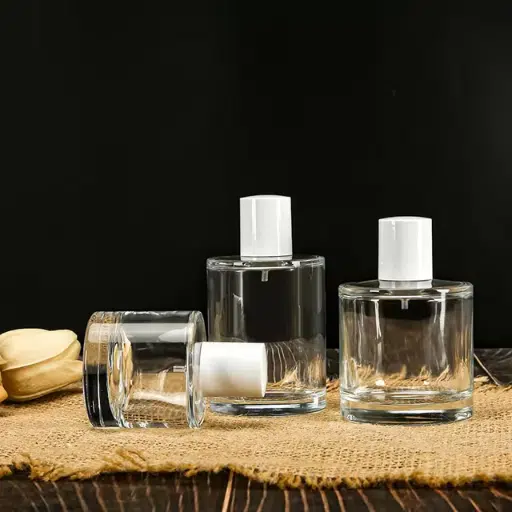
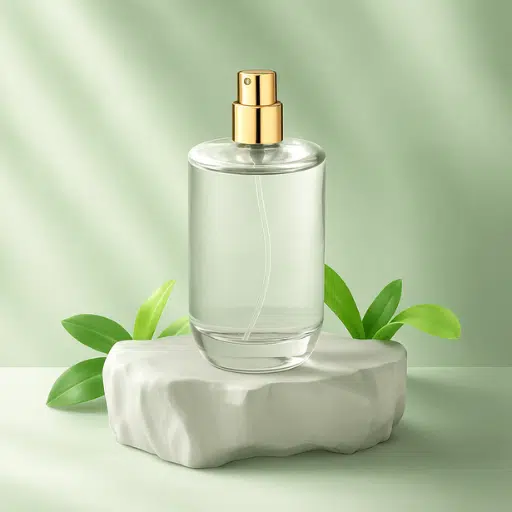
The popular trend of minimalist perfume packaging has emerged because consumers now select products that feature basic designs which demonstrate their eco-friendly nature. The design philosophy uses clean lines and neutral colors to create designs which achieve both beauty and practical functionality through its minimalist design method.
Recent data shows that 60% of global consumers choose products based on their sustainable packaging while they show that eco-friendly designs usually match these sustainable packaging requirements. The brands Jo Malone and Byredo use recyclable materials which include glass and paper to achieve waste reduction while maintaining their luxurious product presentation. The two brands develop refillable systems which support circular economy practices while they decrease the use of disposable packaging items.
The minimalist style receives enhancement through the combination of basic typography design and single color palette usage and sophisticated embossing methods. Research indicates that these designs produce higher perceived value because they create an impression of refined elegance which showcases their current state. The production of minimalist packaging results in resource savings through reduced ink and dye usage, which helps manufacturers achieve sustainability targets while decreasing their operational expenses.
Minimalist perfume packaging attracts customers who appreciate quality while showing a brand’s dedication to current values which allows it to maintain market lead in the changing luxury industry.
Travel Size Bottles: Convenience Meets Elegance
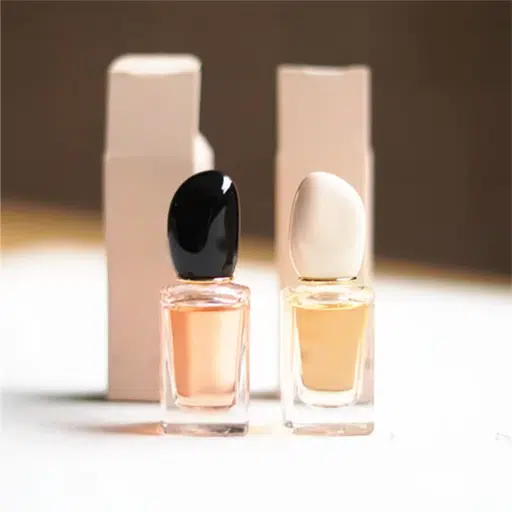
The contemporary travel-size bottle serves as a practical solution which maintains sophisticated design elements to meet the demands of travelers who need to move quickly. Recent market research shows that the global travel-size toiletries market will grow at a CAGR of 8.6% between 2022 and 2028 because consumers are increasingly demanding portable beauty products which they can take with them. The bottles meet travel regulations which include the TSA rule of 3.4 ounces maximum liquid limit for carry-on baggage, so travelers can take their preferred scents and skincare items with them.
The travel-size bottle serves as an environmentally friendly packaging solution that reduces product waste through its smaller size and lower consumption rates. The packaging solution enables both brands and customers to practice sustainability through their waste reduction efforts. Brands use this opportunity to design fashionable packaging solutions which maintain the luxurious appearance of their entire product collection while demonstrating that users can experience both comfort and visual appeal. The introduction of refillable bottles and biodegradable materials represents the latest product enhancements which establish their strong connection with consumers who care about protecting the environment.
Travel-size bottles function as essential tools for modern luxury markets because they combine their practical usage with fashionable appeal.
Creative Bottle Packaging Solutions
Brands use creative bottle packaging designs to connect with customers because these designs provide practical benefits and attractive visual elements. The market today features five exceptional solutions which demonstrate their innovative nature.
1. Refillable Bottle Designs
Refillable bottles benefit the environment while providing customers with affordable products. Data shows that refillable packaging can reduce plastic waste by up to 30%, offering brands an opportunity to appeal to environmentally-conscious buyers.
2. Biodegradable Materials
Bottles made from biodegradable materials, such as polylactic acid (PLA) or bamboo, break down naturally in composting environments. This sustainable approach supports decreasing landfill waste and aligns with global efforts toward sustainability.
3. Multi-Functional Caps
Innovative caps with built-in applicators or measuring tools add value and enhance the user experience. More than 60% of luxury skincare brands have adopted caps with precise dispensers.
4. Flexible Packaging
Flexible, squeezable bottle designs ensure portability and usability on the go. Research indicates that consumers prefer flexible bottles 15% more than they prefer rigid packaging.
5. Customizable Aesthetics
Personalized packaging that allows consumers to choose designs or labels is growing in demand. Studies show that 78% of consumers prefer to buy products which offer customizable packaging because it strengthens their connection to the brand.
Creative packaging solutions showcase how innovation enables companies to fulfill industry requirements while delivering better results for their customers. The packaging strategies which they developed serve as model standards for brands that want to improve their packaging methods.
Using Design to Show Brand Story
I create visual and emotional connections through design which enables audiences to understand the brand story. I align colors, imagery, and typography with the brand’s identity and values, ensuring every element reflects the core message. I create design authenticity through storytelling which makes the brand more recognizable and trustworthy to consumers.
References
Future Perspective: Design Process of Perfume Packaging
This academic paper discusses the design process of perfume packaging, including considerations for sustainability and minimalist aesthetics.
Fragrance? Absolut.
This study explores the transformation of iconic bottle designs into perfume bottles, emphasizing simplicity and elegance.
PERFUME STICK
This document highlights consumer preferences for recyclable and simple perfume packaging designs.
Frequently Asked Questions (FAQ)
How can a perfume brand use minimalist perfume bottle design to create an elegant minimalist identity?
A perfume brand can adopt clean designs, a restrained color palette, and subtle branding to convey sophistication. The modern perfume and niche parfum lines achieve high-end status through their use of minimalist bottles which feature basic text design and a classic black-and-white or matte finish combined with an elegant logo.
What elements of perfume packaging design contribute to a modern perfume look?
Modern perfume designs depend on their basic elements which include a glass bottle and simple perfume packaging and their carefully chosen fonts and their sustainable material usage. The use of eco-friendly materials for custom perfume boxes and discreet fragrance packaging systems enhances the product while satisfying perfume enthusiasts who appreciate both design and sustainable practices.
How does fragrance and scent influence minimalist bottle choices for eau de parfum?
Fragrance concentration and scent profile guide bottle scale and closure decisions: a rich eau de parfum may suit a heavier glass bottle with a precise atomizer, while lighter minimalist fragrance blends can pair with slim bottles and minimalist packaging. The scent character of the parfum needs to match three different bottle types which include matte bottles, clear glass bottles and classic black-and-white bottles.
Can niche and perfume lovers appreciate minimal perfume packaging without losing brand identity?
Niche brands from distant pasts maintain their distinct identity through some specific visual elements which include their unique typeface and logo design and particular closure mechanism and special tactile materials which include matte and frosted glass. The minimalistic design elements allow perfume enthusiasts to identify the fragrance brand while the packaging presents an unadorned look that highlights the scent.
Is minimalist perfume bottle design compatible with jo malone, fragonard, or other luxury brand aesthetics?
The execution of minimalist principles allows for their integration with luxury brand aesthetics which requires careful execution. Jo Malone and other luxury brands use their traditional design elements and their precise typography to create an elegant brand image. Fragonard uses its heritage as a foundation to create modern products which feature minimalistic designs and premium glass bottle packaging.
What practical considerations—like atomizer, closure, and glass bottle quality—matter in minimalistic parfum design?
The essential operational elements require three specific components which include an atomizer that delivers constant fragrance output and a closure system that maintains perfume quality together with a glass bottle built to prevent both leaks and light intrusion. The selection of sustainable materials in combination with fewer components enables a minimalist design which maintains its practical function and upscale appearance through its selection of matte and clear finishes.
How can typography, logo, and color palette refine minimalist fragrance packaging?
The combination of typography and logo placement creates a distinct voice through the usage of a clean sans-serif font and subtle logo embossing and a restrained color palette that includes monochrome and muted tones. The combination of deliberate typography and simple perfume packaging design establishes a luxurious brand image while enabling fragrance fans and perfume enthusiasts to instantly identify the parfum.
What are eco-conscious strategies for designing minimal perfume packaging that still feels luxurious?
The custom perfume boxes should use recycled materials or responsibly sourced materials while reducing unnecessary packaging. The company selected refillable glass bottle systems which include long-lasting atomizers and used minimal materials with soft branding elements. The combination of eco-friendly choices together with elegant minimalist finishes which include matte coatings and simple and elegant labels and refined closures creates a sustainable luxury product that attracts contemporary perfume buyers.