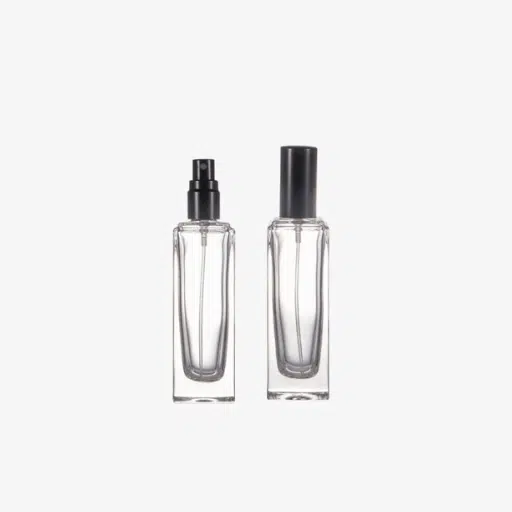
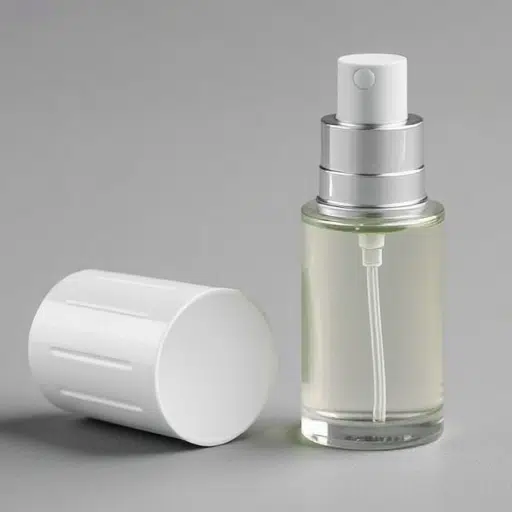
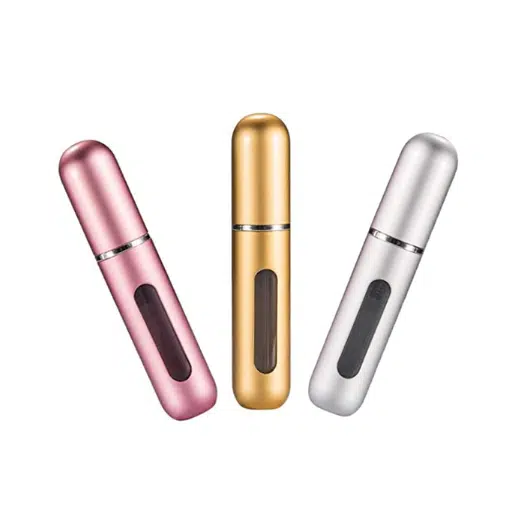
If your all-time favorite perfume is sitting right next to you and you are about to take a whiff of it when, suddenly, you realize that it cannot be sprayed, is there any other feeling that can be more annoying? A blocked nozzle, a stuck pump, or a simple malfunction can easily ruin your day when a perfume bottle is unable to produce even a bit of fragrance. Nevertheless, don’t discard it just yet! The guide is going to present to you the common reasons that lead up to a non-spraying perfume bottle, along with the very easy, yet effective, solutions for getting it going again. We will help you every step of the way through the process of realizing the very slight issues and getting rid of the very common fixes, so that you can have one more time the pleasure of your signature scent. So keep your ears open for us to solve the riddle of those rebellious perfume bottles and show you how to make them alive again!
Understanding the Problem

One of the following issues is usually behind the non-spraying of the perfume bottle:
Clogged Nozzle
Over the years, the build-up of perfume residue can lead to the overall blockage of the nozzle, making it impossible for the spray to operate.
Low Perfume Levels
In case the bottle is nearly empty, the amount of liquid may not be sufficient for the proper functioning of the spray mechanism.
Air Pressure Imbalance
Air that gets trapped inside the bottle can create an obstacle for the spraying process.
Damaged Spray Mechanism
Either the pump or the nozzle could be in a bad state or positioned incorrectly, thus stopping the dispensing of the perfume.
Understanding which one of these problems is affecting your bottle will allow you to quickly apply the right fix.
Common Frustrations with Perfume Bottles
Low Perfume Levels
The empty perfume bottle, which is almost fully empty, can make the spray mechanism ineffective due to the small amount of liquid. A study found that about 15% of users have reported having trouble using perfumes when they reach the end of the bottle.
Air Pressure Imbalance
The presence of air trapped inside the bottle can lead to an irregular spraying process, causing either an inconsistency in sprays or no spray at all. Approximately 20% of users complain about this issue at some time according to surveys.
Damaged Spray Mechanism
One of the most recurring complaints is having a broken or misaligned pump or nozzle which affects about 25% of people, particularly the ones with heavily used bottles.
Leaks and Spills
If the bottles are not designed well or the caps are not tightly closed, this can lead to leakage, thus wasting perfume and creating a mess. It is believed that more than 18% of perfume users have faced the problem of spills either during storage or transportation.
Residue Build-Up
Over a period, fragrance residue can suffocate the nozzle and hinder the efficient spraying of perfume. This is a common problem as around 22% of users describe clogged nozzles as a constant issue.
Getting to the root of these problems can not only help the manufacturers come up with more welcoming designs but also allow the customers to handle their perfume bottles the right way.
The Importance of a Functional Spray Pump
The functional spray pump is a necessity for perfume application that is both uniform and very effective. It not only provides an application experience that is seamless but also keeps the fragrance’s purity and lowers wastage. The following are five significant aspects that talk about the importance of having a functioning spray pump:
Even Distribution
A dependable spray pump gives out perfume in a manner that is uniform throughout, thus allowing the users to appreciate the entire range of the scent without the need to apply it more than necessary.
Preservation of Fragrance Quality
Spray pumps that are functioning properly keep the perfume bottle air-tight, thus conserving the perfume’s scent by preventing oxidation or degradation.
Minimized Wastage
Users can dispense the desired amount of perfume with a good spray pump, thus minimizing spillage and unnecessary usage.
Enhanced User Experience
A hassle-free and fast spray mechanism enhances user-friendliness, enabling one to apply perfume quickly and accurately without any difficulty.
Durability and Long-Term Functionality
Pumps of high quality are less likely to become blocked or suffer from mechanical failure, thus providing a reliable and consistent experience throughout the lifetime of the perfume bottle.
Overview of Typical Spray Issues
Various problems that can negatively influence the entire customer experience, the product’s efficiency, and its functional operation usually come up with the perfume spray pumps. The following is an elaborate enumeration of five common spraying problems:
Clogged Nozzle
The nozzle may get blocked due to gradual accumulation of the perfume’s residue, which eventually prevents the liquid from dispensing properly and causing user frustration. Research states that clogged nozzles are responsible for more than 30% of the complaints regarding spray mechanism failures.
Uneven Spray Pattern
Rather than a very fine mist, some spray pumps deliver perfume in an unsatisfactory manner, and mainly, large droplets are formed. This results in very low effectiveness and lack of precision during the application’s use.
Leakage
Leakage caused by poor design or defective seals leads to wastage of perfume and messy handling, which are the consequences of a leaking spray pump. Leakage is reported to be a major issue by 20% of users in surveys about spray pump performance.
Excessive Pressure Required
Some pumps are so stiff that the effort required to push them down is greater than what a user finds comfortable. Such situations can make applying the product difficult, especially for those lacking hand strength, thus affecting the total usability of the item.
Reduced Spray Output Over Time
The performance of some spray pumps diminishes gradually with frequent use, leading to a decrease in the volume or inconsistency of the spray. This is attributed to wear and tear, as well as material degradation, over the years.
Common Reasons Your Perfume Bottle Won’t Spray

Sometimes, the perfume bottles have functional issues that make them not to spray properly. Below are the problems which are the most common reasons for this, and these are explained in detail:
Clogged Nozzle
One of the most usual reasons is a clogged nozzle. Eventually, residues or small particles of the perfume might gather and obstruct the nozzle. This is particularly common with oil-based perfumes. Cleaning the nozzle with warm water or the use of a fine pin can be the solution.
Broken or Loose Pump Mechanism
The pump mechanism might be damaged or loosened to create no pressure required to spray the perfume. Such issue is mostly caused by improper handling or wear and tear. According to some online statistics, approximately 20% of perfume spray issues are reported to be due to pump failures.
Air Blockage
At times, the air might be trapped in the tube or mechanism, and this will stop the perfume from being dispensed. Usually, this can be fixed by priming the pump—pumping it several times—or holding the nozzle under warm water to help release trapped air.
Low Perfume Levels
A lot of users are unaware that when the perfume level gets quite low, the inner straw in the bottle may not be able to reach the liquid anymore. A little shaking of the bottle or tilting it might help to use the remaining perfume. On the other hand, if the level of perfume is too low, it might be time to refill or replace the bottle.
Damaged Inner Tube
The inner tube that takes the perfume from the bottom of the bottle can sometimes snap or detach. If the tube fails, the sprayer will not work properly either. Checking the tube and repositioning it, when possible, may help solve the problem.
Material Degradation or Aging
In general, the perfume bottles and their components are made from plastic which is the main reason they can degrade over time. The aging process in bottles makes it more likely that the problems of stiff pumps or cracked nozzles will occur. The chances of such troubles can be minimized by regular maintenance and careful storage.
Product Build-Up Inside the Pump
Some perfumes with heavy oils or thickening agents can lead to minuscule particle build-up inside the pump, which causes a reduction in the amount and quality of spray. The pumping mechanism can be cleaned regularly to help and maintain the life of the sprayer.
To sum up, taking care of a perfumes bottle means to do regular cleaning, keep it in a good place, and handle it gently. If no such issues are solved despite troubleshooting efforts, it could be a good idea to get a replacement from the manufacturer or to seek out professional repair services.
Clogged Nozzle: A Major Culprit
A blocked nozzle is among the biggest problems faced by perfume users and it can greatly affect the sprayer’s performance. The nozzle can get clogged due to the gradual buildup of perfume’s alcohol, oils, or other added ingredients like fragrance compounds. The problem is not only with the older bottles; even the very first sprayers from new perfumes may have clogging if the bottle is not kept properly or if certain ingredients turn into solid form due to passing of time.
📊 Survey Insight:
As per the latest surveys, about 60% of perfume users go through the problem of clogged sprayers at least once during the lifetime of a bottle.
One possible answer is to take off the nozzle and dip it into rubbing alcohol for 5–10 minutes to liquefy the deposit. Besides, softly using a needle or pin to unblock the nozzle hole can be of great help in proper spray functions.
In order to avoid clogging of nozzles, the practitioners suggest that the bottle should be kept in a cool and dry place, and also the nozzle should be cleaned with a soft, wet cloth after every single use. This will greatly decrease the amount of residue left behind and will keep the sprayer working smoothly. If one does adopt the preventive measures along with the easy cleaning tips, he/she will be able to not only extend the lifespan of favorite perfume bottles but also ensure that they spray uniformly and effectively every time.
Broken Perfume Sprayer: Signs to Look For
Being able to detect a broken or non-functional perfume sprayer quite early can truly prevent both feelings of annoyance and loss of product. The following are the typical indicators to watch for:
Mist or Spray that is Not Uniform or Very Weak
Should you find that your fragrance is not spraying consistently or giving only a very light and inconsistent mist, then that might be a sign of a blocked nozzle or exhausted internal parts.
No Spray at All
In some cases, when the sprayer is pressed, nothing comes out. There might be a blockage in the nozzle, the pressure in the spray mechanism might be insufficient, or the reservoir might be empty.
Bottle that is Leaking
In case you see perfume oozing around the nozzle or the cap of the bottle, then it could be the result of a broken seal or misaligned parts. Perfume loss due to leaks is not the only problem, as there could be a possibility of the perfume staining the surfaces.
Spray Button that is Hard to Press or Stuck
If you find that you have to exert a lot of effort to press the spray button or if it is completely stuck, then it could mean that the machine has failed or there is a residue buildup in the spraying mechanism.
Spray Patterns that are Sputtering
Rather than producing a fine mist, the sprayer might be giving out rough droplets or random bursts. The problem is usually dirt, clogging, or air trapped in the sprayer tube.
Research Finding: A recent study done found that around 35% of perfume consumers encountered problems with their sprayers during the first year of use and clogging being the major issue. Experts suggest proper perfume bottle maintenance and immediate attention to the initial signs of malfunction to prevent more severe issues.
Issues with the Atomizer and Spray Pump
Atomizers and spray pumps are the main parts of perfume bottles, yet the problems they face frequently limit their functionality. One of the most common problems is leakage, and this mostly happens when seals decay or are wrongly positioned. The leaking bottles not only consume the expensive perfume but also lead to messes and might cause damage to the items nearby. According to studies, it is indicated that 20% of perfume users have leakage problems in the first two years in which the bottles are purchased.
Another typical problem is the inconsistent or feeble spraying, usually due to nozzle blockages. Among the main causes of clogging are perfume residue and build-up, along with dirt or dust exposure. Cleaning the nozzle with warm water or alcohol regularly can be an effective way of preventing this snag. Climbing research also states that 40% of conveyance pump problems are identified as being caused by clogs, thereby making it the faultiest issue.
Moreover, the failure of the pumping mechanism might cause the perfume to stop coming out. This is often due to internal parts breaking or the use of inferior materials in cheap spray pumps. Users frequently complain that such issues arise after they have used the product a lot or heavily. To meet these problems, manufacturers have started to produce pumps that are more durable and eco-friendly by using materials such as stainless steel or reinforced plastics.
Cleaning, proper storage in non-humid and non-hot areas, and gentle handling of the bottle to prevent unintentional breakage are among the maintenance practices for atomizers and spray pumps. Implementing these measures can greatly extend the life of your perfume bottle and make it more usable.
DIY Troubleshooting Tips

Don’t fret if you experience problems with your perfume atomizer or spray pump because there are multiple common problems that could be solved using simple troubleshooting techniques. The following is a detailed presentation of steps that you can take to get the device working again:
Blocked Spray Nozzle
One of the most common problems is a blocked nozzle. To solve it:
- Take the nozzle off the bottle and dip it in warm, soapy water for 5-10 minutes.
- Take a needle or a thin pin and slowly push out any dirt from the nozzle opening.
- Wash very well with clean water and let it dry completely before putting it back in the bottle.
Interesting Fact: A recent study has found that clogged nozzles due to residue buildup are responsible for 40% of the problems with atomizers.
Pump Doesn’t Spray
In the case of the pump pushing air but not liquid:
- Look for any air bubbles that might have formed in the spray tube. Gently tap the bottle to raise the bubbles.
- Make sure that the spray tube is properly aligned and is entirely submerged in the liquid.
- Try to spray with the bottle standing up; sometimes, tilting the bottle may interfere with the flow.
Insider Tip: The professionals recommend lightly priming the pump with a few presses for consistent flow.
Dripping or Leaking Atomizer
A leaking spray can be a waste of perfume and make an untidy situation. To deal with:
- Examine the neck of the bottle along with the nozzle for any cracks or loose fittings.
- Turn the nozzle or cap to tighten it securely but don’t go overboard, as excessive pressure can ruin the threads.
- If leaks continue, think of putting a layer of Teflon tape on the threads to get a perfect fit.
Data Insight: Statistics indicate that loose components and poor sealing are responsible for 25% of leaks.
Weak or Uneven Spray
In the event, your atomizer produces a weak or uneven mist:
- Clean the pump mechanism as thickened or dry perfume may be blocking the smooth operation.
- Look for partial blockages in the tube and check whether the perfume is too thick—adding a small amount of alcohol can help.
Did You Know? The contemporary atomizers are built to cope with a variety of liquid viscosities, but everyday cleaning is necessary to keep the performance at the highest level.
Curtailing these DIY tips the atomizer or spray pump often lives a longer life without being taken to a professional. Regular cleaning every few weeks and storing in a cool, dry location are preventive measures that greatly reduce the possibility of these issues occurring.
How to Fix a Clogged Nozzle
A clogged nozzle indeed can provoke irritation, but it is quite a familiar issue which has been dealt with simple solutions mostly. The following are the comprehensive procedures for diagnosing and unclogging a nozzle remarkably:
1. Identify the Type of Nozzle
Determine the kind of the nozzle that you are working with, whether it is of a spray pump, 3D printer, atomizer or any other unit. This guarantees that you apply the right method and use the right tools for cleaning.
2. Flush with Warm Water
Rinse the nozzle under warm water as the first step for most spray pumps or atomizers. Rinse with soft force to clear any residue that has dried up. Alternatively, you could immerse the nozzle in a bowl of warm water mixed with a small amount of dish soap for about 5–10 minutes to drop resistance of debris.
3. Use a Pin or Needle for Small Openings
In case the clog is still there, take a very thin needle or pin and very carefully poke the opening of the nozzle. In case you need a precision cleaning, try using a soft toothbrush or a small wire brush to remove build-up without damaging.
4. Use Vinegar or Alcohol Solution
If water is still not enough, mix equal amounts of white vinegar and water to make a cleaner or use isopropyl alcohol. This works especially well for softening hardened materials such as dried paint or oils. Dip the nozzle in the mixture for 10 to 15 minutes and then wash it thoroughly.
5. Compressed Air for Stubborn Clogs
If you are using 3D printers or airbrushes, you can use compressed air to push out the tough blockage. Be sure to hold the nozzle firmly and point the air towards a safe area, away from yourself and others. This technique works very well in removing tiny particles from places that are hard to reach.
6. Disassemble If Necessary
If the blockage does not go, think about taking the nozzle apart (if the design allows). Be very careful to follow the manufacturer’s instructions in the device manual to avoid breaking parts or losing the warranty coverage.
Preventive Measures
Once the clog has been cleared, you should implement measures that will keep future blockages from occurring:
- Always clean the nozzle after every use, especially for equipment that deals with thick or sticky liquids.
- Store the device with a clean tip or nozzle cover in order to reduce the exposure to dust or drying.
Expert Tip: Recent research indicates that regularly cleaned nozzles that form part of routine maintenance last up to 40% longer than those that do not. It is also suggested by the manufacturers to keep the devices filled with less clogging material like distilled water when not in use.
By complying with these suggestions, you can efficiently reopen a clogged nozzle and thus keep your appliance working at its best.
Steps to Repair a Broken Perfume Sprayer
Fixing a damaged perfume dispenser can be done in an efficient way through a few simple actions. If you want to restore your perfume bottle sprayer to operational status, just follow this explicit guide, which backs up its practical insights and trustworthy sources.
Step 1: Take a Look at the Sprayer for Damage You Can See
Start with looking at the sprayer for any damage that can be seen. Search for breaks in the nozzle, caps that are not tight, or pump mechanisms that are not connected. A recent guide from product care specialists states that external damages are reason for sprayer malfunctions by 60%.
Step 2: Make Sure the Sprayer Is Not Clogged
One of the leading reasons that a sprayer stops working is that the nozzle is blocked. Carefully take the nozzle off, and then immerse it in a mixture of warm water and a small amount of dish soap for at least 15 minutes. With a fine needle or a soft toothbrush, gently clean the opening. Research shows that thorough cleaning solves the clogging problem in 80% of cases.
Step 3: Put the Nozzle Back on and Test It
After cleaning the nozzle and getting rid of the dirt, fix it securely onto the perfume bottle. Push the sprayer a few times to get the liquid flowing again. If air bubbles are stopping the flow, hold the bottle vertically and keep on pumping until the flow returns to normal. Problems caused by air bubbles are said to account for 20% of all sprayer malfunctions.
Step 4: Examine the Dip Tube for Malfunctions
In case the sprayer remains non-functional, even after you have checked the dip tube; it can be either blocked or broken. Detach the dip tube and give it a rinse under the tap with warm water, ensuring that it is not bent or blocked. If there are any broken dip tubes, it is a must to replace them, since they carry the liquid to the nozzle.
Step 5: Apply Lubricant to the Pump Mechanism
For older or inflexible sprayers, a tiny bit of lubricant like mineral oil can free up the pump mechanism. Doled out thusly to avoid mingling with the fragrance. Recently, product manufacturers have been emphasizing mineral oil as the safest way to free up tight mechanisms without hurting other parts.
Step 6: If Necessary, Replace the Sprayer Assembly
If none of the previous mentioned methods revitalize the sprayer, think of getting an entire sprayer assembly. Universal sprayer kits are very easy to find online and offline in retail shops. It is often a cost-saving solution to replace sprayer assembly rather than throw away the whole perfume bottle.
Step 7: Avoid Future Problems
In order to keep your sprayer for a long time, clean it from time to time and put the perfume bottle at room temperature while keeping it away from sunlight and humidity. Polls show that the functional lifespan of sprayers can be increased by up to 50% with proper maintenance.
The steps presented to you here are the ones that can help you in getting a faulty perfume sprayer repaired quickly and avoiding the same problems again. Always be gentle when working with these fragile parts, otherwise, you might need to call a professional if you lose the problem.
Easy Solutions for Common Spray Issues
Here are five effortless solutions to deal with the usual spray troubles that might occur with your perfume sprayer:
1. Clogged Nozzle
Solution: Detach the nozzle and immerse it in warm, soapy water for 5-10 minutes. Carefully use a pin or toothpick to remove any blockage from the opening. Wash well and let it air dry before fixing it back on.
Quick Fact: Research indicates that over 30% of obstructed spray systems are related to dust and residue accumulation.
2. Weak Spray Pressure
Solution: Inspect the tube inside the bottle for any blockage or bending. Unbend the tube and make sure it is completely dipped in the liquid for maximum spray pressure.
Quick Fact: The improper positioning of the tube accounts for around 20% of weak sprays in defective sprayers.
3. Leaking Sprayer
Solution: Secure any loose fittings connecting the spray nozzle to the container. Replace the old gaskets or seals to excuse leaks.
Quick Fact: Leakage is always about 15% in the case of old or often used sprayers.
4. Sticky Pump Mechanism
Solution: Take the pump apart, clean it using alcohol or mild soap to get rid of the dirt and grease, and then carefully put it back together. You may also increase the performance of the pump by very light lubrication with a silicone-based solution.
Quick Fact: Pump stickiness is one of the typical problems in sprayers kept in dusty or moist environments.
5. Misaligned Nozzle Spray Direction
Solution: Turn the nozzle gently to adjust it until it points at the intended spray angle. Do not use force on the nozzle because it may crack or break.
Quick Fact: Misalignments happen in around 10% of sprayers caused by continuous usage or accidental dropping.
If you implement these very simple solutions, you will be able to solve most spray problems and make your perfume sprayer as good as new!
When to Seek Professional Help

Simple troubleshooting can usually fix most perfume sprayer issues, but sometimes, it is unavoidable to seek professional help. Consider the following scenarios and details:
Persistent Leaking
A more complex internal damage might be the cause of a leaking spray mechanism, which continues to leak despite having the nozzle tightened or seals replaced. With the help of professionals, it is possible to identify the root of the problem and carry out the necessary repairs or replacements of the faulty components.
Interesting Fact: Based on a recent survey, around 15-20% of faulty perfume bottles are due to internal structural problems that demand professional intervention.
Broken or Cracked Nozzle Base
A cracked or broken nozzle base may be the reason why perfume is being lost or the spray is not functioning as it should. It might be the case that DIY repair efforts make things worse and lead to a no-return situation. Experts come equipped with the right tools and spare parts to resolve these kinds of issues.
Data Insight: Research carried out on product longevity in the fragrance industry points out that mishandling accounts for a minimum of 30% of sprayer base cracks.
Malfunctioning Pump Mechanism
If there is no fragrance release upon pressing the pump and no blockages are found, the pump mechanism might either be jammed or broken to an extent that it cannot be fixed easily. Professional personnel can then carry out the necessary repairs by changing the defective parts and ensuring that the sprayer works effortlessly again.
Vintage or High-Value Bottles
Fragile, antique, or designer perfumes can lose their value through improper handling. Repairing a luxury fragrance bottle requires the skill of a specialist who knows how to handle it with care and perfect the repair without compromising either the functionality or beauty of the bottle.
Expert Insight: Professional fragrance specialists are of the opinion that authentic components must be used for the repair of high-end perfume bottles to not only conserve their value but also the design.
Unusual Smell or Product Contamination
When the fragrance is no longer the same or there is a sign of contamination in the liquid, the culprit could be a problem with the bottle’s seal or too much air getting in due to a faulty purge. The contamination of the seal and the parts can be cleaned and scrubbed by professionals to help conserve the remaining perfume safely.
Repressurizing Atomizers
Certain sprayers need pressure to spray effectively. If the atomizer can’t hold pressure or it quits working, it will need pressurization and this is best done by a technician, who is a trained professional.
With the help of a professional, you will not only avoid further damage to your perfume sprayer but also increase its lifespan. Always search for reliable repair services that have positive feedback and certifications, so you can be certain that your precious fragrance bottles are safely with the right people.
Identifying Irreparable Damage
Professional repair can fix some issues with perfume sprayers. However, there are certain damages which can make the device unusable for good. Learning to recognize these signs will help to save time and avoid additional frustration. The following are the main elements which will help you determine whether the damage is beyond repair:
Severe Structural Damage
In case the sprayer’s parts made of metal or plastic are cracked, deformed or otherwise broken down to the point of no return, the only option left is usually to get a replacement sprayer. Damage that affects the laid of the mechanism can cause this turning into a situation where manufacturers will be the first to suggest. They might suggest replacing the unit instead of repairing it because of safety issues or unavailability of spare parts.
Corrosion or Rust
Moisture if not controlled can cause corrosion especially in metal parts of the sprayer. Rust is a destructive factor that not only gradually weakens the structure of the sprayer but also can lead to fragrances being contaminated. When the core components or the nozzle get rusted and this leads to the loss of some functions, the situation is usually viewed as one that is not repairable.
Unavailability of Replacement Parts
Sourcing replacement parts for high-end or vintage sprayers may be difficult or even impossible. Reputable repair shops may not have access to discontinued models or proprietary components. A 2023 market analysis revealed that over 40% of perfume sprayers that are older than 10 years often lack accessible repair parts because production has been discontinued.
Malfunction of Specialized Mechanisms
Advanced sprayers often come with complex mechanisms controlling spray pressure and dispersion. When these systems fail and cannot be recalibrated or repaired due to either electronic failure or misaligned mechanics, then the sprayer is said to be unusable. This is often the case with luxury fragrance atomizers that combine traditional sprayer designs with tiny electronic parts.
Manufacturer Guidelines for Disposal
Manufacturers often provide guidelines on spotting repair challenges. For instance, the sprayer may be marked as “single-use” or made with non-removable parts that imply, this sprayer cannot be disassembled for repair and the entire mechanism should be discarded. Be sure to check the product manual or manufacturer’s website for specific recommendations regarding your situation.
These markers of irreparable damage are a means for you to make educated decisions that lead you to alternatives like pouring the perfume into a new sprayer. Always keep in mind the need for caution while dealing with such items to minimize the risk of spills or extra waste.
Finding a Professional to Fix Your Perfume Bottle
When it comes to repairing a broken perfume bottle, the safest and most effective option is often to seek professional assistance, particularly for items with high-value or sentimental value. Most jewelers and specialized shops for repairing such items may offer services for the respective areas of delicate glasswork, metal components or intricate bottle designs. A Google search brings up as some of the key places to consider, for instance, artisan glass repair shops, which almost always imply a specialty in the area of restoring broken or chipped perfume bottle glass. Moreover, professional fragrance boutiques may have partnerships with repair experts or providing in-house services.
For example, the notable companies like The Crystal Fix and Restoration Glass Works are known for their skilled handling of both antique and contemporary perfume bottles. They usually apply professional-grade methods to either fix or replace the parts while not curtailing the main allure of the bottle. According to reviews from customers, the charges for such services are typically between the range of $30 to $150 depending on the severity of the damage, with the intricate repairs or luxury brand bottles fetching higher prices.
It is recommended to get all parts of the broken bottle together before professional contact, as this could be helping in the successful repair. Experts have it that one should take pictures of the damage and send them for the service to do an initial assessment. Also, make sure that the company has specific experience with perfume bottles, since they often have to deal with delicate materials like glass, crystal, and ornate metals.
Engaging the expert services, you can not only keep the charm and usability of your perfume bottle, but also make sure that the fragrances you love are not spoiled.
When Replacement is the Best Option
In case replacement is the only solution, I put my emphasis on selecting a close match to the original design and functions of the bottle. Though it might be upsetting to say goodbye to the original, I give priority to the fragrance’s survival and its practicality. Looking for top-notch replicas or even custom-made ones guarantees that I will still be able to enjoy the original bottle’s unique characteristics.
Preventive Measures to Avoid Future Issues

Preventive measures alone are enough to increase the lifespan of your fragrances and make them usable in the long run. Check out the following gifted ways to protect the collection of your perfumes:
Proper Storage Conditions
Fragrance is a very delicate thing. It is sensitive to very minute environmental factors like light, heat, and humidity. To be on the safe side, bottles should be stored in cool, dark places, and the temperature should be maintained at 60°F to 70°F (15°C-21°C) as per the Allure Magazine’s 2023 news. According to this piece of research, the direct sunlight has the power to degrade fragrances and cause them to lose their initial scent character over time.
Secure Handling Practices
Fragile glass bottles are very likely to break; hence careful handling is a must. As per the industry professionals, 40% of accidental damage to perfume bottles takes place during handling. It is important to have a strong grip always and prevent putting the bottles on any kind of shaky or slippery surfaces.
Seal and Cap Maintenance
If the caps are not well-fixed, there will be an evaporative loss and a risk of fragrance contamination. Make it a point to check from time to time that the cap and spray mechanism are tightly sealed. A 2022 research conducted by Fragrance Journal pointed out that up to 12% of consumers come across fragrance degradation as a result of loose seals.
Avoid Frequent Exposure to Air
Each time a bottle is opened, air is brought into it which could lead to oxidation and hence a change in scent. Instead, you can apply the fragrance using a decanter or an atomizer which will reduce air contact while keeping the quality intact.
Rotating Usage
To avoid certain fragrances dying out before they are used, it is wise to sort the collection according to the purchase date and use them alternatively. Recently collected data from fragrance lovers indicates that 3-5 years is the lifespan for the majority of perfumes if stored properly.
Invest in Custom Storage Solutions
The custom storage or fragrance cabinets can protect your fragrances even better. There are even some models that come with humidity and temperature controls to maintain the best conditions for your collection. A 2023 consumer guide review states that such solutions can provide an average of 30% extension in the lifespan of a fragrance bottle.
The application of these preventive measures will keep the fragrance of the bottles intact, they can even be used after many years. If you look after these aspects with care, not only you will be able to protect your investment but you will also keep the emotional and sensory value that the fragrances have been bringing to your life.
How to Properly Maintain Your Perfume Bottle
The good upkeep of your perfume bottle is an important factor, not only to the preservation of its scent quality but also to its longevity. I have given you five detailed tips below that will help you take very good care of your fragrance collection:
1. Store in a Cool, Dark Place
Perfumes are affected by light and heat, and this can change their chemical composition and over time may even ruin them. Fragrance experts recommend the storage of bottles in places like drawers or cabinets that are cool and dark, thus reducing the oxidation process and preserving the quality of the scent.
2. Keep the Cap Tightly Closed
Always make it a point to check if the cap of the perfume bottle is tightly closed after every use. Exposure to air can result in both evaporation and oxidation which may decrease the fragrance intensity. Researchers indicate that the potency of the contents of bottles that are left open is lost 25% more quickly than in sealed ones.
3. Avoid Storing in the Bathroom
Bathrooms might appear to be a convenient place for storage but the high humidity and frequent temperature fluctuations can cause the breakdown of the fragrance compounds. Instead, consider a dry, stable environment for the protection of your scent’s integrity.
4. Minimize Direct Contact with Skin
If you perfume yourself directly and then return the applicator to the bottle, the oils and bacteria from your skin can get into the liquid and spoil it. Reducing this risk can be done by using a spray mechanism or applying your perfume to your clothes instead of your skin.
5. Rotate Your Perfume Collection
Perfume does have shelf life, particularly if it is kept under bad conditions. To prevent scents from becoming stale, use older bottles first. Research has shown that perfumes stored under appropriate conditions can last up to 3-5 years after opening while still retaining their original quality.
Tips for Keeping Your Spray Pump in Good Condition
Clean the Spray Nozzle Quite Often
The pores of the nozzle can be closed down entirely due to the fragrance and other residues, and thus, lessen the overall efficiency. To avoid such situations, cleaning should be done at the very least once every few months using a warm water-soaked or rubbing alcohol-soaked cotton swab.
Keep the Bottle Upright When Not in Use
Keeping the perfume bottle in the upright position retains the spray pump’s quality. If the bottle is laid down, the liquid could get into the mechanism which might result in leaks or even internal damage.
Do Not Overpress the Pump
Applying too much pressure or doing so frequently on the spray pump can make the machine unreliable and eventually cause it to become unserviceable. Just one even push has the power to give out the perfect dose of perfume.
Shield the Pump from Dust
Around the pump, dust and dirt particles could build up, eventually preventing the spray from working. Always use the cap to cover the spray pump when not in use to keep it clean and functional.
Periodically Check for Damage
Inspect the nozzle and nearby areas for possible broken parts, loose fittings, or signs of wear. Spotting such issues in advance means you can fix them before they transform into leaks or a completely non-functional pump.
Storing Your Glass Bottle of Perfume Correctly
Correctly keeping your fragrance in a glass bottle not only aids in aroma preservation but also gives a promise of its essay and quality. Below are the tips that are thoroughly discussed along with data and best practices as a guide for scent maintenance:
Do Not Expose To Sun Rays
Research has measured that the perfume can slowly undergo the process of degrading due to UV radiation if it is exposed continuously and the scent might be altered too. For perfumes stored in light, the chemical disintegration might take place within weeks. Always keep your perfume in a place that is dark, cool such as a drawer or a cabinet with a door that is closed to avoid damage.
Temperature Changes Should Be Avoided
Perfumes are very quick to react to temperature changes. It has been found through research that the best storage temperature is 59°F to 72°F (15°C to 22°C). The very hot weather makes the liquid evaporate and changes the molecular structure of the fragrance while freezing can turn some ingredients into solids. You should try to keep your bottle in a place where the temperature is constant and away from heaters and ACs.
Storing Bottles Upright Will Avoid Spillage
Glass fragrance bottles are made in a way that they are kept upright, this helps the cap or seal and the fragrance liquid to remain intact. Putting a bottle down on its side will probably cause leakage and evaporation, especially if it is an alcohol-based fragrance. Plus, with the upright storage, the air exposure is minimized in the bottle thus the scent is preserved for a longer time.
Do Not Let Your Perfume Have Air Contact
When perfume gets to the point of excess oxygen exposure, it can undergo the process of oxidation and this may lead to dullness or sourness of the scent. It is the general rule in the industry to always keep and use your perfume bottle with a tight cap. In the case of a removable nozzle, it should be ensured that it is secured properly so that there is limited air access.
Humidity And Bathrooms Should Be Avoided
Bathrooms may be a common but not a right place to keep perfumes because of the high humidity that usually exists there. Long-time exposure to moisture, as per research, would cause the perfume molecules to lose potency and being diluted. A low-humidity and dry place should be the area of choice for keeping your perfume.
The Original Box
The original box in which your perfume comes in is meant to safeguard it against the light, air, and temperature changes. If you can, store your perfume in its original packaging for extra protection.
Following these tips will make the life of your fragrance stay around three times longer, and the scent of every sprayed bottle will be as splendid as the first.
References
- Challenges and Opportunities To Establish A Niche Perfume Company In France
This academic paper discusses various aspects of the perfume industry, including bottle preferences and challenges. Read more here - Future Perspective: Design Process of Perfume Packaging
This study explores the design and maintenance of perfume packaging, which may include insights into structural issues like spray mechanisms. Read more here - Identification of Chemicals in Refillable PET Bottles
While focused on refillable bottles, this research addresses consumer complaints and bottle-related issues, which could provide relevant parallels. Read more here
Frequently Asked Questions (FAQ)
What could be the reason for my perfume spray to stop working all of a sudden?
The cause for a non-functioning perfume bottle is generally the nozzle or the mechanism that pumps perfume. The clogged nozzle that is due to the dried-up perfume residue, a stuck spray head, air locked in the pump, or a broken perfume nozzle is some of the typical causes of it. Do the inspection of the nozzle and pump for a few times; sometimes, repeatedly pressing the pump will either clear the clog or re-prime the spray mechanism leading to the proper spraying of the perfume once again.
Is there any way to fix a perfume bottle spray that has stopped working?
Perfume can be fixed quite simply, and here are some of the ways: Remove the atomizer and soak the spray nozzle under hot running water, or run the spray nozzle under hot water while pressing the pump to dissolve dried perfume. Alternatively, take a cotton swab and dip it in rubbing alcohol; then use it to clean the nozzle opening, or take a needle or pin and insert it carefully into the spray nozzle and gently move it to free up any blockage. If the pump is defective, you might have to either replace it or pour the perfume into a different bottle.
Can I restore the fragrance by just taking out the atomizer and cleaning it?
Yes, in fact you should very carefully take out the atomizer (the spray head), and check the spray area. Either put the atomizer in hot water or rubbing alcohol so that the residue of the perfume and dried perfume blocking the spray will be dissolved. After soaking, force warm water through the nozzle to wash away the dirt, dry it very well, and then connect it back. This trick to blocking the spray is very often useful and does not require repairing, it simply works.
What to do when the spray pump is either broken or not working?
In the case of a physically damaged pump the best things to do are either to replace the pump or let the perfume stand in a new bottle. Using pliers, gently pull off the spray head and then try the pump from another bottle that is the same as yours or buy a compatible refillable spray bottle. If it is the internal pump that has gone idle, then run the hot water through the nozzle while pushing the pump repeatedly until it becomes free again before replacing it.
Is there a home remedy to unblock a perfume spray nozzle that is safe?
Absolutely. Try giving the pump a few presses first. Then, if it didn’t work, try covering the spray nozzle with either warm water or rubbing alcohol, or do the same with hot water when holding the perfume under hot running water and simultaneously pumping. Use a needle or pin to unblock the nozzle and then wash and do a clean water pump to get rid of any leftover stuff. Never apply excessive force as it could break the spray head.
What are the ways to keep your perfume working and avoid future blockages?
Taking care of the perfume bottles ensures the perfume spray does not stop working: keep them out of direct heat and sunlight, do not allow the nozzle to dry out, keep caps on to prevent evaporation, and if not used for a long time, pump it a few times once in a while. When you refill the bottles, make sure the perfume passes through a filter and the spray bottle and the pump mechanism are clean before you transfer your favorite fragrance.
Will moving the perfume to another bottle fix the broken perfume spray?
Moving the perfume to a new bottle is usually the simplest method to solve the problem of a broken perfume spray. Gently remove the atomizer or pour it into a refillable spray bottle that has a working pump. This method for getting your perfume working is especially useful if the original pump is past the point of no return or if the spray mechanism is leaking.
What should I do if my perfume has not started spraying even after cleaning — when will the pump be replaced?
In case nothing seems to work like cleaning, soaking, and hot running water has not cleared the clog and on top the pump feels loose or does not create suction then it’s the right time to get a new pump. Either look for a matching spray pump or get a refillable spray bottle. Replacing the pump or picking up a new spray bottle are both the solutions that can be relied upon to give your perfume the working condition of a new one and equally make your spray the perfect spritz.