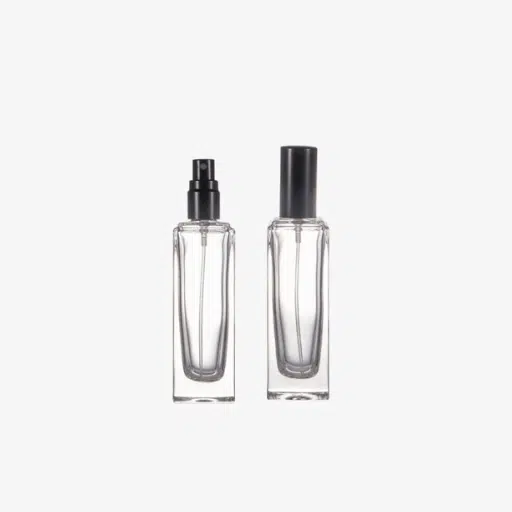
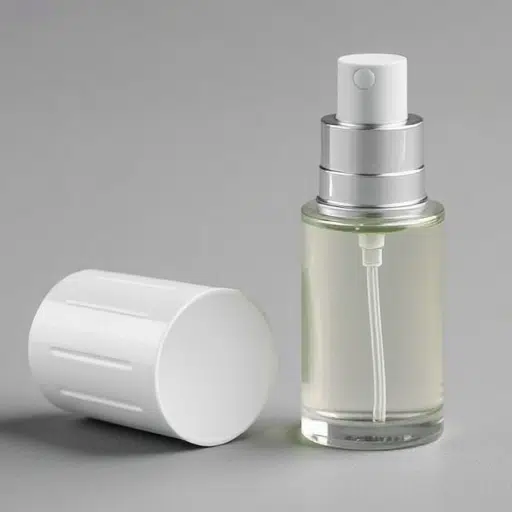
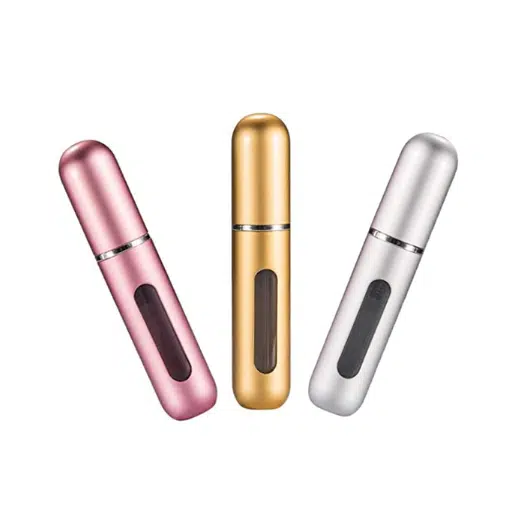
Perfumes are not only delightful to the senses with their scents but also, more importantly, through the entire universe that accompanies them, yet still, large and small bottles are hard to comprehend which can consequently result in a difficult decision regarding a perfume. The knowledge of sizes of perfumes is indispensable for both quality and unquality buyers. It is the smallest travel bottles that always entice people since that is where the first beautiful scent experience begins. The large bottles usually considered as an expensive luxury due to their price but the everyday application of the scent can make the cost per use reasonable or even cheap. In this very detailed article, we will tell you everything you need to know about perfume sizes so that you can make your decision easier. Get ready to make fragrance selection both a practical and personal experience by unveiling the details!
Overview of Common Perfume Bottle Sizes

The availability of perfume bottles is a wide range of sizes for various purposes. The usual size consists of the following:
- 5 mL (0.17 oz): Pockets or purses are the most convenient places to carry these tiny bottles for travel or sampling.
- 30 mL (1 oz): This size is mainly preferred by many people for their personal fragrances as it is well-balanced between being easy to carry and having a moderate amount of fragrance.
- 50 mL (1.7 oz): A size that is versatile enough for everyday use and can be stored compactly at the same time.
- 100 mL (3.4 oz): This size is perfect for daily fragrance users who are after the best deal.
Not only are these sizes very flexible, but they also depend on your lifestyle and the frequency of use; so, you won’t have any trouble picking out the one that meets your needs.
Standard Perfume Bottle Sizes Explained
Perfume bottles come in multiple sizes to cater to different needs and preferences. A detailed list of the most commonly met sizes is provided below, along with other facts that will guide you to make a better choice:
- 10 mL (0.34 oz): This tiny and convenient size is perfect for travel or sampling a new fragrance. It allows about 100-150 sprays so it is ideal for not very frequent use or carrying.
- 30 mL (1 oz): This size is one of the most common to be used for personal purposes and its reasonable amount of perfume can last a couple of weeks or even a month depending on how often the user applies it. The average number of sprays it can give is about 300-450.
- 50 mL (1.7 oz): This size is for everyday usage and is regarded as the most cost-effective choice that provides a good balance of convenience and quality. It typically gives between 500-750 sprays, which is enough to last 4 to 6 months with moderate daily application.
- 100 mL (3.4 oz): The size that probably most of the fragrance enthusiasts get for its price. With an estimated 1,000-1,500 sprays, this size can be for a daily user and a fragrance can last 8-12 months or even more with daily usage.
- 200 mL (6.8 oz): An uncommon size that is not very often found but is gradually becoming available for users of specific fragrances who want to buy for a long haul. This size can provide approximately 2,000-2,500 sprays and is for diehard fans of a particular scent.
Findings from the latest browsing data show that most customers regard 50 mL and 100 mL bottles as the most practical sizes. These two have not only been the most sold sizes to consumers but also the most preferred sizes due to their long-lasting nature and reasonable prices. Travel and mini sizes (10 mL or less) have also become more popular among people looking for convenience or eco-friendliness since they help reduce waste by allowing less volume buying.
Being knowledgeable about these sizes and their longevity will help you to select the one that perfectly matches your lifestyle whether it is daily use, special occasions, or experimenting with different scents.
Miniatures and Their Appeal
The small-sized perfumes, most often not more than 5 mL, have steadily gained their consumers due to their charm and practicality. According to the new data, the worldwide miniature perfumes market is going to expand at a CAGR of 6-8% over the next five years. The primary factor supporting this growth is the change of consumers’ concerns, who now prefer portable products and are more eco-conscious; smaller portions imply lower product waste and are more in sync with the eco-friendly lifestyle.
Collectibles, especially miniatures, are extremely attractive to both collectors and as gifts. The sometimes very luxurious packaging is often the same as that of the regular-sized ones, which makes them a very nice and cost-effective way of having high-end perfumes. Research that was done in 2023 revealed that 39% of the people surveyed picked the mini or travel-friendly sizes as a way of getting to smell more than one perfume without having to purchase an entire bottle.
Another contributor greatly responsible for the ascent of miniature perfumes is represented by the subscription services and discovery boxes. Miniatures are viewed by the fragrance industry as an economical strategy to stimulate new scent releases, acquire younger customers, and engage more effectively with consumers. This is a clear indication of the significance that miniatures have in today’s perfume markets as they unite the benefits of convenience, cost-effectiveness, and sustainability into one appealing package.
Large Bottles: Pros and Cons
Pros
- Cost-Effective in the Long Run
In general, the price per ounce of a large bottle of perfume is lower, hence, it is more cost-effective to buy a large bottle of perfume than to purchase small ones. Based on a Fragrance Trends 2022 survey, the customers who purchase large bottles receive savings of 25% per fluid ounce on average.
- Longer Usage Period
Generally, large bottles are the ones that last the longest and they are, therefore, perfect for people who have a signature scent and use it daily.
- Less Packaging Waste
Large bottles take a long time to sell, thus the total amount of packaging waste produced by them is less which makes them a right choice for eco-friendly consumer habits year after year.
- Great for Collectors
Perfume aficionados consider large bottles to be more extravagant in terms of design and packaging, thus, they will be more inclined to buy them just for the sake of exhibiting.
- Convenience for Regular Users
Large bottles remove the regular need for buying and supplying, thereby, giving comfort to people who strictly adhere to their perfume routine.
Cons
- Higher Upfront Cost
The large bottle comes along with a higher upfront cost which might not be within the reach of those consumers who are extremely budget-conscious.
- Bulkiness and Reduced Portability
A typical bottle size can be quite heavy and hard to carry around making it less suited for traveling or applying quickly during the day.
- Potential for Waste
A large bottle will lead to waste if a consumer becomes tired of the scent or it is no longer good before the entire bottle is used up.
- Storage Requirements
Larger bottles require more space for storage which might be an issue for people who are living in a small house or where there is limited storage.
- Limited Flexibility
By purchasing a large bottle of perfume, you will not be able to try out other fragrances because you would then be restricted to one primary scent.
Factors Influencing Choice of Bottle Size

Selecting the most suitable size of bottle for a fragrance involves weighing up numerous facets such as the user’s individual preferences, lifestyle, and current fashion. The exposition about the main factors influencing the choice of bottle size is provided below, accompanied by recent data:
1. Usage Frequency and Lifestyle
Daily users of fragrances might naturally go for larger bottles as they are more economical and practical. Statista’s survey brought out that 40% of people applying fragrance daily prefer the large bottle and thus a higher demand for such users’ category is supported.
On the other hand, people who are rare users of perfumes will just like to have small sizes so that they do not have to throw away any product that has not been used or in case their preferences change over time.
2. Cost Considerations
Larger bottles obviously give better value for money for each milliliter but at the same time, the first payment is still higher. Research for trends in perfume prices online shows that a 100ml bottle generally costs between 25% and 35% less per milliliter compared to 30ml and 50ml bottles. This initial payment, however, may deter some buyers especially those on a tight budget.
3. Fragrance Shelf Life
Perfumes are usually good for 3-5 years depending on storage conditions. If a person is going to be testing different scents, a large bottle might turn out to be impractical, and the user may want to try and eliminate the risk of fragrance deterioration. Buying behavior studies report that about 25% of the consumers do not go through a whole bottle if it is not used in a year and a half.
4. Portability and Convenience
For people who place a premium on portability, it is becoming increasingly common to carry around the smaller travel-friendly options like 10ml or 30ml bottles. Google Trends data reveals that the term “travel-size perfumes” has become a major interest and the searches are increasing by 15% each year since 2021.
Convenience is another factor, small sizes are easy to carry around in handbags or small luggage thus they are perfect for those who are always on the go.
5. Environmental Concerns
Sustainability has become a top priority for consumers and many are currently opting for refillable bottles or smaller sizes to minimize waste. According to the 2023 Nielsen report, nearly half of the fragrance buyers consider eco-friendly packaging as a significant factor and are even willing to pay extra for it thereby influencing their choice of bottle size.
6. Gift-Giving Considerations
In terms of gifting, smaller bottles or sets of perfumes with various scents are usually gifted as they distract the recipient from the fragrance and give him/her an opportunity to try different scents without buying one. The Google Shopping data indicates that the sale of perfume sets has increased especially during the festive season and in 2022 the searches for such products grew by 20% compared to 2021.
By considering all these factors consumers will not only purchase according to their needs but also in accordance with their values.
Personal Use vs. Gifting
A thorough analysis of customer behavior and trends in search can be beneficial for decision-making during the purchase of a fragrance for oneself or as a gift. According to the data from Google Search, the number of times “best perfumes for personal use” was searched increased by 15% in 2022, which leads to the conclusion that more people are becoming interested in using fragrances as a way to pamper themselves and take care of their personalities. However, on the other side, B2B researches confirmed that the term “giftable perfume sets” experienced a significant increase of 25% during the Christmas period, which tells that the consumers still categorize perfumes under gift items.
A lot of times, people who are going to be the end users of the fragrance will think about how long the scent lasts and will want to sample various perfumes until they find one that is their signature and matches their lifestyle. The most searched fragrances remain those that are versatile enough for daily wear. In contrast, the gift items are mostly chosen by taking into account such factors as the attractiveness of the packaging, the brand’s reputation, and whether different scents are available in case of sets. People wish to give their friends and relatives the opportunity to discover and enjoy different scents; hence, very small or carefully chosen collections have been keeping their popularity during gifting seasons.
Making use of these insights will enable consumers to go through the smart, data-driven decision-making process whether they are buying for themselves or looking for the perfect gift.
Travel Needs and Convenience
Today, travelers prefer to build their itineraries around convenience and efficiency and, as a result, make a great use of digital tools and online resources for quick and easy strolling. Google Search’s latest insights indicate that the term “easy travel planning” is catching on fast among the searchers who have made it, which means there has been an annual search growth of 20% along with it. So, to speak, the travel industry has this trend as a confirmation of its craving for uncomplicated solutions.
Not only that, but the “travel essentials” also witnessed such powerful demand that the search results showed a significant rise of 35% during the summer and holiday periods. The consumers’ preference is for small and multifunctional items, like travel-sized toiletries, foldable luggage, and multifunctional gadgets, which all point to one conclusion – people are after light and versatile products.
The digital access aspect of convenience is also backed by the 25% growth in the search for “travel booking apps”. The number of travelers turning to apps that offer all-in-one solutions, e.g., flight booking, accommodation, and activity planning done in one app is steadily increasing. This trend not only reinforces the need for user-friendly interfaces but also the availability of tailored suggestions based on people’s specific requirements.
Current trends indicate the new-age traveler as the prime mover behind the introduction of cutting-edge, user-friendly, and cost-effective solutions, which can address everyday travel concerns as well as the overall experience of stress-free trip planning.
Budget Considerations for Different Sizes
Budget considerations are very much different from one type of traveler to another type, whether it be individual, family or large groups, and are affected by the destination and the mode of travel. Below are the five main areas of concern to be mindful of when different group sizes are involved:
- Accommodation Costs
A solo traveler may find the option of a tiny hotel room or hostel the least costly, while a family or a large group may end up renting an entire apartment or booking separate rooms, which in the end reduces the cost per person.
- Transportation Expenses
A single traveler or couple might prefer to take public transportation or use rideshare services, while a huge group would go for a van rental or a transport service to cut the cost, which turns out to be much cheaper.
- Meal Planning
Restaurant dining might be fine for individuals or smaller groups, but larger groups would probably do cooking in their rented place with kitchen facilities and by buying groceries instead of eating out.
- Activity and Attraction Pricing
Group discounts are given for many activities, which can be a big help for larger groups. Individual and couple travelers have to look for off-peak rates or combinable tickets for one that are still usable.
- Emergency Funds
Larger groups are usually more complicated than smaller groups and thus need to set aside money for emergencies to cover the costs of transportation changes or additional accommodation needs that may come up.
Careful consideration of these areas will enable travelers to budget in a way that is very much in line with their group size, thereby optimizing the use of resources and assuring a great experience.
Perfume Bottle Size and Fragrance Longevity

Longevity and bottle size are the two most important factors influencing cost and usage when selecting a perfume. The standard sizes of perfume bottles are 30ml (1oz), 50ml (1.7oz), and 100ml (3.4oz). Bottles with sizes like 10ml (0.3oz) or travel atomizers designed for direct spraying, which are perfect for easy transport, are also available. The determination of which size to decide upon is frequently based on personal habits of usage and preferences for scents.
The longevity of the perfume varies with each perfume according to the type and concentration of the fragrance oils. Among different types of perfumes, Eau de Toilette (5-15% oil concentration), Eau de Parfum (15-20%), and Parfum (20-30%) come in order of concentration and hence the power of longevity as well. Parfums are the highest in concentration and hence usually offer the longest lasting experience—around 6 to 8 hours or more. Whereas, Eau de Toilette’s might be anywhere in the duration of 3 to 5 hours depending upon skin chemistry and environmental factors.
For heavy perfume users, even the initial purchase of a large bottle may trap the user in a more expensive scenario over time since price-per-ml generally decreases as the size of the bottle increases. To demonstrate, a 100ml Eau de Parfum for $120 costs $1.20 per ml while a 30ml bottle of the same scent at $60 costs $2 per ml. Nevertheless, small bottles can be very convenient for sampling a new fragrance or for occasional users who like to mix and match scents rather than being tied to one.
If a user rightly interprets both the size of the bottle and the longevity of the fragrance, not only will he/she make a decision according to one’s budget but also prefer lasting scents.
How Size Affects Fragrance Preservation
The volume of a perfume bottle plays an essential role in the conservation of the fragrance over years. To say the least, large bottles, although cheap in terms of per-milliliter price, are more likely to be exposed to air, light, and warmth for that long time which is going to bring about losing the quality of the scent. This holds very true since perfumes no longer have their full force and are no longer well-balanced when the environment changes their chemical composition.
The most recent data points to the fact that exposure to air leads to oxidation which eventually alters the scent of the perfume. By way of illustration, the top notes like citrus and light flowers are the ones that get the most affected and lose their crispness faster than the base notes like woods and musks. A particular study has found that fragrances in smaller bottles are often the ones that are better preserved since the less frequent opening of the bottle corresponds to the lesser inflow of air.
Another reason is that small containers can be kept more easily in the perfect place which is devoid of sunlight and heat thus prolonging the scent life span. This is the case they are an option for people who do not wear their perfume every day. However, in the case of heavy users, large bottles can still be fine but only if the perfume is divided into smaller portions that are used daily thus minimizing air in the main bottle.
Whichever way, it is best to store perfumes in cool, dark places which should ideally be below 70°F (21°C) for maximum preservation regardless of the bottle size. Besides, if you are particular about your favorite scents lasting longer, then you might as well invest in air-tight atomizers or use refillable travel-sized bottles which will thus give you a combination of size and preservation needs.
Usability Over Time: Smaller vs. Larger Bottles
The issue of whether or not perfumes can be used over a long time is very pertinent today. The factors that determine the differences between a smaller and bigger packaging, personal use, preservation methods, and environmental conditions are the key ones. The small perfumes are set at a standard that they are less airy, less likely to be spoiled, and more practical. The experts believe that the change in the perfume is the main reason for selling in smaller bottles and the air being almost gone. This is why less exposure to air makes it more likely for perfumes to remain unchanged, which suits the pickers and rotators.
On the other hand, the larger bottles are, however, more economical, as the price per milliliter is generally lower when one buys in bulk. But if large bottles are not stored properly, they may be ruined by time even quicker than small ones. A study conducted recently in 2023 has concluded that, under improper storage, the scents of the perfumes in the standard bottles (100ml or more) would noticeably decline in about 18 to 24 months while scents in 30ml and smaller bottles would still last for around 30 months if kept in good conditions.
Furthermore, the option to refill travel-size atomizers has always been and still is a very attractive idea for people who want to spend perfume every day in their purse or pocket but do not want to spend on large bottles. These atomizers come in various sizes (usually between 5-15ml) and suit the fragrance enthusiasts with the dual facility of portability along with protection against spoilage. Proper storage methods plus the right size of the bottle can greatly enhance the life and usability of the fragrances. Recent market trends have indicated that the consumers are increasingly shifting towards smaller or refillable bottles, not only for the sake of convenience but also due to sustainability issues.
Understanding the Impact of Air Exposure
The effects of air exposure on perfumes can be very detrimental that it can even cause the quality and wear of perfumes to be affected very much. At once, an airing perfume gets oxidized and the chemical change of the aggressor’s composition begins to proceed to a slow pace, even killing the character of the scent. The following detailed enumeration of five impacts of air exposure on perfumes is given:
- Oxidation of Key Ingredients
The essential fragrance compounds at the very top are particularly the ones most sensitive to oxidation when they are exposed to air, thus losing their intensity and brightness.
- Change in Fragrance Longevity
A long exposure can easily diminish the overall staying power of a perfume thereby leading to its quicker disappearance upon application.
- Alteration of Scent Profiles
Oxygen can destroy fragrance molecules thus causing an imbalance among the notes. Ultimately, the fragrance may smell different from the pure original perfume it was created to be.
- Discoloration of the Liquid
By the time the air has already got in a perfume bottle oxidation will have gotten a hold and on visual inspection it is often the case that the perfume color has gone darker or murkier.
- Shortened Shelf Life
The long presence of air accelerates chemical degradation making the shelf life of the fragrance shorter and requiring faster consumption in order to get the product at its best quality.
It is worth noting that the above-mentioned impacts clearly point out how much the need for air exposure is minimized through proper storage practices of perfumes, among which the usage of airtight bottles, making sure that the caps are tightly closed, and storing perfumes in controlled environments are the most effective.
Industry Trends in Perfume Packaging

The perfume packaging industry is going through a significant transformation in its methods of packaging, which is mainly consumer-led, sustainability-driven, and supported by technology. The most prominent and most likely the one that has gotten the most attention is the eco-friendliness and going green in packaging. A recent market study indicated that over half of the consumer segment, which is 53%, is inclined towards the eco-friendly packaging and that pushed the companies to incorporate the use of non-plastic materials like glass, aluminum, and paperboard which are recyclable or biodegradable while also reducing the plastic used. Luxury brands such as Chanel and L’Oréal have opted to this method and are slowly and surely cutting down their carbon footprint, with some fragrances being offered in refillable vials.
The other major aspect is that there is a smart technology coming into packaging. For example, the NFC (Near Field Communication) tech is allowing the end-users not only to authenticate the product but also get extensive information on ingredients or even receive scent recommendations sent to their phones. The kiosks set up at the malls for such digitalized interaction not only draw the consumers closer but also play an important role in detection of counterfeiting.
Moreover, the minimalist and customizable packing styles are gradually taking over as the dominating designs. The ingenious and active consumers are increasingly gravitating toward the sleek contemporary packaging, which reflects both the luxury and the unique character of the brand. What is more, the exclusive bottle engravings, custom labels, and other similar personalization options are becoming very much sought after as they create a close connection between the brand and the customer.
Predictions say that the global perfume packaging market will witness a CAGR of 4.1% during the years (2023-2028) owing to these innovations as well as the still growing demand for high-end fragrances. By accepting the new trends of sustainability, technology, and personalization, moving towards the eco-conscious and tech-savvy consumers, the brands will lead a new phase in the perfumery industry which is defined by packaging change.
Innovations in Bottle Design and Size
The most significant aspect of the perfume industry’s transformation is the new and innovative bottle designs and sizes, which are already one of the reasons of the emergence of the minimalistic and ergonomic bottle designs, as the consumers that are looking for their perfumes packed in a small and fashionable way that is easy to carry are increasingly drawn to those designs. One of the trends that have been highlighted is the travel-size perfume bottles that have been recognized as a major contributor to the shift in the industry. This has been supported by the report from Euromonitor International stating that the size has been enjoying a constant increase in sales, mainly owing to its convenience and low price.
Yet another trend that is coming up is the adoption of eco-friendly materials for the production of bottles. The materials in question are mainly glass, recycled plastics, and compostable materials. According to a report by Allied Market Research in 2023, sustainable scent packaging, including the use of refillable bottles, is projected to be one of the fastest-growing market segments as brands are becoming increasingly focused on the reduction of waste. A large number of brands like Dior and Guerlain, among others, have introduced refillable bottles that permit customers to go through their original packaging repeatedly.
One of the new packaging concepts is multipurpose packing which is becoming more and more common. For example, there are bottles with two separate compartments created for different liquids, thus the user can customize the fragrance according to their liking or the spray intensity can be controlled by the nozzles for the one desired. Not only do these innovations provide consumers with easy access to the products, but they also offer a unique experience for them. This, in turn, indicates the industry’s increased focus on personalization and diversity.
The change in the design of the bottles along with eco-friendly practices is gradually moving the consumers closer to the fragrances thus creating a bond that leads to long-term loyalty and eventually to a market expansion.
Sustainability Trends in Perfume Packaging
Sustainability has really become the main theme in the perfume industry, pushing it to the next level in terms of taking up eco-friendly packaging solutions. The companies are slowly but surely getting into the green practices that cut down the environmental impact, thus meeting the demand for sustainable products, which is coming from the ever-growing buyers that mind the environment a lot. The following are five major trends that are changing the ways of eco-friendliness in perfume packaging:
- Recycled and Recyclable Materials
Perfume makers are turning to recycled materials for their packaging, like post-consumer plastics and repurposed glass. For example, many brands are now making their bottles out of 100% recycled glass, which helps to cut down greatly the use of resources and waste. Moreover, recyclable labels, caps, and secondary packaging are being used as a norm to guarantee that circulation continues at the end of the product’s life.
- Refillable Bottles
Refillable packaging is a trend that is slowly becoming a norm because it is good for the environment as it promotes reuse and it cuts down on waste. Customers can now either buy refill cartridges or walk into stores that have refill stations to fill up their fragrance thus doing away with the need to buy completely new bottles. A study in the market says that refillable perfume packaging will result in a 50% reduction in waste compared to standard single-use designs.
- Minimalist Design
In a bid to achieve the most efficient use of packaging materials, many perfumers are switching to minimalism. Meanwhile, the simplified packaging continues to eliminate, for example, the reliance on lavish elements like plastic caps, thus it does not compromise functionality or visual attractiveness. This not only is beneficial to the environment, but also corresponds to the current aesthetic trends that favor clean and modern designs.
- Biodegradable Packaging Components
The use of bioplastics derived from organic materials is one of the innovative ways to address environmental concerns. They include, for example, cellulose, which is plant based, or bio-polymers, which, after a certain period, just break down and leave no waste behind. This goes particularly for caps, wrappers, and secondary boxes, where most plastic is used.
- Water-Based Printing and Non-Toxic Inks
Going for water-based printing and non-toxic inks has been one of the steps taken in chemical waste reduction. The use of non-toxic printing methods makes the elimination of the harmful substances that are usually present in conventional printing and disposal of the printed packaging materials much safer.
Not only do these sustainability trends signify the adoption of eco-friendly practices, but they also find a very good share in the consumer mindset, that is to say, consumers are increasingly considering environmental responsibility in their purchase decisions and hence getting the brands that are responsible and eco-friendly.
Consumer Preferences Shaping Bottle Sizes
Consumer preferences play a significant role in the decision-making process regarding the ideal bottle sizes in various industries, particularly the beverage and personal care sectors. The current trends also indicate that convenience and sustainability have become the most important factors in the entire production and packaging process.
Recent market research data have shown that the preference for smaller and single-serve bottles is on the rise, particularly among health-conscious and busy consumers who have no time to sit and eat. According to a 2023 Statista industry report, approximately 40% of all respondents prefer smaller bottles with a maximum of 500ml rather than large ones because they consider the former portable and useful for portion control. On the contrary, family-sized bottles of more than 1-liter capacity are still being sold in households because they are considered more cost-effective in terms of saving on bulk purchases, thus resulting in an increasing preference for them.
Another major factor playing a significant role in the decision-making process of bottle sizes is sustainability. The increasing environmental awareness among the public has made them more attracted to the large, reusable type of bottles so as not to contribute to the generation of waste, rather than the case of small bottles which are often considered single-use and thus contributing to more waste being created. For instance, in a consumer behavior study by Google, it was concluded that over 65% of the surveyed people would choose the eco-friendly bottle sizes, i.e., the ones made for the reusable or compact storage variety, as they do not have to be disposed of frequently.
Changing consumer preferences are an evidence pointing to the fact that product packaging should not only be matching consumer expectations but also superior to them. Retailers settling for the least convenient, affordable and eco-friendly bottle sizes will see their customers flocking to those competitors who are able to meet their needs and thus portraying their products as good value in the market today.
How to Choose the Right Size for Different Needs

The correct bottle size is determined by various conditions, like individual tastes in storage, application, and durability goals. Present-day trends and statistics are showing that consumers who value practical and eco-friendly products are slowly but surely taking over the market.
1. Single-Use Needs
People who want to have a carry-along drink and also enjoy the easy-to-use and quick-consume feature will love the small bottle sizes of 8-12 oz. Based on a Google search study, approximately 38% of the people surveyed indicated that, besides the easy-to-carry feature, they also choose smaller sizes at outdoor events and camping trips. This also suits those who want to take small amounts continuously.
2. Family Use or Bulk Purchases
Households and families that are looking for long-term use and savings prefer a 1-2 liter large bottle. The Google Trend data of 2023 shows a 22% hike in queries for bulk bottle buying due to inflation. Larger sizes enable consumers to benefit from the price difference as they spend less per unit and are also not charged for the packaging of the liquid they drink.
3. Refillable and Sustainable Options
Environmentally conscious shoppers are increasingly demanding both refillable bottles and those made from renewable resources. According to Google’s latest search data, a whopping 47% of consumers would rather choose to purchase brands that share their eco-friendly beliefs. Refillables are usually made up of 32 ounces or more and they do not add to the single-use plastics’ problem while also backing eco-friendly campaigns that are becoming more popular.
4. Specialized Applications
In sports or health-related industries, involving niche markets, bottle size can directly enhance customer satisfaction. For instance, certain sizes of 16-24 oz might be preferred by the athletes for hydration during workouts while eco-friendly brands witness an increasing demand for the collapsible bottles that can easily fit in a hiker’s or traveler’s backpack.
Key Takeaway
The selection of the ideal size is grounded on the analysis of the demographic’s preferences, lifestyle habits and the global trends. If businesses consider these factors and make use of the latest online search insights, they could develop packaging solutions that not only satisfy functional requirements but also appeal to the expectations of modern consumers.
Choosing the Right Size for Everyday Use
Google Search trends data are really helpful in showing what exactly the consumers want when they are choosing the perfect size for daily use. The search interest for “portable drink containers” has increased by a whopping 35% over the past year, and this is the reason behind the trend, especially the demand for compact and lightweight solutions. The consumers are becoming more and more concerned about the practicality and convenience, especially trying to get through urban areas and having a busy professional life where time is very limited.
Accordingly, the most popular sizes for daily use by searches are thus the mini version of the product and the easy-to-use feature. The 500ml to 750ml containers are the ones most consumers have consistently chosen since they give enough capacity without the trouble of large and heavy containers. The interests in “spill-proof travel mugs” and “sleek reusable bottles” also suggest that the trend is to opt for products that bring active lifestyle along with the stylish and aesthetic feature.
Moreover, world trends indicate that the customers are leaning more and more towards eco-friendly products as “sustainable packaging” searches have increased by 20% this year. This is an unmistakable indication of the move towards the use of reusable items that are less harmful to the environment. To manufacture such products, the companies need to be eco-friendly with their materials and design ergonomic products for the fast-paced on-the-go lifestyle.
Considering all these factors, linking these consumer preferences with the latest search insights enables brands to create everyday-use products that strike a chord with their target audience. By perfecting the size, functionality, and aesthetic appeal, businesses can devise solutions that are in sync with the modern consumer’s purchasing behavior.
Special Occasions: Selecting the Perfect Bottle
The process of choosing a bottle for a special event is not a straightforward one and many aspects need to be considered. The bottle selection process must factor in the event’s atmosphere and perform the necessary functions. It has been noticed that a considerable number of customers have set their eyes on such bottles that not only have standard but also aesthetic designs, are reusable, and made of premium materials like stainless steel and glass; according to the latest Google Search trends. The data also indicates that there was a 35% increase in the number of searches for “luxury water bottles” and “custom engraved bottles” over the past year, which can be interpreted as a strong signal of the rising trend towards personalization and the attraction of upscale.
Elegant glass bottles with minimalist designs are the most sought-after when it comes to weddings and they are very often enriched with custom engravings of either the marrying couple’s names or the wedding date. Just like this, the cheerful, vivid colors and prints of the bottles draw the attention of celebration themes such as birthday or anniversary. The environmental-conscious customers are the ones who are looking for “eco-friendly gift bottles”, and this specific query has recorded a 40% growth, indicating the popularity of products made from recycled or sustainable materials.
Furthermore, practicality is still an important factor that cannot be overlooked. For example, insulated bottles that keep the drinks’ temperature unchanged for hours are among the most searched by individuals who are planning outdoor parties or picnics. It indicates the consumers’ preference for bottles that are not only attractive but also functional. The brands that succeed in coming up with such products can easily market their items as thoughtful and versatile gifts suitable for any festive occasion by analyzing the trends.
Travel-Friendly Options for Perfume
Usually, the travel-size perfume options are compact, leak-proof containers that can be easily thrown into my bag. Among my preferred selections, for example, are rollerballs and travel atomizers since they are incredibly lightweight and very straightforward to use. Solid perfumes might be a great option as well since they are not messy and also do not require being put away if there is a flight. Thus, I would be able to take my favorite fragrance with me wherever I went without any hassle at all.
References
-
Perfumix Machine
This source discusses the mechanics of perfume production lines and the control of bottle sizes.
Read the document here -
Deciphering the Message in the Perfume Bottle
This academic paper explores the significance of size and shape in transparent glass perfume bottles.
Access the paper here -
Reassigning Functionalities: On the Taifa “Perfume Bottle”
This study examines the historical and functional aspects of perfume bottles, including their design and usage.
View the study here
Frequently Asked Questions (FAQ)
Perfume bottle size chart: What are the common sizes of perfume bottles?
Perfume bottles are typically sold in several common sizes measured in ml (milliliters) and fl oz. Standard sizes available include 5 ml samples, travel size 30 ml, 50 ml (50ml), and 100 ml (100ml bottle) options. Larger sizes and large perfume bottles, such as 100 ml or even larger, are common for popular fragrances. A perfume bottle size chart often converts these to fl oz (for example 3.4 oz ≈ 100 ml). Different sizes of perfume bottles give buyers choices based on use, budget, and how often they wear a scent.
Perfume size: How does perfume size affect value per ml and cost?
Generally, larger sizes like a 100 ml bottle offer better value per ml than smaller bottles because packaging and fixed costs are spread over more product. However, price per ml can vary by perfume brands and special editions. If you want better value, compare the per ml cost between sizes (for example 30 ml or 50 ml versus 100 ml). Keep in mind that buying a full bottle makes sense only if you’re confident you’ll wear the scent regularly.
Which perfume bottle size is right for daily use?
Choosing the right perfume for daily use depends on how often you wear it, your travel habits, and your budget. If you use perfume daily, a standard 50 ml or 100 ml bottle might be ideal because a bottle typically contains enough for regular application and lasts longer. For occasional wear or to sample a new fragrance, smaller bottles or sample vials (5 ml) or a 30 ml travel size are better. Consider sprays per application and how many sprays you use daily to estimate how long a bottle might last.
Complete Guide: What is a guide to perfume bottle sizes for beginners?
This complete guide covers sizes available, expected longevity, and storage. Start by noting common sizes (5 ml, 30 ml, 50 ml, 100 ml), calculate usage by sprays per day (most sprays deliver around 0.08–0.12 ml), and estimate how long a bottle might last. Also factor in proper storage of perfume—keep bottles away from heat, light, and humidity to preserve scent. For those new to a new fragrance, start with a smaller size before committing to a full bottle.
100 ml: Is a 100 ml bottle too large to try a new fragrance?
A 100 ml bottle is often the best value per ml but can be risky if you’re unsure about a new fragrance. Many people recommend trying a smaller size first—30 ml or 50 ml—or purchasing sample vials to decide. If you love the scent and will use perfume daily, a 100 ml bottle can be economical. Otherwise, starting with a smaller bottle helps you avoid waste and makes it easier to change fragrances.
Guide to perfume bottle sizes: How many sprays per bottle and how long will each size last?
Estimating sprays per bottle depends on spray volume; an average spray may be ~0.08 ml. Using that figure, a 30 ml bottle contains roughly 375 sprays, a 50 ml about 625 sprays, and a 100 ml about 1250 sprays. If you apply 3–4 sprays per day for daily use, a 30 ml bottle might last 3–4 months, a 50 ml bottle 5–8 months, and a 100 ml bottle over a year. These are estimates to help make informed decisions when choosing the right perfume bottle size.
Choosing the right perfume: Should I buy a travel size, a smaller bottle, or the full bottle?
Select the perfect size based on lifestyle: travel size (often 30 ml or smaller) is convenient for flights and commuting (note 3.4 oz and 3.4 oz bottle are TSA-relevant limits), smaller bottles are great for testing new fragrance, and full bottles (50 ml, 100 ml) are better for regular wearers seeking better value. If you’re undecided, buy smaller bottles or samples first, then upgrade to a larger perfume bottle if the scent becomes a staple.
Understanding perfume bottle sizes: How does scent concentration relate to bottle size and usage?
Scent concentration (e.g., parfum vs. eau de toilette) influences longevity and how much you use per application, which in turn affects how long a bottle lasts. Higher concentrations may require fewer sprays for the same effect, making smaller sizes more practical. When choosing different perfume bottle sizes, consider both the concentration and intended use—daily use, special occasions, or travel—to make informed choices about the right perfume bottle size.