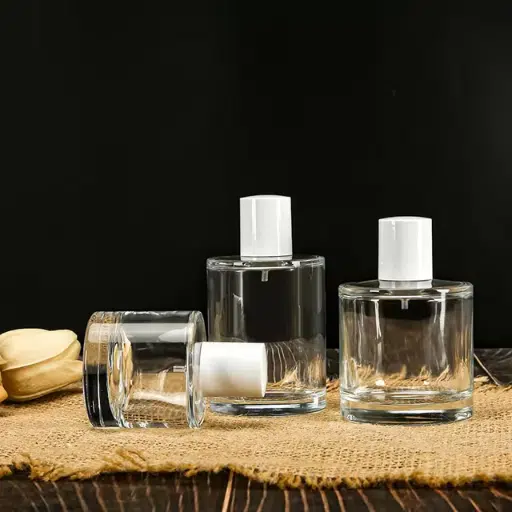
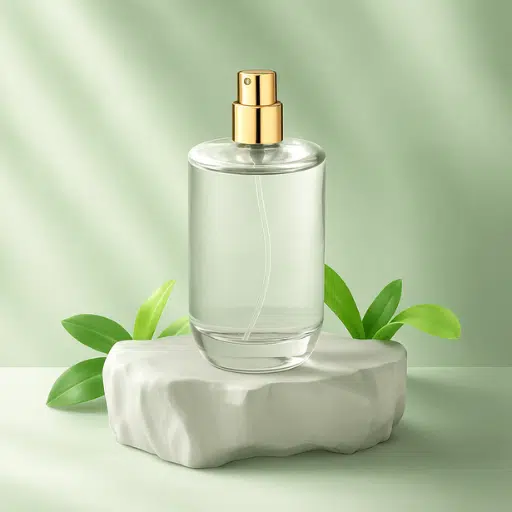
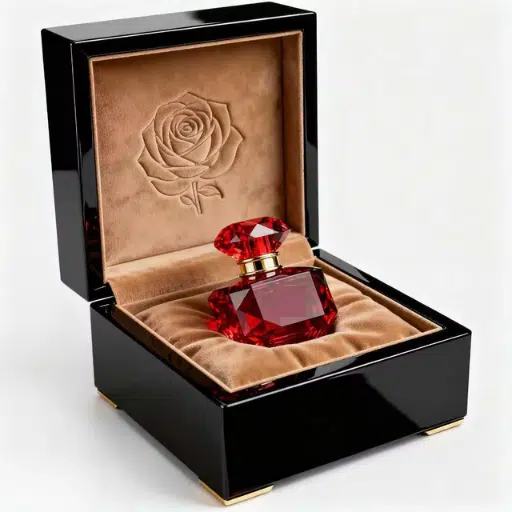
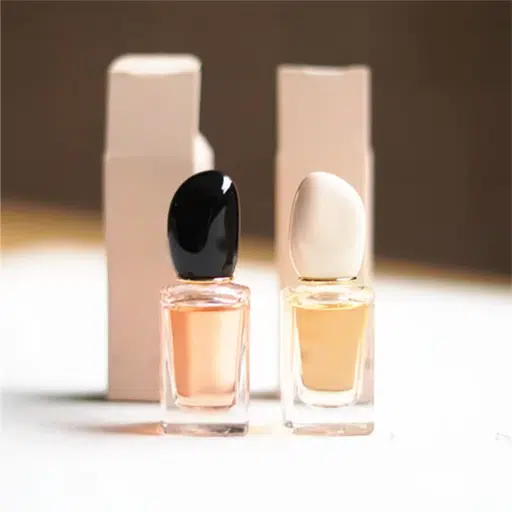
The physical aspects of a product — including its tactile attributes, texture and finish, and material makeup — enable customers to experience emotions that inform its perceived luxury value, leading them to make purchases. The blog post examines how people use touch to understand their environment by analyzing how fragrance package design influences their buying behavior. Our investigation will reveal how different tactile design elements, ranging from velvety textures to embossed patterns, influence customer behavior and how companies use these elements to market their luxury products. The process of transforming tactile design elements into exceptional product features that set your product apart from competitors requires careful preparation.
Tactile Perfume Packaging Introduction
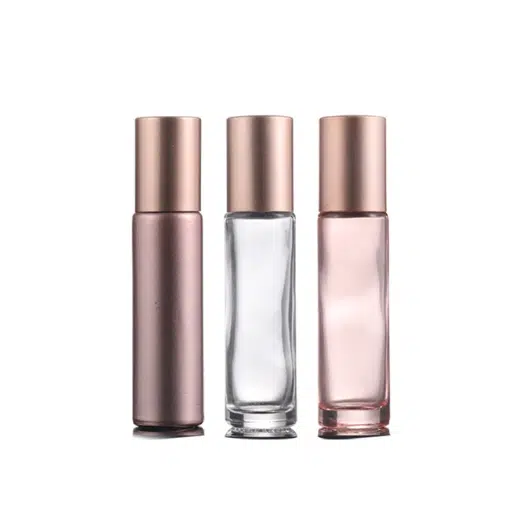
Tactile perfume packaging enhances the sensory experience of products because it enables consumers to touch and feel the product. The approach creates emotional connections between clients and businesses which improve brand loyalty. The packaging achieves its visual appeal through textured surfaces which display embossed logos and soft finishes that provide a distinctive experience for customers to handle. Tactile packaging provides more than specific product features because it combines premium materials with intelligent design choices to enhance product value while establishing its unique presence in the market.
The Importance of First Impressions in Perfume Packaging
First impressions establish the foundations of consumer judgment about a perfume. Research shows that it takes only a few seconds for a potential buyer to form an initial opinion about a product based on its packaging. A well-designed package which grabs attention creates an essential connection between customers and the fragrance product. The following five components produce a positive initial impression through their use in perfume packaging.
Defining Tactile Packaging in the Fragrance Industry
Fragrance packaging uses tactile elements in its design to create sensory touchpoints that enhance customer-product interactions. The unboxing experience has gained significance because brands now design their unboxing process to engage multiple senses which demonstrate the luxurious nature of their fragrance products. The recent market analysis shows that retailers now use tactile features which include embossed designs and soft-touch materials and textured elements to create distinct product presentations in their stores. Research indicates that 72% of consumers believe that they judge product value and quality based on how packaging feels. The use of matte surfaces and velvet finishes creates an elegant appearance while rough surfaces exude strength through their raw design.
Sustainable design now uses eco-friendly materials which include paper and cork and biodegradable components to create products that attract customers through their environmental benefits and sensory characteristics. The selection of materials meets environmental sustainability requirements while providing customers with a tactile experience that they will find enjoyable.
The tactile characteristics of packaging materials lead to a 40% increase in repeat purchases because customers view those elements as signs of superior product quality.
Fragrance brands use touch-based packaging design elements to build products that continue to make an impact on customers which creates emotional ties between their brand and authentic products.
The Luxury Experience Gets Enhanced Through Textures
Texture functions as the main element in luxury experiences since it provides customers with direct sensory contact to all products. 85% of luxury consumers consider tactile product properties that apply to both products and their packaging according to current market standards and research. The combination of satin smoothness with embossed or debossed features and soft matte surfaces creates exclusive and sophisticated appearance.
Texture design on packaging materials for luxury fragrances uses velvet ribbons and engraved metallic accents to create an elevated experience of premium craftsmanship. Luxury fashion brands use complex weaves and high-quality textiles with multiple fabric layers to improve their visual appeal while delivering a complete brand experience.
“Products with multidimensional tactile design elements achieve 30% higher desirability according to research evidence which demonstrates the essential role of texture within the luxury ecosystem. The application of texture in brand storytelling enables companies to establish multi-sensory experiences which build emotional ties with customers and drive their loyalty to the brand.”
Main Elements Which Define Tactile Packaging Design

Material Selection
Tactile packaging depends on the selection of materials that create its desired tactile experience. The combination of embossed paper and soft-touch coatings and textured finishes creates an atmosphere of luxurious premium materials. 72% of consumers believe that premium packaging materials constitute a requirement for top-tier product delivery.
Surface Textures
Unique surface textures which include embossing and debossing and raised patterns contribute to a more complete sensory experience. Textured surfaces create a 45% higher perception of sophistication when compared to smooth surfaces according to results of the study.
Interactive Elements
Packaging includes interactive features which allow consumers to experience the product through pull-tabs and magnetic closures and peelable layers. The product interaction of consumers increases by 40% when interactive elements are present in the packaging.
Weight and Thickness
The use of heavier and thicker materials creates an impression of strength and product excellence. 65% of customers who buy premium products say that product weight affects how they view their worth.
Color and Finish Combinations
Special finishes create visual and tactile contrasts which appear through the combination of matte coatings with metallic accents and glossy highlights. This strategy has been shown to boost brand recognition by up to 50% in competitive markets.
Materials Used in Luxury Perfume Boxes
The materials used in luxury perfume boxes protect the product while improving its visual attractiveness and perceived value. The main materials which are used in production are listed below.
The combination of these materials together with advanced design methods enables brands to produce perfume boxes which meet current consumer demands while remaining environmentally sustainable. The product identity development process requires packaging to combine advanced design with luxurious elements.
Custom Rigid Boxes vs. Traditional Packaging
Custom rigid boxes exceed traditional packaging in delivering both superior quality and greater total value through their distinct advantages. The differences between the two systems can be demonstrated through five essential points.
| Category | Custom Rigid Boxes | Traditional Packaging |
|---|---|---|
| Durability | These boxes use high-grade cardboard and chipboard to create durable containers which protect delicate items like perfumes and electronics and jewelry from damage. | The packaging materials which are used for traditional packaging purposes consist of thinner materials which show reduced durability than standard packaging materials. |
| Aesthetic Appeal | These boxes feature premium design elements which include embossing and foil stamping and textured lamination to create visually appealing products for retail display. | Traditional options use basic printing methods together with plain materials which lack the ability to create luxurious appearances that attract consumers. |
| Sustainability | The packaging industry is moving towards sustainable packaging solutions because most products now use eco-friendly recyclable materials. | The packaging process for traditional products uses unsustainable materials which include non-recyclable plastics and other components that damage the environment. |
| Branding Opportunities | Brands can use logo placement and custom colors and themed designs to create packaging solutions which establish their brand identity while enhancing consumer recognition. | The packaging system of traditional packaging options provides basic design features which result in package designs that fail to create strong impressions on customers. |
| Product Perception | The packaging design creates an atmosphere of exclusivity which leads people to regard the product inside as more valuable. Many consumers see such packaging as an extension of the product’s quality. | Traditional packaging serves as a cost-effective option which diminishes the premium aspect of products thus decreasing their perceived value. |
The assessment of custom rigid boxes as the perfect packaging solution for luxury products occurs through five factors which include durability and aesthetic appeal and sustainability and branding opportunities and product perception.
Soft-Touch Finishes and Their Impact on Buyer Perception

The ability to create soft-touch finishes enables marketers to shape customer perceptions because this feature provides customers with a physical experience that improves their product assessment. The finishes create a dual effect because they deliver visual attraction while they enable customers to experience premium packaging through its sophisticated appearance and tactile luxuriousness. The following section presents five specific methods through which soft-touch finishes influence how customers perceive products.
- Luxury and Premium Association
Customers assign exclusive status to high-end products because they associate soft-touch finishes with their most expensive items. Research shows that consumers are more likely to equate a soft, velvety texture with products of superior quality, reinforcing the brand’s premium image. - Enhanced Emotional Connection
Soft-touch finishes provide tactile sensations which enable buyers to experience emotional bonds with products. Customers who experience sensory engagement will feel positive emotions which lead to brand loyalty and an increased chance of purchasing. - Enhanced Perceived Value
People consider products to have greater worth when soft-touch finishes appear on their packaging. Customers will spend 10% more on products which provide better tactile experiences because the packaging design gives an impression of high quality and craftsmanship, according to studies. - Market Presence Enhancement
Soft-touch finishes enable products to stand out in retail spaces because they create distinct visual effects which set products apart from competing items. The special texture of the product packaging attracts instant customer attention, which leads them to touch the package and create an unforgettable first experience. - Sustainability and Innovation Appeal
Modern soft-touch finishes make use of sustainable materials which manufacturers create through eco-friendly production methods. Environmentally-conscious buyers perceive these finishes as proof of the brand’s dedication to sustainable innovation according to their industry responsibilities.
Companies achieve market success through soft-touch finishes which improve packaging customer experiences and create lasting customer impressions.
How Texture Shapes Brand Image: Key Research Findings
Texture serves as a primary factor which shapes how customers understand and interact with a brand. Research findings and market data demonstrate that tactile elements hold critical importance for establishing brand identity.
of consumers associate textured packaging with premium quality and a more luxurious product.
of surveyed customers show greater brand loyalty due to soft-touch materials evoking comfort and trust.
increase in brand recognition for textured packaging vs. standard smooth packaging.
of consumers choose to touch products with distinctive textures, reinforcing brand identity in competitive markets.
of consumers prefer brands that integrate sustainable materials into their tactile designs.
Creating an Unforgettable Experience Through Tactile Design
The design of tactile elements creates a connection between physical product usage and emotional product usage which leads to an experience that exceeds visual beauty. Research demonstrates that touch interacts with purchasing behavior because consumers make quality and value assessments based on their tactile experience of products. According to a 2023 Deloitte study which analyzed product handling, shoppers who touched premium textured products rated them as higher quality than those who used regular packages at a rate of 2:1.
The combination of tactile design and sensory branding creates a stronger impact. McKinsey research shows that using texture with visual and olfactory elements increases brand recall by 75%. High-end beverage brands use textured frosted glass because it represents purity and authenticity which makes a lasting impression on customers. The use of soft recycled fibers in product packaging creates strong connections with environmentally-conscious consumers who feel both emotional and ethical engagement with the brand.
Tactile design enables people to experience new things when it combines with modern technology. Users can experience product moments through augmented reality (AR) technology which uses enhanced textures. The touch-sensitive packaging trend enables users to control packaging by grip pressure which creates interactive storytelling experiences that build stronger connections with users.
How Tactile Elements Reflect Brand Values
Tactile elements serve as essential elements which show a brand’s core principles to build stronger bonds with customers and enhance their brand identity. Brands use physical touchpoints to successfully transmit their values through messages which create emotional connections with their audience. Tactile elements demonstrate brand values through five different methods which include specific details and examples.
-
Sustainability Commitment
Brands can integrate eco-friendly textures such as recycled or biodegradable materials to demonstrate a strong commitment to sustainability. Lush Cosmetics uses minimal recyclable packaging to establish their environmental responsibility which matches their dedication to environmental preservation.
-
Premium Quality
The use of luxurious and refined materials like velvety finishes or smooth metallic coatings communicates high-quality craftsmanship. Apple implements its reputation for excellence and innovation through the use of precision-engineered aluminum casings which feature products with exact specifications.
-
Inclusivity & Accessibility
Designers use tactile elements such as embossed labels and Braille text to create products that support inclusivity and accessibility. People with visual impairments can use this design to interact with the product. Coca-Cola shows its commitment to inclusivity through its braille-adapted cans which it distributes in selected markets.
-
Innovation & Modernity
Brands can showcase their innovative work by using advanced tactile technologies which include touch-sensitive materials and temperature-responsive materials. The temperature-sensitive beverage labels from Coors Light operate through color changes which indicate the best drinking temperature for their beverages.
-
Authenticity & Heritage
Natural handcrafted textures which include untreated wood and leather and hand-stitched fabrics create an authentic heritage experience. For their luxury products Louis Vuitton uses these materials to show their dedication to lasting craftsmanship and extensive historical heritage.
Every tactile decision that brands make serves as a method to show their core beliefs to customers which creates experiences that extend beyond sight to achieve emotional connections.
Case Studies: Successful Perfume Brands and Their Tactile Packaging
The brands use tactile packaging as a tool which helps them create product experiences which establish brand values and make lasting impressions on customers. Their perfume collection demonstrates how various textures and materials interact with different elements to create a high-end sensory experience.
Trends in Tactile Perfume Packaging

Luxury perfume brands now use tactile design elements to enhance their packaging which creates multiple sensory experiences for their customers. The current market trends show that brands are developing unique products through their use of innovative materials and sustainable solutions and customizable designs.
Sustainability in Packaging Materials
The increasing importance of sustainability has led to the use of eco-friendly packaging materials which include glass and recycled metals and biodegradable elements. MarketWatch reported in their 2022 study that sustainable packaging will reach a market value of $469.49 billion by the year 2027. High-end perfume brands now use these materials in their products which maintain their luxurious appearance through textured recycled paper and refillable glass bottles that provide sensory and environmental benefits.
The Rise of Customization
Customization is another driving trend in tactile packaging. Brands are turning to embossing, etching, and engraving techniques that allow consumers to personalize their packaging. Initial etching enables customers who purchase perfume bottles to create their own unique designs which establishes a special connection between the product and the customer using it. The growing trend allows businesses to create experiential luxury items which enable customers to showcase their individual fashion preferences.
Innovative Textures and Inspirations
Luxury fragrance brands use different natural textures such as stone fabric and leather to create packaging that provides customers with specific sensory experiences. The combination of a transparent frosted glass bottle and leather accents creates three distinct tactile feelings which include softness and sophistication and rugged elegance. The new packaging materials create distinct packaging designs which develop product stories by connecting the packaging experience to the product’s fundamental nature.
Technological Integration
The intersection of technology and packaging design is on the rise. Smart packaging solutions such as QR codes which appear on perfume caps and boxes use tactile elements to create digital experiences. The experiential approach enables consumers to scan codes which provide access to exclusive content and fragrance details and personalized experiences that merge physical engagement with digital innovation.
The use of tactile packaging creates visual attraction, which has important significance because it shows how perfume companies will provide complete sensory experiences that emphasize their commitment to sustainable practices and their unique product offerings.
Current Design Trends in the Fragrance Market
The fragrance industry develops new business models which depend on three key currents. The 2022 global perfume market had a value of approximately $33 billion and is expected to exceed $47 billion by 2030 with a compound annual growth rate of 4.5 percent. The emergence of fresh design patterns leads to new products which fulfill both aesthetic requirements and functional needs of consumers.
| Design Trend | Description | Key Example |
|---|---|---|
| Personalized Fragrances | People now prefer personalized fragrances because they can create their own unique scents which show their individual style. Many luxury brands now offer tools or in-store experiences that allow individuals to create signature scents tailored just for them. The trend shows how people increasingly want to have special items which help them build a personal bond with their scent products. | In-store bespoke scent creation experiences |
| Sustainable Packaging & Ingredients | The fragrance market follows the trend of sustainability which has become a main emphasis throughout all business sectors. Brands now choose environmentally friendly packaging solutions which use materials that can break down or be recycled. The industry practices ingredient sourcing which fulfills vegan standards while using sustainable materials to meet the demands of environmentally conscious clients. | L’Oréal: committed to 100% eco-designed packaging by 2030 |
| Tech-Enhanced Solutions | Companies now use technology for both designing fragrances and promoting their products to consumers. The public has shown interest in smart perfume devices which have the capability to create and dispense different scents through a single button. The packaging industry implements QR codes together with augmented reality (AR) technology to provide users virtual scent experiences and product information and interactive storytelling capabilities. Young people who possess advanced technological abilities find traditional methods combined with modern technologies to be extremely appealing. | QR-enabled AR storytelling on packaging |
| Minimalist & Eco-Chic Aesthetics | The fragrance market currently adopts minimalist packaging designs which achieve a luxurious appearance through their use of basic elements. The design style achieves its aesthetic through its use of clean lines and earthy tones and simple yet elegant elements. The packaging system utilizes eco-chic design features which enable users to recycle their products through reusable bottles and refillable designs to create a green solution that maintains its elegant appearance. | Refillable bottle designs with minimal earth-tone packaging |
| Wellness & Mood-Based Fragrances | Consumers who prioritize mental health now show growing interest in fragrances that help them relieve stress and achieve relaxation while lifting their mood. Brands promote their fragrances as essential elements of a complete wellness program which uses essential oils for therapeutic benefits. | Aromatherapy-positioned fragrance lines with essential oil benefits |
Modern design trends and innovative technologies now shape how consumers view fragrance products while they establish new standards for sustainable development and technological progress in the market.
Accomplishing Visual Appeal Through Embossing and Spot UV Techniques
The packaging and branding industry uses Embossing and Spot UV as two common methods which improve visual appeal while making products appear more luxurious. Embossing creates a three-dimensional design effect which enables elements such as logos and text and patterns to achieve visual prominence because they extend beyond the base surface. According to recent trends, brands utilizing embossing report increased customer engagement, as the technique adds a sense of luxury and sophistication that resonates with consumers.
The application of Spot UV involves the targeted treatment of particular sections on the surface to which a shiny layer will be applied. The design elements which include brand names and images receive enhanced attention because of the visual contrast between glossy and matte surfaces. A study from Packaging Strategies highlights that 70% of customers associate high-quality packaging effects like Spot UV with a more premium product experience, influencing their purchase decisions.
Embossing
Creates a three-dimensional raised design effect on packaging surfaces. Used for logos, text, and patterns to achieve visual and tactile prominence that immediately elevates perceived brand value.
Spot UV
A targeted shiny coating applied to selected areas, creating a striking contrast between glossy and matte finishes that draws consumer attention to key design elements like brand names and imagery.
The combination of embossing and Spot UV creates an impressive visual experience which people can physically experience. The fragrance and beauty industry uses these techniques to create a sense of elegance and quality among their products. Research indicates that packaging with such features tends to stand out on shelves, increasing the chances of capturing consumer interest by up to 40% more than standard packaging.
The techniques allow businesses to improve their brand image while they build closer connections to customers which results in better sales performance and market position.
The Role of Sustainability in Packaging Choices
People today make sustainable packaging choices because they want to meet their environmental goals which organizations and customers who prefer sustainable practices now consider essential. Companies implement new methods which help them decrease their environmental damage while delivering products that meet their customers’ expectations for sustainable goods. The five main elements of sustainable packaging contain their respective data details which are listed below.
| Sustainable Strategy | Detail | Key Statistic |
|---|---|---|
| Recyclable Materials | The implementation of recyclable materials which comprise paper and glass and specific plastic types contributes to landfill waste reduction. | 74% of consumers prefer recyclable packaging |
| Biodegradable Options | The packaging material which consists of biodegradable substances and compostable fibers and plant-based plastics will undergo natural decomposition through time which will reduce its environmental impact. | Can cut waste pollution by 30% or more |
| Lightweight Packaging | The process of reducing packaging weight accomplishes two goals which include resource production reduction and transportation emission decrease. | Reduces shipping energy costs by up to 20% per unit |
| Reusable Packaging | The use of reusable packaging by consumers allows them to transform their containers into various purposes which results in reduced usage of single-use items. | Average 15% increase in customer loyalty |
| Renewable Resources | The use of renewable resources which includes materials from bamboo and corn starch helps to achieve sustainable environmental development. | Attracts 47% more eco-conscious consumers |
The implementation of these sustainable packaging strategies enables businesses to meet increasing consumer demands while improving their brand image and supporting worldwide environmental protection efforts.
Frequently Asked Questions (FAQ)
References
- Exploring the Tactile Elements for Sustainable Perfume Packaging Practice in Art and Design PDF Link
- The Exploration of Tactile Elements in Perfume Package Design and Their Impact on Male Consumer Purchasing Behaviors PDF Link
- Tactile Packaging Design – The Importance of Shape for the Tactile Perception of Board Materials
Materials PDF Link