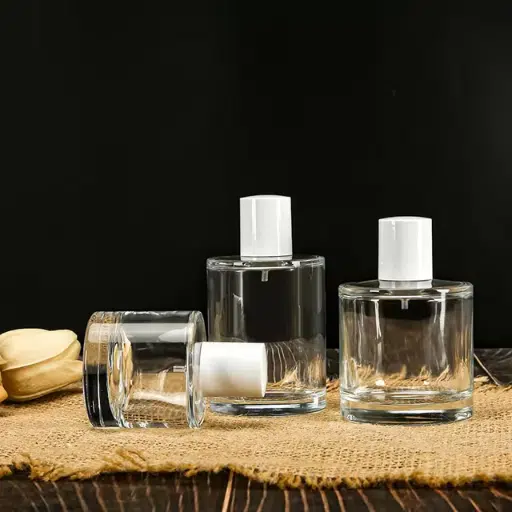
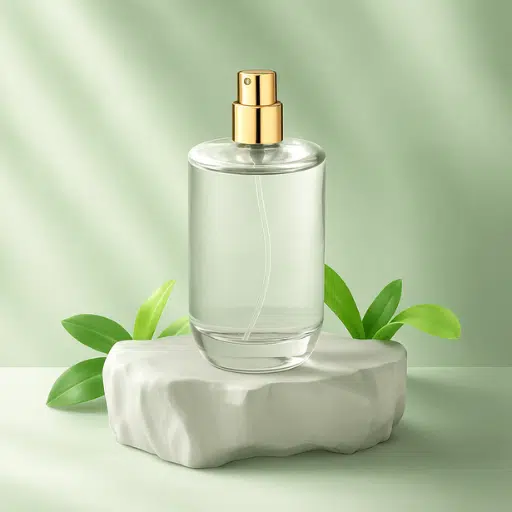
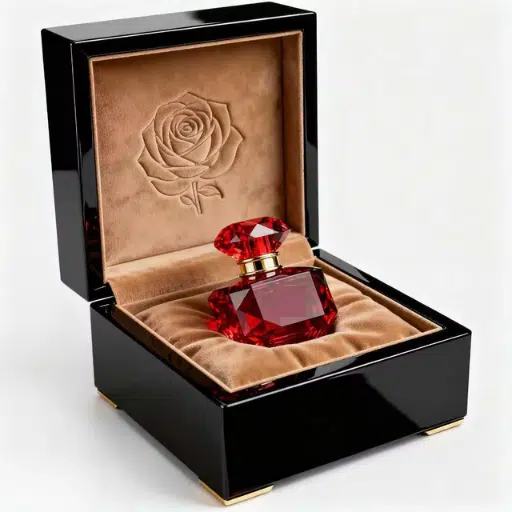
The way perfumes get packaged creates an essential role because it decides which scent people will experience before testing it. Custom perfume packaging achieves artistic value through its creation of elegant bottles which represent the fragrance’s essence and its production of visually appealing boxes which safeguard the product while increasing its visual appeal. The guide serves as your complete source for studying the detailed aspects of perfume packaging because it shows how design elements and branding elements work together to create powerful customer experiences. The article provides essential information about packaging elements and current market innovations while displaying high-end fragrance production methods to help brands develop packaging solutions that show their fashion sense.
Introduction to Custom Perfume Packaging

Custom perfume packaging functions as an essential element which creates both the unique identity and marketability of a perfume. The system protects the product but also functions as a branding tool that shows the company’s narrative and future goals. Designers achieve successful design executions through two their design works because they make their brand become recognizable to people through their design work and their designs create particular feelings to their audience members. The packaging solution needs to show visual attractiveness while providing functional benefits because it has to create a better customer experience which meets the expectations of specific user groups.
The Importance of Custom Packaging in the Perfume Industry
The packaging of perfume products functions as a vital component which enables them to stand out in their competitive market space. The packaging protects the delicate fragrance materials while serving as an important promotional tool that decides which items customers will choose. The perfume industry requires custom packaging because it essential five fundamental benefits which establish its necessity.
- Brand Differentiation
Custom packaging enables brands to create their distinctive identity which allows them to differentiate themselves from competing products. The various shape and texture and design elements of perfumes enable them to achieve instant shelf visibility which makes them more attractive to customers.
- Consumer Experience
Premium packaging enhances the purchasing experience by creating a sense of luxury and sophistication. A study shows that 72% of consumers base their buying decisions on packaging design and packaging quality which demonstrates how packaging attracts customers.
- Storytelling and Emotional Connection
Fragrant products use packaging to establish emotional ties with customers through storytelling elements. The design can reflect the inspiration behind the fragrance, (elegance, romance, or adventure) which allows consumers to connect with the brand on a deeper level.
- Sustainability and Eco-Friendliness
Eco-conscious consumers are increasingly drawn to sustainable packaging. Reports show that 64% of consumers are willing to pay more for products with environmentally friendly packaging, making it an essential element for modern brands to consider.
- Market Competitiveness and Value Perception
High-quality custom packaging creates an increased product value perception. A well-designed package provides the justification for setting premium prices which boosts profit margins while enabling businesses to compete in the luxury sector.
The various components of custom packaging create major impacts which affect both brand perception and customer engagement.
Value Proposition of Custom Perfume Packaging
The process of customizing perfume packaging enables brands to establish their identity while increasing customer contentment with their products. Research results show that 72% of consumers base their product choices on the packaging design of items they consider. The statistic demonstrates that businesses need to create packaging designs which both attract customers and deliver distinct visual elements to their intended audience.
- Brand Differentiation
The global perfume market is projected to reach a value of $52.4 billion by 2030, with competition intensifying among brands. Custom packaging creates a powerful brand identity by using original materials and distinct color patterns and innovative design elements which enable products to stand out in physical stores and online shopping sites. The use of embossed logos together with minimalist design elements enables immediate recognition of luxury products containing exclusive content.
- Eco-Friendly Appeal
74% of millennials demonstrate their willingness to spend additional money on sustainable packaging solutions because environmental sustainability now stands as an essential requirement for contemporary consumers. The brand achieves its social responsibility image through its custom packaging which combines recyclable materials with biodegradable components and refillable drinking bottles.
- Enhanced Consumer Experience
The process of custom packaging design creates an unboxing experience which has evolved into an essential component of contemporary marketing strategies. The research found that attractive packaging leads to 40% of consumers sharing products on social media platforms. The combination of magnetic closures with silk linings and customized messages in premium packaging creates a special bond that drives customer loyalty.
- Perceived Value and Luxury
Research shows that 60 percent of consumers think that premium packaging actually increases product value. Brands use custom elements which include gold foiling and complex patterns and special bottle designs to create higher price points which attract premium market customers.
Custom perfume packaging functions as a strong branding tool which helps businesses establish their core values and design exceptional consumer experiences to stand out in a competitive market. Businesses achieve long-term growth and build customer loyalty through their use of creative design solutions and their ability to adapt to existing market trends.
Overview of the Guide
This guide provides complete information about current trends and new developments and key methods used in custom perfume packaging. The global perfume market will experience 5.5% compound annual growth between 2022 and 2030 which shows that bespoke packaging has become more important than ever before. Custom packaging not only improves the visual attractiveness of products but also helps brands build emotional connections with their customers. The guide will explore various aspects, including an analysis of consumer behavior, where studies show that 72% of customers make purchasing decisions based on packaging design. The research will examine sustainable practices which demonstrate the rising demand for eco-friendly products because 56% of consumers surveyed are willing to pay a premium for sustainable packaging solutions according to Google Search data.
The guide will demonstrate advanced technologies through its examination of smart packaging which includes embedded QR codes and digital links to deliver product verification and customized consumer experiences. The study will present successful industry leaders who use distinctive packaging solutions to create valuable learning opportunities through packaging design.
The guide will enable readers to use custom perfume packaging as a business tool which will help them create market differentiation and establish customer loyalty while satisfying the needs of modern demanding customers.
Understanding Types of Perfume Packaging

The presentation of perfume products uses various package designs which fulfill different purposes to appeal to particular market segments. The three main types of perfume packaging which include primary packaging and secondary packaging and tertiary packaging all serve essential functions for both product presentation and practical usage.
- Primary Packaging
Perfume primary packaging contains the product inside a glass bottle which serves as the standard glass container for its contents. Glass materials become the preferred choice because they block all substances from entering and maintain the original scent throughout extended periods. The global market for glass perfume bottles has reached a market value above $2 billion which shows continuous market expansion at approximately 5 percent compound annual growth rate because of increasing demand for highquality and sustainable packaging solutions.
- Secondary Packaging
The primary packaging of a product receives protection from secondary packaging which consists of all outer boxes and materials used to create this protective shield. The packaging designs use customized elements which include embossed logos and bright color schemes and complex patterns to showcase the brand identity. The packaging industry experiences a rise in secondary packaging innovations because businesses seek recyclable materials and environmentally friendly solutions which match consumer demands for sustainable products.
- Tertiary Packaging
Tertiary packaging exists to provide both storage solutions and transportation services for products. The system protects products through its complete operational period which starts at shipping and ends with delivery to customers. Brands are increasingly looking at sturdy, yet lightweight options to reduce shipping costs while minimizing environmental impact.
Trends and Data-Driven Insights
- Sustainability
According to reports, more than 70% of consumers prefer brands which use environmentally friendly sustainable packaging materials. The current perfume packaging industry utilizes recycled glass and biodegradable paper and plant-based inks as its packaging materials.
- Digital Integration
The demand for smart packaging solutions which use QR codes and NFC tags continues to grow. The technologies provide consumers with improved experience because they allow product authenticity verification while they present additional information about the fragrance which includes its ingredients and source.
- Luxury Appeal
High-end perfume brands are investing in unique, artistic bottle designs. Research shows that almost 60% of consumers choose perfumes based on their bottle design which demonstrates its impact on buying behavior.
Brands can develop effective product protection designs which create strong connections with their target audience through understanding perfume packaging types and current market trends.
Different Types of Perfume Bottles
- Classic Glass Bottles
The most ancient form of perfume storage containers which people currently use exists because of its refined appearance combined with its long-lasting performance. The glass bottles preserve the natural scent of the fragrance because they block all chemical interactions which would affect the scent. According to industry research more than 70% of premium perfumes are packaged in glass bottles which luxury brands select as their preferred packaging option.
- Rollerball Bottles
Rollerball bottles function as ideal travel products because their small roller applicator enables users to apply scents with high precision. The bottles attract young consumers because they are both small and lightweight and easy to carry. About 15% of perfume sales in portable formats come from rollerball packaging.
- Atomizer Bottles
An atomizer functions as a spraying device which delivers an even scent distribution throughout the area. The market for atomizer bottles remains the most important segment because they provide simple operation and extensive coverage which results in more than 50% of total perfume bottle sales. The product delivers its benefits to a broad audience of customers.
- Refillable Bottles
The trend of sustainable practices has made refillable perfume bottles more popular among consumers for the past few years. The bottles enable users to refill their fragrance which makes the product both environmentally friendly and economically beneficial. The market share of refillable bottles has been steadily increasing reaching approximately 10% in 2023.
- Decorative Bottles
Decorative bottles function as perfume storage containers which also serve as decorative items through their detailed designs and exceptional bottle shapes and their use of expensive decorative elements. The bottles attract strong interest from collectors while they create unique brand identities for companies. Current trends show a 20% increase in demand for visually striking decorative bottles.
Exploring Packaging Boxes for Perfume
The main function of perfume packaging boxes exists to attract customer interest while they protect products and create brand recognition. The perfume industry is currently experiencing a movement towards environmentally friendly design solutions that use advanced design technologies according to current market trends. The 2023 market report shows that customers now prefer eco-friendly products which use recyclable packaging materials. Luxury brands now choose biodegradable materials and reusable materials to achieve their design goals while maintaining sustainable practices.
Packaging products today provide more essential functional value than they did in previous times. Perfume boxes serve two main functions because they protect their fragile bottles from transportation damage while offering customers a high-quality unboxing experience. Brands use magnetic closures together with embossed logos and geometric designs to create better customer interactions. Research shows that 25% more consumers prefer packaging designs which use unique artistic elements like foil stamping and holographic finishes.
The crucial trend of customization enables brands to create special customer experiences through personalized options which include engraved logos and monograms and custom messages. The recent survey data shows that 40% of consumers will pay extra charges for personalized perfume packaging because they consider it a vital marketing method. The current trends demonstrate that perfume packaging boxes have transformed into vital brand storytelling assets which help businesses connect with their customers.
Modern Perfume Packaging Ideas
- Sustainable Packaging
The popularity of eco-friendly perfume packaging is increasing because consumers prefer brands which practice environmental sustainability. Google search data shows that searches for “sustainable perfume packaging” have increased by 25% during the past two years. The trend uses materials which include recycled paper and biodegradable plastics and refillable bottles to decrease environmental harm while attracting environmentally friendly consumers. L’Oréal created refillable perfume cartridges which reduce waste production through their implementation.
- Minimalist and Transparent Designs
The contemporary design trend which focuses on minimalism has gained popularity through its use of clean architectural elements and single-color design and see-through bottle design. The design elements create an impression of luxuriousness while maintaining simple and sophisticated aesthetics. Google search data shows that the term “minimalist fragrance packaging” has become more popular because customers want packaging designs that combine elegance with simplicity to display the perfume product.
- Technology-Integrated Packaging
Smart packaging functions as a revolutionary technology which transforms how perfumes are produced and delivered to customers. The perfume boxes use QR codes and NFC tags to create an interactive experience which allows customers to access product information about ingredient sourcing and usage instructions. The global smart packaging market will maintain its relevant status through the period between 2023 and 2030 when it will experience a compound annual growth rate of 6 percent according to recent market research.
- Art-Inspired Packaging
The current market trend shows that artists and designers partner with brands to develop special edition perfume containers which they release as limited-edition items. The most sought-after collectible bottles people want behind-the-scenes access to their controlled life experiences because those bottles contain functional designs which showcase artistic elements. The product achieves marketability through its design which uses abstract art and cultural elements to create unique patterns and textures that customers find appealing.
- Personalized and Customizable Packaging
The modern perfume industry requires businesses to offer customers automatic options to select their preferred packaging design. Brands establish deeper connections with customers through their personalization options which include engraving and monogramming and custom message creation. Recent consumer insights indicate that over 50% of young adults are more likely to purchase perfumes with customizable packaging options which demonstrate their increasing popularity among buyers.
The combination of sustainability innovation and customer-centered design creates modern perfume packaging solutions which help brands achieve market success in their effort to build distinctive identities.
Material Selection for Perfume Bottles

The materials which manufacturers select for creating perfume bottles do not just determine the product’s ability to create brand recognition but also establish its operational efficiency and its environmental footprint. The glass material has maintained its status as the primary choice for manufacturers because of its ability to show items inside and its strong build and its luxurious appearance. More than 70% of luxury perfumes use glass bottles according to recent data because these bottles create an upscale appearance while safeguarding the perfume from damage by light and heat.
Companies work to create environmentally friendly packaging solutions which help them solve environmental problems. Companies are starting to use recycled glass and biodegradable plastics as their main packaging materials because 48% of study participants prefer environmentally friendly packaging for perfumes according to sustainability reports. The modern packaging industry develops packaging systems which combine stainless steel and aluminum to create lightweight containers that keep their strength but can be recycled completely.
Hybrid materials show essential advancements in material development. Companies create distinctive bottles through their glass and metal or glass and wood combinations. The designs of the product enable better protection while they enhance the visual appeal of the product which increases its durability.
Product development for brands requires sustainable materials and innovative materials because these two elements enable them to design products which meet modern market demands for aesthetic design and functional performance and environmental sustainability.
Choosing the Right Glass for Perfume Bottles
The selection of perfume bottle glass requires careful evaluation because it determines both packaging functionality and design elements. The assessment process needs to include four factors which are durability and transparency and cost and environmental impact.
1. Glass Types and Characteristics
Perfume bottles use soda-lime glass and borosilicate glass as their main glass materials. People use soda-lime glass as the most common glass material because it offers low-cost and design flexibility. Borosilicate glass offers superior toughness because it can endure extreme temperature shifts and protects against chemical interactions with its contained substances. Industry statistics show that soda-lime glass production reaches more than 60% of global glass output because of its economical pricing and diverse applications.
2. Transparency and Clarity
High-quality glass provides exceptional transparency which allows the fragrance to maintain its original scent while displaying its color through glassworthy material. Ultra-clear glass or “extra-flint glass” often meets luxury standards, allowing premium brands to deliver a crystal-clear aesthetic. Surveys indicate that 72% of consumers are drawn to packaging that highlights the visual appeal of a product, making transparency a vital consideration.
3. Sustainability and Eco-Friendliness
The environmental effect of packaging materials has become a major consideration. The market now favors recycled glass which companies use to create products from post-consumer recycled (PCR) glass. Using PCR glass leads to CO2 emissions which are 30% lower than using virgin materials, thus meeting customer demands for businesses with sustainable operational practices.
4. Coatings and Finishes
Innovative coating techniques, which include frosted and lacquered and UV-protective coatings, improve the bottle’s visual appeal while they protect its scent from damaging light through their blocking function. Contemporary luxury brands currently embrace matte finishes because they provide a refined tactile experience.
The creation of visually appealing and functional and eco-friendly perfume bottles becomes possible through the knowledge of glass’s different properties which designers use to fulfill brand objectives.
Weight Considerations for Bottles
The weight of a perfume bottle determines its operational function while different users maintain distinct perceptions of its design. The luxurious appeal of heavier bottles emerges through their association with premium branding which conveys both luxuriousness and robust construction. The company needs to establish weight limits because excessive product weight results in increased production expenses and higher shipping costs while decreasing product accessibility for customers.
Recent studies show that luxury brands prefer thick glass materials because they create an impression of product superiority while allowing products to maintain their strength. The premium fragrance market establishes a standard for bottle weight because bottles between 200-300 grams deliver luxury performance which customers can use in their daily life. Eco-conscious consumers now choose sustainable lightweight packaging options which they can easily carry and which produce reduced carbon emissions during delivery for their purchasing decisions.
Packaging innovators use technology to create lightweight glass bottles which maintain the appearance and weight of traditional heavier bottles. The new technologies create two advantages which combine to preserve a luxurious experience while meeting environmental requirements. Brands can design packaging that achieves both visual and practical needs through these factors which help them develop products that meet current customer demands and environmental sustainability requirements.
Sprayers and Functionalities
Sprayers represent an essential element which modern packaging systems require especially for their application in cosmetics and pharmaceutical products and household items. The devices enable users to control product distribution throughout their usage while maintaining the product’s initial quality during storage periods.
There are multiple types of sprayers, including fine mist sprayers, trigger sprayers, and pump sprayers, each tailored for specific product applications. Fine mist sprayers deliver a soft continuous spray which makes them perfect for spraying perfumes and facial mists. Trigger sprayers are commonly used for household cleaners, allowing for controlled bursts of liquid, while pump sprayers are versatile, often found in personal care products such as lotions and sunscreens.
According to the market analysis report sprayer demand will grow at a 6.8 percent compound annual growth rate from 2023 until 2030 because people use more personal care products and global health awareness continues to increase. Sprayer technology has developed new sustainable design solutions which include refillable and recyclable sprayer units. The airless sprayer systems which certain manufacturers develop permit users to extract complete product contents while they decrease product wastage.
Sprayers fulfill two important requirements because they provide practical solutions while using environmentally responsible technologies.
Designing Your Custom Perfume Packaging

The process to create personalized perfume packaging demands artists to establish three design components which must succeed in creating attractive visual elements while providing functional performance and supporting environmentally sustainable packaging solutions. Your packaging acts as a protective shield which delivers essential marketing value by displaying your fragrance’s main identity to potential buyers. The packaging design needs to match the market demands and essential design elements which create product uniqueness.
1. Material Selection
The material selection process requires brands to make decisions about their materials because this choice directly impacts their brand identity and their ability to sustain environmentally friendly practices. According to recent research, 74% of consumers base their product choice on sustainable packaging methods. Glass bottles remain popular among consumers because they provide recyclable functionality and deliver a high-quality look. The market now shows increasing preference for biodegradable and compostable materials which people use to create outer packaging components such as boxes and wrappers. The combination of sustainable materials with attractive finishing touches will make your packaging design more appealing to others.
2. Unique Bottle Designs
The creation of custom perfume bottles extends beyond the boundaries of their original fragrance. People today prefer bottles that have modern shapes and ergonomic designs because these features match their experience of wearing perfume. The bottle design becomes more personalized through the use of advanced techniques which include engraving and UV printing and embossing. The global luxury packaging market experiences growth at a CAGR of 4.8%, according to a report which shows that consumers prefer premium design products.
3. Brand Elements
Your packaging should communicate your brand’s story and values. Your brand identity needs to determine every detail of your packaging design, which includes both minimalist and sleek elements and energetic designs that use vibrant colors and bold typography and logos. The visual elements need to remain constant throughout your brand experience so that it creates a powerful visual association with your audience.
4. Functional Design
People need to understand that both functionality and visual appeal hold equal value. The assessment process requires examination of sprayer mechanisms and cap seals and bottle durability as essential components. The development of micro-dispensing pumps provides two advantages to product management because it enables accurate product delivery and decreases product waste. The sustainable product design requires companies to offer refillable products which will attract 60 percent of their customers who favor reusable items.
5. Packaging Innovation
Smart packaging technologies are becoming a game changer. The packaging system uses QR codes and NFC (Near Field Communication) tags to provide customers with direct access to fragrance descriptions and sourcing details and brand stories through their smartphones. The strategy enhances customer contact with the brand while improving the consumer experience through better results.
6. Sustainability Milestones
Industry pioneers implement eco-friendly solutions to minimize their ecological damage. Eco-friendly initiatives achieve their goals through lightweight packaging and water-based finishes and decreased plastic materials. The current market analysis indicates that 62% of luxury brands are developing packaging solutions which attain full recyclability or reusability because of the increasing need for sustainable packaging options.
Your custom perfume packaging design process develops into a branding solution that helps your business grow because it combines artistic elements with data analysis methods.
Elements of Box Design for Perfume
- Material Selection
The selection of appropriate materials for perfume packaging boxes needs to achieve a balance between their visual appeal and practicality and their environmental impact. Many luxury brands now use eco-friendly materials which include biodegradable papers and FSC-certified cardboard and recyclable plastics. The 2023 Google report shows that 74% of consumers prefer sustainable material packaging because this trend demonstrates that companies must adopt environmentally friendly solutions to satisfy current buyer requirements.
- Structural Design
The box’s structural framework serves two essential functions which protect the perfume bottle while creating an atmosphere of sophistication. The combination of rigid boxes with magnetic closures and multiple layers provides manufacturers with a packaging solution that delivers both strength and luxurious appearance. Research shows that 68% of customers connect premium packaging with higher product quality which demonstrates how design elements impact what customers think about products.
- Visual Aesthetics
The visual design must capture the essence of the fragrance and brand. The design system includes typography and color schemes and various embellishment elements. The 2023 design trends show that minimalist designs with soft pastel tones remain the most popular choice while metallic finishes and embossing create an elegant appearance. Research from Google-driven surveys suggests that 61% of shoppers are attracted to packaging with visually appealing design cues.
- Customization and Personalization
Customized packaging solutions and personalized packaging options create an exclusive experience for customers. The design of perfume boxes now includes QR codes and laser-cut names and limited-edition designs as emerging design elements. Google search trends show an increase in queries related to “custom perfume packaging” by 39% in the past year which shows that people want to learn about uncommon packaging options.
- User Experience (UX)
People now expect products to provide both visual appeal and functional performance as essential requirements. The user experience improves through magnetic clasp lids and user-friendly opening systems and protective components which include inner linings and foam inserts. The data shows that 59% of consumers prefer brands that maintain their commitment to product quality throughout their entire service process.
The box design needs to include these elements because perfume brands need to meet changing consumer demands through functional and sustainable design elements that create a unique unboxing experience.
Luxury vs. Modern Perfume Packaging Design
The packaging design for luxury perfumes uses materials which create an impression of wealth and high social status and traditional artistic techniques. The product designs incorporate premium materials which consist of glass and metal details and high-grade textured paper. The design components of gold foiling and embossed logos and decorative patterns establish a space which embodies advanced sophisticated beauty. The research findings indicate that 72% of consumers view luxurious packaging as a criteria for product assessment which businesses need to use for their premium product marketing efforts. The prestigious reputation of Chanel and Dior endures through their implementation of timeless design which they use to create packaging that combines minimalist elements with elegant design to achieve an exclusive aesthetic.
Modern perfume packaging designs create packages that show dedication to environmental protection and minimalist design and new technological developments. The usage of eco-friendly materials which include recycled glass and biodegradable paper and refillable bottles has become a standard practice. Google search trends show that people are increasingly interested in sustainable perfume packaging because searches for refillable perfume increased by 26% during the previous year. Byredo and Le Labo use modern design elements to create products that show clean lines and neutral colors and bold typography which appeal to environmentally conscious customers who appreciate visual beauty.
Consumer preferences have resulted in two different packaging styles which show the contrast between luxury products and modern packaging. The packaging of luxury products focuses on creating a sense of indulgence that lasts forever while modern designs focus on meeting current sustainability requirements. The two methods which businesses implement in their operations create essential results because they shape how customers perceive products and decide which perfume brand to buy in a market that competes intensely.
Incorporating Brand Storytelling in Design
Packaging design needs brand storytelling as its main component because this practice helps companies create emotional bonds with their customers while displaying their fundamental business values and their historical roots. The successful use of storytelling in products enables consumers to experience their products in a more meaningful way. The following five strategies show how to use brand storytelling in design work.
- Heritage and History
A brand can establish authenticity and trustworthiness through its display of authentic brand elements which include its original name, its established traditions and its significant historical events. The brand shows its commitment to both quality and its fundamental principles through its use of century-old craftsmanship which it combines with eco-friendly production methods.
- Visual Elements and Symbols
The brand’s core message becomes stronger through the use of logo designs and color schemes and visual elements which represent the brand’s fundamental values. The design uses earthy tones with natural patterns to show eco-friendly design methods while the metallic accents produce a feeling of modern fashion and luxurious design.
- Typography and Messaging
Fonts together with taglines create essential elements which build a brand’s narrative. The combination of a classic serif typeface with an elegant tagline creates an impression of sophistication while minimalist sans serif typefaces show contemporary design and straightforwardness.
- Cultural and Emotional Connections
Target audiences form deeper connections with designs which use cultural elements and emotional triggers. The project includes local art-based illustrations together with text elements which express warmth and nostalgia and excitement.
- Interactive and Unique Packaging Details
The storytelling experience improves through the inclusion of special features which include personalized messages and hidden elements and QR codes that direct users to brand history and tutorial videos. This creates a memorable interaction that immerses consumers in the brand’s narrative.
The establishment of lasting customer relationships through product design which incorporates these elements enables brands to gain competitive advantages in the current market environment.
Functional Requirements in Perfume Packaging

The packaging of perfume products serves various functions which create a visually appealing display through their functional workability. Modern perfume packaging needs to satisfy these essential operational needs:
- Protection and Preservation of Fragrance
The packaging of a perfume product needs to protect its scent from outside elements which include light and air and temperature variations. The environment causes certain perfume ingredients to degrade through UV light exposure at a rate that reaches 30% after one year of exposure. The use of opaque or tinted glass bottles together with airtight seals and advanced vacuum technology becomes essential to preserve the perfume quality and extend its shelf life.
- Ease of Use and Dispensing
The atomizer dispensing system enables users to achieve accurate product application while it minimizes waste. A 2022 industry report revealed that 85% of consumers prefer a spray mechanism because it makes their application process easier while maintaining control over even fragrance distribution without creating spills.
- Transportability and Durability
Packaging needs to possess sufficient strength so that it can endure both transportation operations and handling procedures. Perfume bottles use glass as their main material because it produces an upscale appearance, but foam inserts and strong outer packaging help protect the bottles from potential damage. The global demand for eco-friendly yet durable materials is increasing steadily, with many brands adopting recyclable glass or biodegradable materials to cater to sustainable consumer preferences.
- Brand Differentiation and Consumer Appeal
The primary function of product packaging needs to utilize its functional elements to display the product’s brand identity. According to market research, 72% of consumers choose to purchase perfumes after they see packaging designs which combine aesthetic appeal with creative elements. The brand creates exclusive products through signature designs and engravings and unique packaging shapes which create a memorable brand experience for customers.
- Adherence to Environmental Standards
Currently, product design needs to include recyclable and biodegradable materials because sustainability has become an essential requirement. Recent data from the fragrance industry shows that 64% of consumers seek eco-conscious brands, pushing designers to opt for minimalistic packaging with reduced plastic usage. The industry uses bamboo caps and recycled paperboard boxes and refillable containers as materials which provide functional products that help maintain environmental sustainability.
Perfume packaging requirements enable brands to create packaging designs which deliver operational advantages while meeting customer needs and fulfilling current market requirements.
Ensuring Shipping Durability
The necessity of creating secure packaging solutions which protect shipping materials from damage requires businesses to develop endpoints which need testing. The 11% retail product damage during transit which results from shipping mishandling establishes the need for packaging solutions which protect against extreme circumstances. Perfume bottles need multiple protective layers because they contain fragile materials which require safeguarding against potential breakage.
The industry increasingly adopts corrugated cardboard and molded pulp inserts because these materials provide shock protection while securing items which prevents them from shifting during delivery. Air cushion wraps and honeycomb paper create modern environmental protection solutions which shield products from damage. Research shows that multi-layer protective designs reduce product damage by 80%, which results in fewer product returns and higher customer satisfaction. The product integrity at delivery is strengthened through packaging design elements which include tamper-proof seals and reinforced corner sections.
All brands should conduct drop tests and vibration tests on their packaging to evaluate its performance under conditions that simulate actual shipping processes. Companies that choose to implement sustainable packaging solutions through durable materials will protect their products while building consumer trust which leads to customer loyalty.
Regulatory Compliance for Fragrance Packaging
Fragrance packaging must comply with safety regulations which deliver public safety information while protecting natural resources. The organization needs to fulfill three main requirements which include these five important compliance elements.
- Labeling Regulations
Fragrance packaging must include clear and accurate labeling that provides essential information such as ingredient lists, net contents, and product warnings. Many regions around the world require businesses to follow particular regulations which include either the EU Cosmetics Regulation (EC No. 1223/2009) or the US Fair Packaging and Labeling Act (FPLA).
- Material Safety Standards
Packaging materials must comply with safety standards to avoid contamination of the fragrance. The product needs protection from environmental damage which requires the use of non-toxic and non-reactive materials according to EU REACH regulations (Registration Evaluation Authorization and Restriction of Chemicals).
- Recyclability and Sustainability
Numerous countries implement laws which encourage environmentally friendly packaging through Extended Producer Responsibility (EPR) regulations. The EU Packaging and Packaging Waste Directive (94/62/EC) requires businesses to use recyclable materials and reduce their packaging waste to a minimum.
- Hazardous Material Shipping Compliance
The alcohol content in fragrances causes their classification as hazardous materials which applies during their transportation. Organizations need to use UN Model Regulations and International Air Transport Association (IATA) standards for hazardous material transportation and hazardous material labeling.
- FDA and IFRA Standards
Fragrance packaging needs to satisfy FDA requirements for US markets to demonstrate product safety. The International Fragrance Association (IFRA) establishes global standards which regulate fragrance ingredients to protect consumer safety.
Fragrance brands show their dedication to high standards through their compliance with strict guidelines which allows them to build trust with customers and access international markets.
Designing for Sustainability
The fragrance industry has made sustainability its main objective for packaging design. Research shows that the cosmetics industry produces 120 billion packaging units every year which creates extensive waste problems that affect the entire world. Brands are starting to use eco-friendly materials such as glass and recycled plastics and biodegradable alternatives to address this problem. The use of post-consumer recycled plastics results in a 30 percent decrease of carbon emissions when compared to the use of virgin materials.
Sustainable design requires designers to minimize their use of packaging materials. Eco-conscious consumers now prefer minimalist designs which successfully combine visual appeal with practical use. The market has introduced refillable fragrance bottles which enable customers to reuse their products thus creating a new trend in consumer behavior. The refillable perfume market will experience more than 7 percent annual growth according to a 2023 market report which shows that consumers want sustainable products.
Manufacturing facilities need to establish renewable energy systems for their production processes to fulfill sustainability requirements. Leading brands have made commitments to achieve carbon-neutral production while they practice sustainable sourcing methods to reduce their environmental footprint. The fragrance industry uses sustainability design practices to create products which help companies decrease their environmental impact while meeting market demand from eco-conscious customers.
References
- Perfumix Machine
This academic document discusses personalized perfume blends and the operational aspects of perfume packaging, including bottle filling and storage.
Read the document here - Book of Perfume vol. 1
This resource explores historical and cultural aspects of perfume packaging, including materials like alabaster, glass, and onyx used for bottles and boxes.
Access the book here - Turlington’s Balsam of Life
This paper examines historical packaging practices, including government regulations on packaging materials and methods for liquids, which can provide insights into perfume packaging standards.
View the paper here
Frequently Asked Questions (FAQ)
What should I consider when choosing the right perfume box for my brand?
Selecting an appropriate perfume box requires you to first determine your brand identity and assess your product’s main packaging elements which include glass bottles and metal parts. The bottle protection and premium presentation of perfume packaging requires you to evaluate materials which include rigid boxes and paperboard and cardboard boxes. The design of perfume boxes should include magnetic closure systems and drawer boxes which will provide users with an upscale unboxing experience. Luxury perfume packaging uses metallic foil and emboss and spot UV and UV coating to create an impressive perfume gift presentation which requires packaging to protect the bottle during shipping and display.
How do custom perfume boxes enhance the unboxing experience?
The custom perfume box design provides complete design control to customers because they can select all design elements from the printed perfume packaging to the interior inserts which protect their glass bottles. The creative perfume packaging which includes magnetic closures and spot uv coating and soft-touch finishes provides users with a satisfying tactile experience. The packaging design creates a complete brand experience because it helps customers establish a perfume application routine and its luxurious appearance increases product value perception which leads to more customer purchases.
What materials for perfume packaging are best for protection and luxury?
The materials used to create perfume bottles include both sturdy paperboard and cardboard boxes as well as their use of rigid boxes which include foam or molded inserts to safeguard glass bottles. For luxury perfume boxes, manufacturers should use thicker rigid construction materials which they should combine with laminated coatings or UV coatings to achieve durability while using spot UV and metallic foil to create visual effects. The outer shipper functions as secondary packaging which must maintain primary packaging integrity because selecting appropriate materials is essential for designing perfume packaging that both protects products and displays their quality.
How can I work with a perfume box manufacturer to create custom boxes?
You should begin your presentation to the perfume box manufacturer by providing them with information about your product’s dimensions and your brand identity and your preferred unboxing experience. You need to give design support files while asking for samples of printed perfume packaging that include spot uv and emboss and metallic foil finishes and their magnetic closure and drawer box options. The discussion will cover minimum order requirements and delivery schedules and the manufacturer’s availability of environmentally friendly paper packaging and their cutting-edge packaging products. The manufacturer who works with us will develop our design concepts into actual packaging solutions for perfumes.
Which perfume box design trends should I consider for luxury perfume packaging?
Modern perfume packaging design prefers minimalistic elements which enable strong brand recognition while using tactile materials that include soft-touch and embossed surfaces and metallic foil details and strong printed text. Luxury perfume boxes use magnetic closures together with rigid boxes to create unboxing experiences which include sleeve-and-drawer constructions. The sustainability movement has established itself as a current trend because brands now use recyclable materials and paper packaging while maintaining their luxurious product appearance.
Can printed perfume packaging and UV coating improve brand perception?
Yes. The creation of high-quality printed perfume packaging design which uses professional printing standards enables your brand to achieve better visibility on retail shelves. The application of UV coating together with spot UV coating creates glossy effects which highlight particular design features while embossing and metallic foil applications permit customers to experience high-end product packaging through their box design. The finishing techniques of the box enhance your brand’s story through their visual presentation while they create an impression of luxury to customers who purchase your product.
What design elements should be included in a packaging perfume plan for new perfume brands?
New perfume brands should include clear brand identity, functional protection for glass bottles, and an engaging perfume packaging box design. Premium unboxing experiences should use box styles which include rigid boxes and drawer boxes and magnetic closure boxes. The design should provide space for regulatory information and fragrance name and storytelling content. The design needs to implement various elements which include printed perfume packaging and embossed logos and spot UV accents to create distinctive packaging that protects the bottle while fulfilling retail standards.
How do costs and minimums vary between custom boxes and off-the-shelf perfume box options?
The initial expenses for designing custom perfume boxes and creating their production tools exceed their costs because these boxes provide brands with distinct unboxing experiences and custom design options. Minimum order quantities which packaging manufacturers establish lead to increased per-unit costs because higher ordering volumes result in decreased unit prices. The use of standard perfume packaging box solutions provides cost savings and quicker delivery times but restricts customization options. Your budget evaluation together with your assessment of launch requirements and your future development plans will determine whether your brand should invest in luxurious perfume packaging or custom boxes. Generic printed perfume packaging serves as an initial solution for smaller brands which will expand their operations to use more customized packaging options.