The design, quality, and functionality of your perfume bottle can enhance customer perception, driving purchase decisions and lasting brand recognition. The guide will help you select suitable glass perfume bottles for your premium fragrance collection by outlining the key criteria. We will deliver essential information to help you select material quality, design trends, sustainability practices, and customization solutions. The guide provides branding support through packaging design, helping both experienced perfumers and new brand developers create their first scent.
Introduction to the World of Perfumes

Perfumes have been fundamental to human society since ancient times, allowing people to express their identity through their choice of scents and creating specific emotional responses. Perfumes create their unique scents through a combination of natural and synthetic components that blend different aromatic elements. The industry classifies perfumes into different fragrance families, which include floral, woody, oriental, and fresh fragrances that offer distinct scent experiences to users. The process of creating perfumes requires artists with technical expertise to develop scents that both please the nose and reflect the wearer’s character and feelings.
Importance of Glass Selection in Luxury Branding
The selection of glass plays a crucial role in shaping the identity and appeal of luxury products. The premium glass bottles, together with containers, serve as brand delivery systems that showcase their attractive design features and high-quality materials. Here are five reasons why glass selection is essential in luxury branding:
1Aesthetic Appeal
The glass material produces an exceptional visual effec,t which benefits from its high-quality production standards. The glass’s clarity, shine, and texture create an impression of opulence that instantly attracts consumers. The design of luxury perfume bottles often requires intricate glass patterns which enhance their visual appeal.
2Durability and Protection
Glass is a durable material that protects products from moisture, air, and ultraviolet radiation. This protective quality is crucial to preserving the integrity of luxury goods such as perfumes, skincare, and spirits.
3Sustainability
The modern consumer market shows an increasing demand for environmentally sustainable product options. Glass functions as an environmentally friendly material because it can be recycled while high-end brands use it to demonstrate their commitment to sustainable practices. The data shows that 80 percent of consumers prefer brands that practice sustainable business operations.
4Versatility of Design
Designers use glass to create multiple design options that combine various shapes with different surface patterns and custom etching and tinting. Luxury brands can use this design flexibility to create unique packaging solutions which reflect their brand identity while differentiating themselves from other market players.
5Consumer Perception of Premium Quality
Glass packaging creates an impression of superior quality, establishing a prestigious brand image. The study shows that 75 percent of consumers link glass packaging with higher product value and better product reliability which strengthens the brand’s luxurious image in consumer perception.
Preservation of Fragrance Quality
The storage of fragrances and product durability depend entirely on glass packaging because it provides essential protection for those purposes. Glass exhibits a non-porous and chemically stable characteristic, which prevents any interaction with fragrance materials throughout the entire time period. The product maintains its original scent because the scent composition remains unchanged which enables consumers to experience the product exactly as it was intended.
Research shows that air and light exposure, along with temperature changes, reduce a fragrance’s strength and alter its scent. The combination of opaque materials and UV-blocking coatings with glass creates an environmental protection barrier which protects the perfume’s volatile elements from external disturbances. The 2023 study shows that high-quality glass containers with UV protection help fragrances retain their original scent for 30 percent longer than non-protective packaging.
Through brand protection methods, businesses use this strategy to maintain their corporate image. Luxury brands use production processes to maintain their original fragrance. The sensory experience of glass packaging enables luxury fragrances to express their artistic value through packaging material.
Overview of Glass Perfume Bottles
The fragrance business relies on glass perfume bottles because they offer both practical functionality and artistic appeal. The bottles operate as scent storage systems that prevent light, heat, and air from reaching the contents to protect the scent from being lost. The premium segment contains 60% of luxury perfumes which industry reports indicate are stored in premium glass containers which demonstrate their essential role in this market.
The process of creating glass bottles shows how artists developed new technologies through their artistic work. Manufacturers produce glass bottles through modern manufacturing methods which enable them to create products that have improved strength while reducing their environmental footprint. The increasing demand for environmentally friendly packaging alternatives has made recyclable glass packaging a popular choice among consumers. The 2023 survey results showed that 75% of people who buy fragrances choose products that use eco-friendly packaging which demonstrates that the industry is moving toward sustainable practices.
Glass bottles serve two purposes: they provide essential functionality while helping businesses establish brand identity and create positive customer experiences. The products display complex visual designs which use engraved patterns and bright color combinations to create tactile elements. Premium brands use distinct bottle designs and elegant materials to create retail shelf presence which establishes emotional links with their customers. The perfume industry uses glass packaging, which reached a market value of $1.47 billion in 2022 and is expected to increase at a 3.9% compound annual growth rate between 2023 and 2030.
Glass perfume bottles remain a popular choice in perfumery because they combine protective features with visually appealing designs and environmentally sustainable packaging. The brand’s traditional elements and modern breakthroughs will maintain its market relevance for both present and upcoming product lines.
Choosing the Right Glass Perfume Bottle

The choice of a suitable glass perfume bottle constitutes an essential process which needs to be implemented for creating a visually appealing and marketable fragrance product. The bottle design, together with its functional aspects and sustainable elements, can attract customers to the product. Important elements to consider during this process include the following aspects:
Material Quality and Durability
The perfume bottle achieves its durable and leak-proof design through high-quality glass which protects the fragrance from damage throughout its shelf life. Recent data show that customers prefer bottles made from recyclable or environmentally friendly glass, aligning with their sustainability values in the beauty industry.
Design and Aesthetic Appeal
The design of the glass bottle can make or break a product’s market appeal. The design requires three main elements which include special shapes and detailed features and user-friendly components. More than 65% of consumers choose their fragrance based on how packaging appears to them, according to surveys, which show packaging design plays a crucial role in bottle development.
Size and Portability
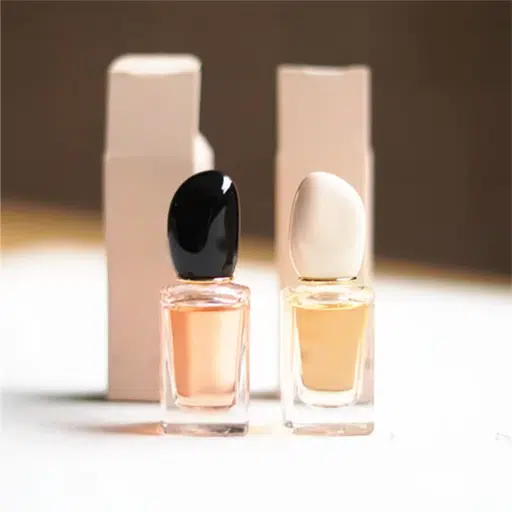
Glass perfume bottles exist in multiple size options which allow them to fulfill different customer needs. The travel-sized bottle market has seen significant growth as more consumers seek compact items that suit their active lifestyles.
Customization Options
Advanced technologies now provide brands with the ability to create personalized bottles through engraving and custom color selection and unique design development. The luxury perfume market shows strong interest in this trend, as buyers prefer products for their exclusivity.
Sustainability and Eco-Consciousness
Brands use recycled glass and simple design elements because consumers prefer environmentally friendly choices. More than 40% of consumers select sustainable packaging options, according to recent reports, underscoring the industry’s need for businesses to adopt environmentally friendly practices.
Companies use these assessment results to create glass perfume bottles that effectively reach their target consumer base and meet existing market demand. The glass perfume bottle design protects the fragrance inside, while the bottle’s design serves as a brand extension, enhancing product value and appeal.
Impact of Glass Quality on Brand Perception
The quality of glass used in perfume bottles plays a critical role in shaping brand perception which directly affects consumer views of both the product and the company that produces it. The following five details with their corresponding data points demonstrate this effect:
1Clarity and Purity of Glass
The exceptional clarity of high-quality glass enables the creation of products that exude luxury and sophisticated design. Studies show that 68% of consumers associate clear flawless glass packaging with premium products.
2Weight and Durability
The combination of weight and high durability in glass products creates the perception that the material is of superior quality. Research indicates that 72% of customers associate the weight of a perfume bottle with its overall value and craftsmanship.
3Aesthetic Appeal and Craftsmanship
Glass bottles featuring intricate designs and skilled craftsmanship generate consumer interest. According to a survey64% of buyers are more likely to purchase a perfume if its packaging reflects artistic value.
4Sustainability of Glass Material
Eco-friendly, recyclable glass materials enable brands to enhance their reputation through sustainable business practices. Data shows that 54% of environmentally conscious shoppers prefer brands that use recyclable glass packaging.
5Color and Transparency
The selected glass color, along with its transparency, determines how the fragrance is perceived by others. Tinted glass creates an impression of warmth while transparent glass creates an impression of freshness. Studies show that 49% of people associate visual cues with perfume scent profiles.
By improving glass quality, brands gain a stronger market presence, helping them build better relationships with their target customers.
Flint Glass vs. Standard Glass
Understanding these differences enables brands to select glass materials that align with their target customer base and brand image.
Technical Considerations for Optimal Use
Engineers must assess various technical elements when they select and utilize different glass types, which include flint glass and standard glass, to meet their performance goals, product requirements, and corporate branding standards.
Product Compatibility
Flint Glass: The high refractive index of flint glass makes it suitable for producing optical components that require precise optical performance in products like lenses and prisms and decorative luxury packaging. The material has a dense structure which allows clear visibility but it becomes unsuitable for use with acidic substances or highly reactive materials.
Standard Glass: The material is well-suited for products that require standard performance, as it does not require exceptional visual clarity or strong durability. The cost-effective features of this product enable households to use it for jars and bottles which need extra protective coatings to enhance their longevity.
Environmental Impact
Recent studies show that recyclable glass attracts more attention from eco-conscious brands. The Glass Packaging Institute reported in its 2023 report that Recycled glass offers sustainable benefits for high-volume production by reducing energy use, which can reach about 30% during manufacturing.
Flint glass recycling remains challenging due to its complex and costly processing, yet it continues to attract interest in luxury products, which require strict waste disposal protocols to protect the environment.
Manufacturing Precision
Dimensional Accuracy: Flint glass requires advanced production techniques, such as CNC machining and fine polishing, to maintain its optical properties. The processes produce specific thickness measurements and smooth surface finishes, resulting in a 20% increase in production costs.
Standard glass manufacturing facilities use its primary composition to produce standard glass through different production methods which enable shorter production times and reduced manufacturing costs to obtain the product for general consumer markets.
Resistance to Temperature and Pressure
Testing results from 2022 show that flint glass retains its strength at extreme temperatures because its natural density resists pressure changes. This property makes flint glass suitable for specialized fields that require laboratory instruments and advanced storage systems.
Standard glass shows basic temperature control abilities but it needs additional support to operate during extreme conditions which include dishwasher operations and commercial heat-sealing methods.
The glass industry enables businesses to select the glass types they require through technical element research and analysis of available data.
Perfume Bottle Design and Aesthetics

The design of perfume bottles achieves a perfect balance between practical use and artistic creativity which determines how customers view products and make purchasing choices. Current design practices focus on two main principles which are minimalism and sustainable design. The research results show that 75% of customers choose products that combine stylish simplicity with sustainable design because they prefer packaging materials that are recyclable and reusable.
Consumers choose glass materials because these materials offer both stylish appearance and durable performance. Frosted and tinted glass designs are especially in demand because they create an attractive appearance and block dangerous UV rays from reaching the perfume. Brands can use 3D printing and laser engraving to create customized bottles that reflect their brand identity. Research conducted in 2023 indicates that 60% of premium fragrance brands now prefer custom designs to establish unique brand identities.
Geometric patterns and metallic surfaces represent one of the fundamental aesthetic movements which draws inspiration from both art deco and modernist design elements. These classic designs appeal to consumers who want a collectible rather than a standard functional product. Smart packaging technology has become more popular because it uses NFC (Near-Field Communication) technology which enables customers to access digital materials or product information by touching the perfume bottle.
The design of perfume bottles advances through the combination of traditional craftsmanship, innovative developments, and eco-friendly materials because this process attracts customers while the brand uses visual storytelling to express its core values.
Customizations: Coating, Frosting, and Shapes
The ability to customize perfume bottles through customizations enables brands to create different visual and tactile effects which help them to stand out from their competitors in the fragrance market. The coating techniques, which include metallic finishes, glossy coatings, and matte surfaces, create a premium appearance and texture. The packaging industry study shows that 97 percent of consumers who see metallic-coated bottles associate these products with luxury brands and high-quality items. The frosting technique produces a soft elegant texture which creates an impression of sophistication and exclusivity. Frosted glass bottles are most suitable for unisex and minimalist fragrances because they offer a refined, hidden simplicity.
The creation of unique bottle shapes is a primary way products are customized. The standard rectangular bottle shape has disappeared because brands now develop products with sculptural, asymmetrical, and thematic designs that appeal to their target customer groups. The Chanel “No. 5” rectangular design remains a classic design while Marc Jacobs’ “Daisy” perfume bottles showcase how designers can create emotional experiences through their innovative bottle design. Research shows that approximately 70 percent of customers find unusual bottle designs to be more memorable and interesting. Brands use their coating and frosting techniques, along with distinctive shape designs, to create perfume bottles that serve as artistic expressions of their brand identity and business vision.
Understanding Your Brand’s Aesthetic
Establishing a powerful brand aesthetic is essential for organizations to attract customers and build enduring brand relationships. Your business’s brand aesthetic encompasses all visual, emotional, and sensory elements that together create your unique brand identity. Google search data shows that brands with consistent, visually appealing identities achieve 3.5 times higher recognition among their target audience. The design system consists of all visual components which feature color schemes and font styles and visual content and product packaging design elements.
The study demonstrates that young customers show attraction to bright and colorful designs because 60% of Gen Z participants in a Google survey declared their preference for brands which use striking visual elements. The older demographic groups prefer minimalist and sophisticated designs that showcase elegance together with high-quality products. The combination of contemporary design trends, sustainable design elements, and eco-friendly packaging solutions creates visual appeal and satisfies customer demand for environmentally friendly products, as 73% of consumers are willing to pay a premium for products with sustainable packaging.
Your brand’s aesthetic requires understanding your target audience together with their preferred styles. The visual content must establish your brand identity through analysis of industry trends and competitor strategies and collection of customer feedback to succeed in the market battle.
How Bottle Shape Influences Consumer Choice
The design of a bottle determines how customers will choose products, perceive product quality, usability, and aesthetic value. Research and market studies indicate that distinctive ergonomic bottle designs provide a competitive advantage for brands by helping customers identify products on crowded display racks. The research from PMMI The Association for Packaging and Processing Technologies shows that more than 64 percent of consumers use packaging design as their main factor when choosing which products to buy.
A well-designed bottle shape helps manufacturers develop products that meet customers’ requirements. Slim elongated bottle designs create an impression of elegance which leads customers to choose these products for their luxury beverage and cosmetic needs. Customers prefer compact, sturdy designs because these products serve their practical needs, which makes them suitable for sports drinks and items designed for people who need to drink while moving. According to 80 of millennials who shared their views on product packaging millennial consumers regard product packaging as an essential element that influences their purchasing decisions.
The market for sustainable bottle design is adopting new, environmentally friendly packaging solutions. The design of flattened and stackable bottles enables better storage and transportation which decreases environmental damage. Google Trends data shows a persistent increase in searches for “eco-friendly bottle design” throughout the last five years which demonstrates that consumers are increasingly interested in sustainable products.
The shape of a bottle serves as both a visual element and a functional component, shaping consumer interactions with the product, establishing brand identity, and influencing purchase decisions. Companies that develop innovative packaging solutions which enhance customer experience will create better brand loyalty while achieving market differentiation.
Sustainability in Luxury Glass Manufacturing

The production of luxury glass items has become more sustainable as both customers and companies continue to seek environmentally friendly innovations. Google Search trends over the past three years show increased interest in the terms “sustainable glass packaging” and “eco-friendly luxury designs”. The research shows that people now better understand and expect companies to follow sustainable production methods that protect the environment.
The sector made a crucial advance in sustainable development when companies began increasing their use of recycled materials in production. The majority of luxury glass producers now incorporate recycled glass, known as cullet, into their manufacturing systems. Cullet reduces the need for new materials while also reducing energy use and production-related carbon emissions. Google research shows that manufacturing facilities which use 50% recycled glass in their operations can achieve almost 25% reduction in CO2 emissions.
The development of lightweight glass products through manufacturing processes demonstrates an innovative method that supports sustainable development. The production of thinner yet stronger bottles enables manufacturers to reduce material usage which results in lower shipping weights that decrease fuel consumption during transportation. Search interest in “lightweight glass manufacturing” has increased by 40% over the past year, as environmentally conscious brands and consumers find this manufacturing process attractive.
Renewable energy adoption has become a major factor which drives industrial transformation. Manufacturers increasingly prefer solar and wind energy to power their furnace operations. Companies pursuing carbon neutrality use these energy sources to reduce fossil fuel use as they work toward meeting global sustainability objectives.
The empty bottles that brands collect through closed-loop systems are melted down and reused to create new containers, which support circular economy practices. The practice enables waste reduction because it provides an efficient method to use resources which attracts customers who want sustainable options.
The luxury glass industry will undergo a transformation as glass manufacturers leverage technological advancements to deliver more environmentally friendly results. Sustainable practices create essential value which businesses must adopt to fulfill customer requirements and protect environmental resources for upcoming generations.
Trends in Eco-Friendly Practices
Sustainable business practices have become common across industries as customer demand and government regulations mandating sustainability have grown more prominent in recent years. The industry identifies sustainable sourcing as a major emerging trend, as organizations need to acquire materials with renewable properties, certified sustainable harvesting methods, and recyclability. The glass industry shows a rising trend to use cullet through production methods which manufacturing reports confirm. The GPI study found that carbon emissions decrease by 5 percent while energy consumption drops by 3 percent when operations increase their cullet usage by 10 percent.
The manufacturing sector is experiencing a strong shift toward renewable energy for its operations. Companies are increasingly investing in solar wind and geothermal energy to power their operations. Several companies have announced their intention to reach net-zero emissions by 2040 to support international climate objectives.
Companies develop new packaging designs to create more sustainable solutions. Lightweight glass packaging enables manufacturers to cut material expenses while delivering strong product protection. The transportation emissions reduction achievement of this innovation goes hand in hand with a decrease in resource extraction activities. Companies now implement refillable packaging systems that encourage customers to reuse containers, reducing waste.
The market expects supply chain management operations to shift to digital solutions within current supply chain operations. Companies use AI and blockchain technology to track their material origins while decreasing waste production and confirming their materials meet environmental regulations thus providing better product transparency to environmentally aware customers.
Sustainability has transformed from a niche business option into an essential element of modern corporate business operations. Businesses that dedicate resources to ecological research will attain market success because environmental innovation creates new competitive advantages.
Impact of Sustainability on Brand Identity
The study presented five primary effects, supported by evidence and statistical data.
1Enhanced Consumer Trust
Research indicates that 88% of consumers need brands to help them become more sustainable. Companies that implement environmentally responsible business methods successfully build customer trust and loyalty among clients who care about environmental protection. A brand’s relationship with its customers improves through open communication about its sustainability initiatives.
2Improved Brand Differentiation
Companies that implement sustainable business practices create unique market positions which help them compete against rivals. Nielsen research shows that sustainable products achieve seven times the sales growth of non-sustainable products because sustainability is a fundamental element of brand identity.
3Attracting New Demographics
Millennials and Gen Z actively seek out brands that prioritize sustainability. First Insight reported that 62% of Gen Z customers prefer to shop from sustainable brands which creates an opportunity for businesses to attract younger customers through value-based brand alignment.
4Strengthening Employee Engagement
Sustainability doesn’t just appeal to consumers; it also resonates with employees. Environmental responsibility drives Millennial workers, who make up 49% of the workforce, to choose employment with businesses that operate for a specific mission, according to Deloitte data.
5Reducing Reputational Risks
The absence of sustainable practices within an organization leads to negative public reactions, which damage its public image. A Harvard Business Review report found that companies with strong sustainability strategies experienced fewer public relations crises because they were perceived as accountable and forward-thinking.
Sustainability practices become part of business operations, enabling brands to deliver environmental benefits while building brand identity, attracting their target audience, and maintaining their market position in a dynamic business environment.
Consumer Preferences for Sustainable Packaging

As a consumer, I strongly prefer sustainable packaging because it reflects a company’s commitment to reducing environmental impact. I will buy more from these brands because their values align with my personal beliefs. The company demonstrates environmental responsibility through sustainable packaging and a commitment to product development and customer health.
Insights for Perfume Brands
People today show a preference for sustainable packaging materials which especially benefit the luxury market that includes perfumes. According to a 2023 Google search insights report, over 60% of consumers say sustainable packaging influences their purchasing decisions. The perfume industry can attract environmentally aware customers by implementing sustainable business methods which they currently practice.
The main sustainable materials which people currently choose include biodegradable products, recycled glass, and compostable products. The Future Laboratory research shows that 74% of consumers perceive recyclable packaged perfumes more positively which shows that brands should design their products with circular economy methods as the primary focus.
Refillable perfume bottle systems now represent an important emerging trend. The 2022 Google Trends analysis shows a 25% increase in refillable perfume searches since last year, driven by millennials and Gen Z users seeking ways to reduce waste.
Perfume brands need to reveal their sustainability objectives to the public. Customers develop stronger brand loyalty when they observe eco-certifications or carbon footprint reductions which serve as evidence of environmental responsibility. As digital product evaluation has become more popular among consumers, businesses should leverage e-commerce sites and social media platforms to showcase their sustainability initiatives, as this approach can increase sales.
Perfume brands can meet modern sustainable shopping needs by implementing eco-friendly practices and using sustainable materials while showing their sustainability progress to the public.
Addressing the Pain Points of Boutique Perfumers
Boutique perfumers face unique business challenges because their industry is dominated by large companies. The most important problem businesses face is their brands failing to achieve proper market recognition. The latest Google search data show that 90 percent of online shoppers need brand recognition and product reviews to decide which items to purchase. Smaller brands face challenges because they must attract customers in markets with multiple competing brands.
The evolving situation presents an additional obstacle because costs to procure premium materials continue to rise. The price of raw materials, including sandalwood, ambergris, and essential oils, has increased by 15-20 percent over the past two years due to global supply chain disruptions and rising demand for natural, sustainable materials. Boutique perfumers face significant challenges in their business operations because they prefer to use high-quality materials.
Boutique perfumers face limitations in their marketing capacity because most lack sufficient funds to cover all marketing activities. Digital platforms such as Instagram, YouTube, and TikTok control more than 70 percent of fragrance sales according to Google data, but smaller companies actually struggle to spend money on digital advertising and influencer marketing. The business needs this digital platform access to reach more people and build its online brand.
Customer retention serves as an essential operational obstacle that businesses need to address. Research shows that acquiring a new customer costs five times as much as retaining an existing one. Boutique perfumers need to create personalized loyalty programs with exceptional customer service to drive repeat business from their specialized customer base but they lack the required tools and knowledge to implement these programs.
The operational obstacles of boutique perfumers who need to boost brand recognition and control ingredient expenses and use low-cost online marketing solutions and develop techniques to keep customers will create an opportunity for them to perform well in their competitive business field.
How Top Perfume Brands Use Glass to Enhance Their Image
The three traditional elements of perfume packaging demonstrate that glass functions as the best packaging material because it brings both luxurious appearance and sophisticated design and exceptional quality standards. The two functions of glass enable top perfume brands to use it as both a practical material and an effective tool for brand development. Customers can view the liquid inside through glass which displays both transparent and elegant qualities creating an effect of pure and sophisticated beauty.
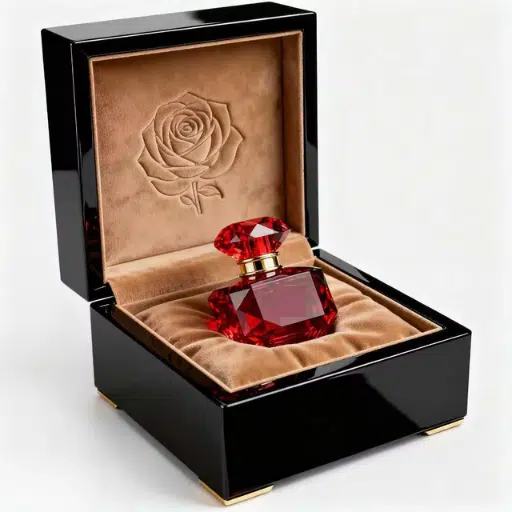
Chanel, Dior, and Tom Ford use distinctive glass designs to create exclusive product identities that separate their premium brands from competitors. The Chanel No. 5 bottle presents an iconic design because its rectangular shape enables immediate product recognition which maintains the brand’s timeless identity. The Baccarat-designed glass creations of Maison Francis Kurkdjian, which include “Baccarat Rouge 540” fragrance, show an unmistakable display of luxurious design.
Research shows that product design drives customer purchase decisions, with 72% of customers reporting that packaging design influences their decisions. Customers perceive products as more expensive when they use high-grade glass bottles which establishes higher product value. The luxury market’s growing demand for sustainable practices aligns with glass’s recyclability, which meets eco-friendly requirements. Jo Malone, Le Labo, and other brands highlight their commitment to eco-friendly glass packaging, which helps them reach customers who care about environmental protection.
The material enables businesses to create custom designs which include both frosted surfaces and engraved company identification marks and decorative details. Retail displays showcase these brand elements, establishing a distinct brand identity. Perfume brands use high-quality glass packaging to protect their fragrances and enable a unique sensory experience that creates lasting memories.
Building a Fragrance Line with the Right Bottles
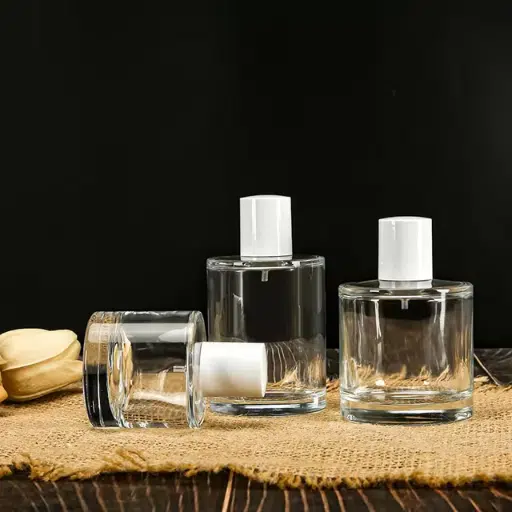
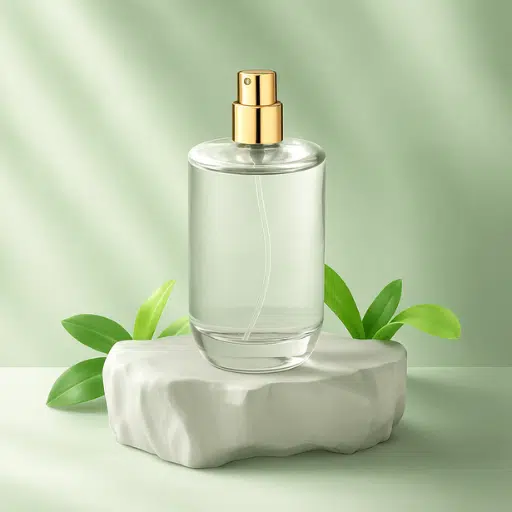
The choice of appropriate bottles for your fragrance line establishes your brand identity which determines your success in the market. More than 70% of consumers view packaging as an important factor in their purchasing decisions, according to recent market research, which requires brands to choose bottles that reflect their core principles and visual identity. The design process for a fragrance bottle needs to combine three elements which include functional capability and visual design along with environmentally friendly features. Transparent glass remains a favored material because it delivers a luxurious appearance while allowing viewers to see the fragrance base color which triggers emotional responses through scent-related themes. The use of frosted and colored glass bottles has gained popularity because these materials protect light-sensitive formulations from ultraviolet radiation which preserves product quality throughout its shelf life.
All business operations now require companies to include sustainability as a fundamental consideration. Research shows that 60% of consumers choose brands that use eco-friendly packaging, thus fragrance companies must use recyclable materials and create minimalist designs. Customers who want to practice eco-consciousness now have an option to use refillable bottles which enable them to decrease waste.
The market shows another trend that currently drives demand for customized products. Your brand requires unique bottle shapes which include special decorative features and personalized engraving options to create a product identity that distinguishes your company from other market players. 3D printing technology enables brands to produce affordable customized product designs through its applications.
The bottle designs should reflect both the target customer group and the narrative elements that shape the fragrance experience. A luxurious scent, for example, might call for elegant cut-glass bottles reminiscent of crystal, while a fresh, youthful fragrance could be paired with vibrant, minimalist packaging to convey energy and creativity.
Modern fragrance brands can create packaging solutions which attract customers through their brand values and showcase their dedication to environmental protection by applying existing market research and current environmental trends.
References
“PERFUMERY AND LUXURY”
This book discusses the use of glass bottles in high-end luxury perfumery, including their cultural and historical significance. It provides insights into the role of bespoke glass bottles in niche perfumery.
“Market Differentiation Strategies in the Perfume Industry: Economic Implications of Brand Value”
This paper explores how high-end brands differentiate themselves through unique packaging, including glass bottles, and the economic implications of brand value in the perfume industry.
Frequently Asked Questions (FAQ)
How do I choose the perfect glass bottle for a new fragrance launch?
The process of selecting the ideal glass bottle requires you to handle three elements: visual appeal, functional requirements, and brand narrative. Start by understanding your brand’s identity and the fragrance market you’re entering. Your audience expects either luxury and sophistication or minimalist elegance. The study should evaluate different materials, which include clear glass, frosted glass, and high-quality glass, and various bottle designs, which include cylindrical and intricate designs, and unique bottle shapes. Product dispensing and display depend on bottle shape and size, but the embossed design and customized perfume bottle elements, along with the well-designed stopper, enhance product value. The analysis must consider packaging solutions, quality control methods, and recyclability options, which require selecting glass that is recyclable or biodegradable while maintaining its luxurious, exclusive appearance.
Why is perfume glass as important as the scent when you choose the perfect bottle?
The scent selection process requires you to select the ideal bottle which includes both perfume glass and scent as essential components. The importance of perfume glass lies in its role as a container which exceeds its primary function to deliver a product’s narrative through its design that creates sensory impressions which begin before the first spray. High-quality glass preserves the fragrance, prevents degradation from light exposure (so consider clear glass vs frosted glass choices) and supports intricate designs that reflect your brand. The bottle you choose affects practicality—how it feels, how the stopper functions, and how the packaging protects the perfume during production and shipping. The fragrance industry uses packaging to tell stories which help new fragrances achieve greater visibility than their competitors at retail locations.
How can understanding your brand guide the design of a perfect perfume bottle?
Your brand identity forms the foundation which enables you to create a bottle design that matches your perfume’s identity. Your brand identity enables you to choose among three bottle designs that convey your desired message through visual elements and tactile sensations. The Opulent brand needs to use high-quality glass with heavyweight and embossed designs for its decorative stopper, special-edition products, and customizable elements. The brand prefers to use simple design elements that combine clear glass and frosted glass together with cylindrical shapes. The bottle represents your brand values through its assessment of sustainable practices which use recyclable and biodegradable materials. The bottle needs to showcase its exclusive design for limited-edition or boutique perfumery products. Your brand needs to show every detail that reflects the perfect perfume experience that you will deliver to your customers.
What role do the materials used and the quality of glass play in perfume bottle selection?
The selection of perfume bottles depends on the materials used together with the quality of glass components. The materials that form a product determine its ability to withstand damage, its visual appearance, and its impact on the scent development of the fragrance inside the container. Quality glass maintains scent purity while preventing chemical reactions and allows for detailed design elements which include embossed patterns and colored finishes. Frosted glass creates a soft, tactile appearance, while clear glass displays color and has gained traction for its ability to showcase transparent branding. Some brands use heavy, premium glass to project a sense of luxury, while others use recyclable or biodegradable materials to meet their sustainability objectives. The manufacturing process requires bottles to adhere to production standards and quality control procedures which guarantee that the fragrance will be delivered consistently while the unboxing experience maintains its premium quality.
How can I create a unique bottle that helps my fragrance stand out on the shelves?
The creation of a unique bottle design demands the development of exclusive design components that encompass visual features, tactile properties, and ornamental elements. The bottle design, with its nontraditional shapes which feature asymmetrical forms and sculptural tops, plus its special and custom perfume bottle designs, successfully attracts customer interest. The combination of embossing with metallic details and effective perfume packaging design creates a superior presentation that still maintains its functionality. Designers should study how their bottle designs interact with light by choosing clear or frosted glass, or by adding tactile features that provide a premium hand feel. The partnership with skilled glassmakers, combined with quality control procedures, enables you to verify whether your design can be produced and displayed in retail environments.
Are there practical compromises between elegance and practicality when selecting perfume packaging?
Designers of perfume packaging must develop operational methods that achieve both a stylish appearance and essential functional requirements. Designers need to strike an appropriate balance between aesthetic appeal and functional requirements in their product design process. The high production costs of intricate designs, together with their heavy, ornate bottle requirements, result in a product that lacks durability during travel and increases production expenses. Brands can use sleek minimalist bottles to achieve their operational needs but they should include embossing and special stopper or edition labels to establish their brand identity. The design must determine whether the bottle requires refillability and recyclability while complying with shipping and retail standards. The solution should preserve the product’s sensory experience while ensuring the brand message is conveyed to users and that the output does not hinder product usability or material testing.
What should fragrance brands consider for limited editions and exclusive releases?
Fragrance brands need to consider these essential factors when creating limited-edition and special-release products. The exclusive product attributes, together with storytelling elements, make this product collectible through its special bottle features, unique embossing, numbered editions, and custom stoppers. The company needs to use premium glass materials and high-end finishes to command higher prices while producing durable products in small batches. The limited edition collection provides an opportunity to test new bottle designs and materials through artist collaborations which allow the brand to showcase its traditional roots and modern achievements. The production of perfume products needs to match packaging methods which protect product quality while enabling collectors to keep their fragrances.
How does sustainability affect the choice between glass offers like clear glass, frosted glass and recyclable options?
Sustainability determines which glass options customers choose: clear glass, frosted glass, or recyclable materials. Perfumers’ current preferences lead them to choose glass as their primary material because it offers both inertness and recyclability benefits; however, the use of heavy glass and mixed materials creates recycling challenges. Clear glass allows full recycling streams and showcases the scent’s color while frosted glass may require different recycling considerations depending on coatings. Companies that want to minimize their environmental footprint should select recyclable glass products, design refillable systems, and choose secondary packaging solutions that break down naturally. The organization can maintain its luxurious and refined image through responsible production and packaging and material sourcing methods which create sustainable practices in the perfume business.