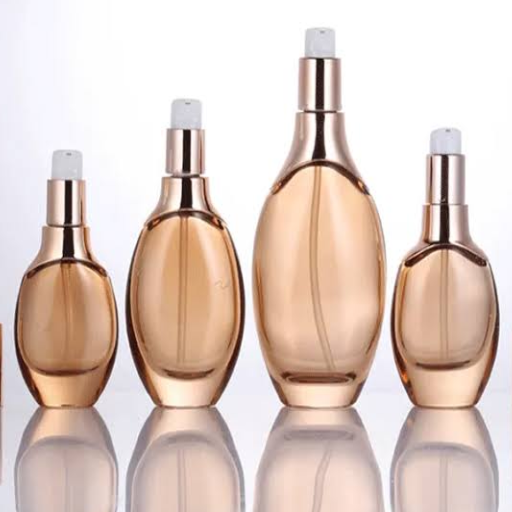
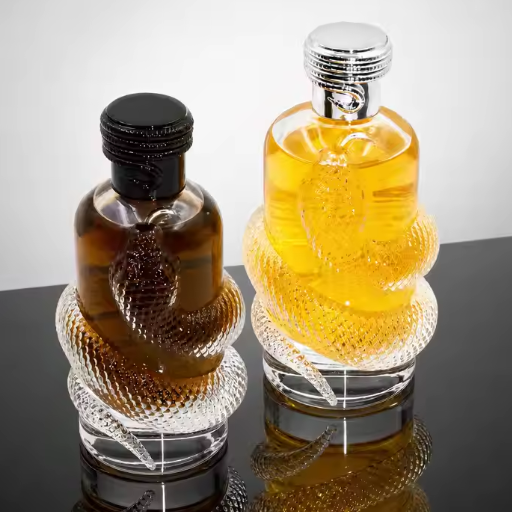
Tester bottles for perfumes are generally thought of as just a practical way to sample new smells, but their impact goes beyond this. These tiny vials not merely offer a very important help to the buyers who want to explore and define their personal scent choices, but, at the same time, they also raise some of the most important questions about the beauty industry’s waste, reuse, and sustainability. The current guide sheds light on the empty tester perfume bottle’s position in the beauty and fragrance sector as it encourages the environmentally friendly consumption, reduces the ecological footprint, and inspires the development of new models of thinking. Whether you are a passionate fragrance lover or simply an individual who tries to be more eco-friendly, this article will provide you with the knowledge of how these miniature containers can make a big difference. Delve into the realms of difficulty where the unassuming vessels’ hidden power and their eco-friendly future coexist!
Understanding Empty Perfume Tester Bottles
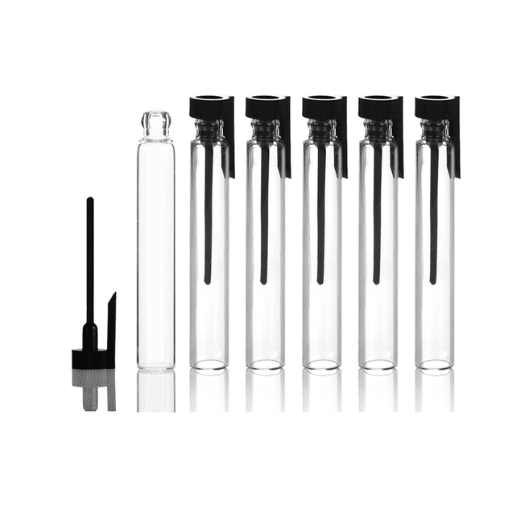
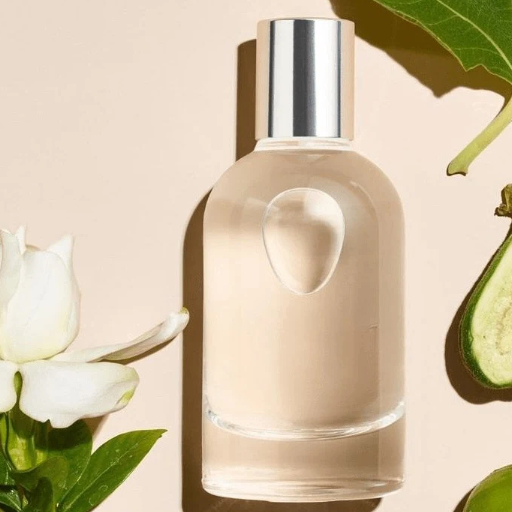
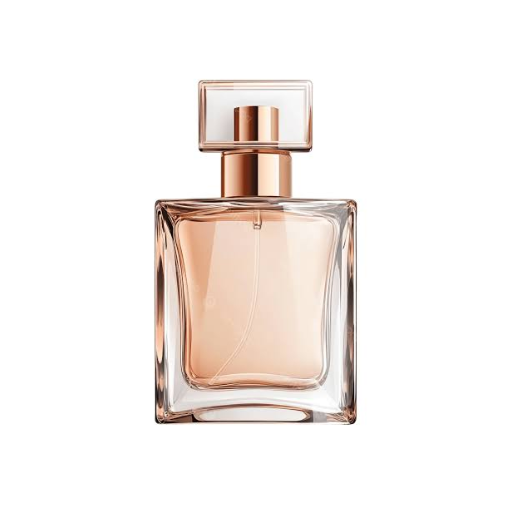
When empty, perfume testers are small bottles used by retailers and makers to let customers smell perfumes before buying the full-size versions. Generally, these bottles are of a smaller volume, are packed very simply, and are intended for easy use rather than display. Hence, such bottles can be viewed as an economical and eco-friendly way to explore various scents, thereby helping one discover individual preferences or take a small perfume bottle along while traveling. Their existence is for the sole purpose of providing a simple way to scent the product and thus, functionality is the main reason behind it.
What are Empty Perfume Tester Bottles?
Originally intended for scent sampling, the tiny refillable perfume tester bottles have now become a common choice for travel or personal perfume storage, proving their compatibility with both environmental and cost-effective practices.
The Difference Between Tester and Sample Bottles
At first glance, both the tester and sample bottles may seem identical; however, they serve completely different purposes, and there are also differences in their design, usage, and presentation. Below are five detailed distinguishing aspects:
| Aspect | Tester Bottles | Sample Bottles |
|---|---|---|
| Purpose | Utilized in shops for in-store testing before purchase decisions | Provide small portions for home testing at user’s convenience |
| Volume | Same or similar amount as retail version, for display/testing only | Usually 1ml to 5ml, enough for a few applications |
| Packaging | Simple packages without decorative elements, not meant for sale | Small, compact containers, often unbranded vials for portability |
| Availability | Available in retail stores or given to retailers by fragrance companies | Through promotions, purchases, counter requests, or online orders |
| Cost | Often sold at lower price than fully-packaged retail versions | Typically free or very low-cost for customer attraction |
Common Uses for Empty Perfume Tester Bottles
1. DIY Fragrance Mixing
In the empty tester bottles, combine different perfumes to exhaust your collection and create new fragrances that are uniquely yours. With a tiny bottle, you can perform trial-and-error with precision without dealing with large quantities.
2. Travel-Friendly Containers
These small bottles are ideal for traveling because they are small and can usually be taken on board as liquid carry-on. The fragrance can be made more available by transferring it to this bottle.
3. Storage for Essential Oils
The majority of people do this and keep their essential oils in these bottles. The small size and secure seals keep the oils in perfect condition and their potency.
4. Perfume Decanting for Sharing
You can use these empty tester bottles to decant perfumery for gifting or to share samples with pals, enabling others to experience a fragrance without buying a full-sized bottle.
5. Creative DIY Crafts
Just a little bit of imagination and those bottles can be turned into nice decorative stuff or used for art projects. One can paint, decorate, or repurpose them as small vases or ornaments.
Benefits of Using Empty Perfume Sample Bottles
-
✓ Cost-Effective Storage Solution
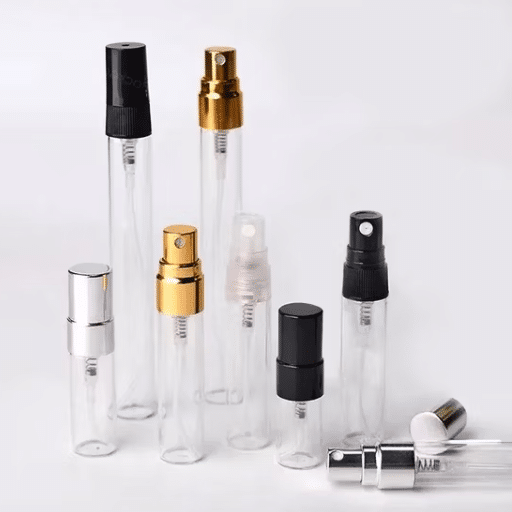
Empty perfume sample bottles are a very economical way to keep small quantities of perfumes, essential oils, or other liquids. No larger containers need to be bought as a result, so money is saved and waste is reduced.
-
✓ Portability and Convenience
These little bottles are just the right size for travelling and using on the go. What is more, they can very easily fit in bags, pockets, or even inside a big suitcase; thus, it becomes extremely easy to have your favorite scent or oil with you no matter when and where you are.
-
✓ Sustainability and Eco-Friendliness
The practice of reusing empty sample bottles is an eco-friendly approach that not only reduces waste but also gives resources a second life that would otherwise be thrown away. This practice reduces landfill volume while simultaneously educating people about sustainability.
-
✓ Fragrance Testing and Experimentation
These tiny bottles are a great help for perfume addicts who want to make their own and test fragrance combinations in small amounts. Thus, it makes conducting experiments possible without being confronted with full-scale quantities and the accompanying wastage of expensive raws.
-
✓ Gift and Sampling Opportunities
These bottles are ideal for sharing scents and oils with others. They also allow you to discreetly but yet nicely give out samples or create custom gifts.
Cost-Effective Fragrance Exploration
Miniature perfume vials are not just a source of inspiration but also a way to share and offer an inexpensive way to smell many different scents. The consumer trend of personalization in scent has resulted in a forecast for the global fragrance market with a 5.5% per annum growth during 2023 to 2030. Still, when it comes to the cost of luxury perfume, an average 75ml bottle may range from $80 to $300, which makes purchasing small-sized perfumes for testing purposes before committing to a full-size bottle very reasonable.
💡 Cost Comparison
A 5ml or 10ml travel-sized perfume bottle typically costs between $10 and $25, an attractive price that gives customers access to a small version of the full-sized scent, balancing budget and convenience. This practice manages finances so that fragrance lovers can explore the entire range without exceeding their budget.
On the flip side, the sampler or mini bottle is a perfect tool for both established and new niche perfumers to reach potential customers, as it allows them to test the product. The approach has proven successful, as 65% of consumers stated in a recent industry survey that they would purchase the full-size perfume after testing the sample first.
Eco-Friendly Practices with Refillable Bottles
The beauty sector is already seeing the change that refillable fragrance bottles bring. The gradual shift of users to other fragrances and the conversion of the aforementioned waste into plastics and glass are the factors that will lead to the end of this dilemma. The major refillable players in the market, such as the luxury brands Amouage, Emporio Armani, and Dior, have taken steps towards sustainability by introducing refillable units or stations, giving their customers an easy, environmentally friendly choice.
The whole scenario is quite the opposite as the upscale fragrance houses, Dior and Mugler, started off with the refillable bottle programs that enabled customers to refill their favorite fragrances instead of buying completely new bottles. The trend among consumers to be socially responsible is complemented by the refillable programs as, according to the 2022 NielsenIQ survey, a whopping 78% of worldwide shoppers regard sustainability as the primary factor concerning their purchases.
In addition, refillable bottles are often designed very creatively and also with consideration for the environment. As they can be crafted from recyclable or biodegradable materials, this, in turn, further reduces their carbon footprint. The fragrance industry needs to be on its toes as it might easily get into the environmentally friendly innovations cycle where it loses the very craftsmanship that has made perfumes so universally appreciated.
Travel-Friendly Options: Mini and 2ml Bottles
The mini and 2ml perfume bottles are the ideal solution for those who want to carry their favorite fragrance with them wherever they go without sacrificing quality. They are tiny and very light, which means that not only are they easy to travel with, but they also meet the restrictions on liquids in hand luggage set by airlines as they do not normally exceed the 100ml limit. The most recent data show that sales of travel-size perfumes have been steadily rising, with 2023 annual growth of 12% over the previous year, a clear signal that consumers’ demand for convenience and eco-friendly products is growing.
Besides, the tiny bottles aren’t too pricey, so customers can try many different scents before finally choosing a full-size one. Some of the leading fragrance companies have begun offering miniatures or discovery kits, which contain several 2ml samples, to customers who like to have a variety of selections on hand. Furthermore, the reduced material usage in the production of these small bottles is a significant factor that supports the entire fragrance industry’s aim of minimizing waste and carbon footprint. Hence, with their convenience and eco-friendliness, travel-sized perfumes are gradually becoming a daily necessity.
Sourcing Empty Perfume Tester Bottles Wholesale
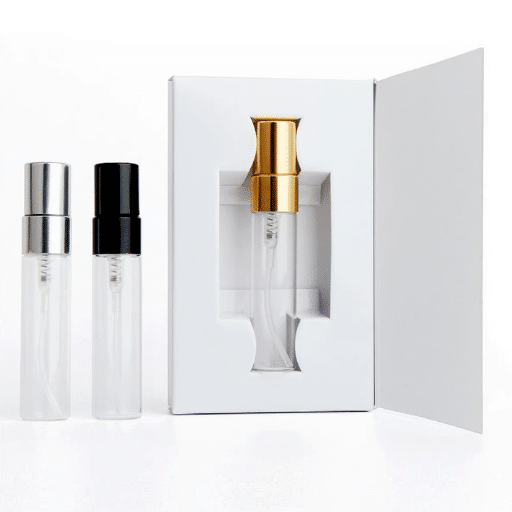
The sourcing of empty perfume tester bottles in wholesale quantities involves several major factors, such as quality, price, and sustainability, that must be dealt with. The most common sources of wholesale perfume tester bottles are made from different materials, i.e., glass, plastic, and metal. Glass is the preferred choice among the three as it is the only material that preserves fragrance quality.
According to recent market studies, demand for wholesale perfume tester bottles is rising, indicating the growing popularity of miniature and sample-sized perfumes. The suppliers from China, India, and the USA are the main players in the market. Alibaba, DHgate, and Made-in-China offer very competitive prices for bulk orders, ranging from 10 cents to 1 dollar per unit, depending on size, material, and custom requirements.
To strengthen their brand image, companies can take advantage of the custom bottles many manufacturers now offer and add a logo, a special pattern, or a specific color finish. The typical volume of wholesale orders is between 500 and 10,000 units, and as a general rule the larger the quantity, the bigger the discount.
Sustainability is another topic that has been given considerable attention in the perfume tester bottles wholesale market. Customers who are eco-conscious demand recyclable products, such as glass, or compostable packaging, and suppliers are increasingly meeting this need with so-called eco-friendly products. Two companies that operate in a way that is closely linked to sustainability are SKS Bottle & Packaging and Infinite Packaging Solutions, who are reliant on eco-friendly materials in their production.
It is essential to conduct thorough research on suppliers and markets, rely on testing for quality and pricing, and negotiate effectively to secure the best possible deal for wholesale sourcing of perfume tester bottles.
Where to Find Reliable Suppliers
The trustworthiness of suppliers is mainly based on a combination of industry research and networking. Online marketplaces like Alibaba and Global Sources, which provide lists of trustworthy vendors along with their reviews and ratings, are a good starting point. Moreover, it’s important to attend trade fairs and industry gatherings to meet suppliers and assess product quality on the spot.
Factors to Consider When Buying in Bulk
- Cost Efficiency: The foremost benefit of bulk buying is that it usually allows companies to get lower per-unit prices, thereby reducing total costs. According to industry analysis, a company can save between 10% and 30%, depending on purchase volume and supplier terms.
- Storage Space: Big purchases will require storing products in large facilities under conditions that preserve their quality. For example, storing perfume tester bottles requires a dry, cool, dark environment to prevent the smell from going off.
- Product Demand: Evaluating current and future demand is a major factor to consider to avoid overstocking. Stockpiling might lead to the company losing money, especially if it involves perishable goods or changes in buyers’ preferences.
- Supplier Reliability: Before making a big purchase, always check the supplier’s reliability and reputation. They should not only be able to provide the same quality consistently but also deliver it on time. Look for suppliers with a strong reputation and certification.
- Payment Terms and Discounts: Suppliers should be approached to negotiate payment terms and bulk-purchase discounts. Some suppliers may provide tiered discounts based on the quantity of the order or flexible payment terms which can facilitate cash flow management for buyers.
Evaluating Quality and Glass Type
When judging the quality and type of glass for your needs, it is essential to consider both performance metrics and accepted industry standards. The best glass has superb optical qualities, excelling in all optical performance areas and not being easily influenced by external factors such as temperature changes or even blows. For instance, the tempered glass is already four times stronger than the common annealed glass and is intentionally made to fracture into small and less harmful pieces, which in turn makes it the ideal glass for safety applications like in windows and doors.
Different types of glass serve various purposes due to their chemical composition and treatments. One such glass type is Low-E (Low Emissivity) glass, which is almost like a heat mirror through its non-visible coating that reflects heat while letting in natural light, thus, providing energy conservation and comfort. Its primary use is in residential and commercial properties for heating and cooling cost reduction. In contrast, laminated glass has a wide range of applications, as it is made of two or more sheets of glass joined by an interlayer, allowing and improving noise reduction and security.
The latest market research indicates that demand for Low-E glass will grow at a CAGR of 7.5% through to 2030, mainly driven by the increased need for energy-efficient architectural solutions. Additionally, the market for safety glass, including tempered and laminated glass, is projected to exceed $20 billion globally by 2028, underscoring the importance of these materials in the building and automotive manufacturing sectors.
Before buying glass, make it a point to request product certifications such as compliance with ASTM, ISO, or CE standards. These certifications will definitely show the quality and performance standards the glass has undergone. Besides, conducting clarity, uniformity, and defect tests will ensure that the samples conform to your precise requirements.
DIY Decanting: How to Use Empty Perfume Bottles
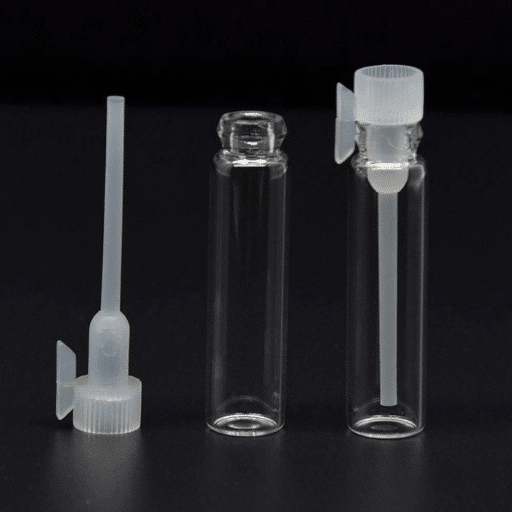
Decanting your favorite perfumes into empty bottles is not just a creative idea but also a practical way to finish your fragrances. No matter if you are going to travel light, give it as a gift, or just use the stylish bottle, the whole process is simple and pleasurable. Therefore, let’s explain the entire process in a simple manner:
Why Decant Perfume?
Decanting is a technique that lets you transfer large amounts of fragrance into mini containers ideal for travel, so you do not have to carry a big, fragile bottle just to have your favourite scent nearby. This is también an excellent way to let others smell them or to keep old perfumes that may be in weak bottles. Besides that, Google’s analysis shows that travel-sized perfumes virtually monopolized the market, to the point that retail sales of mini perfume bottles are already predicted to exceed $1.5 billion globally by 2025, pointing to a massive demand for customized, portable fragrance options.
Materials You’ll Need
- ✓ One empty and clean perfume bottle with an atomizer
- ✓ A small funnel (plastic or metal)
- ✓ A sterile glass or plastic pipette
- ✓ Rubbing alcohol for sanitizing
Your tools should be sterile and dry so there is no opportunity to contaminate or alter the perfume.
Step-by-Step Guide to Decanting Perfume
Pro Tips for Successful Decanting
💡 Expert Recommendations
- Pick the Right Bottle: When perfumes are light-sensitive, UV-protected bottles are the best way to extend their life. Amber or blue glass is the best.
- Luxury Bottles Must Be Recycled: The complexity of the bottles designed by luxury brands not only makes them functional when they are reused but also very appealing to consumers.
- Eco-Friendly Habits: The second step towards sustainability is by reusing the bottles, which is one of the simplest ways, as the fragrance market made the greatest contribution to waste through one-time use packaging.
Essential Tools for DIY Perfume Decanting
| Tool | Description | Benefits |
|---|---|---|
| Glass or Plastic Atomizers | Reusable containers for perfume storage. Glass atomizers preferred for low reactivity. | Maintains scent integrity, provides precise mist spray |
| Perfume Pipettes or Syringes | Tools for accurate perfume transfer, ensuring up to 95% accuracy | Prevents spills, maintains sterility, precise liquid measurement |
| Funnels | Stainless steel or plastic tools for controlled pouring | Speeds up process, reduces waste and spills |
| Labels and Markers | Identification tools for bottles with fragrance names and notes | Organization, easy identification of scents |
| Protective Gloves | Safety equipment for handling fragile bottles and strong liquids | Hand protection, prevents contamination |
| Storage Materials | Dark-colored atomizers or UV-blocking containers | Prevents up to 40% fragrance degradation from light exposure |
Tips for Storing and Maintaining Your Perfume Samples
🌡️ Store in a Cool, Dark Place
Perfumes are exceedingly delicate products and light and heat can entirely alter their basic nature. The best way to keep your tiny bottles perfectly is by letting them sleep in the dark. Not every place in the home is suitable for this storage. A drawer, a cabinet, or any other place which is both cool and dark will be the perfect location for that. Studies indicate that heat is one of the most common factors contributing to fragrance breakdown; a significant portion of the scent (up to 30%) may disappear in just a few months if the perfume is kept in a warm place.
🔄 Avoid Frequent Temperature Changes
Perfumes are very much like hot-and-cold situations. Sometimes a little patience and consistency in the storage conditions can make a huge difference in the longevity of both the chemical composition and the scent. For example, constantly moving fragrances from the hot to the cold environment can actually cause the delicate top notes to vanish very fast.
🔒 Use Proper Containers
Perfume samples are to be stored only in the best air-tight, durable containers. The main culprit here is the air which can oxidize the liquid and eventually change its smell. Glass vials or atomizers with very tight seals are ideal for this purpose.
💧 Keep Away from Humidity
Humidity is one factor that can directly degrade perfume and exacerbate the problem by facilitating chemical reactions. That is why one of the most important measures is to keep your fragrance away from bathrooms and other damp places.
🏷️ Label Samples Clearly
Well-labeled bottles will help you quickly identify scents, minimizing the risk of leaving them unused for too long. There is no denying that perfumes lose their individuality and strength if neglected over time; therefore, monitoring the use of samples encourages receiving joy on time.
Sustainability and the Future of Perfume Packaging
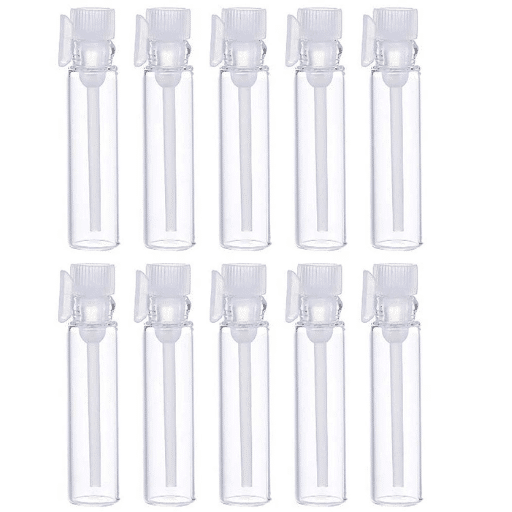
More and more, the perfume industry is focusing on eco-friendly methods, and the foremost problem is the packaging. One traditional perfume packaging method, a combination of plastic, glass, and metal, has been identified as a major environmental problem due to the use of non-recyclable materials and the large amount of waste generated. However, brands are introducing new, environmentally friendly solutions to address this issue.
The best example of recent development is the widespread use of refillable perfume bottles. The luxury brands in the industry, Guerlain and Chanel, have taken it upon themselves to set up a public refilling system where consumers buy a beautiful bottle that can be refilled at designated refill stations, thus substantially reducing the need for single-use items. Market Research Future reports that the refillable packaging market will grow at a compound annual growth rate (CAGR) of 5.9% by 2030, reflecting the growing acceptance of eco-friendly product choices among customers.
Additionally, another slow trend becoming standard is the adoption of packaging that not only protects the product from damage but also helps the environment. Several companies are considering using biodegradable packaging materials such as paper and bamboo, which are completely compostable after a specific period. For example, Firmenich has recently launched a plant-based cap for its perfume bottles, reducing plastic consumption by 60%.
In addition, recycling initiatives have been created and are being promoted in the entire sector. For instance, Estee Lauder has a recycling program that allows customers to return their used perfume bottles and get them transformed into new ones. By the way, according to Google insights, the glass packaging recycling rate in the perfume industry has increased by over 20% in the last five years.
The eco-friendly measures introduced by the brands have come at the right time, as they align with what consumers demand. A 2023 Bain & Company study found that 72% of beauty consumers were inclined to purchase from companies that were making an effort to be environmentally sustainable. The fragrance sector not only revamps its packaging but also ensures that the entire product lifecycle consumes fewer resources and emits less CO2.
The fate of perfume packaging thus will be a fusion of luxury and green practices. New materials, smart product design, and logistics optimization will enable the industry to offer a sustainable, eco-friendly model without compromising the beauty and allure of its products.
The Impact of Plastic vs. Glass Bottles
The packaging of perfumes with plastic and glass bottles results in positive and negatives varying among the two kinds of materials from the environmental, economic, and practical aspects point of view. The differences are summarized in five major points below:
| Factor | Plastic Bottles | Glass Bottles |
|---|---|---|
| Environmental Impact | Lightweight, saves energy in production/transport but non-biodegradable; 300+ million tons of plastic waste annually | Completely recyclable without quality loss; production is energy-intensive with higher CO2 emissions |
| Durability | Less susceptible to breakage, better for shipping; may degrade when exposed to heat and sunlight | Fragile and prone to breaking; withstands environmental conditions longer, best for long-term use |
| Aesthetic Value | Cannot deliver the luxuriousness expected from high-end perfume | High visual quality, can be shaped into beautiful designs, increases product value |
| Recyclability | Recyclable but only ~9% of global production is properly recycled due to pollution and processing difficulties | 80% recycled in some European regions, making it a greener choice in waste management |
| Cost Efficiency | Lower price, cost-effective for large-scale production | More costly; higher weight increases freight costs, adding to packaging expenses |
Trends in Refillable and Reusable Perfume Packaging
In the perfume business, there has been a significant shift towards environmentally friendly packaging, driven mainly by consumer demand. Instead of one-time-use containers, refillable and reusable ones will be used, which is the movement’s main concern, as they are considered more eco-friendly. According to reports from industry surveys, the global refillable packaging market for perfumes is expected to be around $50 billion by the year 2030 with a compound annual growth rate (CAGR) of more than 4%, which is nearly equal to the present market size.
The luxury companies like Chanel, Lancôme, and Mugler are responsible for the process by implementing the new designs and making refill stations available in selected stores. Mugler is a great example of this. The “Alien” and “Angel” fragrances from Mugler are available in refillable bottles, reducing waste considerably. Byredo likewise has taken a path as a pioneer, allowing customers to change the internal parts of the packaging, which in turn will prolong the item’s life.
The beauty plus point of such storage is not only a major reason for the sustainability but also the beauty and ease of use of the products. A 2023 report based on consumer insights states that 70% of fragrance buyers are ready to pay more for refillable options, reflecting the “eco-luxury” trend already prevailing. Moreover, companies are using recycled materials to create their refillable systems, thereby achieving both environmental and profit gains.
There are technological improvements in smart packaging solutions, such as QR codes, that are being incorporated to inform consumers about refill station locations and sustainability impact metrics. The combination of sustainability practices with digitalization is the future of the fragrance industry that will not only be the newly and now ‘soon to be’ consumers, i.e., the eco-friendly ones who are also tech-savvy.
By embracing refillable and reusable packaging trends, the fragrance brands are not only reducing their ecological impact but also re-evaluating the modern consumer’s sustainability and ethical consumption values.
How Brands are Adopting Eco-Friendly Practices
The fragrance sector has skillfully merged green practices with innovative solutions, making sustainability the main priority throughout the scent production process without compromising quality. A recent trend shows that the number of consumers actively searching for sustainable packaging has crossed 60%, which in turn has led manufacturers to adopt practices such as introducing refillable perfume bottles and using biodegradable laces, among others. One of the significant players, Guerlain, has even gone so far as to install refill stations in stores, while brands such as David Mugler and Chanel have collaborated to launch refillable fragrance solutions that significantly reduce plastic waste.
On the other hand, companies are investing more into renewable energy for their plants and buying raw materials from farms that observe proper social and environmental stewardship. Firmenich, a global fragrance giant, has set a target to become carbon neutral by 2030. Even the smaller boutique brands are choosing the eco-friendly path, for instance, by using sugarcane-derived ethanol or by offering an entirely vegan line to attract ethically conscious consumers.
Leading Brand Initiatives
- Guerlain: Placed refill stations inside stores for customer convenience
- Mugler and Chanel: Launched refillable fragrance solutions reducing plastic waste
- Firmenich: Set a target of becoming carbon neutral by 2030
- Estee Lauder: Recycling program allowing customers to return used perfume bottles
- Smaller boutique brands: Using sugarcane-derived ethanol and offering vegan lines
💡 Industry Impact
The Ellen MacArthur Foundation report predicts that the adoption of circular design principles in beauty and fragrance sector will lead to a waste reduction of up to $70 billion per annum. Thus, combining these measures with clear labeling and eco-certifications will not only help in reducing your environmental impact but also in gaining the trust of the rapidly growing group of eco-conscious consumers. This two-pronged strategy is slowly but surely ushering in a more sustainable and ethical future for the industry.
References
- Perfume: The alchemy of scent
A comprehensive book discussing the science, art, and marketing of perfumes, including niche and tester perfumes.
Read more here
2. Multidimensional Evaluation of Female Consumer Preferences in Perfume Bottle Design
This research integrates the KANO model and analytic hierarchy process to evaluate consumer preferences in perfume bottle design.
Read more here
3. Potential dimensions of consumers’ affective responses to perfume bottle form
This study investigates how consumers perceive and emotionally respond to the design of perfume bottles.
Read more here
Frequently Asked Questions (FAQ)
What do we mean when we say a refillable perfume bottle and how do the empty tester bottles of perfume work as an atomiser for perfume?
Refillable perfume bottles are those that can be refilled and reused multiple times, and are sometimes perceived as perfume atomisers because they deliver a fine mist of perfume. The empty tester bottles with perfume whether mini atomizers or glass ones, usually come with a spray bottle in the case of decanting large fragrance bottles into a portable perfume travel bottle for on-the-go and easy application.
Can I use 10ml glass bottles or 5ml sample vials to store travel perfumes?
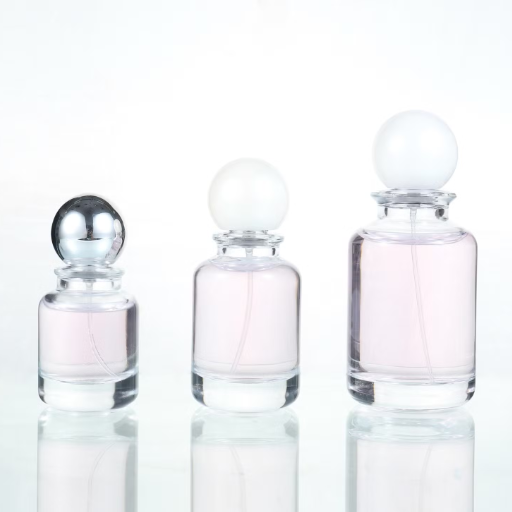
Definitely, the small empty 10ml glass bottles, the 10ml empty spray containers, the 5ml sample vials, and the mini sample vials are the most common vessels used for travel-size perfumes. They can be used with fine mist spray bottles or roller bottles and the small amounts of perfume are kept secure for flights, daily carry, or trying out different fragrances.
Which is the better option for fragrance bottles: glass spray bottles or plastic spray?
Glass spray bottles and clear glass perfume containers are preferred for fragrances and essential oils because they are non-reactive and better maintain scent integrity than plastic options. However, the refillable or empty plastic options may be less bulky and less prone to breakage during travel; the decision depends on portability or long-term storage requirements.
How can we refill mini atomizers and empty glass vials without spilling any perfume?
A mini atomizer or sample vial can be filled using a funnel, syringe, or transfer pipette suitable for 2ml or 10ml glass bottles and glass vials. If possible, remove the spray top, or use a perfume bottle refillable nozzle adapter to avoid spills. For small perfume or oil transfers, keeping the surface steady and slow transfer methods will reduce waste and contamination.
What are the typical dimensions of miniature perfume bottles and sample container sets?
Typical dimensions are 2ml, 5ml, and 10ml glass bottles; sets commonly include 10ml empty bottles or 100 pcs mini sample bottles for testers and perfume sample distribution. The travel-size spray and mini refillable options are usually sold in packs for convenience, allowing you to carry several scents in refillable mini containers and sample vials.
Can you still use empty perfume tester bottles for storing essential oils?
The decision is dictated by the particular type of empty perfume tester bottle in question, with refillable glass vials and roller bottle formats generally being compatible. A glass mini roller will be perfect for dilution, while a glass spray will work well for misting; however, it is better to keep essential oils away from prolonged contact with plastics, as some plastics can absorb the fragrance.
Are refillable perfume bottle sprayers a smart choice for frequent travelers?
Refillable perfume atomizer sprayers and fine mist spray bottles really are the perfect partners for frequent traveling as they provide the same amount of fragrance application every time and also the closures are resistant to leakage. To keep away from the hassle of getting into trouble with the airline’s liquid regulations, always go for the travel-size perfume atomizers that are marked as travel refillable.
How do you properly clean empty bottles and sample perfume vials for refilling?
Rinsing with warm, soapy water, followed by distilled water, is one method for cleaning empty bottles, glass perfume sample vials, and refillable mini containers. If any residues remain, a tiny bit of isopropyl alcohol may be used, and the bottle should be thoroughly dried afterward. It is the perfect way to clean if you disassemble the spray tops of perfume glass bottles and glass spray bottles, cleaning the nozzle and inner tube to prevent contamination between fragrance bottles.
Where can I buy quality refillable fragrance bottles or empty perfume bottle sets?
You can find refillable fragrance bottles, glass perfume bottles, and clear glass spray online through retailers specializing in cosmetic packaging, fragrance companies, or markets selling travel refillable solutions. By searching for refillable perfume bottles, glass perfume samples, or travel refillable atomizers, you can compare the materials (glass vs. plastic), sizes (2ml, 5ml, 10ml), and accessory options such as funnels and syringes for safe refills.