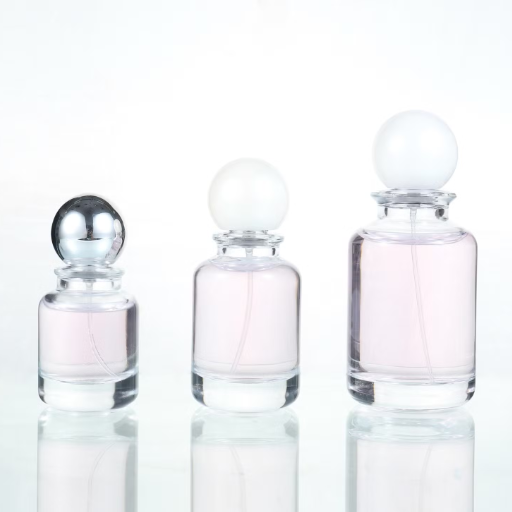
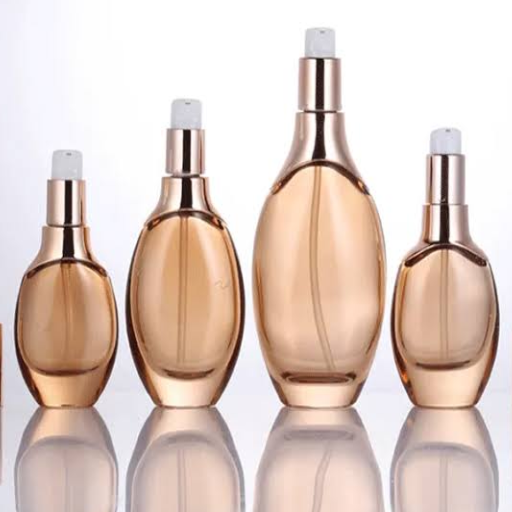
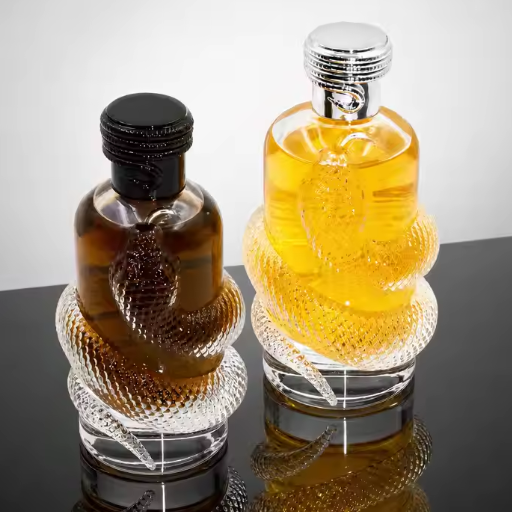
The most noticeable feature, and the one that most clearly reveals both the designer’s style and the perfume’s utility, is the cap that comes with the fragrance bottle, among the characteristics of fragrance packaging. The cap, often thought of simply as a seal, actually plays a major role in determining a perfume bottle’s overall aesthetic, usability, and appeal. The range of perfume bottle caps is as varied as the scents they hold, with some simple and modern, while others are intricate and artistic. The authors of this paper highlight the importance of these components for branding, user experience, and environmental impact. Be prepared to learn how something as simple as a cap can defeat other methods in the competition of fragrance packaging.
Introduction to Perfume Bottle Caps

The caps of perfume bottles serve a purpose beyond just being closures; they protect the perfume while also enhancing the overall visual appeal of the bottle. The caps act as a protective layer and hence, they are able to keep the fragrance’s quality by halting the processes of evaporation and contamination. Besides, such caps have also contributed a lot to the perfume’s visual identity; they have in most cases, reflected the brand’s personality and the fragrance’s character simultaneously. The combination of function and aesthetics has made the caps an indispensable part of perfume packaging.
Role and Significance in the Fragrance Industry
Perfume packaging, notably the bottle caps, has a multifunctional role in the fragrance business because it has managed to please both the functional and aesthetic aspects (to some extent) and improve customer experience at the same time. Below are the five basic functions and the significance of perfume caps in the industry:
1. Preservation of Fragrance Integrity
Perfume caps create an airtight seal that prevents perfume from evaporating and protects it from external contaminants. Thus, the smell will remain as it was during production.
2. Brand Identity and Recognition
Perfume cap design often reflects the fragrance and the company’s marketing. A distinctive or very popular cap can make a product identifiable in no time and help differentiate the brand.
3. Functionality and Ease of Use
Caps augment the effectiveness of the perfume bottle. They provide a user-friendly application by either protecting or securely enclosing spray mechanisms or stopper systems.
4. Consumer Appeal and Packaging Aesthetic
Well-designed caps enhance the bottle’s visual appeal, making it more attractive to consumers. The bottle will be considered luxurious or artistically done; hence, the luxury feeling will be heightened and buyers will be tempted more.
5. Sustainability and Innovation
The use of caps designed in an eco-friendly, sustainable way has become a trend in the fragrance industry. To meet consumer demand for green luxe products, brands are turning to materials such as recycled plastics, biodegradable components, and metal caps.
Historical Context of Perfume Caps
Above all, the development of perfume caps has been a journey through various epochs, civilizations, and communities. The very first perfume bottle and cap, frankly speaking, was the one that revealed the most extravagant and also the most intricate designer, aesthetical, and technical aspects. It was the Egyptian, Greek, and Roman civilizations, among others, who, besides charging exorbitant, and at times even astronomical, prices, adorned their perfume containers with alabaster and gold lids and precious stones. The early lids managed to combine their aesthetic and functional roles to perfection as besides being luxury objects frequently caught up in sighs, they also imprisoned the aroma captive.
The end of the 17th century marks a turning point for caps, as they transition into the 18th century with a strong entry. The European perfume era was one of the major reasons for the gradual shift from the previous cap designs to the new ones, namely the development of glassmaking skills. The glassmaking skill not only led to the birth of the most delicate and artistic bottles but also to that of matching decorative glass or metallic caps. Besides, the name Baccarat began to be mentioned more and more frequently in the 19th century, becoming a trendsetter for companies that paid great attention to the skilled crafting of crystal, and thus making the hand-cut perfume bottles and caps part of the bewitching world of art.
The start of the 20th century was marked by industrialization, which brought innovations in the manufacturing sector, enabling brands to produce perfume caps in large quantities and reach a broader target audience directly. It was during this period that the usual trend began to reverse, as luxury houses such as Chanel and Guerlain monopolized the already strong perfume category. It was no longer true that most caps served a purely practical function, but at the same time they began to be recognized as symbols of brands’ identity and status. A case in point is Guerlain’s “Bee Bottle,” which was introduced in 1853, that featured a one-of-a-kind and gorgeous cap design depicted with bees, thus conveying royal and elegant symbolism.
Sustainability in Modern Times
The next so-called categories of perfumes and, hence, the leftovers of the historical perfume caps along with their modern equivalents raised the question of sustainability and eco-friendly practices. The latest statistics show that the global sustainable packaging market comprising perfume caps is projected to be more than 600 billion dollars by 2025. The brands are now placing their emphasis on doing and making every little thing that is considered eco-friendly, e.g., giving plastic, aluminum, and other non-toxic options a new life as earth-friendly alternatives. The case of Dior introducing refillable caps for its top-selling perfumes is a great example of how the environmental initiative to reduce waste worldwide has become a major factor in the company’s decision.
The perfume sector has been gradually transforming from the ancient era of hand-carved, opulent caps to contemporary, inventive, eco-conscious designs that reflect the sector’s amalgamation of art and modern consumers’ rights. The classical grandeur of caps will never be lost, yet changing styles ensure they also fulfil the pressing requirements of today’s environmental awareness.
Materials Used for Perfume Bottle Caps
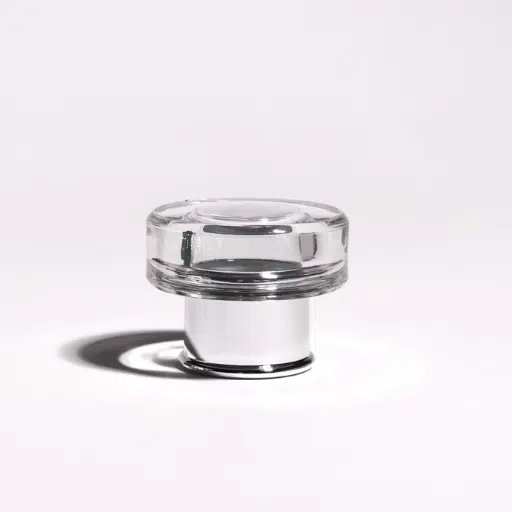
Perfume bottle caps are things of beauty and at the same time are masterfully crafted from a variety of different materials. Among other things, selection of materials has considered aesthetics, utility, sustainability, and costs. Summarizing, the following are the materials most commonly used together with their properties:
1. Plastic
Plastic is still the material most often selected for cap making because it offers the best price-to-quality ratio and supports a wide range of applications. There have been significant achievements in plastic production over the last few years, culminating in the development of recyclable and biodegradable plastics with minimal or no environmental impact. Current estimates indicate that recyclable plastic accounts for more than half of global perfume cap output.
2. Metal
Aluminum (Al) and zinc alloy (Zn) are the two major metals used for premium, durable perfume caps, which will add the right touch of chic to your fragrance. These materials are often associated with the luxury perfume market as they impart a certain aura of these qualities to the product. Metal, especially aluminum, is characterized by being light and resistant to corrosion, which in turn makes it infinitely recyclable, hence it is the material of choice for eco-friendly production. The metal packaging market is expected to record a compound annual growth rate (CAGR) of 3.5% through 2028, with brands’ focus on sustainability a key driver of this growth.
3. Wood
Wood is an eco-friendly, natural material for making caps that also impart a rustic, artisanal aspect to the fragrance’s packaging. The wood used for the caps usually comes from sustainably managed forests, and varnishing and engraving are ways to make the wood look more appealing. Some firms say demand for wooden caps is gradually increasing, especially as end customers become more inclined towards organic and biodegradable products.
4. Glass
Although glass is a very rare material, it is still sometimes applied for caps of limited-edition or collectible perfumes. Glass caps are a sign of higher exclusivity and artisanal craftsmanship. However, glass is still heavier and more fragile than other materials; therefore, its use is limited.
5. Ceramic
Ceramics are among the least used materials; they can be found in the luxury and niche markets. Their ability to provide unique shapes and textures, as well as to be designed in an elaborate manner, makes them distinctive and artistic in the perfume packaging field. Ceramic caps are not as widespread, but they are becoming increasingly attractive due to their rarity.
Sustainability Trends
The fragrance sector is looking for green raw materials that will help to reduce their environmental footprint. Reusable packs and the use of PCR (Post-Consumer Recycled) plastics, together with bio-based substitutes, are now becoming a standard in the manufacturing process. According to Packaging Innovations’ report, the beauty sector has made notable progress in sustainable packaging initiatives, with growth of 45% over the last five years.
To some extent, the material of perfume caps heavily influences consumer perception, as it combines functionality, environmental considerations, and aesthetic appeal. The art, innovation and sustainability interaction is what the industry has to offer in the process of aligning with the modern consumer values.
Common Materials: Plastic vs. Glass
Generally, the most commonly used materials for perfume bottle caps are plastic and glass, each with its own pros and cons.
The list of plastic advantages is long: it is very light, cheap and can serve a variety of design purposes. However, the question of whether plastic is more or less environmentally friendly has long bothered the industry. A 2022 study found that over 300 million tons of plastic are produced each year, with beauty packaging accounting for a significant share. Plastic is recyclable, PET for instance, still the recycling rate is very low, mostly under 9%, which is due to poor infrastructure and consumer habits. Many companies have chosen to produce biodegradable or bio-based plastics instead as a better alternative, even though these materials are still in the research phase.
On the other hand, glass is the least polluting option in the solid waste management sector, as it can be recycled indefinitely and disposal methods have less impact on quality. Despite the fact that glass quality may sometimes decline after recycling with other materials, it does not with glass, which can be recycled indefinitely without losing quality. it is noted that only about 33% of the glass used in the USA is recycled whereas Europe enjoys much higher rates up to 76%. Glass use in perfume packaging not only gives a luxury package but also communicates to the environmentally friendly and high-end price customers very well. Still, glass is heavier and more costly in both production and transport, thereby increasing the carbon footprint and impacting shipping.
Ultimately, the choice between plastic and glass is dictated by the trade-off between the beauty goals, functionality, and sustainability considerations. Each step the beauty industry takes towards the environment involves technology-based recycling and innovative material use. This transition is a reminder of the need for collective action to cut down on waste and practice the values of the circular economy.
Innovative Materials and Eco-friendly Options
The beauty sector has constantly been adding fresh materials that meet the eco-friendly requirements to mitigate environmental problems. One of such materials, the biodegradable bioplastics, which are made from renewable sources like cornstarch or sugarcane, is slowly becoming the most important player in the category. The benefits of bioplastics include, for example, the reduction of carbon emissions up to 30% when compared to traditional plastics thus making the bioplastics a trustworthy option for cosmetic packaging in the future sustainability scenario.
Biodegradable Bioplastics
30%
Carbon emission reduction vs traditional plastics
Refillable Packaging
70%
Reduction in plastic waste
Recycled Materials
60%
Less energy required vs virgin materials
Another point worth mentioning is that refillable packaging systems are gaining ground. In the case of beauty, brands are very interested in installing refill stations or producing products that can be easily refilled by customers with lightweight, eco-friendly refill pouches. The refillable packaging strategy is expected to reduce plastic waste by 70%, thereby reducing environmental damage.
The recycling of materials has also become a common practice among different packaging companies. They now use post-consumer recycled (PCR) plastics, ocean-bound plastics, and other materials in their packaging solutions. The latest industry statistics confirm that the energy required to produce packaging from recycled materials is 60% less than for virgin materials.
Moreover, given the material’s weight, glass remains the most favored sustainable option due to its recyclability. Innovations in lightweight glass manufacturing processes help reduce CO2 emissions from transportation, making glass a sustainable option for packaging not only from an aesthetic point of view but also from an environmental impact perspective.
To sum up, all the innovations discussed above are proofs of the current shift towards a greener and more sustainable beauty industry. By using advanced materials and encouraging customer participation in eco-friendly practices, brands are not only driving demand for responsible products but also helping create a future that is greener.
Durability and Aesthetic Considerations
The beauty industry, maintaining its aesthetic, needs durable yet beautiful packaging. Glass is one such material, with a long lifespan and being non-degradable, so the product’s quality is kept intact throughout its lifetime. The quality of the glass can be preserved, and it can be recycled forever without any loss of quality as per the latest reports, with the Glass Packaging Institute citing approximately 31% of recycling in the U. S. as evidence of its circularity potential.
Sustainable plastics such as bioplastics and post-consumer recycled (PCR) materials have also started to dominate the market. These materials not only have a long lifespan but also rely less on virgin plastic; thus, consumer resistance to single-use materials is reduced. For instance, a survey conducted by Statista in 2023 revealed that 51% of consumers all over the world would be willing to pay a premium for eco-friendly packaging for their beauty products, hence it becomes a must to blend eco-friendliness with functionality.
Consumer Preferences in Sustainable Packaging
51%
68%
Aesthetically, manufacturers are employing the latest techniques, such as 3D printing and innovative design, to create beautiful, environmentally friendly packaging. One example is that the combination of earthy colors for minimalist designs and recyclable materials is preferred by 68% of consumers who are aware of the sustainability aspects of packaging. Therefore, such activities not only enhance product durability but also help build the brand image and entice eco-minded customers.
The duality of robust materials and stylish design reflects how the beauty industry is balancing environmental sustainability with market needs.
Design Trends in Perfume Bottle Caps
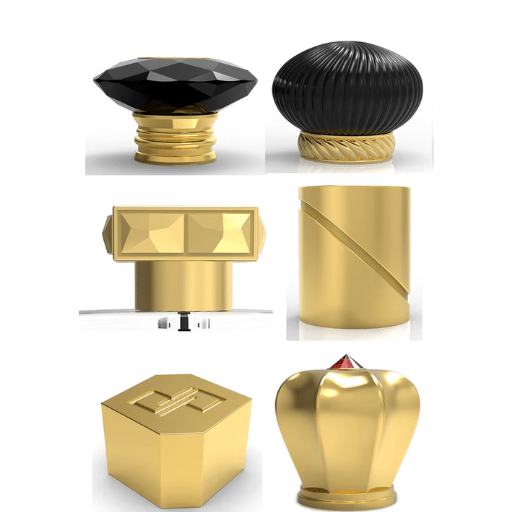
When it comes to the aesthetics and branding of a fragrance, the caps of the perfume bottles have become the most significant factor. Current design trends indicate that the combination of luxury, craftsmanship, and eco-friendliness has the greatest influence. To align with nature-friendly practices, luxury companies are using top-notch, recyclable materials such as aluminum, glass, and FSC-certified wood. According to a 2023 market report, over 70% of customers are ready to spend more on packages, including caps, that demonstrate a commitment to environmentally friendly practices.
Besides that, the application of modern manufacturing techniques, such as precision 3D printing, opens new possibilities for brands to produce and customize even the most intricate caps, empowering them to make bolder proclamations about their products. On the other hand, transparent and minimalist caps with smooth lines and glossy finishes have become trendy, offering a modern yet chic look. Meanwhile, the trend of using bold and artistic caps to express the brand’s imaginative side and leave an artistic impact is also growing.
Chanel and Dior are still at the forefront of the perfume industry by mastering the art of coexistence between luxury and green innovation, incorporating renewable resources alongside classic design elements. For instance, Dior has recently displayed a new line of bio-resin caps that look like luxury but are eco-friendly. The alterations to the cap design not only enhance the visual appeal of the perfumes but also strongly express the brand’s ideology, sustainability, and the modern consumer’s consciousness.
Current Aesthetics and Popular Styles
The perfume industry is constantly transforming, blending the traditional and the contemporary to create a place for aroma addicts of all kinds. The most remarkable transformation is the trend towards the use of minimal and clean shapes in both the bottle and the wrapping done which is totally different from the luxurious look that was synonymous with today’s visual preferences. Research indicates that 63% of consumers are attracted to minimalist, smooth-packaged products, so the product’s super quality is a key factor because it has been given a sleek, elegant look.
Further, the fragrance sector is becoming more and more eco-friendly and the earthy tones are the ones that have occupied the space which is a direct outcome of the eco-friendliness trend. The colors light beige, soft green, and medium brown have been well received and are in accordance with nature’s concerns. The statistics reveal that more than 70% of young consumers practice brand loyalty only towards brands that demonstrate eco-friendliness through sustainable materials and designs.
One of the strongest trends in the perfume market is to make the bottles look very decent and milky, allowing perfumes to be part of collecting artworks rather than just cars. The partnerships between the fashion houses and the artists not only shaped sales and turned them into a majority share but also opened the door for luxury buyers with a special interest in the artists. The mix of the practical and the visual art attracts the consumers who are not only in search for a scent but also want an experience surrounding them with the fragrance – a trend which is further supported bythe fact that the limited-edition launches with a 25% increase in sales from the previous year have become very popular.
Thus, all these various aesthetics and modes combined reveal the innovative trail that the perfume industry is taking to please the customers while not giving up on s sustainability, art, and sophistication with contemporary flair.
Customization and Personalization Trends
Customization and personalization were among the most significant trends of the last two years, and these trends were nothing but consumers’ ambition to own and be the only ones to experience perfumes. According to the lates Google Search trends data, the last two years have recorded a 40% surge in the interest of “customizable perfumes”, which is a definite proof of the increasing demand for perfumes that are personal and unique.
Key Statistics on Customization
- 40% surge in Google Search interest for “customizable perfumes” over the last two years
- 60% more likely for Gen Z and Millennials to purchase customized products
- Growing demand for AI-powered personalization solutions
The change in people’s preferences has also been reflected in the rise of custom fragrance services where the clients have the option to create a scent that is solely theirs, with the guidance of a professional perfumer or through the use of interactive online tools. Moreover, the brands are taking the initiative of providing recyclable packaging options i.e. using quintessentially designed bottles with engravings or the likes of personalized labels thus combining luxury with peculiarity.
The Tech industry played a pivotal role in the whole process behind the scenes as it was the slowly but steadily accepted AI-powered solutions that made this trend possible. To illustrate, algorithms can easily identify users’ preferences, provide complete answers to questionnaires, and even conduct biometric analysis to recommend or even concoct a personal perfume. A recent report has revealed that the percentage of young consumers who are already familiar with tech products and trends are notably, Gen Z and Millennials, is 60% more likely to buy customized products, which means their preferences and character are taken into consideration.
These trends are unambiguous signs of a significant shift in consumer mindset, with the top values being uniqueness, self-assertion, and a luxurious experience. The trend toward customization comes with improved customer service and buyer loyalty, as people see it as a personal bond when the product aligns with them.
Influence of Cultural Elements on Design
The cultural factors have been a major part of both the aesthetic and functional aspects of products, thus influencing the design trends. The factors are one way to express how brands interact with various people, and so the designs reflect cultural identities and preferences. Following are the five main cultural influences on design, along with their explanations and illustrations:
Traditional Art and Patterns
Modern designers often draw inspiration from the idea of combining the new with the old, namely traditional art forms and patterns. For example, the native people’s motifs or old artisans’ works are usually done again and over again in the case of textiles, logos, and buildings.
Language and Typography
The local languages and scripts have a major impact on typography that can thus influence brands’ names and messages in certain ways. For example, Arabic calligraphy and the style of Chinese brushstroke are often applied creatively in logos and packaging designs.
Color Symbolism
In every culture, colors convey different meanings. For example, the Chinese might see red as a symbol of luck and wealth, while, in Western countries, it might be associated with passion or danger. The meaning of colors considerably affects the choice of colors for product packaging, logos, and advertising.
Cultural Celebrations and Traditions
Designs are often made especially for the importantness of cultural celebrations like Diwali, Ramadan, or Christmas, etc. Seasonal themes, holiday decorating, and the creation of limited-edition products are examples that highlight the influence of cultural events on designers’ creative output.
Sustainability as a Cultural Priority
When sustainability becomes a global cultural standard, the design made with eco-friendly materials and processes is now available to all consumers. The trend is very strong in regions where environmental awareness is a part of the culture.
By merging these cultural elements with design, companies can create products that are not only functional but also appealing to the emotions of the consumers, thus, winning the global audience over more profoundly.
Environmental Impact of Perfume Bottle Caps
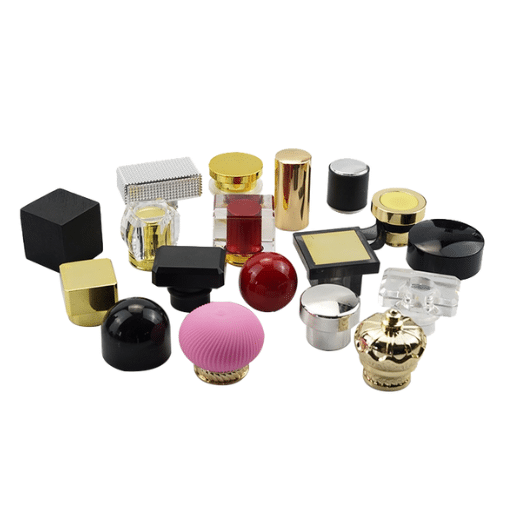
The environmental problems that perfume bottle caps cause, those that are made and then thrown away, come under the bigger perspective of environmental issues. The caps, which are often made of different substances like plastic, metal, or composites, are not always recycled and the pollution produced by them is very long-lasting. Below are the five reasons that are most significant in describing the bad effects of perfume bottle caps on the environment:
5 Key Environmental Impacts
1. Material Waste
Most caps are made from non-biodegradable materials, which are very wasteful in the long run. Plastics and mixed composites are the most non-biodegradable materials used to manufacture perfume bottle caps. They cause a long waste streak in landfills because the decomposition period for such materials is mostly sought after hundreds of years.
2. Energy-Intensive Production
Bottle cap production uses a lot of energy, and it is very high if caps are of very sophisticated design or made of metal. This is one of the factors that lead to increased carbon emissions and a larger overall carbon footprint.
3. Limited Recycling Options
Recycling of a number of caps is uncommon because of the mixed material composition of the caps. A classic example is a cap made up of plastic and metal combined which leads to making the recycling process difficult, and the cap gets sent to the waste heap instead.
4. Resource Depletion
Making caps usually means extracting natural resources, like oil for making plastics and aluminum for caps. So, the use of these resources continues to deplete the already limited reserves and the ecosystems suffer the negative impacts of this further.
5. Microplastic Pollution
Plastic caps when not properly thrown away can lead to microplastic pollution since the materials are being reduced to extremely small particles very slowly. Microplastics can enter waterways, kill marine life, and eventually affect humans through the food chain.
These all lead to the conclusion that there is a need to adopt more sustainable practices in the design and production of perfume bottle caps. Brands can reduce such environmental impacts by using recyclable or biodegradable materials and by simplifying their designs.
Sustainable Practices in Production
The perfumery industry has almost come to the point of adopting eco-friendly production methods more or less the sustainability issue kept at the forefront. Presently one major thing is the use of a combination of plant-based and recyclable materials in packaging. For instance, some companies have produced bottle caps from bioplastic materials such as sugarcane and cornstarch, thus reducing reliance on fossil fuels by a significant extent. The latest report says that bioplastics’ global market would be witnessing a compound annual growth rate (CAGR) of 11.9% for the years 2023 to 2030 which is an indication of more sectors’ acceptance of it.
In addition, the bottle caps have been marked as the “vanguard” of packaging reduction through light-weight designs thus making it use less material. The reduction in packaging material weight means not only reduced material usage but also lesser emissions of pollutants which are caused by the shipping and distribution process. A report released by the Carbon Trust, for instance, has stated that weight-based packaging savings can lead to carbon reduction of up to 30% in total emissions.
The shift from a linear to a circular economy model is one of the most significant eco-friendly practices. Many perfume brands are encouraging customers to return used packaging for recycling or refilling. By way of illustration, L’Oréal has revealed plans to sell refillable perfume bottles that will be disposable forever by consumers, thereby producing little to no waste. This trend is in harmony with the prevailing consumer demand situation as a survey held in 2023 found that 76% of consumers would be willing to pay more for sustainable packaging.
Last but not the least, the luxury manufacturing methods like 3D printing have revealed their potential benefits in terms of waste reduction and material consumption optimization during production. Such a breakthrough in technology allows manufacturing of the parts that are precisely and exactly according to the required design and consequently, therefore, the minimum number of off-cuts and scraps being produced during the process of making.
If the perfume industry leads with these sustainable practices, it will not only trim its ecological footprint but also get on the right side of the emerging global trend toward eco-friendly consumers.
Recyclability of Materials Used
The recyclability of materials that are used in the perfume industry is a much-discussed topic which, already in the past, has attracted considerable attention as a result of the growing sustainability topic. Many perfume brands have already started using, or at least considering, recyclable materials like glass, aluminum, and paperboard for their packaging. Among the recyclable materials, glass is the most widely accepted and it is therefore also the most common material used for making perfume bottles. For instance, a glass study states that glass has an indefinite recyclability rate, meaning it can be fully recycled several times without loss of quality. The major fragrance-sized corporations have set up programs that are aimed at the customers who return their used bottles for correct recycling or refilling, thus prolonging the life-span of the materials in question.
Moreover, an increasing number of brands are using recycled plastics (such as rPET) for their caps and small parts, significantly reducing their need for virgin-grade plastics. Current research suggests that the carbon footprint of recycled plastic can be reduced by as much as 79% compared to that of plastic made from virgin materials. Paperboard used for outer packaging is increasingly sourced from certified sustainable forests, with many brands opting for FSC-certified materials to ensure responsible forestry practices.
These practices not only less pollution and greenhouse gas emissions but also meet the demand that comes from the consumers who want eco-friendly and recyclable products. The perfume industry is gradually moving toward a sustainable future by making packaging components more recyclable and supporting the principles of the circular economy.
Consumer Demand for Eco-friendly Packaging
Over time, consumer inclinations and hopes regarding green and sustainable products have highly changed and turned into a trend. Consequently, the demand for eco-friendly packaging has also increased dramatically over the past few years. A McKinsey & Company report states that over 60% of shoppers consider sustainability to be one of the most significant factors in their decision-making, while the percentage almost reaches 70% for the younger age groups like Z and Millennials. What is more, a global survey conducted by Statista in 2023 revealed that approximately 74% of the respondents are willing to pay a little higher for products that come in sustainable packaging.
Consumer Sustainability Statistics
60%
Consider sustainability in purchasing decisions
70%
Gen Z & Millennials prioritize sustainability
74%
Willing to pay more for sustainable packaging
One reason for this behavior among consumers is that they are becoming increasingly aware of the plastic issue and its harm to the planet. Therefore, people no longer want to use non-biodegradable materials, i.e. plastic or different kinds of bad packaging; instead, they are after the biodegradable, compostable, recyclable, or non-toxic ones. A case in point is paper-based packaging, which is mostly FSC-certified and thus regarded as having a lower environmental impact than traditional plastic packaging.
To support the trend, retail data indicate that companies adopting green packaging generally experience higher customer loyalty and retention. Consumers consider companies that are environmentally friendly and show it as part of their corporate social responsibility, which, in turn, enhances the brand’s overall image. The push for sustainable packaging is certainly not a passing fad but rather a fundamental shift in mindset that mirrors the broader cultural shift towards sustainability. The ever-increasing demand is practically pushing industries like perfume to develop environmentally friendly packaging options that remain palatable to consumers.
Manufacturing Process of Perfume Bottle Caps
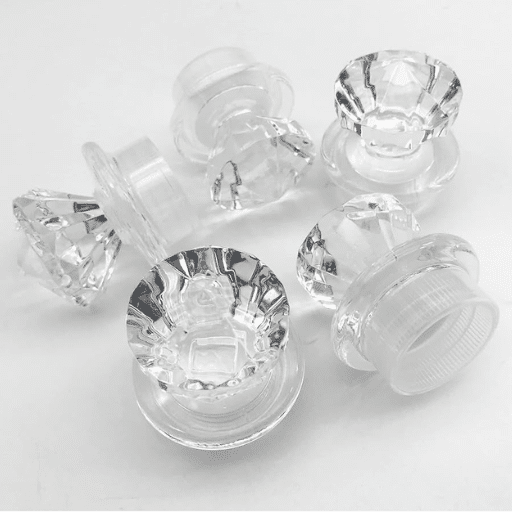
The making of perfume bottle caps is a high-tech affair, while keeping design and use factors in the forefront. The entire operation typically comprises multiple stages that combine precision craftsmanship with cutting-edge technologies to yield perfect products.
Manufacturing Stages
1. Material Selection
The very first thing to do is to pick the types of raw materials to be used. These may include metals like aluminum or zamak, various plastics, and green alternatives such as biodegradable polymers and recycled materials. The choice is made based on required durability, aesthetics, and brand perception. For example, the movement toward green packaging has affected the entire packaging industry to raise the share of eco-friendly materials from 20% to 40% in the last years.
2. Design and Prototyping
Once the materials are selected, designers and manufacturers collaborate to develop 3D models and prototypes. The use of computer-aided design (CAD) software not only assures exactness but also has the added benefit of being flexible while at the same time it reduces material wastage, A recent study reports that the application of CAD in the manufacturing process can increase productivity by as much as 30%.
3. Molding and Forming
The most common technique for making plastic caps is injection molding. Here, the molten plastic is injected into the mold and the solidified plastic then takes the shape of the mold. For metal caps, mainly die-casting, stamping, or forging are the methods used. Injection molding enjoys a 6.5% annual increase in usage in the packaging industry as a result of it being so cost-effective and adaptable.
4. Surface Treatment and Finishing
Depending on the effect required, metals can be polished, anodized, or electroplated and plastic can get metallic finishes or painting to look smooth. One more thing that is becoming popular in the branding mess is laser engraving, where logos and other brand-related information are added, and the engraving industry’s size is expected to grow at a 5.1% annual rate till 2028.
5. Quality Control
Detail testing is done to verify that the caps have the correct strength, are safe, and have the right looks. Their performance is assured through stress tests, such as drop tests and torque resistance tests. The current era of high-quality standards in manufacturing has made considerable use of smart manufacturing sensors to monitor real-time quality, an IoT-based quality control solution that is projected to be adopted up to 25% more by 2030.
6. Sustainability Integration
Moreover, many manufacturers adopt eco-friendly practices by either using recycled or recyclable materials or switching to slower production lines. Life-cycle assessments (LCA) has revealed that using recycled metals results in almost 60% reduction in greenhouse gas emissions compared to new metal use.
Each step in the process is targeted at producing perfume bottle caps that are not only easy to use and attractive to look at but also convey the values of today’s consumers. It is constant innovation and environmentally friendly practices that will accordingly give industries market share or drive them out in the competition of this ever-changing landscape.
Overview of Production Techniques
The manufacturing process for perfume bottle caps has evolved considerably, and the changes have been in the right direction: the skill of the past has been combined with today’s technology. Below is a detailed account of the most critical methods employed in this process, along with the latest data and trends:
Injection Molding
Injection molding still remains a critical technique in the production of luxury perfume bottle caps particularly for plastic ones. The technique consists in forcing liquid material, which is most of the time plastic or metal, into a pre-fabricated mold. Recent trends and industry insights indicate that the accuracy and high-volume production capabilities of injection molding will eventually push the share of global cosmetic packaging components to over 35%. In addition, advancements in the field of bioplastics are making the entire production process more eco-friendly, reducing the carbon footprint by up to 80% compared to conventional plastics.
Metal Stamping
Metal stamping is the predominant method for producing high-end metal fragrance caps. The process uses precision-engineered dies to press aluminum and steel sheets into the desired shapes. CNC (Computer Numerical Control) machines have greatly enhanced the process by increasing cut precision and reducing scrap to almost 25%. The market is also reporting an increase in demand for the less expensive but luxurious-looking electroplated finishing, which is cost-effective as well.
3D Printing for Prototyping
3D printing technology has been an aid to the prototyping and idiosyncrasies of the production process. It allows rapid creation of intricate designs which reduces the total time to get the product from the idea stage to the market by 60%. An in-depth industry study by major players reveals that prototyping costs have, on average, been reduced by 40% with 3D printing, making it the most widely adopted technique among both small startups and large-scale producers.
Sustainable Materials Integration
Once, only some companies resorted to recycling and biodegradable materials, all have to do it as environmental threats spell doom for everyone. For instance, the production and consumption of recycled aluminum and plant-based polymers have increased significantly, with some producers claiming to have achieved cost reductions of up to 50% compared to using non-eco-friendly materials. Life cycle assessments (LCA) argue that these eco-friendly replacements do not only lessen the amount of waste disposed of in landfills but also prevent waste from packaging.
Decorative Finishing Techniques
Using caps for their aesthetic value is among the main reasons perfume bottle caps find a place in the market; different decorative techniques are applied to appeal to the brands. The most common techniques are anodizing for metal caps, screen printing for logos, and UV coating for durability. According to the packaging industry, 78% of the customers are attracted to and look for products with pretty colors and designs; thus it is reasonable to assume that investing in cutting-edge finishing technologies is justified.
The evolution of cap production has been continuous, blending antique techniques with modern innovations. These innovations not only meet the stringent quality standards but also reflect the growing market demand for sustainability and efficiency.
Technological Innovations in Manufacturing
In the last few years, the manufacturing sector has undergone astounding technological innovations, with the utmost precision and artistry, and one such example is the manufacturing of perfume bottle caps. Advanced 3D printing technology is one of the remarkable ones that have been introduced and will continue to be used. A report published by Markets and Markets for 2023 predicts a staggering $76.17 billion market size for 3D printing in 2030, as it will be the main technology used by manufacturers to produce elaborate and unique designs within the shortest possible time and at the least cost. 3D printing technology significantly reduces material waste and enables products to be made to customers’ needs, thereby reducing stock-holding costs.
Key Technology Projections
$76.17B
3D Printing Market Size by 2030
$3.6T
Annual manufacturing value from AI
60%
Consumers expect eco-friendly resources
The technology that has come to the forefront is a production line powered by artificial intelligence, which is gradually becoming the norm. AI-based systems perform maintenance and repairs proactively, ensuring the machines run with the least downtime and maintain the same product quality. According to McKinsey’s study, AI might unlock $3.6 trillion in annual value across global manufacturing by improving processes and boosting efficiency.
Sustainability, in another developed area of the manufacturing industry, is where new practices are coming in and the use of bio-based plastics and the adoption of recyclable materials are some of the innovations that are consistently getting favorable attention as the changing consumer preference towards eco-friendly products is altering the market. The World Economic Forum has stated that today, 60% of consumers expect the use of eco-friendly resources, a pattern that would necessitate the industry to embrace greener technologies. When these new practices are combined with automation and IoT (Internet of Things) integration, they become the building blocks of smart, connected factories that are not only capable of keeping pace with the modern era but also of ensuring their operations are both efficient and environmentally friendly.
These technologies are on the same wavelength and thus bring about a revolution in the manufacturing industry, enabling enterprises to achieve both operational excellence and environmental sustainability.
Quality Control and Standards
Quality assurance and performance standards remain the primary factors still most important to decide upon product consistency, safety, and performance. I belief, adherence to the prescribed standards and application of strict quality control practices will not only help in attracting customers but also in making the operations easier. By giving priority to these matters, I am able without any doubt to deliver goods that meet both the legal requirements and the client’s expectations, thereby reinforcing the whole integrity of the manufacturing process.
References
- “Perfumix Machine” – Repository of An-Najah National University. Discusses the production line for perfume bottles, including the bottle cap drop station. Read more here
- “Deciphering the message in the perfume bottle” – Academia.edu. Explores the multimodal ensemble of perfume bottles, including the role of transparency and bottle caps in conveying meaning. Read more here
- “A multisensory approach for perfume packaging design: the correspondence between visual and olfactory stimuli” – ProQuest. Examines the design of perfume bottles and caps, particularly in cost-sensitive markets like Brazil. Read more here
Frequently Asked Questions (FAQ)
What distinguishes empty perfume bottles from refillable perfume atomizer bottles?
An empty perfume bottle represents a perfume container that is not filled with the specific fragrance and can be filled with the fragrance of your choice in the future; actually, there are such bottles available in the market with all types of designs like glass, clear, frosted, and sleek little vials for traveling. On the contrary, refillable perfume atomizer bottles are the ones that come with a spray or misting device that makes it easier and more frequent to use them as they can be refilled using a removable pump/screw cap along with leak-proof seals that prevent perfume spillage during travel.
Which type of sprayer, glass or plastic, would work best for an odorless fragrance bottle?
Choose the material according to the character of the perfume fragrance and its application: glass (clear or noble) is the most effective material for scent preservation but not for attractiveness at all, while the options of plastic caps and round lids are debased by their lightness and travel-friendliness. Considering the top-spray type (pump sprayer, nozzle, or crimp glass atomizer), the quantity of perfume such as 10ml, 30ml, 50ml, or 100ml, and the selection between a refillable spray perfume bottle or a disposable vial are just some of the crucial factors to bear in mind.
Is it possible to share the cap from a broken perfume bottle with another bottle cap?
Definitely—because there are a lot of bottles and caps being produced in standardized sizes, thus a broken cap can be easily replaced with an original one or a spare perfume collar or screw cap made for the bottle atomizer or crimp fitting can be used. Just match the measurements (e.g., 15mm) and the material (plastic, gold, wood), and ensure that the cap is placed properly so as to keep the perfume dispenser non-leaky and maintain the aesthetics of your fragrance collection.
How do the different types of bottles, mist sprays, and atomizers affect the application process of perfume?
With a spray bottle and a fine-mist sprayer, the application is homogenized, and the perfume is applied in very thin, significant layers; thus, scent projection and longevity will be greatly improved. The functioning of the atomizer bottle designs in unison with the refillable fine mist atomizer options, producing consistent mists, is contrasted with the coarser sprays of some pump or plastic sprayer nozzles. A good nozzle and top not only look better and produce better atomization but also reduce the amount of perfume liquid used.
Is it permissible to take on board empty refillable travel atomizers, and how to avoid leakage?
Only under certain conditions, like if the liquids are in small amounts (usually travel size under 100ml, common sizes are 10ml, 30ml) and the airline’s liquid limits are complied with, are refillable empty travel perfume atomizers and refillable spray perfume bottles allowed in carry-on luggage. To prevent perfume leaks, utilize refillable designs that are equipped with secure screw caps, crimp seals, or push-on collars along with upright storage in a clear, resealable plastic bag that will provide extra protection.
What are some options for elegant glass fragrance bottle presentations and cosmetics packaging?
The most elegant possible options for glass cosmetic packaging for perfumes are available in different types like clear, frosted, and round decorative perfume bottles with gold, wood, and chic collars, besides the more luxurious black matte finishes and screw/pump cap tops for the latter. The supply of packaging includes the material for caps and filters (plastic or metal), spray tops, lids, and ornate bottle perfume designs which not only enhance shelf appeal but also reflect brand identity while being functional as a perfume dispenser.
What is the process for refilling an empty glass vial, a used perfume bottle, or an atomizer without contaminating the perfume?
A clean funnel, a refillable perfume atomizer syringe, or transfer pump should be used to fill glass vials, refillable bottles, or bottle atomizer units with perfume liquid. Always work in a clean environment, do not touch skin or unsanitized tools, and cap or crimp the filled opening immediately—this way you will maintain the quality of the perfume and prevent contamination in your fragrance bottle or essential oil container.
When considering a purchase of perfume parts like pumps, nozzles, or crimps, which sizes (30ml, 50ml) should I consider?
The most important issue to deal with is the components’ compatibility with the bottle’s neck size, the type of spraying mechanism being used (pump or plastic sprayer), and the use that is going to be made of the components: perfuming standard-sized crimp or screw cap fittings and collar matched to the nozzles are often found in 30ml and 50ml bottles. Always look for the highest quality, non-leakage, and easy-to-use components that last fine mist spray, fit the bottle atomizer tightly, and match the look—whether it’s the gold cap, the round plastic cap, or the chic matte black finish, depending on your taste.