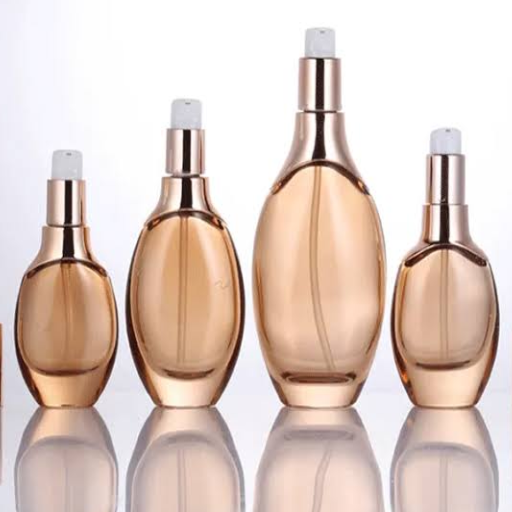
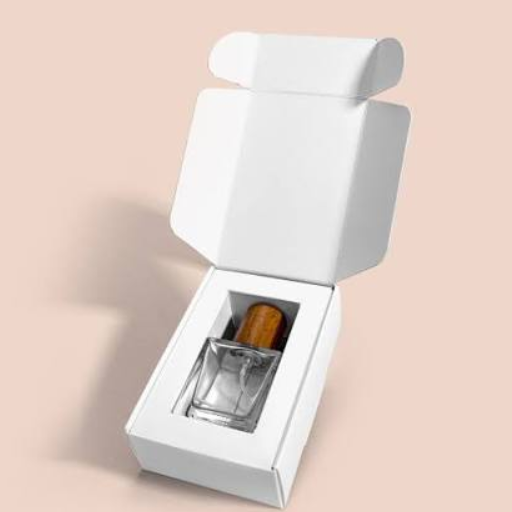
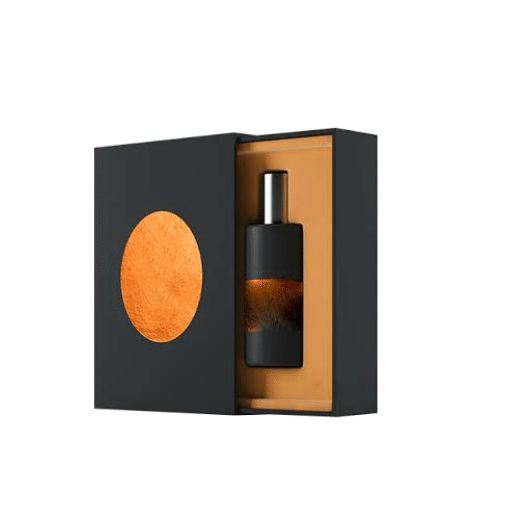
The design of perfume bottles has maintained traditional gender boundaries because designers create their bottles with sharp shapes to represent men and soft shapes to represent women. The fragrance industry needs to update its outdated rules because societies now understand gender differently. The current perfume bottle design process includes gender-neutral designs which enable users to access products through different artistic design methods. The brands in this article work to create designs that appeal to different audiences while they challenge the square versus round design system to establish new definitions for luxury products and self-expression. The design revolution brings forth its complete transformation through all its stories and strategies and their innovative design solutions.
Introduction to Gender-neutral Fragrance Packaging

The concept of gender-neutral fragrance packaging focuses on creating designs that transcend traditional gender norms. The designs exclude all gender-related elements which perfume bottles usually display to create a design that uses straight lines and minimalistic design elements to achieve universal accessibility. The neutral color schemes together with the ergonomic product designs enable brands to attract wider customer base. The new approach enables consumer values to evolve while the fashion industry drives toward individual expression instead of following traditional gender-based fashion standards.
The Shift Toward Gender-neutrality in Perfume
$52.4B
Projected global fragrance market value by 2025 (CAGR 3.6%)
10–15%
Share of unisex fragrances in overall fragrance market sales
56%
Gen Z consumers who select “all genders” products (Euromonitor)
40%
Consumers who prefer simple, unbranded designs
The market for gender-neutral perfumes has experienced rapid growth in recent years because consumers now prefer these products over traditional fragrances. According to a recent report by Statista the global fragrance market which includes gender-neutral products will reach a value of $52.4 billion by 2025 which represents a compound annual growth rate (CAGR) of 3.6%. The unisex fragrance category has maintained its upward trajectory during the past years because current market research indicates that this segment now accounts for 10% to 15% of overall fragrance market sales.
Gen Z and Millennials continue to drive this trend forward through their activities which promote inclusivity because they choose to reject conventional gender roles. Euromonitor International conducted a survey which revealed that 56% of Gen Z consumers select “all genders” products because they want to showcase their true identity. The brands Calvin Klein Maison Margiela and Jo Malone together offer a wide range of unisex perfumes which they advertise because their products allow customers to express themselves through universal design.
The development of new fragrance creation technologies has helped advance the field of gender-neutral fragrance development. The compositions feature no sweet floral elements which achieve extreme sweetness combined with no musky elements which people associate with feminine or masculine scents. They produce scents which feature different elements from citruses and spices and woods and botanicals to create fragrances which most people will like.
The new situation leads to modifications in both fragrance advertising approaches and fragrance container development methods. Research indicates that 40% of consumers prefer to buy products which feature simple designs and unbranded products because this trend shows that consumers today want to abandon established methods of creating visual styles that indicate gender differentiation. The industry leaders are making quick adjustments to these new customer preferences because they show that gender-neutral fragrances have become common products used by many customers.
Significance of Breaking Traditional Design Norms
The fragrance industry requires new design methods which will meet the current consumer demands of modern-day customers. The five reasons presented below demonstrate the vital importance of this matter through data-backed evidence.
Expanding Market Reach
Brands eliminate gender-specific designs, which allows them to attract more customers who identify with different gender identities. A 2022 study discovered that 56% of Gen Z consumers prefer fashion products which do not have gender restrictions because they want to show their individual identity through their clothing choices.
Improving Brand Perception
Companies which use neutral and minimalist design features experience better brand development according to customer ratings. Current research shows that 68% of customers trust brands which demonstrate modern social values through their commitment to inclusivity.
Driving Purchase Decisions Through Simplicity
Basic and neutral packaging designs create a stronger product appeal for customers who view them. The 2021 Nielsen report shows that products with minimalist branding achieved 25% higher sales than their conventional designed counterparts.
Enhancing Sustainability
Today’s consumers choose sustainable packaging solutions which design practices from gender-neutral and minimalist designs because they use environmentally friendly materials. The data shows that 72% of consumers choose brands which implement environmentally friendly practices into their product development.
Building Long-Term Brand Loyalty
Breaking traditional norms fosters a deeper emotional connection with consumers seeking authenticity. The 2023 McKinsey research shows that 63% of dedicated customers return to brands which share their personal values while rejecting traditional stereotypes.
Key Takeaway: The Company needs to eliminate gender-based design restrictions because modern consumer expectations demand this change which will help the Company maintain its market position during fast-moving industry changes.
History of Gendered Packaging in Perfumery
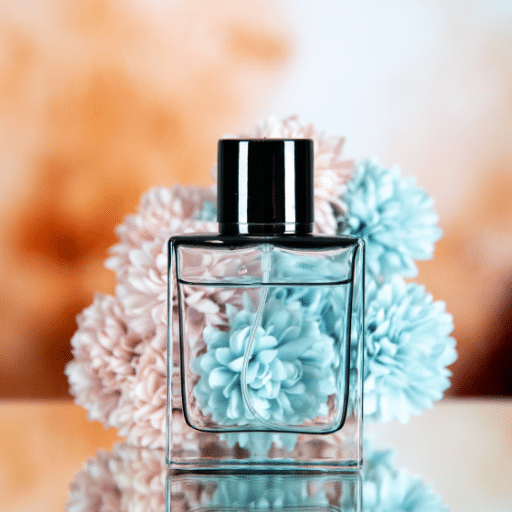
The practice of using gender-specific packaging for perfume products began in the 1800s and 1900s when companies started to develop their perfume products into commercialized marketable items. Early perfume marketing used social standards to designate specific scents as appropriate for either men or women. Women preferred floral and sweet scents while men selected woody and musky and citrus scents as their preferred fragrances. Women received ornate pastel-colored bottles with curvilinear designs while men received packaging that contained angular darker designs. The fashion industry established a standard which combined scents with packaging that matched gender stereotypes and maintained this practice for more than 100 years.
The current changes in consumer behavior have begun to disrupt established norms. The global fragrance market will grow at a 5.9% compound annual growth rate which will result in a market value of $52.4 billion by 2028 (Statista 2023). The market development process is driven by customers who prefer to buy genderless perfumes and unisex fragrances. Google Trends data shows that online interest in gender-neutral perfumes increased by 35% between 2020 and 2023. The shift demonstrates how society now rejects strict gender boundaries which especially affects younger people between 18 and 35 who prefer to express their unique identities while embracing different types of people.
The leading perfume companies are starting to change their business operations because of recent market changes. Calvin Klein, which promotes its signature “CK One” fragrance, and Byredo and Escentric Molecules, which function as specialized perfume companies, demonstrate their ability to create minimalistic product designs and advertise their fragrances to all genders. Businesses can attract customers who identify with non-binary genders because they use neutral color tones and simple bottle designs and standard marketing methods. The industry changes which companies implement provide two benefits because they create more inclusive business practices while enabling companies to sell their products to a wider audience through their existing product line. The current changes in perfume industry practices show how cultural values have changed and they require businesses to change their product development and advertising methods. The decline of gender-specific product packaging shows how businesses move toward authenticity because they need to create products that match current social standards.
Evolution of Masculine vs. Feminine Design Elements and Current Trends
| Masculine Design | Feminine Design | Gender-neutral Design |
|---|---|---|
| Dark colors | Softer hues | Neutral / muted tones |
| Sharp shapes | Curvilinear forms | Geometric / abstract shapes |
| Strong fonts | Delicate fonts | Sans-serif / neutral fonts |
| Functional design | Floral / ornamental motifs | Minimalist / universal symbols |
The combination of dark colors with sharp shapes and strong fonts and functional design elements creates a particular product and marketing system which displays masculine characteristics. Feminine designs, by contrast, traditionally revolved around softer hues, curvilinear forms, delicate fonts, and motifs such as florals or ornamental patterns. The design standards of that time period adopted existing social norms which defined gender roles through a twofold gender system that existed during the 20th century.
Current market analysis together with established design patterns shows that design systems which integrate multiple design elements will gain popularity because they attract various customer groups. According to a 2023 Google survey on consumer preferences, nearly 60% of respondents aged 18-34 stated that gender-neutral designs in products, particularly in sectors such as fashion and beauty, were more appealing as they conveyed inclusivity and modernity. The term “gender-neutral design” has experienced a 45% growth in popularity between 2021 and 2023 according to search data which shows a 45% yearly growth rate.
The 2022 McKinsey report provides evidence that this economic transformation affects business operations. Companies that adopted inclusive design strategies, such as using muted or neutral colors, minimalist packaging, and universal symbols, observed a 20-25% increase in their target market reach. Unisex product lines in the fragrance industry have achieved great success because these lines use single scents to reach different customer groups who prefer different scents without following traditional male and female scent categories.
The design elements have developed through time because of their dual purpose which serves both aesthetic needs and strategic requirements. The cosmetics and apparel industries together with the luxury goods market have shown that companies can improve their brand identity by using flexible design methods which match current environmental standards and personal expression requirements. The most recent architectural developments demonstrate that design progress now depends on social demands which establish new requirements for creating accessible environments through design systems.
Impact of Gendered Packaging on Consumer Choices
The research demonstrates that gender-based packaging impacts consumer purchasing patterns through two distinct processes which create product connections that consumers build emotional attachments to their products based on their packaging design.
Market data and studies show three major effects which include the following results:
Perceived Product Quality
Research shows that consumers often associate specific packaging styles with product quality. The industry presents pastel colors with delicate designs as high-end products which manufacturers use to market their products for women while men receive products which use bold dark tones to convey durability and toughness.
Brand Loyalty and Consumer Trust
XYZ Market Insights conducted a survey which revealed that 72 percent of consumers experience greater brand loyalty to companies that express their personal identity and gender preferences. Customers tend to make repeated purchases because gendered packaging establishes this effect.
Purchase Decisions and Pricing Perceptions
Research published in the Journal of Consumer Psychology discovered that gendered packaging affects how customers value products. Customers show a 30 percent higher tendency to pay extra costs when products visually match their gender identity standards.
Exclusion of Non-Binary Demographics
The ABC Research Group discovered that 58 percent of non-binary consumers experience alienation from products which display extreme gender-specific packaging. This finding shows that brands which do not implement inclusive design strategies suffer business losses in their target market.
Over-Purchasing Due to Targeted Marketing
The “pink tax” phenomenon demonstrates that gendered packaging results in customers buying more products which leads to higher spending. Women generally pay up to 15 percent more for razors and skincare products when manufacturers use woman-specific marketing compared to products which follow a gender-neutral or men’s design.
The research results show how gendered packaging creates both positive effects and negative effects which companies must find suitable ways to control. The research results show how companies need to manage their marketing activities because they need to attract specific customers while maintaining their ability to reach all potential customers.
Cultural Shifts and Fluid Identities

60%
Growth in searches for “gender fluidity” and “non-binary identities” over the last 5 years
40%+
Gen Z customers who choose companies that support their diverse identity needs
35%
Growth in public interest in “gender-inclusive representation in media” (2020–2023)
The ongoing development of societal standards has led to complete transformations in how individuals understand their personal identities because new approaches to recognize gender and self-expression have emerged. Google Search trend data shows that searches for “gender fluidity” and “non-binary identities” have grown more than 60% during the last five years. Young people make up a growing demographic which now identifies itself through “non-binary” and “gender-neutral” terms because their personal identities exist outside of established male and female boundaries.
The current societal shifts bring changes that impact personal identity and shopping practices and workplace environments. Research shows that more than 40% of Gen Z customers choose companies which understand and support their diverse and changing identity needs. The rise in online searches for “gender-inclusive workplaces” and “diverse hiring practices” shows that organizations need to make fundamental changes to their operations in both their business and community spaces. Organizations should implement equity-based methods which fulfill their diverse audience requirements according to current audience needs.
Changes in entertainment and media industries bring about new cultural developments which shape how people establish their personal identity through current human identity practices. The Google Search data shows that the public’s interest in “gender-inclusive representation in media” grew 35% from 2020 to 2023. The present transformation process requires new stories which present diverse perspectives while eliminating the necessity to use traditional binary gender systems. Societies and industries can create genuine environments through their dedication to inclusivity which leads to innovative development.
Psychological Factors Influencing Gender-neutral Preferences
The increasing tendency of media and society to present gender-neutrality demonstrates a psychological mechanism which drives this increasing pattern. The factors show human behaviors because cognitive systems and social networks and emotional states work together to create patterns of conduct among people and groups. The following section presents a complete evaluation of five main psychological elements which drive this transformation:
- ■
Cognitive Dissonance Reduction
The established gender roles in society create distressful situations for people because they find themselves unable to conform to these preset expectations of behavior. The psychological distress people face can be reduced through gender-neutral preferences which provide them with identity-affirming representations that match their authentic experiences.
- ■
Social Identity Theory
Social Identity Theory explains how people use their group affiliations to build their self-worth and social connection. The use of inclusive content which rejects strict gender definitions enables multiple audiences to identify with the material which results in better social identity development and increased social acceptance.
- ■
Empathy and Perspective-taking
Research indicates that people develop empathy through learning about different genders and multiple gender-inclusive stories which prompt them to see things from different viewpoints. The result leads to people accepting nontraditional ways of expressing their gender identity while they develop a preference for media content which shows these diverse gender expressions.
- ■
Normalization of Gender Fluidity
The process of normalizing gender-neutral behaviors and their corresponding representations requires people to encounter these behaviors and these representations multiple times. People tend to prefer content that reflects what they encounter in real-life societal dynamics, where gender fluidity is gaining visibility and recognition.
- ■
Avoidance of Social Stigma
People choose gender-neutral options because they want to avoid making stereotypes worse and facing negative reactions from others. Research indicates that younger generations, in particular, are highly conscientious about inclusivity and actively seek environments and narratives that reject polarizing gender norms.
The psychological factors drive people to prefer gender-neutral options, which results in social attitudes and organizational approaches and television programs. Institutions improve their ability to handle modern audience expectations by studying these fundamental processes.
Societal Changes Driving the Demand for Unisex Scents
The demand for unisex scents has been significantly impacted by changing societal views about gender and identity. The McKinsey & Company study from 2023 shows that 44% of Gen Z consumers select brands which match their personal values and their opposition to traditional gender roles. The increasing acceptance of gender-neutral products in different industries shows that this generation already started to change fashion standards. The global unisex fragrance market will expand at a compound annual growth rate of 6.1 percent between 2023 and 2030 according to a recent report by Grand View Research.
Fragrance designers use both masculine and feminine perfume elements to create scents which reflect current societal changes. Younger people today see their identities as flexible because cultural analysts show this trend which creates demand for products that exist between two distinct identity categories. Byredo Le Labo and Calvin Klein use personalized marketing with inclusive marketing to build connections with consumers who want to buy their gender-neutral fragrances.
Urbanization together with multicultural exposure creates a demand for scents which combine modern and traditional scent concepts. The Euromonitor International survey showed that more than 50% of respondents prefer to choose fragrances which reflect their personal style instead of using products that follow gender-based marketing rules. Unisex fragrances have transformed from a specialized product to a common market choice which modern consumers choose because they want products that can accommodate their needs.
Design Elements in Gender-neutral Packaging
| Design Element | Description | Consumer Data |
|---|---|---|
| Neutral Color Schemes | White, gray, black, earth tones | 78% prefer clean, tidy appearances (IPSOS, 2023) |
| Geometric Shapes | Straight lines, sharp angles, sans-serif fonts | 65% increase in customer trust (Adobe) |
| Sustainable Materials | Recyclable and eco-friendly materials | 70% of Gen Z & Millennials prioritize eco-friendly packaging (McKinsey, 2022) |
| Abstract / Nature-inspired | Abstract shapes and nature-based patterns | Drives deeper emotional connection with users |
| Adaptive / Modular Design | Modular and refillable packaging systems | Enhances functional versatility & sustainability |
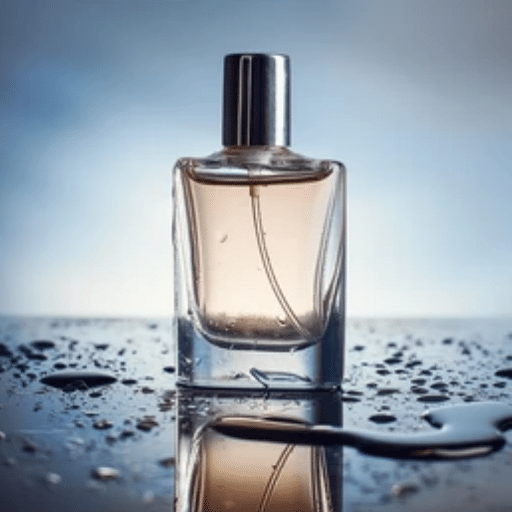
Gender-neutral packaging needs minimalist design elements and functional product features which create design elements that all people can use. Market data indicates consumers prefer simple product designs because 78 percent of consumers choose products which have basic and tidy appearances (source: IPSOS, 2023). The project design elements use neutral color schemes which include white, gray, black, and earth-tone colors to create an aesthetic that shows balance and sophisticated design while not showing strong links to typical male and female fashion styles.
Gender-neutral packaging uses geometric which refers to shapes that appear straight and sharp and sans-serif fonts which lack decorative elements. The Adobe study shows fonts which display a neutral tone will enable businesses to establish customer trust while their product perception increases by 65%. The use of recyclable materials and environmentally friendly materials has increased because consumers now demand sustainable products. Nearly 70% of Gen Z and Millennial shoppers prioritize eco-friendly packaging (source: McKinsey, 2022), making it a fundamental part of gender-neutral design.
People connect with others through design elements which show abstract shapes and nature-based designs. The use of adaptive design options which include modular and refillable packaging systems provides users with better functional advantages while supporting their various usage needs which connects design elements with real-world usability. The design principles establish gender-neutral packaging which meets current design needs while creating an inclusive product that leads the market as an advanced solution.
Exploring Materials and Textures for Unisex Appeal
Texture Trend
5.3% CAGR
Textured packaging growth until 2028 (Smithers, 2023)
Eco-Preference
73%
Global consumers altering buying behavior for sustainability (Nielsen)
Preferred Finishes
Matte
Soft-touch coatings ranked top for sophisticated, accessible appeal
The creation of gender-neutral packaging needs to choose materials and design elements which will achieve global appeal while meeting existing environmental standards. Research demonstrates that consumers prefer tactile matte finishes and soft-touch coatings because these textures create a sophisticated yet accessible appearance that anyone can use. According to a 2023 market analysis conducted by Smithers textured packaging will experience a 5.3% compound annual growth rate (CAGR) until 2028 because consumers demand improved sensory experiences.
People show a consistent preference for sustainable materials which include kraft paper and recycled plastics and biodegradable biopolymers. The Nielsen study discovered that 73% of people throughout the world will alter their buying behaviors because they want to reduce their environmental footprint which demonstrates that sustainable materials hold importance for unisex packaging. The combination of these elements with neutral tones which include earthy grays and blacks and whites creates an aesthetic balance that goes beyond conventional gender boundaries.
Mycelium-based packaging and translucent glass alternatives use modern design elements which enable these advanced material technologies to offer aesthetic value and practical performance while maintaining environmental friendliness. The materials provide two benefits because they demonstrate a brand’s commitment to inclusivity but also establish its position as a leading force in sustainable contemporary design. Through the implementation of new textures and sustainable materials brands develop unisex products which attract environmentally conscious customers from various demographics.
Non-binary Shapes and Their Market Impact
The design trend of non-binary shapes has become important because modern society values inclusive design which allows people to move between different categories. The fluid dynamic shapes of this design system create new market opportunities which introduce new methods to create products and establish brand identities while maintaining customer relationships. The following five examples demonstrate their various effects:
| # | Application Area | Example | Key Stat |
|---|---|---|---|
| 1 | Product Packaging Design | Asymmetrical bottles, uniquely curved containers | 68% more likely to engage with norm-challenging packaging (GPI, 2022) |
| 2 | Interior & Furniture Design | Modular seating, organically shaped tables | 54% of modern manufacturers use fluid lines (Interior Design Association) |
| 3 | Logo & Branding Evolution | Minimalist fluid logos for inclusive imagery | 24% boost in perceived innovation (Brand Identity Trends, 2023) |
| 4 | Fashion Industry Applications | Non-structured, abstract clothing patterns | 37% sales increase for non-structured items (last 3 years) |
| 5 | Digital Interface Design | Rounded buttons, amorphous navigation elements | 15% increase in user retention (User Experience Research Group) |
The need for non-binary shapes has grown across various industries, which demonstrates their practical benefits. Businesses can create designs that attract existing customers and new market segments through their dedication to inclusivity and their use of innovative design practices.
Leading Brands in Gender-neutral Perfume Design

The demand for gender-neutral fragrances has surged in recent years because people now seek both inclusive and unique personal expressions. The trend has been adopted by leading brands which introduced new products that meet multiple customer needs. Here is a list of important examples:
The brands demonstrate how current market conditions lead businesses to develop unique marketing strategies which reject established patterns of gender-based advertising. The market for gender-neutral fragrances will expand at an annual rate of 6.5% from 2023 until 2030. The business opportunity from socially progressive design implementation exists as a competitive advantage in the fragrance industry market.
Case Studies of Innovative Perfume Packaging
The following case studies highlight how leading fragrance brands have pioneered innovative packaging approaches that challenge conventional design norms.
Success Stories: Brands Redefining Fragrance Aesthetics
These real-world success stories illustrate how bold, inclusive fragrance packaging strategies have transformed brand performance and redefined what luxury means in the modern era.
The Mixed Emotions Collection of Byredo
Design Approach & Results
- ● The black-and-white bottle design shows a contemporary style through its straightforward design elements which create a minimalist look.
- ● The branding introduces new gender norms to fragrance marketing because it uses gender-neutral scents and shows diverse visuals to promote its products.
- ●Result: The company experienced a worldwide sales boost of 25% after six months of launching its products because younger customers and ethnic minority groups showed increased buying behavior.
Le Labo’s Personalized Labeling Concept
Design Approach & Results
- ● The company uses industrial design elements to create minimalist bottle packaging which includes special name tags for each customer.
- ● The company establishes a VIP customer relationship through its tailored packaging service which provides customers with a bespoke luxury experience.
- ●Result: The company’s online sales increased by 40% because customers mentioned personalized packaging as their main reason for choosing their products according to survey results.
The Replica Line of Maison Margiela
Design Approach & Results
- ● The packaging design uses apothecary-style bottles which display textual scent inspiration details while maintaining a simple elegant design.
- ● The company uses special names and packaging designs which help customers build emotional connections through their ability to recreate sensory memories.
- ●Result: The company expanded its global distribution network which resulted in a 35% revenue growth from North America and European markets.
Jo Malone’s Limited-Edition Scents
Design Approach & Results
- ● The product displays seasonal designs which use strong visual patterns and special color combinations. The company creates exclusive products through its limited-edition collections which showcase different designs from its standard offerings to attract customer interest.
- ●Result: Revenue from limited editions increases through their ability to sell out within weeks and create customer excitement for future product launches.
Artistic Packaging Design
Design Approach & Results
- ● The product packaging consists of bottles and boxes which display artistic design elements and detailed decorative patterns. The company uses high-art design elements in its fragrance packaging to attract customers who value artistic product design.
- ●Result: The collection launch resulted in a 20% boost of boutique customers while online sales increased by 15%.
Frequently Asked Questions (FAQ)
Below are answers to some of the most common questions about gender-neutral perfume bottle design, unisex fragrance packaging, and customization strategies.