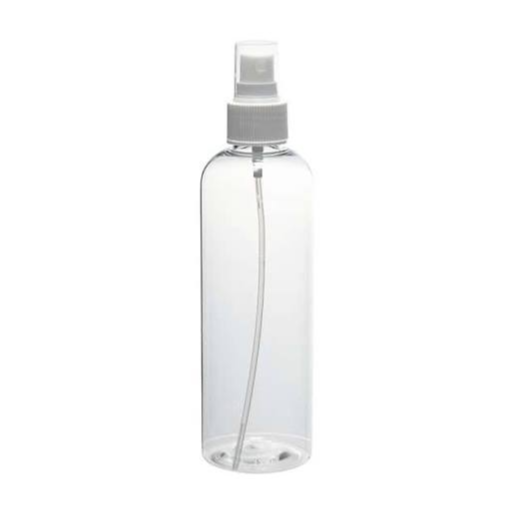
The fine mist sprayer functions as a mechanical pump which generates tiny droplets between 20 and 100 microns to distribute liquid across cosmetics and pharmaceuticals and home care products in a smooth and light manner. The pumps provide an exceptional user experience because they produce controlled lightweight sprays which maintain product quality better than trigger sprayers or aerosol cans.
The customer uses your premium facial toner pump for the first time…but he receives an irregular squirt because the system fails to deliver the desired soft cloud-like mist. Your decision to use the incorrect sprayer has created a situation which prevents you from obtaining a second sale. Fuzhou Longlu Packaging Co. Ltd. has encountered this situation multiple times. Brands spend large amounts of money to develop their product formulas and design their packaging yet they destroy all their efforts through incorrect selection of poorly functioning dispensing systems.
Your knowledge already exists that packaging serves as more than a simple container. Packaging serves as a platform for your brand to make its presence known to the world. The bottle contains a sprayer which functions as the most vital component because it determines the entire bottle system. The guide will teach you about fine mist sprayers and all product types and their components which you can make into your brand design. Your knowledge of this material will help you prevent expensive sampling errors and product returns and customer dissatisfaction.
The presented content includes information about mist mechanics and available size and type options and the comparison of these options with other dispensing methods and the actual use of these options in various industries and a selection system for practical use and new sustainable development and product customization and the ways to stop frequent issues before they emerge.
Key Takeaways
- Fine mist sprayers produce 20-100 micron droplets using a simple mechanical pump, making them ideal for cosmetics, pharma, and home care.
- Neck finish size (18/410, 20/410, 24/410, 28/410) must match your bottle exactly, or you will face leaks and poor performance.
- The global fine mist sprayer market reached $1.41 billion in 2026, with sustainability-driven innovations like mono-material and refillable systems leading growth.
- Cheaper sprayers often cost more long-term due to leaks, inconsistent output, and damaged brand reputation.
- Customization options include colors, overcaps, metal collars, and logo printing, allowing full brand alignment even on small orders.
What Is a Fine Mist Sprayer and How Does It Work?
The Basic Mechanism
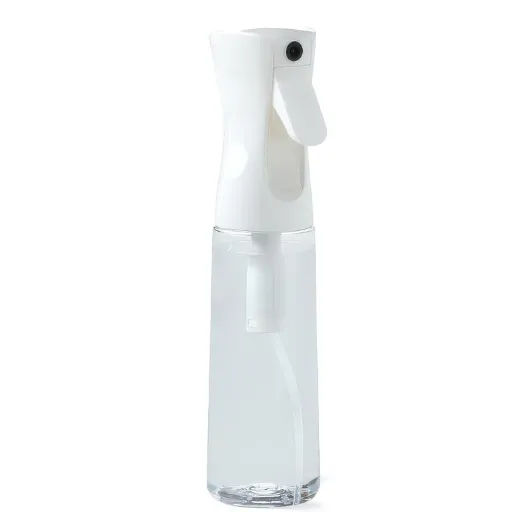
A fine mist sprayer operates on a surprisingly simple principle. When you press the actuator down, it compresses a spring inside the pump housing. This action creates suction that pulls liquid up through the dip tube. As you release the actuator, the spring returns to its original position, forcing the liquid through a tiny nozzle insert. The liquid hits the insert at high speed and shatters into microscopic droplets.
The result is a soft, even mist that settles gently on skin, hair, or surfaces. No propellants. No compressed gases. Just pure mechanical precision. That is why fine mist sprayers are increasingly preferred over aerosol alternatives, especially in eco-conscious markets.
Key Components
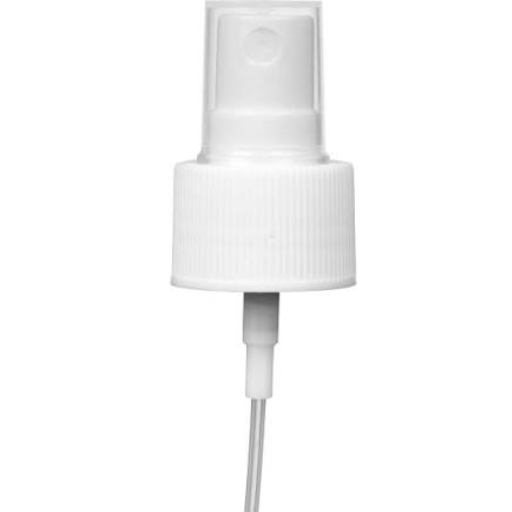
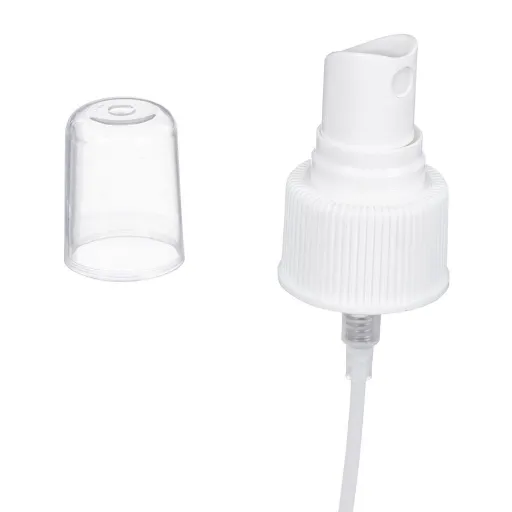
Every fine mist sprayer pump consists of several parts working in harmony:
- Actuator: The button your finger presses. Its shape and ergonomics affect user comfort.
- Insert: The tiny nozzle that breaks liquid into droplets. Insert design determines spray pattern and fineness.
- Pump housing: Contains the spring and piston mechanism.
- Closure: The threaded ring that screws onto the bottle neck.
- Gasket: Creates a seal between the closure and bottle to prevent leaks.
- Dip tube: The long plastic straw that draws liquid from the bottle bottom.
- Overcap: The protective cover that shields the actuator from dust and accidental pressing.
Each component can be customized. At Fuzhou Longlu, we match gasket materials to your formula chemistry, select dip tube lengths to your bottle height, and offer actuators in dozens of shapes and colors.
Spray Performance Metrics
Not all mist is created equal. Three metrics define spray quality:
- Droplet size: Measured in microns. Fine mist sprayers typically produce 20-100 micron droplets. Smaller droplets feel lighter and cover more area.
- Output per stroke: Standard cosmetic fine mist pumps deliver 0.12-0.4 ml per press. Pharmaceutical applications may require metered doses as low as 0.05 ml.
- Spray pattern: The shape of the mist cloud. Some products need a wide, diffuse pattern. Others require a targeted stream.
Emma Chen learned about output the hard way. She launched a facial toner in early 2025 using a 0.4 ml sprayer on a 30 ml bottle. Customers emptied the product in two weeks and complained about waste. After switching to a 0.12 ml fine mist spray pump, usage normalized, customer satisfaction rose, and her repurchase rate doubled within one quarter.
Fine Mist Sprayer Types and Sizes Explained
Standard Finger Sprayers
The most common type, standard finger sprayers, require the user to press and release the actuator for each spray. They come in standardized neck finishes that must match your bottle threading exactly.
- 18/410: Smallest standard size. Common for travel sizes, sample vials, and mini fragrance bottles.
- 20/410: Slightly larger. Popular for small skincare serums and essential oil blends.
- 24/410: The workhorse of the cosmetics industry. Used for toners, setting sprays, and body mists in 100-150 ml bottles.
- 28/410: Largest standard size. Found on hair care products, large facial mists, and some home care applications.
The numbers refer to diameter in millimeters (18 mm, 20 mm, etc.) and the thread style (410 is the standard fine thread for cosmetic packaging). Mixing a 24/410 sprayer with a 24/415 bottle will create a cross-threaded mess and guaranteed leaks.
Continuous Fine Mist Sprayers
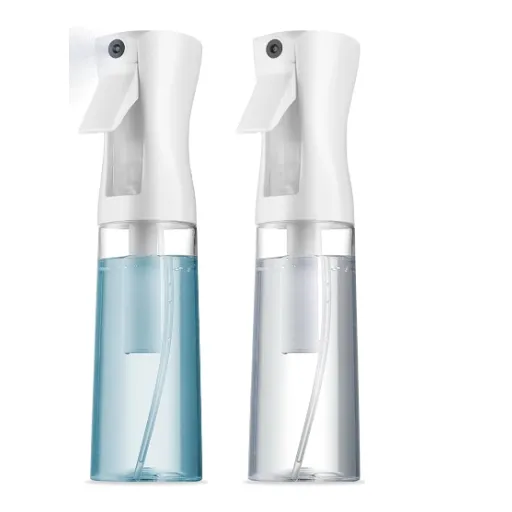
Continuous fine mist sprayers use pre-compression technology. Instead of one press equals one spray, the user holds the trigger and gets a continuous, even mist until released. These systems feel more like aerosol cans but remain propellant-free.
The AFA Dispensing Flairosol system, winner of the LUXE PACK Shanghai In Green Award 2026, represents the cutting edge. It delivers a 360-degree ultra-fine mist with a lifespan of up to 50,000 actuations, compared to roughly 5,000 for standard pumps. The trade-off is higher unit cost and larger physical size, making these ideal for premium salon products and high-end skincare.
Airless Fine Mist Pump Systems
Airless pumps separate the product from air exposure using a piston or bag system. For fine mist applications, this technology prevents oxidation and contamination, extending shelf life significantly. These are essential for vitamin C serums, retinol products, and sensitive pharmaceutical formulations.
Mini and Travel-Size Sprayers
Travel-size fine mist sprayers, often paired with 10-30 ml bottles, must balance portability with performance. Shorter dip tubes and smaller pump chambers can reduce output consistency. Quality manufacturers compensate with tighter engineering tolerances.
Fine Mist Sprayer vs. Other Dispensing Options
Fine Mist Sprayer vs. Atomizer
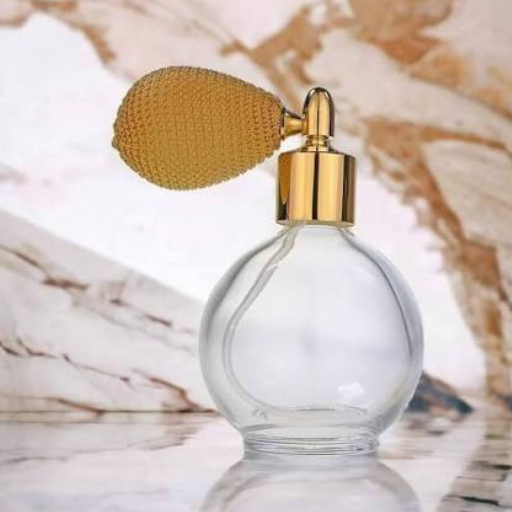
The terms are often used interchangeably, but technically they differ. A traditional atomizer uses a bulb or squeeze mechanism to force air across a dip tube, drawing liquid up and breaking it into mist. Fine mist sprayers use a finger-press mechanical pump. In modern packaging, “atomizer” usually refers to perfume crimp pumps with metal collars, while “fine mist sprayer” refers to screw-on plastic pumps used for cosmetics and personal care.
Fine Mist Sprayer vs. Trigger Sprayer
Trigger sprayers deliver larger droplets and higher output per stroke. They work better for cleaning products, gardening solutions, and thick liquids. Fine mist sprayers excel where gentle, even coverage matters. If your product is a facial toner, a trigger sprayer would blast the user with too much liquid. If your product is a glass cleaner, a fine mist sprayer would feel underpowered.
Fine Mist Sprayer vs. Aerosol
The aerosol cans operate through pressurized propellant systems which enable product delivery. The products maintain continuous spraying abilities together with producing small particles, yet they create environmental challenges and need to follow regulatory requirements. Countries worldwide are implementing stricter regulations to limit the emission of volatile organic compounds (VOCs). Brands prefer to use mechanical fine mist sprayers because these systems create aerosol-like results while eliminating environmental pollution problems.
Want to see how the right dispensing choice affects your bottom line? Explore our custom packaging solutions to find the perfect match for your formula.
Industry Applications for Fine Mist Sprayers
Cosmetics and Personal Care
This market segment represents both the largest share and the highest growth rate. The products include facial toners, setting sprays, body mists, hair leave-in conditioners, and thermal water sprays. Consumers choose the cosmetic fine mist sprayer because it delivers a soft mist application that people associate with luxury and effective results.
This area requires testing to ensure product compatibility. Alcohol-heavy products can degrade certain gasket materials. Oil-based formulas require wider nozzle inserts to prevent clogging. Water-based products offer the most flexibility.
Pharmaceuticals and Medical
Nasal sprays, throat sprays, and topical wound care products rely on precise dosing. The metered-dose fine mist sprayer pumps produce medication at a rate of 0.05-0.1 ml per stroke, which enables healthcare providers to deliver consistent treatment to patients. Regulatory compliance, including child-resistant features and tamper-evident bands, is non-negotiable in this segment.
Home Care and Cleaning
Room sprays together with fabric fresheners and natural cleaning solutions use fine mist sprayers to distribute scent and active ingredients evenly. E-commerce platforms require strong product durability standards. A leaking room spray in an Amazon fulfillment center creates a mess, negative reviews, and returns.
Food and Beverage
Culinary sprays for oils, vinegars, and flavorings represent a niche but growing market. Food-grade materials and compliance with FDA or EU food contact regulations are essential.
Automotive and Industrial
Heavy-duty fine mist sprayers with chemical-resistant gaskets and larger output per stroke are used in dashboard cleaners and tire shines and lubricant sprays. The applications need to be built to last because their essential functions take precedence over their visual design.
The launch of his niche perfume line in Lagos created cross-industry confusion for Marcus Okonkwo. He ordered standard cosmetic pumps for his oud-based fragrances without knowing that the high alcohol content and oil concentration of his products needed special gaskets. Pumps started to break down after three weeks which resulted in retail displays developing leaks. He changed to Viton-gasket fine mist atomizers with metal overshells after our engineering team provided advice. His return rate dropped from 8% to under 1% and retailers began reordering monthly instead of quarterly.
How to Choose the Right Fine Mist Sprayer for Your Product
Matching Neck Finish to Your Bottle
Step one is always compatibility. Check your bottle’s neck finish specification. If it says 24/410, you need a 24/410 closure. No exceptions. If you are sourcing bottles and sprayers from different suppliers, request samples and physically test the fit before placing bulk orders.
Selecting Output and Dosage
Consider your product viscosity and intended use:
- Light toners and thermal waters: 0.12-0.16 ml per stroke
- Standard skincare mists and setting sprays: 0.16-0.25 ml per stroke
- Hair care and body mists: 0.25-0.4 ml per stroke
- Pharmaceutical metered doses: 0.05-0.1 ml per stroke
Higher viscosity formulas generally need higher output to compensate for thicker liquid flow.
Material Compatibility and Formula Testing
Your formula chemistry determines which plastics and elastomers will survive long-term contact:
- PP (polypropylene): Good chemical resistance, recyclable, cost-effective. Works for most water-based and alcohol-based cosmetics.
- PET: Common for bottles, less common for sprayer components.
- PE (polyethylene): Flexible, often used for dip tubes.
- Viton: Premium fluoroelastomer gasket for aggressive solvents, essential oils, and industrial chemicals.
Always run compatibility testing. Place your filled sprayer assembly in an accelerated aging chamber (typically 40-50°C for several weeks) and check for gasket swelling, cracking, or output degradation.
Ergonomics and User Experience
Test the actuator shape with your actual target users. A wide, flat actuator distributes finger pressure better for elderly users or those with arthritis. A narrow actuator offers a more precise press for controlled application. The actuation force, measured in Newtons, should feel light enough for repeated use without hand fatigue.
Safety Features
Depending on your market and product:
- Locking actuators: Prevent accidental discharge during shipping.
- Child-resistant closures: Required for certain pharmaceutical and household products.
- Tamper-evident bands: Show consumers whether the product has been opened.
- Overcaps: Provide dust protection and additional leak security.
Ready to test the difference? Request a free sample of our fine mist sprayers matched to your formula and bottle specifications. No minimum order required for sample evaluation.
Sustainability in Fine Mist Sprayer Packaging
Recyclable and Mono-Material Options
The primary sustainability problem for conventional fine mist sprayers happens because their construction includes multiple materials. A typical pump contains PP plastic, a stainless steel spring, and an elastomer gasket. Recycling facilities struggle to separate these components, so most sprayers end up in landfills even when bottles are recycled.
The solution to this problem resides in mono-material designs. At LUXE PACK Los Angeles 2026, TriMas Packaging showcased its Singolo™ range, including a 130 µl fine mist sprayer engineered entirely from a single polymer without metal springs. Material Recovery Facilities can treat the package as a single recyclable item because of this feature. Fuzhou Longlu offers similar mono-material PP options for brands targeting circular economy goals.
Post-Consumer Recycled (PCR) Plastics
The use of PCR content from recycled materials leads to reduced need for virgin plastic raw materials. Modern PP and PE sprayer components can incorporate 30-100% recycled content without sacrificing performance. The visual appearance may shift slightly, with subtle color variations that some brands actually prefer as a visible sustainability signal.
Refillable and Reusable Systems
Refillable packaging is experiencing rapid growth. The Flairosol system mentioned earlier features a twist-off spray head designed to be reused across multiple refill bottles. Some cosmetic brands now sell a premium permanent sprayer with a luxury overcap, paired with lower-cost refill bottles. This model reduces per-use packaging waste by 60-80%.
Aerosol-Free Environmental Benefits
Aerosol-based systems produce volatile organic compounds through their propellant systems which mechanical fine mist sprayers eliminate when they switch to these systems. The process removes dangerous materials which require special transportation methods while it decreases operational expenses through simpler supply chain management. For brands marketing clean beauty or green chemistry, propellant-free dispensing is becoming a baseline expectation rather than a differentiator.
Customization Options for Fine Mist Sprayers
Colors and Finishes
Your sprayer does not need to be white or clear. We offer color matching to Pantone references, metallic finishes, and soft-touch coatings. A matte black actuator on an amber bottle creates a completely different brand impression than a natural clear actuator on the same bottle.
Overcaps and Dust Covers
Overcaps protect the actuator and complete the visual design. Options include:
- Clear PP overcaps: Minimalist, functional, cost-effective.
- Colored overcaps: Matched to your brand palette.
- Premium snap-on caps: Tighter fit, more satisfying click, better e-commerce durability.
Metal Collars and Premium Accents
For luxury positioning, metal sheaths, aluminum collars, and chrome-plated closures add weight and perceived value. These are common in niche perfumery and high-end skincare where the unboxing experience justifies higher unit costs.
Logo Printing and Branding
Pad printing and hot stamping allow logos, batch codes, or regulatory symbols directly on the closure or overcap. This level of branding transforms a generic component into a proprietary brand asset.
At Fuzhou Longlu, we support low minimum order quantities for custom fine mist sprayer projects. Whether you need 1,000 units for a startup launch or 500,000 for a global rollout, our OEM and ODM services adapt to your scale.
Common Fine Mist Sprayer Problems and Solutions
Clogging and How to Prevent It
The product creates a clogging problem because dried materials become trapped inside the nozzle. The prevention method requires users to clean their actuators through warm water rinsing whenever they plan to leave products unused for two weeks. The manufacturing process should stay away from products containing high particulate formulas while using filtered dip tubes for natural products that include botanical extracts.
Leaking and Seal Integrity
Leaks almost always trace back to one of three causes: incompatible gasket material, mismatched neck finish, or inadequate closure torque. The production process needs to use a torque meter which verifies that closures meet the manufacturer established tightening standards. A loose connection between two parts creates leaks. A connection that is overly tight creates danger of breaking the bottle neck.
Inconsistent Spray Patterns
The output of a system needs to be checked whenever the system shows different results between two separate presses. Low-cost pumps often use springs with inconsistent tension. The problem disappears when organizations upgrade to business partners that implement established quality management systems which include Fuzhou Longlu’s testing methods for output quality.
Priming and First-Time Use
New pumps need between three to five initial presses for liquid to ascend through the dip tube and reach the pump chamber. The situation creates a standard operating procedure. A dip tube that exceeds 10 presses for priming requires testing because the tube might be too short or bent at its base or the formula exceeds the pump design’s permitted viscosity.
Lisa Nakamura operates a sustainable skincare business from her Tokyo-based skincare company. After customers reported that her mixed-material pumps could not be recycled with glass bottles she switched to mono-material fine mist sprayers for her refillable toner line. The change required adjusting her bottle neck finish from 20/410 to 24/410 to match available mono-material options, but the result was worth it. The brand achieved both customer retention improvement and regional sustainability award while increasing wholesale accounts by 40% within eight months.
Conclusion
Choosing the right fine mist sprayer is not a minor detail. It is a decision that directly impacts user experience, product perception, return rates, and brand reputation. The right pump delivers your formula exactly as intended. The wrong pump creates frustration, waste, and lost revenue.
Here are the five points to remember:
- Match neck finish exactly. An 18/410 sprayer on a 20/410 bottle is a recipe for disaster.
- Test formula compatibility. Alcohol, essential oils, and aggressive solvents demand specific gasket materials.
- Size your output correctly. A 0.4 ml pump on a 30 ml toner empties too fast. A 0.12 ml pump on a hair detangler feels underwhelming.
- Consider sustainability seriously. Mono-material and refillable options are no longer niche; they are becoming market expectations.
- Customize thoughtfully. Color, finish, and branding on your sprayer reinforce brand identity at every use.
The global fine mist sprayer market is growing at 4.8% annually, with some regional segments expanding much faster. Brands that invest in understanding dispensing technology now will outperform competitors who treat it as an afterthought.
Contact Fuzhou Longlu today for a free consultation, sample request, or custom specification review. Our engineering team will match your formula, bottle, and brand vision to the perfect fine mist sprayer solution.