
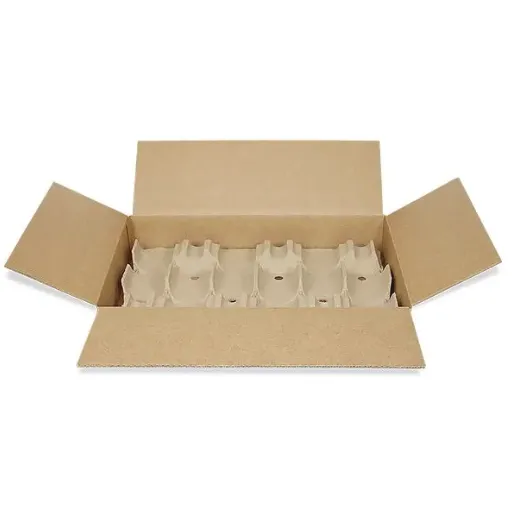
The first shipment of Pinot Noir reached Marc Chen at a Dallas wine shop but arrived in broken condition. The boxes proved too large and the inserts failed to provide adequate support which resulted in twelve bottles of his 2024 vintage turning into an expensive lesson about the consequences of treating wine box packaging as an afterthought. The single shipment to him resulted in $3,400 worth of product costs and replacement shipping expenses and he lost a new retailer relationship.
Wine sellers understand their business risks. Customers first interact with your brand through wine box packaging which serves as their initial physical contact with your products. The appropriate packaging solution enables safe transportation of delicate glass items while demonstrating product excellence and creating an exceptional shopping experience for customers. The incorrect packaging choice results in product damage and customer dissatisfaction and businesses experience revenue loss.
This guide teaches you how to select and design custom wine box packaging which meets your financial needs and brand requirements. The session will explain various wine box types and demonstrate which materials to use based on your wine grade and the design techniques that boost sales and the questions you need to ask manufacturers before placing your order.
Do you want to keep your upcoming shipment safe from the first day? Discover our customized packaging options and get a complimentary sample made specifically for your bottle dimensions.
What Is Wine Box Packaging?
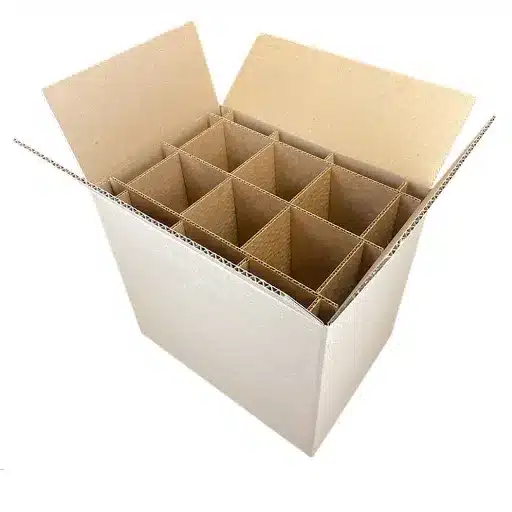
Wine box packaging refers to the secondary containers engineered to hold, protect, and present glass wine bottles. Unlike primary packaging (the bottle itself, along with the label and closure), wine box packaging serves three critical functions: it shields fragile glass during transit, stabilizes bottles to prevent movement, and creates a visual impression that influences buying decisions.
According to BPKC, 75% of consumers are influenced by package design when making purchase decisions. For wine specifically, the box does more than hold a bottle. It tells a story about quality, values, and attention to detail before the cork is ever pulled.
The global wine packaging market is projected to reach 7.3billionto7.3billionto7.8 billion by 2026, growing at a steady 3% to 5% CAGR. That growth is being driven by direct-to-consumer (DTC) sales, e-commerce expansion, and increasing demand for sustainable materials. Whether you run a small winery, an online wine club, or a retail gift shop, understanding wine box packaging is no longer optional. It is a competitive advantage.
Types of Wine Box Packaging
Not all wine boxes serve the same purpose. Choosing the right type depends on whether you are gifting, shipping, carrying, or displaying your bottles.
Wine Gift Boxes
Wine gift boxes are rigid, decorative containers designed to elevate presentation. They are built from thick paperboard, wood, or leather-wrapped materials and often feature premium finishes like magnetic closures, foil stamping, or velvet linings.
These boxes excel during the holiday season, corporate gifting programs, and limited-edition releases. A well-designed wine gift box turns a 25bottleintoa25bottleintoa50 gift experience. If you are sourcing wine gift box packaging for corporate clients or retail partners, rigid gift boxes with magnetic closures or drawer-style slide-out mechanisms create a dramatic reveal that justifies premium pricing.
Wine Carrier Boxes
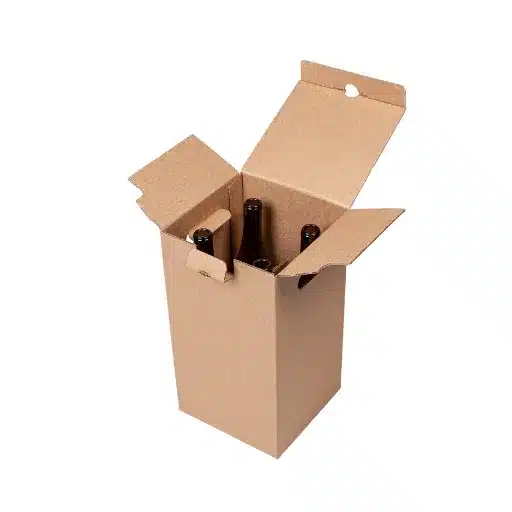
Wine carrier boxes function as lightweight portable containers which retailers use for customer pick-up and special events. The standard design uses corrugated cardboard and strong paperboard materials to create containers which feature built-in handles for user-friendly transport.
Carriers usually hold one to six bottles and are designed for immediate use rather than long-distance shipping. The packaging solution provides excellent branding space which costs less than rigid gift boxes for each unit used making it suitable for tastings and farmers markets and festival sales.
Wine Shipping Boxes
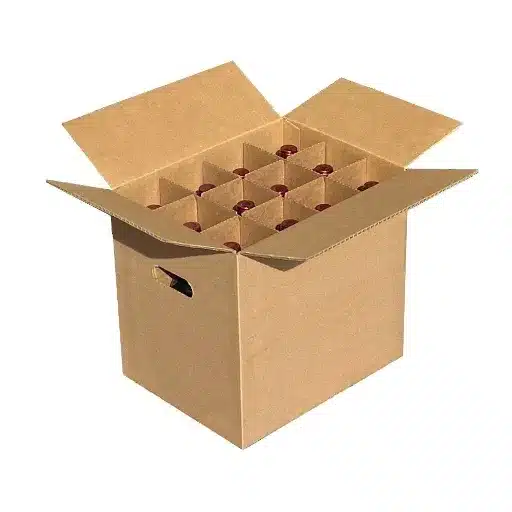
Wine shipping boxes exist to serve e-commerce businesses and direct-to-consumer subscription services. The heavy-duty corrugated shippers use molded pulp inserts together with foam end caps and corrugated dividers to secure bottles while they protect against damage.
The shipping box has become a crucial marketing instrument because unboxing videos receive more than 90000 annual searches. A strong shipper with effective branding protects against damage while it generates a social media moment when users unbox their subscription package or seasonal gift delivery.
Wooden Wine Boxes
Wooden wine boxes represent the premium tier of wine packaging. Made from pine, oak, or walnut, these boxes function as keepsake storage long after the wine is consumed. They are favored by collectors, luxury brands, and corporate gift programs.
For brands seeking luxury wine packaging boxes, wooden boxes can be engraved, stained, or lined with velvet for a high-end tactile experience. While they carry a higher cost per unit, their perceived value and reusability make them a strong choice for anniversary vintages and executive gifting.
How to Choose the Right Wine Box Packaging
Selecting the right wine box packaging means balancing protection, presentation, budget, and brand values. Here is how to approach the decision systematically.
Prioritize Protection First
Wine bottles have three specific characteristics because they weigh a lot and break easily at their neck and shoulder points. The box needs to secure the bottle because it must prevent any movement from the bottle inside. The bottles require internal support systems which include foam and molded pulp and corrugated inserts to protect against tipping and collision during transportation.
Elena Rodriguez started her Napa Valley wine club in 2023 after she spent a lot of money on branding but selected the least expensive shipping inserts. The first three months of her business resulted in 8 percent of shipments arriving with damage. Her damage rate decreased to less than 1 percent after she implemented custom-molded pulp trays and right-sized corrugated shippers. Companies should preserve their budget for protection purposes.
Match Material to Wine Grade
The material of your wine box packaging should reflect the price point and positioning of your product.
| Wine Grade | Recommended Material | Cost Tier | Best Use |
|---|---|---|---|
| Everyday / Value | 300g+ white cardboard or paperboard | $ | Retail shelves, tastings |
| Mid-range | 250g–300g metallic foil card | $$ | Gift sets, promotions |
| Premium | 3mm–6mm rigid board or wood | $$$ | Corporate gifts, limited editions |
| Luxury | Leather-wrapped wood or solid oak | $$$$ | Collector editions, executive gifting |
Wines that people drink daily need white cardboard or laminated paperboard in amounts starting from 300 grams. The materials provide a cost-effective solution which functions properly while maintaining presentable appearance for retail displays.
Wines that fall between lower and higher price ranges match with metallic foil cards which have a weight between 250 grams and 300 grams and display whiteboard paper. The product delivers increased value to customers without reaching premium price boundaries.
Wine producers need to use packaging materials that include 3mm to 6mm rigid board and solid wood and leather-wrapped containers for their top-quality wines. The materials establish a premium value for products while displaying skilled craftsmanship to customers who want high-quality items.
Consider the Occasion
Gift giving requires special packaging which uses high-quality materials to create an attractive opening experience. E-commerce shipping requires packaging materials that can withstand multiple shipping processes and maintain their integrity during stacked delivery and has built-in protection elements. Retail display boxes need to present their contents in an eye-catching way which also protects the bottle during customer interaction.
Evaluate Sustainability
More than half of consumers choose to buy products from companies that use environmentally friendly packaging materials. The package design uses recyclable cardboard materials and FSC-certified components and biodegradable coatings and lightweight materials which decrease environmental harm while meeting customer requirements.
Bag-in-box packages produce much lower carbon emissions when compared to standard glass bottle containers. One truck of 5-liter bag-in-box wine equals about seven trucks of 750-milliliter glass bottles when it comes to shipping efficiency.
Plan for Customization
Custom printing, window cutouts, embossing, and foil stamping help your packaging stand out and reinforce brand identity. Digital printing now makes small-batch customization economically viable, so even boutique wineries can afford personalized boxes.
Ready to design packaging that matches your wine grade? See our custom wine boxes and discover how we tailor materials, finishes, and structures to your exact specifications.
Wine Box Packaging Materials Explained
Understanding the materials available for wine box packaging helps you make informed trade-offs between cost, durability, sustainability, and aesthetics.
Cardboard and Paperboard
Mid-range wine boxes most commonly use cardboard and paperboard as their primary materials. The product has lightweight properties which allow for various design options and it can be reused after its initial use. The product provides various finishing options which include matte and gloss lamination and soft-touch coatings that deliver a premium tactile experience.
Corrugated Board
The material of corrugated board provides superior shock absorption capabilities together with high structural strength. The material serves as the primary choice for making shipping boxes and containers that hold multiple bottles. E-flute and B-flute corrugated options offer different balances of thickness, protection, and printability.
Rigid Board
High-end gift boxes require rigid board which has a thickness that ranges between 3mm and 6mm. The material maintains its original shape when weight is applied to it which creates an expensive appearance for the product. Rigid boxes use decorative paper or fabric as their outer covering which ends with magnetic closures or ribbon ties.
Wood
Wood provides natural insulation properties together with durability and elegant appearance. People choose pine and oak as their preferred materials for making keepsake boxes. Wooden boxes can display logos through engraving and they can be stained with brand colors while the interior can be lined with either velvet or satin to achieve a collector-quality display.
Leather and PU
Ultra-premium gift boxes and reusable carriers use leather and polyurethane wraps as their protective materials. The product provides a soft luxurious texture which creates an impression of exclusive value. PU serves as an affordable substitute for genuine leather because it provides comparable visual appeal.
Eco-Friendly Alternatives
Brands that focus on future developments test mycelium (a mushroom-based foam material), VEGEA (a material derived from grape skins and stalks), algae-based coatings, and biodegradable pulp mouldings. The materials transform sustainability into brand storytelling instead of being treated as an environmental requirement.
Design Tips for Standout Wine Box Packaging
Wine box packaging needs to perform beyond bottle containment. The design establishes a bond between the product and the customer.
The Unboxing Experience
DTC wine sales use the unboxing moment as their strongest marketing point. The experience of special events is enhanced through the combination of layered reveals, magnetic closures, and ribbon pulls, which operate with custom-fitted inserts. Your packaging turns into free advertising when a customer records their unboxing experience and posts it online.
Plonk Wine Club uses a specific shipment structure that you should examine. The box packaging consists of completely recycled molded fiber materials while it contains personal handwritten messages and achieves carbon-neutral shipping. Enthusiastic subscribers often recommend the experience because it creates such a lasting impact that it achieves this status.
Branding Elements
Your logo placement, color palette, and typography should align with your overall brand identity. For premium positioning, minimalism with intentional details (embossed logos, foil accents, clean typography) often outperforms busy, over-decorated designs. Our packaging design tips cover how to balance visual impact with practical function for wine brands at every price point.
Smart Packaging Integration
According to Berlin Packaging, 42% of global consumers are influenced by how smart a product is. QR codes, NFC tags, and augmented reality experiences are turning static wine boxes into interactive portals. Brands like 19 Crimes use AR to bring vineyard stories to life directly from the package.
Smart packaging can also provide practical value: tasting notes, food pairings, reorder links, and transparency about sourcing and sustainability.
Seasonal and Limited-Edition Designs
Interchangeable sleeves, gift-ready presentation, and seasonal color updates allow you to refresh your packaging without redesigning the entire box. A single base rigid box with a removable sleeve can serve holiday, Valentine’s Day, and summer promotions with minimal additional cost.
Common Mistakes to Avoid
Even experienced wine brands make packaging errors that lead to breakage, wasted budget, and missed sales. Here are the most common pitfalls to watch out for.
Choosing the Wrong Box Size
A box that is too large allows bottles to shift and collide. A box that is too small puts pressure on the glass neck and shoulders. Always size your wine box packaging to the exact dimensions of your bottle, including any closure height.
Using Weak Inserts
Flimsy dividers or inadequate padding are a leading cause of breakage in transit. Invest in molded pulp, foam end caps, or corrugated inserts that are specifically designed for wine bottle dimensions.
Over-Decorating
Excessive ornamentation adds cost without improving protection or customer experience. Minimalist, high-quality materials often create a stronger impression than flashy, over-designed boxes.
Skipping Real-World Testing
Always test your wine box packaging under actual shipping conditions before committing to a large production run. Drop tests, vibration tests, and humidity exposure will reveal weaknesses that a prototype review cannot.
Sustainability in Wine Box Packaging
Sustainability is no longer a premium add-on. It is a baseline expectation.
Consumer demand for eco-friendly wine packaging continues to rise. Brands that use recyclable cardboard, FSC-certified materials, and biodegradable coatings signal responsibility and attract environmentally conscious buyers. In 2025, Target launched America’s first nationwide paper-bottle wine line, The Collective Good, using 94% recycled paperboard. That move signaled mainstream retail acceptance of non-glass, low-carbon formats.
The assessment of sustainability claims made by manufacturers needs to include certification programs which include FSC (Forest Stewardship Council) and ISO 14001 (environmental management) and BSCI (business social compliance). The certifications serve as independent proof that your packaging partner practices sustainable sourcing and manufacturing processes.
The process of lightweighting stands as a vital method for achieving better sustainability. The process of decreasing box and insert weights results in reduced material consumption and decreased shipping emissions. The materials cardboard corrugated, Kraft paper, and molded pulp provide superior protection while their environmental impact remains lower than that of plastic foam and polystyrene.
Looking for packaging that aligns with your environmental values? Browse our eco-friendly packaging guide to explore certified sustainable materials for your wine brand.
Working With a Wine Box Packaging Manufacturer
Finding the right manufacturing partner is just as important as choosing the right design. Here is what to ask before you commit.
What Are Your MOQs and Lead Times?
Minimum order quantities differ according to material properties and structural design requirements. Cardboard wine boxes typically start at 500 pieces, while wooden boxes may require 100 pieces or more. The standard order process takes 7 to 15 business days for normal deliveries, but customers can choose expedited shipping for urgent needs.
Fuzhou Longlu Packaging Co., Ltd. provides services that support both boutique businesses and large retail operations. The company requires 7 to 10 business days to complete standard orders, but customers can request samples before production starts.
Can I See a Sample Before Production?
Always request a physical prototype before placing a bulk order. The sample enables you to confirm the fit and material quality and print accuracy and structural integrity of the product. Manufacturers who operate with integrity will supply product samples to customers at material costs and shipping expenses.
What Quality Control Processes Do You Use?
Request information about inspection methods applied during three production phases which include material verification and pre-press approval and inline quality checks and final random inspection before shipment. Your brand reputation will remain intact because effective quality control procedures will prevent any defective products from reaching your customers.
Do You Handle International Shipping and Logistics?
International shipping requires you to confirm that the manufacturer you choose has international freight and customs documentation and delivery tracking expertise. The logistics partner maintains established relationships with DHL and FedEx and UPS, which allows them to optimize logistics operations while minimizing delivery delays.
Frequently Asked Questions About Wine Box Packaging
What is wine box packaging?
Wine box packaging refers to the secondary containers that hold, protect, and present glass wine bottles. It includes gift boxes, shipping boxes, carrier boxes, and wooden keepsake boxes.
How much do custom wine boxes cost?
Pricing depends on material, structure, and order volume. Cardboard wine boxes typically start around 0.50to0.50to2.00 per unit for bulk orders, while wooden luxury wine packaging boxes can range from 12.00to12.00to25.00 per unit.
What materials are best for wine shipping boxes?
Corrugated board with molded pulp or foam inserts offers the best protection for wine shipping boxes. E-flute corrugated is popular for its balance of strength and printability.
How long does wine box manufacturing take?
Standard lead times range from 7 to 15 business days. At Fuzhou Longlu Packaging Co., Ltd., our standard turnaround is 7 to 10 business days, with sampling available before production begins.
Can I get eco-friendly wine packaging?
Yes. Options include FSC-certified cardboard, biodegradable pulp mouldings, Kraft paper, and recyclable corrugated board. Over 50% of consumers now prefer brands that use sustainable packaging.
Conclusion
Wine box packaging is far more than a container. It is a protective shield, a brand billboard, and an experience engine all in one. The right custom wine box packaging prevents costly breakage, elevates perceived value, and creates unboxing moments that customers remember and share.
To recap, here are the key takeaways:
- Match your wine box packaging type to its purpose: wine gift box packaging for presentation, carriers for portability, shippers for e-commerce, and wooden boxes for premium keepsakes.
- Choose materials that align with your wine grade and brand positioning.
- Prioritize protection with snug fits and strong inserts.
- Design for unboxing and social sharing.
- Verify sustainability claims with third-party certifications.
- Work with a manufacturer who offers transparent MOQs, sampling, and quality control.
Whether you are launching a new vintage, expanding your DTC channel, or preparing for holiday gifting season, the right wine box packaging sets the tone for everything that follows.
Get a free quote today and let Fuzhou Longlu Packaging Co., Ltd. help you create custom wine boxes that protect your product and elevate your brand.


