Choosing wine box packaging comes down to matching your box to its real job: retail display, e-commerce shipping, corporate gifting, or winery direct sales. The right choice balances protection, brand presentation, material cost, and sustainability in a way that fits your distribution channel and order volume.
What if the most expensive option is not the best one for your wine? Many buyers overspend on rigid gift boxes when corrugated shippers would perform better, or they ship fragile bottles in beautiful boxes that collapse in transit. The goal of this guide is simple: give you a repeatable framework for choosing wine box packaging that protects your product, strengthens your brand, and fits your budget.
Here is what you will learn:
- How to define the true purpose of your wine box packaging
- Which box types and materials fit retail, shipping, gifting, and corporate use
- How to size, design, and finish your boxes for maximum impact
- What to ask manufacturers before you request a quote or sample
- How to balance sustainability with premium presentation
Key Takeaways
- Match the box type to your sales channel: rigid magnetic boxes for gifts, corrugated shippers for e-commerce, and folding cartons for retail.
- Material choice matters more than decoration: rigid paperboard, corrugated cardboard, wood, molded pulp, and EVA foam each solve different problems.
- A standard 750ml bottle needs roughly 13.5″ H × 3.5″ W × 3.5″ D of interior space, plus a secure insert that prevents movement.
- Cardboard can look premium when paired with foil stamping, embossing, soft-touch lamination, and a well-fitted insert.
- Request physical samples and check batch consistency before committing to bulk production.
What Is Wine Box Packaging and Why Does It Matter?
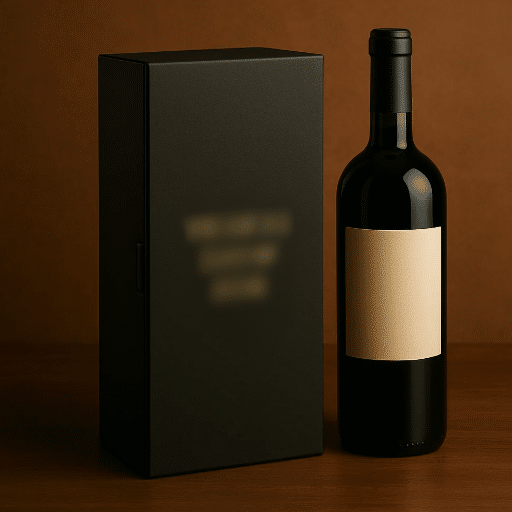
Wine box packaging includes any secondary container that holds, protects, presents, or ships wine bottles. This covers rigid gift boxes, corrugated shipping cartons, folding retail cartons, wooden keepsake boxes, wine mailers, and multi-bottle carriers.
Primary packaging is the bottle itself. Secondary packaging is what surrounds it when the customer sees, carries, or receives the product. That second layer is where most branding decisions happen. It is also where most breakage, returns, and customer complaints originate.
When Elena launched her small Sonoma winery in 2024, she invested heavily in label design but shipped her first wine club orders in plain brown boxes with loose bubble wrap. Three customers received broken bottles, and one posted a photo of the damaged package online. The label was beautiful, but the box failed the brand. After switching to a custom corrugated shipper with molded pulp inserts, her breakage rate dropped to nearly zero.
Strong wine box packaging does three things at once. It protects the bottle, communicates your brand, and fits the practical realities of how the customer receives it. Ignore any one of those three, and the other two lose impact.
Step 1: Define the Purpose of Your Wine Box Packaging
Before you choose a material or finish, clarify how the box will be used. The same wine can need very different packaging depending on where it is sold.
Retail shelf display demands stackability, shape retention, and strong shelf appeal. The box must survive being handled, moved, and restocked without denting or tearing. It also needs to catch the eye from a distance.
E-commerce and wine club shipping demands protection above all else. The box will be dropped, stacked, and exposed to temperature swings. Aesthetics still matter, but they cannot come at the cost of structural integrity.
Corporate gifts and events demand presentation. The unboxing moment is part of the gift. Magnetic closures, ribbon pulls, and soft-touch finishes signal care and quality.
Winery direct sales and tasting rooms need packaging that reinforces the visit. Customers who tasted your wine want a box that feels like a continuation of the experience.
Subscription boxes and seasonal releases need efficiency. Flat-packed mailers, easy assembly, and consistent sizing reduce fulfillment labor and shipping costs.
If you try to make one box do everything, you usually end up with a box that does nothing well. Start with the primary use case, then add secondary requirements.
Step 2: Match the Box Type to Your Use Case
Once you know the purpose, choose a structure that supports it. Each box type creates a different experience and offers a different level of protection.
Magnetic Closure Rigid Boxes
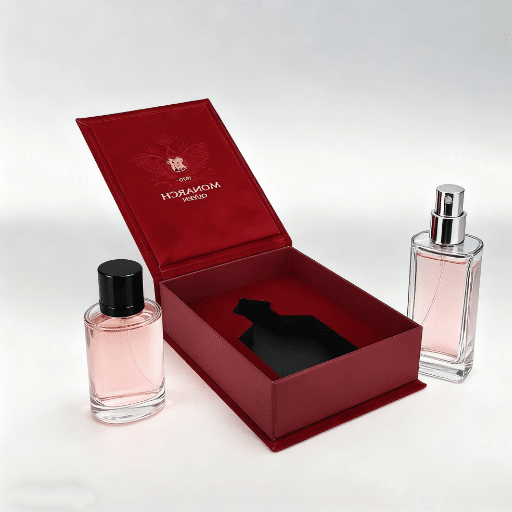
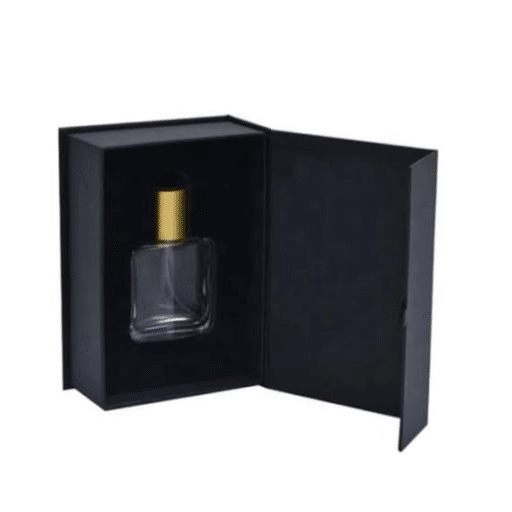
Rigid boxes with magnetic closures feel premium and open with a satisfying snap. They work best for single-bottle gifts, luxury retail, and corporate presentations. Pair them with EVA foam, velvet, or molded pulp inserts to hold the bottle securely.
Drawer-Style Boxes
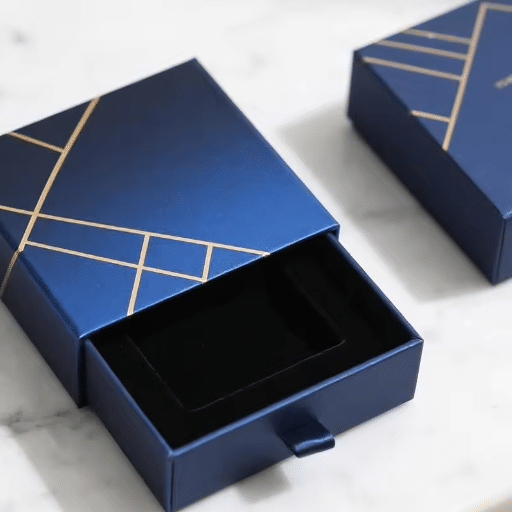
Drawer boxes slide open horizontally and create a ceremonial unboxing moment. They are popular for corporate gifts and premium retail sets. Precise sizing is critical because a drawer that is too loose feels cheap, while one that is too tight is frustrating.
Flip-Top and Hinged Lid Boxes
These classic boxes open like a briefcase and offer a good balance of elegance and practicality. They work well for tasting room sales and mid-range gift sets. A ribbon or magnetic latch adds a refined touch.
Corrugated Shipping Boxes
Corrugated shippers are the workhorses of e-commerce. Single-wall corrugated works for short, light trips. Double-wall corrugated is better for international shipping, multi-bottle orders, and wine clubs. Add dividers or molded pulp inserts to prevent bottles from touching.
Wine Mailer Boxes
Mailer boxes are flat-packed and easy to assemble in a fulfillment center. They are ideal for subscription clubs and regular shipments. Custom print turns a utilitarian box into a branded touchpoint.
Wooden Boxes
Wooden boxes signal permanence and luxury. Pine, paulownia, birch, and bamboo are common choices. They are heavier and more expensive, so they suit keepsake gifts, anniversary releases, and ultra-premium collections rather than routine shipping.
Multi-Bottle Carriers
Carriers hold two, three, six, or twelve bottles with integrated handles or dividers. They are common for wine clubs, retail gift sets, and holiday promotions. Make sure the handle and bottom board are rated for the full weight.
Want to explore how custom wine boxes can be built around your exact product? See our guide to custom wine boxes for a deeper look at styles, materials, and branding options.
Step 3: Choose the Right Material
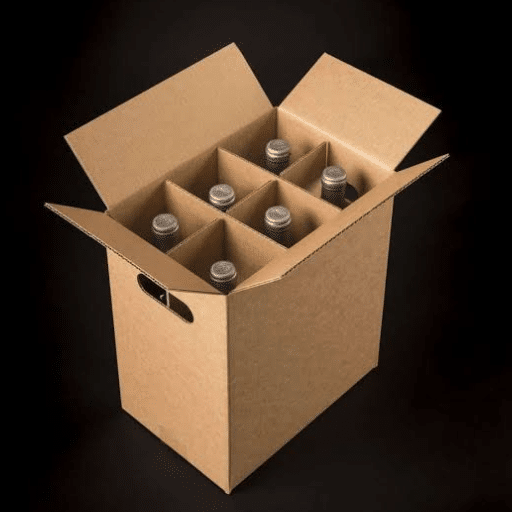
Material determines protection, print quality, cost, and environmental impact. The best material depends on what the box must do.
Rigid Paperboard and Greyboard
Rigid paperboard is made from layers of paper pressed around a greyboard core. It offers a premium feel, excellent print quality, and enough strength for retail and gift use. It is not ideal for long-distance shipping without an outer shipper.
Corrugated Cardboard and Kraft
Corrugated cardboard has a fluted inner layer that absorbs impact. Kraft finishes give a natural, sustainable look. This is the standard for e-commerce and wine club shipments. Choose double-wall corrugated for heavier loads or longer transits.
Wood and Bamboo
Wood offers unmatched luxury and durability. It can be engraved, stained, or painted. Bamboo is a faster-growing alternative with a modern eco-story. Both add weight and cost, so reserve them for occasions where the box itself is part of the gift.
Leatherette and Specialty Textiles
Leatherette, velvet, linen, and suede finishes add tactile luxury. They are often wrapped around rigid paperboard or wood. These materials work best for gift boxes and limited editions where sensory impact matters.
Molded Pulp and Biodegradable Inserts
Molded pulp is made from recycled paper fibers and is recyclable and biodegradable. It holds bottles securely and is increasingly used as a sustainable alternative to foam. It may offer slightly less protection than foam in extreme conditions but is sufficient for most wine shipments.
EVA Foam and Protective Inserts
EVA foam is soft, shock-absorbing, and easy to die-cut to fit a bottle shape. It is common in luxury gift boxes and premium shipping inserts. Foam provides excellent protection but is harder to recycle than molded pulp.
Quick Material Comparison
| Material | Best For | Protection Level | Cost Tier | Sustainability |
|---|---|---|---|---|
| Rigid paperboard | Retail, gifts | Medium | Medium | Recyclable; choose FSC-certified |
| Corrugated cardboard | E-commerce, shipping | High | Low | Recyclable; high recycled content |
| Wood/bamboo | Luxury gifts, keepsakes | High | High | Durable; source certified timber |
| Leatherette/textile | Premium gift boxes | Low-Medium | High | Mixed; harder to recycle |
| Molded pulp | Shipping inserts | High | Low-Medium | Biodegradable and recyclable |
| EVA foam | Luxury inserts | Very high | Medium-High | Harder to recycle |
Not sure which material fits your sustainability goals? Our article on eco-friendly packaging materials breaks down recyclable, biodegradable, and FSC-certified options.
Step 4: Design for Your Brand and Audience
Design turns a functional box into a brand asset. The right combination of printing, finishing, and structural details communicates quality before the customer touches the wine.
Printing Techniques
Offset printing delivers sharp, vibrant colors for large runs. Digital printing is cost-effective for short runs and prototypes. Screen printing works well for bold, solid colors and specialty inks. Choose the method that matches your order volume and color complexity.
Premium Finishes
Foil stamping adds metallic accents in gold, silver, copper, or custom colors. Embossing raises a design above the surface; debossing presses it in. Spot UV applies a glossy coating to specific areas, creating contrast against matte backgrounds. These finishes signal premium quality but should be used selectively.
Lamination Options
Matte lamination gives a subtle, modern feel. Gloss lamination makes colors pop. Soft-touch lamination adds a velvety texture that feels expensive. Aqueous coatings are more eco-friendly than plastic laminates and still protect the print.
Windows, Handles, Ribbons, and Closures
A window cutout lets the bottle show through, which works well for retail. Handles improve portability for carriers. Ribbons and magnetic closures improve the gift experience. Each feature adds cost, so include only the ones that serve the use case.
Logo Placement and Color Matching
Place your logo where it is visible when the box sits on a shelf or is photographed for social media. Use Pantone color matching for consistency across production runs. Request a printed proof before full production to avoid color shifts.
According to TopWinePack, large dark-color areas can show scratches and glue marks, and large foil areas risk uneven transfer. Always request a physical sample to catch these issues before mass production.
Step 5: Size Your Wine Box Correctly
Sizing is one of the most common mistakes in wine box packaging. A box that is too large lets the bottle rattle. A box that is too tight stresses the seams and can damage labels.
A standard 750ml Bordeaux bottle is roughly 11.5 to 12 inches tall and about 3 inches in diameter at the base. The recommended interior box size for a single bottle is approximately 13.5″ H × 3.5″ W × 3.5″ D. This leaves room for the insert while keeping the bottle snug.
Burgundy and Champagne bottles are wider and shorter. Magnums and split bottles need entirely different dimensions. Always base your box size on the actual bottle, not on a generic template.
The insert depth should hold at least one-third to one-half of the bottle height. A shallow insert looks elegant but offers little protection. A deep insert may hide too much of the bottle in a gift box.
When Marcus, an e-commerce wine seller in Oregon, redesigned his shipping box, he started with the insert rather than the outer dimensions. By creating a molded pulp cradle that matched his bottle exactly, he eliminated movement and cut his damage rate by 60%. The outer box was then sized around the insert, not the other way around.
Step 6: Balance Protection and Presentation
Protection and presentation are not mutually exclusive, but they do require trade-offs. The key is knowing which one to prioritize for each use case.
When shipping, prioritize protection. Use double-wall corrugated, molded pulp or foam inserts, and dividers that prevent bottle-to-bottle contact. Fill voids with cushioning. Label the box “Fragile” and “This Side Up.” Consider insulated packaging or gel packs for temperature-sensitive shipments.
When selling in retail or as a gift, prioritize presentation. Use rigid boxes, premium finishes, and inserts that display the bottle attractively. Add a protective outer shipper only if the gift box must travel.
Hybrid approaches are increasingly popular. A rigid gift box can be placed inside a custom corrugated shipper branded on the outside. The customer receives an intact gift box without sacrificing shipping safety.
As FreightAmigo notes, wine should generally be shipped at 45–65°F (7–18°C), and cork-sealed bottles should stay upright. Screw-cap bottles can lie horizontally, but they still need cushioning to prevent movement.
Step 7: Set Your Budget and Order Volume
Cost depends on material, size, structure, finish, insert type, and order quantity. Understanding these drivers helps you avoid sticker shock and negotiate effectively.
Cost Factors
Material is usually the largest cost driver. Wood and leatherette are premium. Corrugated cardboard and kraft are economical. Rigid paperboard sits in the middle. Finishes like foil stamping, embossing, and soft-touch lamination add per-unit cost. Inserts, especially custom EVA foam, add both material and labor cost.
Minimum Order Quantities
Custom wine box manufacturers often set MOQs between 200 and 1,000 units, depending on the complexity. Simpler corrugated shippers may have lower MOQs. Highly customized rigid boxes or wooden boxes may require higher volumes.
Order Volume and Unit Cost
Doubling your order size typically reduces the per-unit cost by 20–40% because setup and plate costs are spread across more units. However, do not order more than you can store or sell. Custom packaging has a shelf life, and storage costs can erase the savings.
Local vs. Overseas Manufacturing
Local manufacturers offer faster turnaround and easier communication. Overseas manufacturers, particularly in China, often offer lower unit costs for larger volumes. If you choose overseas production, factor in shipping, customs, and longer lead times. Request samples and establish quality-control checkpoints before bulk production.
Need help estimating your project? Contact our team for a custom quote based on your bottle count, material, and finish preferences.
Step 8: Evaluate Manufacturers and Request Samples
A great design means nothing if the manufacturer cannot produce it consistently. The right partner will guide you through materials, sampling, and quality control.
What to Prepare Before Contacting a Supplier
Have these details ready:
- Bottle dimensions and weight
- Target market and use case
- Preferred material and finish
- Expected order quantity
- Logo files and artwork guidelines
- Insert requirements
- Required delivery date
Key Questions to Ask
Ask about production capabilities, MOQ, sample timeline, quality-control process, sustainability certifications, and shipping experience. Request photos or samples of similar projects. Ask how they handle color matching and what happens if a batch fails inspection.
Sampling and Prototyping
Always request a physical sample before bulk production. A digital render cannot show how a box feels, how a drawer slides, or how an insert fits. Test the sample with your actual bottle. Ship the sample to yourself to see how it survives transit.
Quality-Control Checkpoints
Inspect batch samples for color consistency, print registration, glue strength, insert fit, and closure function. Check that dimensions match your approved sample. For repeat orders, compare the new batch to your retained sample to ensure consistency.
When the team at Acme Wine Club switched suppliers, they learned this lesson the hard way. The first bulk order looked identical to the sample in photos but used a thinner greyboard that collapsed in humid conditions. Now they require a pre-shipment inspection and retain a master sample from every production run.
Sustainability Considerations in Wine Box Packaging
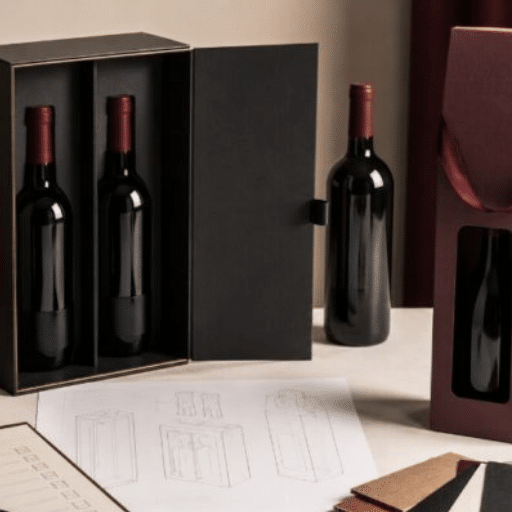
Sustainability is no longer a niche concern. According to Coherent Market Insights, paper holds about 39% of the wine packaging boxes market, driven largely by recyclability and consumer preference. Bataille Insights reports that 51% of wine’s carbon footprint comes from packaging and transport, and 75% of Millennials are willing to pay more for eco-friendly products.
Recycled and FSC-Certified Materials
Look for FSC-certified paperboard and corrugated materials. Recycled content reduces environmental impact without sacrificing structural performance. Many premium boxes now use recycled greyboard with a virgin-fiber outer liner for better print results.
Biodegradable Inserts and Water-Based Inks
Replace foam with molded pulp, mushroom packaging, or corrugated dividers. Use water-based or soy-based inks instead of solvent-based alternatives. Choose aqueous coatings over plastic lamination when possible.
Designing for Reuse and Recyclability
Boxes that customers want to keep extend your brand presence. Boxes that are easy to recycle reduce landfill waste. Avoid mixed materials that cannot be separated, such as plastic windows glued to paperboard without a peelable seam.
Balancing Eco-Credentials with Premium Perception
Sustainability and luxury can coexist. Kraft paper with black foil stamping, uncoated recycled board with embossed logos, and wooden boxes from certified forests all communicate quality while supporting environmental values.
Common Mistakes to Avoid When Choosing Wine Box Packaging
Even experienced buyers make these mistakes. Avoiding them will save money, reduce returns, and protect your brand.
Oversized Boxes That Let Bottles Rattle
Empty space is the enemy. A loose bottle will break. Size the box and insert together.
Prioritizing Looks Over Shipping Durability
A beautiful box that arrives crushed creates a worse impression than a plain box that arrives intact. Match the structure to the journey.
Ignoring the Unboxing Experience
For gifts and retail, the moment of opening matters. Sharp creases, messy glue, and hard-to-open closures undermine quality.
Choosing Finishes That Scratch or Show Glue Marks
Dark colors, large foil areas, and certain textured papers can highlight defects. Test finishes on a sample before committing.
Neglecting Lead Times and Seasonal Demand
Holiday gifting and harvest releases create demand spikes. Order samples early and confirm production schedules well before peak season.
Conclusion
Choosing wine box packaging is a series of deliberate decisions. Start with the purpose. Match the box type and material to your sales channel. Size the box around your actual bottle. Design for your brand, but never at the expense of protection. Set a realistic budget, request samples, and choose a manufacturer who understands quality control.
The best wine box packaging does not just hold a bottle. It protects your product, reinforces your brand, and leaves the customer glad they chose you.
Ready to choose wine box packaging for your next release? Request a free quote and our team will help you select the right material, size, and finish for your wine.
FAQ
What is the best material for wine box packaging?
The best material depends on use. Corrugated cardboard is best for shipping. Rigid paperboard is best for retail and gifts. Wood is best for ultra-premium keepsake packaging.
How do I choose between cardboard and wooden wine boxes?
Choose cardboard when you need lower cost, lighter shipping weight, and custom print. Choose wood when the box itself is part of a luxury gift or commemorative release.
What size box do I need for a standard wine bottle?
A standard 750ml bottle typically needs an interior box size of about 13.5″ H × 3.5″ W × 3.5″ D, plus an insert that prevents movement.
How much does custom wine box packaging cost?
Cost varies by material, size, finish, insert type, and order quantity. Rigid gift boxes often start at a few dollars per unit for larger orders, while corrugated shippers can cost less.
Can wine box packaging be eco-friendly and luxurious?
Yes. Recycled paperboard, FSC-certified materials, molded pulp inserts, and water-based inks can all support a premium look while reducing environmental impact.
What should I ask a wine box manufacturer before ordering?
Ask about MOQ, sample timeline, material options, quality-control process, sustainability certifications, color-matching methods, and shipping experience.