Wine shipping boxes are protective containers engineered to move glass bottles from your facility to a customer’s door without breakage, leakage, or temperature damage. They typically pair a double-wall corrugated outer carton with a molded pulp, expanded polystyrene (EPS) foam, or corrugated insert that holds each bottle away from the box walls and absorbs shock during transit.
Elena, a winery owner in Sonoma, learned this the hard way. Last July she mailed 200 bottles to new wine club members using plain retail boxes and a roll of bubble wrap. Twelve customers received stained, shattered packages. Refunds, replacements, and apologetic phone calls cost her nearly $4,000. More painful were the three membership cancellations posted publicly online. The lesson was clear: the box is not an afterthought. It is part of the product.
You already know that wine is fragile, regulated, and temperature sensitive. What you may not know is how much the right shipping box can reduce breakage, lower returns, and turn a plain delivery into a branded experience. In this guide, you will learn how to choose wine shipping boxes by bottle count, material, carrier rules, and climate. You will also see how to customize those boxes without weakening their protective structure.
Key Takeaways
- Molded pulp shippers work well for short, climate-stable routes; EPS foam shippers offer the highest protection for long-distance or hot-weather transit.
- A 750ml bottle needs roughly 3.5″ × 3.5″ × 13.5″ of interior space, while a standard 6-bottle shipper measures about 12″ × 8″ × 15″.
- USPS prohibits alcohol shipments entirely; UPS and FedEx allow wine only from approved, licensed shippers with adult signature required.
- A well-designed shipping protocol can cut breakage from over 4% to below 0.2%, according to winery case studies.
- Custom-printed outer cartons and tamper-evident seals turn protective packaging into a marketing channel without adding transit risk.
What Are Wine Shipping Boxes?
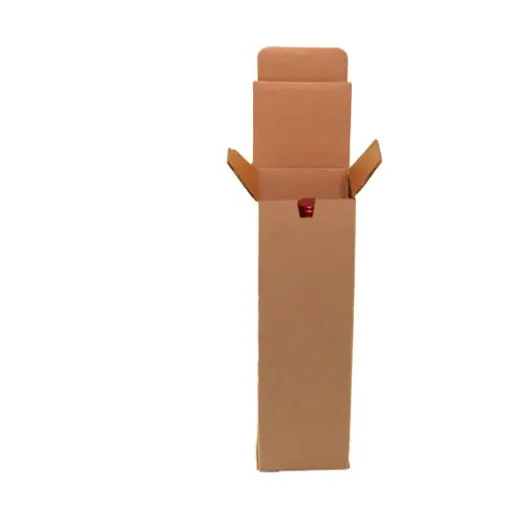
Wine shipping boxes are a category of secondary packaging built specifically for transit. Unlike a rigid gift box designed for shelf appeal or hand delivery, a shipping box must survive conveyor belts, drops, vibration, and temperature swings. It has one primary job: keep the bottle upright, immobilized, and cushioned until it reaches the recipient.
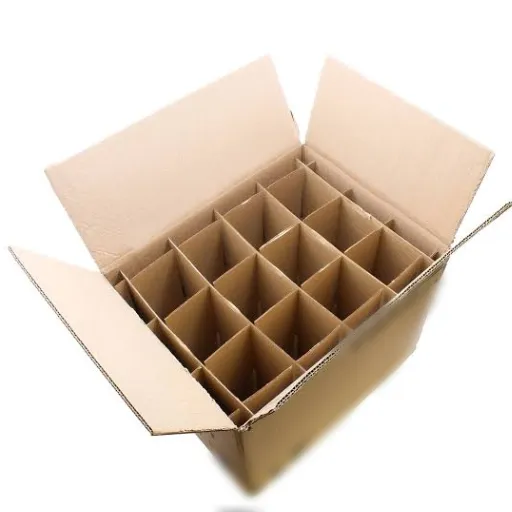
Most wine shipping boxes use a two-part system:
- Outer carton: A corrugated cardboard box, usually double-wall, that resists crushing and stacking pressure.
- Inner insert: A molded tray or divider that cradles each bottle and absorbs impact.
The insert is where most of the engineering happens. Molded pulp, EPS foam, and folded corrugated cardboard are the three most common materials. Each offers a different balance of protection, cost, sustainability, and disposal convenience. We will compare them in detail later.
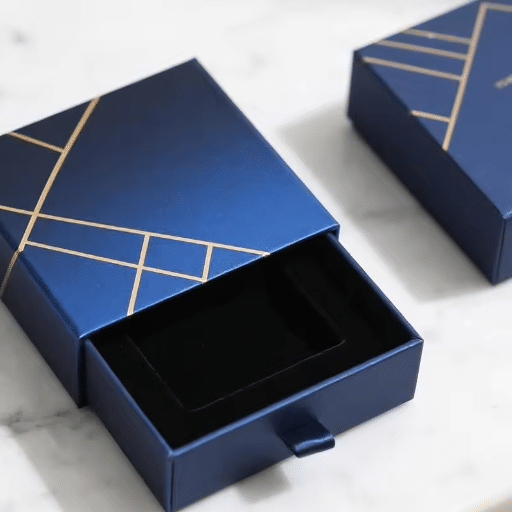
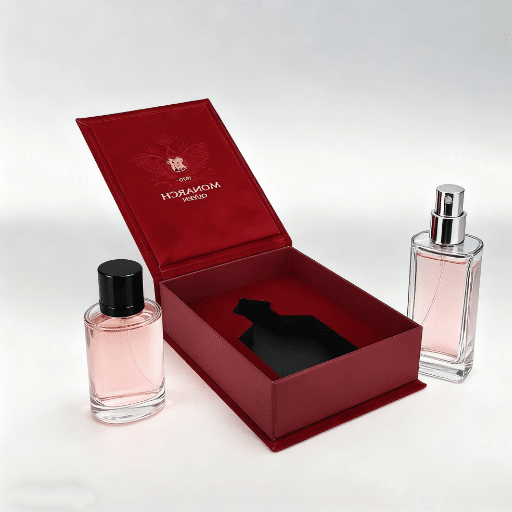
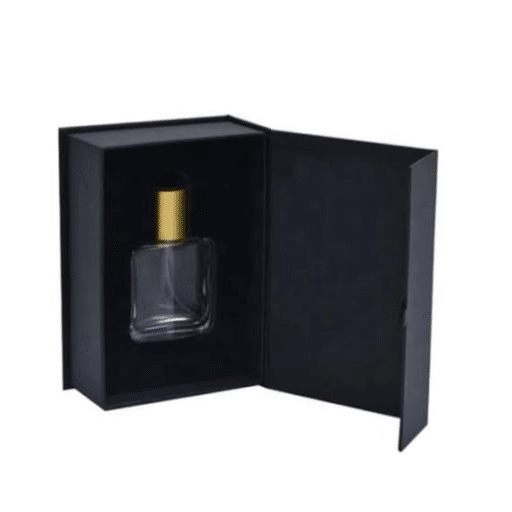
A wine shipping box also differs from a wine gift box in how it handles branding. Gift boxes often feature magnetic closures, foil logos, and premium finishes because they are handed to a customer in person. Shipping boxes must prioritize function first, but that does not mean they have to look plain. Custom printing on the outer carton, branded packing tape, and printed handling instructions can reinforce your brand while the box is still doing its protective job.
Want to see how custom packaging can protect your product and your reputation? Explore our custom packaging solutions to find options tailored to your brand.
Types of Wine Shipping Boxes
The first decision when choosing a wine shipping box is capacity. Single-bottle shippers are common for gifts and samples, while 6- and 12-bottle configurations dominate wine club and e-commerce fulfillment.
Single-Bottle Shippers
Single-bottle wine shipping boxes measure roughly 4″ × 4″ × 15″ internally. They are ideal for gifts, review samples, and replacement shipments. Because the weight is low, they are less expensive to ship by dimensional weight, but the per-unit packaging cost is higher than bulk options. Many wineries use them for high-value bottles where presentation matters as much as protection.
2- and 3-Bottle Shippers
These mid-size shippers work well for variety packs, tasting flights, and corporate gifts. A 3-bottle shipper typically measures around 12″ × 4″ × 15″. The narrow footprint makes it stable during transit, and the lower weight reduces the chance of handler drops.
6-Bottle Shippers
The 6-bottle configuration is the workhorse of the wine industry. It matches the standard case format that customers already recognize, keeps the box under 30 lbs when packed, and offers the best balance of protection and shipping cost. Typical interior dimensions are approximately 12″ × 8″ × 15″.
12-Bottle Case Shippers
A 12-bottle shipper is the most economical per bottle but also the heaviest and most vulnerable to rough handling. Interior dimensions are usually around 14″ × 12″ × 16″. Because the package can exceed 30 lbs, it increases the risk of drops and may trigger higher freight surcharges.
Magnum and Large-Format Shippers
Magnum bottles are wider, taller, and heavier than standard 750ml bottles. They require dedicated shippers with deeper cavities and stronger outer walls. Many suppliers offer 1-, 2-, or 3-magnum configurations. Never try to fit a magnum into a standard bottle insert; the extra space creates pressure points that can crack the glass.
Insulated and Temperature-Controlled Shippers
These boxes add reflective liners, foam panels, or gel packs to protect wine from heat and cold. They are essential for summer shipments and for customers in hot climates. We will cover temperature control in more detail later in this guide.
Wine Shipping Box Materials Compared
The material inside the box is usually more important than the box itself. Here is how the most common options compare.
| Material | Protection Level | Eco-Friendly | Best For | Disposal |
|---|---|---|---|---|
| Molded pulp | Good | Yes, recyclable, biodegradable | Standard ground shipping, eco-conscious brands | Curbside recyclable |
| EPS foam | Excellent | No, not curbside recyclable | Long-distance, hot climates, high-value wine | Specialized recycling or landfill |
| Corrugated dividers | Moderate | Yes | Lightweight local delivery, low-cost shipping | Curbside recyclable |
| Hybrid (pulp/foam + corrugated) | Very good | Mixed | Most commercial wine shipping | Separate insert and carton |
Molded Pulp Inserts
Molded pulp is made from recycled paperboard, cardboard, or sugarcane bagasse. It is pressed into shape under heat and pressure, creating a tray with pockets for each bottle. Pulp inserts are recyclable, biodegradable, and increasingly popular with wineries that market sustainability. They absorb moderate shock well but can lose strength if they get wet. For most standard ground shipments, they are a strong choice.
EPS Foam Inserts
Expanded polystyrene foam offers the best shock absorption and thermal insulation of any common insert material. It is the preferred choice for international shipments, hot-weather delivery, and high-value bottles. The trade-off is environmental. EPS is not curbside recyclable in most areas, though some specialized recycling programs accept it. For wines that cannot tolerate heat or rough handling, the protection advantage often outweighs the disposal concern.
Corrugated Cardboard Dividers
Simple corrugated dividers are the most economical option. They separate bottles and prevent clinking, but they offer less cushioning than pulp or foam. They work best for local delivery, short transits, or low-value wines where cost is the main driver.
Corrugated Outer Cartons
The outer carton is almost always corrugated cardboard. For wine, a double-wall box with an edge crush test (ECT) rating of 32 or higher is recommended. Single-wall retail boxes lose about 40% of their strength after one trip and should not be reused for shipping.
Hybrid Systems
A hybrid system combines the best of multiple materials. For example, a molded pulp insert can sit inside a custom-printed corrugated outer carton. This gives the sustainability message of pulp with the branding surface of corrugated. Hybrids are increasingly the default choice for mid-size wineries and subscription clubs.
Sustainable and Biodegradable Alternatives
New materials are entering the market every year. Mushroom mycelium packaging, hemp waste composites, and seaweed-based cushioning all promise compostability within weeks. These options are still more expensive and less widely available, but they are worth watching for premium brands with strong sustainability commitments.
Not sure which material matches your shipping profile? Request a free quote and our team will recommend the right insert and outer carton combination for your route and budget.
Wine Shipping Box Sizes and Dimensions
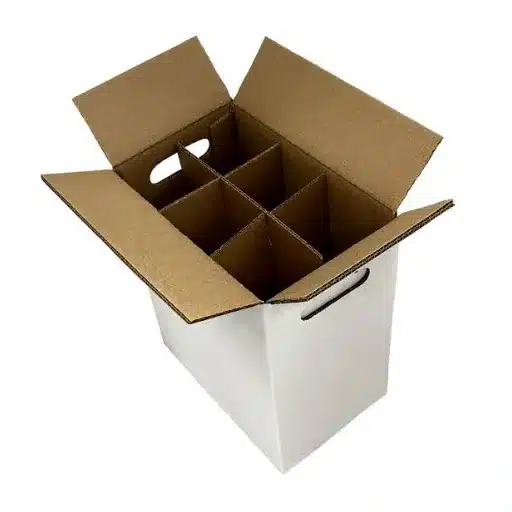
Choosing the right size prevents two common failures: bottles that rattle because the box is too large, and bottles that crack because the insert is too tight.
Standard 750ml Bottle Dimensions
A typical 750ml wine bottle stands 11.5–13 inches tall and measures 2.75–3.5 inches in diameter. Bottle shape matters. Bordeaux bottles are straight and narrow. Burgundy bottles have sloping shoulders and a wider body. Champagne bottles are larger and heavier. Each shape needs an insert cavity matched to its dimensions.
Recommended Interior Dimensions by Bottle Count
| Bottle Count | Interior Dimensions (L × W × H) | Typical Use |
|---|---|---|
| 1 | 4″ × 4″ × 15″ | Gifts, samples, reviews |
| 2 | 8″ × 4″ × 15″ | Couples’ gifts, variety pairs |
| 3 | 12″ × 4″ × 15″ | Tasting flights, corporate gifts |
| 6 | 12″ × 8″ × 15″ | Wine clubs, standard cases |
| 12 | 14″ × 12″ × 16″ | Bulk orders, wholesale |
These dimensions are guidelines, not universal standards. Always confirm fit with your bottle measurements and your supplier’s tooling.
Bordeaux vs Burgundy vs Champagne Fit Considerations
A Bordeaux insert may leave a Burgundy bottle loose, and a Champagne bottle may not fit at all. If your catalog includes multiple bottle shapes, ask your supplier about adjustable or mixed inserts. Some shippers use flexible foam inserts that adapt to different diameters.
Weight and Dimensional (DIM) Shipping Considerations
Carriers calculate shipping cost using dimensional weight when the package is large relative to its actual weight. Wine is dense, so most wine shippers are charged by actual weight, but oversized or lightly filled boxes can trigger DIM pricing. Keeping boxes tight and under 30 lbs helps control freight costs.
How to Pack Wine Bottles for Safe Shipping
Even the best wine shipping box fails if it is packed poorly. Follow this protocol to minimize breakage.
Pre-Condition Bottles
Store bottles upright at 55–60°F for at least 24 hours before packing. This stabilizes internal pressure and reduces the chance of cork ejection during transit.
Wrap and Insert Bottles
Place each bottle into its insert cavity. If the insert does not fully enclose the neck, add a layer of bubble wrap or kraft paper around the top third of the bottle. The neck is the most vulnerable point.
Fill Voids and Seal
Use crumpled kraft paper, air pillows, or shredded cardboard to fill any gaps. Do not use loose packing peanuts; they shift and create empty pockets. Seal the box with 3-inch reinforced tape in an H-pattern across the top and bottom seams.
Label and Orient
Mark the box “FRAGILE, GLASS, THIS SIDE UP” on at least four sides. Add “TEMPERATURE SENSITIVE” if you are shipping in warm weather. Bottles must remain upright throughout transit.
Drop-Test Before Dispatch
Lift the sealed box 12 inches above a hard floor and drop it on each side. If you hear movement or clinking, repack. This simple test catches most packing errors before the carrier does.
For a visual walkthrough of the packing process, watch this overview of safely shipping wine:
Carrier Rules and Compliance
Shipping alcohol in the United States involves three layers of rules: federal law, state law, and carrier policy. The carrier layer is the one most directly affected by your packaging choices.
USPS Wine Shipping Restrictions
The United States Postal Service prohibits all alcohol shipments under federal law (18 U. S. Code § 1716). This includes wine, beer, and spirits. Violations can result in fines up to $1,000 per offense and imprisonment for up to one year. Do not use USPS for alcohol, and do not reuse boxes with alcohol branding for non-alcoholic shipments unless all labels are removed.
UPS Wine Shipper Requirements
UPS allows wine shipments only from approved, licensed shippers who have signed a UPS Agreement for Approved Wine Shippers. The agreement is free but requires a valid alcohol license and a completed W-9 form. UPS requires adult signature upon delivery and accepts molded EPS foam, folded corrugated trays, molded fiber trays, or thermoformed plastic inserts inside a sturdy corrugated outer container.
FedEx Wine Shipping Guidelines
FedEx also requires a signed alcohol shipping agreement and a valid FedEx account. FedEx accepts wine shipments from licensed businesses to consumers in approved states, and from licensee to licensee for wine, beer, and spirits. FedEx recommends molded polystyrene, pulp dividers, or die-cut corrugated units. Avoid packing peanuts, wrapping paper, or loose cardboard dividers.
Adult Signature and Labeling Requirements
Both UPS and FedEx require an adult signature from someone 21 years or older. The package must be clearly labeled as containing alcohol. This is not optional; carriers will refuse or return improperly labeled shipments.
ISTA and ASTM Testing Basics
ISTA, the International Safe Transit Association, publishes test protocols that simulate real-world shipping hazards like drops, vibration, and compression. ISTA 3A is the most common standard for parcel delivery. Many carriers and insurers require ISTA-certified packaging for wine shipments. ASTM D4169 is another standard used for larger distribution cycles. If you ship high volumes or file insurance claims, investing in certified shippers is worth the cost.
Temperature Control and Seasonal Shipping
Wine is sensitive to temperature. Heat can push corks, damage flavor, and cause leakage. Freezing temperatures can expand the wine and crack the bottle.
When to Avoid Shipping Wine
Do not ship wine during heat waves, cold snaps, or peak holiday volume if you can avoid it. Ground shipments that cross multiple climate zones are especially risky. For valuable wines, use temperature-controlled carriers or hold shipments until weather stabilizes.
Reflective Liners and Insulated Shippers
Reflective foil liners reflect radiant heat and provide basic buffering. Insulated foam shippers add an EPS foam layer around the bottles for 24–48 hours of protection. These are the most common summer solutions.
Gel Packs and Phase-Change Materials
Phase-change gel packs rated near 56°F can keep wine in a safe temperature range for 48–72 hours. They are more predictable than ice and do not create condensation that can weaken the box. For shorter transits, gel packs paired with an insulated liner are often sufficient.
Best Days and Seasons to Ship
Ship early in the week so packages do not sit in non-climate-controlled warehouses over the weekend. Monday through Wednesday are the safest days. In summer, some wineries suspend ground shipping entirely and use express or climate-controlled services.
Marcus runs a 500-member wine club in Paso Robles. Two years ago, he shipped July club packs via ground service during a heat wave. Members reported cooked wine, popped corks, and leaked labels. The next year, Marcus switched to early-week express shipping with gel packs and reflective liners. Complaints dropped by 91%, and his summer retention rate improved by 18%. The packaging cost more per box, but the savings on replacements and canceled memberships far outweighed the extra expense.
How to Choose the Right Wine Shipping Box for Your Business
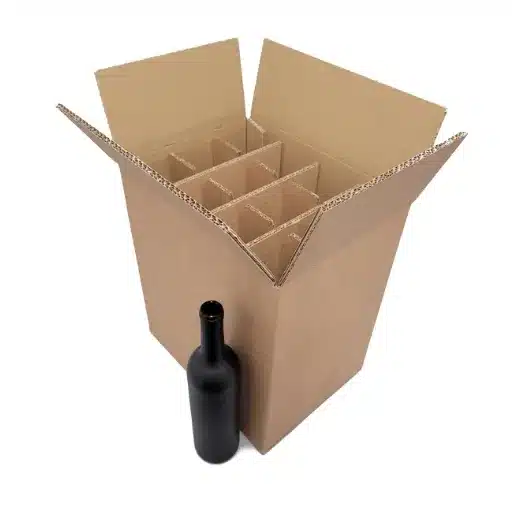
With so many options, the right choice comes down to matching the box to your specific shipping profile.
Match Protection Level to Transit Distance
Short local deliveries can use lighter pulp or corrugated dividers. Cross-country or international shipments should use EPS foam or hybrid systems. The farther the bottle travels, the more protection it needs.
Balance Sustainability with Performance
If your brand emphasizes sustainability, molded pulp is the obvious choice. However, if a pulp insert leads to breakage in hot weather, the environmental benefit is undone by the replacement shipment. Choose the most sustainable option that still performs in your actual transit conditions.
Plan for Branding and Customer Experience
Custom printing on the outer carton turns a plain brown box into a brand touchpoint. Add your logo, a thank-you message, handling instructions, or a QR code that links to tasting notes. Keep branding on the outside so the protective insert inside remains unchanged.
Budget for Total Cost of Ownership
The cheapest box per unit is rarely the cheapest overall. Factor in breakage, returns, customer service time, reshipment cost, and reputation damage. A box that costs $0.50 more but cuts breakage by 2% can pay for itself quickly.
Plan Around Seasonal Volume and Lead Times
Wine clubs and holiday gifts create predictable spikes. Order shipping boxes at least 4–6 weeks before peak season, and confirm your supplier can handle the volume. Stocking extra shippers in advance prevents rush charges and stockouts.
What to Look for in a Wine Shipping Box Manufacturer
The right manufacturer does more than supply boxes. They help you design a system that fits your bottles, your brand, and your carriers.
Production Capabilities and MOQ Flexibility
Ask whether the manufacturer supports the bottle counts, insert materials, and order volumes you need. Some suppliers specialize in high-volume pulp shippers, while others focus on low-MOQ custom-printed cartons. At Fuzhou Longlu Packaging Co., Ltd., we accommodate both small test orders and large production runs so you can scale without switching suppliers.
Material Certifications and Testing
Look for FSC-certified paper, recyclable pulp, and ISTA-tested designs if sustainability and compliance matter to your customers. Certifications add credibility and may be required by some retailers or carriers.
Custom Printing and Branding Options
Your outer carton is valuable advertising space. Ask about flexographic, lithographic, or digital printing options. Features like foil stamping, embossing, and spot UV can elevate the unboxing experience, though they add cost and production time.
Quality Control and Sample Prototyping
Always request samples before committing to a large order. Load the sample with your actual bottles, seal it, and perform a drop test. A reputable manufacturer will provide prototypes and adjust the design based on your feedback.
Global Shipping and Delivery Reliability
If you source packaging internationally, confirm lead times, customs handling, and shipping reliability. Delays in packaging can shut down your fulfillment operation. Choose a supplier with a track record of on-time delivery to your region.
For a broader look at wine packaging beyond shipping, read our wine box packaging guide. If you are also considering retail or gift formats, our guide to custom wine boxes covers rigid boxes, magnetic closures, and premium finishes.
Conclusion
A wine shipping box is not a commodity. It is a critical piece of your product, your customer experience, and your brand reputation. The right box protects your bottles, satisfies carrier requirements, supports your sustainability story, and reinforces your identity the moment it arrives on the doorstep.
To recap:
- Choose your insert material based on transit distance, climate, and brand values. Molded pulp is eco-friendly; EPS foam offers maximum protection; hybrid systems balance both.
- Match box size to bottle count and shape. A tight fit prevents movement, while a too-tight fit creates pressure points.
- Follow carrier rules. USPS is not an option. UPS and FedEx require approved shipper agreements, adult signatures, and proper labeling.
- Control temperature in extreme weather with insulated shippers, gel packs, and early-week shipping.
- Treat packaging as a marketing channel. Custom-printed outer cartons and branded inserts turn a protective necessity into a memorable unboxing moment.
Sarah, an e-commerce wine retailer in Texas, used to ship in plain brown boxes with generic foam inserts. After switching to custom-printed corrugated cartons with molded pulp inserts and printed handling instructions, her return rate fell by 34% and her social media mentions doubled. Customers were photographing the box before they even opened it.
Your wine deserves packaging that works as hard as you do. Contact our team today for a free quote, sample prototype, or design consultation. We will help you build wine shipping boxes that arrive intact, look professional, and keep your customers coming back.