Custom wine boxes are branded packaging solutions designed to protect bottles, elevate brand perception, and create memorable unboxing experiences. They come in styles ranging from rigid gift boxes and magnetic closure cases to corrugated shippers and collapsible retail carriers. Materials include rigid paperboard, corrugated cardboard, wood, leatherette, molded pulp, and protective inserts like EVA foam or cardboard dividers.
The bottle gets the credit, but the box makes the first impression.
When Marcus launched his small Sonoma winery in 2024, he poured everything into the wine. His Cabernet earned a 92-point rating, but his first direct-to-consumer shipment arrived in plain brown dividers with a generic label.
Customers never complained, but they also never posted an unboxing photo. After switching to a rigid magnetic wine box with foil-stamped branding and a velvet insert, his wine club retention jumped 23% in one quarter. The wine was the same. The box changed everything.
That is the power of custom wine boxes. They don’t just protect glass. They communicate quality before the first pour, justify premium pricing on a retail shelf, and turn a simple delivery into a shareable brand moment. Whether you run a winery, an e-commerce wine shop, a subscription club, or a corporate gifting program, the right box can shape how customers remember your brand.
In this guide, you’ll learn how to choose, design, and source custom wine boxes that match your business goals. We’ll cover the most common box styles, the materials that matter, the finishing options that sell, and the supplier questions that protect your investment.
Key Takeaways
- Custom wine boxes protect bottles while acting as a physical brand statement for wineries, retailers, and corporate gift programs.
- The most common styles include magnetic closure rigid boxes, drawer boxes, flip-top boxes, mailers, tubes, and multi-bottle carriers.
- Material choice should balance presentation goals with shipping realities: rigid paperboard for shelf appeal, corrugated and molded pulp for transit protection.
- Premium finishes like foil stamping, embossing, spot UV, and soft-touch lamination can justify higher price points and improve unboxing shareability.
- A reliable manufacturer should offer clear MOQs, sample prototyping, quality control processes, and global logistics support.
What Are Custom Wine Boxes?
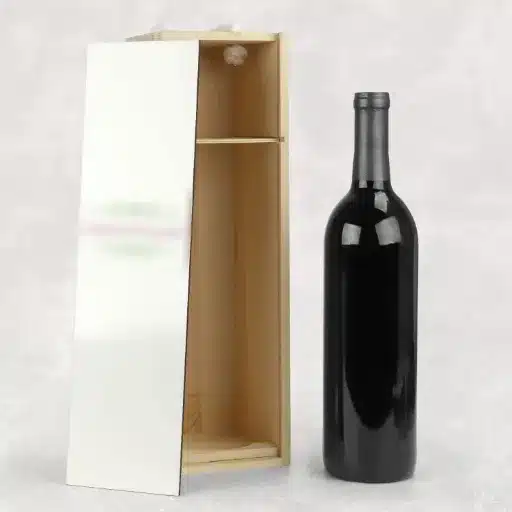
Custom wine boxes are specialized packaging containers built around one or more wine bottles and tailored to a brand’s specifications. Unlike off-the-shelf shipping cartons, they are designed with specific dimensions, materials, prints, and finishes that reflect the product inside and the company behind it.
They serve two related purposes. First, they protect the bottle from impact, light, temperature shifts, and moisture during storage and transit. Second, they market the brand at the point of sale, during unboxing, and long after the wine is gone. A well-designed box can sit on a desk or countertop for months, keeping your logo in view.
Custom wine boxes also fall into two categories. Primary packaging is what the consumer takes home: a gift box, a retail carrier, or a luxury presentation case. Secondary packaging is what protects the primary package during shipping, such as a corrugated mailer or an outer shipper with molded pulp inserts.
Many businesses need both. A winery may sell a rigid gift box in its tasting room and ship it inside a corrugated outer box for e-commerce orders.
If you are ready to explore options, view our full range of custom wine boxes with flexible MOQs and sample prototyping.
According to Coherent Market Insights, the global wine packaging boxes market is estimated at approximately USD 2.16 billion in 2026 and is growing at 7.6% annually. That growth is driven by e-commerce wine sales, premiumization, and demand for sustainable packaging. Custom wine boxes aren’t a luxury add-on anymore. They’re becoming a standard expectation for serious wine brands.
Types of Custom Wine Boxes
Choosing the right style of custom wine boxes depends on where the box will be seen, how it will be used, and what impression you want to leave. Here are the most common custom wine box options for wineries, retailers, and gift programs.
Magnetic Closure Rigid Boxes
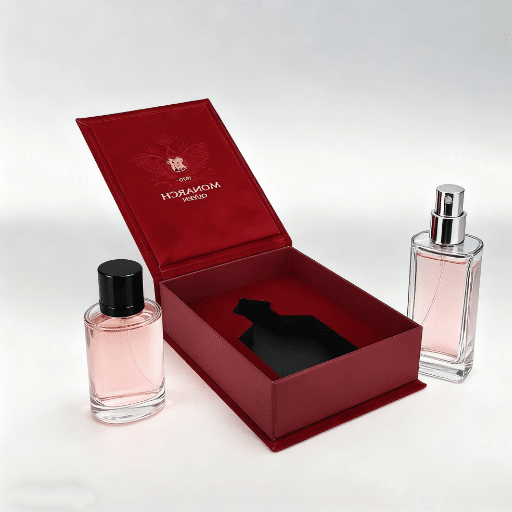
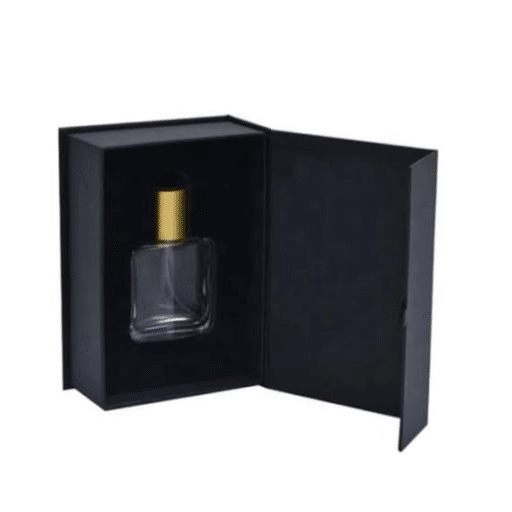
Magnetic closure rigid boxes are among the most popular choices for luxury wine boxes and premium wine gifting. They feature a hinged lid that snaps shut with hidden magnets, creating a satisfying seal and a high-end feel. These boxes work well for single-bottle corporate gifts, tasting room sales, and holiday promotions. They also photograph beautifully for social media and unboxing content.
Drawer-Style Wine Boxes
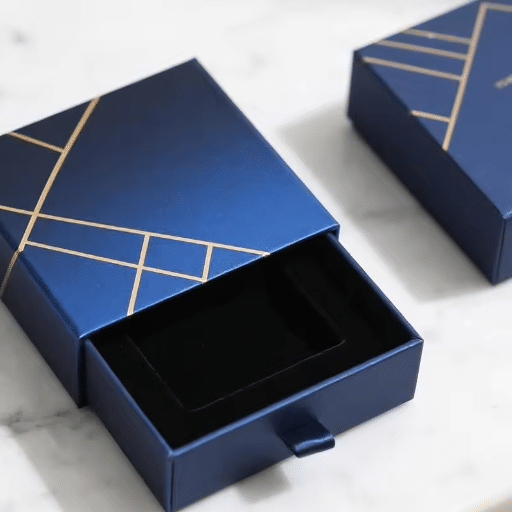
Drawer-style boxes have a sliding inner tray that pulls out like a drawer. This format feels ceremonial and is ideal for limited releases, anniversary wines, or executive gifts. The slow reveal adds drama and makes the bottle feel like an event. Many brands pair drawer boxes with ribbon pulls or finger notches for easier opening.
Flip-Top and Hinged Lid Boxes
Flip-top boxes open from the top and keep the lid attached to the base. They are practical for retail displays because the lid does not get separated or lost. Hinged lid boxes can be made from rigid paperboard for shelf display or from corrugated board for shipping. They strike a balance between presentation and function.
Classic Lid-and-Base Gift Boxes
Lid-and-base boxes are the traditional two-piece setup where the top lifts off like a shoebox. They are cost-effective, easy to produce, and familiar to consumers. This style works well for wine club welcome packages, retail gift sets, and event favors where budget matters but branding still needs to shine.
Wine Tube Boxes
Tube boxes are cylindrical containers, usually for single bottles. They stand out on shelves because of their unusual shape and work well for modern, design-forward brands. Tubes can be made from rigid paperboard, corrugated board, or even metal for ultra-premium positioning. They are less protective for shipping but excellent for in-person gifting.
Collapsible and Foldable Wine Boxes
Collapsible boxes ship flat and assemble quickly at the point of use. They save storage space and reduce freight costs, which makes them attractive for high-volume retailers and subscription boxes. With the right design, a foldable box can still feel premium, especially when paired with magnetic closures or soft-touch lamination.
Wine Mailer and Shipping Boxes
Mailer boxes are built for transit. They are usually made from corrugated cardboard with custom inserts that suspend or cradle the bottle. These boxes are essential for e-commerce wine sellers and wine clubs.
The best mailers pass drop tests and meet carrier requirements for fragile goods. They can still be printed with full branding on the outside.
Multi-Bottle Carrier Boxes
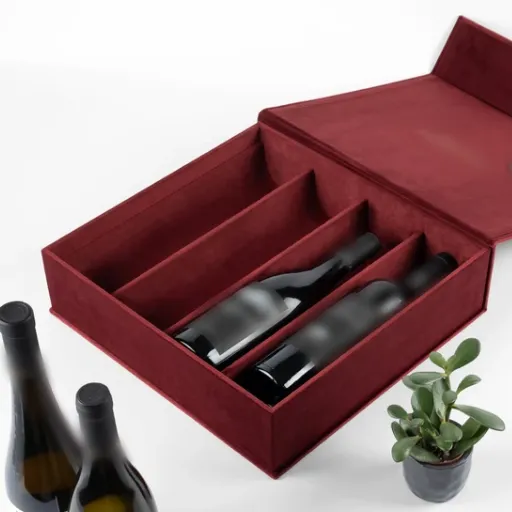
Multi-bottle carriers hold two, three, six, or twelve bottles in divided compartments. They are common for retail promotions, wine club shipments, and corporate holiday gifts. Carriers can be simple corrugated shippers or luxurious rigid boxes with custom dividers. The internal structure is just as important as the exterior design because it prevents bottles from clinking or breaking.
| Box Style | Best For | Key Advantage |
|---|---|---|
| Magnetic closure rigid box | Corporate gifts, luxury retail | Premium feel, satisfying seal |
| Drawer-style box | Limited releases, executive gifts | Dramatic reveal, keepsake quality |
| Flip-top / hinged lid box | Retail displays, practical gifting | Lid stays attached, easy to stack |
| Lid-and-base gift box | Wine clubs, event favors | Cost-effective and familiar |
| Tube box | Modern brands, single-bottle gifts | Unique shape, strong shelf presence |
| Collapsible / foldable box | Subscription boxes, high-volume retail | Saves storage and freight space |
| Mailer / shipping box | E-commerce, wine clubs | Maximum transit protection |
| Multi-bottle carrier | Retail promotions, club shipments | Efficient bulk presentation |
| Rigid custom wine boxes with magnetic closure, foil stamping, and velvet insert. |
Materials Used for Custom Wine Boxes
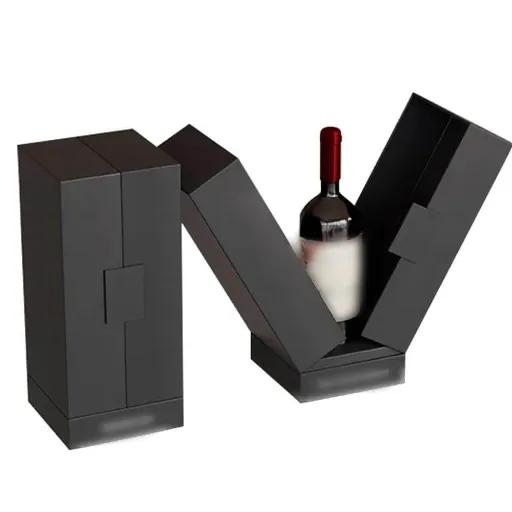
The material for your custom wine boxes determines how the box looks, feels, protects, and costs. Each option has its place depending on your distribution channel, brand positioning, and whether you need custom wine box packaging for retail, shipping, or gifting.
Rigid Paperboard and Greyboard
Rigid paperboard, often built around a greyboard core, is the standard for luxury wine gift boxes. It is thick, strong, and holds its shape under pressure. The exterior is usually wrapped with printed art paper, textured paper, or specialty materials like linen or leatherette. Rigid boxes feel substantial and communicate quality before the lid is opened.
Corrugated Cardboard and Kraft
Corrugated cardboard is the workhorse of wine shipping. Its fluted inner layer absorbs impact and protects bottles during transit. Kraft corrugated board is also recyclable and has an earthy, natural look that appeals to eco-conscious brands. For e-commerce, corrugated mailers with custom inserts are usually the safest and most cost-effective choice.
Wood and Bamboo
Wooden wine boxes are the ultimate premium option for luxury wine boxes and collector editions. They are heavy, durable, and often reused as keepsake boxes long after the wine is finished. Bamboo offers a lighter, more sustainable alternative with a modern aesthetic. Wood is best for high-value gifts, collector editions, and luxury retail, but it is not practical for high-volume shipping due to weight and cost.
Leatherette and Specialty Textiles
Leatherette, PU leather, and textured fabrics like linen or suede add a tactile dimension to wine packaging. These materials are often used as exterior wraps on rigid boxes for corporate gifts or premium retail. They create a sensory experience that makes the box feel expensive and memorable.
Molded Pulp and Biodegradable Inserts
Molded pulp is made from recycled paper fibers and shaped to cradle bottles precisely. It is biodegradable, recyclable, and excellent for shipping protection. Many e-commerce wine shippers now use molded pulp inner packs inside corrugated outer boxes to replace foam or plastic. This material supports sustainability goals without sacrificing protection.
Protective Inserts
Inserts are what keep bottles from moving inside the box. Options include EVA foam, velvet trays, satin sleeves, cardboard dividers, and honeycomb structures. The right insert depends on the box style and the level of protection needed. A retail gift box may use a velvet tray for presentation, while a shipping box needs a molded pulp or foam insert to survive a drop.
Research from Bataille Insights shows that 51% of wine’s carbon footprint comes from packaging and transport. That’s why material selection matters beyond aesthetics. Lighter, recyclable, and reusable materials can reduce environmental impact while still delivering a premium experience.
| Material | Best For | Pros | Cons |
|---|---|---|---|
| Rigid paperboard / greyboard | Luxury gift boxes, retail display | Premium feel, excellent print quality | Higher cost, heavier than folding cartons |
| Corrugated cardboard | E-commerce shipping, carriers | Strong protection, recyclable, cost-effective | Less premium appearance without finishing |
| Wood / bamboo | Collector editions, executive gifts | Durable, reusable, high perceived value | Heavy, expensive, not ideal for shipping |
| Leatherette / textiles | Corporate gifts, premium retail | Tactile luxury, memorable feel | Higher material cost, harder to recycle |
| Molded pulp | Shipping inserts, eco-friendly brands | Biodegradable, excellent protection | Limited aesthetic refinement |
| EVA foam / velvet | Presentation boxes, gift sets | Soft, premium interior protection | Higher cost, less sustainable than pulp |
| Corrugated custom wine boxes with molded pulp inserts protect bottles during shipping. |
Custom Wine Box Packaging: Branding & Finishing Options
A plain custom wine box with a logo is only the beginning. The finishing options you choose determine whether custom wine box packaging feels generic or unforgettable.
Printing Techniques
Offset printing delivers sharp, high-quality results for custom printed wine boxes in large runs and is ideal for detailed artwork and Pantone color matching. Digital printing works better for short runs or prototypes because it requires no plates and allows quick changes. Screen printing can create bold, opaque colors on specialty surfaces. For most custom wine boxes, offset or digital printing covers the majority of custom printed wine box needs.
Foil Stamping and Embossing
Foil stamping applies metallic or pigmented foil to the surface, creating a reflective, premium accent. Gold, silver, rose gold, and holographic foils are popular finishes for luxury wine boxes and high-end corporate gifts.
Both embossing and debossing add texture and sophistication. These finishes are especially effective on rigid gift boxes and corporate wine boxes.
Spot UV and Soft-Touch Lamination
Spot UV applies a glossy coating to specific areas of the design, creating contrast against a matte background. It makes logos, names, or patterns pop. Soft-touch lamination gives the box a velvety, smooth feel that invites handling. Together, these finishes can make a box feel like a luxury product rather than a disposable container.
Windows, Handles, and Closures
Window cutouts let customers see the bottle inside, which builds trust and adds visual interest. Handles make multi-bottle carriers easier to carry and more giftable. Magnetic closures, ribbon ties, and button snaps add functionality and ceremony.
Each feature should serve a purpose. A handle on a six-bottle carrier makes sense. A ribbon on a shipping mailer does not.
Logo Placement and Color Matching
Your logo should appear where eyes naturally land on your custom wine boxes: the top of the lid, the front panel, or inside the lid for a surprise reveal. Color matching is critical for brand consistency. Provide your supplier with Pantone codes or vector artwork to ensure the final print matches your brand standards. A mismatch between your bottle label and your box can make the whole package feel amateur.
If you want to explore how these finishing options work across other packaging projects, our team can help you explore custom packaging solutions for wine, spirits, and retail products.
How to Choose the Right Custom Wine Box for Your Business
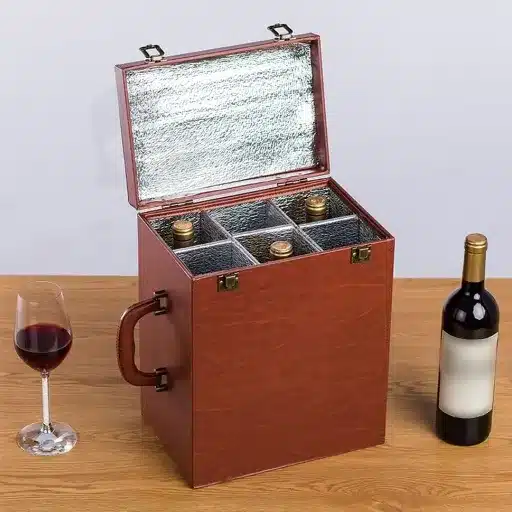
With so many custom wine boxes options available, selection can feel overwhelming. A simple framework helps you cut through the noise and find the right custom wine box for your business.
To choose well, match the style and material to your distribution channel. Retail needs visual impact, e-commerce needs protection, and gifting needs presentation. Then balance your budget, order volume, and sustainability goals against available lead times.
Match the Box to Your Distribution Channel
Retail shelves demand visual impact. A rigid box with foil stamping and soft-touch lamination will stand out next to plain competitors. E-commerce shipping demands protection first.
A corrugated mailer with molded pulp inserts will arrive intact more often than a decorative gift box alone. Tasting rooms can prioritize presentation because customers carry the box home themselves. Corporate gifting programs need both: a beautiful gift box inside a protective shipper.
Balance Protection and Presentation
The most beautiful box is worthless if the bottle breaks. Conversely, the strongest shipper may not create the emotional response you want at a gift exchange.
The answer is usually a two-layer approach. Use a presentation box for the brand moment and an outer shipper for transit. If you only have budget for one, choose based on the most common customer journey.
Set Your Budget and Order Volume
Material, size, finish, and quantity all affect price. Rigid boxes with premium finishes cost more than folding cartons. Wooden boxes cost more than paperboard.
Higher quantities lower the per-unit price because setup costs are spread across more units. According to Plus Packaging, doubling order size typically reduces unit cost by 20–40%. For businesses ordering wholesale custom wine boxes, this volume effect is especially important. For detailed cost breakdowns by style and quantity, see our custom wine box pricing guide.
Plan your annual volume before you order, and ask your supplier about price breaks at different quantities.
Plan for Seasonal Demand and Lead Times
Wine has natural cycles. Holiday gifting, harvest releases, and wine club shipments create spikes in demand. Custom wine boxes typically require 15–25 business days of production after sample approval, plus shipping time.
Order samples at least two months before your peak season. Rush orders are possible but expensive, and they limit your ability to refine the design.
Prioritize Sustainability Without Sacrificing Quality
Sustainable packaging is no longer a niche preference. Research from Bataille Insights shows that 75% of millennials are willing to pay more for eco-friendly products. Recyclable paperboard, FSC-certified materials, soy-based inks, and molded pulp inserts can all reduce environmental impact. The key is choosing options that align with your brand story without compromising protection or appearance.
Elena learned this lesson the hard way. Her online wine shop grew quickly in 2025, but her first custom shipper used a thin cardboard insert that cracked during winter transit.
After switching to a corrugated mailer with a molded pulp inner pack, her breakage rate fell from 4% to under 1%. Customers also noticed the unbleached, recyclable material and praised the brand’s sustainability commitment in reviews. The better box paid for itself in saved replacements and improved reputation.
Ready to match the right box to your business? Request a free quote and our team will recommend styles, materials, and finishes based on your distribution channel and budget.
Custom Wine Boxes by Use Case
Different businesses need different custom wine boxes. Here is how to align your packaging with common wine industry scenarios.
Retail Shelf Display
Luxury wine boxes and retail display boxes need to stop a shopper’s eye from three feet away. Bold color, clear branding, and tactile finishes win here. Rigid custom wine boxes with spot UV or foil stamping work well for premium placements.
Window boxes let the bottle label show through. Keep dimensions shelf-friendly and avoid awkward shapes that retailers won’t stack.
E-Commerce and Wine Club Shipments
Shipping boxes must survive trucks, conveyor belts, and porch drops. Corrugated mailers with molded pulp or foam inserts are the safest bet. Print the outside with branding so the unboxing still feels special, but design the inside around protection. Include clear instructions for returns or recycling to improve the customer experience.
Corporate Gifts and Events
Corporate wine boxes, personalized wine boxes, and event favors should feel personal and premium. Add the recipient’s name, company logo, or event date. Magnetic closure rigid boxes, drawer boxes, or wooden boxes all work well.
Include a branded card or note to reinforce the relationship. These boxes are often kept on desks, so quality matters more than cost per unit.
Winery Tasting Rooms and Direct Sales
Tasting room sales happen in person, so protection during transit is less critical than presentation for these custom wine boxes. Customers often buy wine as a souvenir or gift, so the box should feel like part of the experience. Collapsible gift boxes, carriers, and tube boxes are popular because they are easy to transport and still look impressive.
Weddings and Special Occasions
Personalized wine boxes for weddings, anniversaries, or corporate milestones create keepsakes. Couples often use them for ceremony rituals, such as sealing love letters and a bottle of wine to open on a future anniversary. These orders are usually small, so digital printing and low-MOQ suppliers are essential.
David ordered 200 custom drawer boxes for his company’s annual client appreciation event. Each box held a single bottle and featured the client’s name foil-stamped on the lid.
The response was immediate. Several clients posted photos on LinkedIn, tagging his company and commenting that it was the most thoughtful gift they had received all year. The cost per box was higher than a standard gift bag, but the earned media and goodwill more than covered the difference.
For a deeper look at how wine packaging fits into a broader strategy, read our wine box packaging guide.
What to Look for in a Custom Wine Box Manufacturer
The right manufacturer for your custom wine boxes does more than print a box. They guide you through material selection, structural design, prototyping, and logistics. Here is what to evaluate.
Production Capabilities and MOQ Flexibility
When sourcing wholesale custom wine boxes, ask what box styles, materials, and finishes the manufacturer can produce in-house. Some suppliers specialize in rigid boxes. Others focus on corrugated shippers.
Make sure their capabilities match your custom wine box product. Also ask about minimum order quantities. A supplier that requires 3,000 units may be a poor fit for a small winery testing a new release, though many wholesale custom wine box suppliers offer flexible MOQs.
Sample Quality and Prototyping Process
Never commit to a full production run without approving a physical sample. A prototype reveals issues that renderings cannot: fit, finish color, magnet strength, and insert stability. A good supplier will provide a sample within a few days and allow revisions before production begins. You can request a sample from our team to evaluate fit, finish, and magnet strength before committing to a full order.
Paying for samples is normal; skipping them is risky.
Certifications and Sustainability Credentials
If sustainability matters to your brand, ask about FSC certification, recycled content, biodegradable options, and compliance with regional regulations. Request documentation rather than taking claims at face value. Certifications add credibility and help you back up marketing claims.
Quality Control and Consistency
Inconsistent color, loose magnets, or weak glue can ruin a batch. Ask how the supplier inspects materials, monitors production, and checks finished boxes. A reliable manufacturer should have a clear quality control process and a plan for handling defects. For large orders, third-party inspections may be worth the cost.
Global Shipping and Communication
If you are sourcing from overseas, clear communication and reliable logistics are essential. Ask about incoterms, shipping methods, transit times, and tracking. A manufacturer with export experience will understand customs documentation, duties, and how to pack boxes to survive long transit. Delays and misunderstandings are expensive, so responsiveness matters as much as price.
At Fuzhou Longlu Packaging Co., Ltd., we help wineries, retailers, and gift programs design custom wine boxes that balance protection, presentation, and budget. From rigid gift boxes to corrugated shippers, we offer flexible MOQs, sample prototyping, and global delivery to keep your project on track.
Frequently Asked Questions About Custom Wine Boxes
What are custom wine boxes made of?
Custom wine boxes are made from rigid paperboard, corrugated cardboard, wood, bamboo, leatherette, or molded pulp. The material choice depends on whether the box is for retail display, gift presentation, or shipping protection.
How much do custom wine boxes cost?
Pricing varies by material, finish, and order volume. Rigid gift boxes with premium finishes cost more than folding cartons. Doubling order size typically reduces per-unit cost by 20–40%. Most suppliers offer price breaks at 500, 1,000, and 5,000 units. See our custom wine box pricing guide for detailed ranges.
What is the best box for shipping wine?
Corrugated mailer boxes with molded pulp or foam inserts provide the best protection for shipping wine. They absorb impact, prevent bottle movement, and can be printed with custom branding on the exterior.
How long does it take to produce custom wine boxes?
Production typically takes 15–25 business days after sample approval, plus shipping time. Order samples at least two months before peak season to avoid rush fees and design compromises.
Can I order custom wine boxes in small quantities?
Yes. Many manufacturers offer low minimum order quantities for custom wine boxes, especially with digital printing. Look for suppliers that accommodate 100–500 unit runs if you are testing a new design or running a small event.
Conclusion
Custom wine boxes are one of the most impactful investments a wine brand can make. The right box protects your product, reinforces your positioning, and creates a moment that customers remember and share. The wrong box can quietly erode perceived value, increase breakage, and waste marketing budget.
To choose well, start with your customer journey. Decide whether the box needs to win at retail, survive shipping, impress at a corporate event, or all three. Then match the style, material, and finish to that goal. Work with a manufacturer who offers clear MOQs, quality samples, and transparent communication.
The wine industry is crowded. Your bottle competes with thousands of others. A custom wine box gives you a chance to stand out before the cork is ever pulled.
Ready to design custom wine boxes for your brand? Request a free quote today and let our team guide you from concept to delivery.