The best wine box packaging protects your bottles, reinforces your brand, and meets the sustainability expectations of today’s buyers. Whether you sell direct-to-consumer subscriptions, corporate gifts, or retail bottles, the right box turns a simple container into a competitive advantage.
Most wineries and retailers know packaging matters, but they struggle to balance three competing demands. They want premium presentation that justifies a higher price point. They need shipping protection that prevents breakage and returns. And increasingly, they face pressure to reduce environmental impact without blowing the budget. This guide solves that tension. You will learn how to choose wine box packaging materials, designs, and finishes for custom wine boxes that fit your positioning, distribution channel, and order volume.
At Fuzhou Longlu Packaging Co., Ltd., we manufacture custom packaging for businesses worldwide. We have seen how the right wine box can reduce damage rates, increase unboxing shares on social media, and strengthen buyer loyalty. In the sections ahead, we share what actually works.
Key Takeaways
- Wine box packaging now serves three roles: protection, brand statement, and sustainability signal.
- Cardboard, corrugated board, rigid paperboard, wood, and molded pulp each suit different price points and use cases.
- The 2026 trends favor tactile finishes, reusable designs, lightweight materials, and smart packaging features.
- E-commerce wine sellers should prioritize ISTA-tested shipping boxes with custom inserts over presentation-only gift boxes.
- Working with a manufacturer that offers flexible MOQs, advanced printing, and global logistics simplifies procurement at scale.
What Is Wine Box Packaging?
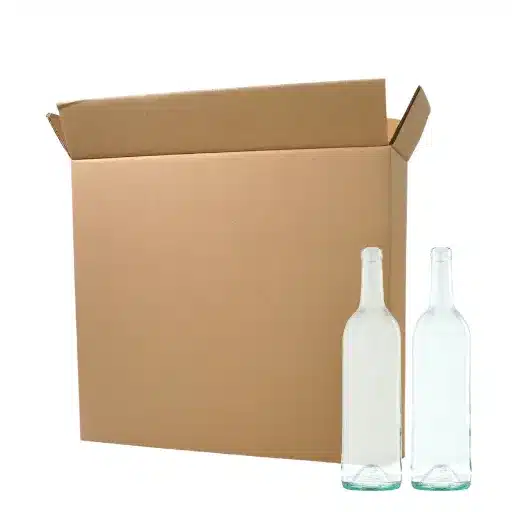
Wine box packaging refers to any box, carrier, or rigid container used to present, protect, or ship wine bottles. It includes everything from a single-bottle gift box for a retail shelf to a corrugated shipper designed for FedEx or UPS delivery.
In the packaging industry, wine boxes fall into two categories. Primary packaging touches the wine directly, such as the bottle, bag-in-box bladder, or can. Secondary packaging surrounds the primary container and includes gift boxes, retail carriers, and shipping cartons. This article focuses on secondary wine box packaging because it is where most branding, protection, and sustainability decisions happen.
A well-designed wine box does more than hold a bottle. It creates the first physical impression a customer has of your brand. It influences whether a gift recipient feels impressed, whether an online shopper reorders, and whether a retail buyer selects your product over another.
If you are ready to explore options, our custom wine boxes are designed to match your exact bottle size, branding, and budget.
Types of Wine Box Packaging
Understanding the main types of wine boxes helps you match the format to your sales channel and customer experience goals.
Rigid Gift Boxes
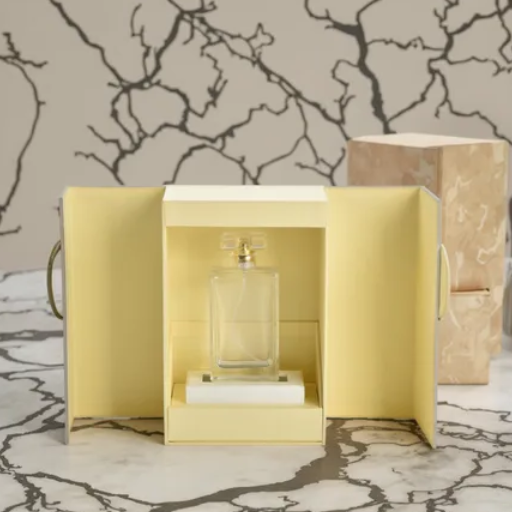
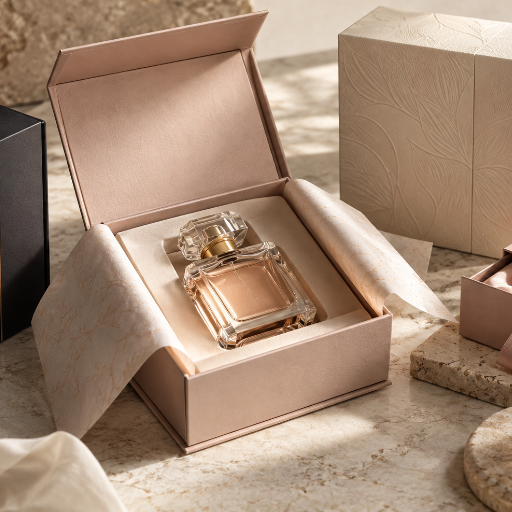
Rigid gift boxes use thick paperboard, often 1.8 mm to 3 mm, covered with printed paper or specialty finishes. They feel substantial and open with a satisfying lift-off lid, magnetic closure, or drawer-style slide. Luxury wineries, corporate gift programs, and holiday promotions use this style of wine gift box packaging to signal quality and create a memorable unboxing moment.
The downside is weight and cost. Rigid boxes ship flat in some designs, but many occupy significant warehouse space. They are best for in-person gifting, cellar door sales, or premium e-commerce orders where margins support the added expense.
Corrugated Shipping Boxes
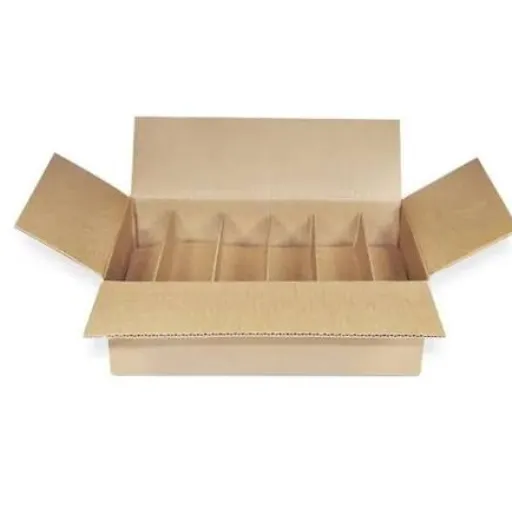
Corrugated shipping boxes are the workhorse of e-commerce wine sales. They use fluted cardboard between liner boards to absorb impact during transit. A well-built corrugated wine shipper includes inserts, dividers, or molded pulp trays that prevent bottles from touching each other or the outer walls.
If you ship wine through FedEx, UPS, or DHL, this is likely your default choice. Look for boxes tested to ISTA or ASTM standards, which simulate drops, vibration, and compression during shipping.
Folding Carton Wine Boxes
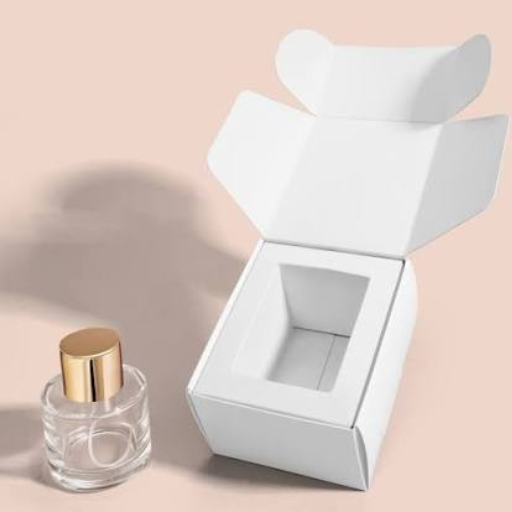
Folding carton boxes are lighter and less expensive than rigid boxes. They are made from paperboard that folds flat for storage and assembles quickly at the packing station. Retailers often use them for multi-bottle gift sets or club shipments where presentation matters but shipping protection is handled by an outer shipper.
These boxes accept high-quality printing and finishes well, making them a versatile choice for branded retail packaging.
Wooden Wine Boxes
Wooden wine boxes convey craftsmanship and permanence. Pine, paulownia, bamboo, and birch are common materials. They work beautifully for limited releases, collector editions, and high-end corporate gifts.
Wood adds weight and cost, so it is less common for mass shipping. However, wooden boxes often become keepsakes, extending brand visibility long after the wine is consumed.
Wine Carriers and Totes
Wine carriers include leatherette bags, reusable totes, and handled cardboard carriers. They emphasize portability and reuse. A branded wine tote becomes a walking advertisement when carried to dinner parties or events.
Best Materials for Wine Box Packaging
Material choice determines cost, protection, sustainability, and perceived value. Here is how the most common options compare.
| Material | Best For | Pros | Cons |
|---|---|---|---|
| Cardboard / Paperboard | Retail gift boxes, folding cartons | Lightweight, printable, affordable | Less protection for shipping |
| Corrugated Board | E-commerce shipping, subscription boxes | Strong, protective, recyclable | Less premium appearance without finishing |
| Rigid Paperboard | Luxury gift boxes | Premium feel, excellent branding | Higher cost, heavier |
| Wood | Collector editions, corporate gifts | Durable, reusable, prestigious | Expensive, heavy, limited sustainability claims |
| Molded Pulp | Inserts and protective trays | Biodegradable, custom fit, protective | Often needs an outer box |
| Kraft Paper | Eco-friendly retail and shipping | Recyclable, on-trend, affordable | Limited premium feel |
Cardboard and Paperboard
Standard paperboard, from 10 pt to 28 pt, works for gift boxes and retail cartons. It accepts offset, digital, and UV printing and pairs well with gloss, matte, or soft-touch lamination.
For wine brands focused on sustainability, uncoated kraft paperboard sends a clear environmental message. It also costs less than coated alternatives.
Corrugated Kraft
Corrugated kraft combines protection with recyclability. E-flute and B-flute boards are common for wine shippers. E-flute is thinner and prints well for retail-facing designs. B-flute is thicker and better for heavy shipping protection.
Molded Pulp and Biodegradable Inserts
Molded pulp inserts cradle bottles without plastic. They are made from recycled paper fibers and can be composted or recycled after use. Many wineries now pair molded pulp trays with an outer corrugated shipper to create a fully recyclable package.
Premium Finishes
For luxury positioning, consider leatherette paper, velvet or satin linings, foil-stamped logos, and embossed textures. These finishes add tactile interest, which research links to higher perceived value.
Wine Box Packaging Trends for 2026
The wine packaging market is projected to reach approximately USD 6.8 to 7.3 billion in 2026, according to Straits Research. Within that growth, several trends are reshaping how wineries and retailers approach boxes.
Tactile and Sensory Design
Texture has become a premium signal. Embossed patterns, soft-touch laminations, faux leather, and snake-skin presses make a box feel expensive before the customer sees the wine. This trend matters because first impressions are increasingly formed through touch as much as sight.
Reusability as Brand Equity
Reusable wine carriers, wooden keepsake boxes, and leatherette totes extend the life of your packaging. Every time a customer reuses the box or bag, your brand gains another impression. Some wineries now design packaging explicitly for a second life, such as a wooden box that becomes storage or display.
Sustainable and Lightweight Materials
Sustainability is no longer a bonus; it is a baseline expectation. According to Bataille Insights, 51% of the carbon footprint of wine comes from packaging and transport. That statistic is driving demand for recycled paperboard, molded pulp, lightweight glass alternatives, and right-weighted corrugated designs.
Minimalism and Quiet Luxury
Overly ornate packaging is losing ground to clean lines, restrained color palettes, and quality materials that speak for themselves. This “quiet luxury” approach appeals to younger, experience-driven buyers who value authenticity over flash.
Smart Packaging Features
QR codes, NFC tags, and augmented reality labels turn packaging into an interactive channel. A customer can scan a code to learn about the vineyard, food pairings, or sustainability practices. Anti-counterfeiting features also help protect premium brands.
Mini-Story: From Breakage to Brand Love
When Elena launched her Sonoma-based wine club in early 2024, she chose standard cardboard shippers to keep costs low. Within three months, her damage rate hit 8%, and negative reviews started appearing online. She switched to custom corrugated wine shipping boxes with molded pulp inserts and a printed outer design. Damage dropped to under 1%, and customers began posting unboxing videos. The new packaging cost 18% more per unit but saved her nearly $12,000 in replacements and refunds in the first year.
How to Choose the Right Wine Box for Your Business
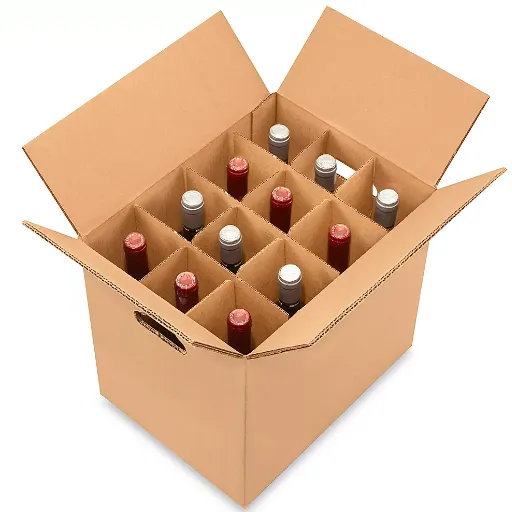
Selecting wine box packaging becomes easier when you match the format to your distribution channel and brand position.
Match Packaging to Wine Positioning
A 12tablewineanda12tablewineanda90 reserve Cabernet should not share the same box. Entry-level wines benefit from clean, efficient folding cartons or corrugated shippers. Premium wines justify rigid boxes, wooden cases, or leatherette carriers. The packaging should signal the price before the customer reads the label.
Consider Your Distribution Channel
- Retail: Prioritize shelf appeal, compact dimensions, and easy stacking.
- E-commerce: Prioritize protection, lightweighting, and unboxing shareability.
- Corporate gifting: Prioritize premium finishes, customization, and reusability.
- Subscription clubs: Prioritize cost efficiency, durability, and consistent branding.
Budget and Order Volume
Higher volumes unlock lower per-unit costs. If you need fewer than 500 units, digital printing and folding cartons keep setup costs low. For orders above 2,500 units, offset printing and custom rigid boxes become more economical.
Sizing Guide for Common Bottle Types
Use interior dimensions roughly 0.25 inches larger than the bottle’s widest measurements.
| Bottle Type | Typical Dimensions | Suggested Interior Box Size |
|---|---|---|
| Bordeaux 750ml | 2.75″ x 2.75″ x 11.75″ | 3″ x 3″ x 12″ |
| Pinot Noir 750ml | 3.125″ x 3.125″ x 11.875″ | 3.375″ x 3.375″ x 12.125″ |
| Champagne 750ml | 3.25″ x 3.25″ x 12.25″ | 3.5″ x 3.5″ x 12.5″ |
| Magnum 1.5L | 3.5″ x 3.5″ x 15″ | 3.75″ x 3.75″ x 15.25″ |
Custom Wine Box Design: Finishes and Branding Options
Customization transforms a generic box into a brand asset. These are the most effective options for wine packaging.
Printing Techniques
- Offset printing: Best for large runs with consistent, high-quality color.
- Digital printing: Ideal for short runs, personalization, and quick turnarounds.
- UV printing: Delivers vibrant colors and sharp details on coated stocks.
- Pantone matching: Ensures brand colors reproduce accurately across batches.
Embossing, Debossing, and Foil Stamping
Embossing raises a design above the surface; debossing presses it in. Foil stamping adds metallic accents in gold, silver, copper, or custom colors. Together, these finishes create the tactile luxury that defines premium wine boxes.
Window Cutouts and Handles
Window cutouts let the bottle label show through, merging product and packaging into one display. Handles improve portability for carriers and gift sets. Both features increase perceived utility.
Logo Placement and Color Matching
Place logos where they are visible at the point of opening and the point of display. Inside lid printing, sleeve bands, and woven labels are additional branding opportunities.
Want to see how custom finishes look on your wine boxes? Explore our custom packaging options and request a free sample.
Wine Shipping Boxes: Protection and Compliance
Online wine sales continue to grow, and shipping protection directly affects profitability. A broken bottle costs you the product, the shipping, and often the customer.
Insert and Divider Options
- Molded pulp trays: Biodegradable and form-fitting.
- EPS or EVA foam: High protection but less sustainable.
- Corrugated dividers: Cost-effective for multi-bottle shippers.
- Honeycomb cardboard: Lightweight and protective.
Carrier Requirements
FedEx, UPS, and DHL accept wine shipments only from approved shippers in regions where alcohol shipping is legal. Packaging must prevent leakage and breakage. Many carriers also require adult signature confirmation.
ISTA and ASTM Testing
ISTA 3A and ASTM D4169 tests simulate real-world shipping conditions. Passing these tests reduces damage claims and helps you negotiate better shipping rates. If you ship thousands of bottles per year, testing is worth the investment.
Mini-Story: The Corporate Gift That Fell Apart
Marcus ordered 500 rigid wine gift boxes for a client appreciation campaign. The boxes looked beautiful in the warehouse, but during shipment from his supplier to his office, 12% arrived with crushed corners and torn wrap. He learned that rigid boxes need inner protective packing and sturdy master cartons for transport. On his next order, he worked with his manufacturer to add corner protectors and double-wall outer cartons. The damage rate fell to 2%, and his clients received gifts that reflected the quality he wanted to convey.
Sustainability in Wine Box Packaging
Sustainability influences purchasing decisions across age groups. According to Bataille Insights, 75% of Millennials are willing to pay more for eco-friendly products, and 81% of consumers prefer buying from companies committed to sustainability. Eco-friendly wine packaging is now a baseline expectation, not a premium add-on.
Recycled and Recyclable Materials
Recycled paperboard and corrugated board are widely available and accepted in most recycling streams. Target’s “The Collective Good” paper bottle launch, which uses 94% recycled paperboard, shows how far mainstream retailers are pushing paper-based wine packaging.
FSC Certification and Biodegradable Options
Forest Stewardship Council (FSC) certification verifies responsible paper sourcing. Biodegradable molded pulp and compostable films offer alternatives to plastic inserts. These certifications matter to eco-conscious buyers and corporate procurement teams.
Reducing Carbon Footprint Through Lightweighting
Heavier packaging increases fuel use in transit. Switching from rigid to folding carton, from wood to bamboo, or from double-wall to optimized single-wall corrugated can lower emissions without sacrificing protection. Lightweight glass initiatives have already cut winery emissions by approximately 20% in some cases.
For more on sustainable options, read our guide to eco-friendly packaging materials.
How Much Do Custom Wine Boxes Cost?
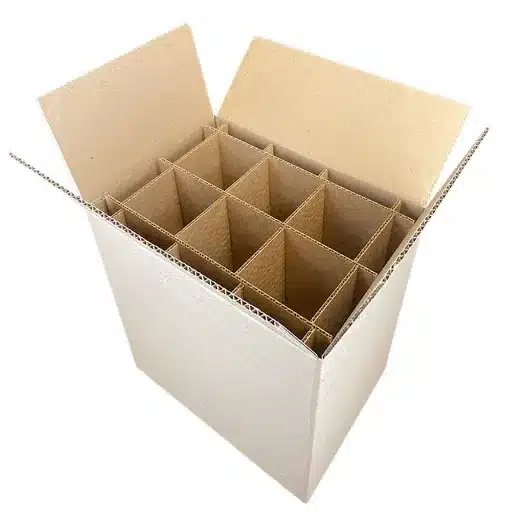
Pricing depends on material, size, quantity, printing, finishes, and shipping origin. Here is a general framework.
Factors Affecting Price
- Material: Corrugated is least expensive; wood and rigid paperboard are most expensive.
- Quantity: Higher volumes reduce per-unit cost significantly.
- Printing: Offset has higher setup but lower unit cost at scale. Digital has low setup but higher unit cost.
- Finishes: Foil stamping, embossing, and soft-touch lamination add cost.
- Structure: Magnetic closures, windows, and handles increase complexity.
- Shipping: Sea freight costs less but takes longer; air freight is faster but more expensive.
Typical MOQs and Lead Times
| Production Type | Typical MOQ | Sampling | Mass Production |
|---|---|---|---|
| Digital printing | 200–500 units | 3–5 days | 10–15 days |
| Offset printing | 1,000–2,500 units | 5–7 days | 15–25 days |
| Rigid boxes | 500+ units | 5–7 days | 20–30 days |
| Wooden boxes | 300+ units | 7–10 days | 25–40 days |
Local vs. Overseas Manufacturing
Local suppliers offer faster turnaround and easier communication but often charge more per unit. Overseas manufacturers, particularly in China, provide competitive pricing, broad material access, and experience with large-scale production. The right choice depends on your budget, timeline, and quality requirements.
Why Work With a Custom Wine Box Manufacturer
A specialized manufacturer brings more than production capacity. They bring structural engineering expertise, material sourcing relationships, and quality control processes that protect your brand.
At Fuzhou Longlu Packaging Co., Ltd., we help businesses design wine boxes that fit their exact bottles, budgets, and brand standards. Our capabilities include custom sizes, high-resolution printing, embossing, foil stamping, and global shipping through partners like DHL, FedEx, and UPS. We accommodate both small test orders and large-scale production runs.
Ready to upgrade your wine packaging? Contact our team for a free quote and sample.
Mini-Story: Scaling Without Losing Quality
The team at Acme Cellars started with 200 custom wine gift boxes for a holiday promotion. The design featured a matte black finish, gold foil logo, and magnetic closure. When demand surged, they needed 10,000 units for the following season. By working with a manufacturer that could scale the same design while maintaining color consistency and structural integrity, they avoided a costly redesign. Their repeat order arrived on time, and their holiday revenue grew 34% year over year.
Frequently Asked Questions About Wine Box Packaging
What is wine box packaging?
Wine box packaging is any box, carrier, or rigid container used to present, protect, or ship wine bottles. It includes gift boxes, retail carriers, corrugated shippers, and reusable totes.
What is the best material for wine box packaging?
The best material depends on your use case. Corrugated board is best for shipping. Rigid paperboard is best for luxury gift boxes. Wood works for collector editions. Molded pulp is ideal for eco-friendly protection.
How much do custom wine boxes cost?
Cost depends on material, quantity, printing, finishes, and shipping method. Simple folding cartons may start around 1–1–3 per unit at volume. Rigid or wooden boxes can range from 5to5to20 or more per unit.
What are the latest trends in wine box packaging?
The top 2026 trends include tactile finishes, reusable designs, sustainable materials, minimalism, and smart packaging features like QR codes and NFC tags.
Are wine shipping boxes eco-friendly?
Yes, when made from recyclable corrugated board, kraft paper, or molded pulp. Many wine shipping boxes are now fully recyclable and can include biodegradable inserts.
What size box do I need for a wine bottle?
A standard 750 ml Bordeaux bottle needs an interior box size of roughly 3″ x 3″ x 12″. Champagne and Pinot Noir bottles need slightly larger dimensions. Always allow about 0.25″ of clearance around the bottle.
Can wine boxes be customized with my logo?
Yes. Custom wine boxes can include logo printing, foil stamping, embossing, debossing, laser engraving on wood, and full-color digital or offset printing.
What is the minimum order quantity for custom wine boxes?
MOQs vary by production method. Digital printing often starts at 200–500 units. Offset printing and rigid boxes typically require 1,000+ units. Some suppliers accommodate smaller test orders.
Conclusion
Wine box packaging is no longer an afterthought. It protects your product, communicates your brand, and signals your values to customers. The wineries and retailers that win in 2026 will treat packaging as a strategic investment, not a commodity expense.
To choose the right solution, start with your distribution channel. Match the material and finish to your price point. Prioritize sustainability where your audience expects it. And work with a manufacturer that can scale with you without sacrificing quality.
Key takeaways:
- Match wine box packaging to your sales channel and brand position.
- Cardboard, corrugated, rigid, wood, and molded pulp each serve different needs.
- 2026 trends emphasize tactile design, reusability, sustainability, and smart features.
- E-commerce sellers should invest in tested shipping boxes with protective inserts.
- Custom finishes and structural design can justify premium pricing and build loyalty.
If you are ready to design custom wine boxes that protect your bottles and elevate your brand, request a free quote from Fuzhou Longlu Packaging Co., Ltd. today.