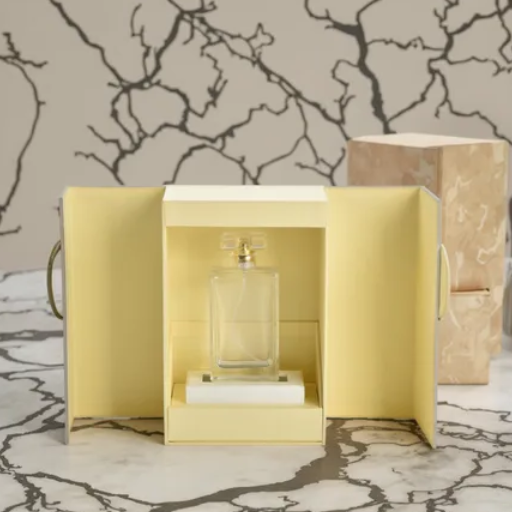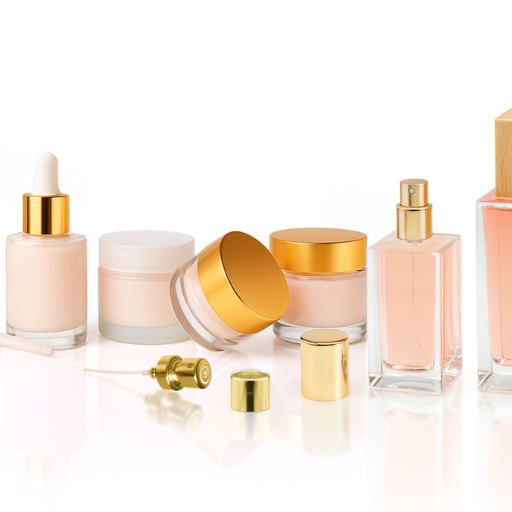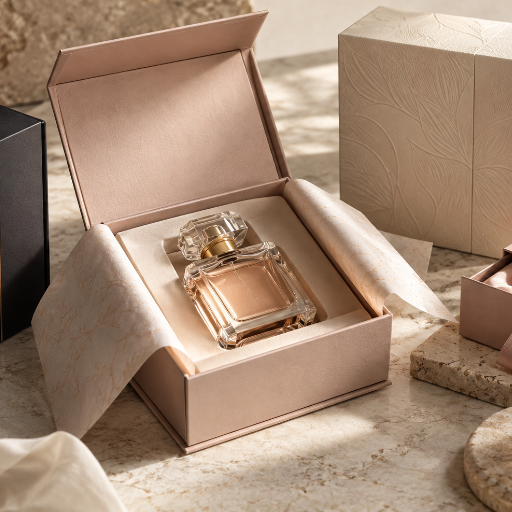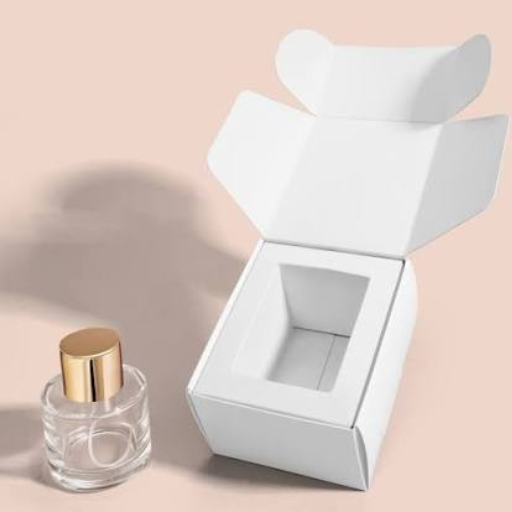
An FEA 15 perfume cap is a decorative closure designed to fit over the 15 mm crimp-neck pump assembly used on most fine-fragrance bottles. The cap protects the sprayer, seals fragrance from evaporation, and, most importantly, signals quality before the customer ever smells the juice inside.
The wrong cap can make a luxury formula feel drugstore cheap. The right cap can turn a simple 30 ml bottle into a shelf statement. Yet too many fragrance brands rush this decision, choosing a cap based on price alone and only discovering fit or finish problems after production has already started.
If you are sourcing perfume packaging, you already know that details matter. This guide walks you through exactly what FEA 15 means, how it compares to other neck sizes, which materials work best for different brand positions, and how to source custom FEA 15 perfume caps without expensive surprises.
Key Takeaways
- FEA 15 refers to a 15 mm crimp-neck standard and is the most common size for fine-fragrance bottles from 10 ml to 50 ml.
- Zamak caps deliver the heaviest luxury feel, aluminum balances premium look with recyclability, and wood offers a natural, sustainable story.
- FEA 15 caps are not interchangeable with FEA 18 or FEA 20; pumps, collars, and crimping tools must match the neck size.
- Customization options include electroplating, anodizing, laser engraving, embossing, hot stamping, and magnetic closures.
- Request samples and confirm inner diameter, collar fit, and dip-tube length before placing a bulk order.
What Is an FEA 15 Perfume Cap?
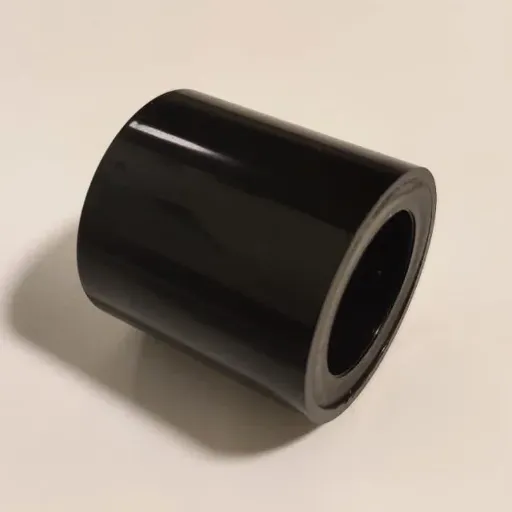
FEA stands for Flacon Embout Atome, the international fragrance-packaging standard for bottle neck and pump fit. The number that follows, 15, 18, or 20, indicates the neck diameter in millimeters. An FEA 15 perfume cap is therefore the decorative overcap, sometimes called an FEA 15 bottle cap, that fits onto a bottle with a 15 mm crimp neck.
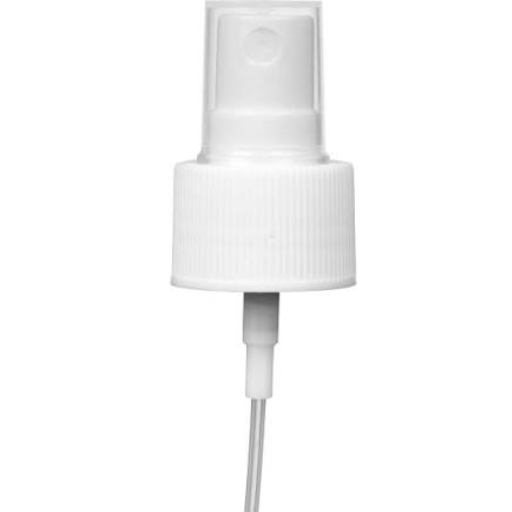
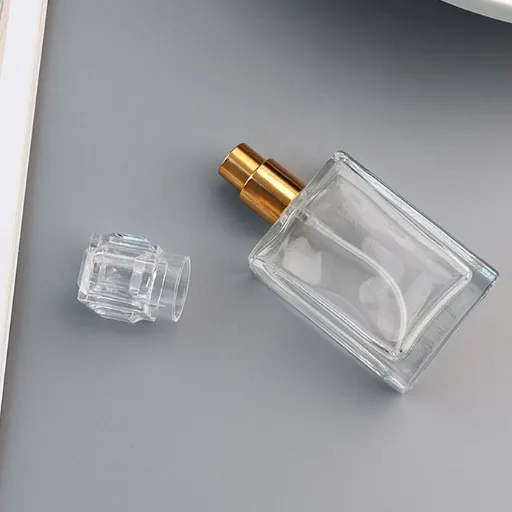
Unlike screw-neck bottles, FEA 15 bottles have a smooth, collar-less neck. The spray pump sits on top of the neck, a metal ferrule is pressed around it by crimping, and the overcap snaps or slides over the assembled pump. This creates the seamless, premium look you see on most designer fragrances.
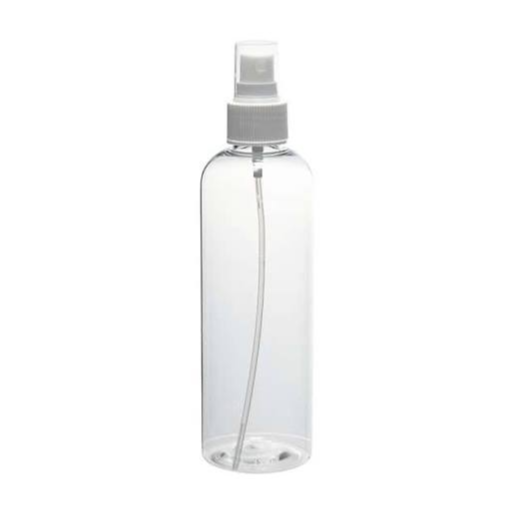
A complete FEA 15 assembly includes:
- The glass bottle with a 15 mm crimp neck.
- A crimp pump or atomizer with a dip tube.
- An aluminum ferrule or collar that is crimped around the pump.
- This is the overcap, a part of the FEA 15 perfume cap visible to the customer.
Typical bottle volumes paired with FEA 15 range from 10 ml up to 50 ml, with some 80 ml designs also using this size. It’s the default choice for fine fragrances, niche scents, and travel-size collections because it balances elegance with practical handling. For both stock or bespoke perfume caps, the FEA 15 standard is the most versatile base design.
When Lila Chen launched her indie fragrance line in 2024, she assumed every 15 mm cap would fit every 15 mm bottle. She learned the hard way that “FEA 15” describes the neck standard, not the cap’s outer dimensions. Her first samples looked beautiful but wobbled on the collar because the inner diameter was slightly off. A quick spec check during sampling would have saved her three weeks and $1,200 in revised prototypes.
FEA 15 vs FEA 18 vs FEA 20: Neck Size Comparison
Selection of neck size is the first step when designing perfume caps. Each FEA size serves a different bottle volume and aesthetic.
| FEA Size | Neck Diameter | Typical Bottle Volume | Common Use Case |
|---|---|---|---|
| FEA 12 | 12 mm | 1–5 ml | Samples, minis, travel atomizers |
| FEA 15 | 15 mm | 10–50 ml | Standard fine-fragrance bottles |
| FEA 18 | 18 mm | 75–125 ml | Full-size designer fragrances |
| FEA 20 | 20 mm | 150 ml+ | Body mists, hair mists, large formats |
You’ll sometimes see an FEA 15 cap referred to as a 15mm perfume cap. The terms mean the same thing: the cap fits a 15 mm crimp-neck bottle.
The transition between FEA 15 and FEA 18 is much more than scaling up or down. A larger neck supports a bigger pump collar and a heavier cap, which can make a 100 ml bottle feel more substantial. However, FEA 15 remains the sweet spot for portability, cost efficiency, and the refined proportions that customers associate with premium perfume. For a deeper technical breakdown of these sizes, see Packamor’s guide to FEA15 vs FEA18 perfume bottle neck sizes.
Pumps, collars, overcaps, and crimping tools are not interchangeable between FEA sizes. When your bottle is of FEA 15, all components in the assembly should be FEA 15, too. Mixing sizes will either leave you with a loose, leaking cap or a cap that will not fit at all.
FEA 15 Perfume Cap Materials: Pros, Cons & Best Uses
The material you choose shapes both the perception and the function of your fragrance. For a broader look at how materials affect longevity and sustainability, see this guide to perfume cap materials from GlassyPack. Here is how the most common options compare.
Zamak (Zinc Alloy) Caps
Zamak, sometimes written Zamac, is a zinc-aluminum-magnesium-copper alloy that has become the gold standard for luxury fragrance caps. A well-made zamak perfume cap is heavy, cold to the touch, and capable of holding intricate detail through die casting. It’s the material that gives many luxury fragrances their signature weight.
Pros:
- Substantial weight that signals premium quality.
- Excellent detail reproduction for logos, patterns, and sculptural shapes.
- Strong corrosion and scratch resistance.
- Takes electroplating, PVD coating, and antique finishes beautifully.
Cons:
- Higher material and tooling cost.
- Heavier shipping weight.
- Longer lead time for custom molds.
Best for: Niche luxury brands, collector’s editions, and fragrances positioned above $80 retail.
When Marcus launched his oud collection, he chose a zamak FEA 15 perfume cap with a gunmetal PVD finish. The 42-gram weight gave the 50 ml bottle a satisfying heft that reviewers mentioned in unboxing videos. Sales of the line exceeded his forecast by 35% in the first quarter.
Aluminum Caps
Aluminum offers a modern, lightweight alternative to zamak. An aluminum perfume cap can be anodized in a wide range of colors and is highly recyclable, making it popular with sustainability-focused brands.
Pros:
- About one-third the weight of zamak, reducing freight costs.
- Excellent corrosion resistance.
- Highly recyclable and eco-friendly.
- A simple yet clean look.
Cons:
- Less heft can feel less luxurious.
- Easier to dent than zamak.
- More limited shape complexity.
Best for: Premium mid-range fragrances, travel sizes, and brands with strong sustainability messaging.
ABS, Surlyn & Acrylic Plastic Caps
Plastic caps are the workhorses of mass-market fragrance packaging. ABS is strong and easily molded. Surlyn offers a glass-like clarity. Acrylic provides transparency at a lower cost than glass.
Pros:
- Lower cost per unit.
- Wide color and shape flexibility.
- Surlyn and acrylic can mimic glass or crystal.
- Compatible with refillable designs.
Cons:
- Can feel lightweight or inexpensive if not weighted.
- Some finishes wear faster than metal.
- Mixed-material caps can complicate recycling.
Best for: Mass-market launches, budget-conscious lines, and refillable systems.
Wood Caps
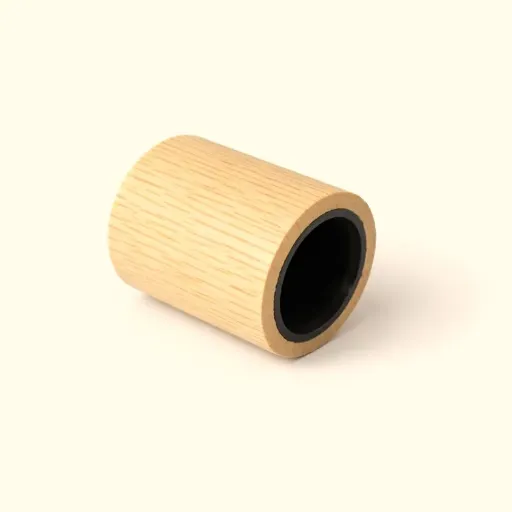
Wood brings warmth, natural variation, and a sustainability story. A wooden perfume cap typically uses a wood shell over an inner plastic or metal fitment to maintain seal integrity. It’s a detail that turns a standard bottle into a storytelling object.
Pros:
- Unique grain pattern on every cap.
- Lightweight and biodegradable.
- Strong artisanal and eco-luxury appeal.
Cons:
- Porous surface can absorb fragrance oils without proper sealing.
- Quality varies with grain and moisture content.
- Often requires a hybrid construction for airtight sealing.
Best for: Niche natural fragrances, eco-conscious brands, and artisanal positioning.
Magnetic Caps
Magnetic closure is a feature rather than a base material, but it deserves its own mention because it has become a hallmark of premium fragrance packaging. A magnetic perfume cap is usually built from zamak, ABS, or aluminum with embedded magnets.
Pros:
- Satisfying click that reinforces quality perception.
- Aids in keeping the cap on straight.
- Adds perceived value on the shelf.
Cons:
- Adds cost and assembly complexity.
- Requires precise magnet placement.
Best for: Luxury and prestige fragrances where unboxing experience drives purchase decisions.
How to Choose the Right FEA 15 Cap for Your Fragrance Brand
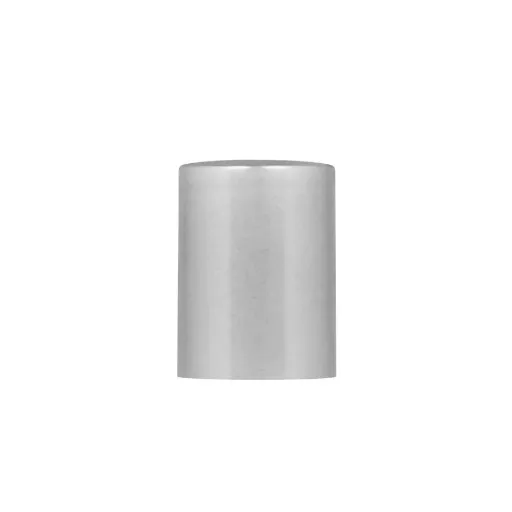
The best cap is not the most expensive one. It is the one that aligns with your brand positioning, bottle design, budget, and sustainability goals.
Start by answering these questions:
- What is your retail price point? A 200fragrancecanjustifyzamakandmagneticclosure.A200fragrancecanjustifyzamakandmagneticclosure.A35 impulse buy may need ABS with a metallic finish.
- What story are you telling? Wood supports natural and artisanal narratives. Aluminum supports modern and recyclable positioning.
- What is your distribution channel? E-commerce shipments benefit from lighter aluminum. In-store luxury counters can handle heavier zamak.
- Do you need refillability? Surlyn, aluminum, and mono-material plastics are easier to recycle and refill.
- What is your annual volume? Custom zamak molds make sense at 10,000+ units. For smaller launches, existing molds in aluminum or ABS keep costs down.
If you are unsure which direction fits your launch, our team can review your bottle specs and brand brief to recommend a cap material and finish that balances cost with impact. Request a free FEA 15 cap consultation and we’ll guide you through the options.
Customization Options for FEA 15 Perfume Caps
Once you select a material, the finish turns a standard cap into a brand asset. Common decoration methods include:
- Electroplating: Deposits a thin metal layer for gold, silver, rose gold, gunmetal, or black nickel effects.
- Anodizing: Used on aluminum to create durable, vibrant colors.
- Spray coating: Applies opaque or translucent color layers.
- UV coating: Adds gloss or matte protection and scratch resistance.
- Hot stamping: Transfers metallic foil for logos or accents.
- Laser engraving: Etches precise, permanent designs without added material.
- Embossing / debossing: Creates raised or recessed texture.
- Silk-screen printing: Adds detailed graphics or brand marks.
Internal fittings are just as important as external aesthetics. The PE or foam liner forms an air seal to keep fragrances from escaping. In case your formula uses high concentrations of alcohol or solvent components, ensure chemical compatibility between gaskets and product.
Sourcing FEA 15 Perfume Caps: What Buyers Need to Know
The world perfume and fragrance packaging market will reportedly grow to be worth about $24.71 billion by 2035, says Towards Packaging. FEA 15 perfume caps are made mostly in China, India, and Europe. MOQs, lead times, and capabilities vary widely, so it pays to compare suppliers carefully.
Typical MOQs
- Low MOQ: 100–500 pieces for resin or stock aluminum caps.
- Mid-range: 1,000–3,000 pieces for custom zamak or wood designs using existing molds.
- Bulk OEM: 10,000+ pieces for fully custom plastic or metal caps with new molds.
Lead Times
- Sampling: 1–3 weeks.
- Mold development: 2–6 weeks for custom designs.
- Production: 3–6 weeks after sample approval.
- Shipping: 1–5 weeks depending on method and destination.
Certifications to Request
- ISO 9001 for quality management.
- REACH and RoHS for chemical safety.
- FSC certification if you choose wood.
- CoA (Certificate of Analysis) for fragrance compatibility testing.
Red Flags
- A supplier who cannot provide a detailed spec sheet with inner diameter, outer diameter, height, and weight.
- No sample policy or unwillingness to send physical samples.
- Vague answers about collar compatibility or dip-tube length.
- Prices that seem far below market without explanation.
At Fuzhou Longlu Packaging Co., Ltd., we guide brands through sampling, material selection, and production so the final FEA 15 perfume cap matches both the bottle and the brand vision. Our custom packaging solutions cover everything from cap design to global delivery.
Common Mistakes to Avoid When Ordering FEA 15 Caps
Even experienced buyers make these errors. Avoid them and you will save time, money, and reputation.
- Confusing FEA size with cap outer dimensions. FEA 15 only guarantees neck fit. The cap’s height, diameter, and weight still need to match your bottle proportions.
- Skipping the sample stage. A render can hide fit issues. Always test the physical cap on your actual bottle and pump.
- Ignoring the inner collar diameter. Many FEA 15 caps fit over a 17.2 mm pump collar. Verify this dimension with both your cap and pump suppliers.
- Choosing material by cost alone. A cheap cap on a luxury bottle creates cognitive dissonance for customers.
- Forgetting sustainability regulations. EU PPWR requirements are pushing brands toward refillable, recyclable, and mono-material designs.
- Neglecting dip-tube length. A tube that is too short wastes product. A tube that is too long kinks and blocks flow.
FAQ: FEA 15 Perfume Cap Questions Answered
What does FEA 15 mean on a perfume bottle?
FEA 15 means the bottle has a 15 mm crimp-neck finish designed to accept a matching atomizer, collar, and overcap. It is the most common size for fine-fragrance bottles from 10 ml to 50 ml.
Are FEA 15 caps interchangeable with FEA 18 or FEA 20 caps?
No. Pumps, collars, overcaps, and crimping tools are sized to a specific FEA standard. You cannot use an FEA 18 cap on an FEA 15 bottle.
What is the most luxurious material for a perfume cap?
Zamak (zinc alloy) is widely considered the most luxurious material because of its heavy weight, durability, and ability to hold intricate detail. Magnetic closures further elevate the unboxing experience.
Can wooden perfume caps protect fragrance from evaporation?
Wood alone is porous, so most wooden FEA 15 caps use a plastic or metal inner fitment to create an airtight seal. Always confirm the inner construction with your supplier.
What MOQ should I expect for custom FEA 15 perfume caps?
MOQs range from 100 pieces for stock designs to 10,000+ pieces for fully custom OEM caps. Existing molds and simpler materials like aluminum or ABS typically have lower minimums than custom zamak.
How do I know if a cap will fit my bottle?
Request the supplier’s spec sheet and a physical sample. Confirm the inner diameter matches your pump collar, the height suits your bottle proportions, and the dip-tube length reaches the bottom of the bottle.
Conclusion
The FEA 15 perfume cap is more than a functional closure. It is the first physical touchpoint between your customer and your fragrance. Choosing the right material, finish, and supplier ensures that touchpoint feels intentional, premium, and aligned with your brand story.
Start with the FEA standard, match the material to your positioning, and never skip the sample stage. Whether you need the heavy luxury of zamak, the modern sustainability of aluminum, or the natural warmth of wood, the right cap turns a bottle into an experience.
At Fuzhou Longlu Packaging Co., Ltd., we help fragrance brands design and produce custom FEA 15 perfume caps that protect product integrity and elevate shelf appeal. Contact our team today for a free quote, sample, or design consultation.