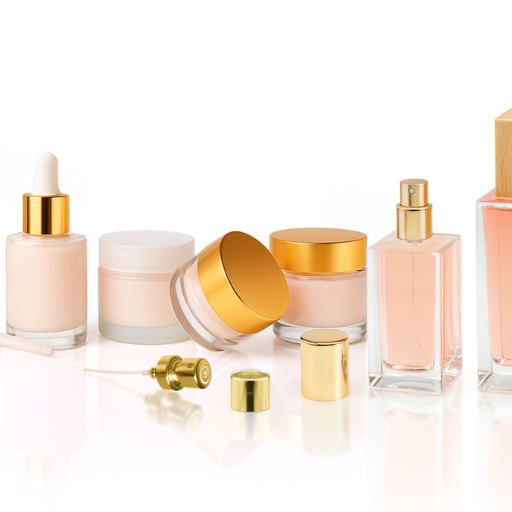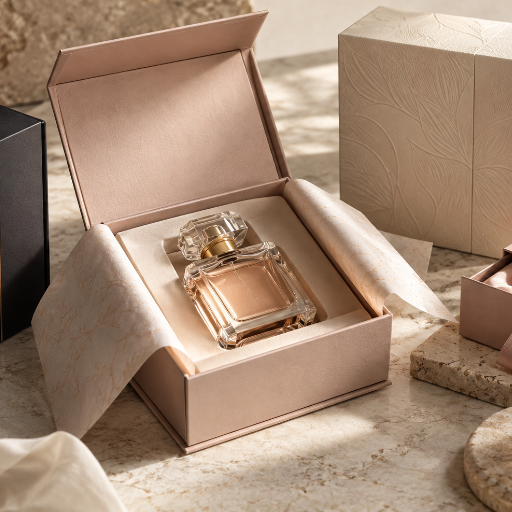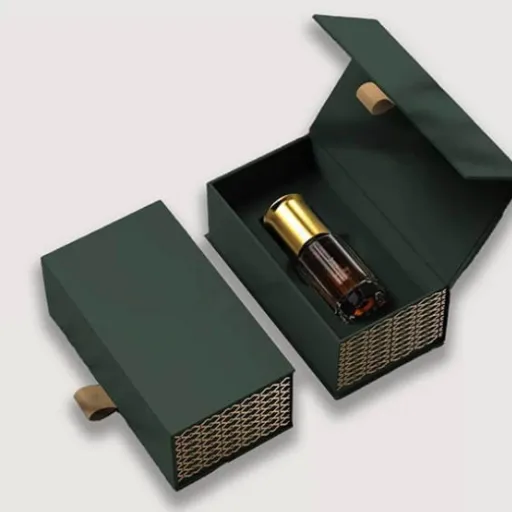
Custom perfume packaging is the integrated system of bottles, boxes, caps, inserts, and labels that protects your fragrance while communicating your brand identity at every touchpoint. For growing fragrance brands, the right packaging can mean the difference between a product that sits on shelves and one that customers can’t wait to unbox, photograph, and share.
Here’s the challenge: the global perfume packaging market reached $3.96 billion in 2026, and the bespoke segment is growing at 12.4% annually. That growth brings an overwhelming number of material choices, design trends, supplier options, and pricing tiers. Most brands get stuck somewhere between a Pinterest board of luxury packaging dreams and a spreadsheet of daunting minimum order quantities.
When Elena launched her indie fragrance line in Barcelona last spring, she faced exactly that paralysis. She wanted refillable glass bottles with FSC-certified rigid boxes, soft-touch lamination, and gold foil embossing. Her first quote came back at 28perunitwitha5,000−pieceminimum.Sixmonthslater,afterrethinkingherapproach,shelaunchedwithstunningpackagingat28perunitwitha5,000−pieceminimum.Sixmonthslater,afterrethinkingherapproach,shelaunchedwithstunningpackagingat6.50 per unit and a 500-unit MOQ. This guide covers everything she learned along the way, updated with the latest 2026 market intelligence.
By the end of this article, you will understand current design trends, material options, realistic cost ranges, minimum order quantities, and how to evaluate a supplier who can actually deliver what they promise.
Key Takeaways
- Custom perfume packaging encompasses bottles, boxes, caps, inserts, and labels as an integrated system, with the global market valued at $3.96 billion in 2026.
- Entry-level custom packaging starts at 2−6perunitwithMOQsaslowas50−100piecesforfoldingcartons,whileluxurytiersrangefrom2−6perunitwithMOQsaslowas50−100piecesforfoldingcartons,whileluxurytiersrangefrom18-60+ per unit.
- Sustainability, smart packaging (NFC/QR), personalization, and refillable systems are the dominant trends shaping 2026 fragrance packaging.
- Glass dominates at ~62% of packaging units, but PCR recycled glass, bamboo, and agricultural fiber alternatives are gaining market share.
- Supplier assessment involves asking questions related to sampling abilities, delivery times, inspection procedures, and certification prior to placing an order.
What is Custom Perfume Packaging?
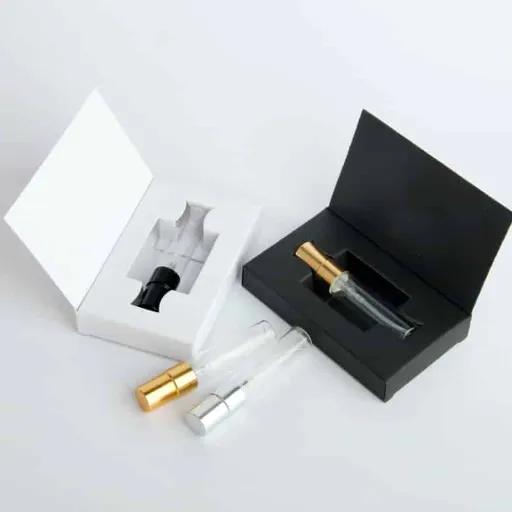
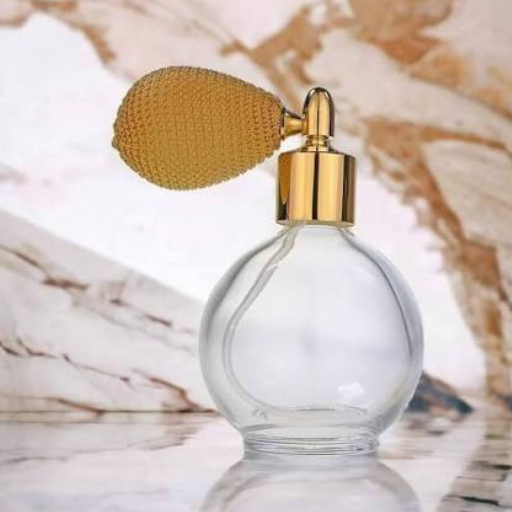
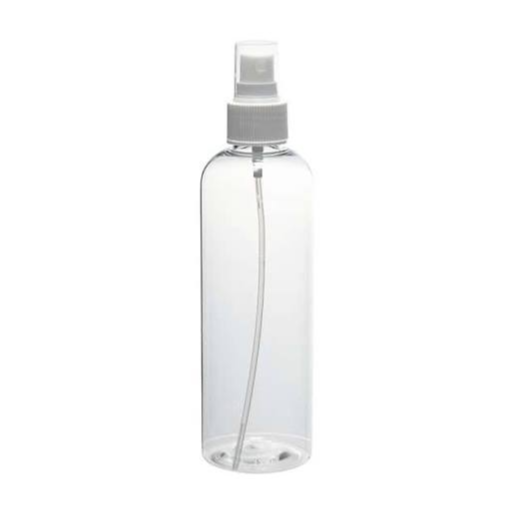
Custom perfume packaging is much more than just a box for the bottle. It is the complete physical experience your customer has with your brand before they ever smell the fragrance inside. This includes the primary container (glass bottle), the closure (cap or sprayer), the secondary packaging (box or sleeve), any protective inserts, and the labels or printing that carry your branding.
Stock packaging is what you buy off the shelf. It is faster, cheaper, and requires no tooling. But it also looks like hundreds of other brands. Custom perfume packaging gives you proprietary shapes, sizes, colors, finishes, and structural designs that no competitor can replicate.
The market for this level of customization is expanding rapidly. According to Fortune Business Insights, the global perfume packaging market reached 3.96billionin2026andisprojectedtogrowata7.183.96billionin2026andisprojectedtogrowata7.184.52 billion. Behind those numbers is a simple truth: consumers judge fragrances by their packaging before they ever spray them.
Components of a Complete Perfume Packaging Set
A fully custom perfume packaging system typically includes five elements:
- Glass bottle — The primary container, available in clear, frosted, amber, or UV-coated glass. Custom options include proprietary mold shapes, spray coating, and screen-printed decoration.
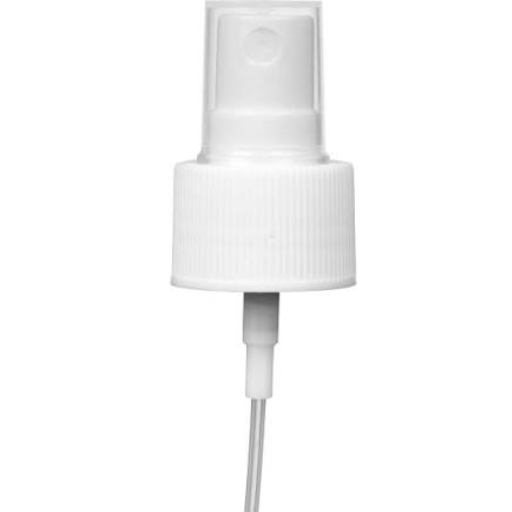
- Cap or closure — zamac alloy, aluminum, wood, ceramic, or bi-resin. It is the first physical contact point for the consumer.
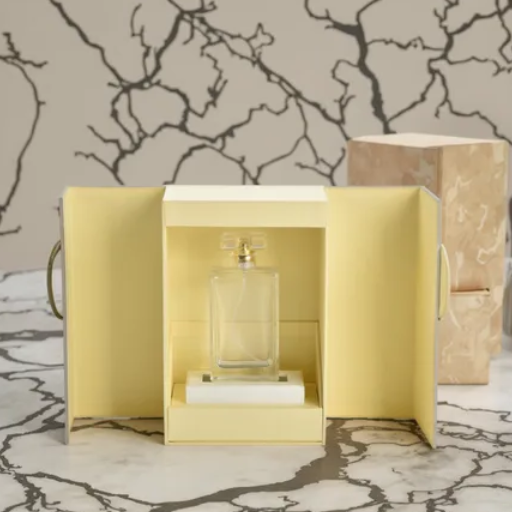
- Outer box — Rigid setup boxes, folding cartons, drawer-style sleeves, or magnetic closure designs. This protects the bottle and creates the unboxing moment.
- Insert — EVA foam, velvet, molded pulp, or cardboard cutouts that hold the bottle securely in place.
- Labels and printing — Paper labels, direct screen printing, or hot foil stamping that carries your brand name, logo, and fragrance information.
When these five elements work together, they create what packaging designers call “sensory coherence” — every material, texture, and visual detail reinforces the same brand story.
2026 Perfume Packaging Design Trends
The fragrance industry moves fast. What looked innovative in 2024 looks standard today. Here are the six trends defining custom perfume packaging in 2026, based on market analysis from Jarsking’s 2026 trend report and cross-industry intelligence from WGSN and Coloro.
Sustainability-First Design
Sustainability is no longer a premium add-on. It is the minimum requirement. According to recent market research, 62% of luxury consumers are willing to pay more for environmentally friendly perfume packaging, and sustainable products in the beauty sector are growing 2.7 times faster than conventional alternatives.
What this looks like in practice:
- Refillable bottles with standardized neck sizes (SNI 15mm and 18mm) that allow customers to purchase refills instead of replacement bottles
- FSC-certified paperboard for outer boxes, ensuring responsible forest management
- Mono-material construction where the entire package uses one material type, making recycling straightforward
- PCR (post-consumer recycled) glass that reduces virgin material use without compromising clarity
- Biodegradable inserts made from molded pulp instead of petroleum-based foams
Minimalist and Texture-First Aesthetics
Loud graphics and heavy ornamentation are giving way to quiet confidence. The 2026 color palette reflects this shift: WGSN and Coloro named Transformative Teal the Colour of the Year, signaling clean innovation and eco-luxury, while Cloud Dancer whites create calm, whitespace-led architecture.
Tactile finishes are replacing visual noise:
- Soft-touch lamination creates a velvety surface that invites touch
- Blind embossing and debossing add dimension without metallic flash
- Matte coatings reduce glare and communicate understated sophistication
- Raw material exposure — uncoated kraft paper, visible fiber textures, natural wood grains
The team at a Stockholm-based niche house took this approach literally. They eliminated all printed graphics from their outer boxes, using only blind-embossed logos on unbleached kraft board with a cotton rope closure. The packaging costs 30% less than their previous glossy folded carton, and customer feedback scores for “premium feel” increased by 18%.
Smart and Connected Packaging
Technology is entering the fragrance category in subtle but powerful ways. NFC chips embedded in caps or box interiors can verify authenticity, which matters in a market where counterfeit fragrances cost the industry billions annually. QR codes printed on the base of bottles can link to batch-specific ingredient sourcing, storytelling videos, or reorder pages.
More advanced applications include Bluetooth-enabled caps that track usage and send refill alerts via smartphone apps. While still emerging, these features are already being deployed by major houses for their loyalty programs.
Personalization and Modular Design
Digital printing technology has made small-batch customization economically viable. Brands can now offer:
- Engraved caps with customer initials or messages
- Custom color capsules for limited editions
- Regional variants without traditional tooling waste
- On-demand printing for influencer collaborations or seasonal releases
Louis Vuitton opened a dedicated perfume atelier where customers personalize bottles with engraving and select from custom gift box options. Jo Malone and Dior offer similar services for caps and packaging. These programs work because they transform a transactional purchase into an emotional event.
Compact and Travel-Ready Formats
The 5ml to 10ml segment is witnessing the fastest growth, driven by travel convenience and TSA compliance. Perfume pens, rollerball vials, and portable atomizers are expanding the category beyond traditional 50ml and 100ml formats.
For packaging designers, this means creating systems where the same brand identity works across multiple sizes without losing recognizability. It also means designing secondary packaging that protects smaller formats during e-commerce shipping.
Sculptural and 3D-Printed Forms
Three-dimensional printing is lowering the barrier for custom cap and decorative element production. For limited editions and collaboration pieces, brands can produce highly customized shapes without the $10,000+ investment in traditional steel molds.
Bold geometric shapes, asymmetrical forms, and artistic contours are rising to meet collectible demand, which is growing 4-5% annually. Houses like Guerlain and Buly 1803 have long used sculptural bottles as brand signatures. Now smaller brands can access similar impact through digital manufacturing.
How to Choose the Right Materials for Perfume Packaging
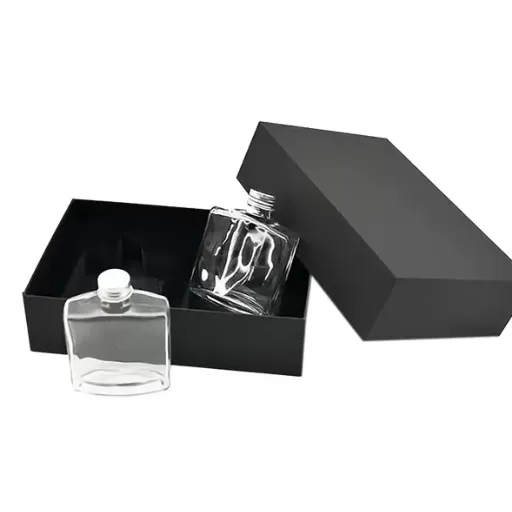
Material selection determines how your fragrance feels in a customer’s hands, how it survives shipping, and how it aligns with your brand values. Here is a practical breakdown of the options available in 2026.
Glass Bottles
Glass remains the dominant material for perfume packaging, accounting for approximately 62% of all units. It communicates premium quality, protects fragrance integrity from light and air, and is infinitely recyclable.
Clear glass is the standard. It shows off the liquid color and requires the lowest investment.
Frosted glass adds diffusion and softness. It can be achieved through acid etching, sandblasting, or spray coating.
Amber or UV-coated glass protects light-sensitive formulations. This matters for natural perfumes with high concentrations of essential oils.
PCR recycled glass uses post-consumer material, reducing virgin resource consumption. The visual difference from standard glass is minimal, and the sustainability story resonates strongly with consumers.
The weight of the glass matters too. A 100ml bottle can range from 80 grams (lightweight) to 250+ grams (heavy, luxury feel). Heavier glass increases material and shipping costs but creates a perception of value that many premium brands leverage.
Outer Box Materials
The outer box is where most brands have the greatest flexibility for customization at reasonable minimums.
Rigid setup boxes (also called set-up boxes or gift boxes) use thick paperboard glued together to create a sturdy structure. They feel substantial, support premium finishing techniques, and create the most impressive unboxing experience. Minimum order quantities typically start at 500 units.
Folding cartons are printed flat and folded into shape. They cost less, ship flat (reducing storage volume), and can start at MOQs of 50-100 units with digital printing. They work well for entry-level and mid-range positioning.
Kraft paperboard offers an eco-conscious aesthetic with natural fiber visibility. It pairs beautifully with minimalist branding and soy-based inks.
Corrugated outer shippers protect the primary packaging during e-commerce transit. These are functional rather than decorative but can be printed with brand elements for a cohesive experience.
Sustainable Alternatives
Beyond recycled content, several innovative materials are entering the fragrance packaging supply chain:
- Bamboo for caps and box accents. Fast-growing and biodegradable.
- Agricultural byproduct fibers — wheat straw, bagasse, or hemp — molded into trays and inserts.
- Molded pulp replaces plastic and foam inserts. It is compostable and can be shaped to fit bottles precisely.
- Bio-resins for plastic components. Dior has explored bio-based PEF polyester with Avantium as a petroleum alternative.
Decoration Techniques
How your brand appears on the packaging is as important as the packaging itself:
Hot foil stamping applies metallic foil (gold, silver, rose gold, holographic) under heat and pressure. It creates a reflective, premium effect.
Embossing raises the design above the surface. Debossing presses it below. Both add tactile dimension without color.
Screen printing applies ink directly to glass or paperboard. It offers excellent durability and color saturation.
Digital printing requires no plates, making it ideal for small runs and variable data (personalized labels, regional variants).
Spot UV coating adds a glossy highlight to specific areas, creating contrast against matte backgrounds.
Soft-touch lamination applies a film that feels like velvet. It is immediately noticeable and memorable.
Custom Perfume Packaging Costs and MOQs: A Startup Guide
This is where most research stops and frustration begins. Competitors love talking about trends and materials. Almost none publish actual numbers. Here is what you can realistically expect when budgeting for custom perfume packaging in 2026.
Budget Tiers by Brand Stage
Entry Level: $2-6 per unit
This tier uses stock bottles with custom labels, folding cartons with digital printing, and standard caps. It is the starting point for most indie perfumers and private-label brands. At this level, you are customizing the graphics and box, not the bottle shape itself.
Mid-Range: $6-18 per unit
Here you add custom bottle decoration (screen printing or spray coating), rigid setup boxes with foil stamping or embossing, and upgraded cap materials (aluminum or Zamac). This tier suits established indie brands and mid-size fragrance houses.
Luxury: $18-60+ per unit
Fully custom bottle molds, proprietary cap designs, rigid boxes with magnetic closures, velvet or leather inserts, and multiple finishing techniques. This is the territory of established niche and luxury brands.
When Marcus, a perfumer based in Austin, priced his first run, he assumed custom meant luxury. His quote for fully custom molds came in at 42perunitwitha3,000−pieceminimum.Byswitchingtostockbottleswithcustomscreenprintingandrigidboxeswithsoft−touchlamination,helandedat42perunitwitha3,000−pieceminimum.Byswitchingtostockbottleswithcustomscreenprintingandrigidboxeswithsoft−touchlamination,helandedat8.75 per unit with a 500-piece minimum. The packaging still looks and feels premium, but he preserved enough budget for marketing.
MOQ Breakdown by Component
| Component | Typical MOQ | Notes |
|---|---|---|
| Stock glass bottles | 100-1,000 | Lower with domestic distributors |
| Custom bottle molds | 3,000-10,000 | Plus $5,000-15,000 mold cost |
| Folding cartons | 50-500 | Digital printing enables low MOQs |
| Rigid setup boxes | 500-1,000 | Higher with complex inserts |
| Standard caps | 500-2,000 | Zamac caps often higher |
| Custom cap molds | 3,000-5,000 | Plus $3,000-8,000 mold cost |
| Labels | 100-1,000 | Highly variable by printer |
| Screen printing on bottles | 1,000-3,000 | Setup fees apply |
Hidden Costs to Budget For
The per-unit price is never the whole story. Plan for these additional expenses:
- Mold fees: $3,000-15,000 for custom bottle or cap shapes
- Plate charges: $200-800 per color for offset printing
- Prototype sampling: $100-500 per round depending on complexity
- Compliance testing: $500-2,000 for fragrance stability, compatibility, and shipping tests
- Shipping and duties: 15-25% of product cost for international orders
- Storage: Warehousing costs if you cannot receive a full container at once
Cost-Saving Strategies for Small Brands
- Use stock bottles with custom decoration rather than custom molds. The visual impact is 80% there at 20% of the cost.
- Start with folding cartons and upgrade to rigid boxes as volume grows.
- Consolidate suppliers to reduce shipping costs and simplify quality control.
- Order components in stages rather than all at once. Start with bottles and labels, add custom boxes in your second production run.
- Choose digital printing for small runs instead of offset, which requires plate setup fees.
E-Commerce and Shipping Considerations for Perfume Packaging
Online fragrance sales are surging, and that changes how packaging must perform. A box that looks beautiful on a retail shelf must also survive a 3-foot drop onto a concrete porch.
Durability for Transit
Glass bottles need protection. The most effective solutions include:
- EVA foam inserts custom-cut to cradle the bottle and prevent movement
- Corrugated shippers with die-cut compartments that hold the primary box
- Magnetic closure rigid boxes that stay closed without additional sealing
- Pressure-sensitive labels that won’t peel in temperature extremes
Dimensional Weight Optimization
Shipping carriers charge by dimensional weight — the package volume, not just its actual weight. Oversized rigid boxes with thick inserts can double your shipping costs without adding protection value.
Work with your packaging supplier to design boxes that fit your bottle precisely. Eliminate unnecessary air space. Consider foldable or collapsible designs that reduce outbound shipping volume before assembly.
Regulatory Notes
The EU Packaging and Packaging Waste Directive continues to tighten requirements for recyclable materials and reduced packaging waste. If you sell into Europe, your packaging must comply with Extended Producer Responsibility (EPR) regulations.
In the United States, the FDA regulates cosmetic labeling but does not pre-approve packaging. However, alcohol-based fragrances face shipping restrictions through most carriers, requiring ground transport and specific hazmat labeling depending on concentration.
How to Evaluate a Custom Perfume Packaging Supplier
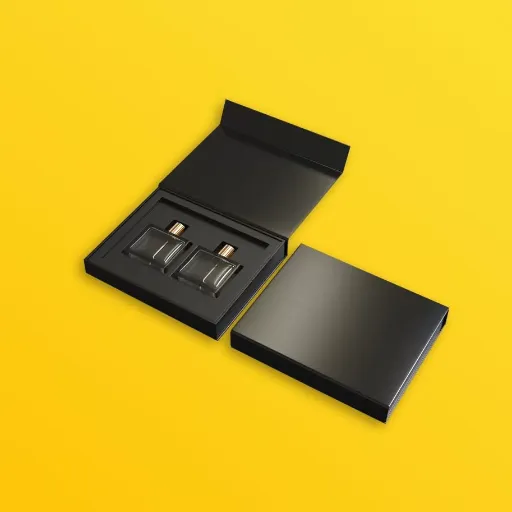
Choosing the wrong supplier can cost months, thousands of dollars, and your brand reputation. Here is what to look for and what to avoid.
What to Ask Before You Order
Can you provide physical samples before production? Any supplier who refuses or charges excessively for prototypes is a red flag. You need to hold the materials, test the fit, and verify the finish before committing to thousands of units.
What is your typical lead time, and what is your track record for meeting it? Standard lead times range from 4-8 weeks for stock-based orders and 10-16 weeks for fully custom projects. Ask for references from brands similar to yours.
What quality inspection processes do you use? Look for suppliers who conduct incoming material inspection, in-process checks, and pre-shipment sampling. Ask for their acceptable quality limit (AQL) standards.
What certifications do you hold? ISO 9001 (quality management), FSC chain-of-custody (responsible forestry), and ISO 14001 (environmental management) are the most relevant for packaging.
Can you handle the full package, or only certain components? Working with one supplier for bottles, boxes, and caps simplifies logistics. If you must use multiple suppliers, ask who will coordinate assembly.
Red Flags to Avoid
- Unrealistic promises: A supplier claiming 2-week turnaround on fully custom rigid boxes is either cutting corners or misleading you.
- No physical address or facility photos: Legitimate manufacturers welcome video calls and facility tours.
- Vague about materials: If they cannot tell you the GSM of their paperboard or the origin of their glass, look elsewhere.
- Pressure to order immediately: Good suppliers encourage sampling and small test runs.
- No quality agreement: Always document your specifications, tolerances, and acceptance criteria in writing.
Sampling and Prototyping Best Practices
Order samples from 2-3 suppliers before making a decision. Test those samples rigorously:
- Drop the packaged bottle from waist height onto a hard surface
- Leave it in a hot car or cold garage for 24 hours
- Ship a sample to yourself through standard postal service
- Spray the fragrance onto the label area to test ink adhesion
- Have multiple people handle it and give first-impression feedback
The cost of three sample sets is minor compared to the cost of a 1,000-unit production run that fails in the real world.
Frequently Asked Questions
What is custom perfume packaging?
Custom perfume packaging is the complete system of branded containers and materials used to present, protect, and sell a fragrance product. It includes the primary glass bottle, cap or closure mechanism, secondary outer box, protective inserts, and all printed branding elements. Unlike stock packaging, custom packaging uses proprietary shapes, sizes, colors, and finishes specific to one brand.
How much does custom perfume packaging cost?
Custom perfume packaging typically ranges from 2to2to60+ per unit depending on materials, complexity, and order volume. Entry-level packaging with stock bottles and folding cartons starts at 2−6perunit.Mid−rangepackagingwithrigidboxesandupgradedfinishesruns2−6perunit.Mid−rangepackagingwithrigidboxesandupgradedfinishesruns6-18 per unit. Luxury packaging with custom molds and premium materials starts at 18perunitandcanexceed18perunitandcanexceed60 for highly elaborate designs.
Why is custom perfume packaging important?
Custom perfume packaging influences purchase decisions before a customer ever smells the fragrance. Studies show that 72% of consumers say packaging design affects their buying behavior. For fragrance specifically, packaging communicates brand positioning, protects fragile glass bottles, enables regulatory compliance, and creates the unboxing experience that drives social sharing and repeat purchases.
Can I get eco-friendly custom perfume packaging?
Yes. Eco-friendly options include PCR recycled glass bottles, FSC-certified paperboard boxes, biodegradable molded pulp inserts, bamboo or agricultural fiber components, and soy-based or water-based printing inks. Many suppliers now offer mono-material construction for easier recycling. The sustainable packaging industry in the beauty industry is growing 2.7 times faster than traditional one.
What is the minimum order quantity for custom perfume packaging?
Minimum order quantities vary by component. Folding cartons with digital printing can start at 50-100 units. Stock bottles typically require 100-1,000 pieces. Rigid setup boxes generally start at 500 units. Fully custom bottle or cap molds require 3,000-10,000 units plus mold fees of $3,000-15,000. Working with a flexible manufacturer can help startups access lower minimums through consolidated production.
Conclusion
Custom perfume packaging sits at the intersection of art, engineering, and business strategy. The right packaging protects your product, communicates your brand values, and creates the emotional moment that turns first-time buyers into loyal customers.
The five key takeaways from this guide:
- Custom perfume packaging is a system, not a single item. Every component from bottle to box should work together.
- Sustainability is now baseline, not premium. FSC certification, recycled content, and refillable formats are what customers expect.
- Costs range from $2-60+ per unit, and smart material choices can cut expenses without cutting quality.
- Sampling is non-negotiable. Always test physical prototypes before committing to production.
- Supplier evaluation matters as much as design. The best packaging concept fails if the manufacturer cannot execute it consistently.
The fragrance market is growing, competition is intensifying, and packaging is one of the most powerful tools you have to stand out. Whether you are launching your first scent or expanding an established line, investing time in your packaging strategy pays dividends in brand perception, customer retention, and ultimately, sales.
If you are ready to explore custom perfume packaging for your brand, contact our team at Fuzhou Longlu Packaging for a free consultation and sample quote. We specialize in helping fragrance brands of all sizes find the right balance of quality, sustainability, and cost.