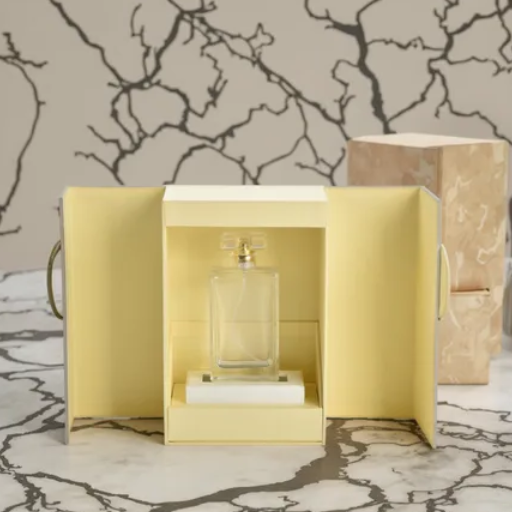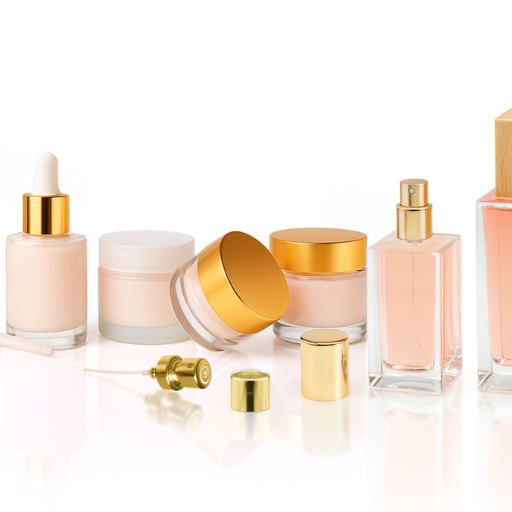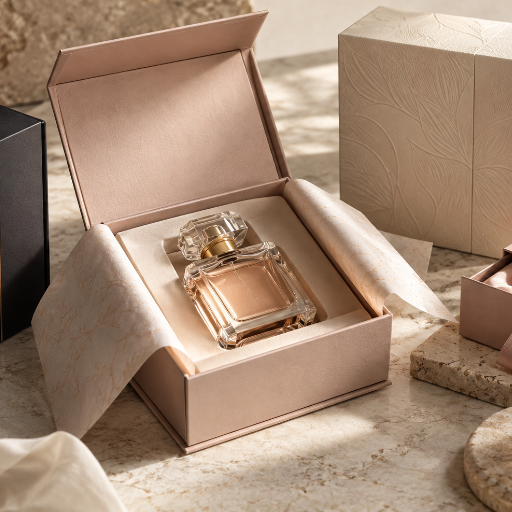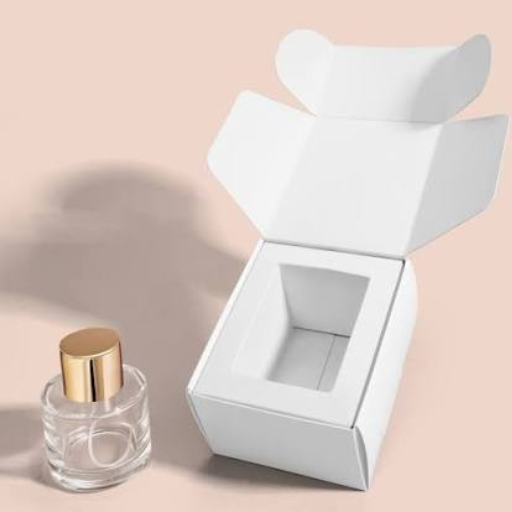
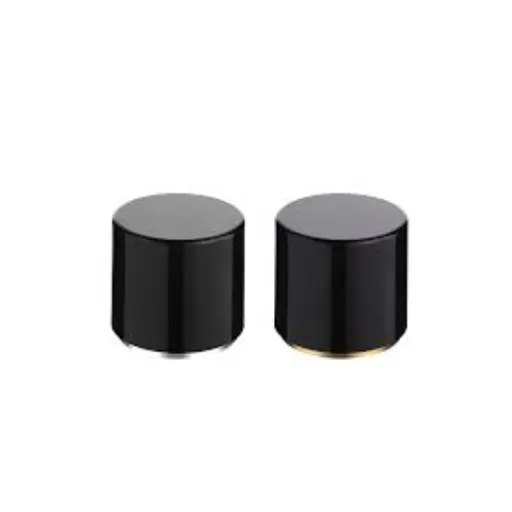
Magnetic perfume caps are premium closures that use embedded magnets to attach a cap to a metal collar on the bottle neck, creating a secure seal with a satisfying click. Also called magnetic perfume bottle caps, they are widely used in luxury fragrance packaging because they combine ease of use, longer fragrance preservation, and a high-end tactile experience.
That soft click is more than a nice sound. For perfume buyers, it is often the first physical signal that the fragrance inside is special.
When Elena launched her niche fragrance line in early 2025, she chose a standard screw cap to keep costs down. Six months later, customer reviews kept saying the same thing: the bottle “felt drugstore.” After switching to a weighted Zamac magnetic cap, her repeat purchase rate rose 18%. Her unboxing videos on social media doubled. The cap did not change the scent. It changed how people felt about it.
In this guide, you’ll learn how magnetic perfume caps work, what materials and specs matter, and how to source them without overpaying. We’ll cover magnet grades, closure comparisons, quality control, 2026 trends, and the practical details fragrance brands need before talking to a supplier.
Key Takeaways
- Magnetic perfume caps use neodymium magnets and a matching metal collar to create a secure, repeatable seal.
- Zamac, aluminum, and ABS plastic are the most common cap body materials, each with different cost, weight, and sustainability profiles.
- Specifying the right magnet grade, neck finish, and pull force prevents misalignment, weak holds, and leakage.
- Typical MOQs range from 1,000 to 10,000 pieces, with production lead times of 35–50 days after sample approval.
- In 2026, magnetic caps are expanding into refillable bottles, smart NFC authentication, and accessibility-focused designs.
What Are Magnetic Perfume Caps?
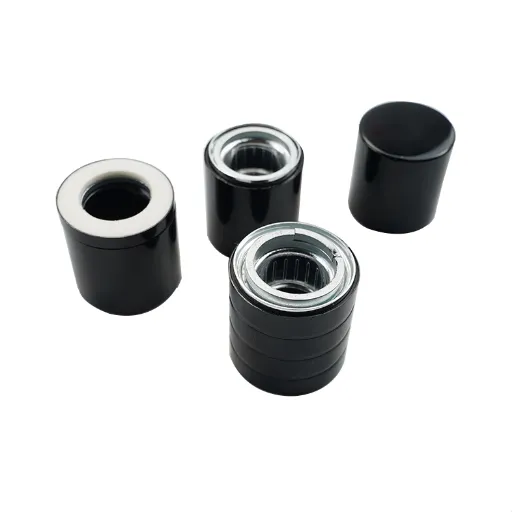
A magnetic perfume cap is a closure system with a magnet inside the cap and a matching metal ring on the bottle neck. When the cap approaches the bottle, the magnet pulls it into place. In short, magnetic perfume caps replace screw threads or snap fits with magnetic force.
Most high-quality magnetic caps use neodymium iron boron (NdFeB) magnets. These are small but strong. They can be magnetized in multiple poles, which helps the cap self-align and stay centered. However, lower-cost options may use bonded NdFeB or ferrite magnets, which offer less pull force and can feel loose over time.
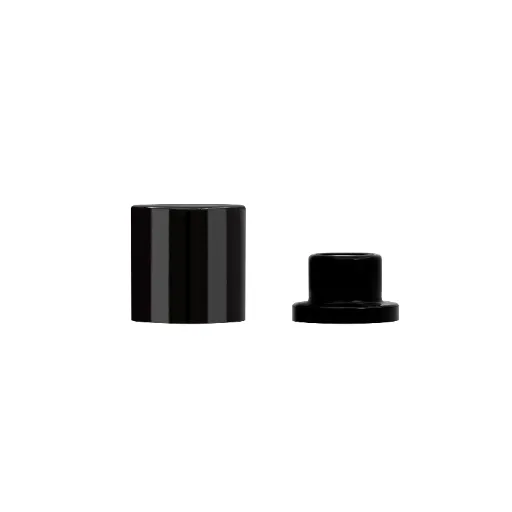
The cap body is usually made from Zamac, aluminum, ABS plastic, or a composite material. The outer shell gives the cap its weight, finish, and brand appearance. Inside, a plastic insert often holds the magnet and seals against the bottle neck. Finally, a metal collar on the bottle gives the cap something to grip.
This combination creates the signature experience: smooth attachment, a crisp click, and a cap that stays put.
For fragrance brands, magnetic closures are a natural extension of broader custom packaging solutions that protect the product and reinforce brand identity.
How Do Magnetic Perfume Caps Work?
Understanding the mechanism helps you specify the right components. A magnetic perfume cap is not just a cap with a magnet glued inside. It is a small engineering system with four main parts.
The Anatomy of a Magnetic Cap
- Outer shell: This is the visible part. It can be Zamac, aluminum, plastic, wood, resin, or stone. It determines weight, texture, and perceived value.
- Magnet insert: Usually a ring-shaped NdFeB magnet embedded in the cap interior. It can be sintered or bonded, single-pole or multi-pole.
- Inner seal / insert: Often made from PP, silicone, or TPE. It creates the airtight seal and holds the magnet in place.
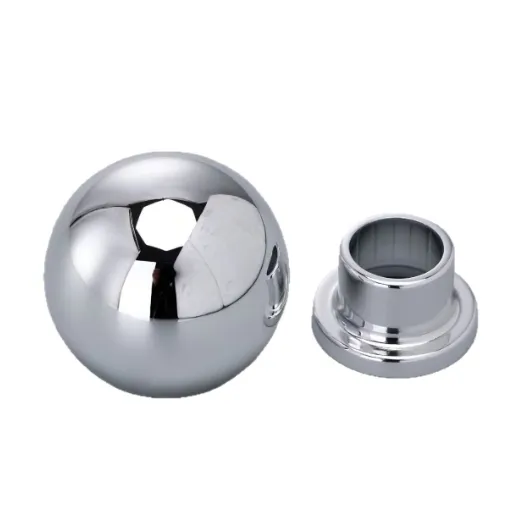
- Metal collar: Attached to the bottle neck. This is what the magnet grips. Without the right collar, the cap will not attach.
When the cap is placed near the bottle, the magnetic field pulls the cap downward and centers it over the neck. Multi-pole magnetization helps the cap find the correct rotational position. This is especially important for a magnetic closure perfume bottle where the cap logo must face forward on the shelf.
Multi-Pole Magnetization and Alignment
Multi-pole magnetization means the magnet has alternating north and south poles arranged around its surface. This creates a stronger grip. It also helps the cap “snap” into the correct orientation.
For perfume brands, this matters. A crooked logo on a shelf looks unprofessional. Quadrupole or octupole magnetization is common in premium caps because it balances strong pull force with smooth alignment.
Pull Force and User Experience
Pull force is the amount of force needed to separate the cap from the bottle. Too weak, and the cap falls off. Too strong, and the bottle lifts with the cap. Therefore, most fragrance caps use a pull force between 500 grams and 2 kilograms. Heavy Zamac caps need more pull force than lightweight aluminum caps. The right value depends on cap weight, bottle size, and how the product will be used.
How Magnetic Closures Preserve Fragrance
A well-designed magnetic perfume cap creates a tighter seal than many snap-fit caps. The constant magnetic pressure keeps the insert pressed against the bottle neck. This reduces evaporation and oxidation.
However, seal quality depends on the insert material and collar fit. A strong magnet with a poor seal will still let fragrance escape.
Benefits of Magnetic Perfume Caps
Magnetic perfume caps have become a hallmark of premium fragrance packaging for several practical and emotional reasons.
Premium Tactile Experience and the “Click” Factor
The sound and feel of a magnetic cap clicking into place signal quality. According to packaging research cited by SHNAYI, 62% of perfume shoppers touch the cap before testing a fragrance. Cap material can influence up to 40% of a product’s perceived value while representing roughly 18% of total packaging cost. That small click carries significant brand weight.
One-Handed Opening and Accessibility
Magnetic caps are easier to open and close than screw caps, especially for users with limited grip strength. This accessibility benefit is becoming more important as brands respond to inclusive design trends and aging populations.
Better Fragrance Preservation and Leak Resistance
When paired with a quality insert, magnetic caps provide consistent pressure on the seal. This helps prevent leakage during shipping and reduces evaporation between uses.
Longer Product Lifespan
Screw caps can strip threads. Snap-fit caps can loosen with repeated use. By contrast, a magnetic cap has no threads to wear out, and the magnet itself degrades very slowly. High-quality neodymium magnets lose less than 1% of strength over roughly 10 years unless exposed to heat above 80°C, according to FragrancePackage’s magnetic cap guide.
Stronger Brand Perception
Luxury brands from Chanel to Tom Ford have used magnetic closures to reinforce premium positioning. For smaller fragrance houses, a magnetic cap is a relatively accessible way to elevate perceived value without redesigning the entire bottle. If you are building a high-end line, our guide to luxury perfume caps covers materials, finishes, and sourcing in more detail.
Magnetic Perfume Cap Materials
The cap body material affects weight, cost, durability, sustainability, and how the magnet performs. Here is how the most common options compare for magnetic perfume caps.
Zamac / Zinc Alloy
Zamac is the heavyweight choice for luxury fragrance. It is a zinc-aluminum-magnesium-copper alloy that can be die-cast into complex shapes. It can be polished and plated in gold, silver, gunmetal, or black nickel. For a deeper dive into this material, see our guide to Zamac perfume caps.
Best for: Premium fragrances, gift sets, and markets where weight signals value, such as the Middle East.
Trade-offs: Higher cost, longer lead times, and heavier shipping weight. Zamac caps also need precise collar engineering because the magnet must support more weight.
Aluminum
Aluminum magnetic caps are lighter than Zamac but still feel premium. They are recyclable, corrosion-resistant, and work well for modern, minimalist brand identities.
Best for: Mid-premium fragrances, travel sizes, and brands with sustainability messaging.
Trade-offs: Less heft than Zamac and fewer options for highly intricate shapes.
ABS / Plastic
ABS plastic magnetic caps are the most affordable option. They can be molded into almost any shape and finished with metallic paints or coatings to mimic metal.
Best for: Mass-market fragrances, promotional lines, and budget-conscious startups.
Trade-offs: Lower perceived value, less durable finishes, and potential environmental concerns unless recycled or bio-based plastics are used.
Wood, Resin, and Composite Options
Some brands use wood, resin, stone, or concrete for the outer shell with a hidden magnetic insert. These materials create strong tactile and visual differentiation.
Best for: Niche, artisanal, or eco-luxury brands.
Trade-offs: Higher variability in weight and magnet performance, and often higher MOQs for custom materials.
| Material | Weight | Cost Tier | Sustainability | Best Use Case |
|---|---|---|---|---|
| Zamac | Heavy | High | Recyclable | Luxury, gifting, Middle East |
| Aluminum | Light-Medium | Medium | Highly recyclable | Modern premium, travel sizes |
| ABS Plastic | Light | Low | Varies by resin | Mass-market, budget lines |
| Wood / Composite | Varies | Medium-High | FSC options available | Niche, artisanal, eco-luxury |
Magnetic Cap vs. Screw Cap vs. Snap-Fit Cap
Not every fragrance needs a magnetic closure. Here is how the three main closure types compare.
| Feature | Magnetic Cap | Screw Cap | Snap-Fit Cap |
|---|---|---|---|
| Ease of use | Excellent | Good | Good |
| Premium feel | Excellent | Moderate | Low-Moderate |
| Fragrance preservation | Excellent | Excellent | Moderate |
| Production cost | Higher | Low | Low |
| Durability | Excellent | Good | Moderate |
| Customization | High | Moderate | Moderate |
| Accessibility | Excellent | Moderate | Good |
For a broader comparison of cap body materials beyond closure type, read our overview of perfume bottle cap materials.
Choose a magnetic cap when: you want to signal luxury, improve the unboxing experience, or differentiate a mid-to-premium fragrance with magnetic perfume caps.
Choose a screw cap when: cost is the main driver, the fragrance is in a travel or roller format, or you want the most secure seal for high-alcohol formulations.
Choose a snap-fit cap when: you need a simple, low-cost closure for mass-market products and premium feel is less important.
Additionally, remember that the closure choice should match your bottle neck finish and production capabilities.
Key Specifications to Request From Your Supplier
Specifying a magnetic cap requires more than choosing a color and finish. Here are the technical details that separate a great magnetic perfume cap from a problematic one.
Magnet Grade and Pull Force
Ask for the magnet grade, such as N35, N42, or N52. Higher numbers mean stronger magnetic force. Also ask for the target pull force in grams or kilograms for your magnetic perfume caps.
A common mistake is choosing the strongest magnet available. If the pull force is too high, users may lift the entire bottle when removing the cap. As a result, the right balance depends on cap weight and bottle stability.
Bottle Neck Finish
Perfume bottles use standardized neck finishes, commonly FEA 13.5mm, FEA 15mm, FEA 18mm, and FEA 20mm. The collar must match the neck finish exactly. If the cap and collar are sourced from different suppliers, confirm fit tolerances before tooling.
Collar Material and Fit Tolerance
The collar is usually steel or a magnet-compatible alloy. It must be positioned precisely on the bottle neck so the cap seats evenly. Therefore, ask your supplier for dimensional drawings and tolerance specifications for your magnetic perfume caps.
Surface Finish and Plating Durability
Zamac and aluminum caps can be electroplated, anodized, or coated with PVD finishes. Request salt spray testing (often ASTM B117) and alcohol resistance testing to confirm the finish will hold up in real-world use.
Seal / Insert Material
The inner seal affects both fragrance preservation and how the cap feels when closed. Common materials include PP, silicone, and TPE. Make sure the material is compatible with your fragrance formulation and will not absorb scent over time.
Lifecycle Testing
Ask for data on open/close cycles. Quality magnetic caps should pass 10,000 or more cycles without significant loss of magnet strength or finish degradation.
Quality Control for Magnetic Perfume Caps
A single batch of defective magnetic perfume caps can damage a fragrance launch. Here are the tests experienced manufacturers run.
Magnetic Strength Testing
Each batch should be checked for gauss level or pull force. This confirms the magnets in your magnetic perfume caps meet specification and are magnetized correctly.
Polarity Alignment Checks
In multi-pole magnets, incorrect polarity alignment can cause caps to repel or sit crooked. Automated polarity detection on the production line prevents this.
Salt Spray and Alcohol Resistance Testing
These tests simulate long-term exposure to humidity and fragrance chemicals. They are especially important for plated Zamac and aluminum caps.
Drop and Lifecycle Testing
Drop tests check whether the cap stays attached during falls. Lifecycle tests confirm the closure performs after thousands of openings.
Coating Adhesion and Cosmetic Inspection
Surface finishes should be checked for scratches, bubbles, color variation, and plating adhesion. After all, a cap that looks perfect but loses its finish in transit creates a poor customer experience. It is not worth the savings.
Sourcing Magnetic Perfume Caps: MOQ, Cost, and Lead Time
Before contacting suppliers, know the realistic numbers for magnetic perfume caps. It will help you evaluate quotes and avoid suppliers who hide pricing behind endless revisions. Specifically, you should understand MOQs, cost tiers, and lead times before requesting samples.
Typical MOQs by Material
- Zamac magnetic caps: 2,000 to 10,000 pieces per model/color
- Aluminum magnetic caps: 3,000 to 10,000 pieces
- ABS plastic magnetic caps: 1,000 to 5,000 pieces
- Custom wood or composite caps: often 3,000+ pieces
Some low-MOQ specialists offer 1,000-piece minimums for emerging brands, but customization options may be limited.
Cost Tiers
Wholesale pricing for magnetic perfume caps varies widely based on material, magnet grade, finish, and volume. As a rough guide:
- Plastic magnetic caps: 0.50–0.50–1.50 per piece at volume
- Aluminum magnetic caps: 0.80–0.80–2.50 per piece
- Zamac magnetic caps: 1.25–1.25–5.50 per piece
Tooling costs for custom molds typically range from 500to500to3,000. Complexity drives the price.
Sampling, Tooling, and Production Lead Times
- Sample development: 2–4 weeks
- Custom mold/tooling: 4–5 weeks
- Production: 35–50 days after sample approval
Rush production is sometimes possible, but it often increases cost and reduces quality control time. It is usually not worth the risk for a launch.
Certifications to Request
Ask suppliers for:
- ISO 9001 quality management
- REACH compliance for EU markets
- RoHS for restricted substances
- FDA 21 CFR if selling in the United States
- Prop 65 compliance for California
In addition, request test reports for salt spray, alcohol resistance, and lifecycle testing.
These certifications protect your brand and make customs clearance smoother.
2026 Trends in Magnetic Perfume Caps
Magnetic perfume caps are evolving beyond simple luxury detailing. Here are the trends shaping the market this year.
Refillable Bottles and Modular Magnetic Systems
As refillable fragrances grow, magnetic perfume caps are valued because they can be removed and reattached thousands of times without wear. Modular systems let consumers keep the cap while swapping fragrance inserts.
Smart Caps with NFC Authentication
Some manufacturers are embedding NFC chips inside magnetic caps. When tapped with a smartphone, the chip verifies authenticity, shares the brand story, or unlocks personalized content. This is especially popular for fighting counterfeiting.
Sustainable Materials and Mono-Material Designs
Brands are moving toward recyclable metals, FSC-certified wood, and mono-material constructions that are easier to recycle. The EU Packaging and Packaging Waste Regulation (PPWR) is accelerating this shift.
Accessibility-Focused Designs
Magnetic closures reduce the force needed to open a bottle. In 2026, more brands are highlighting this as an inclusive feature, with ergonomic shapes and predictable pull forces.
Regional Luxury Preferences
- Middle East: Heavy Zamac magnetic caps remain a status symbol.
- Asia: Lightweight, precision-engineered caps with crisp clicks.
- Europe: Sustainable materials and minimalist magnetic designs.
- North America: Functional luxury with anti-counterfeiting features.
Common Mistakes When Specifying Magnetic Caps
Even experienced brands make these errors when specifying magnetic perfume caps. Avoiding them saves time, money, and reputation.
Underspecifying Magnet Strength
A weak magnet cannot hold a heavy Zamac cap. Therefore, always match magnet grade and pull force to cap weight when specifying magnetic perfume caps.
Ignoring Collar Compatibility
The cap is only half the system. If the bottle collar is wrong, the cap will not seat properly.
Overlooking Fragrance-Chemical Resistance
Some finishes degrade when exposed to high-alcohol fragrances. Test samples with your actual formulation, not just water.
Neglecting Polarity Alignment in Production
Caps with reversed polarity will repel the bottle or rotate out of alignment. This should be caught during QC, not after shipment.
Choosing Appearance Over Function
A beautiful cap that leaks or falls off damages the brand more than a simpler design that works. Consequently, test samples of your magnetic perfume caps with your actual fragrance and bottle before finalizing the design.
FAQ
What are magnetic perfume caps made of?
Magnetic perfume caps typically combine a cap body made from Zamac, aluminum, plastic, wood, or composite materials with an embedded neodymium magnet and a metal collar on the bottle neck.
Are magnetic perfume caps leakproof?
When well-designed, yes. The magnetic force keeps the inner seal pressed against the bottle neck, reducing leaks and evaporation. However, the seal quality depends on the insert material and collar precision.
Do magnetic perfume caps lose magnetism over time?
High-quality neodymium magnets lose less than 1% of strength over approximately 10 years under normal conditions. Heat above 80°C can weaken magnets faster.
Can any perfume bottle use a magnetic cap?
No. The bottle needs a matching metal collar or ring. If your bottle was designed for a screw or snap cap, converting it may require a new neck finish or collar.
How much do custom magnetic perfume caps cost?
Wholesale prices typically range from 0.50to0.50to5.50 per piece depending on material, magnet grade, finish, and order volume. Tooling costs are extra.
Which perfume brands use magnetic caps?
Luxury brands such as Chanel, Dior, and Tom Ford have used magnetic closures. Many niche and indie fragrance brands now use them to elevate perceived value.
Conclusion
Magnetic perfume caps are one of the most effective ways to add perceived value to a fragrance without changing the liquid inside. The right cap combines the correct magnet grade, a compatible collar, a durable finish, and a seal that protects the scent.
If you are sourcing custom magnetic perfume caps, the right magnetic perfume cap manufacturer will ask about your bottle neck finish, target pull force, and finish requirements before quoting. They will also provide samples and lifecycle testing data before production begins.
At Fuzhou Longlu Packaging, we help fragrance brands design and manufacture custom magnetic caps in Zamac, aluminum, ABS, and sustainable materials. Whether you need a low-MOQ startup run or a full luxury collection, contact us today for a free quote and sample.