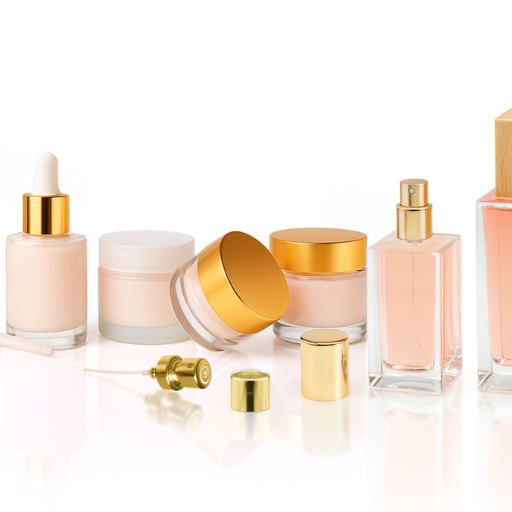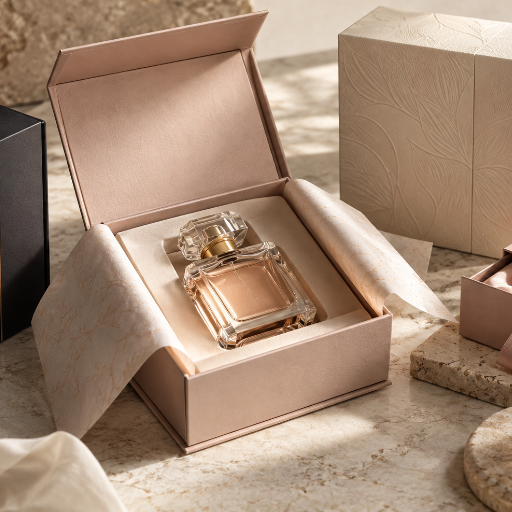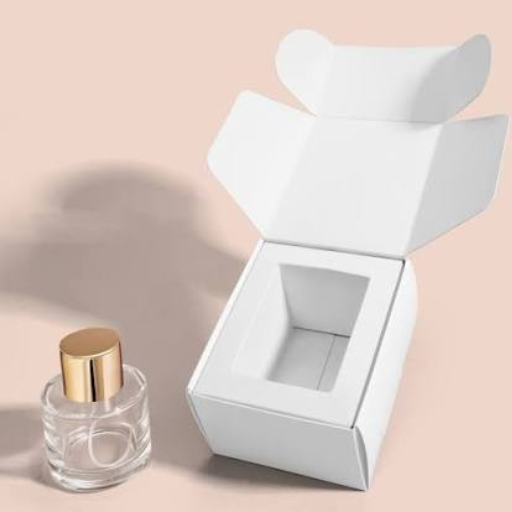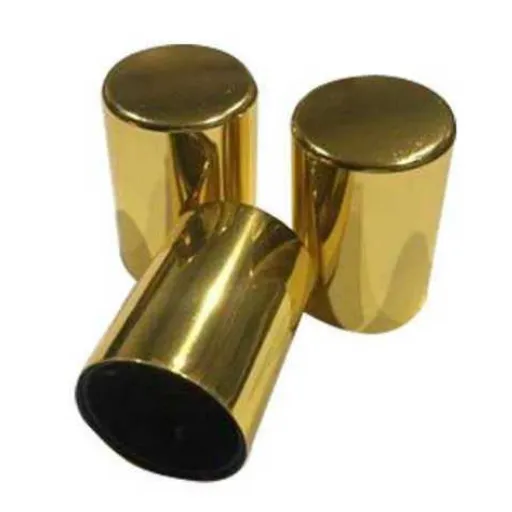
Perfume bottle cap materials are most commonly metal (Zamac, aluminum, brass), plastic (ABS, PP, PETG, Surlyn), wood, glass, or composite blends, and the material you choose directly shapes how customers perceive your fragrance before they ever smell it. The right cap balances luxury feel, chemical compatibility, cost, and sustainability.
Last year, a niche fragrance founder in Brooklyn spent $8,000 on a first production run of frosted glass bottles. Everything looked perfect online. When samples arrived, the acrylic caps had micro-cracks from alcohol exposure and the bottles felt top-heavy. She had to reorder the entire cap component, pushing her launch back six weeks. That single decision cost more than the cap itself.
If you’re sourcing custom perfume bottle caps, you already know the cap is not decorative. It protects the formula, controls evaporation, and delivers the tactile moment that converts a browser into a buyer. In this guide, we’ll break down every major perfume bottle cap material, explain when each makes sense, and give you practical sourcing data, including cost tiers, MOQs, and lead times, so you can choose with confidence.
Key Takeaways
- Zamac (zinc alloy) is the gold standard for luxury perfume caps because of its heavy feel, corrosion resistance, and ability to hold fine detail.
- ABS and PP plastics dominate mass-market fragrances for their low cost, design flexibility, and fast production cycles.
- Surlyn is the premium plastic alternative to glass, offering clarity, chemical resistance, and a satisfying soft-touch feel.
- Cap material can influence up to 40% of a product’s perceived value while representing roughly 18% of total packaging cost.
- EU PPWR regulations are pushing brands toward mono-material, refillable, and easily recyclable cap designs in 2026 and beyond.
Why Perfume Bottle Cap Material Matters
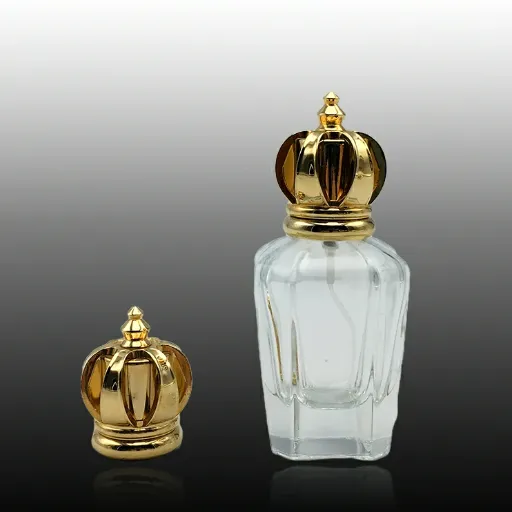
The cap is the first physical contact a customer has with your fragrance. Research from fragrance packaging specialists suggests that 62% of perfume shoppers touch the cap before deciding to test the scent. That split-second interaction sends a signal about quality, price, and brand identity.
First Touch = First Impression
Heavy, cold-to-the-touch Zamac feels expensive. Lightweight plastic can feel disposable. Smooth Surlyn feels modern and refined. The psychology is simple: weight and texture shape perceived value. A cap that feels substantial in the hand justifies a higher price point, even before the customer reads the notes.
Material Affects Cost, Lead Time, and MOQ
Your choice of perfume bottle cap material changes everything downstream. Zamac caps require die-casting molds and electroplating, which means higher MOQs and longer lead times. ABS plastic caps can be injection-molded quickly at lower volumes. If you plan a limited run of 1,000 units, Zamac may not be viable. If you plan a global launch of 100,000 units, plastic may undercut your positioning.
Compatibility With Fragrance Formulation and Bottle Neck Finish
Not every material tolerates perfume. High-alcohol fragrances can stress acrylic over time. Some plastics absorb scent oils or discolor. The cap must also match the bottle neck finish, typically a screw cap with GCMI thread, a snap-fit cap, or a crimp-on fitment, or you risk leaks, poor alignment, and returns.
Sustainability and Recyclability Considerations
Under the EU Packaging and Packaging Waste Regulation (PPWR), mixed-material caps that cannot be disassembled are increasingly restricted. Mono-material designs, all-PP, all-aluminum, or FSC-certified wood, are becoming the safer choice for brands selling into Europe. Recyclability is no longer a nice-to-have; it is a compliance question.
What Are Perfume Bottle Caps Made Of?
Perfume bottle caps are made from a range of materials chosen for appearance, weight, durability, and cost. The most common categories are:
- Metal caps: Zamac (zinc alloy), aluminum, brass, stainless steel, copper
- Plastic caps: ABS, PP, PETG/PCTG, acrylic, polycarbonate, Surlyn
- Natural caps: Wood, bamboo, cork
- Alternative caps: Glass, ceramic, stone, marble, resin, concrete
- Composite caps: Metal shell with plastic inner, wood over plastic, rubberized coatings
The best material depends on your brand tier, target market, budget, and sustainability goals. Below, we’ll walk through each category in detail.
Metal Perfume Bottle Caps
Metal remains the dominant choice for luxury and premium fragrances. It offers weight, durability, and a wide range of finishes that signal quality.
Zamac (Zinc Alloy) Caps: The Luxury Standard
Zamac, also spelled Zamak, is a zinc-aluminum-magnesium-copper alloy (Zn-Al-Mg-Cu) that has become the default material for high-end perfume caps. It is die-cast, polished, and then electroplated in finishes like gold, rose gold, gunmetal, chrome, or matte black.
The advantage is sensory. Zamac feels cold, heavy, and solid. It holds intricate engraving and embossing. It resists corrosion and scratches better than plated plastic. For brands positioning above $100 retail, Zamac is often the expectation.
Typical sourcing profile:
| Attribute | Zamac Cap |
|---|---|
| MOQ | 3,000–5,000 pcs (some low-MOQ suppliers offer 1,000 pcs) |
| Lead time | 45–55 days |
| Cost tier | High |
| Weight | 60–120 g |
| Best for | Luxury, niche, and Middle Eastern/Oriental fragrances |
Aluminum Caps: Lightweight and Recyclable
Aluminum offers a premium metallic look without the shipping weight of Zamac. It can be anodized in almost any color, brushed for texture, or polished to a mirror finish. Aluminum is also highly recyclable, making it attractive for eco-conscious premium lines.
Chanel famously shifted some cap designs from zinc-based alloy to aluminum, cutting cap weight by nearly 50%. The move reduced shipping costs while maintaining a luxury appearance.
Brass, Stainless Steel, and Copper Caps
Brass delivers a classic, opulent look and accepts gold plating beautifully. Stainless steel is durable and hypoallergenic. Copper offers warmth but can oxidize without protective coating. These materials are less common than Zamac or aluminum but appear in ultra-premium and limited-edition releases.
Surface Treatments for Metal Caps
- Electroplating: Gold, silver, nickel, chrome finishes
- Anodizing: Color-stable aluminum finishes
- PVD coating: Vacuum-deposited, wear-resistant color layers
- Brushing/polishing: Matte or reflective surface textures
- Laser engraving: Logos, patterns, serial numbers
Plastic Perfume Bottle Caps
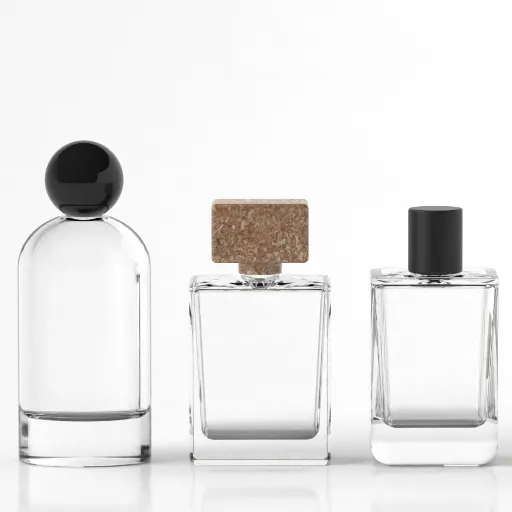
Plastic caps dominate mass-market fragrances, body mists, travel sizes, and promotional lines. Modern molding and plating techniques can make plastic look surprisingly premium.
ABS Caps, Versatile and Cost-Effective
ABS (Acrylonitrile Butadiene Styrene) is the workhorse of perfume caps. It is rigid, impact-resistant, easy to mold, and accepts electroplating or spray coating to mimic metal. If you want a gold-looking cap at a plastic price, ABS is the usual answer.
The trade-off is feel. Even plated ABS lacks the cold heft of real metal. It can also chip or scratch more easily than Zamac.
PP Caps, Durable and Recyclable
Polypropylene (PP) is flexible, chemically resistant, and widely recyclable. It is common for functional components, hinged caps, roll-ons, and travel sizes. PP is less decorative than ABS, so it is often used for inner fitments or minimalist outer shells.
PETG / PCTG / Acrylic Caps, Clear and Decorative
These plastics offer glass-like clarity at a fraction of the weight. PETG and PCTG are more durable than acrylic and resist alcohol better. Acrylic looks luxurious but can crack with prolonged fragrance contact. For clear, decorative caps, PETG/PCTG is the safer choice.
Surlyn Caps, The Premium Plastic Alternative to Glass
Surlyn is an ionomer resin valued for its soft, waxy feel, excellent scratch resistance, and chemical stability. It can be crystal clear or colored and is commonly used for refillable and high-end transparent caps. Surlyn feels premium in the hand without the fragility of glass.
Typical sourcing profile:
| Attribute | ABS | PP | Surlyn |
|---|---|---|---|
| MOQ | 3,000–5,000 pcs | 3,000–5,000 pcs | 10,000+ pcs |
| Lead time | 25–35 days | 25–35 days | 35–45 days |
| Cost tier | Low | Low | Medium-high |
| Best for | Mass-market, metallic look | Functional caps, travel sizes | Premium clear/refillable caps |
Natural and Alternative Perfume Cap Materials
Beyond metal and plastic, brands are increasingly exploring natural and artisanal materials to stand out on shelf and signal sustainability.
Wood and Bamboo Caps
Wood caps, beech, walnut, maple, oak, bamboo, offer a warm, tactile, eco-friendly identity. They can be stained, varnished, laser-engraved, or left raw. However, wood should never directly contact fragrance. A plastic or silicone inner liner is essential to prevent alcohol absorption, rot, and mold.
Wood caps work beautifully for natural, unisex, and artisanal fragrances. They also align with FSC-certified and biodegradable packaging stories.
Glass and Ceramic Caps
Glass caps deliver a seamless, crystal-clear luxury look. They are 100% recyclable and chemically stable. The downside is weight and fragility. Glass caps are often paired with magnetic closures to improve the user experience. Ceramic caps offer similar artisanal appeal but are even more fragile.
Stone, Marble, and Resin Caps
Marble, jade, obsidian, and concrete caps appear in ultra-luxury and limited-edition fragrances. Each piece is unique, which is the point; but so are the challenges. These materials are heavy, fragile, expensive, and slow to produce. Resin offers more design freedom but can have long lead times and quality consistency issues.
Composite and Mixed-Material Caps
Many modern caps combine materials to balance cost and aesthetics:
- Metal shell + plastic inner: Premium look with lower weight and cost
- Wood + plastic insert: Natural exterior with functional seal
- Rubberized coating over ABS: Soft-touch, matte feel
- Metal + acrylic: Contrasting textures and weights
Composite designs can be striking, but they complicate recycling. Under EU PPWR, mixed-material caps that cannot be separated by the consumer may face restrictions.
How to Choose the Right Perfume Bottle Cap Material
Selecting a cap material starts with your brand strategy, not your supplier catalog. Use this decision matrix to narrow the field.
| Your Goal | Recommended Material | Trade-off |
|---|---|---|
| Ultimate luxury and heavy feel | Zamac, brass, stainless steel | Higher cost and MOQ |
| Premium look, lighter shipping | Aluminum, anodized metal | Less perceived weight |
| Mass-market volume and low cost | ABS, PP | Less premium tactile feel |
| Clear or refillable design | Surlyn, PETG/PCTG | Higher mold investment |
| Natural or artisanal identity | FSC wood, bamboo, cork | Requires inner liner |
| Ultra-luxury statement | Glass, marble, stone | Fragile and expensive |
| Sustainability priority | Recyclable aluminum, mono-material PP, FSC wood | May limit finish options |
When Maria launched her clean-beauty fragrance line in 2024, she assumed glass caps would reinforce her eco-story. After sampling, she realized the caps added 35% to her shipping weight and cracked in transit. She switched to FSC-certified beech caps with a PP inner fitment. The perceived sustainability stayed strong, breakage dropped to near zero, and her unit landed cost fell by 18%.
Perfume Cap Material Comparison: Cost, MOQ, and Lead Time
The table below summarizes realistic sourcing expectations for common perfume bottle cap materials. Figures vary by supplier, finish complexity, and order volume.
| Material | Unit Cost Tier | Typical MOQ | Lead Time | Best For |
|---|---|---|---|---|
| Zamac (zinc alloy) | 1.25–1.25–2.75+ | 1,000–5,000 pcs | 45–55 days | Luxury fragrances |
| Aluminum | 0.80–0.80–2.00 | 10,000–30,000 pcs | 30–45 days | Premium lightweight lines |
| Brass / stainless steel | 2.00–2.00–5.00+ | 3,000–10,000 pcs | 45–60 days | Ultra-luxury limited editions |
| ABS plastic | 0.30–0.30–0.80 | 3,000–5,000 pcs | 25–35 days | Mass-market fragrances |
| PP plastic | 0.20–0.20–0.60 | 3,000–5,000 pcs | 25–35 days | Functional and travel caps |
| Surlyn | 0.80–0.80–1.80 | 10,000+ pcs | 35–45 days | Premium clear/refillable caps |
| PETG / PCTG | 0.40–0.40–1.00 | 5,000–10,000 pcs | 30–40 days | Clear decorative caps |
| FSC wood | 0.60–0.60–1.50 | 1,000–3,000 pcs | 35–50 days | Natural and artisanal brands |
| Glass | 1.00–1.00–3.00 | 5,000–10,000 pcs | 40–55 days | High-end transparent designs |
| Marble / stone | 3.00–3.00–10.00+ | 1,000–3,000 pcs | 50–70 days | Ultra-luxury statements |
Want help narrowing this down for your specific fragrance and budget? Contact our team for a free packaging consultation and sample review.
Sustainability and Regulatory Considerations
Sustainability is reshaping perfume packaging faster than many brands expected. The global perfume packaging market is projected to reach $3.96 billion in 2026, with eco-friendly perfume bottle caps and refillable systems driving the strongest growth.
EU PPWR and Recyclability Rules
The EU Packaging and Packaging Waste Regulation (PPWR) requires packaging to be designed for recyclability. Mixed-material caps that cannot be easily separated are under pressure. If you sell in Europe, mono-material caps, or caps designed for disassembly, reduce compliance risk.
Mono-Material Design Advantages
A cap made entirely of one material is easier to recycle. All-aluminum, all-PP, and all-glass caps each have established recycling streams. Mixed caps often end up in landfill because sorting facilities cannot separate the components economically.
FSC Wood, PCR Plastics, and Recyclable Metals
- FSC-certified wood ensures responsible forestry.
- Post-consumer recycled (PCR) plastics reduce virgin plastic use.
- Recycled aluminum and Zamac maintain performance while lowering environmental impact.
Refillable Systems and Circular Design
Refillable fragrances need caps that survive repeated use. Surlyn, Zamac, and aluminum are common choices because they resist wear. Designing a cap for a 5- or 10-year refill life changes your material requirements entirely.
Chanel’s partnership with Sulapac to create a bio-based cap for Les Eaux de Chanel shows where the industry is heading. Dior’s “Handed Down Beauty 2030” strategy and LVMH’s “LV Pack in Green” initiative both aim for fully sustainable packaging by 2026.
Manufacturing Processes for Perfume Bottle Caps
Understanding how caps are made helps you ask better supplier questions and avoid surprises.
Die-Casting for Zamac and Zinc Alloys
Molten Zamac is injected into a steel mold under pressure. After cooling, parts are trimmed, polished, and sent for electroplating or PVD. Die-casting supports complex shapes but requires tooling investment.
Injection Molding for Plastics and Surlyn
Pellets are heated and injected into a mold. This is fast, repeatable, and ideal for high volumes. Mold quality determines surface finish and consistency.
CNC Machining and Finishing
CNC is used for low-volume luxury caps, wood, stone, or precision metal work. It is slower than molding but allows for unique shapes and tight tolerances.
Quality Control and Surface Treatment
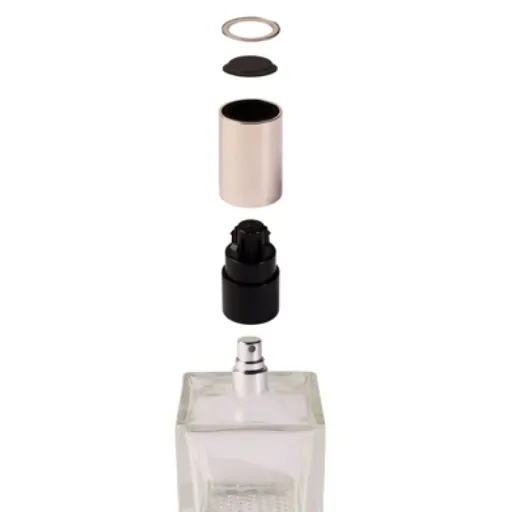
Every cap should be checked for:
- Dimensional tolerance and thread fit
- Plating adhesion and uniformity
- Scratch and corrosion resistance
- Color consistency across batches
- Magnetic or snap-fit function
At Fuzhou Longlu Packaging, we run incoming material checks, in-process inspections, and final random sampling on every perfume cap order. Consistency matters when a single off-shade batch can derail a product launch.
Common Mistakes When Sourcing Perfume Caps
Even experienced buyers make these errors. Avoiding them saves time, money, and brand reputation.
Ignoring Fragrance-Alcohol Compatibility
Not every plastic tolerates alcohol. Acrylic can craze. Some coatings soften. Always request compatibility testing with your exact fragrance formula before approving a material.
Choosing Material Before Confirming Bottle Neck Finish
A beautiful Zamac cap is useless if it does not fit your bottle. Confirm the neck finish, common standards include 15 mm, 18 mm, and 20 mm GCMI threads, before finalizing cap design.
Underestimating Shipping Weight and Top-Heaviness
A 100 g Zamac cap on a 50 ml bottle can make the product unstable on shelf and expensive to ship. Balance luxury feel with logistics reality.
Overlooking Recyclability and Regional Regulations
A mixed metal-plastic cap may look premium but fail EU recyclability requirements. Design for the strictest market you plan to enter.
Frequently Asked Questions
What is the most luxurious perfume cap material?
Zamac (zinc alloy) is widely considered the most luxurious perfume cap material because of its heavy feel, cold metallic touch, corrosion resistance, and ability to hold fine detail and premium plating.
Are perfume caps made of plastic?
Yes. Many mass-market and travel-size perfume caps are made from plastics like ABS, PP, PETG, or acrylic. High-end plastics such as Surlyn are also used for premium fragrances.
What is Zamac in perfume caps?
Zamac is a zinc-based alloy containing aluminum, magnesium, and copper. It is die-cast into shape, polished, and electroplated. Zamac caps are favored in luxury fragrances for their weight, durability, and premium finish options.
Can perfume caps be eco-friendly?
Yes. Eco-friendly options include recyclable aluminum, FSC-certified wood, mono-material PP, recycled glass, and refillable systems with durable Surlyn or metal caps.
Why are some perfume caps magnetic?
Magnetic closures provide a satisfying snap and smooth alignment. They are often used with Zamac or metal caps to reinforce a premium, engineered feel and improve the unboxing experience.
How much do perfume bottle caps cost?
Per-unit costs vary widely by material and volume. ABS and PP plastic caps typically range from 0.20–0.20–0.80. Aluminum caps run 0.80–0.80–2.00. Zamac caps range from 1.25–1.25–2.75 or more. Luxury materials like brass, glass, or marble can exceed 3.00–3.00–10.00 per piece. Tooling, plating, and finish complexity add to the total landed cost.
Conclusion
Choosing the right perfume bottle cap materials is one of the most consequential decisions in fragrance packaging. The cap protects your product, communicates your brand tier, and creates the first physical moment between your customer and your scent.
For luxury positioning, Zamac and brass deliver the weight and finish that justify premium pricing. For mass-market scale, ABS and PP offer speed and value. For sustainability, aluminum, FSC wood, and mono-material plastics align with evolving regulations and consumer expectations. And for refillable or transparent designs, Surlyn and PETG provide the clarity and durability you need.
The best choice depends on your fragrance, audience, budget, and target markets, not just what looks good in a catalog. At Fuzhou Longlu Packaging, we help fragrance brands source and customize custom perfume bottle caps and complete packaging systems that match every one of those factors. From material selection and mold development to surface finishing and quality control, we support your project from concept to delivery.
Ready to choose the perfect perfume bottle cap materials for your next fragrance? Contact us today for a free quote, material samples, and a packaging review tailored to your brand.