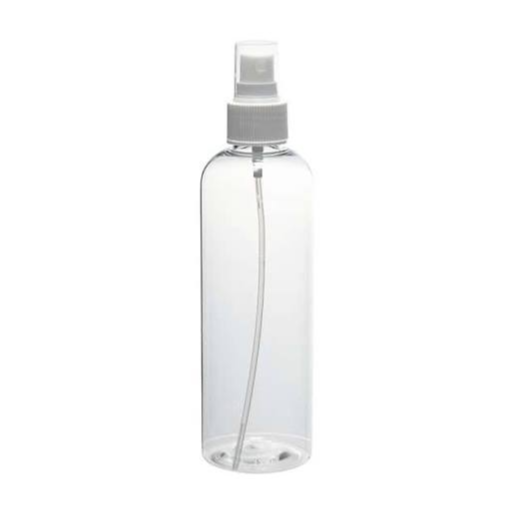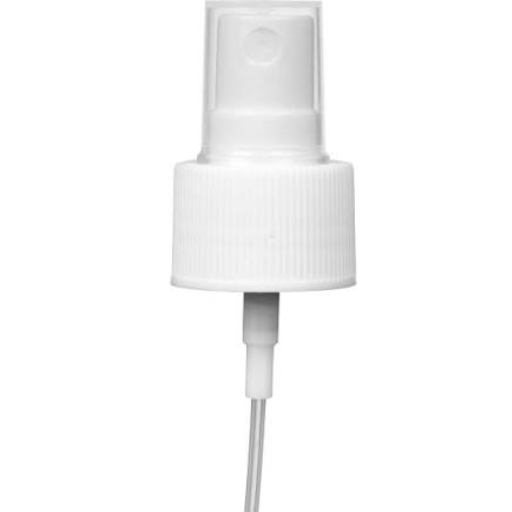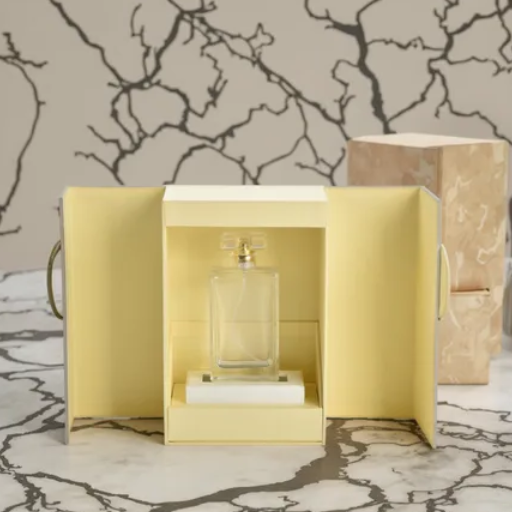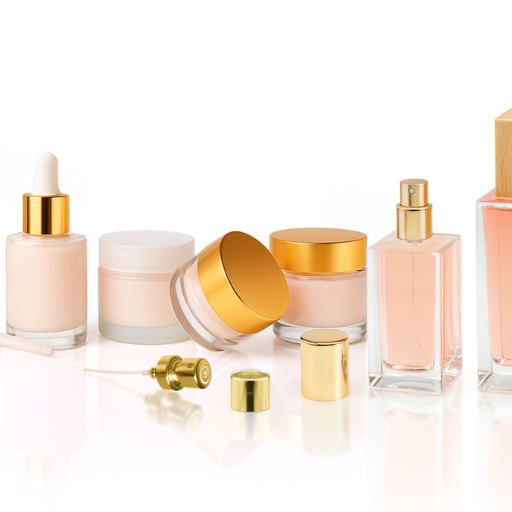
Eco-friendly perfume caps are closures made from sustainable, recyclable, or biodegradable materials. Think FSC-certified wood, bamboo, recycled aluminum, glass, and bio-based polymers. They give fragrance brands a way to cut their environmental footprint without losing the premium feel customers expect.
Yet many luxury perfume bottles still rely on virgin plastic or mixed-metal caps. Such plastic products take hundreds of years to degrade. The cap is the first thing a customer touches. It’s also the last thing they see before spraying. If your brand promises sustainability, the closure should reflect that promise.
We know that choosing the right packaging can feel overwhelming. New materials, certifications, and regulations appear every year. By the end of this guide, you’ll know which eco-friendly perfume cap materials work best for different brand positions. You’ll also learn how to spot greenwashing and what questions to ask a manufacturer before you place an order.
We’ll cover the most common sustainable cap materials, a simple decision framework, real brand examples, 2026 trends, and practical sourcing advice from a China-based packaging partner.
Key Takeaways
- Eco-friendly perfume caps use materials such as FSC-certified wood, bamboo, recycled metal, glass, bio-based polymers, and post-consumer recycled plastics.
- Mono-material or easy-to-disassemble designs are usually easier to recycle than mixed-material caps that hide plastic liners inside wood shells.
- Certifications such as FSC, REACH, FDA, and EU PPWR compliance separate credible sustainable caps from marketing claims.
- The global perfume packaging market is expected to grow from 3.72billionin2025to3.72billionin2025to3.96 billion in 2026, with sustainability as a major driver.
- Working with a manufacturer that offers customization, quality control, and flexible MOQs is the fastest way to scale eco-friendly perfume caps.
Need help choosing the right material for your next launch? Request a free sample from Fuzhou Longlu Packaging and our team will guide you through the options.
What Are Eco-Friendly Perfume Caps?
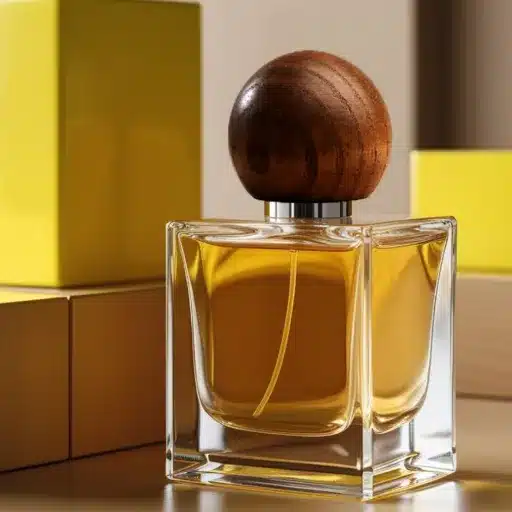
Eco-friendly perfume caps are closures designed to cut their environmental footprint across their entire lifecycle. That means the material is sourced responsibly, made efficiently, used reliably, and disposed of through recycling, composting, or biodegradation.
A cap can be considered eco-friendly when it meets at least one of the following criteria:
- Renewable: Made from materials that replenish naturally, such as bamboo or FSC-certified wood.
- Recycled or recyclable: Made from post-consumer recycled content or materials that existing recycling streams accept, such as aluminum or glass.
- Biodegradable or compostable: Designed to break down naturally without leaving microplastics behind.
- Mono-material: Built from a single material family so it doesn’t need disassembly before recycling.
The cap matters more than many brands realize. It protects the spray mechanism. It preserves fragrance integrity. It also contributes to shelf appeal. For a broader look at how sustainable packaging fits into your overall strategy, see our sustainable packaging guide.
When Elena launched her boutique fragrance line in early 2025, she ordered bamboo caps because they looked beautiful on Instagram. Six months later, a sustainability auditor pointed out a hidden problem. The bamboo shell concealed a non-separable ABS plastic liner. The caps weren’t recyclable, and her eco-credentials were at risk. Elena learned that a truly eco-friendly perfume cap must be evaluated as a complete system, not just a surface material.
Certifications and Standards to Know
Not every “natural” cap is genuinely eco-friendly. Look for these certifications and compliance markers:
- FSC (Forest Stewardship Council): Confirms wood or paper comes from responsibly managed forests.
- REACH: EU regulation ensuring chemicals used in materials are safe for human health and the environment.
- FDA: U.S. compliance for materials that contact cosmetic products.
- Compostability standards: EN 13432 or ASTM D6400 certify industrial compostability; home compostability is a stricter and more desirable claim.
- EU PPWR (Packaging and Packaging Waste Regulation): Sets recycling and recyclability requirements for products sold in the European Union.
Types of Eco-Friendly Perfume Cap Materials
The material you choose shapes cost, weight, durability, and brand perception. Below is a comparison of the most common options for eco-friendly perfume caps.
| Material | Sustainability Claim | Best For | Trade-Offs |
|---|---|---|---|
| FSC-certified wood | Renewable, biodegradable, premium tactile feel | Luxury and artisan brands | May need a plastic or metal inner liner for threading |
| Bamboo | Fast-growing, biodegradable, lightweight | Natural and eco-conscious brands | Grain and color vary; often bonded to a liner |
| Recycled aluminum | Infinitely recyclable, lightweight, durable | Brands emphasizing circularity | Higher upfront embodied energy than bio-based options |
| Glass | 100% recyclable, inert, premium look | High-end fragrances | Heavier and more fragile than other options |
| Bio-based polymers (Sulapac, PLA, Vivomer) | Made from plants or microbial fermentation; biodegradable or compostable | Brands seeking plastic alternatives | Performance and cost vary by formulation |
| Post-consumer recycled (PCR) plastic | Reduces virgin plastic demand; recyclable in existing streams | Mass-market and cost-sensitive brands | Still plastic; sourcing quality can vary |
| Mono-material caps | Easier to recycle because disassembly isn’t required | Any brand focused on end-of-life recovery | Limits design and finishing combinations |
Wood and Bamboo Caps
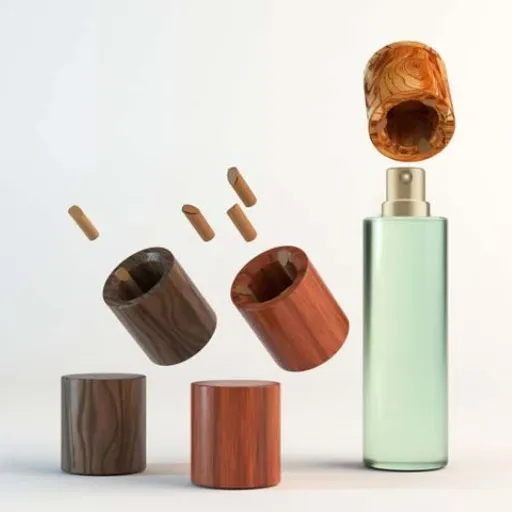
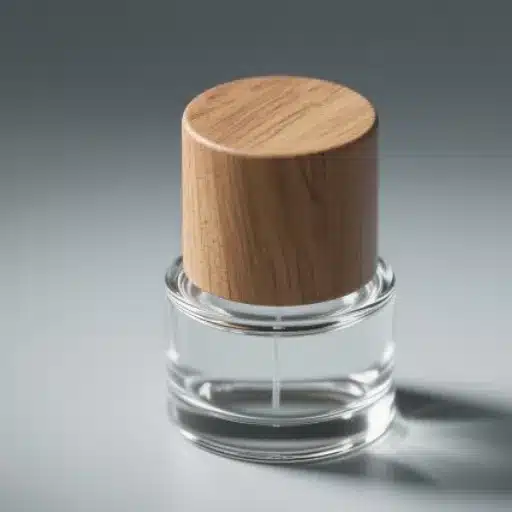
Wood and bamboo are the most visible signal of sustainability. They feel warm. They look natural. They photograph well. Bamboo grows rapidly and requires little water, which makes it a popular renewable choice. However, many wood and bamboo caps use a hidden plastic or metal insert to create threads and a tight seal. If that insert can’t be separated, the entire cap may be rejected by recycling facilities.
Recycled and Recyclable Metals
Aluminum and ZAMAC alloys are common in premium fragrance caps. Aluminum can be recycled indefinitely without quality loss. ZAMAC, a zinc alloy, is heavier and gives a luxurious cold-touch feel. But recycling paths are more specialized. For brands focused on circularity, recycled aluminum is usually the stronger choice.
Glass Caps
Glass caps are 100% recyclable and chemically inert. They pair beautifully with glass bottles for a cohesive, high-end look. The downside is weight. Heavier caps increase shipping emissions and can raise costs. This is especially true for e-commerce brands that ship individual orders. If you sell fragrance online, our guide to custom packaging for e-commerce can help you balance protection and sustainability.
Bio-Based and Biodegradable Polymers
Innovative materials such as Sulapac, PLA, and Vivomer offer plastic-like performance with a lower environmental footprint. Chanel worked with Sulapac to create bio-based caps for Les Eaux de Chanel and No. 1 de Chanel. Abel Fragrance uses Vivomer caps that break down enzymatically in about 20 weeks. These materials are exciting, but they require clear end-of-life instructions. Customers need to know whether to recycle, compost, or return them.
Post-Consumer Recycled Plastics
PCR plastics are a practical middle ground. They keep existing plastic in use and work with conventional molding equipment. A mono-material PCR cap is easier to recycle than a cap made from mixed materials, even if the recycled content is only 30% to 50%.
Mono-Material Designs
A mono-material cap uses one material family throughout, including the inner components. This simplifies recycling because the entire closure can enter the same waste stream. It’s one of the smartest ways to make eco-friendly perfume caps truly recyclable at scale.
Want to see how these materials compare in more detail? Read our perfume cap material comparison before you make a final decision.
How to Choose the Right Sustainable Perfume Cap
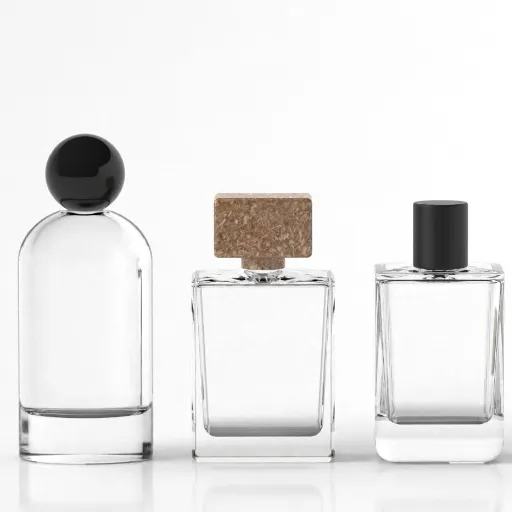
Material selection is only the first step. You also need to match the cap to your brand, bottle, budget, and sustainability goals.
Match Material to Brand Positioning
A mass-market body spray may perform well with a lightweight PCR plastic cap. A niche luxury fragrance may need the warmth of FSC-certified wood or the refined weight of recycled aluminum. The cap should feel like a natural extension of the brand story.
Evaluate Performance Requirements
Ask these questions:
- Will the cap be exposed to humidity or temperature swings during shipping?
- Does it need to withstand repeated use if the bottle is refillable?
- How much weight is acceptable for the bottle-and-cap combination?
- Does the finish need to resist scratches, oils, or fragrance residue?
When Marcus led packaging development for a mid-size fragrance brand in 2024, his team tested three materials. Bamboo looked ideal but warped under high humidity during ocean shipping. Recycled aluminum passed every stress test. It also reduced the packaging carbon footprint by an estimated 12%. The brand launched with aluminum caps and used the sustainability win in its marketing.
Check Bottle Compatibility
The cap must fit the bottle neck, collar, and spray crimp. Common neck finishes include FEA 15 and FEA 20. Always confirm thread dimensions, inner diameter, and magnetic or snap-closure requirements before production.
Consider Cost, MOQ, and Lead Time
Sustainable materials can cost more than virgin plastic, but the gap is shrinking. Custom wooden or bamboo caps often require higher minimum order quantities because of tooling and machining. Bio-based polymers may have longer lead times due to limited suppliers. Plan for sampling, revisions, and pre-production approval.
Verify Certifications
Ask your supplier for documentation. A reputable manufacturer should provide certificates for raw materials, coating compliance, and third-party lab tests. Don’t rely on verbal claims.
Eco-Friendly Perfume Caps in Action: Brand Examples
Real brands prove that sustainable closures can be beautiful, functional, and commercially successful.
Abel Fragrance: Vivomer Caps That Biodegrade Without a Trace
Abel Fragrance replaced traditional Bakelite caps with Vivomer, a material produced through microbial fermentation. According to Abel, the caps biodegrade in about 20 weeks when returned to nature. Because they’re not plastic, they’re designed to compost rather than recycle. You can read more about Abel’s approach on their Radical Caps announcement.
Chanel and Sulapac: Luxury Without Compromise
Chanel developed bio-based caps with Sulapac for Les Eaux de Chanel and No. 1 de Chanel. The material contains FSC-certified wood chips and plant-based binders. It looks and feels like high-gloss varnished ABS plastic. But it avoids fossil-based plastics entirely.
LVMH: System-Level Change
LVMH’s LV Pack in Green initiative aims to eliminate virgin fossil-based plastics in packaging. The group estimates that switching to recycled, recyclable, and bio-based materials can reduce greenhouse gas emissions from packaging by up to 79%.
Indie Brands Leading with Wood and Bamboo
Smaller fragrance houses are turning to FSC-certified wood caps, bamboo closures, and refillable systems to stand out. These brands often use the cap as a visual and tactile signature. It’s a simple way to reinforce their natural positioning.
2026 Sustainability Trends for Perfume Caps
The fragrance industry is moving fast. Here are the trends shaping eco-friendly perfume caps in 2026.
Refillable and Modular Systems
Refillable perfume bottles are one of the fastest-growing sustainable formats. According to Scento, the refillable perfume bottle market was valued at roughly €1.5 billion in 2025 and is growing about 7% annually. Caps designed for refillable bottles must withstand repeated removal and replacement without loosening.
Regulatory Pressure Increases
The EU Packaging and Packaging Waste Regulation (PPWR) is pushing brands to design packaging that is recyclable, reusable, or compostable. California’s SB54 requires all packaging sold in the state to be recyclable or compostable by 2032. Brands that export to these markets must choose cap materials that meet future compliance standards.
Consumers Will Pay More for Sustainability
According to industry research cited by Scento and Safic-Alcan, 54% of consumers are willing to pay 8% to 12% more for packaging made from recycled or renewable materials. Among luxury buyers, 59% prefer refillable or modular packaging. For Gen Z fragrance users, sustainability is a top purchase criterion.
Mono-Material and Disassembly-Friendly Designs
Regulators and recyclers favor designs that don’t require consumers to take caps apart. Mono-material closures and clearly separable two-piece designs are becoming the default for brands serious about circularity.
Sourcing Eco-Friendly Perfume Caps from a Manufacturer
Choosing a reliable manufacturing partner is as important as choosing a material. A good supplier helps you avoid costly mistakes, meet compliance requirements, and deliver on time.
What to Look for in a Supplier
Look for a manufacturer with proven experience in fragrance closures, not just general packaging. They should offer material samples, engineering support, quality control documentation, and clear communication about lead times.
Customization Options
Your cap should reflect your brand. Common customization options include:
- Material selection (wood species, bamboo, metal alloy, polymer type)
- Shape and diameter
- Surface finish (matte, glossy, brushed, textured)
- Logo engraving, debossing, or printing
- Inner threading, magnetic closures, or snap-fit mechanisms
- Color matching and coating compliance
Quality Control and Sample Approval
Always approve a physical sample before mass production. Check fit, finish, weight, magnetic pull, thread engagement, and fragrance compatibility. A professional supplier will conduct dimensional checks, coating adhesion tests, and packaging drop tests.
Logistics and MOQ Flexibility
Fragrance launches vary in size. Some brands need 5,000 units for a limited edition. Some products require 500,000 units to launch globally. Find a partner who will scale with you.
When Linnea’s Naturals prepared to launch a new floral fragrance in 2025, the founder needed 8,000 FSC-certified wood caps with a custom-engraved logo. She worked with Fuzhou Longlu Packaging to refine the design, approve samples, and coordinate production. The caps arrived on schedule and within budget. They matched the brand’s natural aesthetic perfectly. The launch sold out in six weeks, and Linnea’s Naturals reordered for the next collection.
Why Fuzhou Longlu Packaging Is a Fit
At Fuzhou Longlu Packaging, we specialize in custom packaging solutions for fragrance and cosmetic brands. We offer a wide range of eco-friendly perfume caps, including wood, bamboo, recycled metal, and bio-based options. Our team supports you through material selection, sampling, customization, quality control, and global shipping. Whether you need a small test run or a large-scale production order, we’ll deliver reliable service and consistent quality.
Ready to see what a sustainable cap looks like for your fragrance? Contact us for a free sample, design consultation, or custom quote.
Conclusion
Eco-friendly perfume caps are no longer a niche option. They’re becoming the standard for fragrance brands that want to meet consumer expectations, comply with global regulations, and reduce their environmental footprint. The best cap for your brand depends on your positioning, performance needs, budget, and sustainability goals.
Start by choosing a material that aligns with your brand story. Then verify certifications, test compatibility, and partner with a manufacturer that can deliver quality at scale. Sustainable perfume packaging is a journey, and the cap is a small but powerful place to begin.
If you’re ready to explore custom perfume caps for your next launch, request a free quote from Fuzhou Longlu Packaging today. Our team is here to help you create closures that protect your fragrance, elevate your brand, and respect the planet.