The best luxury perfume caps in 2026 combine premium materials like Zamac, aluminum, wood, and Surlyn with precise engineering, sustainable sourcing, and finishes that reinforce brand identity. Choosing the right cap means balancing tactile impact, bottle compatibility, cost, and environmental compliance from day one.
Here is the truth most fragrance brands learn too late: the cap is touched before the scent is ever sprayed. In a 2023 packaging study, 62% of perfume shoppers said they touched the cap before deciding to test a fragrance. That first contact shapes perceived value in less than three seconds.
A heavy, cold Zamac cap whispers heritage. A warm wooden cap signals sustainability. A magnetic closure that clicks into place creates a small moment of ceremony. Get it wrong, and even a beautiful bottle can feel forgettable.
At Fuzhou Longlu Packaging, we manufacture custom perfume caps for fragrance brands, cosmetics startups, and luxury private-label companies. We have seen how the right closure turns a bottle into a shelf statement. In this guide, we will cover the materials, 2026 design trends, finishes, and sourcing decisions that make luxury perfume bottle caps feel truly luxurious.
Key Takeaways
- Zamac remains the luxury standard for weight and premium feel, but aluminum, wood, and Surlyn are growing fast among eco-conscious and minimalist brands.
- 62% of shoppers touch the cap first, and cap material can influence up to 40% of a product’s perceived value.
- 2026 trends include quiet luxury silhouettes, mono-material construction, magnetic closures, FSC-certified wood, and NFC-enabled smart caps.
- Custom luxury caps typically require MOQs of 500–10,000 pieces with 35–50 day production lead times after sampling.
- Sustainability claims need proof: look for REACH, RoHS, FSC, and ISO 9001 certifications before committing to a supplier.
Why Luxury Perfume Caps Matter More Than Ever
The global perfume packaging market is projected to reach USD 3.96 billion in 2026, growing toward USD 6.89 billion by 2034. Europe still leads with roughly 32% market share, driven by French, Italian, and German fragrance houses that treat the cap as a brand signature. In that environment, the cap is no longer an afterthought. It is a strategic asset.
When Elena launched her niche fragrance line in Milan in early 2025, she invested heavily in the juice and the bottle. She chose a lightweight plastic cap to save on shipping. Within two months, boutique buyers told her the bottle “felt nice but not expensive.”
After switching to a brushed aluminum cap with a soft-touch coating, her wholesale inquiries rose 34% in one quarter. The cap did not change the fragrance. This changed perception.
That is the power of tactile psychology. Weight, temperature, texture, and sound all communicate quality before words do. A heavy cap suggests substance. A cool metal surface feels durable. A satisfying click signals precision engineering.
Luxury brands have understood this for decades. Now, thanks to global manufacturing and lower minimum order quantities, smaller fragrance brands can access the same level of craft.
Want to see how custom packaging can elevate your fragrance line? Explore our custom packaging solutions and discover finishes that match your brand story.
What Are Luxury Perfume Caps Made Of? (Material Guide)
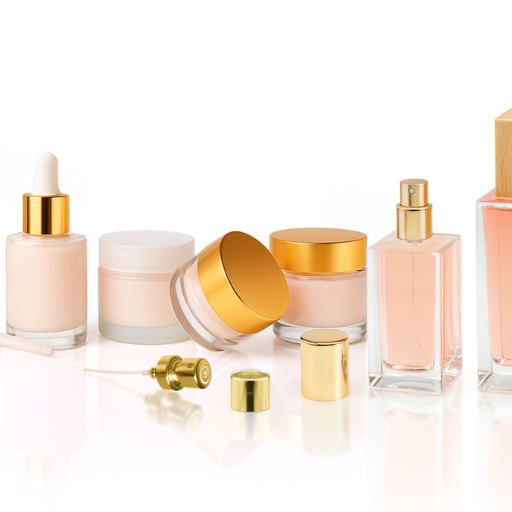
A luxury perfume cap is a closure system designed to protect the fragrance, complete the bottle’s visual identity, and deliver a premium tactile experience. Most caps have two parts. The outer shell defines the look and feel. The inner fitment or insert seals the bottle neck and prevents evaporation.
The shell or casing is the component of utmost importance when considering materials. Common options for luxury perfume bottle caps include:
- Zamac (zinc alloy), heavy, castable, and easy to plate
- Aluminum, lightweight, recyclable, and modern
- Wood or bamboo, warm, organic, and sustainable
- Glass, ceramic, or stone, artistic and collectible
- Surlyn or premium plastics, clear, versatile, and cost-effective
The inner fitment is usually made from PP, ABS, or silicone. It must be compatible with the bottle neck finish. FEA 15mm is the most commonly used standard in perfume bottles.
A mismatch causes leaks, wobbling, or poor spray alignment. That is why cap design should always start with bottle specifications, not aesthetics.
Top Materials for Luxury Perfume Caps
Zamac Caps: The Heavyweight Luxury Standard
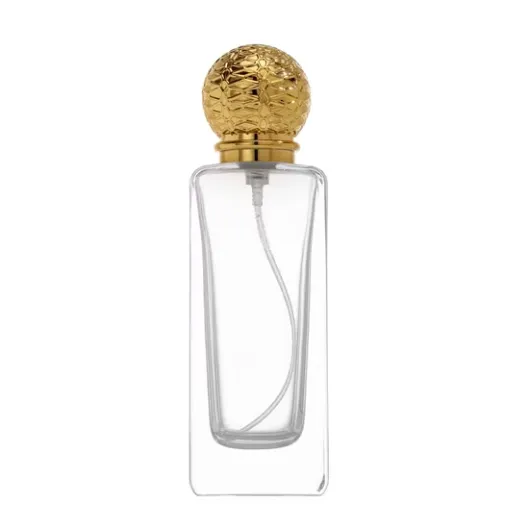
Zamac perfume caps, also spelled Zamak, dominate high-end fragrance packaging. This zinc alloy is die-cast into complex shapes, then polished and electroplated in gold, silver, gunmetal, chrome, or black nickel.
The result is a cap with serious heft and a cold, metallic feel that reads as expensive. For heritage brands and Middle Eastern fragrance houses, Zamac remains the default. The weight signals authenticity and gifting value. It also accepts engraving, embossing, and decorative inlays better than most materials.
However, Zamac adds shipping weight. It also requires careful plating quality control to prevent corrosion in humid climates.
Aluminum Caps: Lightweight and Recyclable
Aluminum has become the material of choice for brands that want premium feel without excess weight. Chanel famously reduced cap weight by nearly 50% by switching from zinc-based alloy to aluminum for some lines. The metal can be anodized, brushed, polished, or matte-finished, and it is endlessly recyclable.
Aluminum works especially well for travel formats, refillable systems, and brands with strong sustainability messaging. It strikes a balance between luxury and responsibility.
Wood and Bamboo Caps: Organic Luxury
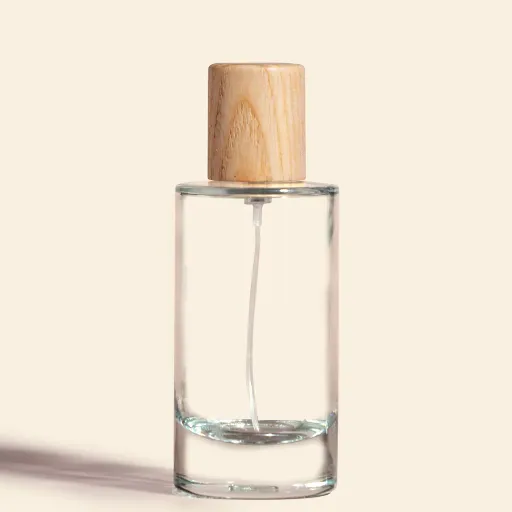
Wooden perfume caps are one of the fastest-growing segments in 2026. FSC-certified beech, ash, maple, and walnut offer a tactile warmth that metal cannot replicate. They communicate sustainability, craftsmanship, and “quiet luxury” in a single glance.
Sealing is the technical difficulty. Wood caps usually combine an outer wooden shell with a plastic or silicone inner fitment. This prevents alcohol absorption and warping. Some suppliers now use cork or starch-based fitments to keep the cap closer to mono-material.
Glass, Ceramic, and Stone Caps: Collectible Art
Glass and ceramic caps create a seamless, jewel-like appearance. Stone, marble, concrete, and even jade caps position the fragrance as a collectible object. These materials are heavier and more fragile, so they require shock-absorbing packaging and careful logistics.
This category suits limited editions, artistic collaborations, and ultra-premium positioning. It is less practical for mass-market launches but unbeatable for storytelling.
Surlyn and Premium Plastics: Versatile and Accessible
Surlyn is a premium ionomer resin with glass-like clarity and excellent chemical resistance. It is often used for caps that mimic glass or crystal without the breakage risk. High-quality ABS and acrylic caps can also look luxurious when finished with soft-touch coatings, metallization, or multi-shot molding.
These materials are ideal for brands that need visual impact at a lower cost per unit or for products targeting younger, trend-driven consumers.
| Material | Weight | Cost Tier | Sustainability | Best For |
|---|---|---|---|---|
| Zamac | Heavy | High | Recyclable; recycled alloys available | Heritage, gifting, opulence |
| Aluminum | Light | Medium | Highly recyclable | Refillable, travel, eco-luxury |
| Wood/Bamboo | Medium | Medium | FSC-certified options | Organic, minimalist, sustainable |
| Glass/Ceramic/Stone | Heavy | High | Recyclable but fragile | Limited editions, art objects |
| Surlyn/Plastics | Light | Low-Medium | Recyclable; PCR options available | Mass-premium, trend-driven |
2026 Luxury Perfume Cap Design Trends
Quiet Luxury and Minimalist Silhouettes
The loudest trend in 2026 is actually quiet. Clean cylinders, soft edges, matte finishes, and neutral palettes are replacing ornate logos and heavy decoration. Brands like Le Labo and Byredo built their identity here. Now mainstream houses are following.
The cap becomes a study in proportion and material rather than embellishment.
Sustainable Materials and Mono-Material Construction
The EU Packaging and Packaging Waste Regulation (PPWR), taking full effect in August 2026, is pushing caps toward mono-material construction and design for disassembly. That means fewer glued joints, standardized neck finishes, and materials that can be recycled without separation.
Recycled Zamac, post-consumer recycled aluminum, FSC-certified wood, and bio-based resins are all gaining traction. Brands that can prove these claims with certifications will have a clear advantage.
Magnetic Closures and Engineered Clicks
Magnetic perfume caps have moved from novelty to expectation in premium fragrance. A well-engineered magnetic closure aligns automatically, closes with a satisfying snap, and creates an unboxing moment that customers remember. Some suppliers now tune the magnet strength and add mechanical detents for a consistent feel across thousands of units.
Sculptural, Collectible Cap Designs
On the opposite end of minimalism, some brands are treating caps as standalone art objects. Architectural geometries, asymmetric forms, and oversized proportions create Instagram-worthy shelf presence. These designs often require custom tooling and higher MOQs, but they generate organic social sharing.
Personalization and Limited Editions
Engraving, monograms, interchangeable cap inserts, and seasonal colorways let brands create limited runs without redesigning the entire bottle. This is especially valuable for holiday collections, regional exclusives, and influencer collaborations.
Smart Caps: NFC and QR Integration
Near-field communication (NFC) chips and QR codes embedded in caps enable authentication, provenance storytelling, and refill reminders. This technology is still emerging but is expected to grow as counterfeit concerns and transparency demands increase.
Surface Finishes and Decoration Techniques
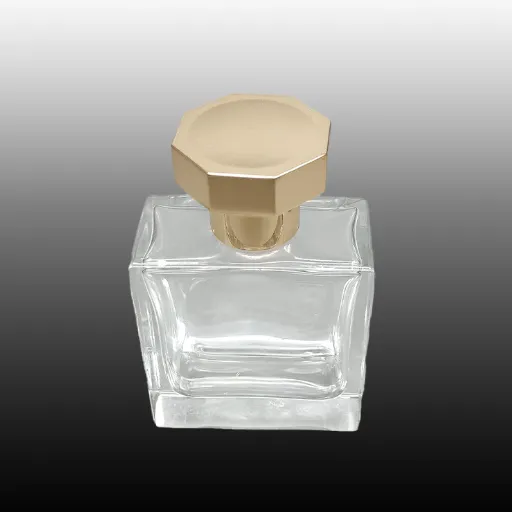
The material is only the beginning. The finish transforms it into a brand statement. Common luxury treatments include:
- Electroplating, gold, silver, rose gold, gunmetal, chrome, black nickel
- Anodizing, durable color on aluminum in matte or satin finishes
- PVD coating, vacuum-deposited finishes with superior wear resistance
- Brushed or polished metal, directional or mirror-like surfaces
- Soft-touch coating, rubberized, velvety feel that resists fingerprints
- Laser engraving, precise logos and patterns without color
- Embossing and debossing, raised or recessed brand marks
- Hot foil stamping, metallic accents on wood, plastic, or leather
Color matching is critical. A cap that looks slightly off from the box or label can make the entire product feel cheap. Always request physical samples under multiple lighting conditions before approving production.
Need help matching finishes to your brand identity? Our team can guide you through custom packaging for cosmetics brands from concept to final sample.
How to Choose the Right Luxury Perfume Cap for Your Brand
The right cap depends on your brand archetype as much as your budget. Use this framework to narrow the field:
| Brand Archetype | Recommended Cap Material | Finish Direction | Closure Style |
|---|---|---|---|
| Heritage / Opulent | Zamac with gold or silver plating | Polished, engraved, gemstone inlay | Magnetic or heavy snap-fit |
| Minimalist / Modern | Aluminum or matte plastic | Brushed, anodized, soft-touch | Magnetic, low-profile |
| Eco-Luxury / Organic | FSC-certified wood or recycled aluminum | Natural oil, matte, uncoated | Screw-fit or light magnetic |
| Avant-Garde / Artistic | Stone, ceramic, or sculpted Zamac | Raw, textured, unconventional | Custom mechanical |
| Mass-Premium / Trendy | Surlyn or high-quality ABS | Metallized, gradient, bold color | Snap-fit or magnetic |
Start with your target retail price. A 250fragrancecanjustifyahand−finishedZamaccap.A250fragrancecanjustifyahand−finishedZamaccap.A45 fragrance may need aluminum or premium plastic to protect margins.
Next determine compatibility of bottles. The cap must fit the neck finish, work with the sprayer or stopper, and survive drop tests and alcohol exposure.
When Marcus, a product developer in New York, sourced caps for his brand’s first launch, he fell in love with a concrete cap design. His manufacturer warned him that the weight would make the bottle top-heavy and increase breakage during shipping.
They compromised on a lighter concrete-veneer cap with a reinforced ABS core. The look stayed dramatic, but the product survived transit testing. Testing assumptions early saved him from a costly recall.
When sourcing from a perfume cap manufacturer, ask about minimum order quantities, lead times, and quality control processes early. The right partner will guide you through material selection, prototyping, and certification rather than simply taking an order.
They compromised on a lighter concrete-veneer cap with a reinforced ABS core. The look stayed dramatic, but the product survived transit testing. Testing assumptions early saved him from a costly recall.
Sourcing Luxury Perfume Caps: What Buyers Need to Know
Minimum Order Quantities
Custom luxury caps typically require MOQs between 500 and 10,000 pieces per model or color. Simpler aluminum or plastic caps often start at 1,000–3,000 pieces. Complex Zamac or stone designs may require 5,000–10,000 pieces to justify mold and tooling costs.
Lead Times
Expect the following timeline for a custom cap project:
- Design and 2D/3D drawings: 1–2 weeks
- Prototype or 3D-printed sample: 3–7 business days
- Mold tooling: 4–5 weeks
- Production: 35–50 days after sample approval
- Shipping: 1–4 weeks depending on method
Cost Tiers
While exact pricing depends on design complexity and volume, relative cost tiers look like this:
- Premium plastics / Surlyn: 0.10–0.10–0.40 per piece
- Aluminum: 0.20–0.20–0.60 per piece
- Wood: 0.30–0.30–0.80 per piece
- Zamac / zinc alloy: 0.25–0.25–0.98 per piece
- Stone / ceramic / glass: 0.80–0.80–3.00+ per piece
Quality Control and Testing
Request the following tests before mass production:
- Salt spray test, measures plating corrosion resistance
- Alcohol immersion test, confirms the cap survives fragrance contact
- Adhesion test, checks that coatings do not chip or peel
- Pull force and torque test, ensures the cap stays on but can be removed
- Drop test, simulates real-world handling
- Lifecycle test, opens and closes the cap thousands of times
Certifications to Request
- ISO 9001, quality management system
- REACH, EU chemical safety compliance
- RoHS, restriction of hazardous substances
- FSC, for wood caps sourced from responsibly managed forests
- BSCI or Sedex, social compliance audits (optional but valuable)
Sustainability in Luxury Perfume Caps
Sustainability and luxury are no longer opposites. According to industry research, 72% of Gen Z and 62% of millennials are willing to pay more for sustainable luxury packaging. Brands that combine premium feel with credible environmental claims can command a 15–25% wholesale price premium.
Key sustainable strategies for sustainable perfume caps in 2026 include:
- Recycled Zamac and aluminum, reduces virgin material use without changing appearance
- FSC-certified wood, verifies responsible forest management
- Post-consumer recycled plastics, PCR Surlyn and ABS options are improving
- Refillable systems, caps designed to last while refill bottles reduce waste
- Design for disassembly, caps that separate easily for recycling
Be careful of greenwashing. A cap labeled “eco-friendly” without certification or data is a liability. Ask suppliers for material certificates, recycling pathways, and lifecycle documentation. If they cannot provide them, the claim is marketing, not proof.
At Fuzhou Longlu Packaging, we help fragrance brands select sustainable packaging materials that meet both brand goals and regulatory requirements. Our team can verify certifications and recommend materials that align with your market.
Common Mistakes When Designing Luxury Perfume Caps
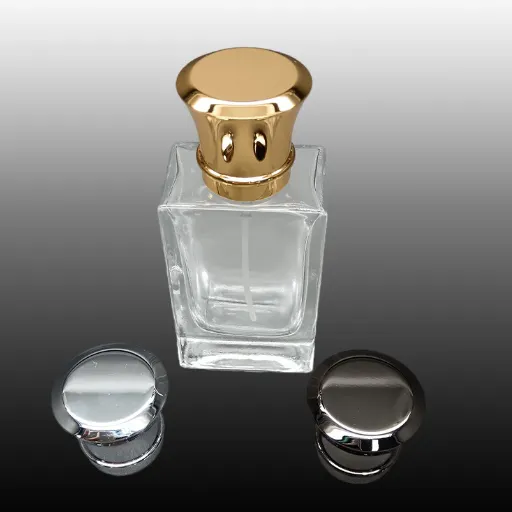
Even experienced brands make costly errors. Watch for these pitfalls:
Prioritizing appearance over bottle compatibility. A beautiful cap that leaks or wobbles damages the entire experience. Always start with the bottle neck finish and sprayer specifications.
Ignoring fragrance-alcohol resistance. Some coatings and plastics degrade when exposed to perfume alcohol over time. Request compatibility testing before finalizing materials.
Underestimating shipping weight and top-heaviness. Heavy caps look luxurious but can make bottles unstable on shelves and more expensive to ship. Balance heft with practicality.
Making unverifiable sustainability claims. Vague “green” language can lead to regulatory penalties and consumer distrust. Use certified materials and disclose limitations honestly.
Skipping physical samples. Renderings look perfect. Only a physical sample reveals true color, weight, sound, and feel under real lighting.
FAQ
What is the most luxurious perfume cap material?
Zamac is widely considered the most luxurious perfume cap material because of its heavy weight, cold metallic feel, and ability to hold intricate finishes. However, the “most luxurious” choice depends on brand identity. Stone, ceramic, and FSC-certified wood can feel equally premium in the right context.
Why are luxury perfume caps so heavy?
Weight signals quality and substance to consumers. Heavy caps, often made from Zamac or stone, create a tactile impression of value. However, brands are increasingly balancing weight with sustainability and shipping practicality.
Can perfume caps be sustainable and luxurious?
Yes. Recycled aluminum, FSC-certified wood, recycled Zamac, and bio-based resins can all deliver premium aesthetics while meeting environmental standards. Certified source and proof of certification should be ensured.
What is the difference between magnetic and screw perfume caps?
Magnetic caps use embedded magnets to align and close automatically, creating a satisfying snap and a premium unboxing moment. Screw caps twist onto the bottle neck and are more common in refillable or travel formats. Both can be luxurious; the choice depends on brand experience and functionality.
How much do custom luxury perfume caps cost?
Custom luxury perfume caps typically range from 0.10to0.10to3.00+ per piece depending on material, finish, complexity, and order volume. Zamac caps usually fall between 0.25and0.25and0.98 per piece at wholesale volumes.
Video: Inside Luxury Fragrance Packaging Design
Understanding how cap design fits into the broader packaging experience can help you make better decisions. Search YouTube for “luxury perfume packaging design” or “fragrance packaging trends 2026” to find a current video that shows how brands use materials, finishes, and closures to create emotional connections with customers.
Conclusion
Luxury perfume caps are where engineering, psychology, and brand storytelling meet. The right cap protects your fragrance, elevates perceived value, and gives customers a tactile reason to remember your brand. Whether you need custom perfume caps for a niche launch or sustainable perfume caps for an eco-conscious line, the decision should be intentional and tested.
As you plan your next fragrance launch, remember the fundamentals: match the cap to your brand archetype, confirm bottle compatibility early, request physical samples, verify certifications, and balance aesthetics with logistics. The cap may be small, but its impact is outsized.
At Fuzhou Longlu Packaging, we specialize in custom packaging solutions for fragrance and cosmetics brands. From material selection to final production, we help you create caps that feel as exceptional as the fragrance inside. Contact us today for a free quote or sample, and let’s bring your next bottle to life.