Wholesale wine boxes are bulk-order packaging solutions that protect bottles during shipping, elevate brand presentation, and reduce per-unit cost for wineries, retailers, and e-commerce brands. The best choice depends on your sales channel: corrugated shippers for e-commerce, rigid gift boxes for premium retail, and wooden crates for luxury or collectible releases.
What most buyers do not realize is that the wrong box can cost far more than its price tag. A flimsy shipper leads to shattered bottles, angry customers, and chargebacks. A plain brown box wastes a prime branding moment. And a luxury wooden crate sent through standard parcel post is often heavier and more expensive than the wine inside.
At Fuzhou Longlu Packaging Co., Ltd., we manufacture custom wine boxes for businesses worldwide. We have seen which designs survive ocean freight, which finishes drive unboxing videos, and which material choices balance sustainability with shelf appeal.
In this guide, you will learn how to select the right wholesale wine boxes, what features to specify, how to vet a supplier, and where the packaging industry is heading in 2026.
Key Takeaways
- Corrugated cardboard shippers are the safest choice for e-commerce and long-distance shipping, while rigid and wooden boxes dominate premium gifting.
- Paper holds 39% of the wine packaging boxes market in 2026, driven by demand for recyclable, lightweight, and printable materials.
- The global wine packaging boxes market is projected to grow from 2.16billionin2026to2.16billionin2026to3.61 billion by 2033 at a 7.6% CAGR.
- Always request physical samples and confirm MOQ, lead time, and certifications before placing a bulk order.
- Sustainability is now a baseline expectation: FSC-certified materials, recyclable liners, and water-based inks help brands meet buyer and regulator expectations.
What Are Wholesale Wine Boxes?
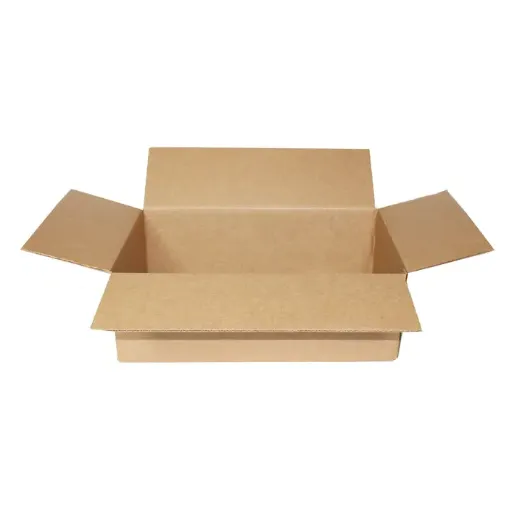
Wholesale wine boxes are packaging containers purchased in large quantities to store, display, gift, or ship wine bottles. They range from simple corrugated carriers to rigid gift boxes with magnetic closures, wooden crates, and specialty round tubes. Whether you need wine bottle boxes wholesale for a winery or branded retail units for a wine shop, the right structure depends on how the bottle reaches the customer.
Businesses buy wholesale wine boxes for three reasons:
- Cost efficiency. Bulk orders lower the per-unit price and stabilize packaging spend.
- Consistency. A single production run guarantees uniform color, size, and print quality across every box.
- Customization. Wholesale orders can include logos, branded inserts, QR codes, and unique structural designs.
The buyers are diverse. A Sonoma winery needs e-commerce shippers that survive UPS drops. A New York wine shop needs elegant gift boxes for the holiday rush.
A corporate gifting agency needs rigid boxes with foil-stamped logos for executive clients. Each use case demands a different box style, material, and finishing approach.
6 Types of Wholesale Wine Boxes (and When to Use Each)
Choosing the right box starts with understanding how the bottle will reach the customer. Here are the six most common wholesale wine box styles and their ideal applications.
Corrugated Cardboard Wine Shippers
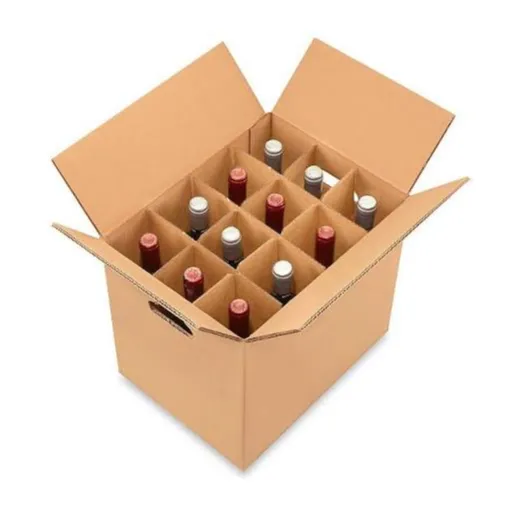
Cardboard wine boxes, also called corrugated shippers, are the workhorse of e-commerce and wholesale distribution. They are built from fluted paperboard sandwiched between linerboards, creating air pockets that absorb impact.
- 3-layer (single wall): Lightweight and economical; best for local delivery or single-bottle carriers.
- 5-layer (double wall): Stronger impact resistance; ideal for 6-bottle cases and regional shipping.
- 7-layer (triple wall): Maximum protection for export pallets and long-haul freight.
Elena, the owner of a small winery in Oregon, learned this the hard way. She initially shipped her wine club orders in lightweight folding cartons to save money. After three customers received broken bottles in one month, she switched to 5-layer corrugated shippers with molded pulp inserts. Her damage rate dropped from 8% to under 1%, and her online reviews improved almost immediately.
For direct-to-consumer sales, look for corrugated shipping boxes that are ISTA-6 certified or approved by major carriers. This reduces the chance of carrier refusal and protects your brand reputation.
Rigid Gift Boxes
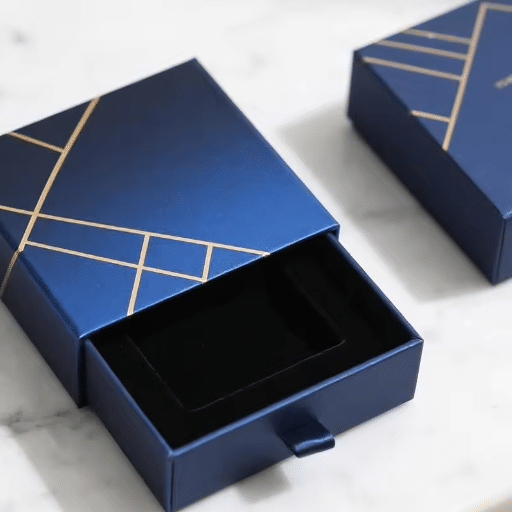
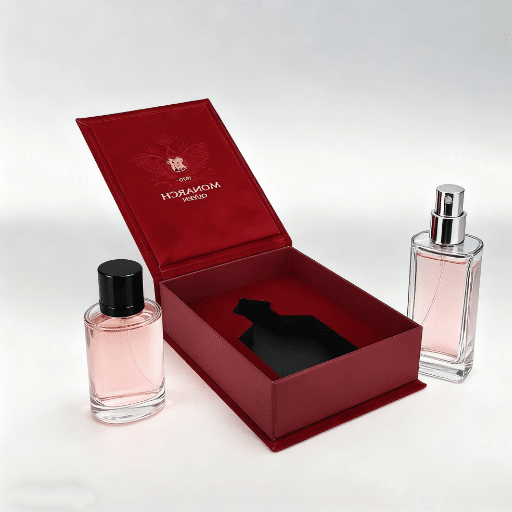
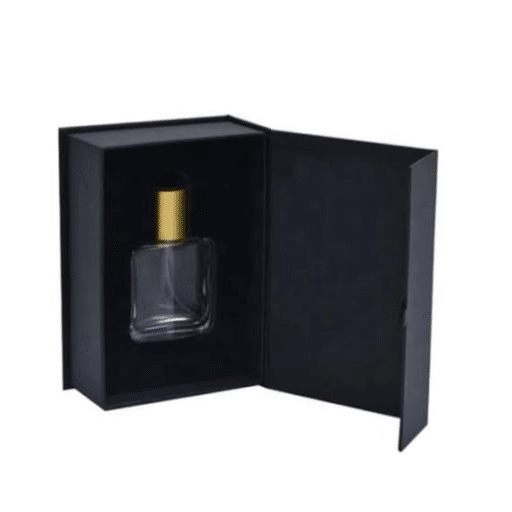
Rigid luxury wine boxes and wine gift boxes wholesale are made from thick greyboard wrapped in specialty paper, fabric, or leather. They do not collapse like folding cartons, giving them a premium feel.
Common features include:
- Magnetic closures with flip-top or double-door openings
- EVA foam or velvet inserts shaped to hold bottles securely
- Window cutouts to showcase the label
- Foil stamping, embossing, and spot UV for branding
Rigid wine gift boxes wholesale are the go-to choice for corporate gifting, luxury retail, and holiday promotions. Luxury wine boxes cost more than corrugated shippers, but they also command higher perceived value.
Wooden Wine Boxes
Wooden wine boxes signal tradition, craftsmanship, and prestige. They are often used for:
- Limited-edition or collectible wines
- High-end corporate gifts
- Wine club anniversary shipments
- Display pieces in tasting rooms
Pine is the most common material because it is strong, workable, and affordable. Paulownia and oak are used for higher-end applications. Many wooden wine boxes include sliding lids, leather straps, or laser-engraved logos.
The downside is weight and cost. Wooden wine boxes are best reserved for in-person presentation or high-value shipments where the packaging itself becomes part of the product.
Foldable / Collapsible Wine Boxes
Foldable boxes ship flat and assemble on demand, saving warehouse space. They are popular with retailers and subscription services that need flexibility.
These boxes are typically made from FSC-certified paperboard and can be printed with full-color branding. They work well when storage space is limited and presentation still matters.
Window Wine Boxes
Window boxes combine a paperboard frame with a clear film panel, letting the bottle label show through. This builds trust and highlights the product without opening the package.
They are common in retail environments where customers make impulse decisions. The window film should be biodegradable or recyclable to maintain sustainability credentials.
Round / Specialty-Shaped Wine Boxes
Round tubes and specialty shapes stand out on shelves and social feeds. They are popular for gift sets, seasonal releases, and influencer marketing campaigns.
Because they require custom tooling, round boxes usually have higher MOQs. However, their reusability as storage containers extends brand exposure long after the wine is gone.
Wine Box Materials Comparison
The material you choose for wholesale wine boxes affects cost, protection, sustainability, and brand perception. Use the table below to compare the most common options.
| Material | Best For | Protection | Eco-Friendliness | Cost |
|---|---|---|---|---|
| Corrugated cardboard | E-commerce shipping | Excellent | High (recyclable, biodegradable) | Low |
| Rigid greyboard | Premium gifting | Very good | Moderate (mixed materials possible) | Medium-high |
| Wood | Luxury presentation | Good | Moderate (sustainable if FSC-certified) | High |
| Kraft paper | Retail and eco-brands | Moderate | High (recyclable, compostable) | Low-medium |
| Molded pulp | Inserts and protection | Excellent | High (recyclable, biodegradable) | Low |
When evaluating materials, ask for material specifications and certificates. A supplier should be able to confirm GSM (grams per square meter), flute size, board grade, and whether the paper comes from certified sources.
Key Features to Specify When Ordering Wholesale Wine Boxes
Once you know the box style and material, the next step is specifying the details that affect performance and appearance.
Box Size and Bottle Fit
Wine bottles are not one size fits all. The three most common shapes are:
- Bordeaux: Straight sides, high shoulders; the most common shape.
- Burgundy: Sloping shoulders, wider body; requires a slightly larger cell.
- Champagne / Sparkling: Thicker glass and wider base; needs extra depth and protection.
Standard configurations include single-bottle, 2-bottle, 3-bottle, 6-bottle, and 12-bottle boxes. Always provide your bottle dimensions and request a physical sample before mass production.
Inserts and Dividers
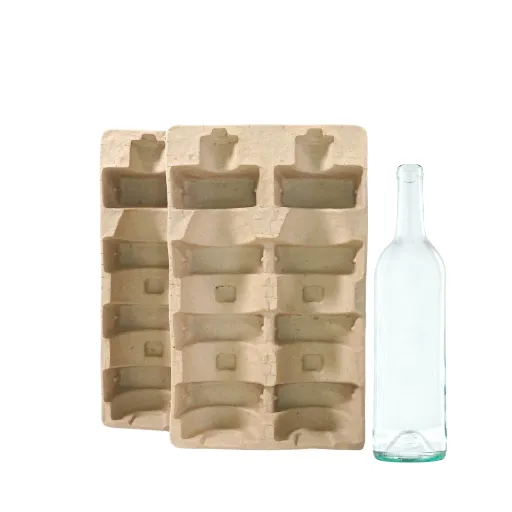
Inserts prevent bottles from clinking during transit. Options include:
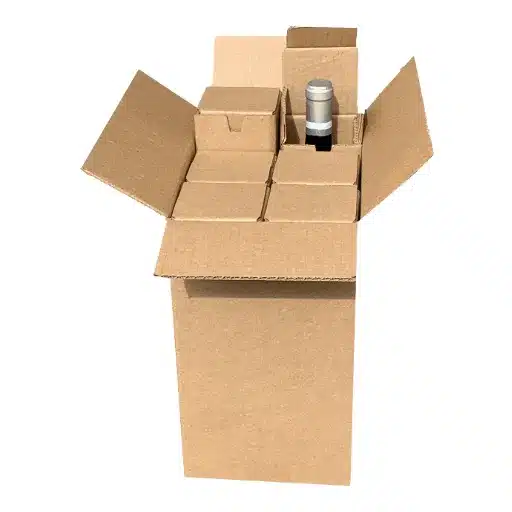
- Corrugated dividers for shipping cases
- EVA foam trays for gift boxes
- Molded pulp for eco-friendly protection
- Velvet or satin liners for luxury presentations
The right insert depends on the journey. A 12-bottle shipper crossing the Pacific needs very different protection than a single-bottle gift box carried by hand.
Printing and Finishing
Your box is a billboard. Specify:
- Printing method: Digital for short runs, offset for high-volume orders.
- Color system: CMYK for full color, Pantone for brand-accurate spot colors.
- Coatings: Matte or gloss lamination, UV coating, soft-touch film.
- Special effects: Foil stamping, embossing, debossing, spot UV.
High-resolution printing and consistent color matching separate professional packaging from amateur boxes. At Fuzhou Longlu Packaging, we use advanced printing technology to ensure your logo and artwork look sharp across every unit.
Closures and Handles
Closures affect both function and perception:
- Tuck-end flaps: Common on shipping boxes; secure and economical.
- Magnetic closures: Premium feel; ideal for gift boxes.
- Sliding lids: Popular on wooden boxes and rigid sleeves.
- Ribbon ties: Decorative and functional for luxury presentations.
- Built-in handles: Useful for carriers and tote-style boxes.
Sustainability Certifications for Eco-Friendly Wine Boxes
Sustainability is no longer a nice-to-have for eco-friendly wine boxes. According to industry research, 74% of people trust brands more when they use clear, green packaging. Specify certifications such as:
- FSC-certified paperboard
- Recyclable or compostable films
- Water-based inks and adhesives
- Carbon-neutral shipping options
For a deeper look at sustainable options, see our sustainable packaging guide.
How to Choose the Right Supplier for Wholesale Wine Boxes
The supplier you choose matters as much as the box itself. Here is a checklist we recommend every buyer follow.
Evaluate Manufacturing Capability
Ask about production capacity, automation, and quality control. A factory with automated die-cutting, gluing, and printing lines can produce consistent results at scale. Request photos or videos of the production floor if you cannot visit in person.
Request Samples and Proofs
Never commit to a bulk order based on a digital mock-up alone. Request:
- A digital proof for artwork approval
- A physical sample for size and material verification
- A pre-production sample before the full run begins
This three-step process catches sizing errors, color shifts, and structural weaknesses early.
Understand MOQ and Pricing
Minimum order quantities vary widely for wine bottle boxes wholesale and wine gift boxes wholesale. Some suppliers require 3,000 units for custom printing, while others offer low-MOQ programs starting at 100 boxes. Be clear about:
- Unit price at different quantity breaks
- Setup fees and plate charges
- Shipping terms (FOB, CIF, DDP)
- Payment terms and deposit requirements
Confirm Lead Times and Logistics
Typical timelines are:
- Sampling: 3–7 days
- Production: 15–30 days depending on complexity
- Shipping: 7–45 days depending on method (air vs. sea)
Build seasonal demand into your planning. Holiday orders should be placed no later than September to avoid port congestion and production queues.
Check Certifications and Compliance
A reliable supplier should provide documentation for:
- FSC or PEFC chain-of-custody certification
- ISO 9001 quality management
- BSCI or Sedex social compliance
- Food-grade material safety where required
Marcus, a procurement manager for a corporate gifting company, once selected a supplier based on low price alone. The boxes arrived late, the colors were off, and the supplier could not provide FSC documentation. His client nearly canceled the contract. Now he vetts every supplier against a certification checklist before signing any purchase order.
Ready to see how your design looks in real life? Contact our team for a free sample and digital proof.
2026 Wine Packaging Trends to Watch
The wine packaging industry is evolving quickly. Here are the trends shaping wholesale wine boxes in 2026.
Sustainability as Baseline
Eco-friendly wine boxes made from recycled paperboard, compostable films, and reusable carriers are becoming standard. Brands that ignore sustainability risk being passed over by eco-conscious retailers and consumers. According to Coherent Market Insights, paper holds 39% of the wine packaging boxes market, reflecting this shift.
Texture and Haptic Design
Smooth, glossy finishes are giving way to textured surfaces. Embossed logos, soft-touch lamination, and natural kraft fibers invite customers to touch and remember the package. As one industry voice puts it, “Texture is the new premium.”
Smart Packaging
QR codes and NFC tags connect physical boxes to digital experiences. Scanning a box can reveal vineyard stories, food pairings, or loyalty program offers. This bridges the gap between packaging and marketing.
E-Commerce-Ready Unboxing
With more wine sold online, boxes must protect bottles while still delivering a memorable unboxing experience. Reinforced corners, branded tissue paper, and printed insert cards turn a delivery into a brand moment.
Minimalist, Heritage-Inspired Aesthetics
Muted colors, classic typography, and uncoated paper stocks are trending. The look says “authentic” and “established” without shouting.
For more on where packaging is headed, read our overview of packaging trends 2026.
Sustainability in Wholesale Wine Boxes
Sustainable and eco-friendly wine boxes are about more than material choice. They are about the entire lifecycle of the box.
Start with the outer layer. FSC-certified paperboard ensures the wood pulp comes from responsibly managed forests. Recycled content reduces virgin material use. Water-based inks and adhesives cut down on volatile organic compounds.
Then consider the inner protection. Molded pulp and corrugated inserts are recyclable and biodegradable. Foam and plastic trays may protect well but can conflict with sustainability goals unless they are recycled or reusable.
Finally, think about end-of-life. Can the customer recycle the entire box? Is it designed to be reused as storage? Packaging that lives a second life keeps your brand visible longer.
For wine brands comparing alternative formats, bag-in-box packaging offers dramatic environmental advantages. Research cited by BiboVino shows that bag-in-box wine reduces carbon footprint by 84% and landfill waste by 96% compared to traditional glass bottles. While this guide focuses on rigid and folding boxes, the data underscores how much packaging choices matter for a brand’s environmental story.
Common Mistakes to Avoid When Buying Wholesale Wine Boxes in Bulk
Even experienced buyers make these mistakes. Avoid them to save time, money, and reputation.
Choosing Style Over Protection
A beautiful box is useless if the bottle arrives broken. Always test samples through your actual shipping process before finalizing design.
Ignoring Shipping Cube and Weight
Heavy wooden boxes or oversized rigid boxes increase freight costs and dimensional weight charges. Match the package to the shipping method.
Skipping Sample Approval
Digital proofs cannot reveal texture, fit, or structural weakness. A physical sample is non-negotiable for bulk orders.
Overlooking Print Color Consistency
Colors can shift between screens, proofs, and production. Use Pantone references and request a printed proof for critical brand colors.
Neglecting Seasonal Demand Planning
Wine box demand spikes before holidays and harvest seasons. Order early to avoid rush fees and capacity shortages.
Conclusion
Wholesale wine boxes are a strategic investment, not just a shipping expense. The right box protects your product, communicates your brand, and can even drive repeat purchases.
To choose wisely, match the box style to your sales channel. Use cardboard wine boxes and corrugated shippers for e-commerce, rigid wine gift boxes wholesale for premium gifting, and wooden wine boxes or luxury wine boxes for collectible releases. Specify size, inserts, printing, closures, and certifications carefully. Vet your supplier on capability, samples, MOQs, lead times, and compliance.
The wine packaging market is growing steadily, with the global wine packaging boxes market expected to reach $3.61 billion by 2033. Brands that invest in quality, sustainable, and well-designed packaging now will be the ones customers remember.
At Fuzhou Longlu Packaging Co., Ltd., we help wineries, retailers, and e-commerce brands create custom packaging designs that protect products and elevate brands. Whether you need 100 boxes or 100,000, our team can guide you from concept to delivery.
Ready to get started? Request a free quote and sample today, and let us build the perfect wholesale wine boxes and custom wine boxes for your business.
FAQ
What is the minimum order quantity for wholesale wine boxes?
MOQs vary by supplier and customization level. Some manufacturers require 3,000 units for custom printing, while others offer low-MOQ programs starting at 100 boxes. Always confirm the MOQ and price breaks before designing.
How long does it take to produce custom wine boxes?
Sampling typically takes 3–7 days, production takes 15–30 days, and shipping takes 7–45 days depending on the method. Plan at least 8–12 weeks ahead for seasonal orders.
What is the most sustainable material for wine boxes?
FSC-certified corrugated cardboard with water-based inks is one of the most sustainable choices. It is recyclable, biodegradable, and lightweight, which reduces transportation emissions.
Can wine boxes be customized with logos and brand colors?
Yes. Most suppliers offer CMYK or Pantone printing, foil stamping, embossing, and custom inserts. Request a printed proof to confirm color accuracy before mass production.
Are wooden wine boxes better than cardboard wine boxes?
It depends on the use case. Wooden boxes offer premium presentation but are heavier and more expensive. Cardboard boxes are lighter, more protective for shipping, and easier to recycle.
What is the difference between wine bottle boxes wholesale and retail boxes?
Wine bottle boxes wholesale are ordered in bulk for wineries, distributors, and retailers. They are usually customized with branding and designed for protection during shipping or display. Retail boxes are often smaller, pre-branded quantities sold directly to consumers.
How do I design custom wine boxes with my logo?
Start with your bottle dimensions and brand guidelines. Choose a box style, material, and finish. Provide vector artwork to your supplier for CMYK or Pantone printing. Request a digital proof, then a physical sample, before approving mass production.
What makes luxury wine boxes different from standard boxes?
Luxury wine boxes use rigid greyboard, magnetic closures, velvet or EVA inserts, and premium finishes like foil stamping or embossing. They are designed for gifting and high-end retail rather than shipping.
Are eco-friendly wine boxes as durable as traditional boxes?
Yes. Modern eco-friendly wine boxes use corrugated cardboard, molded pulp, and rigid paperboard that protect bottles as well as conventional materials. FSC-certified and recycled options do not sacrifice strength.