The best eco-friendly wine packaging alternatives in 2026 are lightweight glass, paper bottles, flat rPET, aluminum cans, bag-in-box, Tetra Pak, and refillable bottles. Each format cuts carbon emissions, but the right choice depends on your wine style, brand position, and distribution model.
Most wineries still ship their product in heavy glass. That decision is understandable. Glass feels premium, protects wine well, and signals tradition. But it also creates a problem. A standard 750ml bottle can weigh more than the wine inside it, and hauling that weight across continents burns fuel and money. When Elena Marchetti, a small winery owner in Tuscany, switched her export line to lightweight bottles and molded pulp shippers, she cut shipping costs by 23% in one year. Her distributors noticed fewer breakages too.
This guide walks you through the full landscape of sustainable wine packaging. You will learn which formats work best for different wines, what materials matter for boxes and shipping, and how to choose a manufacturing partner that can scale with your business.
Key Takeaways
- Glass bottles can account for up to 40% of a wine’s total lifecycle carbon footprint, making packaging the fastest lever for sustainability gains.
- Paper wine bottles, flat rPET, aluminum cans, and bag-in-box formats can reduce emissions by 50–84% compared with traditional glass.
- Recycled cardboard, molded pulp inserts, and FSC-certified kraft paper are the most practical eco-friendly wine boxes and shipping materials.
- Consumer demand is rising: over 70% of millennial wine buyers will pay a premium for sustainable products.
- The right manufacturing partner helps you balance sustainability, branding, protection, and minimum order quantities.
Why Eco-Friendly Wine Packaging Matters Now
Sustainability is no longer a nice-to-have in the wine trade. It is becoming a baseline expectation. Regulators in the EU and UK are tightening packaging waste rules, major retailers are demanding lower-carbon formats, and younger drinkers research brands before they buy.
According to Bergin Glass, over 70% of millennial wine buyers will pay a premium for sustainable products. That figure matters because millennials and Gen Z now make up the largest growth segment in wine. When your eco-friendly wine packaging visibly communicates that commitment, it becomes a selling point before the first sip.
The pressure is not only consumer-driven. The wine industry itself has identified packaging as its biggest carbon problem. The production and transport of bottles, closures, labels, and outer boxes can represent up to 70% of a wine’s overall emissions. That means every decision about material, weight, and format has an outsized impact.
For exporters, the math is even clearer. A container loaded with heavy, thick-glass bottles hits its weight limit before it is full. Switching to lighter formats allows more cases per shipment, which lowers the per-bottle carbon footprint and the freight bill. One California winery reported saving enough on ocean freight in six months to fund a full label redesign.
What Is Eco-Friendly Wine Packaging?
Eco-friendly wine packaging is any bottle, box, can, pouch, or shipping material designed to reduce environmental impact across its lifecycle. It minimizes raw material use, transport emissions, and waste while protecting the wine and representing the brand.
A truly sustainable package checks several boxes:
- Recyclability. The material can re-enter the recycling stream at end of life.
- Lightweighting. Less material and lower weight cut transport emissions.
- Renewable inputs. Materials like FSC-certified paper, bamboo, or bio-based polymers come from renewable sources.
- Reuse. Refillable or returnable systems keep packaging in circulation longer.
- Biodegradability. In some cases, compostable materials break down without leaving microplastics.
No single format wins on every metric. Glass is endlessly recyclable but heavy. Paper bottles are lightweight but need a plastic liner. Aluminum recycles well but has high upfront production energy. The goal is to match the format to the wine, the market, and the values you want to project.
The Environmental Cost of Traditional Wine Packaging
The traditional method of wine packaging includes using a glass bottle, and glass has its share of carbon footprints. Manufacturing glass requires temperatures above 1,500°C. Melting sand, soda ash, and limestone consumes large amounts of energy, and unless that energy comes from renewable sources, emissions are significant.
Then comes transport. A pallet of full glass bottles is mostly glass and wine. The heavier the bottle, the more fuel is needed to move it. For wines shipped internationally, transport can outweigh production in total emissions. The industry response has been to pursue three parallel paths toward better eco-friendly wine packaging: lightweight the glass bottle, adopt alternative formats, and improve shipping protection with recyclable materials.
Recycling helps, but it is not a perfect solution. Glass recycling rates vary widely by region, and colored glass must be sorted. Contaminated or mixed-color cullet often downcycles into lower-value products. That is why the most effective strategy starts with reduction: use less material, ship less weight, and design for reuse or easy recycling.
Top Eco-Friendly Wine Packaging Alternatives
The following comparison summarizes the leading alternative wine packaging options available to wineries in 2026.
| Format | Weight | Carbon Reduction | Recyclability | Best For |
|---|---|---|---|---|
| Lightweight glass | 350–420g | 18–25% | High | Premium wines, retail display |
| Paper wine bottles | ~83g | Up to 84% | Paper widely; liner varies | Entry to mid-range, eco-focused brands |
| Flat rPET bottles | ~63g | 50–70% | High where accepted | E-commerce, young wines |
| Aluminum cans | ~14g | 35–50% | High | Single-serve, outdoor occasions |
| Bag-in-box | Varies | Up to 80% | Cardboard high; bag limited | Everyday wine, restaurants |
| Tetra Pak | Very light | 50–70% | Infrastructure-dependent | Young, fresh wines |
| Refillable bottles | Heavy but reused | Up to 80% per refill | Very high | Local markets, subscription models |
Lightweight Glass Bottles
Lightweighting is the lowest-risk first step for most wineries, and modern recyclable wine bottles can weigh under 420 grams without feeling cheap. The Sustainable Wine Roundtable’s Bottle Weight Accord is pushing the industry toward an average of less than 420g for standard 750ml bottles by the end of 2026. Some producers have already reached 320g for still wines.
It’s a perception issue. People tend to believe that heavier bottles are better-quality ones. Here, the smart thing for the wineries would be to use labeling and storytelling to convey the message without adding more glass to their bottles.
Paper Wine Bottles
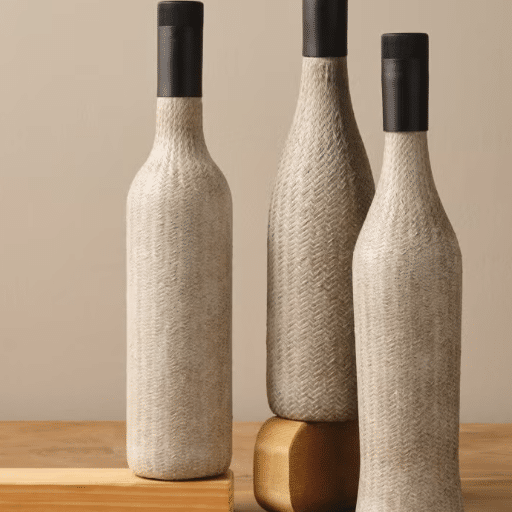
Paper-based wine bottles are going beyond just being conceptual; they have become commercialized. Frugal Bottle consists of 94% recycled paperboard and food-grade lining; it weighs around 83 grams and has the carbon footprint up to six times less than glass. In 2024, Bonny Doon Vineyard became the first US winery to launch a Frugal Bottle in Whole Foods nationally.
The format works best for wines consumed within 12–18 months. The outer paper shell offers excellent print real estate for branding, and the liner can be removed for separate recycling. For wineries wanting to stand out on shelf, paper bottles are a conversation starter.
Flat rPET Bottles
Flat recycled PET bottles from companies like Packamama fit twice as many units per pallet as round glass bottles. They are 81% lighter than glass and shatterproof. Their flat shape also makes them ideal for e-commerce shipping.
The downside is oxygen and UV barrier limitations. Flat rPET is best for wines with a short shelf life and quick turnover, not for cellar-worthy bottles.
Aluminum Cans
Canned wine has grown from a fad to a serious category. Cans are lightweight, chill quickly, and have a global recycling rate around 75%. They work for single-serve formats, outdoor events, and younger consumers who value convenience.
Aluminum does require significant energy to produce initially, but its recycling loop is highly efficient. A can can be back on shelf as a new can within 60 days.
Bag-in-Box
Bag in box wine has evolved. Once associated with cheap table wine, it now appears in premium formats like Le Grappin’s “Bagnum,” a bag without a box designed for high-quality Burgundy. The format keeps wine fresh for weeks after opening, reduces packaging volume, and slashes transport emissions.
In Scandinavia, more than half of retail wine sales come from boxed wine. That proves consumers will accept the format when the quality matches the convenience.
Tetra Pak
Tetra Pak cartons are lightweight, compact, and efficient to ship. They are common in Europe and parts of Asia for young, fresh wines. The main barrier is recycling infrastructure. Multi-layer cartons require specialized facilities that are not available everywhere.
Refillable and Reusable Bottles
Refillable systems offer the lowest per-use emissions for local and regional distribution. Oregon’s Revino program claims up to 80% emission reduction per refill cycle. The challenge is reverse logistics: bottles must be collected, cleaned, inspected, and refilled. That works well in dense urban markets and subscription models, but it is harder to scale nationally.
Sustainable Materials for Wine Boxes and Shipping
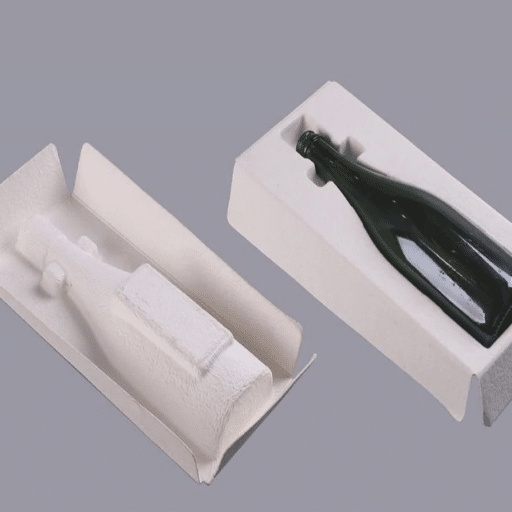
Bottles get most of the attention, but the outer packaging matters too. For e-commerce brands and exporters, choosing the right wine packaging materials is critical. A beautiful bottle means nothing if it arrives broken or wrapped in plastic.
Recycled Corrugated Cardboard
Recycled corrugated cardboard is the workhorse of eco-friendly wine packaging for e-commerce and export. It is strong, recyclable, and easy to print with branding. Double-wall or triple-wall boards protect heavier shipments, while single-wall works for lighter retail packs.
Molded Pulp Inserts
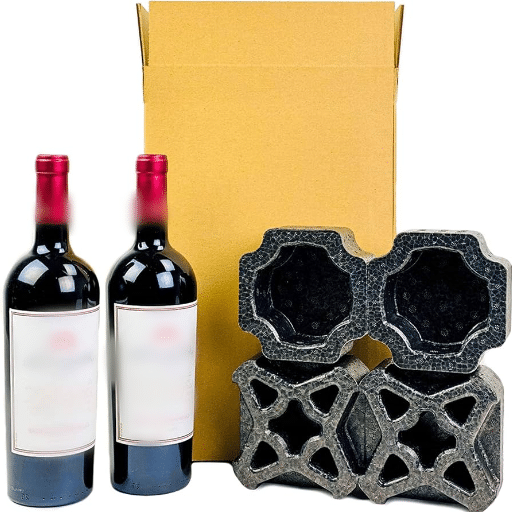
Molded pulp trays cradle bottles without foam or plastic. They are made from recycled paper fibers and can be shaped to fit standard, magnum, or multi-bottle configurations. After use, they compost or recycle with paper waste.
FSC-Certified Kraft Paper
Kraft paper has a natural, tactile quality that signals sustainability. It works for outer wraps, filler, and labels. FSC certification confirms the paper comes from responsibly managed forests.
Compostable Films and Liners
For moisture protection or window panels, compostable films made from PLA or other bio-based materials can replace conventional plastic. They require industrial composting in most cases, so clear disposal instructions are essential.
If you are looking for a complete overview of material choices, our sustainable packaging guide covers certifications, coatings, and print methods in more detail.
How to Choose the Right Eco-Friendly Wine Packaging
Selecting the right eco-friendly wine packaging requires more than comparing carbon footprints. You need to match the format to your wine, your market, and your operational reality.
Start with the wine. Age-worthy reds and prestige cuvées still belong in glass, but even then lightweight glass can cut emissions without hurting perception. Fresh whites, rosés, and ready-to-drink wines are good candidates for paper, rPET, cans, or bag-in-box.
Consider the channel. E-commerce benefits from flat, shatterproof formats and compact shippers. Retail needs shelf presence and clear labeling. On-premise accounts may prefer kegs or bag-in-box for by-the-glass programs.
Factor in regulations. The EU’s Packaging and Packaging Waste Regulation is pushing producers toward recyclability and recycled content. UK retailers are setting their own sustainability requirements. If you export, your packaging must comply with destination rules.
Plan the budget. Alternative formats sometimes carry higher per-unit costs or tooling fees. However, savings on freight and breakage often offset those costs. Work with a manufacturer that offers flexible production runs, especially for first trials. Our custom wine boxes team can produce small test batches before you commit to a full order.
2026 Wine Packaging Sustainability Trends
Several trends are reshaping how wineries approach eco-friendly wine packaging in 2026.
Foil-free bottles and direct-to-glass printing. Many producers are dropping the foil capsule and printing directly on the bottle neck. This removes a non-recyclable component and simplifies the recycling stream.
Smart labels and QR codes. QR codes on labels let consumers trace a wine’s carbon footprint, recycling instructions, or sustainability story. This builds trust and meets growing demand for transparency.
Premium bag in box wine. Bag-in-box is shedding its budget reputation as premium producers adopt the format. Better taps, elegant outer boxes, and smaller formats are making it attractive for higher-end wines.
Substantiated sustainability claims. Regulators and consumers are getting better at spotting greenwashing. Vague claims like “eco-friendly” are being replaced by verified data, certifications, and lifecycle assessments.
Reusable packaging as brand equity. Leather totes, wooden boxes, and insulated carriers that customers keep turn packaging into a long-term brand touchpoint. This approach works especially well for gift sets and wine clubs.
For a broader look at where packaging is heading, see our article on packaging trends for 2026.
Sourcing Custom Eco-Friendly Wine Packaging
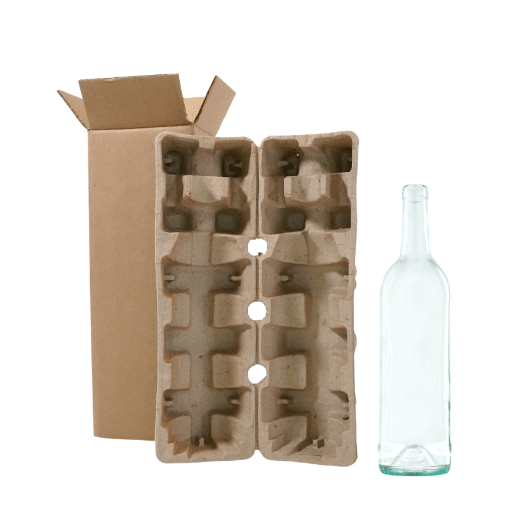
Finding the right partner is as important as choosing the right format. A good supplier does more than print boxes. They help you select materials, optimize structure, manage certifications, and scale production.
Look for material expertise. Can the supplier source FSC-certified board, molded pulp, kraft paper, and bio-based coatings? Do they understand the difference between recyclable, biodegradable, and compostable?
Ask about customization. Your packaging should reflect your brand. Confirm the supplier offers custom sizes, high-resolution printing, embossing, foil stamping, and window cutouts where relevant.
Check logistics capability. Eco-friendly wine packaging often crosses borders, so choose a supplier with global shipping experience. Ask about lead times, pallet configurations, and damage rates.
Request certifications. Relevant credentials include FSC for paper, ISO for quality management, and recyclable content certifications. If you sell into regulated markets, compliance documentation is essential.
Never commit to a full production run without seeing and testing samples. Request prototypes, conduct drop tests, and check how the packaging performs in real shipping conditions.
At Fuzhou Longlu Packaging Co., Ltd., we specialize in custom packaging solutions for wine brands of every size. Whether you need custom wine boxes, molded pulp shippers, or branded kraft carriers, we can tailor the design, material, and finish to your sustainability goals.
Frequently Asked Questions
What is the most sustainable wine packaging?
There is no single answer. For single-use retail, paper wine bottles and flat rPET bottles offer the largest carbon reductions. For local distribution, refillable glass systems can be best. For restaurants and events, kegs and bag-in-box reduce waste.
Can premium wine use eco-friendly packaging?
Yes. Premium producers are using lightweight glass, foil-free bottles, direct-to-glass printing, and even high-end bag in box wine formats. The key is to communicate quality through design, closure choice, and storytelling rather than relying on heavy glass.
Are paper wine bottles safe for wine?
Paper bottles use a food-grade inner liner that protects the wine from oxygen and moisture. They are suitable for wines with a typical consumption window of 12–18 months. They are not suitable for aging wines.
Is boxed wine as good as bottled wine?
For wines meant to be drunk young, studies have found no significant sensory difference between bag-in-box and glass over typical consumption windows. The tap keeps oxygen out for weeks after opening, which glass cannot match once uncorked.
What should I look for in an eco-friendly wine packaging supplier?
Look for material expertise, customization capability, global logistics experience, relevant certifications, and willingness to produce samples. The supplier should understand both sustainability and brand presentation.
Conclusion
Eco-friendly wine packaging is no longer a niche experiment. It is a strategic priority for wineries, retailers, and exporters who want to cut costs, meet regulations, and attract the next generation of wine drinkers.
The best approach to eco-friendly wine packaging is not to chase a single perfect format. It is to build a portfolio strategy. Use lightweight glass for your prestige lines, paper or flat rPET for volume e-commerce, cans for outdoor occasions, and bag-in-box for hospitality and subscriptions. Custom wine boxes and shipping materials are equally important parts of your sustainable wine packaging strategy.
At Fuzhou Longlu Packaging Co., Ltd., we help wine brands make that transition without sacrificing protection or brand presence. If you are ready to explore custom eco-friendly wine boxes, molded pulp shippers, or branded sustainable carriers, contact our team for a free quote and sample.