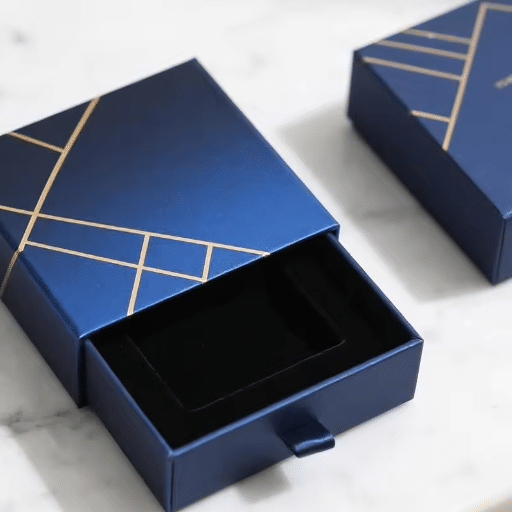
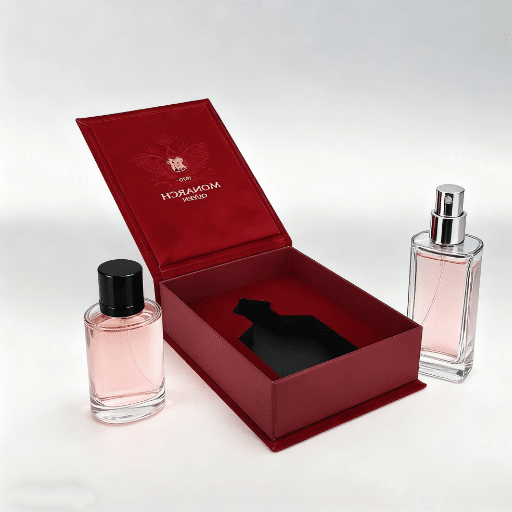
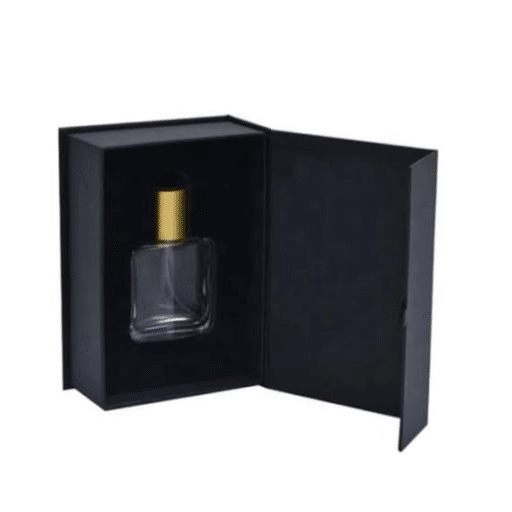
Wine box manufacturing is the process of designing, printing, forming, and finishing protective packaging built around a wine bottle, typically a standard 750ml size. It combines structural engineering, printing, and hand assembly to produce everything from a simple corrugated shipper to a luxury rigid gift box. Understanding that process is the fastest way to judge whether a manufacturer can actually deliver what your brand needs.
Most buyers start their search the wrong way. They compare quotes before they understand what drives those quotes. The result is a box that looks fine in a photo but arrives late, crushes in transit, or costs twice what it should.
Here’s the good news. Once you know how wine boxes are made, the quotes start to make sense. You can ask sharper questions, spot red flags early, and choose a partner with confidence.
In this guide, we walk through the full wine box manufacturing process step by step. You’ll learn which materials fit which use case, the dimensions that matter, what finishes cost, and how MOQ and lead times really work. Then we’ll give you a practical checklist for choosing the right custom wine box manufacturer. As a packaging manufacturer ourselves, we’ve seen where orders succeed and where they go wrong, and we’ll share both.
Key Takeaways
- Wine box manufacturing runs through eight core stages: material selection, printing, lamination, die-cutting, finishing, insert engineering, assembly, and quality control.
- Your material choice (rigid board, kraft, corrugated, or wood) sets the cost, protection level, and perceived value of the box.
- Box dimensions are driven by the 750ml bottle, which stands 11.5 to 13 inches tall and 2.9 to 3.75 inches wide depending on style.
- Typical MOQs run 200 to 500 pieces for custom rigid boxes, with samples in 3 to 15 days and production in 10 to 20 days.
- Always verify FSC, ISO 9001, and social-compliance certifications before you commit to a manufacturer.
What Is Wine Box Manufacturing?
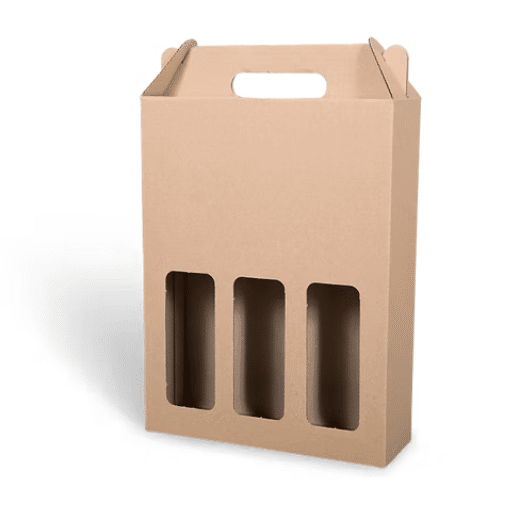
Wine box manufacturing is the end-to-end production of packaging designed specifically for wine bottles. It covers material sourcing, printing, structural forming, decorative finishing, protective insert creation, assembly, and quality testing. The goal is a box that protects the bottle in transit and presents the brand at its best on the shelf or in a customer’s hands.
That definition matters because it separates a true manufacturer from a reseller. A manufacturer controls the process on the factory floor. A reseller simply passes your order to one. Knowing the difference shapes everything from price to lead time to quality control.
How Are Wine Boxes Made? The Manufacturing Process Step by Step
Every custom wine box moves through the same core stages. The details change with material and complexity, but the sequence stays consistent. Here’s how the wine box manufacturing process works from raw board to finished box.
1. Material Selection
Production starts with the substrate. The manufacturer cuts or sources board to the required thickness and grade. Rigid gift boxes use thick grey chipboard, often 2mm to 6mm. Folding cartons use lighter kraft or white cardboard. Shippers use corrugated board, usually a B-flute around 3mm for strength.
This choice locks in cost and protection early. It’s also where sustainability decisions happen, since you can specify FSC-certified or recycled board at this stage.
2. Printing
Next, your artwork goes onto the material. Three printing methods dominate wine packaging, and each fits a different run size.
- Offset printing delivers the sharpest image and handles photographic detail well. It’s the standard for premium boxes at medium to large volumes.
- Flexography is cost-effective for very large runs, especially on corrugated shippers.
- Digital printing needs no plates, so it suits short runs, prototypes, and fast turnarounds.
The right method balances print quality against your order quantity and budget.
3. Lamination and Surface Treatment
After printing, a thin film is bonded to the surface. This protects the ink and sets the tactile feel. Matte lamination reads as understated and premium. Gloss lamination makes colors pop. Soft-touch lamination gives a velvety finish that signals luxury the moment someone picks up the box.
Lamination also adds scuff and moisture resistance, which matters for boxes that travel.
4. Die-Cutting and Structural Forming
Now the flat sheet becomes a box shape. A die, either a steel-rule die or a laser-cut tool, stamps the exact outline, creases, and fold lines into the board. Precision here determines whether the box folds cleanly, closes square, and fits the bottle snugly.
For rigid boxes, this stage cuts the chipboard panels that will later be wrapped. For folding cartons, it defines the entire one-piece structure.
5. Finishing
Finishing is where a wine box earns its premium feel. Common options include:
- Foil stamping in gold, silver, or custom colors for logos and accents
- Embossing and debossing to raise or recess design elements
- Spot UV to add gloss contrast on specific areas
- Texture wraps like linen or leatherette paper
Each finish adds cost and time, so choose deliberately. One or two well-placed finishes beat a box overloaded with effects.
6. Insert Engineering
The insert holds the bottle still and absorbs shock. Manufacturers engineer inserts from EVA foam, molded paperboard, corrugated dividers, or silk-lined trays. The insert must match the bottle’s diameter and height exactly, since even a few millimeters of play can mean a broken bottle.
This step is easy to overlook and expensive to get wrong. Always confirm insert design before full production.
7. Assembly and Gluing
In assembly, the components come together. Rigid boxes are wrapped by hand or machine, with printed paper laminated over the chipboard panels. Folding cartons are glued along their seams, often with a lock-bottom structure that sets up fast and stays strong. Magnetic closures, ribbon pulls, and handles are added here.
Much of this work is still done by skilled hands, which is one reason lead times and MOQs exist.
8. Quality Control and Load Testing
Finally, finished boxes go through inspection. Reputable manufacturers run load-bearing and drop tests to confirm the box protects the bottle under real shipping stress. They check color accuracy, glue strength, and closure fit before anything ships.
This last gate is what separates a reliable factory from a gamble. Ask any manufacturer how they test, and listen carefully to the answer.
For a visual walkthrough of how rigid gift boxes come together on the factory floor, this overview is worth a few minutes:
Want to see how this process applies to your product? Request a free structural design and quote from our team →
Wine Box Materials: Choosing the Right Substrate
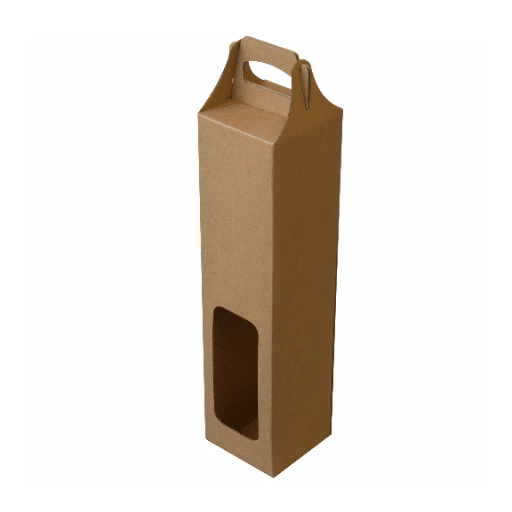
Your material choice shapes cost, protection, and brand perception more than any other decision. Here’s how the four main options compare.
Rigid / Grey Chipboard
Rigid board is the premium standard for wine gift boxes. It’s thick, holds its shape, and wraps beautifully with printed or textured paper. Use it for gifting, retail display, and high-end branding. It costs more and usually carries a higher MOQ, but it delivers the unboxing experience customers remember.
Kraft and White Cardboard
Lighter cardboard suits folding cartons and budget-conscious runs. It prints well, ships flat to save space, and assembles quickly. It’s a smart fit for subscription boxes and mid-tier retail where cost control matters.
Corrugated Board
Corrugated is the workhorse for shipping. The fluted layer absorbs impact, making it ideal for e-commerce and long transit. Pair it with divider inserts to move multiple bottles safely. If your bottles travel, corrugated is your friend. For more on this, see our guide to wine shipping boxes.
Wood
Wooden boxes, often pine, paulownia, or MDF, sit at the top of the range. They’re durable, reusable, and read as genuinely premium. Lead times run longer, typically 4 to 6 weeks, and cost is highest. Reserve wood for flagship products and corporate gifting.
Wine Box Dimensions by Bottle Count
Box dimensions start with the bottle. A standard 750ml wine bottle stands 11.5 to 13 inches tall. Diameter varies by style, from about 2.9 inches for a slim Bordeaux bottle to 3.5 to 3.75 inches for Champagne. You can reference a detailed wine bottle dimensions chart when planning.
From there, manufacturers build out standard footprints by bottle count:
| Box Type | Approximate Dimensions |
|---|---|
| 1-Bottle | 4″ × 4″ × 15″ |
| 3-Bottle | 12″ × 4″ × 15″ |
| 6-Bottle | 12″ × 8″ × 15″ |
| 12-Bottle Case | 14″ × 12″ × 16″ |
Always confirm your exact bottle before finalizing dimensions. A Burgundy bottle needs more room than a Bordeaux, and a magnum needs a custom structure entirely. Getting dimensions right protects the bottle and avoids costly remakes.
Finishing Options That Elevate Wine Packaging
Finishes turn a functional box into a brand statement. The key is restraint. Pick finishes that reinforce your positioning rather than compete for attention.
For luxury positioning, gold or silver foil stamping paired with embossing creates instant perceived value. For an eco-conscious brand, a clean matte lamination on recycled kraft tells the sustainability story better than any shine. For retail shelf impact, spot UV adds contrast that catches the eye under store lighting.
When Mike, a small winery owner in Oregon, first ordered custom boxes, he specced every finish available. Foil, embossing, soft-touch, and spot UV all on one box. The quote came back 60% over budget, and the design looked cluttered. On his second attempt, he kept only the gold foil logo on matte black rigid board. The box looked more expensive, cost far less, and his gift sales jumped that holiday season. Fewer finishes, chosen well, win.
MOQ, Lead Times & What Drives Manufacturing Cost
Three numbers shape every wine box order: minimum order quantity, lead time, and unit cost. All three trace back to the manufacturing process itself.
MOQ exists because setup is expensive. Printing plates, dies, and assembly line preparation cost the same whether you make 100 boxes or 10,000. That’s why custom rigid boxes commonly start at 500 to 1,000 pieces, while simpler folding styles can begin at 200 to 300.
Lead time reflects the hands-on stages. Samples typically take 3 to 15 days. Mass production runs 10 to 20 business days for paper boxes, and 4 to 6 weeks for wood. Hand assembly and finishing are the bottlenecks.
Unit cost falls as volume rises, because those fixed setup costs spread across more boxes. Material, finishes, and insert complexity push it back up.
Understanding this math lets you negotiate from knowledge. For a deeper breakdown, read our analysis of how much custom wine boxes cost.
How to Choose a Wine Box Manufacturer
You now know the process. That knowledge is your best vetting tool, because a capable manufacturer will answer detailed process questions easily, while a reseller will deflect. Use this checklist before you commit.
Certifications to Require
Certifications verify that a factory meets real standards. Look for:
- FSC for responsibly sourced paper and board
- ISO 9001 for quality management and ISO 14001 for environmental management
- BSCI or Sedex for social and labor compliance
A manufacturer that holds these has invested in consistency. It’s a strong trust signal.
Questions to Ask Before Ordering
- Which printing and finishing methods do you run in-house?
- How do you engineer and test the bottle insert?
- What load and drop testing do you perform?
- Can I see a physical sample before full production?
- What’s your realistic MOQ and lead time for my spec?
Clear, specific answers signal a real factory. Vague ones signal a middleman.
Red Flags to Avoid
- No physical address or factory photos
- Unwillingness to provide samples
- Prices far below market with no explanation
- No mention of quality control or testing
- Pressure to pay in full upfront with no milestones
Consider Sarah, a procurement manager for a corporate gifting firm. She nearly signed with a supplier quoting 40% below everyone else. Something felt off, so she asked about insert testing and factory certifications. The supplier couldn’t answer either question and stopped responding. She went with a certified manufacturer instead, paid a fair price, and her 5,000 gift boxes arrived on time with zero breakage. The cheapest quote would have cost her the client.
Ready to spec your wine boxes with a certified manufacturer? Get a custom quote and free design consultation →
Sustainable Wine Box Manufacturing
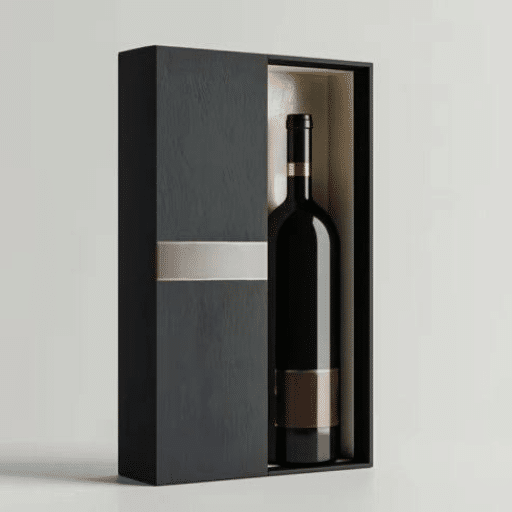
Sustainability is now a buying requirement, not a bonus. The good news is that eco-friendly wine box manufacturing is practical at every price point.
Start with FSC-certified or recycled board, which reduces environmental impact without sacrificing strength. Choose recyclable paperboard or molded-pulp inserts instead of foam where possible. Ask about water-based inks and adhesives, which lower the chemical footprint of printing and assembly.
Material choice carries the message too. A natural kraft box communicates sustainability instantly, while still protecting the bottle. You don’t have to trade presentation for responsibility. For a full look at options, see our guide to eco-friendly wine packaging.
Frequently Asked Questions
How are wine boxes made?
Wine boxes are made through eight stages: material selection, printing, lamination, die-cutting, finishing, insert engineering, assembly, and quality control. The exact process varies by material, but this sequence applies to most custom wine boxes.
What is the minimum order quantity for custom wine boxes?
MOQs typically range from 500 to 1,000 pieces for custom rigid boxes and 200 to 300 for simpler folding cartons. Stock boxes can be ordered in single units. Setup costs for dies and printing plates drive these minimums.
How long does wine box manufacturing take?
Samples usually take 3 to 15 days. Mass production runs 10 to 20 business days for paper boxes and 4 to 6 weeks for wooden boxes, depending on complexity and finishing.
What materials are used in wine box manufacturing?
The main materials are rigid grey chipboard for gift boxes, kraft and white cardboard for folding cartons, corrugated board for shipping, and wood for premium boxes. Inserts use EVA foam, molded paperboard, or corrugated dividers.
What size box fits a standard wine bottle?
A standard 750ml bottle is 11.5 to 13 inches tall and 2.9 to 3.75 inches wide. A single-bottle box is typically around 4″ × 4″ × 15″, though you should confirm your exact bottle dimensions before ordering.
Can wine boxes be eco-friendly?
Yes. Manufacturers can use FSC-certified or recycled board, recyclable inserts, and water-based inks. Kraft boxes in particular offer strong protection with a natural, sustainable look.
Conclusion: Build Better Wine Boxes With Confidence
Wine box manufacturing stops being a mystery once you understand the process. You now know the eight stages every box passes through, how material choice sets cost and protection, the dimensions that matter, and what really drives MOQ and lead time.
More importantly, you can now evaluate any manufacturer with sharp, informed questions. That knowledge protects your budget, your timeline, and your brand.
Here’s what to remember:
- The process runs from material selection through printing, die-cutting, finishing, assembly, and testing.
- Match your material to your use case: rigid for gifting, corrugated for shipping, wood for premium.
- Confirm bottle dimensions and insert design before production.
- Vet manufacturers on certifications, testing, and transparency, not just price.
Your wine deserves packaging that protects it and presents it beautifully. The right manufacturing partner makes both possible.
Ready to bring your wine box to life? Our team at Fuzhou Longlu Packaging offers free structural design, certified sustainable materials, and reliable turnaround. Request your custom quote today → and let’s create packaging your customers will remember.