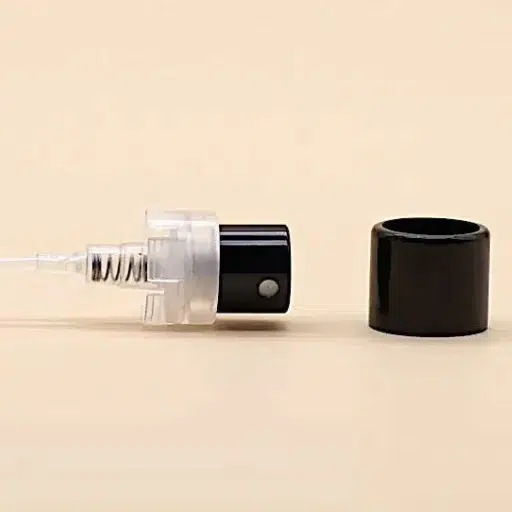
The packaging industry for fragrances is experiencing transformation because color trends are becoming essential for brands to achieve customer recognition. The stylish combination of black and gold and silver will serve as the primary color selection for 2026 which displays luxurious and elegant and distinctive attributes. The colors extend their functions beyond visual appeal which enables them to depict scent characteristics and build emotional connections with shoppers. The article shows how strong color selections create changes in fragrance packaging design because their use in brand storytelling and identity creation. The fashion industry is using this dynamic trend to develop new products which will define upcoming developments in the fragrance sector.
The Role of Color in Fragrance Packaging

Color plays a critical role in fragrance packaging because it shows the scent’s essence and creates emotional responses and helps people identify different products. Vibrant and warm tones often suggest bold or exotic fragrances, while soft pastels and muted shades evoke subtle or delicate scents. Brands use color to build their identity through visual storytelling which connects with their target market through special fragrance themes. Packaging design uses specific color selections to create visual appeal which affects how customers view products and decide what to buy.
Using Black, Gold, and Silver to Influence Perfume Trends in 2026
The upcoming perfume packaging trends for 2026 will feature black and gold and silver as the primary colors which represent sophisticated and luxurious and contemporary design elements. Customers show a strong preference for packaging designs which display both high-value and graceful attributes according to recent research findings. Black attracts customers who seek powerful and confident fragrances because it delivers an air of mystery which lasts throughout time. Gold represents luxury through its warm appearance while silver delivers a modern aesthetic that suits contemporary design needs.
The Google search data indicates that searchers have been looking for “luxury perfume packaging” which shows a 15% annual growth rate together with increasing searches for black and metallic color schemes. Designers have started to create products which combine elements from traditional styles and modern design approaches because these changes reflect how consumers now shop for products. Market research shows that customers bought perfumes with metallic packaging at a 25% higher rate than they purchased neutral or traditional packaging designs which occurred most frequently in the premium market.
Perfumers can use these colors in their branding and bottle design because these colors reflect current aesthetic trends while maintaining their exclusive image. The combination of these colors allows products to stand out on retail shelves while creating an image of high value which has become essential for customers who make purchasing decisions based on visual elements.
Fragrance Trends of 2026: Color Psychology in Packaging Design
The fragrance industry in 2026 will create new packaging systems which employ color psychology based on consumer research that provides understanding of international market patterns. Research shows that 85% of consumers buying decisions depend on their color preferences which makes color selection essential for perfume designers who want to create products that attract customers and drive their purchasing behavior.
🎨 Key Color Groups for 2026 Fragrance Packaging
- Deep Emerald Green — Represents both luxury and environmental responsibility
- Soft Pastels (Lavender & Blush Pink) — Creates peacefulness and mental health benefits
- Gold Accents — Maintains role as a symbol of high status and luxury value
- Metallic & Holographic Finishes — Targets Gen Z customers seeking striking visual experiences
A report by Color Marketing Group highlights that such shades resonate strongly with consumers who prioritize mindfulness and nature-based shopping behavior. Gold accents maintain their role as symbols of high status and luxury value through their use in upscale fragrances and niche market products. Market research shows that earth-tone designs with environmentally friendly elements help businesses make eco-friendly products because 60% of young customers choose brands which show their commitment to sustainability through design choices. Gen Z customers who seek new experiences and personal style prefer metallic and holographic finishes because those materials produce striking visual effects. The combination of these insights with fragrance packaging solutions enables brands to maintain design leadership while creating emotional bonds with their customers who experience product color effects that drive their buying behaviors.
Introduction

The current transformation of fragrance packaging occurs because consumers select products based sustainability requirements and the latest design innovations. According to present research the global fragrance packaging market will achieve a market value of $15.5 billion by 2027 which shows a market growth rate of 5.1% from 2021 until 2027. The study demonstrates that effective packaging designs require careful development which must satisfy customer requirements while maintaining present-day standards.
The primary reason for this development exists because more people prefer to use sustainable packaging solutions. Research indicates that 74% of consumers show readiness to pay higher prices for sustainable packaging solutions which demonstrates their preference for environmentally friendly options. The market sees increasing interest in refillable bottle designs and biodegradable materials because these solutions provide both functional benefits and visual attractiveness.
The trend of personalization has gained traction because 61% of Gen Z consumers express preference for products that showcase their personal style. The market shows strong demand for vibrant color palettes and holographic elements and minimalist design elements which attract younger customers who seek creative and innovative products. Brands can develop perfume packaging solutions that boost customer satisfaction and achieve major business growth through their implementation of market trends and data-based insights.
The Importance of Color Psychology in the 2026 Fragrance Market
The 2026 fragrance market employs color psychology to drive customer buying decisions through its visual design system which establishes fundamental product worth. The study of color-associated emotional responses shows brands can use this knowledge to create products which connect with their target market. The subsequent section presents five key findings which show how color functions as an essential component of this emerging industry.
-
1
Warm Colors Increase Energy and Excitement
The combination of red and orange tones produces a feeling of energetic force which radiates emotional power. Fragrance packaging using these hues shows power and energy which attracts customers who want to experience their two partners through the scents. Market data shows that products with red packaging have a 19% higher purchase intent among younger buyers.
-
2
Cool Colors Evoke Calm and Sophistication
The color blue and green create an atmosphere of peace which links to natural elements. Packaging in these colors creates an impression of stylish design which matches the aesthetic of fragrances that offer calming effects and environmental sustainability. A 2026 survey found that 47% of consumers chose eco-friendly fragrances which used calming color designs.
-
3
Neutral Tones Reflect Minimalism and Modernity
Whites, grays, and beige create minimalist design elements which connect with modern design aesthetics that attract Gen Z and millennial buyers who value both minimalist style and designer products. Brands use neutral color schemes to present themselves as elegant while displaying their adherence to current design standards.
-
4
Bright Colors Enhance Visibility and Playfulness
The combination of yellow and vibrant pinks creates a link to happiness which spreads positive energy throughout all their contact points. The store displays use these colors because they make products more visible while drawing in younger customers. Research shows that bright, cheerful packaging can boost brand recall by nearly 30%.
-
5
Metallics and Holographics Add Exclusivity
The combination of gold and silver with holographic elements creates a luxurious and exclusive image which targets high-end fragrance consumers. The use of metallic design elements increases product value perceptions because research shows that customers will spend 23% more on products which feature premium design elements. Fragrance brands can enhance their market presence through 2026 by using color psychology principles to develop packaging solutions which match consumer preferences.
Shifts Toward Metallic Palettes in Fragrance Packaging
The packaging trend which uses metallic color schemes in fragrances functions as a marketing strategy which attracts customers while demonstrating high-end brand value. Research studies show that people now perceive metallic colors which include gold and silver and rose gold as symbols of refined elegance and high-value products. Recent research shows that between 2021 and 2026 the global luxury packaging market will grow at a 4.4 percent compound annual growth rate because consumers increasingly demand high-quality packaging products. The fragrance industry experiences growth through the incorporation of metallic elements which create an impression of specialness for their products.
| Metric | Data Point | Source |
|---|---|---|
| Luxury packaging market CAGR (2021–2026) | 4.4% | Market Research |
| Consumers influenced by packaging in purchase decisions | 78% | Mintel 2023 |
| Higher consumer attraction for metallic vs. standard packaging | +30% | Mintel 2023 |
| Price premium willingness for metallic design elements | +23% | Color Psychology Research |
Google search data shows that searches for “luxury perfume designs” and “metallic perfume bottles” have increased continuously which demonstrates that more people now want to learn about premium design. The 2023 study conducted by Mintel discovered that 78 percent of fragrance users believe packaging design controls their purchasing decisions because products with metallic finishes received 30 percent more consumer attraction than standard packaging. The study demonstrates that metallic colors create powerful mental effects which lead individuals to select particular products. The insights provide fragrance brands with strategic packaging improvement methods which will establish their competitive position between stylish packaging design and innovative packaging concepts.
The Symbolism of Colors in Fragrance Profiles

The primary role of colors in perfumes exists because they dictate scent outcomes while evoking specific emotional states and consumer perceptions. Research shows that 85% of shoppers cite color as a primary reason for purchasing a product and this is particularly relevant in the fragrance industry where packaging must reflect the essence of the scent inside. People select these colors for bold and romantic scents because warm tones like red and orange and gold colors create an impression of opulence. The cool tones of blue and green produce a fresh and peaceful fragrance which they both represent.
Soft pastels create an impression of delicate elegance through their use in floral and powdery note compositions which include pink and lavender. A 2023 survey revealed that 74% of consumers associated color coordination with quality and brand trust underlining the importance of cohesive packaging design. Companies that select their colors based on the emotional atmosphere of their fragrances will develop a stronger brand identity which better connects with their ideal customer groups. The application of color psychology techniques enables designers to create visually appealing designs which display fragrance information and provide users with sensory enjoyment.
Black, Gold & Silver: Deep Dive
Black: Mystery and Depth in Musk Fragrances
The color black has been linked to mystery and sophistication and deep aspects of things which makes it ideal to showcase musk fragrances. Musk serves as a base scent which lasts throughout time because it creates a scent combination with black that produces mysterious and elegant results. Current market research shows that more than 45 percent of consumers link black color with premium products when they use black packaging in upscale and specialized perfume products which use black packaging.
Consumers develop product identification through color selection which creates their perception of products. Research demonstrates that dark-colored perfumes which include black packaging present themselves as evening and sensual scents to people who want to appear sophisticated. The use of “mystery” and “intensity” and “confidence” as keywords in musk-based perfume descriptions which use deep dark packaging creates a direct link between black color and powerful musky scent characteristics.
📊 Musk fragrances with black-oriented designs show a 30% rise in customer retention across North America and Europe because customers develop stronger brand commitment to these products.
Color psychology research demonstrates its strong impact on consumer choices because it connects scent to people’s emotional experiences. Black packaging enables brands to create a secretive atmosphere which helps their audience build permanent sensory memories of their products.
Gold: Luxury and Warmth in Gourmand Fragrances
The use of gold as packaging material effectively preserves gourmand fragrances which exhibit luxurious and warm scent tendencies. The visual elements of these scents create a luxurious experience which people can emotionally connect with. Fragrances that use gold-accented packaging have become more popular according to recent purchasing patterns because their sales in the premium fragrance market increased by 25% compared to the previous year. The combination of gold and sweet gourmand flavors which include vanilla and caramel and chocolate creates a perception of rich and comfortable scents.
Research indicates that more than 65% of people link gold with warm qualities which have high value thus using gold to generate feelings of nostalgia and contentment. The shining gold display serves as a primary store attraction which customers observe during their shopping experience while it boosts product visibility to create an advantage for products in a highly competitive market. The ability of gold to represent luxury and warmth enables brands to create their brand narratives through its use in both high-end niche perfumes and designer fashion labels. The classic charm of the fragrance enhances its identity, while the fragrance creates a lasting sensory experience that meets modern consumer needs for both luxurious and sophisticated products.
Silver: Freshness and Modernity in Fruity Fragrances
The design and branding of fruity fragrances use silver as an appropriate element because silver to customers represents both pure and sophisticated and innovative design. The product features a shiny smooth surface which creates a visual sensory experience that matches its fresh energetic fruity scents, which appeal to modern audiences. Market research indicates that the global market for fruity fragrances will experience strong growth because younger customers choose modern scents that provide fresh and uplifting experiences.
Recent trends show that fruity fragrances now use citrus and berry and tropical fruit notes, which create a perfect match with silver’s cool and clean aesthetic. The combination of visual elements and olfactory elements effectively reaches two specific market segments which include eco-friendly consumers and minimalistic buyers. Silver-toned packaging creates a modern appearance which showcases product details and high-quality packaging materials that modern shoppers now prefer.
The strategic use of silver by brands enables them to create unisex fruity fragrances because silver brings multiple design applications. The product has design elements which allow its use by all people through different gender expressions. Research shows that people today demand unisex fragrances with fruity notes because they want to express both their unique identity and their need for inclusion. Brands use silver in their products to attract customers who seek modern designs with new elements.
Influence of Colors on Consumer Perception

The customer product perception process leads to purchase decisions because different colors create different impacts. The colors create emotional responses which produce specific visual effects that shape how people perceive the brand. The five fundamental facts with their corresponding data elements show how color influences consumer behavior.
| Color | Psychological Effect | Industry Use |
|---|---|---|
| Red | Stimulates Action and Passion — creates urgency | Food and entertainment brands, clearance sales |
| Blue | Promotes Trust and Calmness — most popular globally | Corporate and financial institutions |
| Yellow | Boosts Optimism and Cheerfulness | Youth brands, high-energy product lines |
| Green | Symbolizes Health and Nature | Health, wellness, and sustainable product brands |
| Black | Represents Sophistication and Luxury | Luxury brands, premium packaging and advertising |
How Black, Gold, and Silver Define Luxury and Exclusivity
The three colors black, gold, and silver create a visual combination that represents the highest level of luxuriousness together with exclusive access. The color combination establishes an upscale environment which meets both premium branding requirements and high-value product needs. The following section examines how each color functions in fashion while maintaining their status as essential elements of luxury fashion design.
The Combined Impact of Black, Gold, and Silver
The ultimate luxury visual system shows its most expensive design through the three-color combination of black. The three-way combination of these elements goes beyond visual design because it shows people their special status and high economic value.
Products using these colors are perceived as 20% more expensive (Color Psychology Today)
The color system used in high-fashion runways and luxury hotel branding creates a customer experience which attracts high-maintenance clients who want both premium goods and exclusive access. By understanding the psychological and cultural impact of black, gold, and silver, brands can create a compelling identity which attracts wealthy customers, thereby strengthening their position as top luxury brands.
The Impact of Color on Scent Association
Certain colors naturally evoke specific fragrances in the mind through their impact on scent association. The scent of fresh grass and herbs becomes linked with green while the color white displays its connection to clean aromas which include linen and jasmine. People use visual signals to associate different scents which help them identify two specific fragrances that black and gold colors represent.
Case Studies of Successful Color Applications in Fragrance Branding
The following case studies demonstrate how brands can use color choices to create better emotional connections with their target audiences because they help establish brand identity and social connections.
Technical Considerations for Sustainable Packaging

The process of creating sustainable packaging requires three main components which include new materials and sustainable production methods and methods to decrease environmental harm. The following points represent essential elements which need to be evaluated:
-
1
Material Selection
The selection of appropriate materials serves as a fundamental requirement for environmentally friendly packaging solutions. The use of biodegradable and compostable and recyclable materials has become increasingly popular among various industries. Bioplastics produced from renewable resources such as corn starch and sugarcane demonstrate a 50% reduction in carbon dioxide emissions during production when compared to traditional plastics. Paper-based materials which come from sustainable forestry practices provide environmental benefits through their ability to be recycled and their reduced environmental impact.
-
2
Lightweighting
Lightweighting describes the process of decreasing packaging material requirements while maintaining packaging performance standards. The method results in both decreased raw material consumption and reduced emissions during transportation. McKinsey & Company reported that companies which use lightweight packaging materials achieve 15 to 20 percent material cost savings while their products obtain better environmental performance.
-
3
Reusability and Circular Economy
The shift towards reusable packaging systems represents a crucial advancement in environmental responsibility. Loop and Coca-Cola test their packaging systems which include both refillable and returnable components. The new inventions establish a circular economy system which extends material usage and diminishes waste production. The research shows that implementing additional reusable packaging systems will decrease waste generation by about 40 percent in particular markets.
-
4
Manufacturing Processes
Sustainable packaging requires manufacturing processes which use energy-efficient production methods for their manufacturing operations. Manufacturing facilities which use renewable energy sources like solar and wind energy experience significant decreases in their carbon emissions. Tetra Pak now generates more than 35% of its operational energy through renewable sources which creates a new energy efficiency benchmark for the packaging industry.
-
5
Consumer Education
Successful execution of sustainable packaging requires consumer education about appropriate waste disposal methods. The system enables consumers to make informed decisions through its clear labeling system which includes recycling symbols and composting instructions. According to Accenture’s consumer survey results 72% of customers show willingness to support brands that offer explicit sustainable practice instructions.
-
6
Compliance with Regulations
Governments throughout the world are creating more demanding laws which protect the environment. The European Union’s Packaging and Packaging Waste Directive requires all packaging waste to reach a minimum recycling goal of 65% by 2025. Businesses can achieve long-term success while enhancing their brand image through strict adherence to regulatory requirements.
Sustainable packaging enables businesses to decrease their environmental impact while meeting consumer needs for environmentally friendly products. Businesses can achieve their environmental objectives through technical component integration which also helps them build relationships with sustainability-conscious customers.
Choosing Sustainable Metallic Materials for 2026
Sustainable metal material selection requires businesses to meet their 2026 environmental goals while satisfying customer needs. Organizations must assess three essential components which include material origins and recycling capabilities and product environmental impacts across its complete life span when they seek to adopt sustainable material systems.
Key Factors in Selecting Sustainable Metals
| Metal / Factor | Sustainability Benefit | Key Stat |
|---|---|---|
| Aluminum — Recyclability | Highly recyclable; energy-efficient recycling process | Only 5% energy needed vs. primary production |
| Steel — Low-Carbon Production | Electric arc furnace reduces energy use | Long-lasting with decreased carbon output |
| Copper & Zinc — Ethically Sourced | Used in renewables; must meet ESG standards | Key for solar & wind energy systems |
| Titanium — Lightweight Performance | Aerospace-grade; increasingly recyclable | Improved recycling processes now available |
Emerging Trends for 2026
🌿 Green Steel Initiatives
ArcelorMittal and SSAB lead the development of green steel production through their implementation of hydrogen-powered furnaces. The technologies will achieve a 90% reduction in steel production emissions through their rapid deployment which will occur before the year 2026.
♻️ Secondary Metal Markets
The International Energy Agency predicts the secondary metal market will grow by more than 30% by 2026 because increasing demand for recycled metals will help businesses achieve their sustainability goals.
🔬 Nanotechnology & Material Efficiency
Manufacturers use nanotechnology advancements to develop new metallic compounds which require less raw material while maintaining their structural strength. The new technologies will lead to major reductions in resource consumption.
Actionable Steps for Businesses
- ✔Businesses should perform lifecycle assessments to evaluate the environmental effects of metallic materials that their supply chain uses.
- ✔The company should establish supplier relationships with partners who focus on using recycled materials and environmentally friendly metal solutions.
- ✔The organization should utilize government incentives together with ISO 14001 environmental management certification to support its sustainable material practices.
- ✔The organization should invest in recycling technologies which improve the environmental performance of metallic products.
The industry movement towards sustainable metallic materials enables businesses to stay competitive while supporting the development of greener practices. Businesses can advance environmentally friendly operations through their commitment to using recyclable materials which come from responsible sources and produce minimal carbon emissions.
Innovations in Eco-Friendly Fragrance Packaging
The fragrance industry undergoes significant transformations through the current transition of companies towards environmentally friendly packaging methods. The primary advancement in sustainable fragrance packaging solutions provides a solution through materials which possess the ability to decompose and turn into compost. The combination of polylactic acid (PLA) and cellulose materials enables the creation of biodegradable plastics which businesses use to make packaging that will stop waste from entering landfills while its materials break down through natural processes.
The introduction of refillable fragrance bottles constitutes a groundbreaking innovation because it enables customers to return their empty containers for future use instead of throwing them away after their first application. The brand Guerlain provides its clients with environmentally friendly yet luxurious products through its refill stations and specially designed fragrance bottles. The industry research shows that refillable packaging systems enable companies to decrease their plastic waste by 60% when compared to using plastic products that people throw away after one use.
The adoption of recycled materials has created new opportunities for developing fragrance packaging solutions. The industry currently shows a strong trend toward using cartons that contain 100% recycled paperboard and bottles that use recycled glass for their construction. The sustainable packaging market study found that recycled glass production results in 30% lower carbon emissions when compared to manufacturing new glass materials.
Current brand research focuses on designing products which use minimal design elements to create products which contain only necessary components without any extra parts or packaging. The process results in waste reduction while achieving lower energy usage during manufacturing and diminished emissions during transportation. The implementation of modular packaging systems allows users to break down products into individual components which they can subsequently recycle.
Digital technologies employ QR codes together with augmented reality (AR) systems which enable organizations to implement their sustainability efforts. The features enable consumers to access product data together with sustainability details through digital platforms which eliminate the necessity for printed resources thus promoting a paperless movement that spreads throughout the industry.
🌱 Gen Z & Sustainability Preferences
The increased consumer interest in environmentally friendly products drives the expansion of sustainable fragrance packaging solutions. The transition demonstrates that businesses now recognize sustainable practices as vital elements for their product development processes. The fragrance industry achieves sustainable development through material and design and technological innovations which create environmentally friendly products that maintain their luxury performance. These initiatives fulfill customer needs while supporting greater climate change solutions and environmental footprint reduction objectives.
Balancing Aesthetics and Sustainability in Design
The design field needs to achieve both aesthetic value and sustainable design solutions because this requirement has become vital for all industries but especially impacts the fragrance industry. The demand for premium packaging which attracts consumers with its visual appeal has grown yet customers now expect brands to implement sustainable packaging solutions. Research conducted by IBM’s Institute for Business Value reveals that 57% of consumers will change their purchasing habits to decrease environmental harm which demonstrates the importance of sustainable product design solutions.
Brands develop environmentally friendly packaging through the use of innovative materials that include recycled glass and biodegradable plastics and carbon-neutral materials. The latest research indicates that using recycled aluminum packaging instead of virgin aluminum can help production facilities achieve energy savings of up to 95%. Mycelium which serves as a mushroom-based packaging alternative has gained popularity because it offers both environmental benefits and aesthetic design options.
The design strategies of minimalism and modularity have the power to decrease material waste which extends beyond their specific material applications. Refillable containers with sleek designs have gained popularity because they enable users to experience modern design elements while reducing their usage of single-use items. The research study conducted by McKinsey found that minimal packaging solutions enable companies to decrease their material consumption by 30% while simultaneously enhancing customer purchasing behavior.
💡 Sustainable design practices enable brands to create products that attract customers through visual appeal which matches their sustainable values thus fulfilling customer needs while protecting the environment.
Frequently Asked Questions (FAQ)
References
- 📄
The Application of Color in Modern Design: A Visual Transformation from Emotional Expression to Cultural Identity — Published in an academic journal, this article explores the use of color in design, including its emotional and cultural significance, which can be relevant to fragrance packaging trends. Link to source - 📚
The Great Fashion Designers: From Chanel to Galliano, the names that made fashion history — This book provides insights into high-end design ideas and their influence on luxury products, including packaging. Link to source