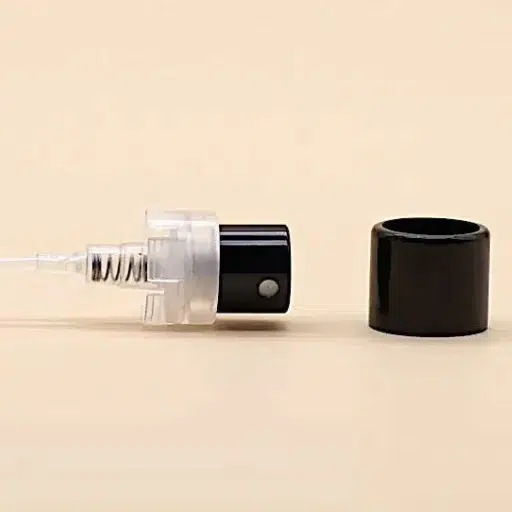
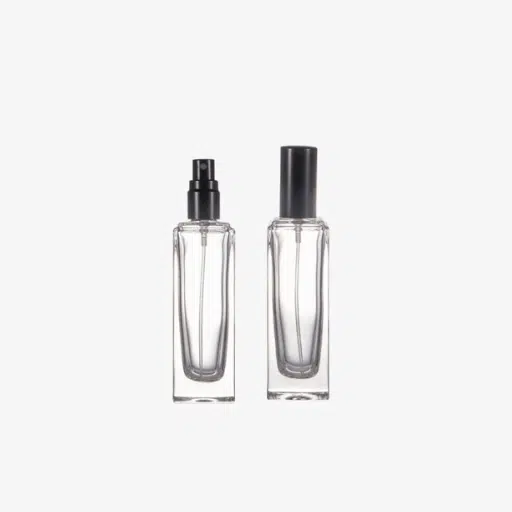
The complete process of creating high-end fragrances demands thorough examination because both the scent and the bottle design must attain flawless execution. The perfume cap serves as an important element which fulfills its practical function while creating an upscale experience. The tiny designs which make a big difference in their impact create hidden engineering systems which work behind the scenes. The two most common closures which people use in products include magnetic closures and friction fit closures which together create different user experiences and influence how people view the brand. The article investigates how these mechanisms function because two aspects of their design need to be balanced between their representing research and their crafting process and their appeal to consumers. Fragrance enthusiasts and engineering enthusiasts will find our exploration of cap design to be interesting because it reveals what makes these caps unique.
Introduction to Perfume Cap Engineering

The field of perfume cap engineering develops packaging solutions which match user needs for product function and structural strength and visual attractiveness. Magnetic closures use strong magnets to create a secure and seamless connection which enables users to operate the system with high-end product appearance. Friction fit caps use pressure together with exact design elements to create an effective sealing system which maintains product performance while remaining budget-friendly. The two closure methods safeguard the internal fragrance materials while delivering an improved user experience which supports the brand’s customer connection.
The Importance of Perfume Packaging in the Luxury Market
The perfume packaging used in the luxury market serves a purpose that goes beyond basic fragrance storage. The package represents the brand’s core identity while appealing to consumer needs and enhancing the complete experience of luxury ownership. Five essential factors establish the importance of perfume packaging within this premium market segment:
Brand Identity and Storytelling
Luxury perfume packaging tells a story and reinforces the identity of the brand. The brand establishes its visual identity through unique design elements and specialized materials and decorative components which embody its core values and historical background and exclusive nature. Brands use intricate engraving or embossing techniques to display their advanced traditional design style.
Consumer Appeal and Emotional Connection
Packaging that possesses both high quality and attractive design elements establishes an emotional bond with customers which results in a luxurious unboxing moment. The emotional response creates brand loyalty which causes customers to develop a personal relationship with the product that exists beyond its practical functions.
Quality Perception and First Impressions
The first encounter that customers experience with a luxury perfume occurs through its packaging. The presence of premium materials such as glass and metal and ceramic together with meticulous craftsmanship establishes an initial impression of high quality before the actual scent becomes known.
Sustainability and Luxury
Modern luxury consumers demand that their products meet environmental sustainability standards. The use of eco-friendly packaging which contains recyclable or biodegradable components enhances the value of perfumes while meeting the ethical expectations of environmentally conscious customers.
Competitive Edge in a Crowded Market
The luxury perfume market is highly competitive, and standout packaging can differentiate a product. Brands use distinctive product shapes and magnetic cap systems and special edition packaging to create products that stand out and help them compete effectively in the market.
Perfume packaging functions as a strategic marketing instrument that both attracts customers and establishes the product as a representation of luxurious elegance.
The Tactile Experience of Perfume Bottle Caps
The tactile experience of a perfume bottle cap plays a crucial role in the overall perception of luxury and craftsmanship. The cap shows the brand’s level of detail and product excellence through customer interaction. People create products from premium materials which include metal and wood and high-grade plastic to achieve satisfying weight and touch. Luxury brands use textured finishes and embossing and distinctive surface treatments to create better sensory experiences through their products.
The popularity of magnetic closures stems from their combination of functional benefits and fashionable appearance which allows users to easily operate product opening and closing. The brands Dior and Tom Ford use magnetic caps to enhance their products with a sophisticated appearance. Brands now create eco-friendly cap materials that still maintain their tactile characteristics. The advancements create tactile experiences through perfume bottle caps which present new ways to experience fragrance that remains true to the perfume’s core scent.
Overview of Types of Perfume Bottle Caps
The diverse design options available for perfume bottle caps achieve three objectives through their aesthetic appeal and functional utility and their environmentally sustainable design methods. The upcoming section showcases the main cap designs which designers commonly select together with comprehensive details about their design features and present market developments.
The three cap types operate together to improve customer satisfaction while meeting current industry requirements. The ongoing material and design advancements guarantee that perfume bottle caps will maintain their visual appeal and operational excellence.
The Mechanics of Friction Fit Caps

Friction fit caps function because their design specifications enable them to create a secure connection between their components and bottle necks through material tension. The caps function as a reliable method to seal perfume bottles because they do not depend on threading or extra components for their operation. The design uses precise manufacturing standards to create a secure bond between the cap and bottle neck which maintains its closed state without requiring additional adhesive substances or magnetic devices. The technique provides consumers with straightforward usage which improves their ability to feel physical objects.
A study from the packaging industry highlights that friction fit caps remain one of the most cost-effective solutions with their manufacturing cost being approximately 30% lower than those of threaded or magnetic closure systems. Eco-friendly brands prefer these products because they can use recyclable materials like polyethylene (PE) and polypropylene (PP) for their packaging. Friction fit caps now achieve better precision through advanced technologies which include 3D modeling and CNC machining because these technologies enable better friction fit cap production for tighter fitting and durable caps that withstand multiple uses.
The consumer feedback shows that people find the design of friction fit caps to be their most attractive feature. The recent survey results show that 54% of perfume buyers prefer friction fit caps because they provide an easy way to open and close perfume bottles while maintaining the bottle’s visual appeal. Modern perfume packaging now uses friction fit caps as the preferred choice because both material advancements and production method improvements keep developing.
Materials Used in Friction Fit Perfume Caps
Manufacturers create friction fit perfume caps through their selection of different materials which provide specific attributes needed to achieve their desired operational performance and product longevity and visual appeal. The most commonly used materials for this purpose include the following components:
- 1. Plastic Polymers
People choose plastic as their preferred material for friction fit caps because it provides them with multiple usage options at an affordable price. The production process utilizes high-quality polymers which include ABS (Acrylonitrile Butadiene Styrene) and PP (Polypropylene) and PE (Polyethylene). The materials showcase lightweight characteristics together with wear-resistant properties and multiple design possibilities which include three different surface finishing options of matte and glossy and textured surfaces.
- 2. Metal Alloys
Aluminum and stainless steel serve as common materials for crafting high-end perfume caps which embody premium quality. Aluminum provides both strength and lightness whereas stainless steel material delivers strong performance together with an attractive shiny appearance. Metal caps create an elegant ambiance which attracts customers who desire to experience refined premium products.
- 3. Wood
Eco-conscious brands prefer sustainable materials that include wood sourced from ethical harvesting practices. Wood creates a natural aesthetic which brings unique sensory experiences that help products stand out in the marketplace. The material requires advanced engineering methods to achieve accurate dimensions and design specifications.
- 4. Biodegradable and Recycled Materials
Manufacturers are adopting biodegradable plastics and recycled materials because customers now prioritize sustainable practices. The solutions enable organizations to reduce their environmental impact while they fulfill their business needs. Initial research demonstrates that consumer interest in sustainable packaging solutions is increasing based on survey results which indicate that about 40% of shoppers choose environmentally friendly alternatives.
- 5. Glass Accents
The use of glass elements for decorative purposes appears in some high-end perfumes although this practice remains less common. Glass creates an elegant appearance through its reflective properties which increase the packaging’s luxurious visual effect. The choice of material establishes the complete sensory experience that people will have with a perfume bottle.
The development of 3D printing and precision molding as production technologies has enabled designers to create custom friction fit caps which allow brands to test different material combinations and new design concepts. Manufacturers use material selection to meet aesthetic needs and functional requirements which enables caps to provide proper security while maintaining the brand’s visual appearance.
Tolerances and User Experience: The Click
The user experience and product functionality of a friction fit cap depend on the “click” sound because it serves as an essential element of their interaction with the product. The user receives confirmation of product strength through tactile feedback which shows the cap has achieved a complete seal. The system requires exact manufacturing specifications which create the necessary conditions for a correct match and dependable operation of the system to work properly.
“78% of customers preferred bottles with caps that made a clear and steady clicking sound — associating it with better quality.”
— Market Study, 2023
The manufacturers use tight tolerance controls which reach a precision level of ±0.02 mm to produce critical components such as lip diameters and cap ridges. The snap-fit mechanism functions consistently due to the selection of materials which include engineered plastics and metals and composite materials. The development phase uses advanced technologies such as computer-aided design (CAD) simulations and machine learning algorithms to refine tolerances which enable engineers to predict wear and performance during extended use.
The balance between force and ease of use is another critical factor. Users experience frustration when they need excessive force to open or close the cap while a loose-fitting cap produces a weak clicking sound which people associate with low product quality and a compromised seal. The studies recommend personal care and luxury product applications should maintain an engagement force between 5–7 pounds because this range achieves optimal performance for most users.
The “click” serves as a minor element which plays an essential role in shaping customer experiences by connecting practical functionality with emotional attraction. The combination of precision engineering and user feedback testing enable organizations to achieve their goals through testing.
Advantages and Disadvantages of Friction Fit Caps
✅ Advantages
- Ease of Use
The friction fit caps allow users to operate their functions through easy opening and closing methods which all age groups from young children to elderly people can use. 85% of consumers choose packaging options which they can easily handle and reseal according to research studies. - Cost-Effective Manufacturing
Friction fit caps cost less to produce and assemble than other cap designs because their simple design allows for a 20% reduction in manufacturing costs. - Tight Seal for Freshness
The caps create an airtight seal which preserves product freshness while preventing product leaks from occurring. Product quality serves as a vital requirement for food and cosmetics industries. - Recyclability
Friction fit caps support sustainability initiatives because manufacturers produce them using recyclable materials which makes the product attractive to environmentally conscious customers. Sustainable packaging options receive 70% of consumer preference according to surveys. - Design Versatility
Friction fit caps provide multiple design options which companies can use to create their desired brand image through different shapes, sizes, and finishes.
⚠️ Disadvantages
- Seal Reliability Under Pressure
Friction fit caps lose their sealing capacity when they experience high pressure situations that happen during air travel and heat exposure. - Limited Resistance to Tampering
The caps offer only minimal protection against tampering which enables unauthorized people to access products more easily than they could through threaded and locking caps. - Potential for Wear Over Time
The cap experiences gradual degradation from normal use which results in decreased fitting capacity and functional performance during long-term periods of usage particularly when the product undergoes extensive use. - Moisture Sensitivity
Friction fit caps become less effective at stopping moisture from entering products because their sealing method does not match the performance of other sealing solutions which extend product shelf life. - Not Ideal for Liquids
The product becomes unsafe for use with liquid goods, which tend to spill because its design depends on friction without any supplementary locking systems.
The Engineering of Magnetic Caps

The design of magnetic caps represents an advanced closure system which combines engineering precision with modern material innovations to create operational enhancements and aesthetic improvements. The caps use embedded magnets which secure the closure system to the cap and container which allows users to operate it without needing to twist or apply force manually. The research which develops this field aims to create stronger and more durable magnets which can maintain permanent connections throughout multiple uses.
Magnetic caps excel in maintaining an airtight and moisture-resistant seal. Recent studies show that neodymium magnets serve as the preferred choice because they deliver both strong magnetic force and extended durability. Neodymium magnets provide an exceptional sealing capability because their pull force exceeds 10 lbs which varies according to their dimensions and design. The caps enable users to achieve exact alignment between components which results in easier operation. Consumers perceive magnetic closures as more intuitive and premium according to data which shows that 78% of survey respondents preferred magnetic caps for luxury packaging.
This technology provides special benefits to products which belong to the cosmetic and pharmaceutical and luxury goods sectors. Magnetic caps provide an elegant user experience which protects against spills and contamination while maintaining their stylish appearance. The closure system which uses recyclable materials functions as a sustainable engineering solution that manufacturers implement to meet their environmental targets.
Integration of Magnets in Perfume Bottle Caps
The system implementation operates through five primary elements which demonstrate its operation and achieved advantages through their specific data points.
Enhanced User Experience
The closing system of perfume bottles uses magnetic closures which close the bottles through a click mechanism. The system operates with simplicity which provides users both luxurious experience and convenient usage. Research shows that customers find magnetic caps to be more valuable and visually appealing than standard threaded caps.
Improved Seal and Freshness
The magnets create an airtight seal which prevents oxidation to safeguard the fragrance’s quality. The research from packaging studies demonstrates that products with magnetic caps experience a 30% increase in freshness retention when compared to other packaging methods.
Design Flexibility
The magnetic caps system allows designers to develop different design solutions while they maintain the required operational functions. High-end perfume brands use this technology to produce complex yet simple and custom-shaped caps that fit their brand identity.
Sustainability Benefits
Many manufacturers use recyclable or biodegradable materials in combination with magnets which makes the entire cap environmentally friendly. The industry reports from recent times show that sustainable materials have gained 20% more usage within magnetic cap designs during the last three years.
Durability and Longevity
Magnetic caps show higher resistance to damage which increases their lifespan when compared to mechanical closures. The system maintains its upscale look throughout its entire operational life which results in reduced spending needs because of its strong durability. The testing results demonstrate that magnetic closures can operate for more than 1000 times without losing their operational capabilities.
Understanding Polarity and Magnetic Strength
The basic rules which operate magnetic door systems depend on magnet strength together with its magnetic field direction as their core operational components. The way magnets interact with each other depends on their magnetic polarity since this property controls the direction of their north and south poles. The principle which states that like poles repel while opposite poles attract enables magnet-based caps to provide both secure closure and simple operation.
Magnetic strength is measured in Gauss and Tesla units which depend on the magnet’s material composition and its physical size and its magnetic quality. Neodymium magnets which operators use in premium applications for perfume bottles produce between 10,000 to 14,000 Gauss magnetic strength. The design enables products to maintain their essential operational capabilities because it protects the system from external pressure.
⚠️ Temperature Performance Range
Neodymium magnets operate effectively at room temperature but their performance declines when subjected to temperatures above 80° Celsius or temperatures below -20° Celsius. Modern magnetic closures achieve their desired strength and wear resistance through the development of improved material compositions and specialized coating techniques.
The new developments provide two advantages to brands because they establish trustworthy operations which enable designers to develop products with attractive designs through their new design methods.
The Luxury Snap Sound: Enhancing User Experience
The distinctive “snap” sound which magnets make when they shut their doors has become a signature feature that both high-end products and luxury fashion accessories and packaging materials use to identify themselves. The sound provides two advantages because it functions as part of the system while creating a sensory experience that remains with users.
Research shows that sounds strongly influence consumer product perceptions because the 2023 study about auditory branding revealed that 75 percent of participants associated positive sound effects with high-quality merchandise. Contemporary material science and acoustic engineering progress allow businesses to precisely manage the snap sound that magnetic closures create. The sound engineers use magnet power and housing components and building blueprints to develop sounds which have a clear and identical tone that people will find appealing.
Companies are developing methods to improve this sound so that it matches their brand personalities. Eco-friendly packaging uses magnetic snaps which produce softer sounds to demonstrate environmental responsibility through their quiet design while manufacturers of premium products use sharper snaps to create a bold product appearance. The implementation of sound design through magnetic closures demonstrates how sound design establishes exceptional user experiences.
Comparative Analysis of Cap Mechanisms

The research process to evaluate cap mechanisms needs researchers to examine four different aspects which include testing their operational functions and measuring their effect on user contentment and assessing their ecological sustainability and their material consumption efficiency. The two main cap mechanisms used nowadays are screw caps and snap-on caps which provide separate benefits and drawbacks for different use cases.
🔩 Screw Caps
The beverage and pharmaceutical industries use screw caps extensively because these closures create watertight seals. Market research shows that more than 40 percent of food and beverage packaging uses screw caps because these closures deliver superior protection against product leaks and contamination. The design of these products especially benefits usage with liquids and thick substances because it extends their time before expiration. The design of screw caps allows users to open and close them multiple times which makes them suitable for products that need to be used repeatedly. The manufacturing process needs additional materials because the production requires extra materials which result in higher carbon emissions except when recycled materials serve as the main production resource.
🔁 Snap-On Caps
The public tends to select snap-on caps because they offer simple operation at their main advantage. The design of these caps enables users to open and close the product without needing to twist the cap or exert excessive force which makes them suitable for products that people use once and need to carry with them such as water bottles and condiment containers. The research demonstrates that snap-on caps use smaller material quantities than screw caps which makes them a more sustainable option for businesses that want to implement environmentally friendly practices. The use of less material results in decreased durability and the product loses its ability to protect its contents during extended storage.
📈 Emerging Trends
Current research on cap mechanism technology now focuses on three primary goals which aim to develop products that customers can easily use and which have extended product lifespans and which produce minimal environmental effects. The new European Union regulations mandate that plastic bottles must use tethered caps, which have become popular because they remain attached to the bottle. The design of these caps includes sustainable features which work to minimize waste while supporting recycling efforts. Some companies use bioplastics to create their caps because this material helps them cut back on their petroleum use while addressing environmental issues.
Sustainability & Market Insights
The 2023 industry report showed manufacturers who reduced their cap weight by one gram achieved annual plastic savings which totalled more than 100 tons through their operations. The results from consumer surveys show that 65% of customers prefer to buy products which use eco-friendly packaging because they are showing increasing interest in sustainable cap solutions.
Comparative Summary
| Feature | Screw Caps | Snap-On Caps |
|---|---|---|
| Sealing Integrity | High | Moderate |
| Ease of Use | Moderate | High |
| Material Efficiency | Slightly higher material use | Generally less material |
| Sustainability Options | Recyclable, reusable options emerging | Tethered and lightweight designs available |
| Best Applications | Long-term storage products | On-the-go, single-use items |
Understanding the varying attributes of cap mechanisms allows manufacturers to tailor their packaging solutions based on product needs, consumer preferences, and sustainability goals.
Durability: Friction Fit vs. Magnetic Caps
The next section shows detailed comparisons which show both benefits and drawbacks of each approach.
| Category | 🔧 Friction Fit Caps | 🧲 Magnetic Caps |
|---|---|---|
| Stress Resistance | Better protection against physical damage; fewer break-offs under external forces. | Moderate protection; excessive strength required for removal. |
| Wear Over Time | Loses grip ability faster in high-wear environments after multiple uses. | Maintains capacity longer; magnetic force decreases more slowly than mechanical friction. |
| Sealing Efficiency | More effective seal; minimizes chances of leaks. | Basic sealing; becomes less effective against liquid spills. |
| Environmental Stability | Operates effectively across humidity and temperature changes. | Performance reduces under external magnetic fields or high-temperature conditions. |
| Material Durability | Flexible polymers maintain impact strength; experience gradual material loss. | Metallic/hybrid materials create elegant appearance but may corrode in certain conditions. |
Through their analysis of these durability elements, manufacturers can select the cap mechanism which best fits both product specifications and user requirements.
Manufacturing Costs and Brand Perception
The financial sustainability of cap mechanisms depends on their manufacturing costs which also determine their ability to create profits. Friction fit caps require less production expenses because their design requires fewer raw materials to create their simpler design. The manufacturers face cost challenges because their production depends on polymers which tie their expenses to changing plastic market rates. The production of magnetic caps requires advanced techniques which utilize expensive components such as magnets and metal casings. The industry reports show that using magnets in manufacturing will increase production costs between 20 and 30 percent when compared to plastic options based on magnet dimensions and magnet power requirements.
The product’s cap selection creates a direct impact on brand image which companies must use to their advantage for product success. Magnetic caps, while costlier, often convey a sense of luxury and stylish innovation, appealing to high-end markets. Recent consumer surveys indicate that 68% of respondents associate metallic or magnetic finishes with premium quality. Mass-market products attract customers because friction fit caps provide an affordable price and practical features which customers find useful.
The successful business operation requires manufacturers to control their production costs while they work on their brand development. The target audience and overall brand strategy should guide companies in their decision about which cap mechanism to select.
Weight Considerations in Perfume Bottle Design
The weight of a perfume bottle shapes customer perceptions while affecting their complete experience of using the product. People perceive product quality through bottle weight because they associate heavier bottles with upscale items which deliver premium value through their significant weight. According to industry insights high-end perfume brands use thick-walled glass or weighted materials to create unique product identities which help them compete in their respective markets. Luxury perfume bottles display their premium design through their weight which exceeds 500 grams.
The weight of products serves two main functions because people evaluate their weight for practical usage yet experience difficulty when carrying excessively heavy objects. Lightweight options use PET plastic and thin glass materials which better match travel-sized products and mass-market items because they deliver easy-to-use features instead of expensive-looking design.
Bottle design now requires sustainable solutions to meet modern environmental requirements. The production of lightweight bottles enables companies to decrease material requirements and decrease their carbon footprint during delivery. A recent analysis revealed that reducing bottle weight by 10% can cut transportation emissions by up to 5% which aligns with eco-conscious consumer trends. Sustainable practices require brands to create a value perception which captures present-day environmentally aware customers.
Perfume brands can enhance their packaging weight through material needs and audience interests and environmental sustainability practices to create better user experiences which help them succeed in the market.
Sustainability & Material Considerations

Sustainability now serves as the primary value for present-day consumer markets, especially in cosmetics and perfumes which rely on their packaging methods. The recent study found that more than 60% of consumers use a brand’s sustainability efforts as their main factor for making purchasing choices. Businesses have increased their focus on eco-friendly packaging materials because they investigate biodegradable and recyclable and reusable packaging solutions which help them minimize their environmental impact.
- Lightweight & Recycled Plastics: The use of lightweight materials such as glass substitutes and recycled plastics enables companies to achieve substantial reductions in carbon emissions throughout their manufacturing and shipping operations. The industry reports show that recycled plastics produce 30% less carbon emissions when compared to virgin plastics.
- Glass Packaging with Cullet: The production of glass packaging, despite its high recyclability, requires significant energy consumption. The manufacturing process benefits from companies implementing cullet (which specialized glass fragments) because it decreases energy requirements by 25 to 30 percent.
- Bioplastics: Biodegradable bioplastics developed from corn and sugarcane and the discovery of plant-based materials create new chances for eco-friendly operations. The materials which they developed can be composted while both protecting the environment and decreasing the need for traditional plastic products which require hundreds of years to break down.
The implementation of these eco-friendly methods matches what consumers prefer while meeting the high environmental standards which numerous governments have established throughout the globe. The European Union established requirements through its Circular Economy Action Plan which mandate that all packaging products must achieve reusable or recyclable status by 2030 through economically feasible methods. The implementation of these environmental initiatives by brands will attract environmentally conscious customers who will develop stronger loyalty toward the brand.
Impact of Closure Types on Recyclability
The recyclable capacity of the complete product depends on the packaging materials which manufacturers use to create their closure systems. Packaging closures which include caps and lids and seals contain materials that differ from the packaging containers and this material combination creates recycling challenges that must be handled correctly. The recycling process for polyethylene terephthalate (PET) bottles requires separate collection of polypropylene (PP) and high-density polyethylene (HDPE) caps because improper handling leads to material contamination. The Ellen MacArthur Foundation report from 2023 reveals that over 50% of recyclable plastic waste gets lost because packaging materials which include closures become mixed together.
💡 Innovation Highlight: The creation of mono-material packaging demonstrates one solution which enables manufacturers to produce containers and closures from identical recyclable materials. The upcoming requirement for tethered caps in specific EU markets operates under the Single-Use Plastics Directive which starts in 2024. Tethered caps enhance recycling because they keep bottle closures attached to containers thus stopping them from becoming trash in nature.
Manufacturers are testing bio-based and biodegradable materials for their package design needs as a solution to improve recycling rates. The eco-friendly alternatives need specific environmental conditions to function properly yet they create risks when waste management systems do not handle them correctly which leads to recycling stream contamination. Industries that aim for sustainable closure design will achieve their environmental objectives while decreasing waste production and enhancing resource management efficiency.
Longevity of Magnetic vs. Friction Fit Perfume Caps
The durability of perfume caps depends on their construction and their operational capabilities. The following five comparisons examine their endurance across different aspects:
| Aspect | 🔧 Friction Fit Caps | 🧲 Magnetic Caps |
|---|---|---|
| Wear and Tear Resistance | Mechanical contact with bottle neck leads to gradual degradation over time. | Higher durability; closure depends on magnetic forces producing less mechanical friction. |
| Frequency of Use | May become less secure through repeated opening and closing over time. | Maintain functionality longer due to smooth opening/closing mechanism design. |
| Material Fatigue | Elastic/pressure sealing becomes less effective after long-term usage. | Reduced material fatigue; magnets maintain operational strength under standard conditions. |
| Environmental Factors | Material expands/contracts due to humidity and temperature; reduces effectiveness. | Maintains integrity under environmental conditions including humidity affecting friction caps. |
| Overall Lifespan | Need more frequent replacements as security decreases over time. | Functional longer due to combined simple elements and strong construction. |
The manufacturers can choose the appropriate option for their production needs by evaluating these factors which will help them meet customer needs and deliver dependable products.
Eco-Friendly Options in Perfume Packaging
- 🌱 Choose recyclable materials like glass and aluminum because these materials have high reuse potential and help minimize environmental waste.
- 📦 Implement minimalistic designs together with paper-based materials for outer packaging to reduce environmental impact.
- 🔄 Use refillable perfume bottles as an effective waste reduction solution because they allow customers to reuse their bottles which results in decreased total waste production.
- ♻️ Establish environmentally responsible business practices to create a major effect on sustainable consumer behavior.
Frequently Asked Questions (FAQ)
References
- Investigating the mechanical properties of perfume microcapsules and their performance in laundry applications
This study explores the mechanical properties of perfume microcapsules, including the role of friction forces. It provides insights into the engineering aspects of perfume delivery systems. Link to source - Talking Scents: Copyrightability of Fragrance & Intellectual Property Protection in the Perfume Industry
This article discusses the intellectual property aspects of perfume packaging, including bottle cap designs, which may touch on the engineering and functional aspects of premium perfume caps. Link to source - PERFUME STICK
This document examines the combination of luxury, convenience, and sustainability in fragrance technology, which could provide context for the engineering and design of perfume caps. Link to source