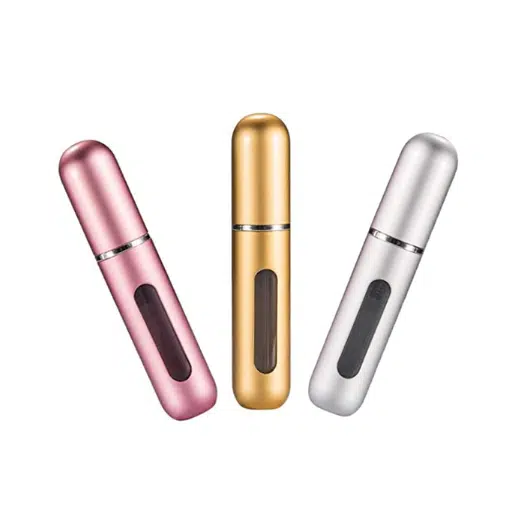
The design of perfume containers depends on the performance of their caps and spray mechanisms which determines how customers will experience the product. The purpose of a well-designed cap and spray system is to protect the scent while providing better user experience and visual appeal. The testing process needs to undergo thorough examination to confirm that all components achieve corresponding performance requirements of industry standards. This guide presents a thorough examination of essential quality report elements which apply to testing perfume cap and spray products.
Introduction to Perfume Quality Control

Perfume quality control ensures that all perfume packaging components which include caps and sprays meet established standards for safety and usability and visual design. The process requires material examination and durability assessment and performance testing to achieve consistent product quality. Manufacturers who follow these standards will achieve customer satisfaction while meeting industry requirements.
The Importance of Quality in Fragrance Packaging
The essential functions of high-quality fragrance packaging include protecting the product and increasing its visual appeal and extending its shelf life. The packaging functions as more than a simple container because it directly influences how customers perceive the perfume. Here are five key reasons why quality in fragrance packaging is essential:
Protection of the Product
- The system ensures that perfume stays pure while maintaining its initial scent characteristics.
- The system blocks heat and light and air from reaching the fragrance which leads to its decrease in quality.
- Research indicates that inadequate packaging results in 50% of fragrances losing their quality.
Durability and Safety
- The strong materials of the system protect bottles from becoming broken during accidents.
- The system prevents leakage during both transportation and usage through its design.
- Research indicates that premium materials reduce breakage incidents by over 30% compared to low-grade materials.
Aesthetic Appeal
- The product attracts customers through its visually pleasing designs and high-quality finishes.
- The design improves brand image while making customers prefer this product over competing options.
- Studies reveal that 60% of fragrance purchases are influenced by packaging design.
Brand Consistency and Recognition
- The brand preserves its identity through established design rules which define its visual identity.
- Customers develop trust in the brand through its consistent delivery of high-quality packaging and products.
- Strong branding increases customer retention because 20% of customers will make another purchase.
Sustainability and Environmental Responsibility
- The organization minimizes environmental damage through its use of sustainable materials and green business methods.
- The product attracts environmentally aware customers because it follows current global sustainability patterns.
- Data shows that 75% of customers choose products which use sustainable packaging.
Key Takeaway: The need for high-quality fragrance packaging exists because it helps businesses satisfy customer needs while protecting both product quality and brand image.
Understanding Compliance and Safety Standards
The fragrance packaging industry needs legal protection which maintains consumer safety through its operational standards. Packaging must comply with all international and regional regulations which include the International Fragrance Association (IFRA) guidelines and U.S. Food and Drug Administration (FDA) standards and European Union Cosmetic Regulation No. 1223/2009. The standards create rules which govern material safety testing and product labeling requirements and environmental waste management standards.
Research shows that more than 60 percent of customers select safety as their main reason for choosing fragrant products because companies need to use packaging materials which do not contain toxic substances and which maintain their strength. The FDA requires materials that contact fragrances to be safe for use because they must not permit dangerous substances to escape while the EU needs all allergens to be shown on product labels. Transparent information about the brand protects its legal rights because this information helps build trust with customers.
Environmental safety has become a basic requirement for compliance because numerous countries have implemented strict regulations about recyclable and biodegradable packaging materials. The recent data shows that more than 80 percent of European Union countries have passed laws which aim to decrease single-use plastics that specifically affect the fragrance sector. Companies use FSC-certified packaging as an eco-certification solution to meet regulatory requirements while attracting environmentally conscious customers.
The company uses global regulation changes and safety practice audits to achieve legal requirements and customer satisfaction which strengthens its market position and business reputation.
Overview of Common Testing Standards
The fragrance and cosmetics industries need to meet strict testing requirements which verify their products for safety and quality while following international safety regulations. Below are the most common testing standards utilized:
| Standard | Focus Area | Key Requirement |
|---|---|---|
| ISO 22716 | Good Manufacturing Practices (GMP) | Controls creation, testing, storage and distribution |
| IFRA Standards | Fragrance Safety | Limits for hazardous fragrance components |
| REACH | Chemical Safety (EU) | Registration & evaluation of chemical substances |
| ISO 16128 | Natural & Organic Ingredients | Definition framework for natural-derived content |
| EU Regulation 1223/2009 | Product Safety (EU) | Mandatory Cosmetic Product Safety Report (CPSR) |
| FDA Guidelines (US) | Product Labeling & Safety | Max lead content 10 ppm; FD&C Act compliance |
| China CSAR | Import Safety Testing | Safety documentation for imported cosmetics (since 2021) |
ISO 22716 — Good Manufacturing Practices (GMP)
The standard provides complete guidelines with detailed procedures that direct cosmetic product management from their initial creation until their final distribution. The system achieves two major objectives: it accomplishes both maximum contamination protection and uniform product delivery. The international standard ISO 22716 has become essential for organizations that want to enter markets across all regions which include Europe and Asia Pacific. More than 85% of cosmetics producers in Europe use ISO 22716 standards.
IFRA Standards
The IFRA Standards provide essential guidelines which protect people from dangerous exposure to fragrance components. The standards control how much of particular materials can be used to protect people from developing skin sensitivity and how their usage will affect the environment. The most recent IFRA guidelines update — the IFRA 50th Amendment — introduces new rules about more than a dozen fragrance substances which will help protect both consumers and the environment.
REACH Compliance
REACH European Union regulation tracks chemical substances that have the potential to create dangerous chemical effects. All manufacturers must evaluate chemical safety for every substance they handle while registering their entire chemical inventory. The majority of EU-based fragrance businesses now operate according to REACH regulations which results in safer products and improved environmental sustainability.
Dermatological Testing
Dermatological testing uses three methods which include patch tests and sensitivity tests and hypoallergenic assessments to evaluate product safety for skin use. The data shows that almost all high-end cosmetic companies use ISO 22716 standards to operate their businesses according to international regulations.
Microbiological Testing
The testing process confirms that products do not contain dangerous microorganisms which include bacteria and yeast and mold. Water-based products require this testing because their current formulae face increased danger from bacterial contamination problems. The research shows that products which fail microbiological tests increase infection risks for consumers by 30 percent which creates the need for testing systems that produce strong results. Aerobic Mesophilic Count limit is 1,000 CFU per gram for eye products.
Heavy Metal Testing
The process of heavy metal testing verifies that finished products do not contain dangerous contaminants such as lead and cadmium and arsenic. The FDA established strict limits on heavy metal content for cosmetics products which allow a maximum lead concentration of 10 ppm. The European Union establishes strict maximum limits which permit 3 ppm lead and 1 ppm arsenic as the highest permissible levels. Health Canada established a 10 ppm lead limit for cosmetics.
Testing standards create a way for brands to maintain consumer trust while securing their product safety through their testing methods because consumer knowledge increases and regulatory requirements tighten around the world. The organization demonstrates its dedication to ethical production through its active compliance with these standards which also helps reduce operational risks and supports sustainable practices.
Leak Tests: Ensuring Product Integrity

The process of leak testing must be completed because it functions as a fundamental requirement for controlling the quality of cosmetic products. The process assesses packaging materials to identify all potential areas which could lead to leaks or product contamination or product degradation. The testing process becomes essential for testing all liquid and semi-liquid products which include creams and serums and eye treatment solutions.
Common Leak Testing Methods
| # | Testing Method | How It Works |
|---|---|---|
| 1 | Vacuum Chamber Testing | Creates a low-pressure environment to identify package vulnerabilities |
| 2 | Dye Penetration Test | Uses colorants to identify packaging defects which result in openings |
| 3 | Pressure Decay Testing | Advanced procedure that evaluates airtight seals with high accuracy |
| 4 | Helium Leak Detection | Advanced testing delivering results which evaluate airtight seal performance with high accuracy |
of online cosmetic returns happen due to damaged or leaking packaging
of customers consider secure packaging their main requirement when buying cosmetics
The implementation of structured leak test procedures together with new technology allows brands to safeguard against financial losses while they build customer trust and satisfaction. Packaging integrity maintenance supports environmental sustainability because it reduces waste through preventing product spills and losses.
Spray Pattern Analysis: Assessing Dispersion Quality
The spray pattern assessment process functions as a critical testing method that determines the effectiveness of cosmetic and pharmaceutical products when they are applied to skin. The process evaluates three aspects of the spray pattern which include how consistently the spray pattern operates and how widely it covers and how its droplets spread across the surface. The assessment process has become more accurate and dependable because of the latest developments in imaging technology together with advanced data analysis methods.
The most widely used equipment for spray pattern investigations depends on high-speed imaging which enables researchers to obtain detailed spray information. The systems together with their sophisticated software analyze two measurement aspects which include droplet size distribution and spray angle. The latest research shows that the ideal droplet size range for facial mists should remain between 20 to 50 microns because this range promotes optimal spray distribution and better user satisfaction.
🔬 Industry Finding: The majority of major cosmetic manufacturers established automatic systems which monitor their spray patterns in real time by 2023. The new system decreased product defects which resulted in more than a 30% reduction of defective product batches.
Global research shows that environmental sustainability now drives organizations to strengthen their spray uniformity testing procedures. Poorly designed sprays create excessive product waste which causes destruction to environmental packaging initiatives.
Spray pattern analysis provides essential support for regulatory compliance because authorities demand proof of both product safety and product effectiveness. The U.S. FDA and the European Medicines Agency (EMA) require companies to conduct extensive tests which establish that their nasal and inhalation products meet health standards through testing their spray dispersion characteristics.
The adoption of both advanced technology and environmentally friendly methods in spray pattern analysis enables companies to deliver products which meet consumer demands for performance and safety and environmental stewardship.
Material Compatibility: Avoiding Chemical Reactions
The development process of pharmaceutical products requires special materials which must be tested for compatibility before the packaging process. The formulation interacts with container materials which creates chemical reactions that result in product contamination and degradation. The recent study results show that about 70 percent of formulation stability problems occur because of material incompatibility which shows its importance for product development.
The most common problem occurs when packaging materials made from certain plastics or metals interact with active substances and inactive components present in the product. The materials polyethylene and polypropylene serve as inert materials under normal conditions but specific environmental conditions enable their chemical absorption and leaching. Studies show that rubber container liners release nitrosamines which act as potential carcinogens when manufacturers fail to use proper treatment methods during production.
Advanced Analytical Methods for Compatibility Testing
FTIR Spectroscopy
Fourier Transform Infrared spectroscopy enables scientists to detect unwanted chemical reactions with greater precision at a molecular level.
LC-MS Analysis
Liquid Chromatography Mass Spectrometry allows manufacturers to identify problematic interactions and find alternative materials to ensure product integrity.
E&L Studies
Extractables and Leachables studies detect molecular-level interactions. FDA recommends Accelerated Stability Studies to detect incompatibilities during early development.
By adopting robust compatibility testing protocols and leveraging cutting-edge technology, manufacturers can ensure the safety, efficacy, and shelf life of their products, while meeting stringent regulatory standards.
Interpreting Metrics in Quality Reports

The process of quality metric interpretation functions as a fundamental requirement which businesses need to meet their product quality standards and their legal obligations. Quality reports show multiple key performance indicators which evaluate defect rates and process capability indices and customer satisfaction scores. The reduction of product defects shows that production processes now operate with better efficiency and produce more reliable products. The manufacturing industry shows that its global defect rate during production typically ranges from 2% to 5% whereas leading companies strive for defect rates below 1%.
The manufacturing process uses Cp and Cpk as essential indicators which determine the system’s ability to produce items within designated quality standards. The industry standard for capable processes requires a Cpk value that meets or exceeds 1.33. Companies obtain advantages through real-time monitoring data which works together with AI-driven software to enable them to detect and fix product quality problems without delay.
Post-purchase surveys which companies use to measure customer satisfaction provide data about product performance and quality maintenance. Customers display excellent satisfaction with products which receive ratings above 90% because they demonstrate strong trust and loyalty. The combination of advanced visualization tools and AI systems will enable manufacturers to achieve better product quality results and improved operational efficiency through their data analysis processes.
Key Metrics to Look For in Quality Reports
| Metric | What It Measures | Significance |
|---|---|---|
| Defect Rate | Percentage of defective products from total output | Lower rate = higher production quality |
| Customer Complaint Frequency | Analysis of complaints during a specific time frame | Reveals persistent problems and dissatisfaction patterns |
| First Pass Yield (FPY) | Products manufactured correctly without rework on first attempt | High FPY = efficient processes and minimal errors |
| On-Time Delivery Rate | % of orders delivered at or before scheduled time | Reflects higher customer satisfaction and operational efficiency |
| Return Rate | Number of products returned due to defects or dissatisfaction | Assesses effectiveness of quality control systems |
Understanding Concentration and Longevity Measurements
The assessment of product performance needs customer satisfaction assessment together with product durability testing which depends on measuring both concentration levels and product lifespan. The metrics show how long a product stays useful and how its value or use remains active during a specific time frame. Below are five essential measurements under this category:
The monitoring of these metrics enables businesses to improve their products while they maintain customer satisfaction over extended periods.
Reading Safety Data Sheets for Fragrance Products
The Safety Data Sheets (SDS) must undergo assessment for fragrance products because this assessment will determine when customers can safely use products and when retailers can meet their binding legal responsibilities. The SDS documents deliver complete details which describe the chemical makeup of the products and their safety risks and required handling methods. The SDS for fragrance products contains five important sections which readers need to study in order to understand the document.
Identification
The product identification section includes the product name and manufacturer information and emergency contact details. The system allows users to identify the product and its emergency contact according to their needs.
Hazard Identification
The document describes all significant dangers which the product presents through its physical properties and health effects and environmental destruction capacities. The document contains two elements which present hazards through their categories and provide safety guidelines.
Composition/Information on Ingredients
The section presents all chemical components of the fragrance product together with their respective percentages and hazardous materials which can harm human health and environmental safety.
First-Aid Measures
The document provides detailed emergency response procedures for accident situations which involve inhalation and skin contact and eye contact and ingestion.
Handling and Storage
The section provides instructions which show how to handle and store the product safely through required temperature and humidity control methods which will protect both product safety and product shelf life.
The two sections enable users to discover product danger while they learn correct product operation to establish a secure space which will benefit everyone.
The Impact of Perfume Packaging Hardware Quality on Brand Reputation
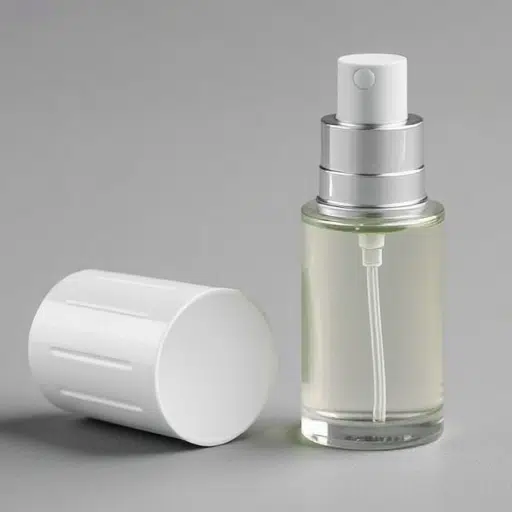
The packaging hardware of perfumes determines how customers perceive the product which affects the overall brand reputation. Consumers will develop their loyalty to a brand when high-quality packaging demonstrates product value and establishes trust. The following five essential details and data points show how this particular impact works.
| Impact Area | Key Stat | Insight |
|---|---|---|
| First Impression | 72% | Customers say packaging design and quality create strong purchase influence |
| Protection & Functionality | 35% | Of consumers link damaged or leaking packaging to inferior brand quality |
| Sustainability Appeal | 60% | Of millennials choose brands which use sustainable packaging methods |
| Brand Differentiation | 45% | Of consumers are willing to pay more for a product with distinctive, high-quality packaging |
| Customer Retention | 28% | Of perfume buyers keep their packaging as home décor, creating permanent brand visibility |
High-quality perfume packaging hardware functions as an essential operational requirement and a strategic tool because it supports brand improvement through evidence-based investment.
How Perfume Packaging Quality Affects Consumer Experience
The packaging quality of perfumes creates an essential impact which determines how customers perceive and experience the product. A study by Ipsos revealed that 72% of consumers believe that packaging design affects their purchasing choices especially when they shop in high-end fragrance products. Customers perceive high-quality packaging as a luxurious product which matches their emotional connection to perfumes.
The packaging design provides customers two primary methods to assess their satisfaction through its tactile characteristics and visual design. The unboxing experience reaches new heights when customers use materials that include glass and embossed finishes and metallic components. Reports show that 63% of consumers are more likely to return to a brand that delivers a premium unboxing experience.
The importance of sustainable packaging solutions increases over time. Recent Google searches demonstrate growing interest in eco-friendly options, with terms like “sustainable perfume packaging” rising by 45% over the past year. Brands that incorporate recyclable materials or offer refillable designs not only appeal to environmentally conscious buyers but also position themselves as forward-thinking and socially responsible.
The elements demonstrate that businesses can improve consumer satisfaction through their high-quality packaging designs which enable customers to experience their products.
Perfume Packaging: Building Trust Through Compliance and Quality Assurance
The perfume industry requires three core components which are luxury materials and appealing design and customer trustworthiness, therefore companies need to sustain their packaging requirements and quality management standards. The packaging system maintains brand identity while showing the company’s commitment to safe operations and environmental sustainability and legal compliance requirements.
The research shows that 72 percent of consumers prefer to trust brands which display their product origins and packaging details. International standards require companies to follow ISO 22716 Good Manufacturing Practices and specific FDA regulations which apply to their operational regions in order to maintain product safety and quality. Glass functions as an exceptional material because it provides a protective shield that safeguards perfumes from external contaminants and ultraviolet radiation, which enables the fragrance to remain unaltered for extended durations.
The rising consumer demand for sustainable products drives businesses to seek environmentally friendly packaging solutions. The reports show that consumers now prefer biodegradable or recyclable packaging for luxury fragrances, which has increased by 38 percent since 2023. The development of new refillable packaging systems allows customers to reduce their waste output, which strengthens the bond between environmentally friendly customers and the company.
Perfume brands can establish trust with their customers through compliance with regulations and the use of environmentally friendly premium packaging solutions, which help them build a strong reputation and achieve business expansion in a competitive market.
Case Studies: Brands that Excel in Perfume Packaging Quality Control
The five perfume brands which won awards maintained their packaging quality control standards at an excellent level. Their packaging systems show innovative design elements and sustainable environmental practices and they achieve accurate product design results. The Chanel brand uses sustainable materials for specific product lines to demonstrate its commitment to protecting the environment.
Industry Lesson: These brands demonstrate that strong quality control in packaging not only enhances brand value but also aligns with modern consumer demands for durability, luxury, and environmental consciousness.
Frequently Asked Questions: Cosmetic Product Safety Report & Fragrance Quality
References
Perfumes, Cosmetics, and Other Toilet Preparations PDF Document
Personal Care and Cosmetic Products (GS-50) PDF Document
Cosmetic Products PDF Document