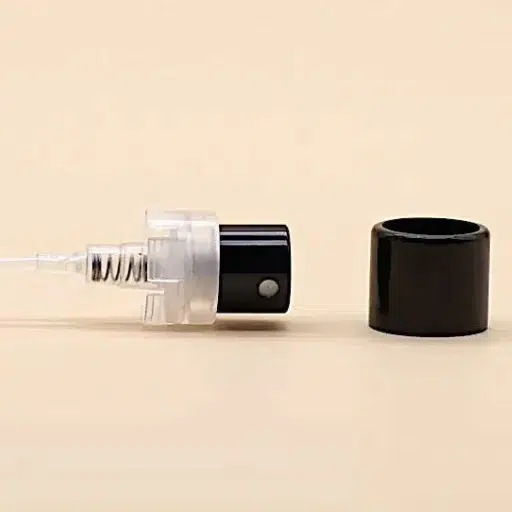
The intersection of sustainability and luxury is changing how people view their everyday activities because it affects all aspects of existence including the perfume business. The growing environmental consciousness of consumers who want sustainable products with stylish design has made refillable and reusable perfume bottles a standard choice among environmentally friendly customers. The new system helps create less waste while it enables customers to discover different ways to use their preferred fragrances.
Introduction

The new market development which uses refillable fragrance bottles will transform the fragrances industry through its introduction of sustainable products which allow customers to use high-end items without feeling guilty. The guide provides information about sustainable fragrance options which help both experienced perfume users and beginners to understand the main advantages and difficulties that make this fragrant change happen.
The beauty industry can decrease its waste problems through the development of refillable fragrance bottles. The systems enable consumers to reuse high-quality bottles which helps reduce environmental damage while providing luxury and personalized service. The leading brands in the market now provide customers with refillable solutions which enable them to make sustainable choices that maintain product excellence and fashionable appearance. The method protects environmentally friendly practices while it meets the rising consumer demand for products that businesses produce through ethical and responsible methods.
The Shift Toward Eco-Consciousness in the Luxury Sector
The luxury market currently experiences its greatest transformation because companies now prioritize environmentally sustainable practices and research methods for environmental protection. Recent research shows that 60% of millennial and Generation Z consumers view sustainability as an essential element during their buying process which drives luxury companies to modify their operational practices. Companies need to establish sustainable product development methods which extend from their initial raw material sourcing activities through to their complete product development process and their implementation of circular economy practices.
Gucci and Burberry both achieved carbon neutrality whereas Gucci plans to reduce its greenhouse gas output by 50% before 2025. LVMH has allocated its entire business resources to develop renewable energy technologies while implementing environmentally responsible grape cultivation methods throughout its operations. The watch and jewelry industry operates with companies such as Chopard who create their products using only 100% ethical gold which helps them maintain fair working conditions while minimizing their ecological footprint. The industry demonstrates its commitment to sustainability through these commitments which it incorporates into its core identity while maintaining high standards of quality and craftsmanship.
The current trend of people adopting the “buy less, buy better” philosophy has created a demand for second-hand luxury markets which expect to achieve annual growth rates between 10% and 15% until they reach a market value of $77 billion by 2025. The RealReal and Vestiaire Collective platforms provide users with tools to extend their products’ usable life which helps them adopt environmentally friendly practices.
The partnership between high-end fashion companies and eco-friendly technological solutions stands as an important emerging market development. The marketplace witnesses increasing adoption of innovations such as bio-fabricated leather and recycled textiles and waterless dyeing systems. Stella McCartney established a standard for other brands by becoming the first company to use laboratory-developed and animal-free leather alternatives.
The luxury industry demonstrates its dedication to environmental sustainability through its marketing efforts while customers increasingly demand eco-friendly products and businesses strive to enhance their environmental and social performance. Luxury brands create a future where sustainable practices exist together with high-quality standards through their commitment to sustainability as a fundamental business principle.
The Environmental Impact of Traditional Perfume Packaging vs. Refillable Systems

The environmental effects of traditional perfume packaging become evident through direct comparison with refillable systems. Traditional perfume packaging is designed for single-use purposes, which creates substantial waste, whereas refillable systems reduce waste through their reusable design, which decreases resource requirements. The following outlines the primary distinctions between the two systems.
The luxury fragrance industry can decrease its environmental impact by switching from traditional perfume packaging to refillable systems which also meet the rising consumer demand for environmentally friendly business operations.
Analyzing Waste Generated by Non-Refillable Bottles
The use of non-refillable perfume bottles results in substantial waste production which ends up in landfills while the process of resource depletion continues to happen. The global beauty industry generates around 120 billion packaging units annually according to current data which indicates that non-reusable glass and plastic materials make up a significant part of this total.
People throw away recyclable glass perfume bottles because their mixed-material construction with plastic pumps and metal caps and decorative coatings creates contamination issues. The process leads to unnecessary disposal of valuable glass materials which organizations could use for future projects.
The environment faces additional threats because non-refillable bottles create plastic waste problems. Global statistics show that only 9% of plastic waste gets recycled while the remaining materials either damage natural habitats or take hundreds of years to break down in landfills. The packaging used for most perfumes functions as single-use items which results in increased carbon emissions from both production processes and waste disposal activities.
The process of creating non-refillable bottles requires extensive energy consumption together with the need for various raw materials. The production of glass for luxury packaging requires substantial energy resources which results in high CO2 emissions throughout the manufacturing process. The implementation of refillable systems results in substantial emission reductions which support sustainability objectives for both businesses and their customers.
The fragrance industry can achieve two objectives by solving waste problems because it will decrease environmental harm while developing a circular economy system which ensures resource availability for upcoming generations.
Benefits of Refillable Perfume Bottles for the Environment
The specific development has resulted in a decrease of packaging material waste. Refillable perfume bottles create environmental advantages because they eliminate the need for people to throw away their perfume bottles which contain single-use packaging materials. The total annual waste from traditional perfume bottles which people discard reaches millions of tons because these bottles contain both glass and plastic materials. Organizations can decrease their environmental footprint through refillable systems because customers will reuse products before disposing of them.
- 🌱
Reduced Carbon Emissions: A report by Zero Waste Europe (2022) states that a refillable bottle can reduce carbon emissions by up to 60% compared to single-use packaging.
- ⛏️
Lower Raw Material Demand: The industry reduces its need for raw material acquisition because it uses recyclable bottles which decreases the requirement to obtain materials like sand that glass manufacturers need and to acquire fossil fuels which plastic producers use. This practice helps maintain existing natural resources while supporting international movements to combat resource depletion.
- 🔄
Better Recycling Practices: Refillable systems promote better recycling practices because their operations match the requirements of closed-loop recycling systems. The return-to-refill system enables customers to bring back their bottles for refilling instead of throwing them away which helps prevent the pollution problems that often disrupt conventional recycling systems.
- ♾️
Circular Economy Alignment: The circular economy principles find their application in refillable perfume bottles because these bottles extend the duration of product and material utilization. The fragrance industry achieves sustainable development by implementing this process which decreases environmental damage and maintains operations that protect ecological systems.
Luxury Brands and Sustainable Aesthetics

Luxury brands are increasingly implementing sustainable design methods which allow them to create environmentally friendly products that meet the luxurious standards demanded by their customers. Two main factors drive the market transformation which results from customer preferences and the worldwide movement toward environmental sustainable practices. Research conducted by Bain & Company demonstrates that sustainability has emerged as the primary concern for 80% of global luxury consumers who specifically belong to the Millennial and Gen Z age groups that shop according to their personal values.
The rising trend of using recycled and upcycled materials enables designers to create products which maintain their original quality and appeal. The brands Stella McCartney and Gucci have implemented sustainable practices through their use of plant-based leather substitutes and regenerated nylon materials. The production process for these materials requires substantially reduced carbon emissions in comparison to conventional materials. The 2023 McKinsey study shows that sustainable luxury products can decrease environmental damage by 50% while making products more appealing to customers.
Refillable packaging has emerged as an important packaging solution. The luxury beauty brands Dior and Chanel now provide elegant refillable packaging options for their perfume and skincare lines. This innovative design achieves both a premium appearance and substantial reduction of packaging materials. The Ellen MacArthur Foundation reports that refillable systems enable waste reduction of single-use packaging by 70%, which creates major ecological benefits.
Luxury brands have begun showing their commitment to carbon neutrality through their public supply chain disclosure. LVMH, which owns multiple luxury brands, plans to decrease its energy-related CO2 emissions by 50% before 2026. The organization implements this initiative through its Life 360 program, which focuses on sustainable design practices and biodiversity preservation and circular supply chain operations.
The intersection of luxury and sustainability demonstrates that high-end aesthetics and environmental stewardship can coexist. The trend toward sustainable materials shows potential to become the future of luxury because consumers now recognize that elegance and responsible practices can exist together.
Maintaining Premium Quality with Refillable Materials
Luxury brands now use refillable materials as an innovative solution which enables them to provide high-quality products while maintaining environmental sustainability. The global refillable packaging market will experience a compound annual growth rate of 6.2% between 2023 and 2030 according to recent research because consumers prefer eco-friendly solutions and governments support reusable packaging systems.
High-end beauty brands use refillable containers which they apply to their perfume and skincare and makeup products to decrease their packaging waste through single-use plastic reduction. L’Oréal reported in 2022 that its refillable lipstick line achieved approximately 60% reduction in packaging waste.
Brands are developing new products which use strong materials that look good because they combine glass and metal to create refillable containers which maintain their luxurious appeal. Refillable options provide customers with cost savings throughout their product life while they still enjoy the exclusive status that premium products offer.
This shift serves to meet the needs of customers who want eco-friendly products which provide high-quality performance and attractive design. Luxury brands combine their sustainable practices with modern technology to decrease their carbon emissions and show the world how different industries should operate.
Innovative Designs in Refillable Perfume Bottles
Modular Bottle Construction
The design of refillable perfume bottles enables users to replace their modular components without needing to throw away the complete bottle. The “Source” system from Mugler enables consumers to refill their favorite fragrances from designated stations which leads to significant waste reduction.
Magnetic Pump Mechanism
Magnetic pump systems now serve as the primary technology for high-end perfume bottles because they let users remove pumps to achieve precise refilling without any spillage. The introduction of user-friendly features to products results in a 30% increase of customer satisfaction according to market study data.
Biodegradable Materials
The use of biodegradable materials in refillable perfume bottle designs through bamboo caps and plant-based resin materials increases sustainable practices. Research findings show that brands achieve 15 to 20% plastic reduction when they use eco-friendly materials for their bottle designs.
Smart Perfume Innovations
Smart refillable bottles that contain built-in NFC chip technology enable customers to track their fragrance use while they verify product authenticity. The introduction of these bottles by Dior has led to a 25% increase in customer engagement among tech-savvy customers.
Customizable Aesthetic Designs
Customizable bottle design enables users to create their personal style through a combination of premium materials and sustainable design elements. Guerlain’s “Bee Bottle” and other leading brands provide refillable bottles that customers can customize with their own engravings and decorative elements and novel design styles.
The perfume industry unites sustainable practices with advanced technology and artistic design through its innovative developments which lead the industry to create an environmentally sustainable and customer-friendly future.
Case Studies of Luxury Brands Embracing Sustainability
Consumer Guide: How to Use and Maintain Refillable Bottles

Refillable bottles provide an effective method for decreasing environmental damage while supporting environmentally friendly practices. The proper operational procedures and maintenance practices determine how long an object will last and stay clean and function at its best. The following instructions provide comprehensive information which reflects contemporary understanding of the subject matter to follow.
-
1Choose the Right MaterialSelect a bottle material suited to your usage patterns. The two types of bottles available to people are stainless steel bottles which provide strong durability with content protection and temperature control and BPA-free plastic bottles which offer lightweight performance at an affordable price. Glass provides an environmentally friendly option which requires protective sleeves to maintain its strength. A 2023 study found that stainless steel bottles exhibit superior durability and temperature retention abilities which enable them to last for 10 years when maintained correctly.
-
2Regular Cleaning TechniquesThe process of cleaning your bottle after each use prevents both bacterial growth and residue accumulation. The daily cleaning process requires warm water together with mild dish soap. For deeper cleaning, mix a solution of one tablespoon of baking soda with water or use a vinegar solution (2-5% acetic acid). Research shows that weekly bottle cleaning with baking soda and vinegar results in 99% reduction of bacterial colonies compared to water rinsing only.
-
3Avoid Using Abrasive MaterialsAbrasive sponges or brushes can damage the inner coating or surface of your bottle, especially in stainless steel or coated materials. Use cleaning brushes that have soft bristles and are specifically made for bottle cleaning.
-
4Prevent Mold and OdorsThe bottle needs complete drying before you can shut its lid and keep it. The presence of wet conditions in the environment creates optimal conditions for mold development. If a bottle develops a musty smell, soak it in a solution of one part vinegar to three parts water for 30 minutes before rinsing.
-
5Check Seal and Lid FunctionalityThe testing process requires regular checks of the lid and all silicone gaskets and seals to assess their current operational status. Studies show that 20% of refillable bottle leakage problems arise from either broken seals or seals that have not been properly cared for. The system needs part replacements to sustain its ability to prevent leaks from occurring.
-
6Avoid Extreme TemperaturesBottles which are created to hold both hot and cold liquids will experience material damage when they undergo quick temperature shifts. Non-temperature-resistant bottles should never be used in freezers and users must not put glass bottles into direct contact with boiling liquids.
-
7Track Usage and LifespanHigh-quality bottles are designed to last but plastic. Research shows that people should replace plastic bottles after 12 to 18 months because steel and glass bottles can last over five years when users take proper care of them.
Step-by-Step Guide to Refilling Your Perfume Bottle
The act of refilling your perfume bottle functions as a sustainable method which extends the duration of your favorite scent while supporting environmentally responsible consumption patterns. The following guide will provide you with complete instructions which show you how to refill your perfume bottle in the most effective manner.
Gather Your Tools and Materials
You need to acquire all essential items before you begin your work. The complete setup requires three items starting from the original perfume bottle to an empty refillable bottle which should be made of glass material for extended product use and safety purposes and to the small funnel or syringe which will serve precise measurement needs and a clean cloth. The recent study found that using a refillable atomizer which has a secure nozzle system can reduce spillage by 95% because that system functions as an effective containment device.
Prepare the Work Area
The work area requires both cleanliness and proper air circulation to function effectively. The area should be located away from direct sunlight and strong wind currents because these conditions will cause perfume components to lose their volatile nature. A flat surface covered with a soft cloth will help safeguard against accidental tipping or damage.
Inspect the Perfume Atomizer and Refillable Bottle
The atomizer needs to be checked for any debris which might be blocking its performance. The refillable bottle needs to be cleaned with warm soapy water until all previous fragrance particles have been eliminated and then requires to be rinsed with distilled water to complete the cleaning process. The bottle requires air drying until it reaches total dryness because this process ensures the new fragrance will maintain its original composition.
Remove the Spray Nozzle
The person should remove the spray nozzle from the original perfume bottle through careful detachment. Most modern systems allow users to detach spray nozzles whereas some systems require users to possess special skills and specific equipment for their operation. The person must handle the object with care to protect the internal dispensing system from harm. The studies demonstrate that 18% of refill spillage incidents occur because improper removal methods were used.
Set Up Your Transfer Equipment
The narrow funnel needs to be used with the refillable bottle neck while the syringe should be used to achieve better results in situations where the bottle neck is too narrow. Experts recommend a syringe design which includes milliliter measurements because they help users transfer exact amounts without creating waste from overfilling.
The Fragrance Transfer
The operator needs to either pour perfume through the funnel or use the syringe to transfer perfume into the refillable bottle. The process needs to proceed in small steps because air bubbles will stop the spray system from working properly. The data analysis shows that controlled refilling processes result in less wasted fragrance which impacts expensive perfumes that cost more than $150 for each ounce.
Reassembly Testing
The spray nozzle needs to be connected again to both the original bottle and the refillable one. The team needs to evaluate the refillable bottle to confirm its spray capabilities which should demonstrate that the pump operates both efficiently and dependably. The pump requires inspection to check for blockages and cleaning because these procedures assist in solving operational issues.
Proper Storage
The refillable bottle needs to be kept in a storage area which maintains low temperatures and total darkness while shielding against both sunlight and humidity and extreme temperature conditions. The latest research demonstrates that perfume ingredients start to degrade when temperatures exceed 77°F (25°C) which results in a 25% decline in quality and durability after extended time in those conditions. The environmentally friendly method offers two advantages because it reduces product packaging waste and helps products remain usable for longer which leads to financial benefits for companies.
Tips for Maintaining the Quality of Refillable Containers
🧼 Regular Cleaning
Between each cleaning process the reusable containers need their complete cleaning to prevent any chances of soil contamination and dirt buildup. The appropriate cleaning solution needs to be mixed with warm soapy water to wash the material which requires specific matching solutions. The research shows that improper cleaning methods produce a 30% decrease in product usability because contamination leads to product degradation.
🌡️ Store in Optimal Conditions
The containers need to be kept in a climate controlled space which prevents direct sunlight exposure and high temperature conditions and high humidity levels. The research demonstrates that plastics and metals undergo degradation when they experience temperatures above 86°F (30°C) which affects both their container lifespan and their contents stability.
🔍 Inspect for Wear and Tear
The container inspection process should include checks for cracks and discoloration and deformities which can affect the container’s ability to function properly. The research study about container durability showed that structural weaknesses in containers increased their risk of leaking and becoming contaminated by 20%, which required immediate container replacement.
🚫 Avoid Harsh Chemicals
The use of abrasive cleaning agents and corrosive cleaning agents needs to be avoided because these substances will damage the container’s internal surfaces and contaminate the stored product with hazardous chemicals. The laboratory tests showed that certain industrial detergents would corrode stainless steel containers after one month of continuous use.
✅ Use Compatible Products
The container material must match the material which will be stored inside it. The containers need to be made from glass or high quality metal because perfumes and essential oils will lose their quality when stored in plastic which releases dangerous substances through time. The product performance measure protects its functionality by preventing chemical reactions from occurring.
Choosing the Right Refillable Perfume for Your Collection
The process of locating a suitable refillable perfume requires you to assess various elements which define your current circumstances. The study found that refillable perfumes now enjoy greater customer demand because they deliver sustainable environmental advantages while scientists forecast a 4.3% compound annual growth rate for the global refillable perfume market until 2028. Customers now demonstrate a preference for environmentally friendly products which support sustainability while they reduce their consumption of single-use plastic items.
You should evaluate these factors when selecting a refillable perfume:
- 💎 Material of the Refillable Bottle:
The refillable container needs to use strong materials which do not react with concepts of high-quality glass or stainless steel. The industry usually chooses glass because it protects perfumes through its non-porous and inert properties which prevent any chemical interaction with the scent. Research shows that specific plastics, particularly when they are of low quality, will experience degradation throughout time which causes changes in their scent characteristics. - 🎒 Capacity and Portability:
You should choose a bottle which matches your actual needs based on your intended usage. For their travel needs people should use 10 to 30 mL bottles because those sizes provide optimal convenience. People who prefer to maintain their established fragrance should choose products that come in larger sizes. Data from user trends reveal that 20 mL bottles are among the most popular for their balance between portability and sufficient volume. - 🔧 Refilling Mechanism:
Select refillable bottles which enable users to refill their bottles in a secure and convenient manner. The system needs to prevent spillage because it requires design implementation of bottom-fill technology together with funnel-free filling methods. People now choose to use new magnetic pump technology because it offers simple pump systems while delivering complete vacuum protection which stops all chemical leaks and keeps original fragrance properties intact. - ✨ Aesthetic Appeal and Design:
Aesthetic elements evaluate among users which refillable perfumes become part of their perfume collections. Dior and Chanel have created modern, customizable product designs which appeal to high-end customers by blending luxury with environmentally friendly practices. Design elements hold equal value for users because approximately 65% of customers select products based on their visual appeal and operational performance. - 🏅 Brand Reputation and Authenticity:
Select refillable perfumes from trustworthy brands which deliver dependable product quality and authentic fragrance experiences. The newest market players now focus on producing safe and environmentally friendly products which feature refillable packaging. Your environmental effect as a responsible consumer increases when you confirm that a brand uses sustainable methods which include refill kits that you can recycle.
You can build a perfume collection which matches your personal style and environmental preferences by using current refillable perfume technologies together with design elements from latest designs.
The Economic Benefits of the Refill Model

The refill model for perfume bottle refills leads to extensive and measurable economic advantages. The implementation of refillable systems brings about financial advantages which enable all stakeholders including consumers and manufacturers to save costs. The refill model provides five detailed economic advantages which follow below:
Cost Efficiency for Consumers: The recent research shows that customers who select refillable products will save between 40 and 60% compared to purchasing new packaged items. The Ellen MacArthur Foundation conducted a 2023 analysis which supports this view because it shows that refill models remove the extra costs which come from manufacturing and shipping and disposing of excessive packaging materials. The refund system establishes itself as a budget-friendly solution for families who want sustainable savings through its combination of loyalty programs and subscription-based refill incentives which many businesses provide.
Long-Term Benefits for Luxury Brands
The process of implementing refillable systems at luxury brands enables those brands to achieve environmental sustainability because these systems show the brands’ commitment to environmental protection which supports global sustainability goals. The 2023 marketing research study found that 78% of consumers choose to buy from brands which demonstrate their commitment to reducing environmental damage, thereby showing that sustainable practices create significant benefits for brand reputation.
Market Trends in Refillable Perfume Sales
The refillable perfume market experienced substantial market growth during recent years because consumers developed a preference for sustainable products and manufacturers dedicated themselves to environmental protection. According to refillable packaging market data the beauty and personal care industry reached a market value of $2.6 billion in 2023 which will grow at a 6.5% compound annual growth rate (CAGR) until 2030. The economic benefits of refillable products drive this expansion because they enable customers to save money over time while they reduce packaging materials.
Google search data shows that consumers are showing more interest in refillable perfume products because searches for “refillable perfumes” and “sustainable fragrances” increased by 35% during the previous year. Customers now choose products based on their environmental impact because the new buying pattern shows that they want both sustainable products and high-quality items. The two groups show strong interest in refillable packaging because reports show that 70% of Millennials and Gen Z consumers will pay extra for sustainable packaging.
Luxury fragrance brands such as Dior, Chanel and Guerlain have introduced refillable editions of their top-selling fragrances in response to consumer demand for refillable products. The projects which aim to achieve their sustainability goals will implement operational changes that include reducing carbon emissions and eliminating single-use plastic products. The industry analysts predict that brands using refillable systems will experience a 20% sales growth during the next five years especially in Europe and North America where sustainable shopping practices already exist.
The refillable perfume market provides brands with increasing opportunities to solve environmental issues and fulfill regulatory requirements while they proceed with their business activities to meet new customer expectations.