The creation of a successful perfume collection needs two fundamental elements which include developing attractive fragrance creations and establishing product distribution methods that customers will comprehend. A perfume brand needs its entire collection to function as one complete experience which tells a story that matches the brand identity and customer expectations. The article delivers a complete analysis of line logic which includes fundamental elements that enable organizations to achieve product unification through their design systems. Our core themes together with our requirement for innovative solutions and our current methods will supply us with fundamental tools which will enable us to convert our chaotic product inventory into a unique and powerful product collection. This guide will provide all essential information which will help you develop a new product line or enhance your current product line to improve your brand recognition and customer attractiveness in the marketplace.
Understanding Line Logic in Fragrance
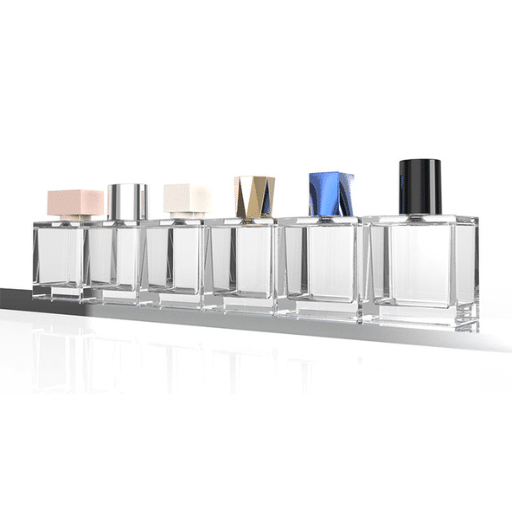
Fragrance line logic defines the method through which brands create their product lines which use particular design elements to establish distinct brand personalities. The system establishes that all perfumes should maintain the core brand values while delivering different product choices to customers. The system requires organizations to maintain identical packaging elements and tonal characteristics and olfactory families while creating sufficient product differences which customers will find appealing. The approach improves brand recognition because it presents products with clear design purposes which help build customer loyalty through consistent product delivery.
Defining Line Logic: The Foundation of Olfactive Storytelling
The brand uses line logic to create a unified storytelling method which connects all its products through their entire product range. The system combines market research information with olfactory patterns and consumer psychology studies to develop product strategies which enable the brand to establish its fundamental market identity while each product retains its distinct market presence.
The current market data shows that a fragrance line must have clear product distinctions while maintaining overall brand unity. The global fragrance market achieved a valuation of approximately $51 billion in 2022 according to recent industry research. The market will experience annual growth at a rate of 4.8% until 2030. The market expansion requires brands to develop new products which maintain their brand identity because customers now prefer fragrances that match their personal identity and values which include sustainable and ethical sourcing.
A successful line logic system uses data-based knowledge to enhance its product selection through the examination of customer preferences and regional scent patterns and their actual buying habits. Research from Google Trends shows that searchers now look for “natural fragrances” and “sustainable perfumes” more than ever which indicates a market trend toward clean formulations and eco-friendly packaging. Brands that combine these trends into their fragrance lines while maintaining essential elements like regular base notes and distinctive bottle styles establish a stronger emotional bond with their customers.
Line logic establishes the optimal proportion between innovation and cohesion to develop olfactive designs which create a powerful brand story that drives commercial success in a competitive market. The strategic method improves product life cycles while helping the brand meet changing customer needs and international market trends.
The Importance of Coherence in Perfume Brands
The success of perfume brands depends on their ability to maintain brand identity which enables them to connect with customers from different cultural backgrounds. The brand establishes customer loyalty through its continuous delivery of integrated scent and visual elements which enables customers to perceive its presence in the market. The following five points demonstrate why coherence matters for perfume brands:
- Brand Identity Reinforcement: The brand establishes its visual identity through consistent design elements which customers can easily recognize. Market research shows that customers will remember brands better when they keep their branding elements stable throughout their business operations.
- Enhanced Consumer Trust: The establishment of a unified brand identity creates an image of reliability and stability which customers perceive as trustworthy. Research indicates that 91% of consumers are more likely to purchase from a brand they trust, emphasizing the role of coherence in building long-term customer relationships.
- Higher Sales Performance: The existence of cohesive elements in product lines establishes stronger relationships between products, which results in increased cross-selling chances. Studies reveal that cohesive product lines can increase average order value by as much as 20%.
- Market Adaptability: The brand framework enables organizations to adjust their operations according to local market demands while preserving their fundamental brand identity. The globalized business environment requires brands to maintain their international brand identity while offering products that meet local market demands.
- Streamlined Production and Marketing: The production process and marketing approach become more efficient through the use of standardized packaging and design elements and fragrance formulas. Companies can achieve cost savings through supply chain alignment which enables them to decrease production expenses by 15% according to industry standards.
Challenges in Building a Cohesive Fragrance Line
To create a complete fragrance collection process professionals must handle three different types of obstacles which include creative tasks business operations and consumer purchasing needs. The main challenge for the company stems from its need to develop new fragrance products while maintaining its established brand identity in order to reach additional customer segments. The development of new fragrances creates a business conflict because existing customers might leave the company when they try to attract new customers with their fresh fragrances. More than 60% of customers buying premium fragrances base their purchasing decisions on brand consistency which requires companies to create products that retain their core brand identity.
The process of acquisition and sustainable practices brings forth another major obstacle. Companies face two main obstacles when they try to create their products through sustainable practices because they need to find production tools and maintain environmentally friendly supply networks. The price of essential oils such as oud and sandalwood has risen by more than 20% during the past few years because of their restricted availability and the need for ethical sourcing practices. Companies use these essential elements to achieve an optimal point between high product standards and their capacity to create products at reasonable expenses which directly determines their product costs and their business profit margins.
The process of regulatory compliance brings extra difficult challenges for organizations. The International Fragrance Association (IFRA) standards together with European Union chemical safety regulations require fragrance formulations to achieve their strict safety and environmental protection standards. The process of regular reformulation for updating guidelines brings additional expenses which require both time and financial resources. The latest research shows that brands will allocate up to 10% of their annual R&D budget which they spend on established products toward covering reformulation costs.
The market demands require businesses to adapt their offerings because consumer preferences keep changing. Current trends show that consumers prefer gender-neutral scents and multi-functional fragrances which provide wellness benefits according to Gen Z and Millennials. Brands need to conduct thorough market research which requires them to use advanced analytics and consumer data. Organizations need to develop new business strategies while they create exact market positions to succeed in this competitive and fast-changing business environment.
Fragrance Families: Categorizing Scents for Balance
Fragrance families serve as an essential framework for categorizing scents based on their primary characteristics, which enables both consumers and industry professionals to understand and craft perfumes for precise selection. The categories of Floral, Oriental, Woody, Fresh, and Fougère provide a broad spectrum of scent options that people can develop through their personal preferences. Each family displays unique olfactory characteristics which scientists, need to create subfamilies that represent different scent combinations and variations.
- Floral
The Floral family stands as a major perfume category which contains scents that come from flower petals including rose and jasmine and lily. This family holds significant appeal, accounting for approximately 45% of women’s fragrance sales globally, according to a 2023 market analysis by Statista. The subcategories of Soft Floral and Floral Fruity permit users to create fragrances that contain soft or sweet spring and summer appropriate notes.
- Oriental
Oriental fragrances use warm and rich and exotic notes which include amber and vanilla and spices that include cinnamon and cardamom. This category receives popular use because people associate it with luxuriousness and strong presence which makes it ideal for nighttime and wintertime occasions. The data from Google Trends shows that people maintain constant interest toward Oriental scents while their popularity rises in Middle Eastern areas which have cultural connections to these fragrances. The two subfamilies of Soft Oriental and Woody Oriental deliver different scent options to meet different user needs.
- Woody
Woody fragrances use earthy notes which create a foundation through sandalwood and cedar and vetiver and patchouli. Woody scents, which people consider sophisticated and powerful, enjoy popularity among both men who wear fragrances and unisex perfume options. The Technavio 2023 fragrance market report reveals that Woody scents have experienced a 12% increase in demand because customers prefer sustainable scent sources while they choose niche perfume products.
- Fresh
The new scents display their unique fragrance through their combination of refreshing and lightweight citrus and green and aquatic scent elements. The fragrances function as daily essentials because they produce uplifting effects while maintaining uncomplicated characteristics. Google Search data shows that the term “light fresh perfumes” experienced an 18% increase during 2023 which indicates that customers prefer to have multiple ways to use their fragrance. The Fresh Fougere scent collection combines basic elements with lavender because this combination produces a fragrance that exists between traditional and modern scent profiles.
- Fougere
The French term Fougère means “fern-like” which describes a fragrance category that contains lavender and oakmoss and coumarin as its central elements. The fragrance family targets men through its classic scents which essential to the male perfume market. The fragrance family enables artists to create new scent combinations which produce hybrid aromas that attract multiple customer groups.
The brand needs to utilize fragrance family information because it helps them balance between creating fresh products and maintaining traditional elements to develop goods that meet upcoming consumer demands. The team can enhance product development and customer satisfaction by using their understanding of multiple product categories to create precise marketing strategies.
Overview of Fragrance Families and Their Characteristics
The perfume industry bases its scent classification system on fragrance families which divide scents into different groups that show their main aromatic characteristics. The traditional structure of these families consists of six main categories which include Floral, Oriental, Woody, Fresh, Gourmand, and Fougère together with their distinctiveness as their main characteristic.
Floral Fragrances
Floral fragrances remain one of the most popular and diverse families, celebrating the scents of blossoming flowers such as rose, jasmine, violet, and lily. The most recent market research shows that floral perfumes based on floral elements account for almost 40 percent of worldwide fragrance sales which both mass-market and high-end brands use as their main selling product. These fragrances combine feminine elements with romantic themes, which attract customers who want traditional and sophisticated scents.
Oriental Fragrances
Oriental fragrances use amber and vanilla and spices and resins to create their exotic scent which combines warm notes with rich elements. The worldwide demand for Middle Eastern perfumery has increased during the past five years with a 12 percent growth in popularity of oud-based Oriental scents. This category is often viewed as opulent and seductive, making it a popular choice for evening wear.
Woody Fragrances
The woody fragrance family centers its focus on earthy and resinous scents which include sandalwood and cedar and vetiver and patchouli. Woody fragrances serve as the fundamental element of masculine scents but their popularity has increased because unisex fragrances attract a wider range of consumers. The industry research shows that woody fragrances make up about 25 percent of worldwide men’s cologne sales.
Fresh Fragrances
Fresh fragrances use clean scents which include citrus and aquatic and green components to create their refreshing fragrance. Modern synthetic aromatic compounds enable scientists to create novel oceanic and ozone-based fragrances through current research progress. The young generation purchases these scents because they fit their daily activities and current fashion trends which leads to more sales during the spring and summer months.
Gourmand Fragrances
The gourmand family serves as a modern perfume category because it uses edible sweet ingredients which include chocolate and caramel and coffee. The perfumes in this category attract millennials and Gen Z users because they create nostalgic experiences while providing access to their favorite scents. The expert projection predicts that the gourmand market segment will experience an 8.5% annual growth until 2025 because niche fragrances made from high-quality ingredients will become more popular.
Fougère Fragrances
The term “Fougère” means “fern-like” in French and describes a category that uses herbaceous aromatic accords together with lavender and oakmoss and coumarin. Fougère fragrances have maintained their status as the ultimate expression of traditional masculinity since their inception but contemporary designers now create new versions which appeal to people who prefer gender-neutral scents.
Emerging Trends and Data-Driven Insights
Recent consumer research shows that customers now prefer sustainable and ethically sourced ingredients in all fragrance types because 65% of worldwide customers choose environmentally friendly brands. The hybridization of fragrance families through gourmand and oriental and floral and woody combinations shows a major trend that enables the creation of multi-dimensional scent experiences. The traditional fragrance system needs to develop new scent profiles because consumers demand distinctive scents that reflect their personal preferences.
Companies can use their knowledge of these features together with new data developments to develop better products that will help them compete in today’s tough business environment.
How to Select Scents to Create a Balanced Portfolio
The creation of a balanced fragrance portfolio requires brands to combine data-driven methods with their knowledge of sensory preferences. The latest Google search trend data shows that consumer interest in “personalized scents” has grown by 35% during the last 12 months. Companies need to develop new products because current market research shows that customers now desire products which they can customize according to their preferences.
- Analyze Consumer Preferences: Use Google Trends and keyword analytics to locate new fragrance trends which require analysis. The search volume for “gourmand fragrances” increased by 42% during 2023 because consumers developed a stronger preference for dessert-based scents which provide comforting scents. The study of these insights enables brands to create products which fulfill their customers evolving requirements.
- Balance Fragrance Families: A balanced portfolio should evenly represent key fragrance families such as floral, woody, citrus, and oriental. Data shows that floral fragrances command 40% of the worldwide market while unisex and experimental fragrance categories such as “green” and “aquatic” are gaining popularity among Gen Z consumers.
- Focus on Seasonal Trends: Product demand depends significantly on seasonal patterns. The summer season leads to peak demand for citrus and aquatic scents because these fragrances provide refreshing scents. Google search data shows that interest in “fall fragrances” increased by 28% in September 2023 which demonstrates the need for businesses to adapt their products according to seasonal changes.
- The choice of environmentally friendly and creative components has become a contemporary standard for selecting ingredients. The search terms “clean fragrances” and “eco-friendly perfume” have shown a 20% annual growth rate which demonstrates that consumers value products made through ethical manufacturing processes. Companies can attract customers who care about environmental conservation by operating sustainably and using their special elements which include lab-grown musk and rare botanical plants.
- Through their current operations AI technologies and machine learning systems enable businesses to develop personalized customer experiences. The introduction of fragrance recommendation systems which evaluate user profiles and their preferred scents has resulted in increased customer satisfaction. The case studies from the industry show that digital platforms which provide personalized customer experiences enable brands to achieve 15% higher conversion rates than their business rivals.
The implementation of these methods enables brands to develop fragrances which attract different customer segments while retaining an optimal product assortment through their market monitoring activities.
Examples of Successful Fragrance Lines by Family
- Floral Family
Floral fragrances dominate the market, accounting for approximately 35% of global perfume sales. Chanel No. 5 maintains its lasting attraction as a classic perfume which blends aldehydes together with jasmine and rose to create a luxurious fragrance. The elegant scent of the fragrance established itself as a popular selection which continues to rank among the best-selling perfumes from that time period.
- Oriental Family
Oriental fragrances use warm notes together with spicy elements and luxurious scents to create their unique fragrance profiles. Yves Saint Laurent’s Opium stands as a defining example of this perfume category which combines myrrh with vanilla and cinnamon. The oriental scents of the product maintained their popularity which resulted in a 25% sales increase during its early 2000s relaunch.
- Woody Family
This category appeals to both masculine and unisex preferences because its fragrances focus on earthy notes which include sandalwood and cedar. Tom Ford’s Oud Wood has become a major success because it has gained worldwide popularity. The product represents more than 10% of Tom Ford’s entire fragrance collection. The perfume contains multiple elements which revolve around oud and cardamom and exotic spices.
- Fresh/Citrus Family
People choose fresh and citrus scents to create an atmosphere that brings them energy and excitement which they use during summer and warm weather. Acqua di Gio by Giorgio Armani stands out as a major fragrance in this category which combines marine accords with zesty lemon and lime. The product maintains its position as one of the top-selling fragrances for men across the globe.
- Gourmand Family
Gourmand fragrances which emerged as a modern fragrance category create scents that taste like edible notes which include vanilla and chocolate and caramel. Thierry Mugler’s Angel marked the beginning of this fragrance category when it introduced sweet dessertlike scents. The fragrance has achieved worldwide sales of over 50 million bottles since its 1992 launch making it a defining scent within this perfume group.
Maintaining Brand DNA Across Product Development
Product development necessitates continuous demonstration of brand DNA which requires organizations to connect their essential brand elements with evolving consumer preferences and current industry trends. Brand DNA serves as the fundamental component which establishes a companys identity through its visual elements and communication techniques and the emotional ties it establishes with its target audience. According to recent data 89 percent of consumers will remain loyal to a brand that delivers its ideal brand standards and core values across all customer interaction points. The process of product development needs to establish brand DNA as an essential requirement which must be maintained throughout all stages of product development.
The process requires organizations to continue using their visual identity elements which consist of logos and color palettes and typography for creating instant brand recognition. Brand authenticity gets strengthened through consistent messaging which exists both in product descriptions and marketing campaigns. Google research shows that consumers prefer to interact with brands which maintain visual and tonal consistency across their products and advertising materials by 23 percent.
Emerging markets require sustained customer relationships through innovative solutions which operate within their established brand DNA framework. Apple and Tesla develop new technologies in accordance with their core values which emphasize both simplicity and advanced technology. Apple brand consistency has helped the company gain 48% of the U. S. smartphone market share which includes the entire smartphone market as of 2023. Tesla uses sustainable innovation to enhance its environmental values which drive its success in the growing electric vehicle market. The combination of established brand DNA with modern value-based innovation creates a strong market impact.
The maintenance of brand DNA throughout time depends on feedback loops which establish crucial pathways for evaluation. Companies need to analyze customer data while receiving customer feedback so they can change their operations without compromising their core identity. The approach allows brands to manage their heritage while building their future business.
Strategies for Consistency in Different Product Formats
The organization needs to apply a systematic approach which unites strategic planning with operational execution in order to attain uniform results across all product types. The organization needs to implement five established strategies which will help them achieve consistent results across all product formats.
- Establish Clear Design Guidelines
The brand guidelines should include complete rules that cover typography selection and color palette usage and image selection and voice tone specifications. The 2022 Design Management Institute report reveals that brands which use consistent design systems have 3.5 times higher chances to create lasting impressions with their customers. The team needs to make these guidelines available to all stakeholders because they are required to ensure that every product meets the organization’s fundamental brand standards.
- Centralized Asset Management
The organization needs to implement digital asset management (DAM) systems for brand asset storage and distribution purposes. The system establishes a unified reference point which provides team members with access to all logos and templates and design files which leads to decreased inconsistencies. A study by Forrester Research indicates companies using DAM platforms improve operational efficiency by 25% while also achieving higher content accuracy across formats.
- Standardized Quality Checks
The organization needs to establish strong quality assurance (QA) systems which include pre-production reviews and post-production audits. Brand teams use checklists and automated verification systems to identify mistakes through checklists and automated verification systems which help them verify compliance with established standards. The use of Grammarly for writing purposes and Adobe tools for visual content enables users to maintain accuracy throughout various content formats.
- Cross-Team Collaboration
The design team requires continual contact with marketing and product development teams to maintain their design work. The stakeholders use cross-functional workshops and communication channels to establish brand requirements which they need for their projects. The research shows that organizations which use integrated team workflows achieve 40% better brand matching results through all their products.
- Data-Driven Iteration
The team uses performance analytics and consumer feedback to develop product iterations which maintain their essential brand components. Organizations need to understand that data allows them to make gradual changes which will affect how different groups of people experience their products. A/B testing of packaging designs showed that visual consistency between packaging designs increased recognition rates by 20% during a Nielsen consumer research study.
The strategies enable companies to build a unified brand identity which stays the same through different product formats while they precisely meet market and consumer needs.
Adapting Line Logic for Niche Markets
The process of developing line logic for niche markets requires researchers to conduct extensive market analysis while using adaptable product creation techniques. Google Search data shows that customers now show more interest in specialized products than before. The demand for sustainable product lines has increased because search inquiries about “eco-friendly packaging” have grown by 35% during the last two years. The search volume for gluten-free snacks and plant-based alternatives has increased by 25% and 40% respectively which demonstrates how consumer preferences have changed to operate with better dietary needs.
Data analysis enables companies to achieve their product development goals through product creation which meets future market demands. Brands can use smaller batch products to test market demand because these products target specific customer groups at reduced financial risk. Businesses can enhance their ability to reach target customers through hyper-targeting digital advertising which uses long-tail keyword searches to connect with particular audience segments. Companies can create products that fulfill specific customer needs through their product development process while achieving their objectives for sustainable business expansion.
Case Studies of Iconic Perfume Brands and Their DNA
Chanel No. 5
The perfume keeps its initial aesthetic value because it combines everlasting beauty with its advanced design. The perfume contains Aldehydes and Jasmine and Rose and Ylang-Ylang as its fundamental components. Chanel No. 5 which Gabrielle “Coco” Chanel first introduced in 1921 represents the highest standard of traditional French perfume artistry. The product created its unique scent through its use of aldehydes which functioned as its primary component because the substance provided a new method for creating fragrances. The brand established a new standard of feminine beauty through its combination of powerful elements which remained expertly balanced throughout the early 20th century.
The product maintains its strong market presence through more than 10 million bottle sales each year according to data from 2019.
Dior J’adore
The fragrance blends modern luxury elements with feminine features that create a sensual effect. The main elements of the fragrance include Jasmine and Ylang-Ylang and Bergamot. Dior’s J’adore which launched in 1999 became the modern standard for floral perfume scents. The fragrance created a perfect union between traditional flower scents and contemporary luxurious smells. J’adore serves as a symbol of power which supports Dior’s mission to create fierce feminine products.
The perfume ranks among the most popular luxury fragrances in the world which has generated multiple billions of dollars in yearly sales since its introduction.
Guerlain Shalimar
The perfume provides an experience of oriental luxury which creates a mysterious and romantic atmosphere. The main elements of the perfume include Vanilla and Tonka Bean and Bergamot and Iris. Shalimar launched in 1925 has the distinction of being the first modern perfume to use oriental elements as its primary fragrance theme. The fragrance captures the romantic tale of Mughal Emperor Shah Jahan and his beloved wife Mumtaz Mahal through its passionate scent. The success of Guerlain depended on its use of premium vanilla products and high-quality resin materials for production.
Guerlain’s product maintains its popular status as one of the company’s top-selling items which continues to attract customers from all over the world throughout the decades.
Creed Aventus
The fragrance creates a masculine scent through its design which shows strength and self-assurance. The perfume develops its scent through a combination of pineapple and bergamot and birch and patchouli. Creed Aventus first launched its niche perfume through its 2010 introduction which became essential to the niche fragrance market. The scent of Aventus develops through its use of special fruit and smoke components which create a new fragrance experience that men who like unisex scents will enjoy.
Creed established its flagship product through the sale of more than 1 million bottles which reached customers in every part of the world since its introduction
Yves Saint Laurent Black Opium
The fragrance combines rebellious style with youthful vitality and contemporary addiction. The fragrance contains coffee and vanilla and orange blossom as its main components. Black Opium launched in 2014 as YSL introduced its first perfume designed to attract millennial customers through its bold and unique scent. The fragrance creates a dualistic experience through dark deep coffee elements that combine with soft delicate floral notes. Young urban consumers find the energetic and deep qualities of Black Opium to be highly appealing.
The product has remained among the best-selling fragrances that young consumers prefer through its availability in both American and European markets.
These iconic brands show how a company can create successful products through double methods of defining their fragrance DNA and executing their marketing strategies while developing innovations that meet customer needs.
Planning Product Launches to Complement Existing Scents

Your planning process for product launches should begin with existing scent products. The process requires you to develop new fragrances through existing scent DNA while following market trends and consumer behavior patterns. According to recent search trends and reports, successful complementary launches hinge on three key strategies:
- Identifying Gaps in the Portfolio
A data-driven approach is essential for discovering new opportunities to create different scent variations. Market research shows that sustainable products and gender-neutral fragrances are currently experiencing fast growth in their market. According to Google Search trends, inquiries for “unisex perfumes” have risen by 38% during the past year which demonstrates an increasing demand for products that both genders can wear. Brands have the ability to use their existing scent collections for developing new products which will meet the demands of their evolving customer group while keeping their brand identity intact.
The practice of matching product launches to specific time periods and local market preferences leads to better customer response. The search volume for “citrus summer fragrances” reaches its highest point during the spring and early summer period which occurs mainly in North America and Europe. People search for warm spicy scents more frequently during the fall and winter months. The addition of complementary products which meet specific customer needs will enhance the marketability and revenue generation of an established fragrance collection.
- Sustainability and Ethical Sourcing
People who study online discussions found that younger consumers, especially millennials and Gen Z members, now consider sustainability to be their most important value. People conducted 44% more searches for “eco-friendly perfumes” during the last two years according to data from the Google search database. A brand can establish its social and environmental responsibility through the introduction of fragrances which use ethically sourced biodegradable components because this practice enhances product storytelling.
The combination of these strategies together with an existing marketing campaign which focuses on their current fragrance identity will help brands achieve better results with their products among target customers. New product launches achieve their goals through data-driven insights which combine with innovative formulation and branding approaches to create products that build on the existing legacy of the original scent.
Timing and Strategy for New Product Introductions
The success of a new product introduction depends on two essential factors which include selecting the best timing and developing an appropriate strategy. The best launch conditions require both detailed data analysis and strategic planning. The following five components serve as essential elements which require examination when selecting appropriate timing and strategic approaches.
- Market Trends Analysis
The research team must conduct extensive market research to discover new consumer trends which emerge during different seasons and through competitor behavior. The product should be launched at peak demand times or before the main competitor’s product release to achieve maximum visibility and business effect.
- Consumer Behavior Insights
The organization should use demographic data and buying pattern information together with behavioral segmentation to improve their market strategy. The organization should schedule product launches during times when consumers are most active which includes holiday periods and major events to increase product adoption and boost sales.
- Supply Chain Readiness
The supply chain system needs complete optimization to prevent any launch delays. The process requires assessment of production schedules and inventory quantities and distribution systems to achieve complete demand fulfillment during the key release period.
- Pre-Launch Marketing Campaigns
The team will implement their pre-launch marketing efforts through three specific strategies which include their teaser marketing campaigns and their partnerships with influencers and their exclusive content previews. The process of reaching out to target audiences before the actual launch date will help create product anticipation which results in positive word-of-mouth that bolsters the product launch success.
- Post-Launch Evaluation and Adjustment
The system uses real-time analytics to monitor system performance throughout the period after the product has been introduced. The company will use consumer feedback and sales data to develop marketing strategies while adjusting inventory methods to sustain business growth after product launch.
The systematic application of these elements together with strong data backing establishes a foundation which enables new product launches to achieve both immediate market success and ongoing business growth.
Cross-Promotion Techniques within the Fragrance Line
The fragrance line requires data-driven marketing design methods which need to create effective cross-promotion marketing strategies. Existing customer preferences together with new marketing approaches create brand unification which leads to continuous product sales growth. The following section presents five methods for cross-promotion execution:
- Bundling Products Across Scent Profiles
The company should create value-based bundles which connect essential fragrances through day and night scent combinations to boost product sales. For example, the “Signature Duo” package includes a light citrus daytime fragrance and a warm amber evening scent which meets different customer requirements. Research shows that bundled products increase average transaction value by 20% which results from data research findings.
- Loyalty Program Integration
The company should establish a points-based loyalty system which rewards customers for purchasing multiple items from the fragrance collection. Customers can receive extra points by purchasing both a full-size bottle and travel-size version of the same fragrance. The existing program analytics demonstrate that loyalty members who obtain bonuses through the program display a 47% higher chance to repeat their buying behavior.
- Seasonal Gift Sets with Related Accessories
The company provides gift sets which combine fragrance collections with matching products that include candles body creams and atomizers. A holiday set for example contains mini versions of top-selling scents which come with a luxury decorative piece. Seasonal gift sets have been shown to drive a 30% increase in sales during peak festive periods.
- Cross-Promoting Based on Customer Purchase Behavior
The system uses shopping history to select complementary fragrances which match customer preferences. The system sends special deals through e-mail to customers who often buy floral scents so they can receive discounts on similar products. The implementation of machine learning recommendations results in 14 percent higher upselling success rates for businesses which use this technology.
- Limited-Time Offers Featuring New and Popular Fragrances
The company offers special promotions which combine new scents with established popular fragrances for a limited time. The company offers a 10 percent discount for customers who buy a new fragrance along with a best-selling product which helps to increase product recognition and sales. The research shows that limited-time offers create a feeling of urgency which leads to higher conversion rates.
The implementation of cross-promotion methods which depend on precise marketing analysis establishes loyalty programs that benefit customers while increasing profits for the business.
Analyzing Market Trends for Future Product Development
The analysis of market trends requires Google Search data as its dependable source which product development needs for strategic decision making. The current search trends show that people want to know more about sustainable and eco-friendly products because they search for “natural fragrances” “eco-friendly perfumes” and “vegan scents” 35% more than they did last year. The current situation shows that consumers prefer to buy products that use sustainable materials.
Seasonal trends provide the organization with direction for its development cycles. The spring and summer months show a rise in “citrus perfumes” and “floral fragrances” searches which show that people prefer to wear light and refreshing scents. During the fall and winter seasons people who search online show interest in “warm vanilla” and “spicy fragrances” because they want to wear scents that provide both warmth and comfort during colder months.
The growing need for special fragrances which people consider high quality exceeds what manufacturers produce in bulk according to customer reviews and their search behavior for “best niche perfumes” and “top luxury fragrances.” Our organization guarantees that product development will succeed through sales data analysis together with our current findings which enable us to meet customer expectations and organizational objectives.
References
- Cultivating Desire: Media Technologies in Fashion Branding
This academic thesis discusses the integration of cohesive narratives in branding, including the logic of diversification into perfumes and makeup.
Link to source - Strategic Marketing Public Relations for Brand Elevation
This case study highlights the importance of a cohesive approach in building brand awareness and the logical spirit of brand identity.
Link to source - Brand Strategy in the Visual Identity of Tehran Museums
This paper explores how logical and cohesive design processes contribute to brand identity and coherence.
Link to source
Frequently Asked Questions (FAQ)
How do I build a product line that feels cohesive for perfume brands?
The product line development process requires its team to first develop an integrated brand identity through their combination of scent families and packaging design elements and targeted customer groups. The first step requires establishing an olfactory direction which includes two options: the combination of floral scents with woody base notes or the combination of citrus top notes and green tea or green note elements. A perfumer will develop matching scents which enable top notes and heart notes and base notes to transform while maintaining a shared scent design for all three gender categories. The first impression and brand atmosphere evaluation require visual elements to remain unchanged through packaging design and font selection across all label content.
What elements determine which fragrance becomes the optimal perfume selection for a particular demographic group?
The best perfume for a demographic starts with consumer research: demographics, personal preferences, daily wear occasions, and price range. People who want to find their ideal scent should use this method which matches scents to specific lifestyles by using cozy earthy and woody fragrances for mature buyers and playful juicy or floral-amber blends for younger shoppers. The evaluation process requires assessment of how top notes through their citrus effect will transition into base notes which include oud and sandalwood while assessing the impact of formulation decisions on product lifespan and degradation speed. Your target market definition allows you to choose suitable suppliers because it helps you identify suppliers who deliver consistent quality for your needed jasmine and lavender and neroli scents.
Can wholesale purchasing accelerate development of multiple fragrances?
Businesses require raw materials and packaging materials and pre-prepared fragrance combinations which they can acquire through wholesale purchasing to develop and sell their new products. The reliable supplier provides our business with high-quality ingredients which include bergamot and sandalwood and amber and oud which we require to perform testing and production work more effectively. Your business can achieve cost savings through wholesale sustainable packaging solutions and basic bottle designs which bring together your product range and brand appearance to satisfy your target market requirements.
Which methods should I use to bring together packaging design and fragrance development to create outstanding perfume products?
The packaging design should create a scent narrative through its design elements which should use either minimalistic or elaborate design depending on the collection’s intended audience which includes unisex and feminine and masculine users. The label should display its fonts and color schemes and material choices to match the perfume’s atmosphere which includes powdery floral scents that require soft pastel hues and matte finishes while woody fragrances and earthy oud blends need textured natural materials. Sustainable practices and supplier selection affect both expenses and public perception because businesses should choose materials which shield fragrances from light and heat to maintain their scent profiles.
What role does the perfumer play when creating custom fragrances and a cohesive product line?
The perfumer creates the fragrance from brand guidelines by creating a perfume that combines citrus and bergamot as its top notes and jasmine and florals and lavender as its middle notes and sandalwood and amber and oud as its base notes. They create a base note accord that connects multiple fragrances through shared base notes and matching green notes which provide both fragrance interchangeability and scent harmony for special and regular product launches. The perfume artist needs to work with the team at the start of the project because this process helps them to build their source materials and expenses while meeting their environmental goals and maintaining their sensory product standards.
How can I create fragrances that blend well together to provide different scent options?
The collection uses a shared woody or amber base to create distinct primary characters which each fragrance displays through its citrus floral woody and gourmand design. The use of sandalwood and soft musk as interchangeable accords creates a natural scent transition between different fragrances. The testing process requires users to apply combinations on their skin while blind panels evaluate the fragrances to determine if they match their intended purposes for daily and evening use and to define the brand’s scent identity.
Should I prioritize unique fragrances or a minimal, interchangeable line?
The basic rule of equilibrium needs all elements to be present. The creation of distinctive scents needs to be executed through the development of a jasmine-oud duet or a green tea-bergamot scent while maintaining brand identity through a restricted set of interchangeable components. The limited edition products display their joyful and experimental attributes through their juicy and powdery and earthy scent profiles which will attract new customers who will not disrupt the established product line. The introduction of new elements should match your target market and product pricing which you have selected for your business.
How do scent and packaging choices create advantages for both sustainability goals and wholesale distribution requirements?
Choose suppliers who offer ingredients with traceability and packaging solutions which can be recycled or refilled. The application of sustainability practices requires the use of concentrated formulations which decrease product volume together with the selection of recycled glass and packaging materials which improve shipping speed while decreasing environmental impact. Your wholesale partnerships enable you to obtain sustainable materials in large quantities which help maintain the ethical and budget-friendly nature of your perfume products for your desired customer demographic.
How do I create a memorable first impression while tailoring perfumes to different markets?
The main scent of the fragrance becomes recognizable through three top notes which lead to a permanent signature scent that combines bergamot neroli and green notes. The unique visual identity of the brand requires sandalwood or amber base scent together with permanent packaging elements. The brand story must be explained through marketing which connects with specific demographic groups by providing feminine floral scents masculine woody fragrances and unisex scent combinations. The company will use product samples and special edition releases to measure consumer responses while improving product formulas based on customer feedback.