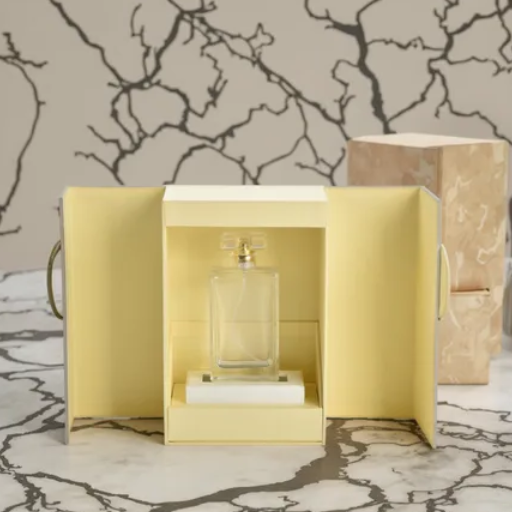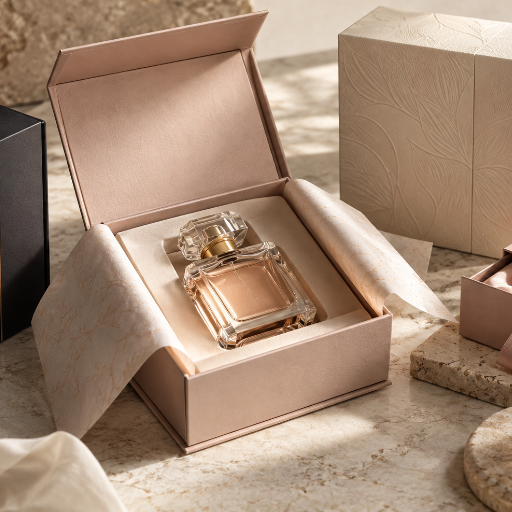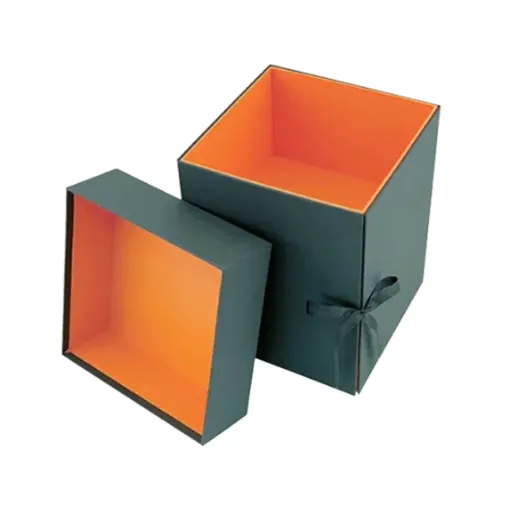
Custom printed rigid boxes are premium packaging solutions built from thick greyboard wrapped with high-quality printed paper, offering unmatched durability and branding impact for products ranging from cosmetics to electronics. Choosing the right printing method–offset for large runs, digital for short runs, or UV for specialty finishes–determines both your production cost and the visual impression your customers take away.
Most brands understand that packaging matters. What they don’t know is how to navigate the dozens of printing, finishing, and material choices that separate a forgettable box from an unboxing experience that drives repeat purchases. Maria Chen learned this the hard way. When she launched her skincare line in early 2025, she ordered 2,000 folding cartons with a basic logo print to save money. The boxes collapsed in transit, the colors looked dull under retail lighting, and customers complained that the packaging didn’t match the premium price point. Six months later, she switched to custom printed rigid boxes with soft-touch lamination and spot UV accents. Returns dropped 40%. Customer reviews started mentioning the packaging by name. Her repeat purchase rate doubled.
This guide walks you through everything you need to design, print, and order custom printed rigid boxes that protect your products and elevate your brand. You’ll learn which printing technique fits your budget and volume, how to prepare artwork that avoids costly mistakes, what finishes create specific brand impressions, and what realistic timelines and costs look like from a manufacturer perspective.
Key Takeaways
- Offset printing delivers the sharpest detail and color accuracy for runs of 500+ units, while digital printing makes short runs and prototypes affordable without plate costs.
- Rigid boxes use a thick greyboard core (800-2,000gsm) wrapped with printed paper, making them structurally superior to folding cartons for premium products.
- Spot UV + matte lamination and foil stamping + embossing are the two most effective finish combinations for luxury brand perception.
- MOQs for custom printed rigid boxes typically start at 100-300 units for offset printing, but digital printing enables runs as low as 10-50 units.
- Sustainable options now include FSC-certified paperboard, recycled greyboard cores, vegetable-based inks, and water-based coatings without sacrificing print quality.
What Are Custom Printed Rigid Boxes?
Definition and Construction
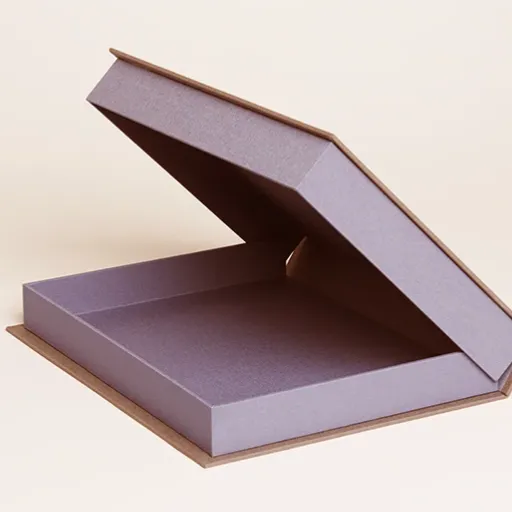
Custom printed rigid boxes–also called setup boxes or rigid setup boxes–are constructed from a thick paperboard core, typically greyboard ranging from 800 to 2,000gsm, that is wrapped with printed paper or specialty material. Unlike folding cartons, which ship flat and are assembled at the packaging line, rigid boxes arrive pre-assembled and hold their shape through structural rigidity rather than fold tabs.
This wrap-based construction is what makes custom printed rigid boxes ideal for high-impact branding. The outer wrap receives the printed graphics, finishes, and textures, while the inner core provides structural strength. Because the print surface is a separate paper layer laminated to the board, you achieve sharper detail and more consistent color than printing directly onto corrugated or folding carton stock.
The key difference from folding cartons is structural permanence. A folding carton is essentially a scored sheet that pops into shape; a rigid box is a built structure. The key difference from corrugated boxes is presentation quality. Corrugated protects during shipping but rarely impresses on a retail shelf or in an unboxing video. Rigid boxes do both.
Common Styles and Formats
The most popular styles for custom printed rigid boxes include:
- Two-piece setup boxes: A separate lid and base, the classic choice for luxury goods and gift sets. Simple, elegant, and cost-effective to produce.
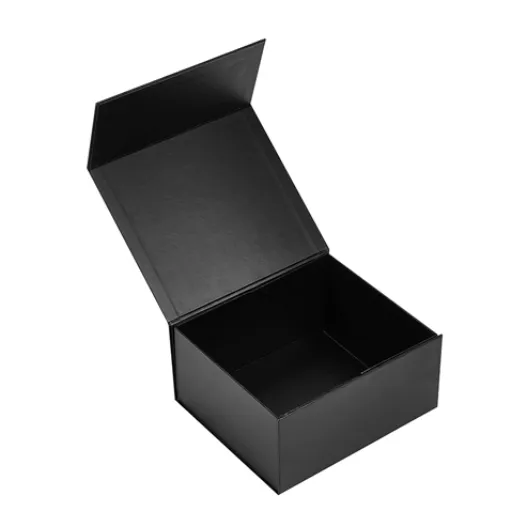
- Magnetic closure boxes: A hinged lid with a concealed magnetic snap, creating a satisfying “click” that signals quality. Increasingly popular for cosmetics, tech accessories, and corporate gifting.
- Hinged lid / book-style boxes: The lid attaches to the base along one edge, opening like a book. Ideal for presentation kits and product ranges.
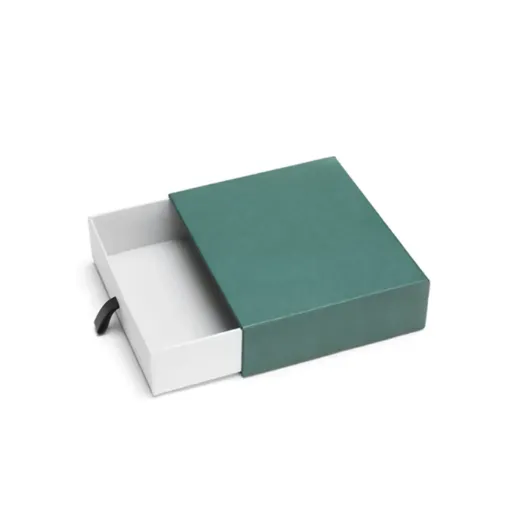
- Drawer / sleeve box: This involves placing an outer sleeve over an inner tray. Common for jewelry, watches, and premium confectionery.
- Collapsible rigid boxes: Ship flat for cost savings but assemble into a rigid structure at destination. A smart choice for e-commerce brands balancing shipping costs with unboxing impact.
Printing Techniques for Rigid Boxes: A Complete Comparison
The printing method you choose for your custom printed rigid boxes affects color accuracy, detail sharpness, cost per unit, and minimum order quantity more than any other decision. Here is how the four primary methods compare.
Offset (Litho) Printing
Offset printing is a printing method commonly used for medium to high volumes of custom printed rigid boxes. Ink transfer takes place from a metal plate to a rubber blanket and then onto the paper wrap. This indirect method produces exceptionally sharp detail and consistent color across thousands of impressions.
For brands requiring Pantone color matching–critical for companies with strict brand guidelines–offset is the reliable choice. It handles fine text, detailed illustrations, and gradient-rich photography with precision that digital methods still struggle to match at scale.
The trade-off is setup cost. Metal plates must be created for each color, making offset uneconomical for runs below 500 units. Lead times also run longer because plate production and press setup add several days before the first sheet prints.
Digital Printing
Digital printing has transformed the custom printed rigid boxes market for startups, seasonal launches, and limited editions. The process works like a high-end office printer on an industrial scale: artwork files transfer directly to the press with no plates, no setup time, and minimal waste.
Results speak for themselves. Even small print runs starting from just 10 up to 50 units are feasible. Lead times are reduced from weeks to days. Variable data printing lets you personalize each box with different names, messages, or designs–ideal for gift services or influencer kits.
However, digital printing has limits. Color gamut is narrower than offset, so exact Pantone matching is not guaranteed. Very fine details and thin lines can appear slightly softer. There is also limited substrate options since not all specialty papers can work with toner and ink.
UV Printing
The ultraviolet ink process utilizes UV light to cure the ink right away. For custom printed rigid boxes, this means vibrant colors on challenging surfaces like metallic paper, plastic wraps, or high-gloss stocks that other methods struggle to bond with.
The scratch and fade resistance of UV-cured ink makes it a practical choice for boxes that endure handling in retail environments. It also supports white ink printing on dark or transparent materials, opening design possibilities that CMYK processes cannot achieve.
The only drawback is the cost. UV printing carries a higher per-unit price than offset at volume, so it works best for specialty applications rather than standard production runs.
Screen Printing
Screen printing forces ink through a fine mesh screen using a stencil. On custom printed rigid boxes, it produces thick, tactile ink layers that you can feel under your fingertips. This makes it ideal for bold graphics, solid color fields, and specialty inks like metallics or fluorescents.
The process is slower and less precise for fine detail than offset or digital, so screen printing suits simpler designs rather than photographic imagery. It often serves as an accent technique–a metallic logo on an offset-printed background, for example–rather than the primary print method.
Decision Matrix: Which Printing Method Is Right for You?
| Your Situation | Recommended Method | Why |
|---|---|---|
| 500+ units, strict brand colors | Offset printing | Best color accuracy, lowest per-unit cost at scale |
| 10-500 units, fast turnaround needed | Digital printing | No plate costs, quick setup, flexible quantities |
| Specialty substrates, scratch resistance | UV printing | Bonds to difficult surfaces, durable finish |
| Bold tactile effects, metallic accents | Screen printing | Thick ink layers create physical texture |
| Prototype or sample before full run | Digital printing | Affordable proofing with production-quality output |
Ready to explore which printing method fits your project? Contact our team for a free consultation and sample review. We’ll review your artwork, volume, and budget to recommend the most cost-effective approach.
Premium Finishing Techniques That Elevate Your Print
Printing gets your design onto the box. Finishing transforms that design into a sensory experience. The right combination of finishes on custom printed rigid boxes communicates value before the customer touches the product inside.
Foil Stamping
Foil stamping uses heat and pressure to transfer a metallic or pigmented foil onto the box surface. Gold, silver, rose gold, and holographic foils remain the most requested options for luxury custom printed rigid boxes. The result is a reflective, mirror-like finish that catches light and draws the eye.
David Park, a watchmaker based in San Francisco, initially printed his logo in gold ink on matte art paper. It looked fine in photos but disappeared under direct light in retail displays. After switching to actual gold foil stamping, his boxes became conversation pieces. Retailers started placing them in prominent display positions without being asked. Foil stamping costs more than metallic ink, but the perceived value increase justifies the investment for premium categories.
Embossing and Debossing
Embossing raises design elements above the surface; debossing presses them inward. Both add physical texture that invites touch. Embossing works well for logos, patterns, and decorative borders that you want to stand out. Debossing suits minimalist aesthetics where subtlety communicates sophistication.
The two techniques pair exceptionally well with foil stamping. A raised metallic logo creates a three-dimensional luxury effect that flat printing cannot replicate. The combined process is standard for high-end cosmetics, spirits, and jewelry packaging.
UV Coating (Spot and Full)
Spot UV applies a glossy clear coating to specific areas of the design–a logo, a product name, a pattern–while leaving surrounding areas in matte or uncoated finish. The contrast creates visual depth that makes the coated elements appear to float above the surface.
Full UV covers the entire print surface with gloss. It offers protection against scuffing and moisture but lacks the dramatic contrast of spot UV. Most brands seeking impact choose spot UV on matte lamination for maximum effect.
Soft-Touch and Specialty Laminations
Lamination is a thin plastic film applied over the printed wrap to protect the surface and alter its feel. Soft-touch lamination creates a velvety, suede-like texture that signals luxury the moment a customer handles the box. Matte lamination offers understated sophistication. Gloss lamination enhances color vibrancy for bold, youthful brands.
Specialty papers add inherent texture without additional finishing. Linen, leatherette, metallic, and kraft wraps each create distinct brand impressions that lamination alone cannot achieve.
Combining Techniques for Maximum Impact
The most memorable custom printed rigid boxes layer multiple finishes. Common combinations include:
- Matte lamination + spot UV: Glossy highlights on a muted background. Modern, clean, and cost-effective.
- Soft-touch lamination + foil stamping + embossing: The gold standard for luxury. Tactile, reflective, and dimensional.
- Kraft wrap + debossing: Natural, sustainable, artisanal. Increasingly popular for eco-conscious brands.
- Metallic paper + screen-printed white ink: Bold, contemporary, and impossible to ignore.
Designing Artwork for Rigid Box Printing
Even the best printing press cannot save poorly prepared artwork. These guidelines help you avoid the most common and expensive mistakes when creating files for custom printed rigid boxes.
File Preparation Best Practices
Set your artwork resolution to 300 DPI minimum at final print size. Low-resolution images look crisp on screen but print blurry or pixelated. Build your files in CMYK color mode unless your printer specifies otherwise; RGB colors shift unpredictably when converted to printing inks.
Include a bleed area of at least 3mm (1/8 inch) beyond the dieline on all sides. The dieline itself–the template showing where the box will be cut and folded–should be on a separate layer in your design file, set to a spot color that the printer can remove before output.
For offset printing with Pantone matching, specify exact Pantone Solid Coated numbers in your file. Do not rely on screen colors or CMYK approximations.
Common Design Mistakes to Avoid
- Hairline text and borders: Anything thinner than 0.25pt may not print consistently or may disappear entirely during the wrapping process.
- Small reversed text: White text smaller than 6pt on a dark background often fills in or becomes illegible.
- Color shifts at wrapped edges: The wrap must fold around corners, so critical design elements should not sit exactly on fold lines. Keep logos and text at least 5mm away from edges.
- Ignoring registration tolerance: Commercial printing allows for slight misalignment (typically +/- 0.5mm). Design with this tolerance in mind rather than assuming pixel-perfect precision.
Working with Templates and Mockups
Always request a dieline template from your manufacturer before starting design work. Every rigid box style has specific fold angles, corner radii, and wrap allowances. A template designed for a two-piece box will not work for a magnetic closure design.
Physical prototypes are worth the small additional cost. A flat digital proof cannot show you how colors shift under lamination, how foil stamping aligns with printed graphics, or how the box feels in hand. Order a pre-production sample for every new design before committing to a full run.
Materials Matter: Choosing the Right Substrate for Your Print
The outer wrap and inner board of custom printed rigid boxes determine not only structural strength but also how your print appears and feels.
Cover Paper Options
- Art paper (C2S): Smooth, coated surface that reproduces photography and fine detail beautifully. The typical choice of commercial rigid box printing.
- Linen paper: Woven texture visible beneath the print. Adds an artisanal, heritage feel suitable for stationery, spirits, and traditional brands.
- Leatherette: Simulated leather grain. Tactile and premium, often used for gift boxes and corporate kits.
- Metallic paper: Reflective material where colors appear vibrant. Best used with screen printing and UV printing processes.
- Kraft paper: Unbleached, natural brown tone. Signals sustainability and handmade quality. Best with minimalist designs and earth-tone palettes.
Board Thickness and Structural Integrity
Greyboard thickness for rigid boxes typically ranges from 800gsm to 2,000gsm. Lightweight products like cosmetics and jewelry suit 1,000-1,200gsm. Heavier items like glass bottles, electronics, or multi-product sets require 1,500-2,000gsm with additional internal support.
The wrong board thickness creates problems you cannot fix with better printing. Too thin, and the box feels cheap or collapses. Too thick, and shipping costs multiply unnecessarily.
Eco-Friendly Material Options
Sustainability is no longer a niche concern. According to Boxology’s 2026 trends analysis, brands are demanding recycled paperboard, biodegradable materials, and water-based inks that still deliver a dense, luxurious feel. Sustainability is shifting from a marketing claim to a baseline expectation.
FSC-certified cover papers, recycled greyboard cores (CCNB), and biodegradable lamination films are now widely available. Vegetable-based inks replace petroleum-based alternatives without visible quality loss. These options add modest cost–typically 5-15%–but open access to environmentally conscious consumer segments that actively avoid conventional packaging.
Ordering Custom Printed Rigid Boxes: What to Expect
Understanding the production workflow helps you plan launches, manage inventory, and avoid rush fees. Here is what a typical order looks like from quote to delivery.
Typical MOQ and Pricing Factors
Minimum order quantities for custom printed rigid boxes depend primarily on your printing method:
- Offset printing: 300-500 units minimum for most manufacturers. Setup costs for plates and press calibration make smaller runs uneconomical.
- Digital printing: 10-100 units possible, ideal for market testing, limited editions, or startup launches.
- UV and screen printing: Varies widely based on complexity. Specialty methods often require 200+ units to justify setup.
Pricing factors include box dimensions, board thickness, cover material, printing method, number of finishes, and order volume. A standard two-piece rigid box with offset printing and matte lamination might range from 2−5perunitat500quantity,droppingto2−5perunitat500quantity,droppingto1-3 at 2,000+ quantity. Adding foil stamping, embossing, or soft-touch lamination adds $0.50-2.00 per finish per unit.
Production Timeline
- Design and quote: 1-3 business days after artwork submission
- Sampling and proof approval: 3-7 business days for physical prototypes
- Production: 7-15 business days after sample approval, depending on volume and finish complexity
- Shipping: 3-7 days for air freight, 20-35 days for sea freight
Working with a manufacturer in Fuzhou, China offers significant timeline advantages for international brands. The concentration of packaging suppliers, raw material vendors, and logistics infrastructure in the region enables faster turnaround on complex orders than fragmented supply chains in other markets.
Quality Control Checkpoints
A reliable manufacturer inspects at multiple stages:
- Pre-press review: Artwork checked for technical errors before plate or file output
- Color proof approval: Digital or physical proof sent for client sign-off
- First article inspection: First production unit verified against approved sample
- In-process checks: Random sampling during production run
- Final inspection: Full review of finished goods before packing and shipment
Planning a product launch and need reliable delivery? Request a detailed quote and timeline tailored to your volume and finish requirements. We offer you clear production plans without any hidden costs.
Industries That Benefit Most from Custom Printed Rigid Boxes
Some product segments receive disproportionate gains due to investments made in printed rigid boxes. This includes the worldwide luxury rigid box market expected to be worth US$ 8.84 Billion in 2026.
Cosmetics and skincare account for 37% of luxury rigid box demand. The unboxing experience directly influences perception of product efficacy. A serum in a flimsy carton feels suspect; the same serum in a magnetic closure rigid box with soft-touch lamination feels clinically advanced.
Jewelry and watches rely on rigid boxes for structural protection and emotional presentation. The box often outlives the purchase as a storage container, extending brand visibility for years.
Electronics and tech accessories use rigid boxes to signal quality and justify premium pricing. A phone case in a rigid box commands higher perceived value than an identical product in a polybag.
Spirits and gourmet food benefit from the structural strength needed for heavy glass bottles and the premium presentation expected at gift-giving occasions.
Candles and home fragrance brands have embraced rigid boxes as part of the product aesthetic. The box becomes decor, displayed on shelves rather than discarded.
Subscription and gift boxes use collapsible rigid formats to reduce shipping dimensional weight while preserving the unboxing experience that drives social media sharing and retention.
Sustainability in Rigid Box Printing
The printed rigid packaging market is projected to grow from 183.4billionin2026to183.4billionin2026to256.3 billion by 2033. A significant portion of that growth comes from brands replacing plastic and non-recyclable alternatives with paper-based solutions.
Sustainable custom printed rigid boxes now rival conventional options in appearance and performance. Key advances include:
- Vegetable-based and water-based inks: Eliminate petroleum-derived solvents and volatile organic compounds without reducing color vibrancy.
- Recyclable laminations: New film technologies separate cleanly during paper recycling, unlike traditional plastic lamination that contaminates pulp streams.
- Recycled greyboard cores: Post-consumer waste content in board cores ranges from 30% to 100%, with no visible difference in structural performance.
- Right-sizing and efficient design: Reducing box dimensions by even 10% cuts material use, shipping weight, and dimensional freight costs simultaneously.
FSC certification–ensuring paper comes from responsibly managed forests–has become a standard request rather than a premium upgrade. At Fuzhou Longlu Packaging Co., Ltd., we provide FSC-certified options across our entire rigid box range, helping clients meet corporate sustainability commitments without compromising design impact.
Conclusion
Custom printed rigid boxes represent one of the highest-ROI investments a brand can make in its physical presentation. The right combination of printing method, finishing technique, and material substrate transforms packaging from a cost center into a marketing asset that customers remember, photograph, and share.
Your key takeaways:
- Choose offset printing for volume and color precision, digital printing for flexibility and speed.
- Layer finishes strategically: matte lamination + spot UV for modern impact, soft-touch + foil + embossing for luxury positioning.
- Prepare artwork at 300 DPI in CMYK with proper bleed and dieline compliance.
- Match board thickness to product weight; do not over-specify and inflate shipping costs.
- Plan for 7-15 business days of production after sample approval, plus shipping time.
- Consider sustainable materials as a baseline, not an upgrade–your customers already do.
The difference between adequate packaging and exceptional packaging is rarely the product inside. It is the thought, precision, and expertise that goes into every print, fold, and finish. If you are ready to create custom printed rigid boxes that reflect the quality of what you sell, contact us today for a free quote and design consultation. We will guide you through every option, every sample, and every decision until your packaging performs as hard as your product does.