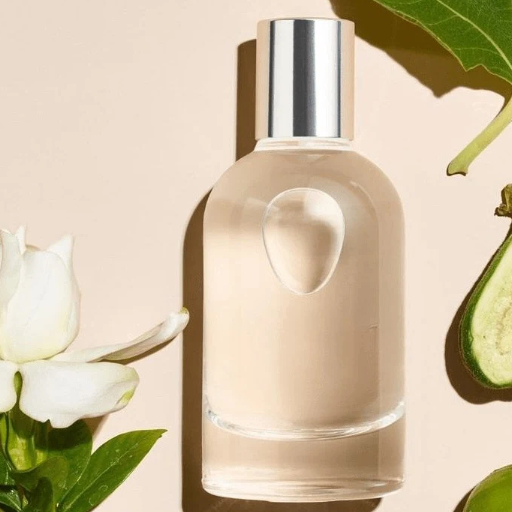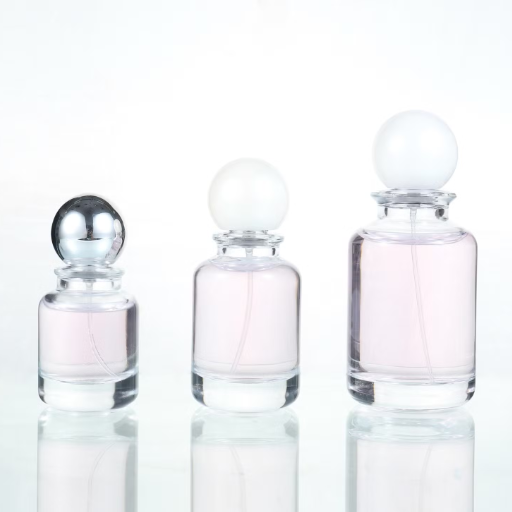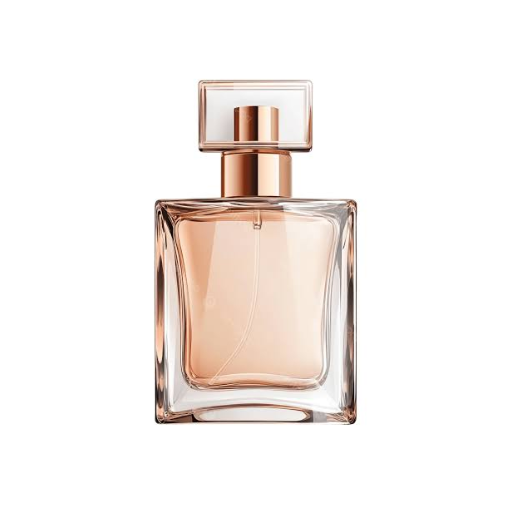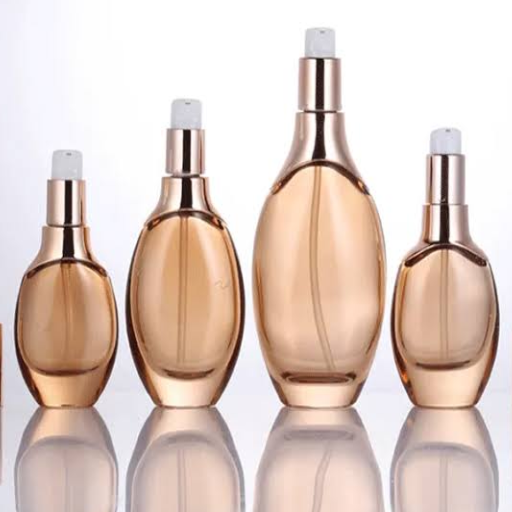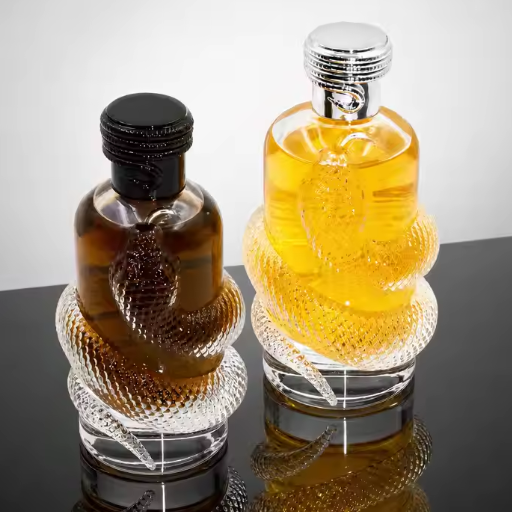
The perfume formula required Elena’s devotion for a period of eighteen months to achieve her ideal result. The bottle design achieved a high level of beauty. The launch campaign achieved full preparedness for execution. The first production run arrived at the facility through two suppliers who delivered different parts because the vendor provided bottles and the other vendor supplied pumps yet twelve percent of the units had leaked during transportation. The luxury rigid boxes contained fragrance which created stains on the silk linings that made the entire shipments unsuitable for sale. The niche brand faced its most difficult financial situation because it needed to launch its first product. The damage to their reputation caused more severe consequences.
Fragrance packaging procurement requires you to understand that leak-proof perfume bottle sprays serve as essential components based on your experience. Your product faces impending danger because they function as the only defense against potential disasters. A single defective seal can turn a premium unboxing experience into a customer complaint, a returned order, or a scathing review.
The guide describes five technical factors that control perfume bottle spray sealing between your production line and your customer’s vanity. The same engineering and quality control principles help manufacturers maintain brand protection through their testing procedures. Understanding these factors will help you make confident sourcing decisions whether you are launching your first fragrance or refining an existing supply chain.
Want to see how precision manufacturing protects your product? Explore our complete fragrance packaging solutions.
What Makes a Perfume Bottle Spray Leak-Proof?
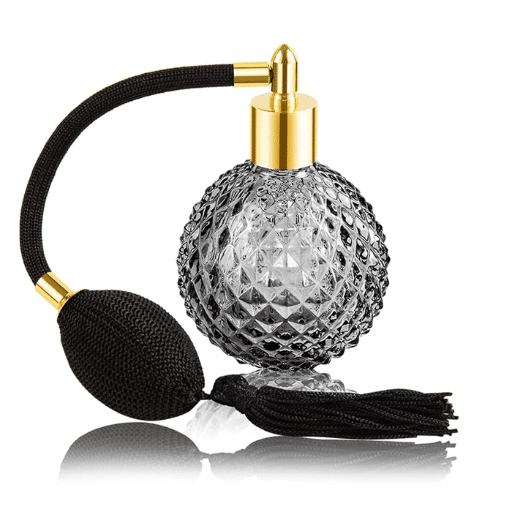
The leak-proof perfume bottle spray system consists of four components which include the pump and collar and gasket and bottle neck to create a seal which protects against liquid and vapor escape during pressure and temperature changes and physical handling. Organizations need to control five interconnected factors which include crimping precision and seal material science and pump engineering and validation testing and environmental resilience to achieve their objective.
Every fragrance brand needs to complete these three requirements before proceeding to production.
- The process needs accurate crimping together with compatible neck finishes from the first step to the final step.
- The process needs selection of gasket materials together with seal materials.
- The process needs selection of pump systems together with dip tube design.
- The process requires organization of testing activities together with establishment of strict testing standards.
- The system needs to demonstrate its ability to endure storage conditions and transportation processes and various environmental situations.
1. Precision Crimping and Neck Finish Compatibility
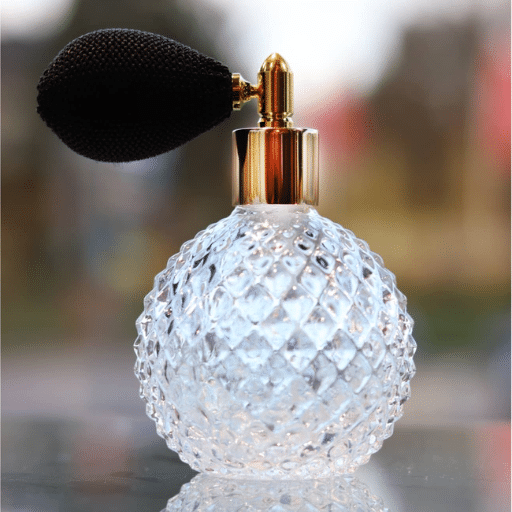
The connection between a perfume spray pump and a glass bottle forms a mechanical connection. Beautiful design cannot stop leakage when the tolerances of the system are incorrect.
FEA Standards and Why They Matter
The majority of high-end fragrance bottles use the FEA 15 neck finish as their standard design. The FEA system which the body defines as Fédération Européenne des Aérosols establishes the international standard for spray pump dimensions which include collar and neck measurements in the fragrance sector. The standard guarantees that a Milan-made pump will suit a Shanghai-produced bottle. The keyword here is theoretically.
All components that comply with FEA standards show actual manufacturing limits which exist in their production process. A bottle neck finish that sits at the lower end of the acceptable range paired with a pump collar at the upper end can result in insufficient compression of the gasket. When an oversized neck finish combines with aggressive crimping the collar will deform which results in micro-fractures that create leaks under pressure. This is why relying on generic compatibility claims is risky.
Pro tip: Always request dimensional reports for both bottle neck finishes and pump collars, and verify that your supplier crimps to a specification tighter than the broad FEA tolerance band.
Crimp Height Tolerances That Prevent Failure
Crimping. The crimping process needs to compress the aluminum collar which secures the pump to the bottle neck. The crimp height, the vertical dimension of the compressed collar, is critical. Industry experience shows that a deviation of even 0.2 mm in crimp height can compromise seal integrity in aluminum-collared pumps.
The gasket becomes too loose when it lacks proper compression for creating a seal. The gasket material will experience over-compression which results in both material fatigue and cutting when excessive force is applied to the gasket. The process of precision crimping needs both calibrated machinery and regular tooling inspections and dimensional checks of every produced lot.
Ready to eliminate compatibility headaches? See how our precision-engineered spray pumps integrate with custom glass bottles.
2. Gasket and Seal Material Selection
The assembly will experience leakage through its crimped sections because the bottle rim contact material cannot endure the internal chemical conditions. Gasket selection is where material science meets fragrance formulation.
NBR vs. Silicone for Alcohol-Based Fragrances
Between 60% and 85% ethanol content exists in most fine fragrances. Ethanol functions as a strong solvent which results in permanent damage to some elastomers through a process that leads to material expansion and subsequent loss of strength and formation of cracks. NBR (nitrile butadiene rubber) and silicone represent the two primary gasket materials which perfume pumps utilize for their operations.
- NBR handsomely resists ethanol and mineral oils which makes it the standard material for use in all alcohol-based fragrances. The product performs well in compression set tests while maintaining cost-effective pricing.
- Silicone excels in temperature stability and is often preferred for fragrances with high essential oil content or for brands targeting markets with extreme climate variations. Certain silicone compounds exhibit poor abrasion resistance which necessitates special material development to achieve compatibility with alcohol.
The wrong material choice might not fail immediately. The product will begin to fail three months after filling when it reaches retail locations.
Compression Set and Long-Term Seal Integrity
The compression set of an elastomer shows its permanent deformation when the material undergoes extended compression. A gasket with high compression set will never fully spring back to its original shape after the crimping force is applied. The material undergoes permanent deformation which creates small leak paths after several weeks and months.
High-quality pump manufacturers specify compression set values according to ASTM D395 or ISO 815 standards. For fragrance applications, a compression set below 15% after 72 hours at 70°C is generally considered excellent. When evaluating suppliers, ask for material datasheets and compatibility testing results specific to your fragrance formulation.
This is especially relevant for brands exploring sustainable fragrance packaging. Some bio-based elastomers now offer compression set performance comparable to petroleum-derived NBR, allowing you to maintain seal integrity without compromising environmental values.
3. Pump Actuation and Dip Tube Engineering
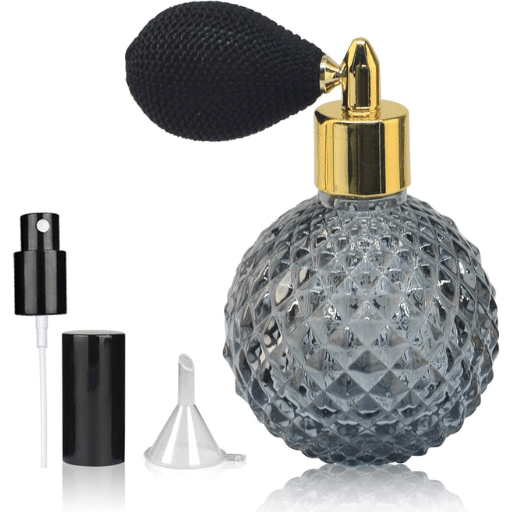
Leakage does not always occur at the bottle neck. The pump mechanism itself can develop leaks through its internal valve dip tube and actuator assembly which exists because of poor design.
Matching Dip Tube Length to Bottle Geometry
The dip tube functions as a narrow polypropylene and polyethylene tube which draws fragrance from the bottle’s base to its spray head. The base product remains in the container when the tube length fails to reach required dimensions. The tube length must remain between two specified measurements because excessive length causes the tube to bend at its base which generates pressure against the pump collar and leads to seal displacement.
The requirement for proper dip tube length measurement becomes essential when dealing with custom-shaped bottles which display both angled shoulder and irregular base designs. The collar experiences upward force transmission from a tube that touches a curved surface during each actuation, which causes the crimp to become looser after thousands of pump operations. Manufacturers who work with precision determine dip tube length through measurement of a bottle’s internal geometry instead of using standard measurement methods.
Spray Rate Consistency and Valve Integrity
The perfume spray pump’s internal valve needs to open when a person presses it with their finger and then close back to its original position once the person stops applying pressure. Fragrance will escape through the actuator when no one presses the pump because the valve seat fails to maintain its proper function. This situation becomes especially problematic because warm conditions cause thermal expansion which increases internal pressure and forces liquid to find any path that leads outside.
The spray rate maintains its stability through microliters per stroke measurement which serves as an effective test for valve accuracy. A quality pump should deliver a consistent dosage within a tight tolerance, typically plus or minus 10%. The internal valve components of a system begin to fail because of their manufacturing defects which produce unstable spray rates that lead to system leaks.
4. Leak Testing Protocols
Engineering excellence requires verification to prove its worth. The process requires reputable manufacturers to conduct thorough leak tests on all perfume spray assembly batches before their shipment from the factory.
Vacuum Leak Testing vs. Pressure Decay Testing
There are two primary methods for validating seal integrity in fragrance pumps:
- Vacuum leak testing places the filled or unfilled assembly in a water bath inside a vacuum chamber. The system requires evacuation until it reaches a pressure range between -0.6 and -0.8 bar. When bubbles appear from the collar or actuator or crimp joint the seal has failed. This method is visual and intuitive, which makes it a common choice for both spot-checking and batch validation processes.
- Pressure decay testing pressurizes the bottle cavity with air and measures the rate of pressure loss over a fixed time interval. This method provides better numeric results than vacuum testing because it can identify tiny leaks that create no detectable bubbles until later. The process is common for high-value fragrances because even one defective unit creates unacceptable results.
Manufacturers rely on vacuum testing to conduct 100% inline inspections while they use pressure decay testing for two purposes: batch testing and forensic research.
What Acceptable Failure Rates Look Like in Practice
The cosmetic packaging industry uses an acceptable quality limit of 0.65 or 1.0 to evaluate visual and functional defects. The premium fragrance brands require AQL 0.25 for their leak tests or they conduct complete testing of all products during their most important product introductions. Your retail price of $150 per bottle establishes a brand leak rate of 1% as an extreme business threat instead of a typical statistical deviation.
Request your supplier to provide a complete explanation of their leak testing method. What percentage of units is tested? What pressure and duration parameters are used? What is the documented rejection rate over the last twelve months? A partner with rigorous quality control will welcome these questions and provide transparent data.
The supply chain director for a Middle Eastern fragrance house chose to work with a manufacturer who conducted vacuum testing on all units instead of using batch sampling. The customer return rate for leakage dropped to zero after he switched from his existing manufacturer. The upfront cost was marginally higher. The savings in returns, replacements, and reputation were immeasurable.
Ready to protect your brand with factory-level quality control? Request a custom quote for fully assembled, leak-tested fragrance packaging.
5. Storage, Transport, and Environmental Resilience
The perfect assembly of a climate-controlled factory exhibits different behavior after spending one week inside a shipping container that crosses the equator. The fifth factor for leak-proof perfume bottle sprays is environmental resilience.
Temperature Cycling and Pressure Changes
Glass bottles and aluminum collars expand and contract at different rates as temperatures rise and fall. The internal vapor pressure of a sealed system increases with rising temperatures because the gas inside the system expands. A crimp that was secure at 20°C may experience stress at 40°C. A gasket that was pliable in cool conditions may harden in freezing transit.
Accelerated aging tests which people also refer to as temperature cycling tests provide testing value to businesses. The tests create a testing environment which repeatedly exposes assembled bottles to temperature changes between extreme hot and extreme cold. A well-engineered assembly will maintain seal integrity across a range from -10°C to 50°C or higher.
Packaging Design That Protects the Spray Assembly
The outer packaging box provides physical protection which also helps to prevent leaks. The pump is safeguarded from shear forces during handling by a rigid box which contains an internal fitment that stops the bottle from tilting. The cap design which securely fits over the actuator prevents accidental activation when the package experiences drops or compression.
At Longlu, our approach to luxury perfume boxes considers not only aesthetics but also the mechanical protection of the spray assembly. The box is the final line of defense for your fragrance.
How to Evaluate a Spray Assembly Supplier
The five factors should be understood first as the initial step. The second step requires you to learn how to evaluate your supplier’s capability to meet your needs. The checklist below will assist you in performing your assessment.
- The requester needs to obtain dimensional tolerance reports which cover both the bottle neck finishes and the pump collars. The importance of tight tolerances exceeds the relevance of ambiguous FEA compatibility claims.
- Request material datasheets for gaskets and seals which should include compression set values and fragrance compatibility testing.
- The engineer should confirm dip tube engineering processes. They should create custom tube lengths based on your bottle geometry instead of using preexisting stock lengths.
- You need to examine the leak testing facilities together with their testing protocols. The facility should have documented procedures and calibrated equipment together with historical rejection rate data.
- The company should provide information about their environmental testing capabilities. They need to provide temperature cycling and accelerated aging tests which are equivalent to your distribution channels.
- Evaluate integration capabilities. Sourcing bottles and pumps from separate vendors introduces alignment risk. A single manufacturer that produces custom glass perfume bottles, precision sprays, and protective boxes under one roof can control compatibility in ways fragmented supply chains cannot.
Conclusion
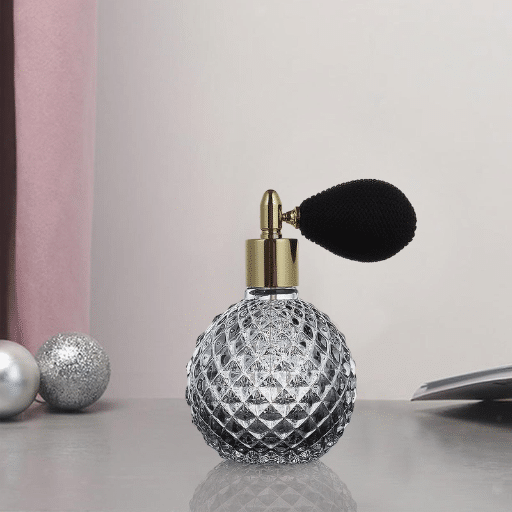
The design of leak-proof perfume bottle sprays was achieved through precision engineering and material expertise together with their environmental testing procedures. The design team developed their product through joint efforts that included engineers. The project required him to show his expertise by working on every detail from crimp height measurements to gasket material testing for compression set performance.
The five factors we have covered, precision crimping, seal material selection, pump engineering, leak testing protocols, and environmental resilience, form the checklist that every fragrance brand should use when evaluating packaging suppliers. The launch will experience operational problems when any of its components face initial execution of its delivery operations.
The most effective solution for fragrance brands that require simple sourcing while maintaining technical standards is to work with a single manufacturer who provides complete product development services. The testing process for bottles and sprays and caps and boxes functions as a complete system which eliminates any potential leak sources.
Ready to eliminate leakage risk from your fragrance packaging? Share your bottle specifications with our team, and we will provide a tailored quote and design review within 48 hours. From first prototype to final shipment, we manage every detail so you can focus on what matters most: the fragrance inside.