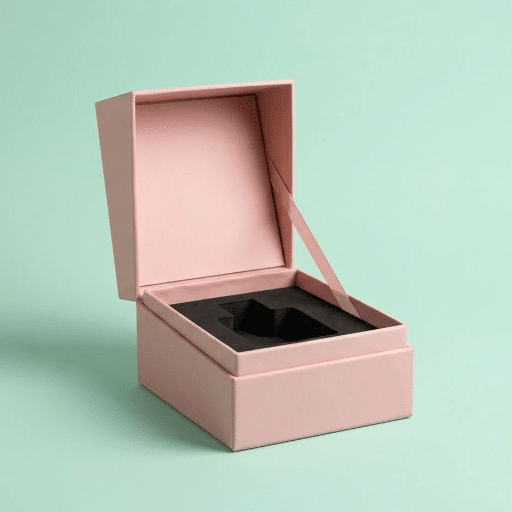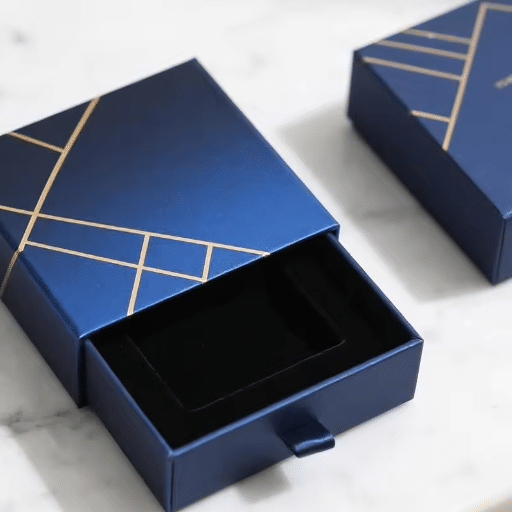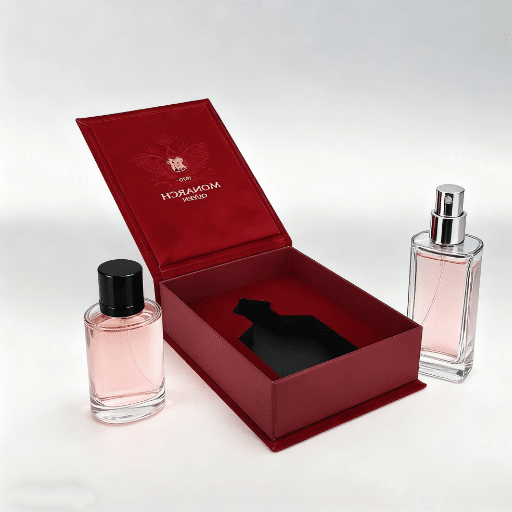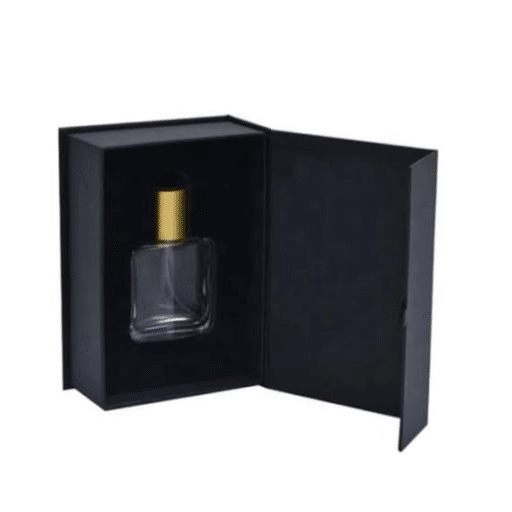
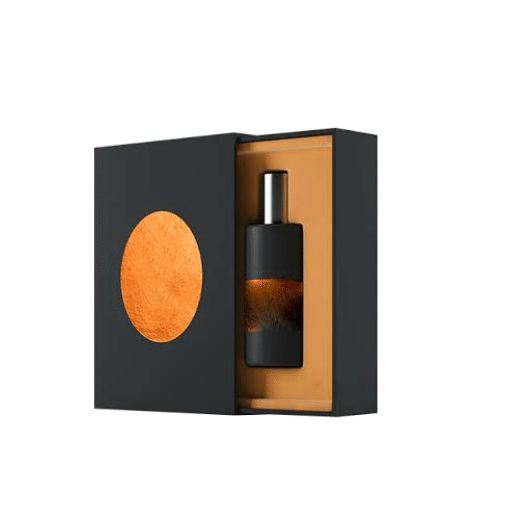
The right custom perfume box size comes from measuring your bottle with the cap on, adding clearance and insert allowance, then accounting for board thickness. It never comes from a generic size chart. The single most important rule: internal and external dimensions aren’t the same thing, and confusing them is the most expensive sizing mistake you can make.
Maya learned that rule the hard way. The Austin fragrance founder measured her 50ml bottle, wrote “55 × 35 × 110 mm” on the spec sheet, and approved a sample. When the boxes arrived, the bottle wouldn’t slide in. She had measured the bottle alone, without the cap, which added 12 mm of height she never accounted for. Her first production run was scrapped, and she paid for a second tooling round before a single unit shipped.
You probably agree with the basic idea: the box has to fit the bottle. But here is the promise. By the end of this guide, you’ll know exactly how to calculate custom perfume box sizes that protect your fragrance, control cost, and give the manufacturer a spec they can build from without guesswork. We’ll walk through the internal-versus-external distinction, a five-step calculation, board caliper, tolerances, and a ready-to-send spec sheet.
Key Takeaways
- Custom perfume box size is calculated, not looked up: measure the finished bottle, add clearance, add insert allowance, then add board thickness.
- Internal dimensions hold the product and insert; external dimensions are the finished outside footprint. Confusing the two is the most common and costliest sizing error.
- For perfume, rigid boxes use 1.5–2.0 mm greyboard; folding cartons use 350–420 gsm SBS. Board thickness changes the outside numbers, not the inside.
- Allow 1–2 mm clearance per side as a baseline, 3–5 mm for round or oval bottles, and add the insert thickness to internal width and depth.
- Send the manufacturer a full spec sheet: bottle dimensions with cap, filled weight, shape, box style, board, insert, and quantity.
Perfume Box Internal vs. External Dimensions

Internal dimensions describe the usable space inside the box where the bottle and insert sit. External dimensions describe the finished outside footprint that ships, stacks, and sits on a retail shelf. Board thickness, fold lines, and overlapping panels make the outside larger than the inside. A spec should always state which one you mean.
This distinction isn’t pedantry. Dieline specialists consistently call it the most common and most expensive mistake in custom packaging. A buyer who writes “60 × 40 × 120 mm” without saying whether that is inside or outside leaves the factory guessing, and the factory’s guess often doesn’t match the buyer’s intent.
Here is the practical rule. When you talk to a manufacturer about custom perfume box dimensions, specify internal dimensions for the fit and external dimensions for shipping and display. Most reputable suppliers quote internal dimensions as the fit reference, because that is what determines whether your bottle and insert actually fit. If you’re unsure, ask for both numbers in writing.
If you are still deciding between a folding carton and a rigid setup box, our custom perfume packaging guide walks through the full package system before you get to sizing.
How to Measure Your Bottle for a Custom Box
Every correct custom perfume box size starts with the physical bottle, never with a guess or a competitor’s dimensions.
Measure the finished bottle, not the bare container. Put the cap, pump, or sprayer on first. The cap is part of the package, so it’s part of the measurement. Maya’s story above is the most common failure here.
Record length, width, and overall height in millimeters. Pick one unit system and stick with it through the whole project. Height is the dimension that trips people up most, because the cap extends it.
Capture the maximum envelope. Measure at the widest and tallest points. A bottle may be widest at the shoulder while the practical contact point sits around the body. Find the largest external profile, including any wider lid or cap.
Weigh the filled bottle. Finished weight is a structural input, not an afterthought. It tells the manufacturer whether a 1.5 mm or 2.0 mm rigid board is appropriate.
Note the shape. Record the base, shoulder, and cap shape, the product orientation, and the direction the bottle is removed from the box. A round body with a projecting pump isn’t a round finished product.
The measurement mistakes that cause most rework: measuring an empty container, ignoring the cap or dropper, using milliliters as a box size (capacity doesn’t define external dimensions), and mixing units.
Not sure whether to measure inside or outside dimensions for your first order? Request a free custom-size consultation and we’ll walk you through it.
How to Calculate Custom Perfume Box Size in Five Steps
A reliable sequence turns a bottle measurement into a producible box. Here is how to calculate custom perfume box size, step by step.
Step 1: Bottle Dimensions to Maximum Envelope
Write down the bottle’s length, width, and overall height with the cap on, taken at the widest and tallest points. This is your maximum product envelope.
Step 2: Add Clearance
Add a small intentional gap so the bottle doesn’t rattle or strain. A baseline is 1–2 mm per side. For round or oval bottles, add 3–5 mm to width and depth so curved edges never press against the walls.
Step 3: Add the Insert Allowance
If the box uses an insert (EVA foam, molded pulp, dividers), add the insert thickness to the internal width and depth. Design the insert and the box together. A 12 mm foam pad on each side of a 35 mm bottle adds 24 mm to internal width.
Step 4: Add Board Thickness
Board thickness doesn’t change the internal dimensions, but it changes the external dimensions. A 350 gsm folding carton adds roughly 0.4–0.5 mm per wall. A 2 mm rigid greyboard adds 4 mm total to length and width, and 2 mm to height.
Step 5: Convert Internal to External
Add the board thickness to every side to get the external dimensions for shipping and shelf display.
Here is a worked example using a rectangular 50 ml bottle. The bottle measures 55 × 35 × 110 mm with the cap on.
- Maximum envelope: 55 × 35 × 110 mm.
- Clearance of 3 mm per side: 61 × 41 × 116 mm.
- No insert, so no additional allowance.
- 2 mm rigid board: add 4 mm to length and width, 2 mm to height.
- External dimensions: 65 × 45 × 118 mm.
That single calculation is the difference between a box that fits on the first sample and one that triggers a redo.
Want us to check your math before you commit? Get a free custom perfume box quote and we’ll confirm the numbers against your bottle.
How Board Caliper and Material Change Custom Perfume Box Sizes

Material choice is where many first-time buyers lose track of custom perfume box sizes, because the same bottle yields different external dimensions depending on the board.
Folding cartons are measured in GSM and rely on fold lines and glue joints for structure. The standard range for perfume is 350–420 gsm SBS. These are lighter and thinner, so they add less to the outside footprint and cost less per unit.
Rigid boxes are built around a solid chipboard or greyboard core measured in caliper, not GSM. For custom rigid perfume box dimensions, 1.5–2.0 mm is the recommended range, because glass bottles need crush protection. Rigid Packaging Pro maps caliper to use case: 1.5 mm is the common default, 2.0 mm suits heavier glass. For a rigid setup box, UGI’s fragrance packaging specifications recommend 1.8–2.2 mm greyboard.
| Box Type | Material | Typical Thickness | What It Adds to External Size |
|---|---|---|---|
| Folding carton | SBS paperboard | 350–420 gsm | ~0.4–0.5 mm per wall |
| Rigid setup box | Greyboard | 1.5–2.0 mm | ~4 mm to length + width, ~2 mm to height |
| Rigid with sleeve | Greyboard | 2.0–2.5 mm | Slightly more per wall |
Laminates and wraps add another layer you should not ignore. A soft-touch film on a 400 gsm carton can add 30–80 microns to the finished panel thickness. Over a large run, that shifts glue-flap tolerances and the final outside dimensions.
Two more pre-press details matter for custom sizing. Every fold needs a crease allowance equal to the board thickness, and the glue tab is typically 12–18 mm wide. Too narrow a tab bonds weakly; too wide a tab shows on the visible face.
Daniel’s case shows why board choice matters. His 100 ml bottle was round, and he sized the box to the bottle’s diameter with almost no wiggle room. In transit, bottles at the edge of a pallet cracked against the walls. The fix wasn’t a bigger box. It was 3 mm of clearance per side and a die-cut EVA insert, which is exactly the kind of detail our perfume box packaging materials guide helps you spec alongside the right board.
Clearance vs. Tolerance: Getting the Fit Right
Perfume box clearance and insert allowance are two separate inputs that both change the internal dimensions. Clearance is the intentional gap you design in, while tolerance is the allowable variation in production.
A snug fit is not a zero-gap fit. You want the bottle held firmly with just enough cushion, never forced in and never rattling loose. Test both extremes: the tight condition (largest bottle against smallest cavity) and the loose condition (smallest bottle against largest cavity).
Standard tolerances to expect on custom perfume box sizes give you a reality check.
| Component | Typical Tolerance |
|---|---|
| Folding carton tuck tab | ±0.3 mm |
| Rigid box lid-to-base gap | ±0.4 mm |
| Sleeve slide | ±0.3 mm |
| Foam die-cut aperture | ±0.5 mm |
| Foil / emboss registration | ±0.2–0.3 mm |
These numbers matter because they tell you how much clearance you actually need. If your clearance is smaller than the tolerance, your bottle won’t fit some of the time.
Inserts and How They Affect Custom Box Size
The insert changes the usable internal space, so you can’t simply measure the bottle and order a carton with those exact dimensions. The designer needs room for the product, the insert structure, and the carton walls.
EVA foam is the common default for fragrance. Typical specs are 28–45 kg/m³ density and 10–20 mm caliper, rising to 80–120 kg/m³ for heavier bottles in the 150–400 g range. A 12 mm pad on each side of a 35 mm bottle adds 24 mm to internal width.
Molded pulp is preferred when FSC certification matters. Paperboard dividers work for multi-bottle gift sets. Whichever you choose, design the insert and the box together. Locking the box first and forcing the insert to fit is a guaranteed fit problem.
For perfume gift boxes, measure every component individually, then determine arrangement, spacing, insert thickness, and removal space. Don’t calculate from the combined product widths alone.
Priya sells three sizes: 30 ml, 50 ml, and 100 ml. Instead of three boxes, three dielines, and three minimum orders, she worked with her manufacturer to share one box footprint and swap inserts. One dieline, one box size, three inserts. Her per-unit cost dropped and her inventory simplified. This is the multi-SKU approach that most competitors never mention.
Standard Sizes Are a Starting Point, Not a Spec
Standard size tables are useful for planning, but they aren’t a spec. A 50 ml rectangular bottle and a 50 ml round bottle need different boxes, because volume alone doesn’t determine dimensions. Shape, cap height, insert type, and board thickness all shift the final numbers.
For a full reference of typical dimensions by bottle volume and shape, see our guide to standard perfume box sizes. Use that page for the reference tables, and use this page for the calculation.
When does a standard size genuinely work? When your bottle is a common rectangular shape, has a standard cap, uses no insert, and you’re flexible on fit. When any of those conditions fail, you’re better off calculating a custom size.
The commercial upside is direct. The global perfume packaging market reached 3.72billionin2025andisforecasttohit3.72billionin2025andisforecasttohit6.89 billion by 2034, according to Fortune Business Insights. As volumes climb, oversized boxes raise shipping costs through dimensional weight, and industry estimates suggest oversized boxes can add 20–40% to e-commerce shipping. A right-sized custom box protects the bottle, trims freight, and cuts material waste at the same time.
Your Custom Perfume Box Size Spec Sheet
Send this checklist to your manufacturer and you’ll get an accurate quote the first time, instead of a round of clarifying emails.
- Bottle dimensions: length, width, and overall height with the cap, plus cap height and maximum diameter.
- Filled bottle weight.
- Bottle photos or technical drawings, which are often more reliable than numbers alone.
- Base, shoulder, and cap shape, plus orientation and removal direction.
- Box style: folding carton, rigid setup, magnetic, drawer, or sleeve. See our custom perfume boxes range for the formats we build.
- Preferred material and board thickness.
- Insert requirements and material.
- Printing, finish, and artwork requirements.
- Quantity, target delivery date, and shipping location.
If you are ordering in bulk, pair this spec with our wholesale perfume boxes guide to understand how volume affects pricing and minimums.
Common Custom Sizing Mistakes to Avoid

Most sizing failures trace back to a handful of avoidable errors.
- Confusing internal and external dimensions.
- Measuring without the cap, or measuring an empty bottle.
- Using milliliters as a box size.
- Locking the box before designing the insert.
- Adding arbitrary “premium” oversizing that inflates shipping and waste.
The theme running through all five is the same: a custom perfume box size is a calculation with inputs, not a preference. Get the inputs right and the box fits, protects, and costs what you expect.
Custom Perfume Box Sizing FAQ
What is the difference between internal and external box dimensions?
Internal dimensions are the usable space where the bottle and insert sit. External dimensions are the finished outside footprint that ships and shelves. Board thickness makes the outside larger than the inside, so a spec should state which one you mean.
How much clearance should a custom perfume box have?
Allow 1–2 mm per side as a baseline. For round or oval bottles, allow 3–5 mm on width and depth so curved edges never press against the walls. Add the insert thickness on top of that.
How does board thickness affect custom perfume box size?
Board thickness doesn’t change the internal dimensions, but it changes the external dimensions. A 2 mm rigid greyboard adds about 4 mm to length and width, and 2 mm to height.
What size custom box do I need for a 50ml perfume bottle?
It depends on the bottle shape and cap, not just the volume. A common rectangular 50ml bottle measuring 55 × 35 × 110 mm with cap yields a 65 × 45 × 118 mm rigid box after clearance and board thickness.
Can I use one box size for multiple perfume bottle SKUs?
Yes. Share one box footprint and swap inserts across sizes, as Priya did for her 30 ml, 50 ml, and 100 ml line. One dieline, one box size, and three inserts cut cost and simplify inventory.
Conclusion
Custom perfume box sizes aren’t a mystery. They’re a sequence. Measure the finished bottle with the cap on, add clearance, add the insert allowance, then account for board thickness to convert internal dimensions to external.
The key points to remember:
- Internal and external dimensions are different, and mixing them up is the costliest mistake.
- Clearance of 1–2 mm per side (3–5 mm for round bottles) prevents rattle and cracking.
- Rigid perfume boxes use 1.5–2.0 mm greyboard; folding cartons use 350–420 gsm SBS.
- A full spec sheet beats a single dimension every time.
Getting the size right protects your fragrance, trims shipping and waste, and keeps your launch on schedule. When you’re ready to turn your bottle measurement into a production-ready box, our team is here to check the math and build the sample. For the complete package system, including bottles, caps, and labels, start with our custom perfume packaging guide.