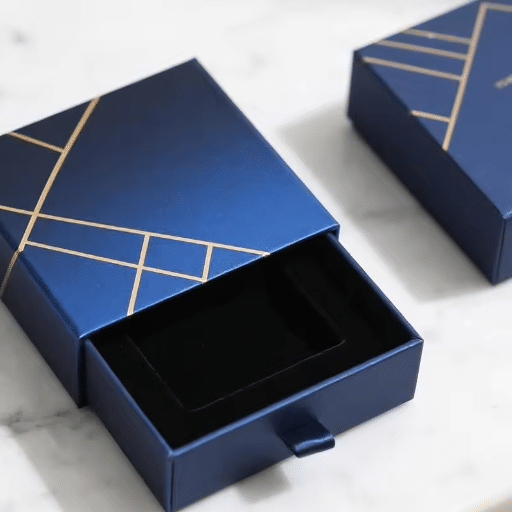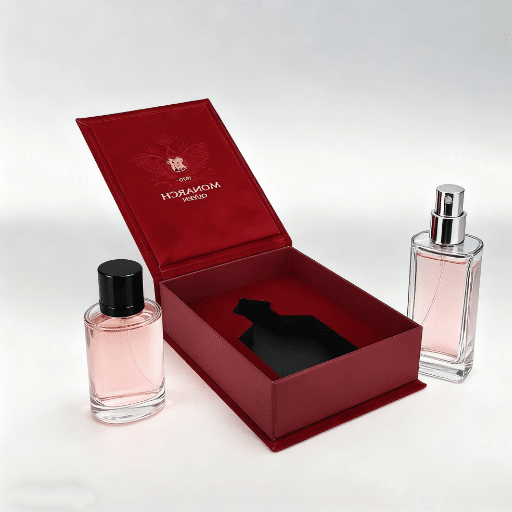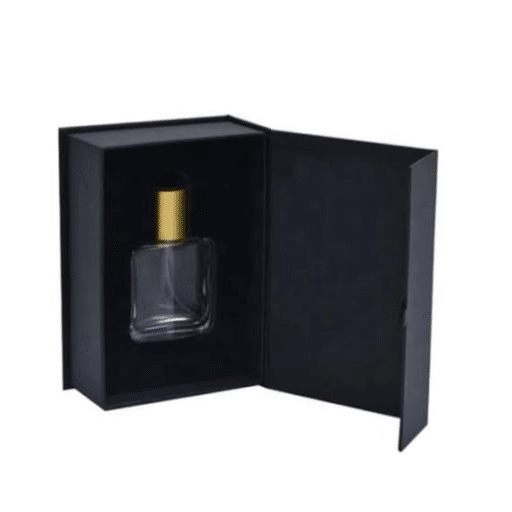

Eco-friendly custom perfume boxes are branded fragrance boxes made from recycled, FSC-certified, or renewable materials such as kraft, recycled paperboard, and molded pulp. You order them by specifying the material, structure, finish, and certification you need, with folding cartons starting around 0.08–0.08–0.50 per unit and rigid boxes running 0.50–0.50–3.50.
Here’s the part most brands get wrong: sustainable packaging doesn’t have to look cheap, and it doesn’t have to cost more.
You probably already believe both things matter. Your box is the first thing a customer touches before they ever smell the fragrance inside, so it has to carry your branding. And you want that branding to signal real environmental responsibility, not just a green label slapped on a plastic-wrapped box.
By the end of this guide, you’ll know exactly how to order eco-friendly custom perfume boxes without overpaying or getting greenwashed. We’ll walk through materials, finishes, costs, minimum order quantities (MOQs), and the questions to ask any supplier before you commit.
Key Takeaways
- Eco-friendly custom perfume boxes combine recycled or FSC-certified materials with custom logos, structures, and finishes, and they are fully orderable without compromising luxury feel.
- Folding cartons run roughly 0.08–0.08–0.50 per box, while rigid boxes cost 0.50–0.50–3.50, with low-MOQ options starting at 10 to 100 units.
- The biggest sourcing mistake is skipping certification verification, so always ask for FSC or recycled-content proof before paying.
- Kraft, recycled paperboard, and molded pulp are the three highest-value materials for most fragrance brands.
- Foil stamping and blind deboss give a luxury feel without plastic lamination, keeping your box recyclable.
What Are Eco-Friendly Custom Perfume Boxes?

Eco-friendly custom perfume boxes are secondary packaging made to order from renewable, recycled, or responsibly sourced materials, combining custom logos and finishes with recyclable, plastic-free construction.
There are two ideas in play, and they work together. “Custom” means the box is built to your exact specification: your bottle dimensions, your logo, your colors, your preferred structure and finish. “Eco-friendly” means the materials and construction minimize environmental impact, whether through recycled content, responsible sourcing, or easy recyclability at end of life.
Maya, an independent perfumer in Austin, learned the difference the hard way. She spent weeks assuming she couldn’t afford custom eco boxes, because her first supplier quoted a 5,000-unit minimum at premium rigid-box pricing. It turned out she only needed 200 kraft folding cartons with a soy-ink logo.
The order landed for a fraction of her original quote, and her customers immediately noticed the recyclable, uncoated finish. That’s the gap this guide closes: knowing your real options before you pay.
How to Order Eco-Friendly Custom Perfume Boxes
Ordering custom eco boxes isn’t complicated once you know the sequence. Follow these seven steps, and you’ll get an accurate quote on your first try instead of your third.
- Define your brief. Measure your bottle’s height, width, and depth, and note its weight. List every SKU you need to package, because the insert tooling depends on the exact bottle shape, not a rough estimate.
- Choose an eco material. Recycled paperboard, FSC-certified board, kraft, or molded pulp are the main options. Your price point and brand feel will point you to the right one.
- Pick a structure. Folding cartons ship flat and cost less. Rigid or magnetic boxes feel more premium. Match the structure to your fragrance’s retail price.
- Add your branding. Apply your logo through digital or offset printing, foil stamping, embossing, or a combination. This is where custom comes to life.
- Specify a plastic-free insert. Molded pulp or die-cut paperboard holds the bottle securely without EVA foam or blister trays.
- Verify certifications. Request FSC chain-of-custody proof, recycled-content percentages, and compostability certificates in writing.
- Sample, then scale. Order a physical sample before production. Check the finish, the fit, and the color on the actual stock, especially kraft, which absorbs ink and shifts tone.
Most suppliers will walk you through this same path. The difference is whether they volunteer real certification proof and realistic pricing, or make you pull it out of them.
Looking for a complete walkthrough of the full packaging system, including bottles and caps? Start with our custom perfume packaging guide before diving into box specifics.
Best Materials for Custom Eco-Friendly Perfume Boxes
Your material choice drives cost, feel, and recyclability all at once. Here’s how the main options stack up.
FSC-Certified Recycled Paperboard
FSC-certified paperboard comes from responsibly managed forests or verified recycled sources. It prints sharply and carries a premium, credible sustainability story. Many suppliers now offer rigid boxes built from 100% recycled certified greyboard, sometimes reaching 92% recycled content by weight.
Kraft Board
Kraft is the workhorse of eco packaging: rustic, recyclable, and affordable. Its natural brown tone reads as authentically sustainable, which is why brands like Le Labo use it for a minimalist luxury identity. Keep in mind that kraft absorbs ink and can shift printed colors, so always approve a physical proof.
Recycled Greyboard and Chipboard
Greyboard is the thick base of rigid set-up boxes. When it’s made from recycled fiber and wrapped in recyclable paper, it delivers a luxury, weighted feel without virgin materials. This is the “gold standard” for premium fragrance packaging.
Molded Pulp and Sugarcane Bagasse
Molded pulp, often made from bamboo fiber and sugarcane bagasse, replaces plastic inserts. Knoll Packaging’s molded-pulp clamshell for Infiniment Coty Paris is plastic-free, biodegradable, and recyclable. It’s the strongest plastic-free insert option on the market today.
Corrugated and E-Flute Board
For e-commerce shipping, a right-sized corrugated or E-flute outer box protects the fragrance and folds flat to cut freight costs. Pair it with a recyclable inner box and a molded-pulp insert for a fully circular setup.
| Material | Eco Profile | Feel | Cost Tier | Best For |
|---|---|---|---|---|
| Recycled paperboard | Recycled, recyclable | Smooth, printable | Low–Mid | Volume retail, entry fragrances |
| Kraft board | Recyclable, rustic | Natural, matte | Low | Indie, minimalist, DTC brands |
| Recycled greyboard (rigid) | Recycled content | Heavy, premium | Mid–High | Luxury and gift sets |
| Molded pulp | Plastic-free, compostable | Textured | Low–Mid | Inserts and trays |
| Corrugated / E-flute | Recyclable | Utility | Low | E-commerce shippers |
Eco-Friendly Finishes That Keep Custom Boxes Recyclable

Finishes are where custom boxes often stop being recyclable, usually without the buyer realizing it. Plastic lamination and spot UV add a glossy sheen but make the box harder to recycle. Here’s how to keep the luxury and drop the plastic.
Soy-based and water-based inks replace petroleum-based inks and break down more cleanly. Foil stamping and blind deboss create a metallic or dimensional logo without any plastic film. Uncoated or matte finishes preserve recyclability while still looking intentional.
The recyclability rule is simple: the fewer mixed materials, the better. A mono-material kraft or recycled-paper box with water-based ink and a foil-stamped logo recycles almost everywhere. A box wrapped in plastic lamination with a PVC window and a magnetic closure does not.
Daniel, who runs a small niche fragrance house, spent a year believing eco boxes looked “budget.” Then he replaced his glossy plastic lamination with a soft-touch matte finish, a blind debossed logo, and a thin gold foil accent. His unboxing photos improved, his customers praised the switch, and his boxes became curbside-recyclable. The luxury feel came from tactility and restraint, not plastic.
Can Eco-Friendly Custom Boxes Still Feel Luxury?
Yes, and the brands doing it best prove the point. Abel Fragrance moved from rigid boxes to bespoke paper cartons using uncoated, mono-material paper and plant-based inks, cutting the packaging’s carbon footprint by up to 95%. Obvious Parfums grew its outer packaging from mycelium, a compostable fungal material, finished with a kraft band and an embossed logo.
The “eco looks cheap” myth usually comes down to execution, not material. Luxury is communicated through weight, texture, and restraint. A heavier recycled greyboard base, a precise blind deboss, and a well-chosen matte finish read as more premium than a thin glossy box with every effect applied at once.
Here’s a useful lens: design the box the way a fragrance house designs a scent. One clear idea, executed with care, beats a busy blend. Choose one signature finish, keep the palette tight, and let the material’s texture do some of the work.
Custom Perfume Box Costs, MOQs, and Lead Times
Transparent pricing is rare in this market, so here are realistic ranges gathered from supplier listings and manufacturer data.
Folding cartons typically run 0.08–0.08–0.50 per unit, depending on size, print complexity, and volume. Rigid boxes cost more, usually 0.50–0.50–3.50 per unit, because they use more material and hand assembly. Recycled board can add 10–20% over virgin fiber, though eliminating plastic wrap and trays often offsets the difference.
MOQ matters more than unit price for small brands. Here’s the reality:
- 10 units: Some suppliers, like PackHit, offer no minimum and let you start with as few as 10 boxes for testing.
- 100 units: A common low-MOQ entry point for kraft and simple folding cartons.
- 500–1,000 units: The sweet spot for custom rigid boxes and premium suppliers; unit prices drop noticeably.
- 5,000+ units: Cheapest per-unit pricing, but only worth it if you have the sales volume.
The real hidden costs are die-cut fees, printing plates, and foil-stamping plates. These are usually one-time charges, and good suppliers will store your plate for future reorders. Always confirm whether a die or plate fee applies and whether it’s reusable before you commit.
Lead times typically run 10–30 business days for production, with samples in 3–7 days. Sustainable materials and specialty inks can add a few days, so build that into your launch calendar.
| Material / Structure | ~Cost per Unit | Typical MOQ |
|---|---|---|
| Kraft folding carton | 0.08–0.08–0.30 | 10–500 |
| Recycled paperboard carton | 0.15–0.15–0.50 | 100–1,000 |
| Rigid / magnetic box | 0.50–0.50–3.50 | 500–1,000 |
| Molded pulp insert | 0.05–0.05–0.40 | 500–1,000 |
Ready to get real numbers for your specific bottle and volume? Request a free wholesale quote and we’ll price your exact spec, including eco materials and finishes.
How to Avoid Greenwashing When Ordering Custom Boxes

The most common sourcing failure isn’t a bad box. It’s a bad claim. “Eco-friendly” appears on thousands of product pages, but only some suppliers can back it up.
Priya, a private-label fragrance founder, ordered 1,000 “eco-friendly” boxes from a supplier who promised recycled materials. When she asked for the FSC certificate, the supplier went quiet. She re-sourced with a manufacturer who provided chain-of-custody proof up front.
Her reorder cost 8% more but came with certificates her retail buyers had started asking for. Verification isn’t overhead; it’s part of the product.
Ask these questions before you pay:
- Can you provide FSC or PEFC chain-of-custody certification in writing?
- What exact percentage of the board is recycled content?
- Are the inks and adhesives water-based or soy-based?
- Is the finish recyclable, or does lamination need to be removed?
- Can you send a physical sample before full production?
Watch for red flags. Vague language like “green” or “nature-friendly” without specifics. No certification documents. Reluctance to share material composition. A price so low it can’t possibly include certified materials. Real sustainability is specific and documented; greenwashing is generic and evasive.
For a deeper look at the materials and certifications behind sustainable packaging, read our sustainable packaging guide. If you’re buying at scale, our wholesale perfume boxes guide covers the bulk procurement process.
Frequently Asked Questions
How much do custom eco-friendly perfume boxes cost?
Folding cartons typically cost 0.08–0.08–0.50 per box, while rigid boxes run 0.50–0.50–3.50, depending on material, print, and order volume. Low-MOQ orders start around 10 to 100 units.
What is the minimum order for eco-friendly perfume boxes?
It varies widely. Some suppliers offer no minimum starting at 10 boxes, while many custom rigid-box manufacturers require 500 to 1,000 units. Kraft and simple folding cartons are usually the most flexible.
Can custom perfume boxes be eco-friendly and luxurious at the same time?
Yes. Heavy recycled greyboard, blind deboss, foil stamping, and soft-touch matte finishes deliver a premium feel without plastic lamination. Brands like Abel and Obvious Parfums prove sustainable packaging can still feel high-end.
What materials are best for eco-friendly custom perfume boxes?
Recycled paperboard, kraft board, recycled greyboard for rigid boxes, and molded pulp for inserts are the top choices. Each balances cost, feel, and recyclability differently.
How do I avoid greenwashing when ordering custom boxes?
Request FSC chain-of-custody proof, recycled-content percentages, and water-based ink confirmation in writing, and always approve a physical sample before production. Vague claims without documentation are the biggest red flag.
Conclusion
Eco-friendly custom perfume boxes are not a compromise. They’re a sourcing decision, and one you can now make with confidence. Choose the right material for your price point, pair it with a recyclable finish, specify a plastic-free insert, and verify certifications in writing before you pay.
To recap: recycled paperboard, kraft, and molded pulp are your highest-value materials; folding cartons and rigid boxes sit at clearly different cost tiers; and low-MOQ options make sustainable custom packaging accessible even to the smallest brands.
The next step is simple. Contact our team for a free quote, and tell us your bottle dimensions and target volume. We’ll walk you through materials, finishes, and certifications, and send a physical sample so you can hold your eco-friendly custom perfume boxes before you commit to a full run.
Your box is your brand’s first impression. Make it one you’re proud of, for your customers and for the planet.