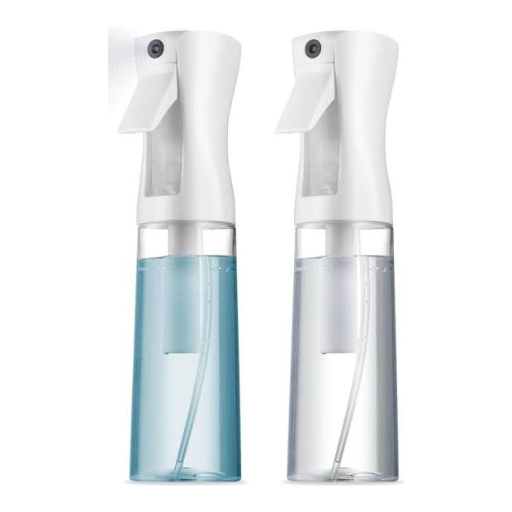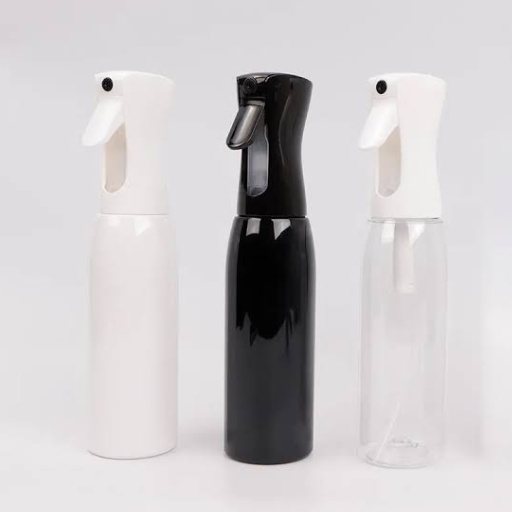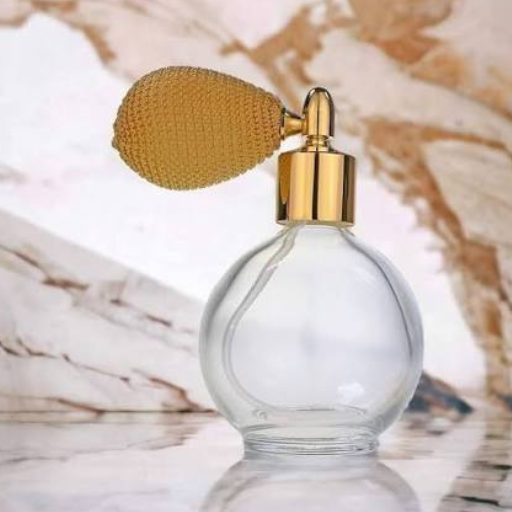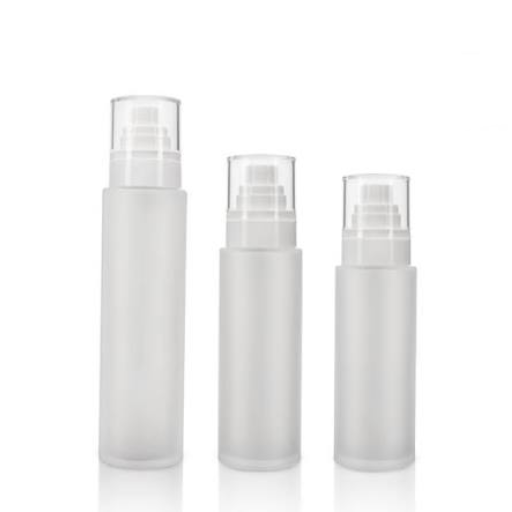
Custom fine mist sprayers cost about 0.03to0.03to0.06 per unit at 10,000 pieces in standard polypropylene. Custom Pantone color pushes that to roughly 0.09to0.09to0.22, metallized finishes to 0.18to0.18to0.40, and logo decoration adds 0.01to0.01to0.05 per unit plus a 50to50to200 setup fee. Minimum order quantities start at 1,000 for stock colors and usually land at 5,000 to 10,000 once you change color, closure, or tooling.
Two quotes land in your inbox for what looks like the same sprayer. One says 0.05.Theothersays0.05.Theothersays0.07. The $0.05 quote is the more expensive order, and it takes a line-by-line comparison to see why.
You already know unit price isn’t the whole story. What most guides skip is the middle of the equation: which customization drives the price up, which one drives the MOQ up, and which one does both.
This guide covers what each component can change, what those changes cost at 2026 volumes, why custom work has a floor, and how to compare two quotes that look identical but aren’t. Every price here is an indicative band, not a quote. Your spec, volume, and Incoterm will move the number.
Key Takeaways
- Standard polypropylene fine mist sprayers run 0.03to0.03to0.06 per unit at 10,000 pieces; Pantone color and metallized finishes can triple that.
- The MOQ is set by the customization, not by the sprayer. Stock starts at 1,000; color and decoration usually need 5,000 to 10,000; new tooling needs 20,000 or more.
- A custom overcap on a stock sprayer is the cheapest way to get a branded look at low volume.
- Custom color adds 2 to 4 weeks, and new tooling adds 4 to 8 weeks before production even starts.
- Two quotes are only comparable once you match decoration, closure, Incoterm, and defect allowance.
Want to see your brand color on a working sample first? Request a free custom sample and we’ll cut the dip tube to your bottle height.
What You Can Customize on a Fine Mist Sprayer

A fine mist sprayer is a small assembly, not a single molded part. It has an actuator, an insert, a closure, a gasket, a pump body, a spring, and a dip tube. Each can be changed, and each change affects cost and minimum order differently.
Use this table before you write an RFQ.
| Component | What you can change | Typical spec range | Effect on MOQ | Effect on unit cost |
|---|---|---|---|---|
| Actuator | Color, finish, shape | 0.08–0.18 ml output; 30–80 μm droplets | Pantone raises it to 5,000–10,000; a new shape needs tooling | +0.01–0.05forcolor;0.01–0.05forcolor;1,500–5,000 for a new mold |
| Closure | Screw, crimp, or snap-on; ribbed or smooth; aluminum collar | 18/410, 20/410, 24/410, 28/410 | Stock closures from 1,000; custom color 5,000+ | +$0.01–0.04 |
| Overcap | Color, transparency, shape | Standard stock vs. custom | Custom overcap 3,000–5,000 | +$0.02–0.08 |
| Dip tube | Length and cut angle | Cut to bottle height; 45° tip | No effect | Negligible |
| Nozzle insert | Mist vs. stream; spray angle | 0.08–0.18 ml | No effect on stock inserts | Negligible |
| Decoration | Silk screen, pad print, hot stamp, laser | 1–4 colors | 5,000 for one color; 10,000 for multi-color | +0.01–0.05plus0.01–0.05plus50–200 setup |
| Tooling | New actuator or closure shape | Fully custom | 20,000–50,000 | $1,500–8,000 one-time |
Actuator Color and Finish
The actuator is the part the customer touches, so it carries most of the brand impression. Standard colors are black, white, clear, and silver. Pantone matching, soft-touch coating, and metallization are also available.
This is also where the cost ladder starts. A stock-color actuator at 10,000 pieces sits near 0.03to0.03to0.06. A Pantone match at the same volume is closer to 0.09to0.09to0.22, because the factory has to run a dedicated color batch and purge the line between shades.
Output matters as much as appearance. Fragrance and toner formulas usually want 0.10 to 0.12 ml per stroke; hair care and oils want 0.16 to 0.25 ml. Droplet size typically lands between 30 and 80 μm.
Ask for the output figure in writing. Two sprayers that look identical can dose very differently. Component makers such as Aptar publish modular inserts tuned for particle size, spray angle, and dosage, which makes them a useful reference when you write a spec.
Closure Style and Overcap Design
The closure is where most orders go wrong. The common neck finishes are 18/410, 20/410, 24/410, and 28/410, and they aren’t interchangeable. A 24/410 sprayer won’t seal on a 24/415 bottle, even though the numbers look close. If you’re still choosing a bottle, our guide to 18/410, 20/410 and 24/410 neck finishes explains the difference.
The overcap is the underrated customization. It is the first thing a customer sees, it comes off, and it can be molded in a custom color without touching the sprayer body. That makes it the cheapest route to a distinctive look at low volume.
Dip Tube, Nozzle, and Functional Features
The dip tube is cut to the bottle height. Ask for the tip to be cut at 45 degrees, so it cannot seal flat against the bottom of the bottle and stop the spray before the bottle is empty.
Functional options include travel locks, child-resistant closures, tamper-evident bands, and a mist-to-stream switch. Most use stock inserts, so they add little or no MOQ. A truly new mechanism does, which puts it in the tooling conversation, not the color conversation.
Logo Printing and Premium Decoration
Logo decoration is the lowest-risk customization. Silk screen, pad print, hot stamping, and laser engraving all work on the actuator or the closure. Expect 0.01to0.01to0.05 per unit, plus a setup fee of 50to50to150 for silk screen or 80to80to200 for pad print.
Decoration raises the MOQ less than color does. Single-color logos are often accepted at 5,000 pieces; multi-color work usually needs 10,000. If your artwork isn’t ready, send vector files (AI or PDF) with Pantone references, not a screenshot.
Custom Fine Mist Sprayer Costs in 2026
A custom fine mist sprayer’s price is set by volume, color, decoration, and tooling. The table below shows indicative 2026 pricing for standard polypropylene sprayers, FOB, undecorated. It’s a planning tool, not a quotation.
| Volume | Stock color | Custom Pantone | Metallized / premium |
|---|---|---|---|
| 1,000–3,000 | $0.12–0.30 | $0.18–0.45 | $0.35–0.72 |
| 5,000–10,000 | $0.04–0.12 | $0.09–0.22 | $0.18–0.40 |
| 20,000–30,000+ | $0.02–0.06 | $0.05–0.12 | $0.12–0.25 |
Stock vs. Custom Color vs. Metallized
The jump from stock to Pantone is usually 15 to 30 percent at the same volume. That premium buys a dedicated color run, not a different sprayer. If the color is close to a stock shade, ask whether the factory can match it from an existing pigment before you pay for a custom batch.
Metallized and soft-touch finishes sit at the top of the ladder. They’re cosmetic upgrades and rarely change performance. Pay for them when the product sits on a retail shelf; skip them when it ships in a plain mailer.
Decoration and Setup Fees
Decoration has two costs: a per-unit charge and a one-time setup. The per-unit charge is 0.01to0.01to0.05 depending on method and color count. The setup is 50to50to200 per run. Setup is charged again if you change the artwork, so approve the proof carefully the first time.
Ask whether the setup fee includes a physical proof. A digital proof will not show you how a metallic ink sits on a curved actuator.
Tooling and Mold Ownership
A new actuator or closure shape needs a mold. Expect 1,500to1,500to5,000 for an actuator and 3,000to3,000to8,000 for a closure system. Tooling lead time is 4 to 8 weeks, and first-article approval adds another 2 to 3 weeks.
Decide who owns the mold before you pay for it. If the factory owns it, moving suppliers later means paying for the tool a second time. If you own it, ask for a written clause that lets you take it to another molder.
The mold fee isn’t the expensive part. Paying for the same mold twice is.
Custom Fine Mist Sprayer MOQs and Lead Times

Why Custom Work Has a Floor
A custom fine mist sprayer’s MOQ isn’t arbitrary. It’s the smallest run the factory can produce without losing money on setup, color change, and quality control.
Stock colors have a low floor because the parts already exist. 1,000 pieces is common. Custom color raises the floor to 5,000 to 10,000, because the factory has to buy pigment, purge the machine, and hold a color batch. New tooling raises it again to 20,000 to 50,000, because the mold cost has to be spread across a run.
This is why a 3,000-unit launch often gets quoted at a 10,000-unit MOQ. The supplier isn’t refusing the order. They’re pricing the color change.
How to Lower Your MOQ Without Losing the Look
Nadia ran a small skincare brand in Lisbon and wanted a matte sage actuator for a 3,000-unit launch. The first three suppliers quoted a 10,000-piece MOQ for the custom color. She kept the stock actuator and put the budget into a custom-colored overcap instead. The overcap ran at 4,000 pieces, the finished bottle still looked bespoke, and the tooling bill stayed at zero.
Three other ways to lower the floor:
- Use a stock color close to your target. Ask for the factory’s existing pigment list before you specify Pantone.
- Share a pigment across products. If you sell three SKUs in the same color, one color run can cover all of them.
- Decorate instead of molding. A printed logo on a stock actuator reads as custom at 5,000 pieces.
Sample, Production, and Tooling Timelines
Lead time depends on which customization you choose. The table below reflects typical supplier schedules, not a promise. Jarsking publishes a sample-to-production timeline that is typical of the category.
| Stage | Typical lead time |
|---|---|
| Stock-color sample | 3–18 days (3–5 express, 15–18 standard) |
| Specified-color sample | 15–25 days |
| Production, stock color | 7–15 days |
| Production, custom color | About 30 days |
| Electroplated cap | About 35 days |
| Anodized aluminum cap | About 45 days |
| New steel mold | 35–40 days |
| Full custom project | 8–12 weeks |
| Sea freight | 35–40 days |
Add 2 to 4 weeks for custom color and 1 to 2 weeks for decoration. If you need a retail launch date, work backward from the sea freight, not from the production date.
OEM vs. ODM: Which Path Fits Your Brand
OEM and ODM are often used as synonyms. They aren’t, and the difference decides who owns the design.
OEM Manufacturing
In OEM, you bring the design. The factory manufactures to your spec with your artwork and color, sometimes on your mold. You own the IP and carry the tooling cost.
OEM suits brands with a clear spec and enough volume to justify a custom run. It gives the most control and the least flexibility to switch suppliers.
ODM Manufacturing
In ODM, the factory already has the design. You choose from an existing range and apply your brand through color, decoration, and packaging. The factory owns the tooling, so MOQ is lower and lead time shorter.
ODM suits launches that need speed, or brands testing a category before committing to a mold.
Hybrid Approaches and Mold Ownership
Most real projects sit between the two: a stock sprayer body, a custom-colored overcap, and a printed logo. That’s ODM hardware with OEM branding, and it’s usually the best value below 10,000 units.
Whatever path you choose, put mold ownership in the purchase order. “Tooling paid by buyer” is not the same as “tooling owned by buyer.”
Tomás learned that the hard way. He paid a $4,200 mold fee for a custom closure, then moved suppliers two years later. The first factory kept the tool.
He paid again to have it re-cut and lost six weeks. The original invoice said nothing about ownership.
How to Compare Custom Sprayer Quotes
The Six Specs to Put in Your RFQ
A vague RFQ gets a vague quote. Include these six details and every supplier will price the same job:
- Output per stroke, in ml, at a stated stroke length.
- Neck finish, written as 18/410, 20/410, 24/410, or 28/410.
- Dip tube length, measured from the closure to the bottle base, with a 45° tip.
- Material and color, including Pantone reference and whether PCR content is required.
- Decoration, including method, color count, and artwork file format.
- Volume and Incoterm, with the destination port.
Add the bottle height if you’re sourcing the bottle too. The dip tube can’t be cut correctly without it.
FOB vs. CIF and What’s Excluded
A quote is only comparable when both use the same Incoterm. FOB means the supplier delivers to the port; you pay freight, insurance, duty, and inspection. CIF covers freight and insurance to your port, but not duty or inland delivery.
Ask what’s excluded. Common exclusions include mold fees, setup fees, third-party inspection, carton printing, pallets, and the cost of a pre-production sample. A quote that looks 20 percent cheaper often excludes two of those.
Decoration Durability and QC Checks
Decoration that rubs off in transit is worse than no decoration. Ask for three checks before the bulk run:
- Rub test: 50 strokes with a dry cloth, then a solvent-soaked cloth.
- Tape test: press and peel standard tape over the print.
- Fill and actuation test: fill with your actual formula, actuate 50 times, and check for leakage and spray consistency.
Ask for the AQL level and inspection standard in writing. ISO 9001 and a recent SGS or BV audit are useful signals, but they aren’t a substitute for testing your own formula.
Grace, a buyer in Singapore, compared a 0.05quotewitha0.05quotewitha0.07 quote and chose the cheaper one. The 0.05quoteusedastockclosureandone−colorprint;the0.05quoteusedastockclosureandone−colorprint;the0.07 quote included an aluminum collar and two-color print.
Once she matched the specs, the cheaper quote was actually $0.075 per finished unit. The spreadsheet had been comparing two different products.
Sustainability and Compliance

PCR Plastic and Mono-Material Options
Recycled content is now a standard request, not a premium one. Post-consumer recycled (PCR) polypropylene is available in several ratios, and it can be color-matched. Ask for the PCR percentage in writing, and ask whether it applies to the actuator, the closure, or both.
Mono-material designs are easier to recycle because they avoid mixed plastic and metal. The metal spring inside a standard sprayer is the usual obstacle. Metal-free sprayers exist, but they aren’t universal and aren’t always cost-neutral. Test one before a full run.
PPWR, REACH, and What Applies to Sprayers
The EU Packaging and Packaging Waste Regulation (PPWR) has applied since 12 August 2026. It sets recyclability and recycled-content requirements for packaging sold in the EU, and replaces the old Packaging Directive.
For a sprayer, the practical questions are material choice, recycled content, and whether the component separates for recycling. Ask for a material declaration and a recyclability statement, not a generic sustainability claim.
REACH applies to the chemical substances in the component. Ask for a REACH declaration if you sell into the EU. If you sell into the US, ask about California Proposition 65 and FDA requirements for cosmetic packaging.
For more on material choices, see our guide to eco-friendly fine mist sprayers.
Frequently Asked Questions
What is the minimum order quantity for a custom fine mist sprayer?
Stock colors start at 1,000 pieces. Custom Pantone usually requires 5,000 to 10,000, and new tooling 20,000 to 50,000. The MOQ is driven by the customization, not the sprayer.
How much does a custom fine mist sprayer cost?
Standard polypropylene runs about 0.03to0.03to0.06 per unit at 10,000 pieces. Custom Pantone color is roughly 0.09to0.09to0.22, metallized finishes 0.18to0.18to0.40, and logo decoration adds 0.01to0.01to0.05 plus a 50to50to200 setup fee.
Can I put my logo on a fine mist sprayer?
Yes. Silk screen, pad print, hot stamping, and laser engraving all work on the actuator or closure. Setup costs 50to50to200, and per-unit decoration costs 0.01to0.01to0.05.
How long does custom production take?
Stock colors ship in 7 to 15 days. Custom color adds 2 to 4 weeks, decoration adds 1 to 2 weeks, and new tooling adds 4 to 8 weeks. A full custom project usually takes 8 to 12 weeks before freight.
Do I need a custom mold?
Only if you need a new actuator or closure shape. Expect 1,500to1,500to8,000 and decide in writing who owns the tool. For most launches, a stock sprayer with a custom overcap is enough.
Can I order less than 10,000 pieces?
Yes. Stock colors start at 1,000, and a custom overcap on a stock sprayer can run at 3,000 to 5,000. Custom color and multi-color decoration are where the 10,000 floor usually appears.
Are 410 and 415 neck finishes interchangeable?
No. A 24/410 sprayer won’t seal on a 24/415 bottle. Confirm the bottle’s neck finish before ordering, or buy both from one supplier.
Conclusion
A custom fine mist sprayer is a small component with a long list of decisions. The price is set by the combination of volume, color, decoration, and tooling, not by the sprayer alone.
Five things to carry into your next quote:
- Standard polypropylene runs 0.03to0.03to0.06 at 10,000 pieces; Pantone and metallized finishes multiply that.
- The MOQ follows the customization. Stock is 1,000; color and decoration usually 5,000 to 10,000; tooling 20,000 or more.
- A custom overcap is the cheapest branded look at low volume.
- Custom color adds 2 to 4 weeks, and tooling adds 4 to 8 weeks before production.
- Compare quotes only after matching decoration, closure, Incoterm, and defect allowance.
If you already have a bottle and a formula, the next step is a sample. We’ll match your neck finish, cut the dip tube to your bottle height, and quote your actual spec instead of a catalog number.
Request a free custom sample and quote →
For the full selection framework behind these numbers, read our complete fine mist sprayer guide. If you’re sourcing at volume, the wholesale fine mist sprayer guide covers the buying process from RFQ to landed cost. For pump-side specifications, see our fine mist spray pump guide.