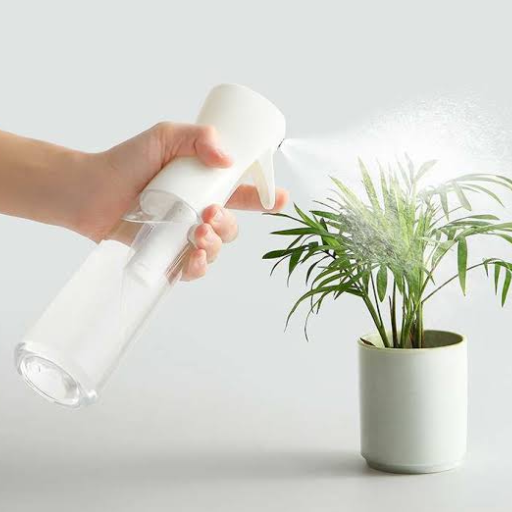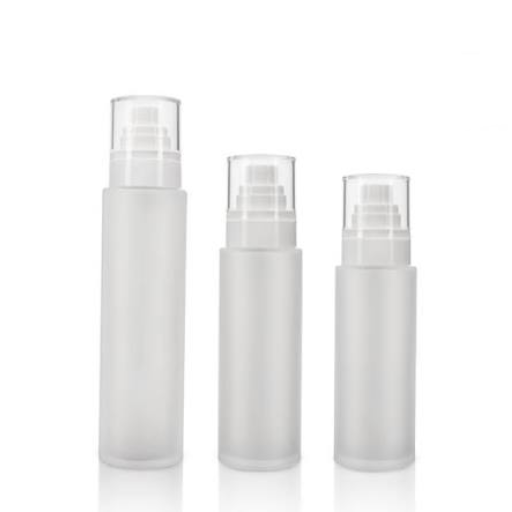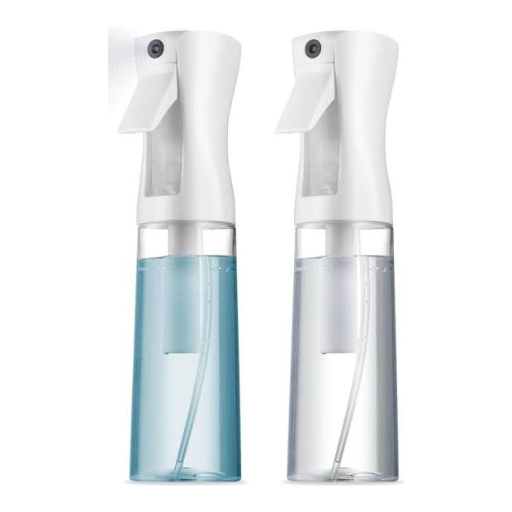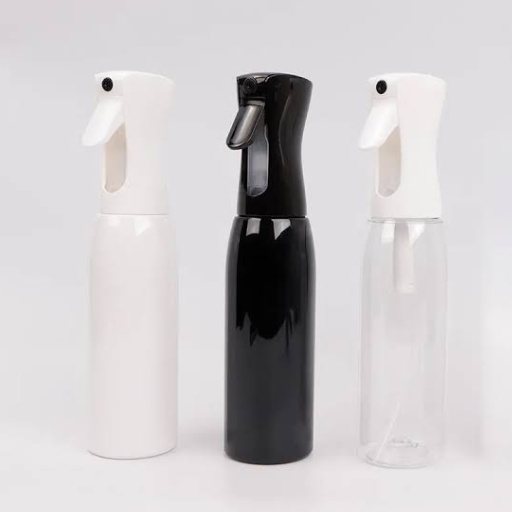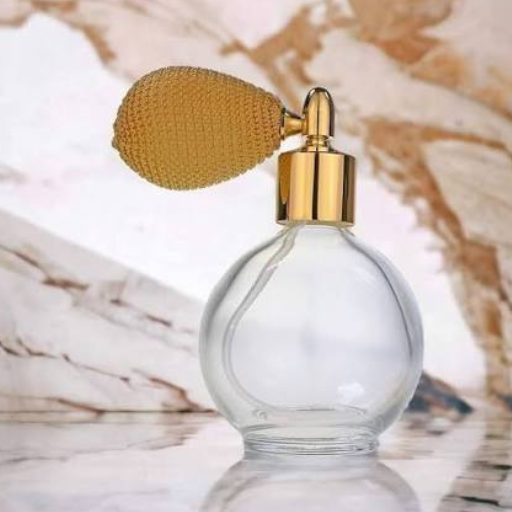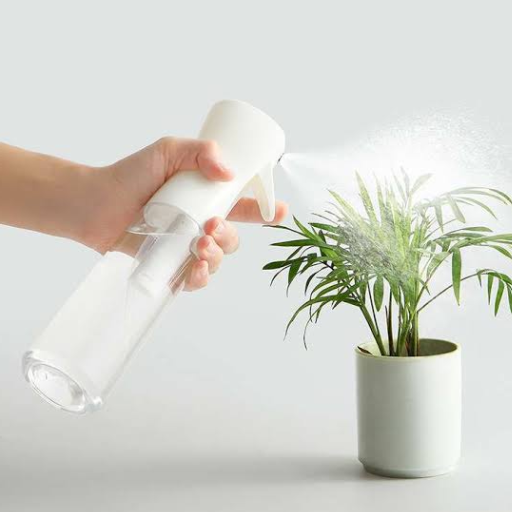
A fine mist sprayer atomizes thin liquids. A lotion pump doses thick ones. So the fine mist sprayer vs lotion pump question is really a question about your formula’s viscosity, and the answer falls somewhere between 200 and 500 centipoise.
That’s the short version. The useful version is messier, because the two categories don’t meet cleanly. A band in the middle suits neither dispenser, and it happens to be where a large share of modern skincare sits.
Most guides say viscosity decides the dispenser and then stop, leaving you to test your way to an answer. This one puts both on a single scale, gives the output and price figures the comparison pages leave out, and names the third category most guides skip.
We build and source dispensing packaging for beauty and personal care brands, so we see these orders at sampling and on the fill line. For the wider view of sprayer families and neck finishes, our complete fine mist sprayer selection guide covers the rest.
Key Takeaways
- Viscosity decides the dispenser, not the bottle, the brand, or the shelf appeal. Supplier specifications typically place fine mist sprayers under 200 cP and lotion pumps from 500 cP up to roughly 30,000 cP.
- That leaves a 200 to 500 cP band where neither dispenser is the right answer. Light serums, gel-creams, and fluid emulsions live there, and a treatment pump is the usual fix.
- Output differs by an order of magnitude. Fine mist sprayers deliver roughly 0.05 to 0.25 cc per stroke; lotion pumps deliver 0.5 to 3.0 cc.
- Standard polypropylene lotion pumps run about 0.03to0.03to0.05 per piece at 30,000 units, close to standard fine mist sprayers at 0.03to0.03to0.06 at 10,000.
- The mistake that costs most is choosing the neck finish before measuring the formula. Both dispensers commonly fit 24/410, which is exactly why the wrong one ships.
Fine Mist Sprayer vs Lotion Pump: The Short Answer

A fine mist sprayer breaks a thin liquid into droplets and sprays it across a surface. A lotion pump lifts a thicker liquid and delivers a measured dose into the hand. One covers area, the other controls quantity, and your formula sets which you need.
Choosing between them for a launch? Send us the formula and the bottle, and we will tell you which dispenser it suits before you commit to a PO. Request a free wholesale quote.
Lotion Pump vs Fine Mist Sprayer: The Difference in One Table
Most comparisons list features. This one lists the numbers that decide the outcome, and it includes the third dispenser most guides leave out.
| Fine mist sprayer | Treatment pump | Lotion pump | |
|---|---|---|---|
| Viscosity it handles | Under ~200 cP | Between the two (no published range) | ~500 to 30,000 cP |
| Output per stroke | 0.05 to 0.25 cc | Around 0.12 cc | 0.5 to 3.0 cc |
| What it delivers | Atomized droplets, 80 to 150 µm | A small, precise dose | A measured blob or ribbon |
| Air contact with formula | Yes | Yes, unless airless | Yes |
| Common neck finishes | 18/410, 20/410, 24/410 | 20/410, 24/410 | 24/410, 28/410, 33/400 |
| Price at 10,000 to 30,000 | ~0.03to0.03to0.06 | ~0.02to0.02to0.04 | ~0.03to0.03to0.05 |
| Typical MOQ | 10,000 | 10,000 | 10,000 to 30,000 |
How to read it: the viscosity row decides the other six. If you know only one thing about your formula before asking for quotes, make it the viscosity in centipoise.
The ranges above follow published supplier specifications, principally HCC Packaging’s dispenser comparison. They are design ranges, not fixed physical limits, and different pump designs shift them.
Lotion Pump Viscosity Range vs Fine Mist Sprayer Limits
Viscosity is a measure of how much a fluid resists flow. Water sits near 1 cP. Olive oil runs around 80. Hand lotion can pass 10,000.
The gap between a toner and a body cream is four orders of magnitude. No single dispenser design spans it.
How a Fine Mist Sprayer Atomizes, and Why It Stops Around 200 cP
A fine mist sprayer works like a lotion pump with a much smaller exit. A piston drives liquid up the dip tube and forces it through a narrow orifice into a swirl chamber, where pressure breaks the stream into droplets. Those land in the 80 to 150 µm range, which is what makes a mist feel like a mist rather than a splatter.
The orifice doing that work is tiny, and a tiny orifice has a hard limit. Push a thicker formula through and the failure isn’t a weaker mist. It’s a sputter, a straight stream, or a clog. The pump hasn’t lost power; the geometry has stopped working.
How a Lotion Pump Doses, and Why Thin Formulas Drip
A lotion pump uses a piston and cylinder with a ball valve at the base of the dip tube. Pressing the actuator drives the piston down, pressure lifts the ball, and product travels up and out. A small vent in the closure lets air in to replace the product leaving. That design is built for volume, not atomization, which is why the dose is measured in whole cubic centimeters.
Here’s the part most guides skip. The failure runs in both directions. Below roughly 500 cP, a thin liquid slips past the valve and drips from the actuator between uses. The pump isn’t broken. It was never meant to hold something that flows like water.
So the rule cuts two ways: a sprayer clogs on thick, a pump drips on thin. Most comparison articles only describe the first.
The 200 to 500 cP Gap Nobody Talks About
Look again at the two published ranges. Fine mist sprayers are specified under 200 cP. Lotion pumps are specified from 500 cP up. Between them sits a band of roughly 300 cP that neither is built for.
That band isn’t a rounding error. Light serums, gel-creams, fluid emulsions, essence toners, and many treatment products land inside it.
Rosa ran into this in early 2026 with a gel serum. Her team specified a fine mist sprayer because the product was marketed as a mist, and the sample performed acceptably by hand. At the fill line the sprayer streamed instead of misting, and a run of 12,000 units had to be re-topped with different closures. The formula measured around 340 cP, precisely in the gap, and nobody on the team had seen it described anywhere.
The fix for that band isn’t a compromise between the two. It’s a different dispenser.
Treatment Pump vs Fine Mist Sprayer: The Third Option

A treatment pump sits between the fine mist sprayer and the lotion pump, and it is what the 200 to 500 cP band usually needs. Flip the order and the answer is the same: a fine mist sprayer vs treatment pump comparison comes down to whether your formula flows like water or like a light gel.
What a Treatment Pump Is and When It Beats Both
A treatment pump uses the same piston-and-dip-tube architecture as a lotion pump, scaled down. The dose is small, often around 0.12 cc, and the actuator ends in a fine nozzle rather than an open spout, so product lands where you aim it instead of pooling in the hand. Expect three or four priming strokes before the first full dose.
The bore is wide enough that a gel-cream moves without clogging, and the valve holds a moderately thin liquid without dripping. Reach for one when your formula is too thick to atomize and too thin to dose reliably, or when the product is applied in small measured amounts. Cream pumps serve the same role closer to 500 cP and above.
One caveat: treatment pumps are the least documented dispenser in this family. Suppliers publish dosage figures far more often than viscosity ranges, so ask yours to confirm the formula suits the pump. Our pump-side specifications guide covers neck finishes and pump anatomy in more depth.
Output, Dosage, and the Airless Question
Treatment pumps are usually vented, so air enters the bottle as product leaves. For a serum built on vitamin C, retinol, or another oxidation-sensitive active, that matters, because the formula degrades with each use.
The alternative is airless: a piston at the base of the bottle rises as product is drawn out and no air enters the chamber. Supplier specifications put airless evacuation at 97 to 99 percent of fill, against 85 to 90 percent for a standard pump, at a cost premium of roughly 30 to 60 percent.
Airless wins when the active justifies the cost and the dosage consistency supports a claim. For a straightforward moisturizing serum, a vented treatment pump is usually sensible.
Aptar’s PAV/U treatment pump is a useful reference design, because it is explicitly built for low dosage on higher-viscosity formulas.
One sustainability note affects the choice. Most standard pumps contain a metal spring, which complicates recycling. Metal-spring-free polypropylene versions exist, and if a recyclability claim matters to your brand, this is where it is won or lost.
If your product needs a finer spray than any of these deliver, the fine mist sprayer vs trigger sprayer comparison covers the larger-format end.
What Each Dispenser Actually Costs
This is the section the comparison pages leave blank. Neither of the two strongest editorial guides on this topic publishes a price for either dispenser.
Price Bands at 10,000 and 30,000 Pieces
The figures below come from 2026 marketplace listings for Chinese dispensing manufacturers. They cover the closure only, not the bottle, and assume standard polypropylene with no decoration.
| Dispenser | Specification | Price per piece | MOQ |
|---|---|---|---|
| Lotion pump | 24/410, black ribbed | 0.034to0.034to0.041 | 30,000 |
| Lotion pump | 24/410, standard | 0.039to0.039to0.045 | 30,000 |
| Lotion pump | 28/410, custom | 0.032to0.032to0.05 | 10,000 |
| Lotion pump | Aluminum collar | 0.024to0.024to0.032 | 10,000 |
| Lotion pump | Big dosage, skincare | 0.094to0.094to0.12 | 10,000 |
| Lotion pump | Child-resistant | 0.11to0.11to0.117 | 30,000 |
| Treatment pump | Cream pump head | ~0.02to0.02to0.04 | 10,000 to 100,000 |
| Fine mist sprayer | Standard PP, 20/410 or 24/410 | 0.03to0.03to0.06 | 10,000 |
Two things stand out. A standard lotion pump and a standard fine mist sprayer cost almost the same, so cost rarely settles this decision. And the price spread within lotion pumps is wider than the spread between dispenser types, so specification detail matters more than category.
The fine mist sprayer figure matches our wholesale fine mist sprayer guide; both describe standard polypropylene at 10,000 units.
Where the Cost Sits
Closure material, spring material, decoration, and dosage each move the price more than dispenser type does. A big-dosage lotion pump, for instance, costs two to three times a standard one.
MOQ and Lead Time by Dispenser Type
MOQs cluster at 10,000 pieces for all three dispensers, though 30,000 is common for specific configurations and colors. Lead times run 15 to 20 days for a standard lotion pump after deposit. Stock plastic ships in 7 to 10 working days, custom or OEM runs 30 to 35, and fine mist sprayers sit at 20 to 25. Those are production times and don’t include sampling.
Specs to Put in Your RFQ

Five specifications decide whether your order works. Put all five in the first email, in these units, and you will get comparable quotes instead of guesses. Whether you are sourcing a fine mist sprayer vs lotion pump, the answers are the same five fields.
- Viscosity, measured in cP. Not “lotion” or “serum.” A number, from a viscometer, at your fill temperature.
- Output per stroke, in cc. State the dose you want, not “standard pump.” There is no universal standard.
- Neck finish. The full designation, such as 24/410, not just “24mm.” Our neck finish sizes guide explains what the numbers mean.
- Dip tube length, or the bottle height. Most suppliers will cut to length if you give them the height.
- Closure and decoration. Material, color, printing method, and whether a lock or overcap is needed.
Add two more if they apply. If your formula carries an oxidation-sensitive active, ask for the airless option. If you need a dosage claim on pack, such as “apply two pumps daily,” ask for the output tolerance, typically plus or minus 10 percent for lotion pumps and 5 to 8 percent for airless. Then ask for output and leak testing to a stated method rather than an internal one; a supplier who can quote a method is usually a supplier who runs it.
Copy-paste RFQ block:
Dispenser type: [fine mist sprayer / treatment pump / lotion pump]
Formula viscosity: [___] cP at [___] °C
Required output per stroke: [___] cc (± tolerance)
Neck finish: [___] (e.g. 24/410)
Dip tube length: [___] mm, or bottle height [___] mm
Closure material and color: [___]
Decoration: [none / screen print / hot stamp / other]
Target quantity: [___] pcs
Required tests: output consistency, leak, drop, actuation
Please confirm formula compatibility and quote FOB [port]
Frequently Asked Questions
What is the difference between a lotion pump and a fine mist sprayer?
A lotion pump dispenses a measured dose, usually 0.5 to 3.0 cc, of a thicker liquid. A fine mist sprayer atomizes a thin liquid, under roughly 200 cP, into droplets of 80 to 150 µm at 0.05 to 0.25 cc per stroke. One controls quantity; the other covers area.
Can you put lotion in a spray bottle?
Generally no. Above roughly 200 cP a fine mist sprayer stops atomizing, and the result is a sputter, a stream, or a clog. The pump isn’t underpowered; the orifice is too small for the fluid.
What viscosity does a lotion pump need?
Supplier specifications typically place lotion pumps from about 500 cP up to roughly 30,000 cP, though formulas above about 20,000 cP may not pump reliably and need testing. Below 500 cP a thin formula slips past the valve and drips between uses, so the lower bound matters as much as the upper one.
Can I swap a sprayer for a pump on the same bottle?
Usually yes, if the neck finish and dip tube length match, which is exactly why the wrong dispenser reaches the fill line. Both commonly fit 24/410. Test the new dispenser with your actual formula first, because thread compatibility is not formula compatibility.
The Mistakes That Cost the Most
Specifying the Neck Finish Before the Formula
The neck finish is the easiest thing to check and the least important thing to decide. It tells you what will screw onto your bottle. It says nothing about whether the dispenser will work. Buyers do this because it feels concrete: a 24/410 bottle and a 24/410 pump look compatible, so the decision feels closed. It isn’t.
Assuming the Dispenser Is Interchangeable After Launch
This is the expensive one, and it follows from the mistake above.
Aisha managed a toner relaunch in 2026 and moved the product from a sprayer to a lotion pump for what she called a more premium dispensing feel. The bottle was unchanged and the neck finish was still 24/410, so the swap looked routine.
It shipped. Within weeks, reviews mentioned actuators that dripped between uses and product pooling in the cap. The toner measured around 60 cP, and a lotion pump at 60 cP doesn’t dose; it leaks. The relaunch was reversed, and the second changeover cost more than the first.
Same bottle, same neck finish, wrong dispenser. Compatibility at the thread isn’t compatibility with the formula.
Skipping the Fill and Actuation Test
A hand sample tells you how a dispenser feels, not how it performs at line speed, at fill temperature, or after a week in a shipping carton. Ask for a fill and actuation test report with your samples; output varies between production batches, and a dispenser that passes on a bench can fail on a line.
Testing a formula before you commit? We supply samples in 50 to 100 piece lots with output data so you can run the test yourself. Request samples and a quote.
Conclusion
The fine mist sprayer vs lotion pump decision comes down to one number you should already have: your formula’s viscosity. Everything else follows from it.
Five things worth carrying into your next RFQ:
- Fine mist sprayers handle thin liquids under roughly 200 cP; lotion pumps handle thick ones from roughly 500 cP upward.
- The 200 to 500 cP band suits neither, and that’s where treatment pumps earn their place.
- Output differs by an order of magnitude, from 0.05 to 0.25 cc per stroke on a sprayer to 0.5 to 3.0 cc on a pump.
- Standard lotion pumps and standard fine mist sprayers cost about the same, so this isn’t a budget decision.
- A shared neck finish doesn’t make two dispensers interchangeable, and that’s how the wrong one reaches the fill line.
Measure the formula, then choose the dispenser, then confirm the neck finish. In that order, the decision takes an afternoon. Out of order, it can cost a production run.
Tell us the formula and the bottle, and we will match the dispenser to both before anything is tooled. Get a free packaging quote.