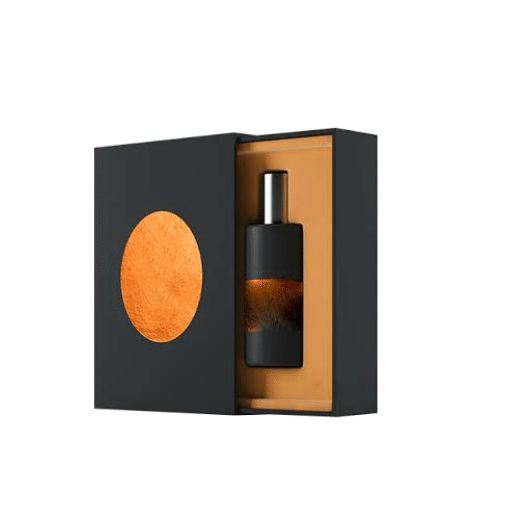
The continuous fine mist sprayer consists of a one-stroke action pump, which discharges a long-lasting fine mist of about 1-3 seconds. No gases charged with propellant. No excessive strokes. No wrist pain.
It changes how people use products within the cosmetics, hair care, home care, and pharmaceutical applications.
The user’s fight here is directed at your spray bottle, not the contents. Ordinary pumps require more than a few strokes of the fingers. Chemical-filled aerosols – hazardous materials that are highly taxed. This upsets your clientele, and naturally your bottom line.
If you have seen how a customer has a battle with not unpleasantly inherent covering or bearing where the hands with an ordinary sprayer and the pain they go through, if one can experience it, that is a terrible feeling one tries. This article explains in detail what are continuous fine mist sprayer models, when they perform better than conventional pumps, and how to select the appropriate system for your product. There will also be a ‘pre-compression’ mechanism and 360° sprays usage, applications in market and order placement point of view various agro businesses.
Key Takeaways
- A continuous fine mist sprayer uses pre-compression technology to release a sustained mist for 1–3 seconds per trigger pull, eliminating repeated pumping and hand fatigue.
- Droplet sizes range from 40–60 microns, delivering aerosol-like fineness without chemical propellants or VOCs.
- 360-degree spray capability allows upside-down application, making these sprayers ideal for hard-to-reach areas in cleaning, salon, and industrial use.
- The global fine mist sprayer market is projected to grow from USD 1.89 billion in 2025 to USD 2.38 billion by 2030, driven by cosmetics and personal care demand.
- Choosing the right neck finish, output rate, and material compatibility ensures your continuous sprayer performs reliably with your specific formula.
What Is a Continuous Fine Mist Sprayer?

Definition and Core Technology
A continuous fine mist sprayer is a simple mechanical device, which holds a thin layer of liquid in the chamber under pressure and delivers after the trigger is pulled by the user. The nozzle has a small opening so the chamber content is expelled as a single and even cloud. The main working principle is attributed to the use of pre-compression pump which builds pressure without the act of spraying.
This structure is very different from typical pumps. Each user has a brief heavy stroke (pull) while the chamber is still being pressurized and the spray comes after it is released covering a wide area for a long period of time. It is able to produce such a fine mist that is capable of competing with aerosol cans but does not have any gas under pressure.
How It Differs from Aerosols
In contrast, an aerosol can uses a pressurized liquid called a propellant, which is responsible for forcing the contents out of the can. Such a system is effective but has its fair share of disadvantages too. For this reason, propellants are considered volatile organic compounds (VOC). They are highly regulated due to environmental concerns and also due to the hazardous nature of shipping them out of consumer preference.
The continuous fine mist sprayer and bottle container system replaces the propellants with mechanical pressure. Air and the product are the only contents of the bottle. Consequently, there are no VOC emissions, reducing the regulatory pressures, and in many cases shipping becomes cheaper as no pressure in the containers is needed. This is a relevant adjustment for brands that communicate participation in sustainability.
How It Differs from Standard Trigger Sprayers
Standard trigger sprayers and finger pumps work in such a way that they create a single spray output per squeeze. A given amount of the liquid is dispensed from the pool with each pull of the trigger. The user needs to pump many times in order to do this over a larger area. This, however, makes three major pitfalls inevitable namely: unsuitable application, aching hands and irregular droplet sizes.
This is where a continuous fine mist sprayer comes to help. The purpose of the pre-compression chamber is to counteract spikes of pressure so the size of each droplet will be approximately the same. Thanks to the extended spray, one trigger pull will cover what could otherwise take several pulls of the trigger on a standard pump. This allows the users to achieve greater results with less effort.
Want to see how continuous sprayers can work for your specific product? Explore our custom fine mist sprayer options to review colors, finishes, and OEM branding possibilities.
How Does a Continuous Fine Mist Sprayer Work?
The Pre-Compression Cycle
The magic happens inside a compact assembly of springs, pistons, and valves. Here is the step-by-step process:
- Priming: Before first use, the bottle requires 10 to 15 trigger strokes to fill the pre-compression chamber with liquid and build initial pressure.
- Pressure buildup: Each subsequent squeeze displaces liquid into a small buffer chamber. The spring-loaded piston compresses against a calibrated valve.
- Release: Once pressure reaches the valve threshold, the valve opens and liquid exits through the micro-orifice nozzle in a sustained stream.
- Recharge: The spring returns the piston to its starting position, drawing more liquid from the bottle into the chamber for the next cycle.
This buffering action is the key difference. Standard pumps have no reservoir. They push liquid directly from the dip tube to the nozzle. The pre-compression chamber acts like a capacitor, storing energy and releasing it in a smooth pulse rather than a sharp spike.
360-Degree Spray Capability
Numerous forms of continuous fine mist sprayer models allow an entire 360-degree spraying range, including utilization while upside down. They do so by employing a contained suction draw mechanism instead of a tube that relies on gravity to operate.
In this system, a negative pressure technique is used to extract the liquid from a closed compartment. The system contains no components which enable liquid lifting by gravity, hence output is stable even when the bottle is kept upside down. This functionality is critical when one wants to clean underneath furniture, style hair in different angles or water plants above the head.
However, priming will only take place in the normal vertical position. The mister allows spraying from any angle after the prepared state has already been attained. On average, the performance is good up to about half filled capacity while completely turned over.
Droplet Size and Output Specifications
Precision matters in misting applications. Here are the typical specifications for a quality continuous fine mist sprayer:
| Specification | Typical Value |
|---|---|
| Droplet size | 40–60 microns |
| Discharge rate | 0.8–1.25 cc per second |
| Spray duration | 1–3 seconds per trigger pull |
| Priming strokes | 10–15 (first use only) |
| Cycle life | 10,000+ actuations |
| Spray angle | 360° (on compatible models) |
These numbers explain why salons, skincare labs, and pharmaceutical packagers are shifting toward continuous technology. The droplet size sits in the same range as aerosol mist, but without the environmental and regulatory baggage.
Continuous Fine Mist Sprayer vs. Standard Fine Mist Sprayer
Mechanism Comparison
A standard fine mist sprayer uses a direct piston pump. Each finger stroke pushes a fixed volume, typically 0.12 to 0.16 ml, through the nozzle. There is no reservoir. The pressure depends entirely on how hard and fast the user squeezes.
A continuous fine mist sprayer adds the pre-compression chamber between the piston and the nozzle. This chamber averages out pressure fluctuations. The result is a consistent spray regardless of trigger speed or finger strength.
Performance Comparison
| Feature | Standard Fine Mist Sprayer | Continuous Fine Mist Sprayer |
|---|---|---|
| Spray duration | Instant burst | 1–3 seconds sustained |
| Coverage per pull | Small spot | Large area |
| Hand fatigue | High (repeated pumping) | Low (single pull) |
| Droplet consistency | Variable | Highly uniform |
| Upside-down use | No | Yes (on most models) |
| User experience | Functional | Premium |
Cost and Sourcing Comparison
There is, therefore, a cost incentive for improved constant atomization devices. Other items include pre-compression that necessitates more parts, strict standards, and longer assemble time. Be prepared to pay an additional 20 to 40% extra for each one compared to an ordinary short neck hand sprayer of similar size and material.
But often times the price difference is worth it. Whether it’s the minimized product wastage or the improved customer experience and the shelf aesthetic appeals among the brands in mid-market or premium segments, the additional cost is justified. In case of any use and cost-effective commodity, such pumps are still economical.
When to Choose Which
Choose a continuous fine mist sprayer when:
- Your product benefits from even, wide coverage
- User experience is a key selling point
- You want aerosol-like performance without propellants
- Your application requires upside-down spraying
Choose a standard fine mist sprayer when:
- Cost per unit is the primary constraint
- The product is a low-viscosity liquid used in small doses
- Your market is highly price-sensitive
- Simple, proven reliability matters more than spray experience
When Maria opened her hair salon in Austin, she started with standard pump bottles for her leave-in treatments. Clients never complained, but they never complimented the experience either. After switching to continuous mist sprayers, she noticed stylists finishing blow-dry prep 15% faster.
Clients started asking where they could buy the bottles. The upgrade cost her $0.35 more per unit. The word-of-mouth referrals paid for the difference within one quarter.
Key Applications by Industry

Hair Care and Salon Products
One of the first users of this technology was the hairstylist community. Of course, it takes just one stroke of the nozzle to generate a lovely mist, allowing the product to be applied evenly. Further, no more multiple pumps will allow to keep one hand clear for combing and/or dividing hair sections.
360 degrees becomes a necessary option given the work dynamic in the salons. It allows spraying at an odd angle around the client, in the chair. Micro-fine sprays also keep boring over spraying which is important considering the priciness of salon’s ingredients.
Skincare and Cosmetics
High-end skincare products also employ a continuous fine mist sprayer as part of its luxury packaging – making the product feel like a luxurious mist rather than sudden blast. Face mists, set sprays and toners are all better experienced in mister format where the mist lands luxuriously as opposed to a short squirt.
In this instance, droplet size is significant. Particles over 80 microns may feel noticeable on the face since they are either wet or slimy. The continuous fine mist sprayer works in the 40-60 micron range which is a very appealing and quick-drying mist that is viewed as a premium by consumers.
Home Care and Cleaning
Many products that are used for sanitizing and deodorizing surfaces, as well as refreshing fabrics, have a great advantage when applied in long duration sprays. In this regard, a continuous spray bottle was invented, which helps in covering a larger area such as the countertops, the shower walls or the upholstery, in a single movement.
Where the upside-down spray comes in handy. The familiar pumps fail to function as soon as the level of liquid in the bottles goes below the dip nose opening, though. Due to the vacuum draw, a continuous sprayer continues functioning even if the bottle completely runs empty and the plastic sprayer is held upside down below the sink.
Plant Care and Gardening
Tender plant species like orchids, ferns or or African violets need moisture control, without many water droplets. This is because, heavy drops, can cause problems such as leaf rot. The continuous ultra-fine mist sprayer allows for increases in the ambient moisture levels while leaving a dry-touch impression on the leaves.
Even those with vast indoor plant collections appreciate the efficiency. There is no way a standard pump can handle misting fifty plants without the same squeeze motion repetitively. A sprayer makes the task in one moment and gives joy.
Pharmaceutical and Medical
Such medical devices as topical wound cleansers, nasal saline sprays, and medical cooling mists require accurate and consistent dosing. The pre-compression mechanism provides controlled output in situations where standard pumps are less effective. The availability of sterile manufacturing processes makes these devices safe for use in pharmaceutical packaging.
Incorporation of the child-resistant locking devices into continuous sprayer actuators to facilitate incorporation of safety features in the creation of over the counter medicines.
Food and Beverage
Cooking sprays are an expanding segment of oil and vinegar misters and other release agents. Continuous fine mist sprayer applies a thin coat of oil over pans or over salad differently from the commercial cooking spray which contains chemical propellants in it.
Food grade PP and PET constructions make for safe storage and are in line with the FDA and EU regulations governing food contact plastics. Even attracting home cooks as it is an easy refill device that can be filled with any olive oil or flavored vinegar of choice.
Are you up for a challenge? You can bet that the application form for a sample unit of our continuous fine mist sprayer is clear and will serve as a chaser to your current allausmazuka-plagued application.
Choosing the Right Continuous Fine Mist Sprayer
Neck Finish and Bottle Compatibility
Continuous fine mist sprayers are manufactured in standard neck finishes to match common bottles. The most common sizes are:
- 18/410: Small bottles, 15–30 ml, ideal for travel-size perfumes and samples
- 20/410: Small to medium bottles, 30–60 ml, popular for serums and essential oils
- 24/410: Medium bottles, 60–240 ml, the most versatile size for cosmetics and home care
- 28/410: Large bottles, 240–500 ml, used for household cleaners and salon sizes
The first number is the neck diameter in millimeters. The second number is the thread profile. Always match the closure finish exactly to your bottle neck. A 24/410 sprayer will not seal properly on a 24/415 bottle. Our fine mist sprayer size guide covers dimension charts and compatibility in detail.
Output and Dosage Requirements
The demise rate that you shall take into consideration shall match the worth and use of the product. Low-volume high-frequency devices like serums and those for perfumes require a more refined output. Quick dispensing is also important for many cleaning materials and hair styling products.
Talk about outputs and their customization capabilities with the manufacturing company. It is possible that a pre-compression system may deliver a spray rate between 0.6 cc/sec and 1.5 cc/sec by varying the spring force and altering the valve setting.
Formula Compatibility
Not every liquid works with every continuous sprayer. Pre-compression pumps have viscosity limits. Here is a general compatibility guide:
| Formula Type | Compatibility | Notes |
|---|---|---|
| Water-based toners | Excellent | Ideal for all continuous sprayer designs |
| Alcohol-based perfumes | Good | Verify gasket material resists alcohol |
| Light oils (dry oils) | Good | Stay below 50 cP viscosity |
| Heavy oils and serums | Fair | May require modified piston or larger orifice |
| Suspensions and gels | Poor | Particles can clog micro-orifice nozzles |
| High-foam surfactants | Check | Excessive foaming may disrupt chamber pressure |
If you are unsure about your formula, request a compatibility test. At Fuzhou Longlu Packaging Co., Ltd., we run pump trials with customer formulations before confirming an order. This step prevents costly surprises after production begins.
Customization Options
Continuous fine mist sprayers can be customized to match your brand identity. Available options include:
- Colors: Pantone-matched PP or PET components
- Surface finishes: Ribbed for grip, smooth for premium feel, or soft-touch coatings
- Metal sheaths: Aluminum collars and shells for luxury positioning
- Overcaps: Clear dust caps, locking hoods, or custom shapes
- Logo printing: Silk screen, hot stamp, or pad printing directly on the actuator or closure
- Dip tube length: Custom-cut to match your specific bottle height
Low minimum order quantities are available for custom colors and branding, making continuous sprayers accessible even to emerging brands. Learn more in our guide to custom fine mist sprayers.
Sustainability and Regulatory Advantages

Aerosol Replacement Benefits
Getting rid of use of spray cans and adopting nozzles that provide steady streams of liquid helps cut down on volatile organic compound (VOC) emissions. This is important for brands that target consumers who are concerned about the environment, and also for companies based in countries like California and European Union where the air quality standards are too high.
Pressurized equipment is more risky to transport for obvious reasons. Spray cans have to be labeled and stored in a certain manner and there is often hazmat handling fees involved when shipping them. On the other hand, a continuous fine mist sprayer can be transported like any other item.
Recyclable and Refillable Design
Most continuous sprayers are built from PP, PET, or a combination of both. These materials are widely accepted in municipal recycling streams. Refillable designs extend the product lifespan. The pump head can last for 10,000 actuations, while the bottle may be refilled dozens of times.
Some manufacturers now offer all-plastic pump constructions without metal springs. These mono-material designs are easier to recycle because consumers do not need to disassemble the pump before placing it in the bin. For a deeper look at sustainable options, see our article on eco-friendly fine mist sprayers.
Regulatory Compliance
Since continuous fine mist sprayers are devoid of pressurization, this eliminates many of the trade restrictions imposed on aerosols. The DOT and IATA shipping classifications become very straight forward. REACH, on the other hand, concerns itself with the formula and the plastic components but not the spraying agent.
For food-contact and cosmetic purposes, one should ascertain that all wetted parts are compliant with any applicable FDA or EU 10/2011 requirements. Such assurance of the materials being compliant alongside the provision of vessel analysis certificates on demand is provided by credible manufacturers.
Lisa started her green cleaning company in Portland and made a point of not using aerosols. Her later release had basic trigger sprayers and customers directed their complaints at her concerning the fatigue they experienced during cleaning. Then, she moved to continuous mist spray bottles that worked in any position, even upside down.
Now her patrons could reach beneath toilet rims and behind the kitchen appliances without awkwardly craning their wrists. There was a 22% reduction in returns, and her reorder rate increased. The continuous fine mist sprayer was more expensive initially, but due to the enhancement in customer lifetime value, it turned out to be the most lucrative packaging option.
Conclusion
Pleasantries go beyond the comfort of experiencing fine mist sprays, but is a continuous fine mist sprayer an enhancement or a breakaway? This innovative type of spray uses the pre-compression method to reach an even and constant spray, unattainable with typical pump sprays.
The cartridge and propellant are not used in the design, thereby accommodating certain consumers who care about the environment and limiting the need to comply with complex regulations. The range of applications that can be reached with conventional sprayers is made even more possible with the 360-degree spray.
This is because the packaging sector is shifting from basic features to advanced ones, focusing on the consumer. Continuous mist technology offers an edge over others because only a few are willing to switch as the decades-old pump sprays out in the market exist. Hence The first spray brings about a noticeable impact on your customers.
Fuzhou Longlu Packaging Co., Ltd. has specialized in producing continuous fine mist sprayers which are used by various brands worldwide in various climates. We are able to meet your requirements whether it is a stock 24/410 configurations or a wholly owned or original equipment manufacturing (OEM) system-compliant branded solution since we supply the structure directly from the factory.
Contact us today for a free sample, technical specifications, or a custom quote for your continuous fine mist sprayer project.