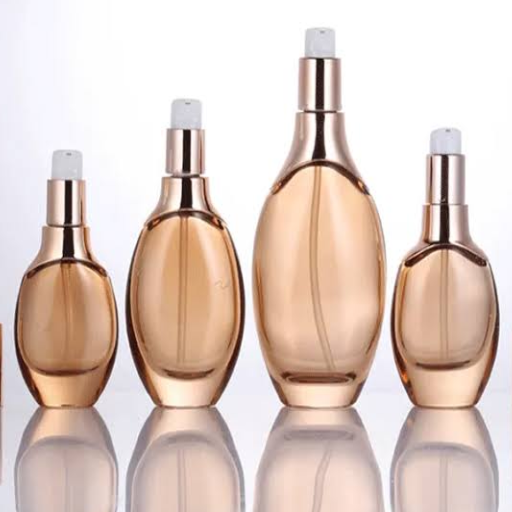
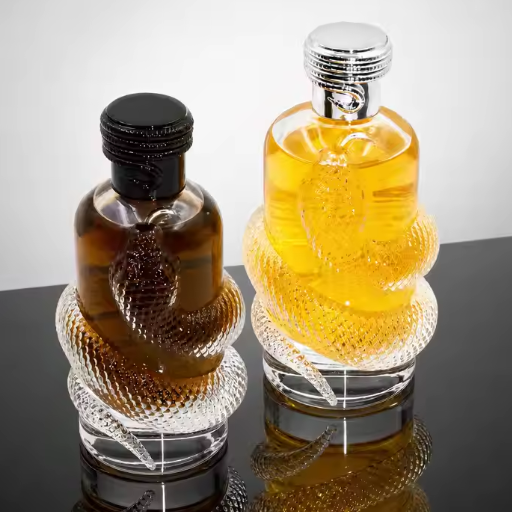
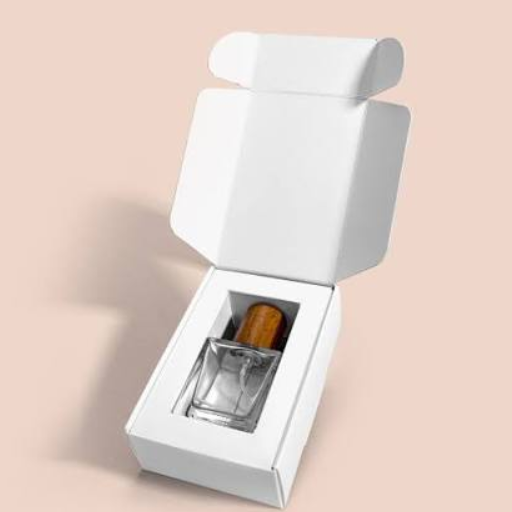
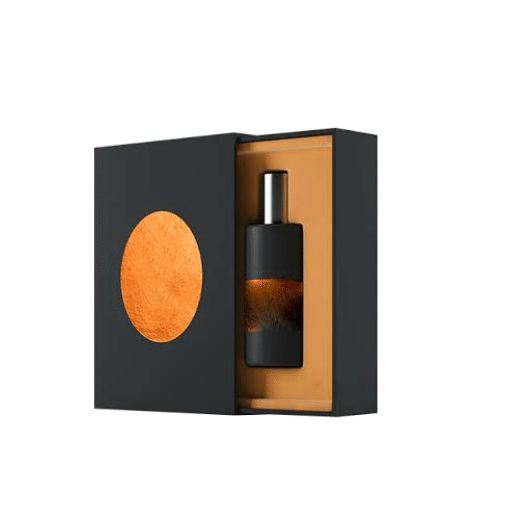
Designing an attractive perfume bottle requires designers to combine three essential elements: artistic creativity, practical use, and new design solutions. The process of turning an original concept into a physical product brings multiple obstacles to brands, but ultimately delivers powerful outcomes. This guide demonstrates how to achieve your vision through advanced 3D rendering and efficient prototyping techniques — covering critical procedures that transform your distinctive design from digital images into production-ready products.
Introduction to 3D Prototyping in the Fragrance Industry
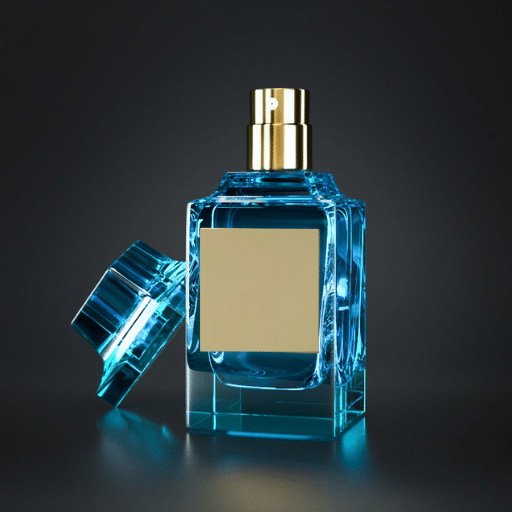
3D prototyping in the fragrance industry involves creating realistic, precise models of perfume bottles before committing to full-scale production. Designers can evaluate their designs in three dimensions — testing whether products function properly, look good, and match their brand identity. The combination of 3D rendering and printing technologies enables businesses to achieve shorter development cycles, identify design problems early, reduce costs, and maintain design flexibility.
Why 3D Prototyping Matters: Key Industry Facts
Faster development — prototyping cuts product model production time in half, helping brands launch before rivals.
Cost savings — fixing design issues during development costs 30% less than post-production corrections.
Less waste — 3D prototyping decreases material waste output by up to 90% versus traditional methods.
Improved accuracy — physical prototypes depict products with complete detail, reducing costly design mistakes.
Overview of the Manufacturing Journey
The manufacturing process for 3D-designed perfume bottles combines artistic creativity with scientific engineering and contemporary technological innovations. Traditional manufacturing methods fail to produce the intricate, customized designs that 3D printing technology enables. Below is a step-by-step breakdown of the full system.
Concept and Design
Product designers develop a concept and transform it into a bottle design using CAD software such as SolidWorks and Rhino. Approximately 75% of luxury brands use 3D modeling for initial design drafts to develop new concepts faster.
Material Selection
High-resolution resins, bioplastics, and sustainable materials serve as both operational and environmentally friendly building materials. As of 2023, approximately 40% of manufacturers now use bio-based resins to decrease environmental impact while maintaining product excellence.
Prototyping and Testing
Technologies such as SLA (Stereolithography) and Multi-Jet Fusion produce prototypes through a precise layer-by-layer manufacturing process. According to McKinsey, adopting 3D prototyping can reduce product development timelines by up to 30%, ensuring quicker time-to-market.
Customization and Branding
3D printing allows businesses to manufacture customized products — engraved logos, unique textures, and personalized bottle shapes. Research shows that personalized packaging leads to a 60% increase in customer engagement, resulting in stronger brand loyalty.
Final Production
Hybrid manufacturing combines 3D-printed molds with traditional glass-blowing and injection molding to meet high demand while maintaining design integrity. The global luxury packaging market is projected to grow at 8% annually until 2027.
Sustainability Integration
3D printing decreases material waste and reduces carbon emissions throughout the production process. Traditional mold-reliant processes show a resource waste reduction of 90% when companies integrate additive manufacturing — with some even using recycled materials for 3D printing.
The Role of 3D Rendering in Initial Perfume Bottle Design
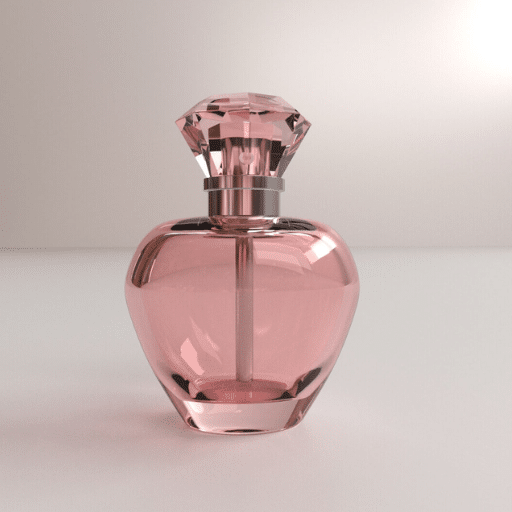
3D rendering plays a crucial function in the early phases of perfume bottle design — enabling designers and brands to create visual models of their ideas before building physical products. Below are five key benefits that 3D rendering provides to the design process.
✅ 3D Rendering Benefits Checklist
- ✔
Accurate concept visualization — stakeholders can assess the design from all perspectives to verify alignment with brand identity. - ✔
Reduced physical prototyping costs — virtual models decrease the need for multiple costly physical prototypes, reducing material waste. - ✔
Material and texture simulation — designers can depict glossy surfaces, glass transparency, and metallic sheens before committing to production. - ✔
Improved team collaboration — a shared 3D visual reduces implementation mistakes and improves stakeholder alignment. - ✔
Rapid design iteration — shape, size, color, and branding changes can be instantly converted into new design models for faster project advancement.
Creating 3D Perfume Bottle Models for Concept Visualization
The creation of 3D perfume bottle models requires multiple technical functions and artistic processes using high-level technology. Designers use modern 3D modeling software — Blender, Autodesk Maya, and SolidWorks — as their primary design instruments. The packaging design industry has seen a 35% rise in 3D modeling tool adoption due to improved availability of these tools.
💡 Pro Tips: 3D Modeling Best Practices
- Begin with hand-drawn sketches or initial drawings and convert them into design software as a starting point.
- After modeling, use rendering to simulate how the bottle appears under different lighting conditions, reflections, and shadow patterns. Over 70% of product designers find photorealistic renders helpful for client approvals.
- Use tools such as KeyShot and Adobe Substance 3D to accelerate rapid design modification workflows.
- Leverage VR/AR demonstrations using 3D models — companies using AR/VR to showcase concepts have seen a 50% increase in customer interaction and faster buying decisions.
Using 3D Renders to Evoke Emotions
The strategic use of 3D perfume bottle renders enables brands to establish emotional bonds with consumers. Studies found that 75% of consumer purchasing decisions depend on emotional responses to product design. Advanced texture rendering and finish presentations — including luxurious glass effects and color gradients — help brands generate specific emotional reactions representing elegance, freshness, or sensuality.
Material Selection and Its Impact on Perfume Bottle Prototyping

Material selection is a crucial factor that determines both the visual appeal and commercial durability of perfume bottle prototypes. The following table presents a comprehensive comparison of the five primary materials used in perfume bottle prototyping.
| Material | Advantages | Considerations | Best For |
|---|---|---|---|
| 🔷 Glass | Upscale appearance; transparent; fully recyclable; preserves fragrance integrity | Fragile; higher manufacturing and distribution costs | Premium & luxury segments |
| 🔶 Plastic (PET / Acrylic) | Lightweight; affordable; flexible shapes and colors | Less luxurious appearance; environmental impact unless recycled/biodegradable | Mid-range; travel-friendly |
| ⬛ Metal (Al / Steel) | Strong; attractive; polishing and embossing options | Higher production expenses; limited transparency | Caps, collars, accent elements |
| 🟤 Ceramic | Exceptional texture; artistic luxury appearance; unique tactile properties | Heavy; more vulnerable to damage during transport | Artisan, collectible, gift editions |
| 🟢 Wood | Environmentally friendly; natural, inviting aesthetic | Requires protection against scent absorption and environmental damage | Caps, accents, eco-brand lines |
Choosing Between Glass, Acrylic, and Resins
Selecting the right material is a crucial factor that determines aesthetic qualities, practical performance, and brand image. Here is a detailed comparison of the leading material options.
The Role of Material Properties in Perfume Bottle Design
The selection process requires an assessment of essential properties that determine the bottle’s ability to function properly, endure over time, and maintain its attractive appearance. Below are five material properties with essential functions that validate their importance.
| Property | Why It Matters | Industry Example |
|---|---|---|
| Transparency & Clarity | Allows consumers to see the perfume’s color, signaling quality and luxury | 70%+ of premium fragrance brands use transparent designs |
| Durability & Strength | Withstands impacts during transportation and daily handling | Reinforced plastics hold ~15% market share due to resilience |
| Weight & Portability | Heavier bottles signal luxury; lighter options suit eco and travel markets | Growing demand for travel-friendly lightweight designs |
| Recyclability & Sustainability | Consumer demand for eco-friendly packaging is rising sharply | 50%+ of beauty brands now use recyclable or refillable packaging |
| Aesthetic Versatility | Must support intricate designs, embellishments, and branding elements | Glass supports detailed textures; plastics enable complex molded shapes |
Sustainability Considerations in Material Choices
Material design decisions must now include sustainability because companies aim to reduce environmental impact while satisfying growing consumer demand for responsible products. Three essential sustainability dimensions guide the selection process.
♻️ Recyclability & Reusability
Approximately 80% of recycled glass is transformed into new products. However, only 9% of plastic materials worldwide are reused (OECD, 2023), driving many brands toward PET or refillable packaging systems.
⚡ Energy Consumption in Production
Glass production requires high-temperature melting, creating greenhouse emissions. Modern electric and hybrid furnace technologies are helping reduce this impact. Plastics require less energy to produce but pose long-term environmental degradation risks.
🌱 Sustainable Sourcing
Modern brands use bioplastics derived from sugarcane and corn starch. Some explore natural materials like wood, bamboo, and paperboard to decrease fossil fuel dependency. A NielsenIQ report found 75% of consumers will pay extra for sustainable products.
Testing and Refinement of Prototype Designs
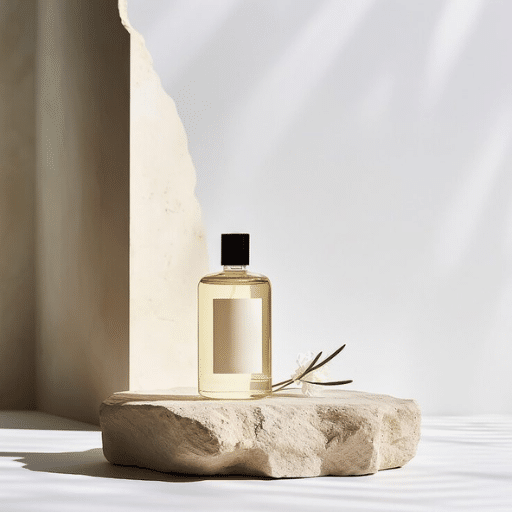
The testing and refinement stage of 3D perfume bottle prototypes confirms both operational capabilities and aesthetic characteristics. Advanced 3D printing technology and simulation software create efficient workflows that support key design choices. Multiple aspects are evaluated — durability, ergonomics, visual appeal, and sustainability.
Durability Testing
Finite Element Analysis (FEA) simulates stress points and assesses the bottle’s capacity to withstand drops, pressure, and standard usage. Research shows bottles with thicker base wall construction achieve 20% greater impact resistance.
Usability & Ergonomics
Evaluates grip efficiency, weight distribution, and sprayer/cap performance. A 2022 user feedback study found that 78% of customers preferred lighter, easy-grip perfume bottles — demonstrating that intuitive design remains a priority.
Aesthetic Analysis
KeyShot and Blender enable advanced texture and color simulations to develop prototypes before manufacturing begins. Consumer behavior reports show 65% of buyers are influenced by packaging design, making appearance testing essential.
Sustainability Assessment
Life-cycle assessments (LCAs) are now integrated into the refinement process. Using recycled glass and biodegradable polymers results in a 30% reduction in carbon footprint compared to standard packaging materials.
Final Prototyping & Small Batch Testing
Data analysis leads to small-batch prototypes that gather genuine user responses. 3D-printed molds and rapid prototype casting methods provide both cost savings and production efficiency before full production begins.
Ensuring Structural Integrity
Engineers verify strength and reliability through drop tests, compression tests, and thermal stability evaluations. Recent data demonstrates that high-quality materials like borosilicate glass and reinforced polymers provide superior damage protection.
- ▸
Borosilicate glass maintains structural integrity through temperature changes between -20°C and 200°C, protecting bottles across diverse shipping conditions. - ▸
Reinforced polymer materials deliver 30% more impact protection than standard glass products. - ▸
Integrating FEA software into the design process leads to 15% fewer production failures, resulting in significant financial and resource savings.
Aesthetic Alignment with Brand Identity
A perfume bottle is more than a container — it is a vital component of the brand’s heritage and identity. Research by Deloitte shows that 59% of consumers make purchases from brands that match their personal values, proving that businesses need strong, authentic brand identities built into every design element.
Luxury Brands
Goal: Exclusivity and elegance. Design approach: ornate forms, rich textures, gold/black palettes.
Minimalist Brands
Goal: Clean, pristine purity. Design approach: straight lines, earth tones, simple geometric forms.
Eco-Conscious Brands
Goal: Environmental responsibility. Design approach: natural materials, muted greens, recycled packaging.
📊 Key insight: Over 70% of fragrance consumers make purchasing decisions influenced by design elements — including trust and commitment toward brands (Google Consumer Survey).
Gathering Feedback and Making Adjustments
Developing an effective 3D perfume bottle design requires more than a first idea. Design studies show that about 75% of consumers decide which products to buy based on package design, making the feedback loop an essential development tool.
Frequently Asked Questions (FAQ)
Conclusion
3D printing technology enables perfume bottle production to explore new design possibilities while delivering visual and functional superiority that supports sustainable development objectives — making it the best option for future luxury packaging. Through ongoing design iteration, advanced material science, rigorous structural testing, and data-driven consumer feedback, brands can create packaging solutions that balance operational efficiency with environmental responsibility and emotional appeal.
Whether you are an independent perfumer or a global fragrance house, the essential tools, materials, and methodologies covered in this guide provide a clear pathway from your initial creative concept to a successful market-ready product that resonates with your target audience.
References
- Future Perspective: Design Process of Perfume Packaging PDF Link
- Development of Grip Comfort of Perfume Bottle by Applying the Concepts of Product Design and Development and Hybrid Optimization Technique PDF Link
- Numerical and Experimental Study to Predict the Forming Process Conditions of Non-Axisymmetric Glass Perfume Bottles PDF Link