Scent Textures in Niche Fragrances Overview
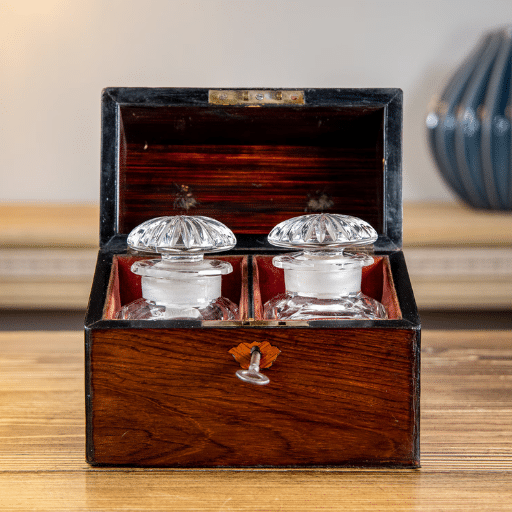
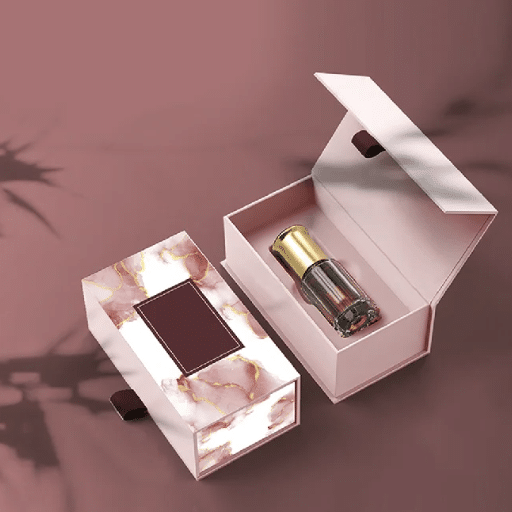
Niche fragrance creation needs scent textures because they provide perfumes with unique character and deeper complexity. Texture refers to the feeling of fragrance experienced like smooth, powdery, velvety, and crispy. The selected ingredients and accords that composer use to create specific emotional states produce these textures. The creamy texture originates from sandalwood and vanilla notes. The combination of citrus and green notes produces fresh and clear textures. Perfumers use correct fragrance texture identification to improve sensory experience of users while creating signature scents which remain in users’ minds.
Understanding the Concept of Scent Textures
The art of perfumery depends on scent textures because they control how people experience fragrances across various time frames. Research currently shows that customers prefer fragrances which contain different tactile properties because they seek to experience “silky” or “airy” textures which demonstrate how essential texture has become in modern perfume development. A 2023 market survey which a major fragrance industry association conducted found that 75% of consumers said that scent texture affects their buying choices.
A 2023 market survey by a major fragrance industry association found that 75% of consumers said that scent texture affects their buying choices — underscoring how essential texture has become in modern perfume development.
The process of scientists creating scent textures requires them to construct molecular compounds through their work with multiple building blocks. Aldehydes produce sharp and bright effects while musks generate smooth and surrounding sound effects. Modern fragrance technology enables perfumers to reproduce complex scent textures through the implementation of encapsulated scent molecules. The innovations enable wearers to experience two different scent options which combine oriental fragrances and aquatic scents while they develop emotional connections with the fragrances.
Perfumers use scent textures as essential tools which enable them to create perfumes that match current fashion trends and personal style preferences. Perfumers use art and science together to create olfactory experiences which completely immerse users in their work.
The Importance of Choosing a Signature Material
The selection of a signature material in perfumery establishes the primary element which defines a fragrance’s complete character. The main scent which people remember after experiencing a perfume design comes from the signature material that perfumers select with their careful selection process. The selection of signature materials occurs because these elements possess two major aspects which create deep connections with people making certain perfumes become worldwide favorites everyone recognizes. The following list presents five vital materials which perfumers commonly use because they bring distinct characteristics to their creations.
Oud (Agarwood)
The oud which comes from agarwood delivers rich woody scents with a slight sweet note making it a highly sought-after ingredient in both luxury and niche perfume creation. The scent creates a luxurious experience which people enjoy to use in both oriental and modern scent designs.
Jasmine
Jasmine serves as a timeless flower which produces an intense sensual scent. The fragrance combines jasmine with other elements to create an essential component found in numerous perfumes.
Ambergris
Ambergris exists as a rare and valuable substance which produces a warm sweet and musky aroma. Ambergris serves as a popular base note because it extends fragrance duration while creating deep scent complexity.
Sandalwood
The creamy smooth soft woody fragrance of sandalwood creates a calming experience for users. The ingredient enhances the opulence of floral and oriental scent creations.
Citrus Oils (Bergamot & Lemon)
Citrus oils which include bergamot and lemon serve as vital elements that create fresh uplifting fragrances while bringing bright clean energy to perfumes.
The signature material that people choose through careful selection creates emotional connections which make the scent last in the present day while delivering a sensory experience that people will remember.
Overview of Velvet, Wood, and Leather in Perfume
The scent combination of velvet wood and leather in perfumes creates an aromatic experience which perfume creators and fragrance fans both enjoy. The components of this formulae make perfumes more appealing because they add luxurious and everlasting character to the scents.
| Texture | Key Ingredients | Character & Mood | Market Note |
|---|---|---|---|
| Velvet | Iris (orris), cashmere wood, benzoin resin | Soft, warm, enveloping, sophisticated | Popular in autumn & winter |
| Wood | Sandalwood, cedarwood, oud, patchouli | Balanced, earthy, warm, alluring | 6.2% CAGR until 2028 (oud oil market) |
| Leather | Birch tar, castoreum, labdanum | Bold, elegant, strong, unisex | Strong demand in Europe & North America |
The Perfect Harmony
The combination of velvet and wood and leather notes produces a distinctive scent that nobody else can replicate. The three elements of this trio match unisex and oriental and chypre perfume families because they create an elegant and mysterious and refined atmosphere. The fragrances are designed for nighttime wear and cold weather because their luxurious and immersive qualities achieve their peak performance during those times. Perfumery advances through the combination of traditional fragrance elements with modern technological innovations and sustainable methods which maintain classic elements in present-day perfume creations.
Exploring Velvet Textures in Fragrance
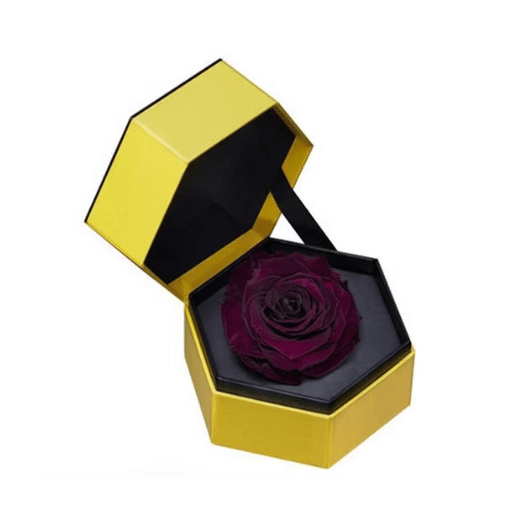
The velvet textures found in perfumes create a deep and rich and sensual experience that people who experience it find enchanting. The concept uses soft and warm and smooth sounds which create the same tactile experience as velvet fabric. The combination of creamy sandalwood and powdery iris and suede-like leather creates a luxurious perfume effect which designers commonly use in their compositions. The recent developments in perfumery have led brands to explore new applications of the term “velvet” into their products.
The 2023 market trends show that people now want perfumes which deliver soothing tactile experiences because they have embraced self-care as part of their indulgent lifestyle. The leading fragrance companies report that warm velvety perfumes experienced a 15 percent sales increase compared to the previous year because consumers preferred cozy and enveloping scents.
Sales increase for warm velvety perfumes year-over-year as consumers increasingly prefer cozy and enveloping scents.
Velvet textures create a perfect match with gourmand notes which include vanilla and amber and tonka bean, making them suitable for nighttime perfumes and scents designed for cold weather. The Tom Ford “Velvet Orchid” and Byredo “Velvet Haze” perfumes demonstrate how these textures produce refined yet inviting artistic outcomes through their use of various textures.
The trend promotes sustainability because perfumers now use responsibly sourced materials and cutting-edge synthetic compounds to achieve complex velvet effects while maintaining ethical standards throughout the production process. Modern fragrance designers find velvet textures attractive because they create the ideal balance between artistic freedom and ethical obligations.
The Softness of Velvet and Its Floral Depths
The velvet fragrances with floral scents create multiple scent dimensions which customers find attractive. The fragrance industry data shows that the current trend uses these elements because it creates a balance between soft and deep and complex qualities. The global market research firm Grand View Research conducted a study which found that the luxury fragrance market will expand at a 3.9% compound annual growth rate from 2023 until 2030. The market will be dominated by floral-forward perfumes throughout this time period.
Perfumers use rose and jasmine and ylang-ylang as the main floral components to develop scents that resemble velvet. The florals provide natural richness and sensuality whereas the velvet accords deliver a creamy smooth finish which extends the scent duration and scent intensity. Fragrance creators use modern innovations to create this pairing by using molecular technology to reproduce velvet texture which they combine with natural floral materials.
Consumers now prefer fragrances which produce comforting and nostalgic and luxurious experiences. Recent sales data shows that perfumes with warm floral scents and velvety characteristics consistently rank as the most popular products in premium fragrance collections. The combination of velvet-textured florals with their enduring charm establishes a distinctive position in the perfume industry because these fragrances maintain both classic appeal and current trends.
Luxury and Elegance in Velvet Perfumes
The luxurious nature of velvet perfumes provides people with sophisticated scents which show the highest level of elegance from each drop. Recent reports indicate that the global fragrance market will exceed $52 billion in 2027 because customers increasingly demand niche perfumes and high-end perfumes which possess velvet-like characteristics. The fragrances provide consumers with a complete sensory experience because they possess rich and smooth and excessively luxurious scent profiles which appeal to customers with sophisticated taste.
The perfumes of velvet fragrances establish their main identity through their capacity to combine warm powdery scents with elegant floral fragrances which include iris and rose and jasmine. The modern compositions present a combination of velvety vanilla and amber and rare oud which creates a complete luxurious experience. The elements create both a comfortable warmth and an everlasting elegance which premium fragrance enthusiasts find attractive.
The industry surveys show that consumers increasingly prefer to select personalized fragrance options which include artisanal features. The crowded market of their industry presents challenges for velvet perfumes because special edition products and custom scent combinations help them to attract customers. The velvet perfume collections of Dior and Guerlain and Byredo have achieved substantial expansion because these products remain popular among luxury customers.
The complex design of velvet perfumes attracts people to their scent because it represents high social status and exclusive access. The fragrances maintain their position as the highest form of sophistication through their presentation in beautiful bottles and their advertisement through interactive marketing methods which target affluent customers.
Popular Velvet-Based Niche Fragrances
The niche fragrances which use velvet as their base have gained popularity among perfume lovers throughout the world because their fragrances create luxurious and elegant scent experiences.
- Tom Ford’s Velvet Orchid
Combines black orchid and vanilla and honey into a luxurious fragrance that includes rum and mandarin orange for its everlasting appeal.
- Dolce & Gabbana’s Velvet Desert Oud
Presents its scent through a combination of smoky oud and amber and musk which creates a distinctive mysterious effect.
- Amouage’s Velvet Fig
Presents its fig and cardamom and sandalwood notes to create an exotic warm atmosphere which has made the fragrance a prized possession for collectors.
The global niche perfume market will achieve a 5.5% compound annual growth rate from 2021 to 2028 according to a Grand View Research 2023 report because more consumers choose these exceptional high-quality fragrances. The fragrances attract customers because they show commitment to sustainability which uses responsibly obtained materials while developing sophisticated aromas. Velvet-based fragrances maintain their position as an elite choice for customers who want exclusive products which display artistic qualities because they combine small production runs with unique packaging and contemporary product displays.
The Earthiness of Wood in Niche Perfumes
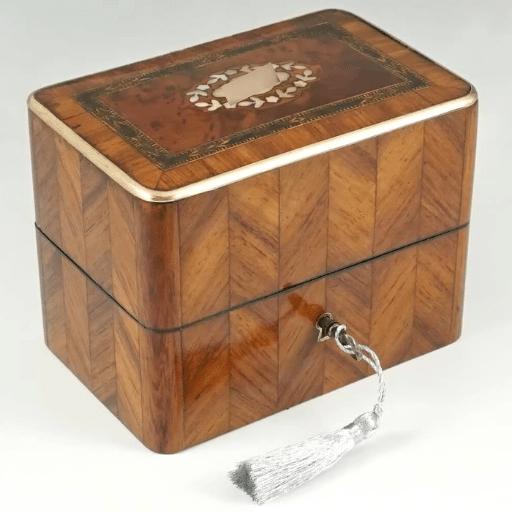
The wood-based fragrances which perfume markets consider sophisticated scents create a permanent existence as timeless perfumes. The collection presents fragrances which deliver actual customer experiences by using natural earthy scents that originate from real-world elements. The perfumes use sandalwood cedarwood oud and patchouli as their primary scent building components to create intricate scent patterns.
The market analysis currently demonstrates that the global niche perfume market which uses wood-based fragrances reached a valuation of approximately $10.8 billion in 2020 and will grow at a rate of 7.6% per year between 2021 and 2028. The market shows growth because consumers today prefer to buy distinctive high-quality artisanal fragrances which exist as unique products in comparison to standard mass-market perfumes. People have started to prefer natural woodsy scents because those scents let them experience environmentally friendly high-end luxury items.
Wood-based perfumes now use sustainability as their primary focus for production processes. High-end brands now focus on environmentally responsible raw material procurement through their commitment to sustainable sandalwood sourcing from Australian and Indian harvest sources. The creation of synthetic accords through perfume chemistry research enables perfumers to replicate the genuine scent of agarwood oud which helps both product demand and environmental sustainability.
The multiple uses of wood fragrances present an additional reason people find them attractive. Wood fragrances provide a strong foundation which perfumers can combine with other scent elements to create fragrances that last longer and project more strength. The combination of sandalwood creaminess with bergamot sharpness and vanilla sweetness produces a balanced scent experience which stays on the skin. The fragrance combinations illustrate how niche perfumery creates artistic works which attract customers who want to buy upscale yet unique scents.
Structure and Longevity of Wood Notes
The structured composition of wood notes makes them suitable for use in perfumes which last longer. The natural sources of these notes include tree and root materials which produce cedarwood and sandalwood and patchouli and oud. The essential oils present in this item contain molecular designs which limit their evaporation to top and middle notes thus creating a base that endures through the complete fragrance design. The body of sandalwood maintains its thick and smooth material which allows it to remain on skin surfaces for 8-12 hours after users apply it.
Recent studies in the perfume industry demonstrate that wood notes provide two benefits which include their ability to extend fragrance duration and their capacity to keep unstable fragrance elements from vanishing. The wood base of a perfume together with its citrus and floral top notes creates a stable scent development which preserves both balance and complexity throughout time.
of luxury fragrance consumers choose perfumes which contain strong woody elements because these scents provide enduring appeal and sophisticated qualities which surpass most synthetic fragrances. (2023 market analysis)
The modern use of synthetic molecules like Iso E Super has expanded the applications of wood notes by creating a velvety texture which suits both classic and contemporary fragrance designs. The evolution of fragrance technology and changing consumer preferences show that wood notes keep their attractive qualities while serving vital functions in perfume creation.
Masculine Appeal of Wooden Fragrances
The masculine character of wooden fragrances dates back to ancient times because their robust earthy scent creates a grounded scent. The base notes of perfumes use sandalwood and cedarwood and oud to create warm scents which produce an impression of strength and stability and sophisticated depth. Recent consumer preference studies show that woody scents continue to be one of the most popular choices for men’s fragrances. The Fragrance Foundation conducted a market analysis in 2023 which showed that more than 40 percent of masculine fragrance purchases contained woody notes, proving that these notes continue to be popular among customers.
Consumers choose wooden fragrances because they provide traditional scents paired with modern scent combinations. Modern perfumery has introduced combinations such as woody-aromatic or woody-spicy accords which enhance the multiple ways they can be used. The development of synthetic materials such as Iso E Super enables fragrances to deliver smoother performance and extended longevity which attracts more customers. Modern consumers prefer fragrances that combine traditional elements with current fashionable styles which makes woody fragrances a suitable choice to represent sophisticated masculine style.
Highlighting Best Wood-Based Perfumes
- 1
Tom Ford Oud Wood
The exotic and sophisticated composition has become a distinctive element of luxurious fragrance making. This perfume combines oud and sandalwood with vanilla to create a scent which achieves perfect harmony between warm and rich elements. The scent of the fragrance persists throughout the night which makes it a preferred option for individuals who like woody fragrances that they can wear during night events.
- 2
Creed Bois du Portugal
Creed Bois du Portugal maintains its reputation as a sophisticated perfume which has achieved permanent classic status. The fragrance develops through a combination of sandalwood and cedarwood which merge with lavender and ambergris to create a timeless yet sophisticated scent. The perfume demonstrates its adaptability because it suits both formal events and retains its ability to attract people throughout time.
- 3
Le Labo Santal 33
Le Labo Santal 33 which people consider the center of modern perfume shows two different aspects of its design. The scent develops through a combination of sandalwood and cedarwood which combines with cardamom and leather to create a fragrance which contains both smoky and spicy elements. The scent became a worldwide phenomenon because people of all genders preferred it making it one of the top woody fragrances.
- 4
Diptyque Tam Dao Eau de Parfum
Tam Dao creates a warm and creamy scent which showcases the beauty of sandalwood. The perfect combination of sandalwood with cypress and spicy juniper berry creates a peaceful and meditative experience for users. The perfume offers an ideal choice for people who prefer to wear perfumes that have a subtle yet beautiful scent.
- 5
Gucci Guilty Absolute Pour Homme
The modern perfume features a bold design which combines a prominent leather-woody aroma with patchouli and vetiver and cedarwood notes. The scent of Gucci Guilty Absolute shows its daring nature because it remains powerful throughout the day for people who have strong personality traits.
The wood-based fragrances show the skilled art of perfume creation through their work. The fragrances have two main reasons for their positive reputation people find their scents pleasing and the scents possess power to trigger emotions which build enduring memories. Every composition reveals the root of its existence at the current moment through its particular composition.
Boldness of Leather in Fragrance Selection
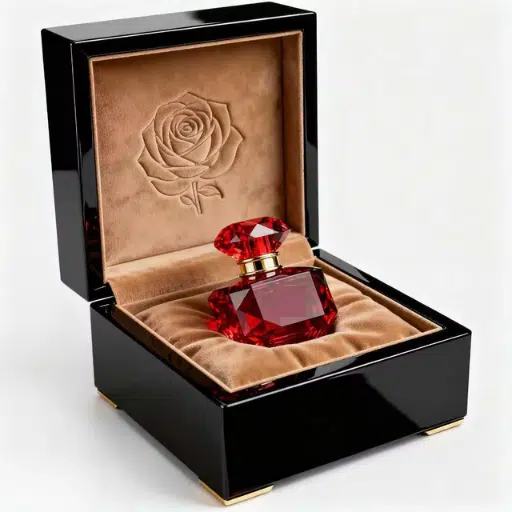
Leather has functioned as an outstanding design element for fragrances since its discovery because its molecular structure creates unique and luxurious scent combinations. The aromatic note possesses a dual nature because it combines aspects of strength and sophistication with sensuality which results in its vital role within numerous famous perfumes. The creation of leather fragrances involves tanned leather extracts which contain birch tar labdanum and saffron combined with other elements that produce spicy and woody and smoky effects which create unique product contrasts.
The global demand for leather fragrances has increased because market reports indicate that consumers desire both niche and luxury scents. The 2023 market analysis shows that the global luxury perfume market which includes leathery fragrances will reach a value of $16.8 billion by 2030 while developing at a 5.8 percent compound annual growth rate from 2022. People choose to purchase distinctive fragrances because those scents provide them with powerful personal branding opportunities.
Modern fragrance chemistry enables perfumers to use contemporary techniques for creating perfect leather notes which match both masculine and unisex fragrance styles. The Tom Ford perfume “Tuscan Leather” presents a sophisticated leather scent which combines smoky elements with its leather notes while “Cuir Béluga” by Guerlain presents a gentle fragrance through its combination of leather and vanilla notes. The fragrances demonstrate how leather creates multiple scent possibilities which maintain their appeal for people who want to show both strength and elegance through their choice of fragrances.
Animalic Notes and the Sophistication of Leather
The deep and provocative animalic notes of perfumery create complex scents which produce primal attraction. The historical origins of these notes trace back to natural animal-based components which include civet ambergris musk and castoreum. Modern perfumers use synthetic materials because these materials enable them to create complex scents which require ethical and sustainable production methods. The animalic notes of leather perfumes create aromatic depth through their warm deep character which creates an expensive luxurious impression.
Recent data shows that leather-based fragrances are experiencing renewed popularity in both niche and designer markets with sales of niche fragrances growing at a compound annual growth rate (CAGR) of approximately 8% globally according to various industry reports. The market expansion occurs because customers who seek unique perfume products choose scents which differ from conventional commercial fragrances. The combination of leather and animalic notes creates a scent experience which attracts people who want sophisticated yet unique fragrances.
Tom Ford’s “Ombré Leather” fragrance combines leather with jasmine and moss to produce a balanced scent which contains warm animalic notes. The leather genre reaches its most authentic expression through “Tuscan Leather Intense” which combines saffron and oud to produce an authentic leather scent experience. The current perfume market includes new leather and animalic combinations which modern perfumers use to create timeless luxurious fragrances.
Understanding the Leather Fragrance Smell
The scent of leather produces unique and powerful and enigmatic odors that create its signature aroma. The essential human history of tanned hides which developed into luxury products serves as the base for this scent. The aroma of leather creates an impression of sophistication and masculinity whereas contemporary leather scents now offer unisex options. The leather note in perfumes uses synthetic and natural material combinations to create tanned leather scents which require no animal products. The common contributors to this sound include birch tar and styrax and castoreum and labdanum which deliver smoky and woody and earthy sounds. The modern formulations now use floral and fruity and spicy accords as base scents to develop more detailed and complex scent profiles.
The market research shows that leather fragrances maintain their presence in luxury perfumery because the global fragrance industry experiences 5 percent annual growth. These products become popular because they enable people to demonstrate their strength and refined appearance and timeless fashion. The established brands of Tom Ford and Maison Margiela developed new products by blending traditional leather scents with saffron and vanilla and oud. The ongoing development of leather as a fragrance note demonstrates its ability to adapt to various consumer preferences and market trends.
Modern Leather Perfumes: A Trend Analysis
Leather fragrances have experienced increased popularity during recent years because consumers are drawn to their luxurious and complex scents. The global fragrance market which reached a value of about $33 billion in 2022 is expected to grow at a compound annual growth rate of 5.5 percent between 2023 and 2030 according to current market research. Leather-based perfumes have developed their own market segment which attracts customers who prefer traditional scents as well as modern fragrances.
Current fashion trends show designers who combine leather fragrances with uncommon scent mixtures to create modern gender-neutral perfume collections. The fragrance companies Dior and Creed developed their products Fahrenheit Parfum and Aventus Leather to reach customers from different target groups. Google search trends show that the number of people searching for “best leather perfumes” and “unisex leather fragrances” has increased during the past three years which indicates that more consumers want to learn about this product category.
Europe serves as the primary market for leather perfumes because the region has a long-standing tradition of producing both high-end goods and traditional perfume products. The Asia-Pacific market has emerged as a major expansion area because young consumers in the region increasingly prefer unique and daring fragrance styles. The combination of traditional elements with contemporary design enables leather fragrances to maintain their appeal to consumers throughout the world who consider them both classic and fashionable options.
Market Growth at a Glance
| Segment | Market Value | Growth Rate (CAGR) | Forecast Period |
|---|---|---|---|
| Luxury Fragrance Market | Exceeds $52 Billion by 2027 | 3.9% | 2023–2030 |
| Niche Perfume Market (Wood) | ~$10.8 Billion (2020) | 7.6% | 2021–2028 |
| Global Oud Oil Market | Growing Steadily | 6.2% | Until 2028 |
| Luxury Perfume (Leather) | $16.8 Billion by 2030 | 5.8% | 2022–2030 |
| Global Fragrance Market | ~$33 Billion (2022) | 5.5% | 2023–2030 |
Frequently Asked Questions (FAQ)
References
- Insider Knowledge Perfumery — This chapter discusses the psychology of fragrance families, classifications, and the role of textures like leather in niche perfumes. Available as a PDF for purchase or institutional access.
- Specialty Chemical Finishes for Sustainable Luxurious Textiles — This chapter explores luxurious materials and their sensory attributes, including velvet and leather, in sustainable applications. Available as a PDF for purchase or institutional access.
© Niche Perfumery Guide · Crafted for the connoisseur